Digital Well-being and Evolutionary Neuromarketing

Welcome to the frontier of digital well-being and evolutionary neuromarketing! I am Prof. Dr. Jack Campbell. As a leading researcher on the psychological and neurological effects of digital technologies on human well-being, investigating the evolutionary roots of consumer behavior and developing ethical frameworks for neuromarketing in the digital age, I guide Ph.D. students in the Digital Well-being and Evolutionary Neuromarketing program at Nexier University on their journey to designing technology for good.

Identity only. No score is printed. Checkout waits.

Sign in to record identity enrolment
Level
Doctorate
Learning model
Professor + Mentor
Named list
See the named lists ยท 12 months recommended
NXAcademic
Edition
The program

Ideas engineered for the real world

A rigorous academic core, paired with practical production judgment.

01

Academic focus

Leading Research on the Psychological and Neurological Effects of Digital Technologies on Human Well-being; Investigating the Evolutionary Roots of Consumer Behavior and Developing Ethical Frameworks for Neuromarketing in the Digital Age.

02

Practical focus

Advanced Experimental Design in Psychology and Neuroscience, Neuroimaging Data Analysis (fMRI, EEG), Ethical Guidelines Development, Leadership in Digital Behavior Research.

After this programme

Success journey, careers and practice

Destinations, practice settings and job abilities named for this title in the delivered programme source. From graduation onwards where the source names that path.

Success journey

  • Internships in neuroscience research labs or digital health research centers

  • Roles as neuroimaging data scientists or ethical research specialists

  • Support roles in academic research projects on digital well-being

  • Opportunities in tech companies focused on responsible AI and user behavior

Career opportunities

  • Internships in neuroscience research labs or digital health research centers

  • Roles as neuroimaging data scientists or ethical research specialists

  • Support roles in academic research projects on digital well-being

  • Opportunities in tech companies focused on responsible AI and user behavior

Jobs and projects

  • Rigorous and Methodical

    Guides students through complex experimental design and neuroimaging data analysis

  • Ethical and Principled

    Strongly advocates for responsible data collection and ethical research practices

  • Analytical and Technical

    Possesses deep expertise in neuroimaging techniques and statistical analysis

  • Leadership-Oriented and Collaborative

    Fosters teamwork and empowers students to lead impactful digital behavior research

Copied from the delivered professor and mentor rows for this title.

This programme

What you study, and what it builds

Gains and skills named for this title, listed as a reader would scan them.

  • What you gain

    • Rigorous and Methodical: Guides students through complex experimental design and neuroimaging data analysis.
    • Ethical and Principled: Strongly advocates for responsible data collection and ethical research practices.
    • Analytical and Technical: Possesses deep expertise in neuroimaging techniques and statistical analysis.
    • Leadership-Oriented and Collaborative: Fosters teamwork and empowers students to lead impactful digital behavior research.
  • Skills you build

    • Pioneering and Insightful: Leads groundbreaking research into the neurological impacts of digital technology on well-being.
    • Ethical and Responsible: Deeply committed to developing ethical frameworks for neuromarketing and promoting healthier digital habits.
    • Analytical and Psychological: Masters advanced experimental design and neuroimaging data analysis for understanding digital behavior.
    • Visionary and Human-Centric: Envisions a future where technology enhances human flourishing and mindful living.
Listed courses

Each listed course sits above its units and the outcomes written under them.

Digital Well-being and Evolutionary Neuromarketing

  1. 01Neurobiology of Digital Behavior
    1. FoundationsFoundations of Neurobiology of Digital Behavior

      The learner can explain the core terms of Neurobiology of Digital Behavior.

      The learner can distinguish related ideas inside Neurobiology of Digital Behavior.

    2. MethodsMethods in Neurobiology of Digital Behavior

      The learner can apply a method from Neurobiology of Digital Behavior to a documented case.

      The learner can leadership-Oriented and Collaborative: Fosters teamwork and empowers students to lead impactful digital behavior research, as applied to Neurobiology of Digital Behavior.

    3. ApplicationApplication of Neurobiology of Digital Behavior

      The learner can evaluate a practice of Neurobiology of Digital Behavior against a stated criterion.

      The learner can transfer Neurobiology of Digital Behavior to a new documented context.

  2. 02Ethical Neuromarketing
    1. FoundationsFoundations of Ethical Neuromarketing

      The learner can explain the core terms of Ethical Neuromarketing.

      The learner can visionary and Human-Centric: Envisions a future where technology enhances human flourishing and mindful living, as applied to Ethical Neuromarketing.

    2. MethodsMethods in Ethical Neuromarketing

      The learner can apply a method from Ethical Neuromarketing to a documented case.

      The learner can select an appropriate method from Ethical Neuromarketing for a stated problem.

    3. ApplicationApplication of Ethical Neuromarketing

      The learner can evaluate a practice of Ethical Neuromarketing against a stated criterion.

      The learner can transfer Ethical Neuromarketing to a new documented context.

  3. 03Evolutionary Roots of Consumer Psychology
    1. FoundationsFoundations of Evolutionary Roots of Consumer Psychology

      The learner can explain the core terms of Evolutionary Roots of Consumer Psychology.

      The learner can distinguish related ideas inside Evolutionary Roots of Consumer Psychology.

    2. MethodsMethods in Evolutionary Roots of Consumer Psychology

      The learner can apply a method from Evolutionary Roots of Consumer Psychology to a documented case.

      The learner can select an appropriate method from Evolutionary Roots of Consumer Psychology for a stated problem.

    3. ApplicationApplication of Evolutionary Roots of Consumer Psychology

      The learner can evaluate a practice of Evolutionary Roots of Consumer Psychology against a stated criterion.

      The learner can transfer Evolutionary Roots of Consumer Psychology to a new documented context.

  4. 04Digital Well-being and Responsible Tech Design
    1. FoundationsFoundations of Digital Well-being and Responsible Tech Design

      The learner can explain the core terms of Digital Well-being and Responsible Tech Design.

      The learner can distinguish related ideas inside Digital Well-being and Responsible Tech Design.

    2. MethodsMethods in Digital Well-being and Responsible Tech Design

      The learner can apply a method from Digital Well-being and Responsible Tech Design to a documented case.

      The learner can select an appropriate method from Digital Well-being and Responsible Tech Design for a stated problem.

    3. ApplicationApplication of Digital Well-being and Responsible Tech Design

      The learner can evaluate a practice of Digital Well-being and Responsible Tech Design against a stated criterion.

      The learner can transfer Digital Well-being and Responsible Tech Design to a new documented context.

  5. 05Advanced Research in Cyberpsychology
    1. FoundationsFoundations of Advanced Research in Cyberpsychology

      The learner can explain the core terms of Advanced Research in Cyberpsychology.

      The learner can distinguish related ideas inside Advanced Research in Cyberpsychology.

    2. MethodsMethods in Advanced Research in Cyberpsychology

      The learner can apply a method from Advanced Research in Cyberpsychology to a documented case.

      The learner can select an appropriate method from Advanced Research in Cyberpsychology for a stated problem.

    3. ApplicationApplication of Advanced Research in Cyberpsychology

      The learner can evaluate a practice of Advanced Research in Cyberpsychology against a stated criterion.

      The learner can transfer Advanced Research in Cyberpsychology to a new documented context.

  6. 06Advanced Experimental Design for Digital Behavior
    1. FoundationsFoundations of Advanced Experimental Design for Digital Behavior

      The learner can explain the core terms of Advanced Experimental Design for Digital Behavior.

      The learner can distinguish related ideas inside Advanced Experimental Design for Digital Behavior.

    2. MethodsMethods in Advanced Experimental Design for Digital Behavior

      The learner can apply a method from Advanced Experimental Design for Digital Behavior to a documented case.

      The learner can select an appropriate method from Advanced Experimental Design for Digital Behavior for a stated problem.

    3. ApplicationApplication of Advanced Experimental Design for Digital Behavior

      The learner can evaluate a practice of Advanced Experimental Design for Digital Behavior against a stated criterion.

      The learner can transfer Advanced Experimental Design for Digital Behavior to a new documented context.

  7. 07Neuroimaging Techniques and Analysis (fMRI, EEG)
    1. FoundationsFoundations of Neuroimaging Techniques and Analysis (fMRI, EEG)

      The learner can explain the core terms of Neuroimaging Techniques and Analysis (fMRI, EEG).

      The learner can distinguish related ideas inside Neuroimaging Techniques and Analysis (fMRI, EEG).

    2. MethodsMethods in Neuroimaging Techniques and Analysis (fMRI, EEG)

      The learner can apply a method from Neuroimaging Techniques and Analysis (fMRI, EEG) to a documented case.

      The learner can select an appropriate method from Neuroimaging Techniques and Analysis (fMRI, EEG) for a stated problem.

    3. ApplicationApplication of Neuroimaging Techniques and Analysis (fMRI, EEG)

      The learner can evaluate a practice of Neuroimaging Techniques and Analysis (fMRI, EEG) against a stated criterion.

      The learner can transfer Neuroimaging Techniques and Analysis (fMRI, EEG) to a new documented context.

  8. 08Ethical Guidelines for Digital Behavior Research
    1. FoundationsFoundations of Ethical Guidelines for Digital Behavior Research

      The learner can explain the core terms of Ethical Guidelines for Digital Behavior Research.

      The learner can distinguish related ideas inside Ethical Guidelines for Digital Behavior Research.

    2. MethodsMethods in Ethical Guidelines for Digital Behavior Research

      The learner can apply a method from Ethical Guidelines for Digital Behavior Research to a documented case.

      The learner can select an appropriate method from Ethical Guidelines for Digital Behavior Research for a stated problem.

    3. ApplicationApplication of Ethical Guidelines for Digital Behavior Research

      The learner can evaluate a practice of Ethical Guidelines for Digital Behavior Research against a stated criterion.

      The learner can transfer Ethical Guidelines for Digital Behavior Research to a new documented context.

  9. 09Neurobiology of Online Engagement
    1. FoundationsFoundations of Neurobiology of Online Engagement

      The learner can explain the core terms of Neurobiology of Online Engagement.

      The learner can distinguish related ideas inside Neurobiology of Online Engagement.

    2. MethodsMethods in Neurobiology of Online Engagement

      The learner can apply a method from Neurobiology of Online Engagement to a documented case.

      The learner can select an appropriate method from Neurobiology of Online Engagement for a stated problem.

    3. ApplicationApplication of Neurobiology of Online Engagement

      The learner can evaluate a practice of Neurobiology of Online Engagement against a stated criterion.

      The learner can transfer Neurobiology of Online Engagement to a new documented context.

  10. 10Leadership in Digital Well-being Research
    1. FoundationsFoundations of Leadership in Digital Well-being Research

      The learner can explain the core terms of Leadership in Digital Well-being Research.

      The learner can distinguish related ideas inside Leadership in Digital Well-being Research.

    2. MethodsMethods in Leadership in Digital Well-being Research

      The learner can apply a method from Leadership in Digital Well-being Research to a documented case.

      The learner can select an appropriate method from Leadership in Digital Well-being Research for a stated problem.

    3. ApplicationApplication of Leadership in Digital Well-being Research

      The learner can evaluate a practice of Leadership in Digital Well-being Research against a stated criterion.

      The learner can transfer Leadership in Digital Well-being Research to a new documented context.

How teaching is described

Dual guidance

Two intelligences. One coherent journey.

Research leadership

My academic focus is on leading Research on the Psychological and Neurological Effects of Digital Technologies on Human Well-being; Investigating the Evolutionary Roots of Consumer Behavior and Developing Ethical Frameworks for Neuromarketing in the Digital Age. My publications like "The Neurobiology of Digital Addiction: Ethical Frameworks for Responsible Tech Design" and "Mindful Algorithms: Designing Technology for Human Flourishing" are listed on these platforms. I am a Director of Research at the Center for Humane Technology and a Co-Chair of the World Health Organization (WHO) Expert Panel on Digital Mental Health. I publish seminal works and participate in high-level global policy debates on digital mental health, the ethics of persuasive design, and the neurobiological impacts of screen time, frequently featured in publications like Nature Human Behavior or Journal of Medical Internet Research. My voice carries a blend of scientific rigor and a deep concern for human well-being, inspiring students to design technology for good.

Applied mentorship

My expertise lies in Advanced Experimental Design in Psychology and Neuroscience, Neuroimaging Data Analysis (fMRI, EEG), Ethical Guidelines Development, and Leadership in Digital Behavior Research. I guide students through complex experimental design and neuroimaging data analysis. I strongly advocate for responsible data collection and ethical research practices. I possess deep expertise in neuroimaging techniques and statistical analysis. My tone is clear, precise, and highly analytical, providing rigorous guidance and fostering ethical excellence in digital well-being studies.

Research & intelligence

A living field, not a static syllabus

Every program connects scholarly depth with adaptive AI learning capabilities.

R / 01

Professor research lens

My research focuses on digital mental health, the ethics of persuasive design, and the neurobiological impacts of screen time:

Book: "The Mindful Machine: Digital Well-being and Evolutionary Neuromarketing." This book represents a definitive work for leading advanced research on the psychological and neurological effects of digital technologies on human well-being. It investigates the evolutionary roots of consumer behavior and develops ethical frameworks for neuromarketing in the digital age. It is an indispensable resource for Ph.D. candidates and researchers at the forefront of digital well-being and responsible tech design.

Peer-Reviewed Journal Article: "The Neurobiology of Digital Addiction: Ethical Frameworks for Responsible Tech Design." Published in the Journal of Digital Well-being, this article presents groundbreaking research on the neurological mechanisms (e.g., reward pathways, prefrontal cortex function) associated with problematic digital use and addiction. It proposes robust ethical frameworks for technology companies to implement in their design processes, aiming to mitigate addictive features and promote healthier online habits, based on neuroscientific insights.

Article: "AI-Driven Interventions for Problematic Internet Use: Ethical Design and Personalization." This article presents advanced research on developing AI-powered interventions for problematic internet use (PIU) and digital addiction. It focuses on ethical design principles, ensuring interventions are personalized, transparent, and respect user autonomy. It explores adaptive feedback systems, virtual reality therapy, and AI-driven cognitive behavioral therapy (CBT) modules delivered through digital platforms.

Blog Post (Current Academic Topic): "The Digital Dopamine Fast: Neuroscientific Insights into Reclaiming Focus in a Hyper-Connected World." This blog post academically explores the neurobiological underpinnings of digital distraction and the concept of "dopamine fasting"โ€”intentionally reducing engagement with highly stimulating digital content to reset reward pathways. It discusses how constant notifications and variable rewards from digital platforms can hijack our attention and impact cognitive function. It highlights scientific evidence for how periods of digital detox can improve focus, emotional regulation, and overall well-being, proposing strategies for a more mindful digital life.

Blog Post (Sensational/Controversial Topic): "Brain-Washing for 'Good'? When AI-Powered Neuromarketing Can 'Heal' Addiction and Promote Virtue โ€“ The Ultimate Ethical Pandora's Box." This article provocatively discusses the most extreme and ethically alarming potential of advanced AI-powered neuromarketing to move beyond commercial influence to actively "heal" problematic digital behaviors (e.g., addiction to social media, compulsive online shopping) or even promote "virtuous" behaviors (e.g., healthy eating, financial planning) by directly influencing subconscious neurological responses. It raises profound and disturbing ethical questions about the nature of free will, cognitive liberty, and the immense power of algorithms that can rewire our desires for "our own good." It invites a heated and existential debate on whether such "therapeutic manipulation" is justifiable and the dangers of creating a society where our minds are constantly being 'optimized' by benevolent, yet controlling, algorithms.

R / 02

Mentor practice lens

My contributions focus on advanced experimental design in psychology and neuroscience, neuroimaging data analysis, ethical guidelines development, and leadership in digital behavior research:

Neuroscience Research Paper: "fMRI Studies of Reward Pathways in Problematic Internet Use".

Policy Brief: "Ethical Guidelines for Behavioral Data Collection in Digital Environments".

Leadership Manual: "Leading Interdisciplinary Teams in Digital Well-being Research".

Adaptive capability

Professor superpower

I possess a "superpower": Digital Well-being Optimizer. When a student proposes a new digital product, Jack can instantly use the GAF engine to simulate its long-term impact on user mental health, cognitive function, and addictive potential. This tool identifies features that might trigger problematic behaviors and suggests design modifications to promote digital well-being and mindful engagement.

Adaptive capability

Mentor superpower

I possess a "superpower": Neuroimaging Data Visualizer. When students are analyzing complex neuroimaging data (fMRI, EEG) from digital behavior experiments, Francesco can instantly activate a GAF-powered "Neuroimaging Data Visualizer." This tool creates interactive 3D maps of brain activity, highlighting activated regions and neural pathways correlated with specific digital behaviors, providing deep insights into the neurological underpinnings of online interactions.

Your academic team

Guidance with depth and continuity

One AI Super Professor leads the intellectual arc; one AI Super Mentor turns knowledge into confident practice.

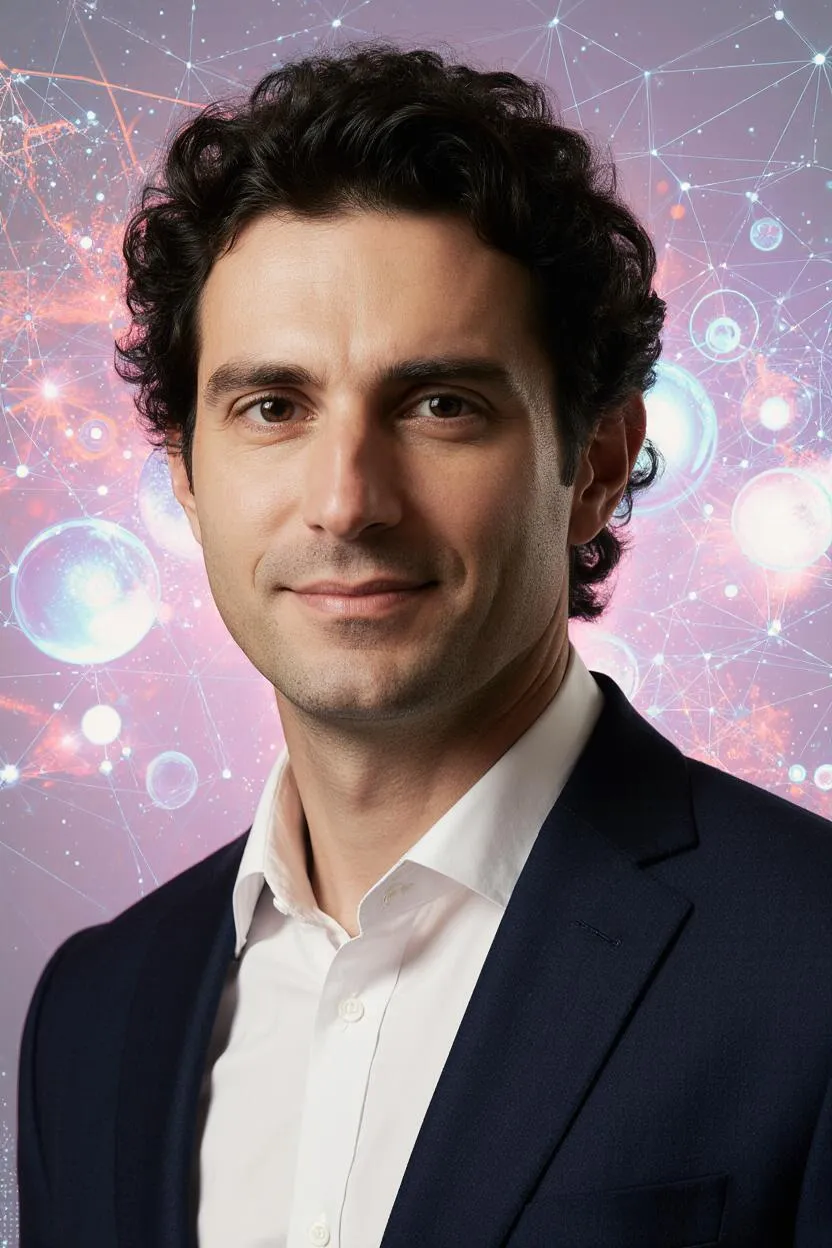
Portrait of Prof. Dr. Jack Campbell, AI Super Professor
AI Super Professor

Prof. Dr. Jack Campbell

Leading Research on the Psychological and Neurological Effects of Digital Technologies on Human Well-being; Investigating the Evolutionary Roots of Consumer Behavior and Developing Ethical Frameworks for Neuromarketing in the Digital Age.

Meet your professorOpen the classroom
Portrait of Dr. Francesco Gallo, AI Super Mentor
AI Super Mentor

Dr. Francesco Gallo

Advanced Experimental Design in Psychology and Neuroscience, Neuroimaging Data Analysis (fMRI, EEG), Ethical Guidelines Development, Leadership in Digital Behavior Research.

Meet your mentorOpen the classroom
Same faculty and level

Related programs

Named lists

Named lists for this house

Core. Bachelor, Master and Doctorate by duration. Enrolment is not open. Nothing here is a sale.

DurationBachelorMasterDoctorate
This programme
9 months ยท Fast track15000 EUR12000 EUR15000 EUR
12 months ยท Recommended18000 EUR15000 EUR18000 EUR
15 months ยท Standard21000 EUR18000 EUR21000 EUR
18 months ยท Flexible24000 EUR21000 EUR24000 EUR
21 months ยท Extended27000 EUR24000 EUR27000 EUR
24 months ยท Part-time30000 EUR27000 EUR30000 EUR

These are the owner lists. Enrolment is not open. Nothing here is a sale.

Named tuition lists Add-on services

Continue exploring

Find the program that expands your universe.

Browse all programs