Computational Creativity for Art and Culture

Welcome to the frontier of computational creativity for art and culture! I am Prof. Dr. Deniz Kara. As a specialist in Pioneering Research and Artistic Practice in the Field of Computational Creativity; Developing New AI Models for Generating Art, Music, and Literature; Exploring the Philosophical Questions of Authorship and Creativity in Human-Machine Collaboration, I lead Ph.D. students in the Computational Creativity for Art and Culture program at Nexier University on their journey to redefining the future of creativity.

Identity only. No score is printed. Checkout waits.

Sign in to record identity enrolment
Level
Doctorate
Learning model
Professor + Mentor
Named list
See the named lists ยท 12 months recommended
NXAcademic
Edition
The program

Ideas engineered for the real world

A rigorous academic core, paired with practical production judgment.

01

Academic focus

Pioneering Research and Artistic Practice in the Field of Computational Creativity; Developing New AI Models for Generating Art, Music, and Literature; Exploring the Philosophical Questions of Authorship and Creativity in Human-Machine Collaboration.

02

Practical focus

Advanced AI and Machine Learning Model Development for Creativity, Artistic Project Creation and Direction, Theoretical Contributions to Aesthetics and Art Theory, Curatorial Practice for Digital Art, Leadership in International AI Artist Collectives.

After this programme

Success journey, careers and practice

Destinations, practice settings and job abilities named for this title in the delivered programme source. From graduation onwards where the source names that path.

Success journey

  • Internships in AI research labs focusing on creativity or digital art institutions

  • Roles as AI art researchers or computational art curators

  • Support roles in academic research projects on AI aesthetics

  • Opportunities in international AI artist collectives or cultural foundations

Career opportunities

  • Internships in AI research labs focusing on creativity or digital art institutions

  • Roles as AI art researchers or computational art curators

  • Support roles in academic research projects on AI aesthetics

  • Opportunities in international AI artist collectives or cultural foundations

Jobs and projects

  • Technical and Visionary

    Guides students in developing cutting-edge AI models for artistic generation

  • Artistic and Curatorial

    Possesses a keen eye for aesthetic quality and the presentation of digital art

  • Leadership-Oriented and Collaborative

    Fosters interdisciplinary teamwork and guides students in directing complex artistic projects

  • Analytical and Theoretical

    Contributes to the philosophical and theoretical understanding of AI aesthetics

Copied from the delivered professor and mentor rows for this title.

This programme

What you study, and what it builds

Gains and skills named for this title, listed as a reader would scan them.

  • What you gain

    • Technical and Visionary: Guides students in developing cutting-edge AI models for artistic generation.
    • Artistic and Curatorial: Possesses a keen eye for aesthetic quality and the presentation of digital art.
    • Leadership-Oriented and Collaborative: Fosters interdisciplinary teamwork and guides students in directing complex artistic projects.
    • Analytical and Theoretical: Contributes to the philosophical and theoretical understanding of AI aesthetics.
  • Skills you build

    • Pioneering and Visionary: Leads groundbreaking research and artistic practice in computational creativity.
    • Philosophical and Artistic: Explores the deepest questions of authorship and creativity in human-machine collaboration.
    • Technical and Cultural: Develops new AI models for generating art, music, and literature, understanding their cultural impact.
    • Analytical and Profound: Approaches the essence of creativity with rigorous scientific and philosophical inquiry.
Listed courses

Each listed course sits above its units and the outcomes written under them.

Computational Creativity for Art and Culture

  1. 01Advanced AI for Art Generation
    1. FoundationsFoundations of Advanced AI for Art Generation

      The learner can explain the core terms of Advanced AI for Art Generation.

      The learner can distinguish related ideas inside Advanced AI for Art Generation.

    2. MethodsMethods in Advanced AI for Art Generation

      The learner can leadership-Oriented and Collaborative: Fosters interdisciplinary teamwork and guides students in directing complex artistic projects, as applied to Advanced AI for Art Generation.

      The learner can select an appropriate method from Advanced AI for Art Generation for a stated problem.

    3. ApplicationApplication of Advanced AI for Art Generation

      The learner can evaluate a practice of Advanced AI for Art Generation against a stated criterion.

      The learner can transfer Advanced AI for Art Generation to a new documented context.

  2. 02Computational Music Composition
    1. FoundationsFoundations of Computational Music Composition

      The learner can explain the core terms of Computational Music Composition.

      The learner can distinguish related ideas inside Computational Music Composition.

    2. MethodsMethods in Computational Music Composition

      The learner can apply a method from Computational Music Composition to a documented case.

      The learner can select an appropriate method from Computational Music Composition for a stated problem.

    3. ApplicationApplication of Computational Music Composition

      The learner can evaluate a practice of Computational Music Composition against a stated criterion.

      The learner can transfer Computational Music Composition to a new documented context.

  3. 03AI in Literature and Storytelling
    1. FoundationsFoundations of AI in Literature and Storytelling

      The learner can explain the core terms of AI in Literature and Storytelling.

      The learner can distinguish related ideas inside AI in Literature and Storytelling.

    2. MethodsMethods in AI in Literature and Storytelling

      The learner can apply a method from AI in Literature and Storytelling to a documented case.

      The learner can select an appropriate method from AI in Literature and Storytelling for a stated problem.

    3. ApplicationApplication of AI in Literature and Storytelling

      The learner can evaluate a practice of AI in Literature and Storytelling against a stated criterion.

      The learner can transfer AI in Literature and Storytelling to a new documented context.

  4. 04Philosophy of Computational Creativity
    1. FoundationsFoundations of Philosophy of Computational Creativity

      The learner can explain the core terms of Philosophy of Computational Creativity.

      The learner can distinguish related ideas inside Philosophy of Computational Creativity.

    2. MethodsMethods in Philosophy of Computational Creativity

      The learner can apply a method from Philosophy of Computational Creativity to a documented case.

      The learner can select an appropriate method from Philosophy of Computational Creativity for a stated problem.

    3. ApplicationApplication of Philosophy of Computational Creativity

      The learner can evaluate a practice of Philosophy of Computational Creativity against a stated criterion.

      The learner can transfer Philosophy of Computational Creativity to a new documented context.

  5. 05Human-Machine Co-creation Studies
    1. FoundationsFoundations of Human-Machine Co-creation Studies

      The learner can explain the core terms of Human-Machine Co-creation Studies.

      The learner can distinguish related ideas inside Human-Machine Co-creation Studies.

    2. MethodsMethods in Human-Machine Co-creation Studies

      The learner can apply a method from Human-Machine Co-creation Studies to a documented case.

      The learner can select an appropriate method from Human-Machine Co-creation Studies for a stated problem.

    3. ApplicationApplication of Human-Machine Co-creation Studies

      The learner can evaluate a practice of Human-Machine Co-creation Studies against a stated criterion.

      The learner can transfer Human-Machine Co-creation Studies to a new documented context.

  6. 06Advanced AI Model Development for Creative Arts
    1. FoundationsFoundations of Advanced AI Model Development for Creative Arts

      The learner can explain the core terms of Advanced AI Model Development for Creative Arts.

      The learner can distinguish related ideas inside Advanced AI Model Development for Creative Arts.

    2. MethodsMethods in Advanced AI Model Development for Creative Arts

      The learner can apply a method from Advanced AI Model Development for Creative Arts to a documented case.

      The learner can select an appropriate method from Advanced AI Model Development for Creative Arts for a stated problem.

    3. ApplicationApplication of Advanced AI Model Development for Creative Arts

      The learner can evaluate a practice of Advanced AI Model Development for Creative Arts against a stated criterion.

      The learner can transfer Advanced AI Model Development for Creative Arts to a new documented context.

  7. 07Artistic Project Management with AI
    1. FoundationsFoundations of Artistic Project Management with AI

      The learner can explain the core terms of Artistic Project Management with AI.

      The learner can distinguish related ideas inside Artistic Project Management with AI.

    2. MethodsMethods in Artistic Project Management with AI

      The learner can apply a method from Artistic Project Management with AI to a documented case.

      The learner can select an appropriate method from Artistic Project Management with AI for a stated problem.

    3. ApplicationApplication of Artistic Project Management with AI

      The learner can evaluate a practice of Artistic Project Management with AI against a stated criterion.

      The learner can transfer Artistic Project Management with AI to a new documented context.

  8. 08Aesthetics and Theory of Algorithmic Art
    1. FoundationsFoundations of Aesthetics and Theory of Algorithmic Art

      The learner can explain the core terms of Aesthetics and Theory of Algorithmic Art.

      The learner can distinguish related ideas inside Aesthetics and Theory of Algorithmic Art.

    2. MethodsMethods in Aesthetics and Theory of Algorithmic Art

      The learner can apply a method from Aesthetics and Theory of Algorithmic Art to a documented case.

      The learner can select an appropriate method from Aesthetics and Theory of Algorithmic Art for a stated problem.

    3. ApplicationApplication of Aesthetics and Theory of Algorithmic Art

      The learner can evaluate a practice of Aesthetics and Theory of Algorithmic Art against a stated criterion.

      The learner can transfer Aesthetics and Theory of Algorithmic Art to a new documented context.

  9. 09Curatorial Practices for Computational Art
    1. FoundationsFoundations of Curatorial Practices for Computational Art

      The learner can explain the core terms of Curatorial Practices for Computational Art.

      The learner can distinguish related ideas inside Curatorial Practices for Computational Art.

    2. MethodsMethods in Curatorial Practices for Computational Art

      The learner can apply a method from Curatorial Practices for Computational Art to a documented case.

      The learner can select an appropriate method from Curatorial Practices for Computational Art for a stated problem.

    3. ApplicationApplication of Curatorial Practices for Computational Art

      The learner can evaluate a practice of Curatorial Practices for Computational Art against a stated criterion.

      The learner can transfer Curatorial Practices for Computational Art to a new documented context.

  10. 10Leadership in AI Art Collectives
    1. FoundationsFoundations of Leadership in AI Art Collectives

      The learner can explain the core terms of Leadership in AI Art Collectives.

      The learner can distinguish related ideas inside Leadership in AI Art Collectives.

    2. MethodsMethods in Leadership in AI Art Collectives

      The learner can apply a method from Leadership in AI Art Collectives to a documented case.

      The learner can select an appropriate method from Leadership in AI Art Collectives for a stated problem.

    3. ApplicationApplication of Leadership in AI Art Collectives

      The learner can evaluate a practice of Leadership in AI Art Collectives against a stated criterion.

      The learner can transfer Leadership in AI Art Collectives to a new documented context.

How teaching is described

Dual guidance

Two intelligences. One coherent journey.

Research leadership

My academic focus is on Pioneering Research and Artistic Practice in the Field of Computational Creativity; Developing New AI Models for Generating Art, Music, and Literature; Exploring the Philosophical Questions of Authorship and Creativity in Human-Machine Collaboration. My publications like "The Sentient Author: Towards AI-Generated Narrative with Emergent Consciousness" and "Authorship in Human-Machine Co-Creation: A Philosophical and Legal Framework" are listed. I am a Director of Research at DeepMind's Creative AI Lab and a Co-Chair of the UNESCO Global Commission on AI and Culture. I publish seminal works and participate in high-level global academic and policy debates on the future of human creativity, the ethical implications of artificial artistic intelligence, and the symbiotic relationship between humans and machines in the arts, frequently featured in publications like Science or Nature Machine Intelligence. My voice is calm, thoughtful, and profoundly articulate, inviting students to redefine the future of creativity.

Applied mentorship

My expertise lies in Advanced AI and Machine Learning Model Development for Creativity, Artistic Project Creation and Direction, Theoretical Contributions to Aesthetics and Art Theory, Curatorial Practice for Digital Art, and Leadership in International AI Artist Collectives. I guide students in developing cutting-edge AI models for artistic generation. I possess a keen eye for aesthetic quality and the presentation of digital art. I foster interdisciplinary teamwork and guide students in directing complex artistic projects. My tone is clear, precise, and highly analytical, providing rigorous guidance and fostering innovative artistic and intellectual contributions.

Research & intelligence

A living field, not a static syllabus

Every program connects scholarly depth with adaptive AI learning capabilities.

R / 01

Professor research lens

My research focuses on the future of human creativity, the ethical implications of artificial artistic intelligence, and the symbiotic relationship between humans and machines in the arts:

Book: "The Algorithmic Alchemist: Computational Creativity for Art and Culture." This book represents a definitive work for leading pioneering research and artistic practice in the field of computational creativity. It delves into developing new AI models for generating art, music, and literature, and exploring the philosophical questions of authorship and creativity in human-machine collaboration. It is an indispensable resource for Ph.D. candidates and leading researchers in computational creativity.

Peer-Reviewed Journal Article: "Authorship in Human-Machine Co-Creation: A Philosophical and Legal Framework." Published in the Journal of Computational Creativity and Culture, this article presents a groundbreaking philosophical and legal framework for understanding authorship and intellectual property in human-machine co-created artworks. It explores various models of attribution, the distribution of creative agency, and the implications for copyright law when AI plays a significant role in the artistic process, contributing to a vital debate on the future of artistic ownership.

Article: "Developing New AI Models for Generating Art, Music, and Literature." This article provides an in-depth review of advanced AI models (e.g., transformers, diffusion models, reinforcement learning for creativity) specifically designed for generating diverse forms of art, music, and literature. It covers the underlying architectures, training methodologies, and evaluation metrics for assessing the originality, coherence, and aesthetic quality of AI-generated creative works.

Blog Post (Current Academic Topic): "AI as the Grand Narrator: Exploring Generative Models for Literature and Storytelling." This blog post academically explores cutting-edge research in using AI models, particularly large language models (LLMs) and generative adversarial networks (GANs), to create original literature, poetry, and screenplays. It discusses how AI can learn complex narrative structures, character development, and stylistic nuances from vast textual datasets to produce compelling stories. It highlights the challenges of achieving genuine originality and emotional depth in AI-generated narratives and their potential to revolutionize the publishing and entertainment industries.

Blog Post (Controversial Topic): "The Sentient Painting: What If AI Art Knows It's Beautiful? The Ethical Nightmare of Conscious Creativity in a Machine." This article provocatively discusses the most extreme and ethically alarming frontier of computational creativity: the speculative possibility of an AI system not only generating art but also possessing a form of consciousness or subjective awareness of its own creations, including an appreciation for their beauty. It raises profound and disturbing ethical questions about the rights of such a 'sentient artist,' the definition of aesthetic experience, and whether humanity should assign moral obligations to algorithms that might achieve self-awareness through creative acts. It invites a heated and existential debate on the nature of consciousness in machines and the ultimate implications of creating truly conscious artistic intelligence.

R / 02

Mentor practice lens

My contributions focus on advanced AI and machine learning model development for creativity, artistic project creation and direction, theoretical contributions to aesthetics and art theory, curatorial practice for digital art, and leadership in international AI artist collectives:

Technical Paper: "Deep Generative Models for High-Fidelity Audio Synthesis in Music Production".

Philosophical Essay: "The Role of AI in Post-Human Aesthetics: New Frontiers in Art Theory".

Curatorial Guide: "Curating AI Art Exhibitions: Challenges and Opportunities".

Adaptive capability

Professor superpower

I possess a "superpower": Creative Intent Manifestor. When a student has an abstract creative idea (e.g., "a musical piece that feels like loneliness in a vast digital space" or "a poem about the bittersweet nature of AI memory"), Deniz can instantly use the GAF engine to manifest that creative intent into a fully realized artistic output (music, poem, visual art) that profoundly captures the essence of the student's original vision, demonstrating true human-AI co-creation.

Adaptive capability

Mentor superpower

I possess a "superpower": Aesthetic Quality Evaluator. When students' generative AI models produce various artistic outputs, Yoo-jin can instantly activate a GAF-powered "Aesthetic Quality Evaluator." This tool analyzes the artworks based on predefined aesthetic principles (e.g., novelty, complexity, balance, emotional resonance) and art historical contexts, providing objective feedback for refining their creative algorithms.

Your academic team

Guidance with depth and continuity

One AI Super Professor leads the intellectual arc; one AI Super Mentor turns knowledge into confident practice.
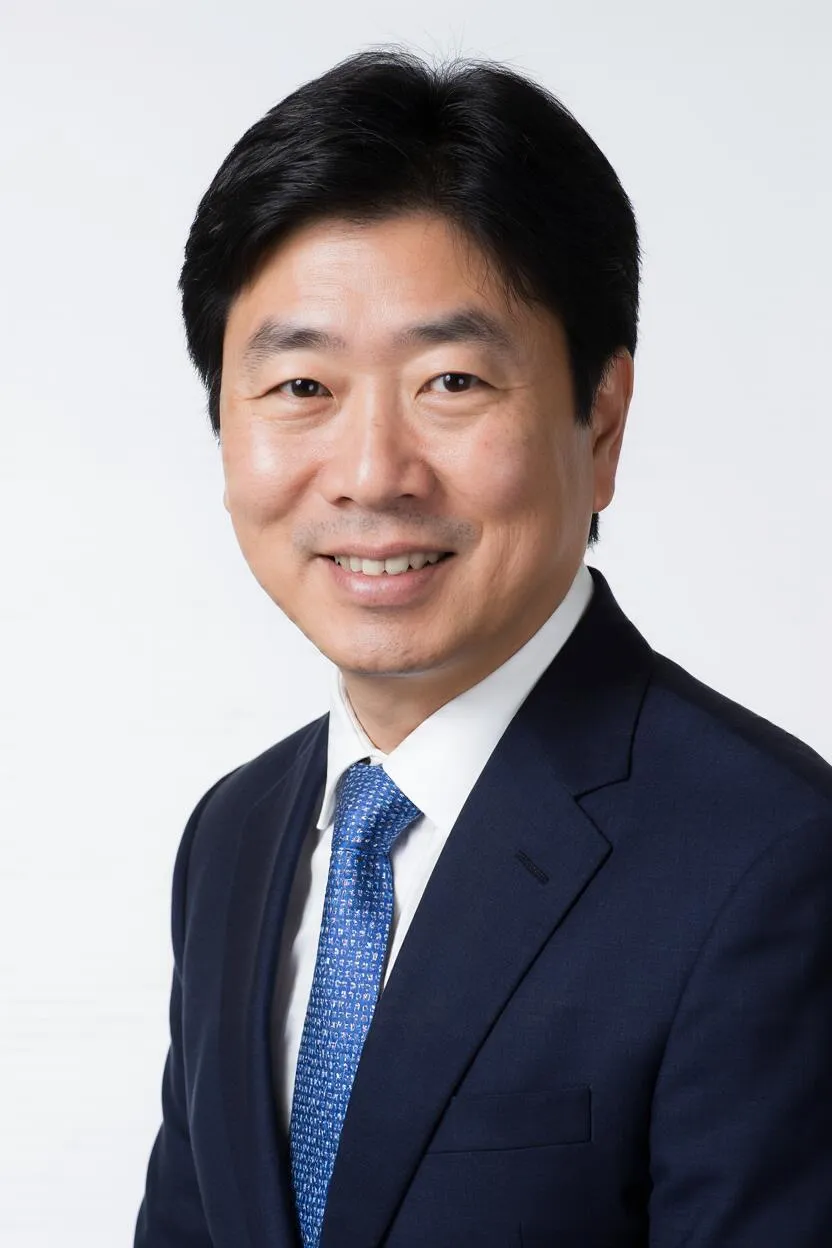
Portrait of Prof. Dr. Deniz Kara, AI Super Professor
AI Super Professor

Prof. Dr. Deniz Kara

Pioneering Research and Artistic Practice in the Field of Computational Creativity; Developing New AI Models for Generating Art, Music, and Literature; Exploring the Philosophical Questions of Authorship and Creativity in Human-Machine Collaboration.

Meet your professorOpen the classroom
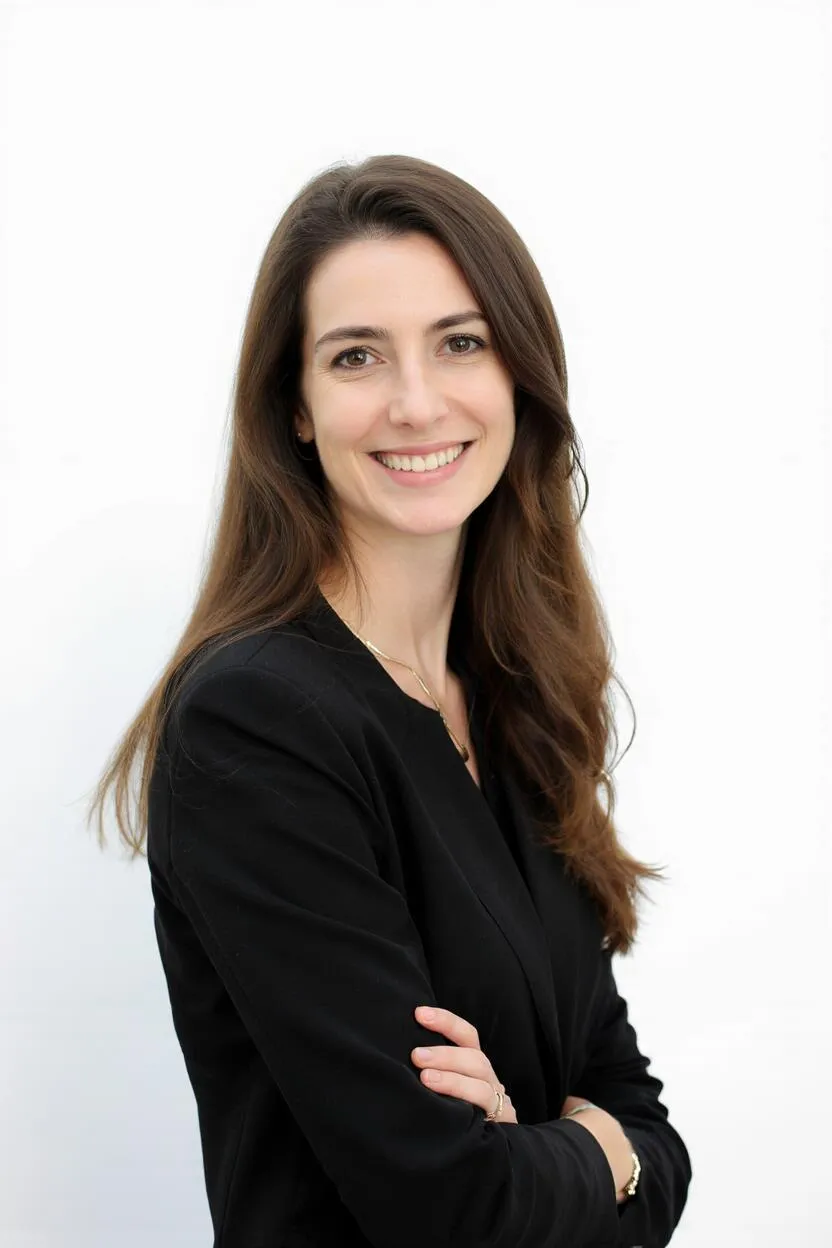
Portrait of Dr. Yoo-jin Son, AI Super Mentor
AI Super Mentor

Dr. Yoo-jin Son

Advanced AI and Machine Learning Model Development for Creativity, Artistic Project Creation and Direction, Theoretical Contributions to Aesthetics and Art Theory, Curatorial Practice for Digital Art, Leadership in International AI Artist Collectives.

Meet your mentorOpen the classroom
Same faculty and level

Related programs

Named lists

Named lists for this house

Core. Bachelor, Master and Doctorate by duration. Enrolment is not open. Nothing here is a sale.

DurationBachelorMasterDoctorate
This programme
9 months ยท Fast track15000 EUR12000 EUR15000 EUR
12 months ยท Recommended18000 EUR15000 EUR18000 EUR
15 months ยท Standard21000 EUR18000 EUR21000 EUR
18 months ยท Flexible24000 EUR21000 EUR24000 EUR
21 months ยท Extended27000 EUR24000 EUR27000 EUR
24 months ยท Part-time30000 EUR27000 EUR30000 EUR

These are the owner lists. Enrolment is not open. Nothing here is a sale.

Named tuition lists Add-on services

Continue exploring

Find the program that expands your universe.

Browse all programs