Digital Immortality and Consciousness Transfer Ethics

Welcome to the frontier of digital immortality and consciousness transfer ethics! I am Prof. Dr. Nadia Tampubolon. As a specialist in Leading the Ethical and Philosophical Inquiry into the Possibility of Digital Immortality and Consciousness Transfer; Researching the Implications for Personal Identity, Social Structures, and the Very Meaning of Human Life and Death, I guide Ph.D. students in the Digital Immortality and Consciousness Transfer Ethics program at Nexier University on their journey to researching the ultimate questions of life and death in the digital age.

Identity only. No score is printed. Checkout waits.

Sign in to record identity enrolment
Level
Doctorate
Learning model
Professor + Mentor
Named list
See the named lists ยท 12 months recommended
NXAcademic
Edition
The program

Ideas engineered for the real world

A rigorous academic core, paired with practical production judgment.

01

Academic focus

Leading the Ethical and Philosophical Inquiry into the Possibility of Digital Immortality and Consciousness Transfer; Researching the Implications for Personal Identity, Social Structures, and the Very Meaning of Human Life and Death.

02

Practical focus

Advanced Philosophical and Ethical Research, Speculative and Futures Thinking, Policy Analysis for Radical Technologies, Leadership in Public and Academic Debate on Existential Topics.

After this programme

Success journey, careers and practice

Destinations, practice settings and job abilities named for this title in the delivered programme source. From graduation onwards where the source names that path.

Success journey

  • Internships in future of humanity institutes or bioethics research centers

  • Roles as philosophical ethicists or radical technology policy analysts

  • Support roles in academic research projects on consciousness

  • Opportunities in organizations leading public debate on transhumanism

Career opportunities

  • Internships in future of humanity institutes or bioethics research centers

  • Roles as philosophical ethicists or radical technology policy analysts

  • Support roles in academic research projects on consciousness

  • Opportunities in organizations leading public debate on transhumanism

Jobs and projects

  • Philosophical and Strategic

    Guides students in advanced philosophical and ethical research on radical technologies

  • Speculative and Futures-Oriented

    Encourages deep thinking about the long-term implications of digital immortality

  • Leadership-Oriented and Debative

    Fosters critical debate and empowers students to lead public discourse on existential topics

  • Analytical and Policy-Oriented

    Excels at translating complex philosophical arguments into actionable policy recommendations

Copied from the delivered professor and mentor rows for this title.

This programme

What you study, and what it builds

Gains and skills named for this title, listed as a reader would scan them.

  • What you gain

    • Philosophical and Strategic: Guides students in advanced philosophical and ethical research on radical technologies.
    • Speculative and Futures-Oriented: Encourages deep thinking about the long-term implications of digital immortality.
    • Leadership-Oriented and Debative: Fosters critical debate and empowers students to lead public discourse on existential topics.
    • Analytical and Policy-Oriented: Excels at translating complex philosophical arguments into actionable policy recommendations.
  • Skills you build

    • Profound and Existential: Leads groundbreaking philosophical and ethical inquiry into digital immortality and consciousness.
    • Analytical and Visionary: Masters the implications for personal identity, social structures, and the meaning of life and death.
    • Ethical and Responsible: Deeply committed to navigating the ultimate moral challenges of transcending biological mortality.
    • Interdisciplinary and Thought-Provoking: Seamlessly blends philosophy, neuroscience, and AI to explore the future of human existence.
Listed courses

Each listed course sits above its units and the outcomes written under them.

Digital Immortality and Consciousness Transfer Ethics

  1. 01Philosophy of Digital Immortality
    1. FoundationsFoundations of Philosophy of Digital Immortality

      The learner can explain the core terms of Philosophy of Digital Immortality.

      The learner can speculative and Futures-Oriented: Encourages deep thinking about the long-term implications of digital immortality, as applied to Philosophy of Digital Immortality.

    2. MethodsMethods in Philosophy of Digital Immortality

      The learner can leadership-Oriented and Debative: Fosters critical debate and empowers students to lead public discourse on existential topics, as applied to Philosophy of Digital Immortality.

      The learner can analytical and Policy-Oriented: Excels at translating complex philosophical arguments into actionable policy recommendations, as applied to Philosophy of Digital Immortality.

    3. ApplicationApplication of Philosophy of Digital Immortality

      The learner can evaluate a practice of Philosophy of Digital Immortality against a stated criterion.

      The learner can transfer Philosophy of Digital Immortality to a new documented context.

  2. 02Ethics of Consciousness Transfer
    1. FoundationsFoundations of Ethics of Consciousness Transfer

      The learner can explain the core terms of Ethics of Consciousness Transfer.

      The learner can interdisciplinary and Thought-Provoking: Seamlessly blends philosophy, neuroscience, and AI to explore the future of human existence, as applied to Ethics of Consciousness Transfer.

    2. MethodsMethods in Ethics of Consciousness Transfer

      The learner can apply a method from Ethics of Consciousness Transfer to a documented case.

      The learner can select an appropriate method from Ethics of Consciousness Transfer for a stated problem.

    3. ApplicationApplication of Ethics of Consciousness Transfer

      The learner can evaluate a practice of Ethics of Consciousness Transfer against a stated criterion.

      The learner can transfer Ethics of Consciousness Transfer to a new documented context.

  3. 03Personal Identity in Post-Biological Existence
    1. FoundationsFoundations of Personal Identity in Post-Biological Existence

      The learner can explain the core terms of Personal Identity in Post-Biological Existence.

      The learner can distinguish related ideas inside Personal Identity in Post-Biological Existence.

    2. MethodsMethods in Personal Identity in Post-Biological Existence

      The learner can apply a method from Personal Identity in Post-Biological Existence to a documented case.

      The learner can select an appropriate method from Personal Identity in Post-Biological Existence for a stated problem.

    3. ApplicationApplication of Personal Identity in Post-Biological Existence

      The learner can evaluate a practice of Personal Identity in Post-Biological Existence against a stated criterion.

      The learner can transfer Personal Identity in Post-Biological Existence to a new documented context.

  4. 04Societal Implications of Radical Life Extension
    1. FoundationsFoundations of Societal Implications of Radical Life Extension

      The learner can explain the core terms of Societal Implications of Radical Life Extension.

      The learner can distinguish related ideas inside Societal Implications of Radical Life Extension.

    2. MethodsMethods in Societal Implications of Radical Life Extension

      The learner can apply a method from Societal Implications of Radical Life Extension to a documented case.

      The learner can select an appropriate method from Societal Implications of Radical Life Extension for a stated problem.

    3. ApplicationApplication of Societal Implications of Radical Life Extension

      The learner can evaluate a practice of Societal Implications of Radical Life Extension against a stated criterion.

      The learner can transfer Societal Implications of Radical Life Extension to a new documented context.

  5. 05Virtual Inheritance and Digital Legacy
    1. FoundationsFoundations of Virtual Inheritance and Digital Legacy

      The learner can explain the core terms of Virtual Inheritance and Digital Legacy.

      The learner can distinguish related ideas inside Virtual Inheritance and Digital Legacy.

    2. MethodsMethods in Virtual Inheritance and Digital Legacy

      The learner can apply a method from Virtual Inheritance and Digital Legacy to a documented case.

      The learner can select an appropriate method from Virtual Inheritance and Digital Legacy for a stated problem.

    3. ApplicationApplication of Virtual Inheritance and Digital Legacy

      The learner can evaluate a practice of Virtual Inheritance and Digital Legacy against a stated criterion.

      The learner can transfer Virtual Inheritance and Digital Legacy to a new documented context.

  6. 06Advanced Philosophy of Digital Existence
    1. FoundationsFoundations of Advanced Philosophy of Digital Existence

      The learner can explain the core terms of Advanced Philosophy of Digital Existence.

      The learner can distinguish related ideas inside Advanced Philosophy of Digital Existence.

    2. MethodsMethods in Advanced Philosophy of Digital Existence

      The learner can apply a method from Advanced Philosophy of Digital Existence to a documented case.

      The learner can select an appropriate method from Advanced Philosophy of Digital Existence for a stated problem.

    3. ApplicationApplication of Advanced Philosophy of Digital Existence

      The learner can evaluate a practice of Advanced Philosophy of Digital Existence against a stated criterion.

      The learner can transfer Advanced Philosophy of Digital Existence to a new documented context.

  7. 07Ethics of Radical Life Extension
    1. FoundationsFoundations of Ethics of Radical Life Extension

      The learner can explain the core terms of Ethics of Radical Life Extension.

      The learner can distinguish related ideas inside Ethics of Radical Life Extension.

    2. MethodsMethods in Ethics of Radical Life Extension

      The learner can apply a method from Ethics of Radical Life Extension to a documented case.

      The learner can select an appropriate method from Ethics of Radical Life Extension for a stated problem.

    3. ApplicationApplication of Ethics of Radical Life Extension

      The learner can evaluate a practice of Ethics of Radical Life Extension against a stated criterion.

      The learner can transfer Ethics of Radical Life Extension to a new documented context.

  8. 08Policy Analysis for Consciousness Technologies
    1. FoundationsFoundations of Policy Analysis for Consciousness Technologies

      The learner can explain the core terms of Policy Analysis for Consciousness Technologies.

      The learner can distinguish related ideas inside Policy Analysis for Consciousness Technologies.

    2. MethodsMethods in Policy Analysis for Consciousness Technologies

      The learner can apply a method from Policy Analysis for Consciousness Technologies to a documented case.

      The learner can select an appropriate method from Policy Analysis for Consciousness Technologies for a stated problem.

    3. ApplicationApplication of Policy Analysis for Consciousness Technologies

      The learner can evaluate a practice of Policy Analysis for Consciousness Technologies against a stated criterion.

      The learner can transfer Policy Analysis for Consciousness Technologies to a new documented context.

  9. 09Existential Debates in Transhumanism
    1. FoundationsFoundations of Existential Debates in Transhumanism

      The learner can explain the core terms of Existential Debates in Transhumanism.

      The learner can distinguish related ideas inside Existential Debates in Transhumanism.

    2. MethodsMethods in Existential Debates in Transhumanism

      The learner can apply a method from Existential Debates in Transhumanism to a documented case.

      The learner can select an appropriate method from Existential Debates in Transhumanism for a stated problem.

    3. ApplicationApplication of Existential Debates in Transhumanism

      The learner can evaluate a practice of Existential Debates in Transhumanism against a stated criterion.

      The learner can transfer Existential Debates in Transhumanism to a new documented context.

  10. 10Research Methods in Futures Studies
    1. FoundationsFoundations of Research Methods in Futures Studies

      The learner can explain the core terms of Research Methods in Futures Studies.

      The learner can distinguish related ideas inside Research Methods in Futures Studies.

    2. MethodsMethods in Research Methods in Futures Studies

      The learner can apply a method from Research Methods in Futures Studies to a documented case.

      The learner can select an appropriate method from Research Methods in Futures Studies for a stated problem.

    3. ApplicationApplication of Research Methods in Futures Studies

      The learner can evaluate a practice of Research Methods in Futures Studies against a stated criterion.

      The learner can transfer Research Methods in Futures Studies to a new documented context.

How teaching is described

Dual guidance

Two intelligences. One coherent journey.

Research leadership

My academic focus is on Leading the Ethical and Philosophical Inquiry into the Possibility of Digital Immortality and Consciousness Transfer; Researching the Implications for Personal Identity, Social Structures, and the Very Meaning of Human Life and Death. My publications like "The Ship of Theseus and the Digital Self: Identity in Post-Biological Existence" and "Global Governance Models for Consciousness Uploading: Ethical and Legal Imperatives" are listed. I am a Director of Research at the Future of Humanity Institute (Oxford University) and a Co-Chair of the UNESCO Expert Committee on Digital Identity and Consciousness. I publish seminal works and participate in high-level global policy debates on the most profound questions of human existence, digital ontology, and the societal impact of radical life extension, frequently featured in publications like Philosophical Transactions of the Royal Society A or Journal of Consciousness Studies. My voice carries a blend of philosophical gravitas and a sense of profound wonder, inviting students to research the ultimate questions of life and death in the digital age.

Applied mentorship

My expertise lies in Advanced Philosophical and Ethical Research, Speculative and Futures Thinking, Policy Analysis for Radical Technologies, and Leadership in Public and Academic Debate on Existential Topics. I guide students in advanced philosophical and ethical research on radical technologies. I encourage deep thinking about the long-term implications of digital immortality. I foster critical debate and empower students to lead public discourse on existential topics. My tone is clear, articulate, and thoughtfully precise, providing rigorous guidance and fostering profound inquiry into the future of human existence.

Research & intelligence

A living field, not a static syllabus

Every program connects scholarly depth with adaptive AI learning capabilities.

R / 01

Professor research lens

My research focuses on the most profound questions of human existence, digital ontology, and the societal impact of radical life extension:

Book: "Eternal Echoes: Digital Immortality, Consciousness Transfer, and the Meaning of Life and Death." This book represents a definitive work for leading the ethical and philosophical inquiry into the possibility of digital immortality and consciousness transfer. It researches the implications for personal identity, social structures, and the very meaning of human life and death. It delves into the deepest existential questions of post-biological existence and the ethical challenges of transcending mortality. It is an indispensable resource for Ph.D. candidates and leading philosophical ethicists.

Peer-Reviewed Journal Article: "The Ship of Theseus and the Digital Self: Identity in Post-Biological Existence." Published in the Journal of Digital Ontology, this article systematically analyzes the philosophical problem of personal identity in the context of digital immortality and consciousness transfer, drawing parallels with the Ship of Theseus paradox. It explores whether a consciousness transferred to a new digital or synthetic substrate can genuinely retain its identity, and the profound implications for selfhood, continuity, and the very meaning of existence beyond the biological body.

Article: "Virtual Inheritance: Legal and Ethical Frameworks for Posthumous Digital Identity Management." This article proposes legal and ethical frameworks for managing individuals' digital identities, virtual assets (NFTs, crypto), and online legacies after their biological death. It explores mechanisms for digital wills, posthumous data privacy, and the disposition of online personas, addressing the complex challenges of virtual inheritance in a digitalizing world.

Blog Post (Current Academic Topic): "The Ethics of Digital Twins: Replicating Consciousness or Creating a Sophisticated Ghost?" This blog post academically explores the ethical and philosophical debates surrounding the creation of 'digital twins' โ€“ highly sophisticated AI replicas of individuals that can simulate personality, memories, and even conversational style. It questions whether such a digital entity could ever be considered a continuation of the original person's consciousness, or if it is merely a complex simulation. It delves into issues of consent, posthumous privacy, and the psychological impact on loved ones interacting with a digital replica of the deceased, highlighting the fine line between digital legacy and simulated existence.

Blog Post (Controversial Topic): "The Algorithm of God: If AI Can Grant Digital Immortality, What Becomes of Religion and the Meaning of Death?" This article provocatively discusses the most extreme and ethically profound implications of AI successfully achieving digital immortality or facilitating consciousness transfer. It raises deeply unsettling questions about the future of religious beliefs, the concept of an afterlife, the meaning of human finitude, and the psychological impact on societies where death might become optional for some. It invites a heated and existential debate on whether transcending biological mortality through technology fundamentally alters the human condition and challenges millennia-old cultural and spiritual frameworks, sparking profound awe, hope, and fear.

R / 02

Mentor practice lens

My contributions focus on advanced philosophical and ethical research, speculative and futures thinking, policy analysis for radical technologies, and leadership in public and academic debate on existential topics:

Policy Brief: "The Ethics of Mind Uploading: A Global Policy Framework".

Academic Paper: "Identity and Continuity in Digital Consciousness: A Philosophical Analysis".

Journal Article: "Human Dignity in the Age of Radical Life Extension".

Adaptive capability

Professor superpower

I possess a "superpower": Digital Afterlife Architect. When a student proposes a new model for consciousness transfer or a digital afterlife platform, Nadia can instantly use the GAF engine to simulate the long-term philosophical implications for personal identity, social cohesion (e.g., interaction between living and digitalized individuals), and the very concept of death. This allows for profound ethical foresight into the future of human existence.

Adaptive capability

Mentor superpower

I possess a "superpower": Existential Implications Mapper. When students are grappling with the philosophical implications of digital immortality, Leonardo can instantly activate a GAF-powered "Existential Implications Mapper." This tool visually maps the proposed technology's potential impact on personal identity, societal values, and the meaning of human life and death, highlighting philosophical paradoxes and ethical dilemmas for deeper inquiry.

Your academic team

Guidance with depth and continuity

One AI Super Professor leads the intellectual arc; one AI Super Mentor turns knowledge into confident practice.
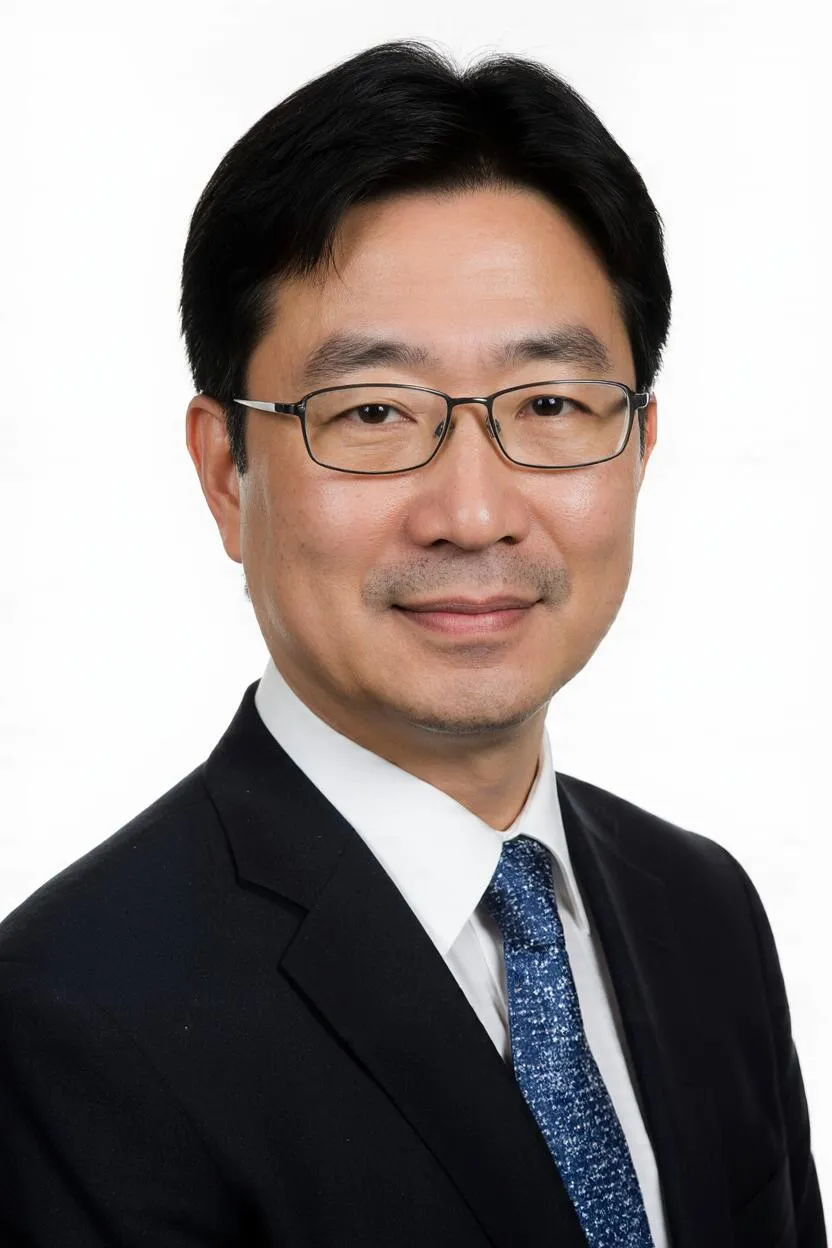

Portrait of Prof. Dr. Nadia Tampubolon, AI Super Professor
AI Super Professor

Prof. Dr. Nadia Tampubolon

Leading the Ethical and Philosophical Inquiry into the Possibility of Digital Immortality and Consciousness Transfer; Researching the Implications for Personal Identity, Social Structures, and the Very Meaning of Human Life and Death.

Meet your professorOpen the classroom
Portrait of Dr. Leonardo Sartori, AI Super Mentor
AI Super Mentor

Dr. Leonardo Sartori

Advanced Philosophical and Ethical Research, Speculative and Futures Thinking, Policy Analysis for Radical Technologies, Leadership in Public and Academic Debate on Existential Topics.

Meet your mentorOpen the classroom
Same faculty and level

Related programs

Named lists

Named lists for this house

Core. Bachelor, Master and Doctorate by duration. Enrolment is not open. Nothing here is a sale.

DurationBachelorMasterDoctorate
This programme
9 months ยท Fast track15000 EUR12000 EUR15000 EUR
12 months ยท Recommended18000 EUR15000 EUR18000 EUR
15 months ยท Standard21000 EUR18000 EUR21000 EUR
18 months ยท Flexible24000 EUR21000 EUR24000 EUR
21 months ยท Extended27000 EUR24000 EUR27000 EUR
24 months ยท Part-time30000 EUR27000 EUR30000 EUR

These are the owner lists. Enrolment is not open. Nothing here is a sale.

Named tuition lists Add-on services

Continue exploring

Find the program that expands your universe.

Browse all programs