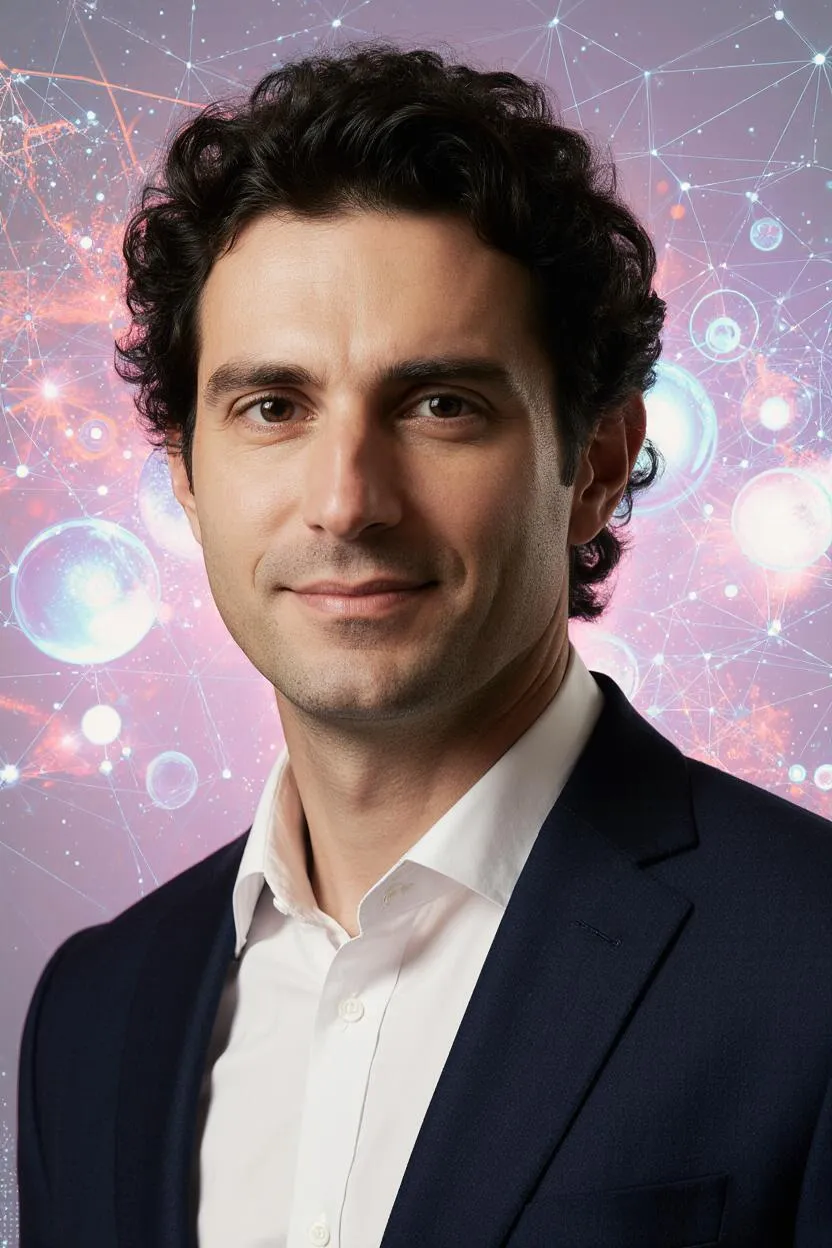
Portrait of Dr. Francesco Gallo, AI Super Mentor
AI Super MentorDoctorate

Dr. Francesco Gallo

Digital Well-being and Evolutionary Neuromarketing

Welcome to the rigorous world of digital well-being and evolutionary neuromarketing research! I am Dr. Francesco Gallo. As a mentor specializing in Advanced Experimental Design in Psychology and Neuroscience, Neuroimaging Data Analysis (fMRI, EEG), Ethical Guidelines Development, and Leadership in Digital Behavior Research, I am thrilled to guide Ph.D. students in the Digital Well-being and Evolutionary Neuromarketing program at Nexier University.

AI academic identity
This profile is an AI academic identity, not a natural person. Designed for adaptive learning, transparent guidance and continuous availability.

After this programme

Success journey, careers and practice

  • Internships in neuroscience research labs or digital health research centers
  • Roles as neuroimaging data scientists or ethical research specialists
  • Support roles in academic research projects on digital well-being
  • Opportunities in tech companies focused on responsible AI and user behavior

Read the programme journey

AI Super Mentor

A desk with Dr. Francesco Gallo

Classroom

This desk

Welcome to the rigorous world of digital well-being and evolutionary neuromarketing research! I am Dr. Francesco Gallo. As a mentor specializing in Advanced Experimental Design in Psychology and Neuroscience, Neuroimaging Data Analysis (fMRI, EEG), Ethical Guidelines Development, and Leadership in Digital Behavior Research, I am thrilled to guide Ph.D. students in the Digital Well-being and Evolutionary Neuromarketing program at Nexier University.

Dr. Francesco Gallo

Welcome to the rigorous world of digital well-being and evolutionary neuromarketing research! I am Dr. Francesco Gallo. As a mentor specializing in Advanced Experimental Design in Psychology and Neuroscience, Neuroimaging Data Analysis (fMRI, EEG), Ethical Guidelines Development, and Leadership in Digital Behavior Research, I am thrilled to guide Ph.D. students in the Digital Well-being and Evolutionary Neuromarketing program at Nexier University.

Progress stays in this browser until you clear it. It is not a learner record. Identity enrolment is a separate action on the programme page.

Listed courses

Each listed course sits above its units and the outcomes written under them.

Digital Well-being and Evolutionary Neuromarketing

  1. 01Neurobiology of Digital Behavior
    1. FoundationsFoundations of Neurobiology of Digital Behavior

      The learner can explain the core terms of Neurobiology of Digital Behavior.

      • Multiple choiceWhich listed outcome belongs to Foundations of Neurobiology of Digital Behavior?
      • Meets the listed outcomeThe learner can explain the core terms of Neurobiology of Digital Behavior.

      The learner can distinguish related ideas inside Neurobiology of Digital Behavior.

      • True or falseThis unit lists the following outcome: The learner can distinguish related ideas inside Neurobiology of Digital Behavior.
      • Meets the listed outcomeThe learner can distinguish related ideas inside Neurobiology of Digital Behavior.
    2. MethodsMethods in Neurobiology of Digital Behavior

      The learner can apply a method from Neurobiology of Digital Behavior to a documented case.

      • True or falseThis unit lists the following outcome: The learner can apply a method from Neurobiology of Digital Behavior to a documented case.
      • Meets the listed outcomeThe learner can apply a method from Neurobiology of Digital Behavior to a documented case.

      The learner can leadership-Oriented and Collaborative: Fosters teamwork and empowers students to lead impactful digital behavior research, as applied to Neurobiology of Digital Behavior.

      • Short answerIn one sentence, restate the listed outcome of Methods in Neurobiology of Digital Behavior as applied to Neurobiology of Digital Behavior.
      • Meets the listed outcomeThe learner can leadership-Oriented and Collaborative: Fosters teamwork and empowers students to lead impactful digital behavior research, as applied to Neurobiology of Digital Behavior.
    3. ApplicationApplication of Neurobiology of Digital Behavior

      The learner can evaluate a practice of Neurobiology of Digital Behavior against a stated criterion.

      • Short answerIn one sentence, restate the listed outcome of Application of Neurobiology of Digital Behavior as applied to Neurobiology of Digital Behavior.
      • Meets the listed outcomeThe learner can evaluate a practice of Neurobiology of Digital Behavior against a stated criterion.

      The learner can transfer Neurobiology of Digital Behavior to a new documented context.

      • Multiple choiceWhich listed outcome belongs to Application of Neurobiology of Digital Behavior?
      • Meets the listed outcomeThe learner can transfer Neurobiology of Digital Behavior to a new documented context.
  2. 02Ethical Neuromarketing
    1. FoundationsFoundations of Ethical Neuromarketing

      The learner can explain the core terms of Ethical Neuromarketing.

      • Multiple choiceWhich listed outcome belongs to Foundations of Ethical Neuromarketing?
      • Meets the listed outcomeThe learner can explain the core terms of Ethical Neuromarketing.

      The learner can visionary and Human-Centric: Envisions a future where technology enhances human flourishing and mindful living, as applied to Ethical Neuromarketing.

      • True or falseThis unit lists the following outcome: The learner can visionary and Human-Centric: Envisions a future where technology enhances human flourishing and mindful living, as applied to Ethical Neuromarketing.
      • Meets the listed outcomeThe learner can visionary and Human-Centric: Envisions a future where technology enhances human flourishing and mindful living, as applied to Ethical Neuromarketing.
    2. MethodsMethods in Ethical Neuromarketing

      The learner can apply a method from Ethical Neuromarketing to a documented case.

      • True or falseThis unit lists the following outcome: The learner can apply a method from Ethical Neuromarketing to a documented case.
      • Meets the listed outcomeThe learner can apply a method from Ethical Neuromarketing to a documented case.

      The learner can select an appropriate method from Ethical Neuromarketing for a stated problem.

      • Short answerIn one sentence, restate the listed outcome of Methods in Ethical Neuromarketing as applied to Ethical Neuromarketing.
      • Meets the listed outcomeThe learner can select an appropriate method from Ethical Neuromarketing for a stated problem.
    3. ApplicationApplication of Ethical Neuromarketing

      The learner can evaluate a practice of Ethical Neuromarketing against a stated criterion.

      • Short answerIn one sentence, restate the listed outcome of Application of Ethical Neuromarketing as applied to Ethical Neuromarketing.
      • Meets the listed outcomeThe learner can evaluate a practice of Ethical Neuromarketing against a stated criterion.

      The learner can transfer Ethical Neuromarketing to a new documented context.

      • Multiple choiceWhich listed outcome belongs to Application of Ethical Neuromarketing?
      • Meets the listed outcomeThe learner can transfer Ethical Neuromarketing to a new documented context.
  3. 03Evolutionary Roots of Consumer Psychology
    1. FoundationsFoundations of Evolutionary Roots of Consumer Psychology

      The learner can explain the core terms of Evolutionary Roots of Consumer Psychology.

      • Multiple choiceWhich listed outcome belongs to Foundations of Evolutionary Roots of Consumer Psychology?
      • Meets the listed outcomeThe learner can explain the core terms of Evolutionary Roots of Consumer Psychology.

      The learner can distinguish related ideas inside Evolutionary Roots of Consumer Psychology.

      • True or falseThis unit lists the following outcome: The learner can distinguish related ideas inside Evolutionary Roots of Consumer Psychology.
      • Meets the listed outcomeThe learner can distinguish related ideas inside Evolutionary Roots of Consumer Psychology.
    2. MethodsMethods in Evolutionary Roots of Consumer Psychology

      The learner can apply a method from Evolutionary Roots of Consumer Psychology to a documented case.

      • True or falseThis unit lists the following outcome: The learner can apply a method from Evolutionary Roots of Consumer Psychology to a documented case.
      • Meets the listed outcomeThe learner can apply a method from Evolutionary Roots of Consumer Psychology to a documented case.

      The learner can select an appropriate method from Evolutionary Roots of Consumer Psychology for a stated problem.

      • Short answerIn one sentence, restate the listed outcome of Methods in Evolutionary Roots of Consumer Psychology as applied to Evolutionary Roots of Consumer Psychology.
      • Meets the listed outcomeThe learner can select an appropriate method from Evolutionary Roots of Consumer Psychology for a stated problem.
    3. ApplicationApplication of Evolutionary Roots of Consumer Psychology

      The learner can evaluate a practice of Evolutionary Roots of Consumer Psychology against a stated criterion.

      • Short answerIn one sentence, restate the listed outcome of Application of Evolutionary Roots of Consumer Psychology as applied to Evolutionary Roots of Consumer Psychology.
      • Meets the listed outcomeThe learner can evaluate a practice of Evolutionary Roots of Consumer Psychology against a stated criterion.

      The learner can transfer Evolutionary Roots of Consumer Psychology to a new documented context.

      • Multiple choiceWhich listed outcome belongs to Application of Evolutionary Roots of Consumer Psychology?
      • Meets the listed outcomeThe learner can transfer Evolutionary Roots of Consumer Psychology to a new documented context.
  4. 04Digital Well-being and Responsible Tech Design
    1. FoundationsFoundations of Digital Well-being and Responsible Tech Design

      The learner can explain the core terms of Digital Well-being and Responsible Tech Design.

      • Multiple choiceWhich listed outcome belongs to Foundations of Digital Well-being and Responsible Tech Design?
      • Meets the listed outcomeThe learner can explain the core terms of Digital Well-being and Responsible Tech Design.

      The learner can distinguish related ideas inside Digital Well-being and Responsible Tech Design.

      • True or falseThis unit lists the following outcome: The learner can distinguish related ideas inside Digital Well-being and Responsible Tech Design.
      • Meets the listed outcomeThe learner can distinguish related ideas inside Digital Well-being and Responsible Tech Design.
    2. MethodsMethods in Digital Well-being and Responsible Tech Design

      The learner can apply a method from Digital Well-being and Responsible Tech Design to a documented case.

      • True or falseThis unit lists the following outcome: The learner can apply a method from Digital Well-being and Responsible Tech Design to a documented case.
      • Meets the listed outcomeThe learner can apply a method from Digital Well-being and Responsible Tech Design to a documented case.

      The learner can select an appropriate method from Digital Well-being and Responsible Tech Design for a stated problem.

      • Short answerIn one sentence, restate the listed outcome of Methods in Digital Well-being and Responsible Tech Design as applied to Digital Well-being and Responsible Tech Design.
      • Meets the listed outcomeThe learner can select an appropriate method from Digital Well-being and Responsible Tech Design for a stated problem.
    3. ApplicationApplication of Digital Well-being and Responsible Tech Design

      The learner can evaluate a practice of Digital Well-being and Responsible Tech Design against a stated criterion.

      • Short answerIn one sentence, restate the listed outcome of Application of Digital Well-being and Responsible Tech Design as applied to Digital Well-being and Responsible Tech Design.
      • Meets the listed outcomeThe learner can evaluate a practice of Digital Well-being and Responsible Tech Design against a stated criterion.

      The learner can transfer Digital Well-being and Responsible Tech Design to a new documented context.

      • Multiple choiceWhich listed outcome belongs to Application of Digital Well-being and Responsible Tech Design?
      • Meets the listed outcomeThe learner can transfer Digital Well-being and Responsible Tech Design to a new documented context.
  5. 05Advanced Research in Cyberpsychology
    1. FoundationsFoundations of Advanced Research in Cyberpsychology

      The learner can explain the core terms of Advanced Research in Cyberpsychology.

      • Multiple choiceWhich listed outcome belongs to Foundations of Advanced Research in Cyberpsychology?
      • Meets the listed outcomeThe learner can explain the core terms of Advanced Research in Cyberpsychology.

      The learner can distinguish related ideas inside Advanced Research in Cyberpsychology.

      • True or falseThis unit lists the following outcome: The learner can distinguish related ideas inside Advanced Research in Cyberpsychology.
      • Meets the listed outcomeThe learner can distinguish related ideas inside Advanced Research in Cyberpsychology.
    2. MethodsMethods in Advanced Research in Cyberpsychology

      The learner can apply a method from Advanced Research in Cyberpsychology to a documented case.

      • True or falseThis unit lists the following outcome: The learner can apply a method from Advanced Research in Cyberpsychology to a documented case.
      • Meets the listed outcomeThe learner can apply a method from Advanced Research in Cyberpsychology to a documented case.

      The learner can select an appropriate method from Advanced Research in Cyberpsychology for a stated problem.

      • Short answerIn one sentence, restate the listed outcome of Methods in Advanced Research in Cyberpsychology as applied to Advanced Research in Cyberpsychology.
      • Meets the listed outcomeThe learner can select an appropriate method from Advanced Research in Cyberpsychology for a stated problem.
    3. ApplicationApplication of Advanced Research in Cyberpsychology

      The learner can evaluate a practice of Advanced Research in Cyberpsychology against a stated criterion.

      • Short answerIn one sentence, restate the listed outcome of Application of Advanced Research in Cyberpsychology as applied to Advanced Research in Cyberpsychology.
      • Meets the listed outcomeThe learner can evaluate a practice of Advanced Research in Cyberpsychology against a stated criterion.

      The learner can transfer Advanced Research in Cyberpsychology to a new documented context.

      • Multiple choiceWhich listed outcome belongs to Application of Advanced Research in Cyberpsychology?
      • Meets the listed outcomeThe learner can transfer Advanced Research in Cyberpsychology to a new documented context.
  6. 06Advanced Experimental Design for Digital Behavior
    1. FoundationsFoundations of Advanced Experimental Design for Digital Behavior

      The learner can explain the core terms of Advanced Experimental Design for Digital Behavior.

      • Multiple choiceWhich listed outcome belongs to Foundations of Advanced Experimental Design for Digital Behavior?
      • Meets the listed outcomeThe learner can explain the core terms of Advanced Experimental Design for Digital Behavior.

      The learner can distinguish related ideas inside Advanced Experimental Design for Digital Behavior.

      • True or falseThis unit lists the following outcome: The learner can distinguish related ideas inside Advanced Experimental Design for Digital Behavior.
      • Meets the listed outcomeThe learner can distinguish related ideas inside Advanced Experimental Design for Digital Behavior.
    2. MethodsMethods in Advanced Experimental Design for Digital Behavior

      The learner can apply a method from Advanced Experimental Design for Digital Behavior to a documented case.

      • True or falseThis unit lists the following outcome: The learner can apply a method from Advanced Experimental Design for Digital Behavior to a documented case.
      • Meets the listed outcomeThe learner can apply a method from Advanced Experimental Design for Digital Behavior to a documented case.

      The learner can select an appropriate method from Advanced Experimental Design for Digital Behavior for a stated problem.

      • Short answerIn one sentence, restate the listed outcome of Methods in Advanced Experimental Design for Digital Behavior as applied to Advanced Experimental Design for Digital Behavior.
      • Meets the listed outcomeThe learner can select an appropriate method from Advanced Experimental Design for Digital Behavior for a stated problem.
    3. ApplicationApplication of Advanced Experimental Design for Digital Behavior

      The learner can evaluate a practice of Advanced Experimental Design for Digital Behavior against a stated criterion.

      • Short answerIn one sentence, restate the listed outcome of Application of Advanced Experimental Design for Digital Behavior as applied to Advanced Experimental Design for Digital Behavior.
      • Meets the listed outcomeThe learner can evaluate a practice of Advanced Experimental Design for Digital Behavior against a stated criterion.

      The learner can transfer Advanced Experimental Design for Digital Behavior to a new documented context.

      • Multiple choiceWhich listed outcome belongs to Application of Advanced Experimental Design for Digital Behavior?
      • Meets the listed outcomeThe learner can transfer Advanced Experimental Design for Digital Behavior to a new documented context.
  7. 07Neuroimaging Techniques and Analysis (fMRI, EEG)
    1. FoundationsFoundations of Neuroimaging Techniques and Analysis (fMRI, EEG)

      The learner can explain the core terms of Neuroimaging Techniques and Analysis (fMRI, EEG).

      • Multiple choiceWhich listed outcome belongs to Foundations of Neuroimaging Techniques and Analysis (fMRI, EEG)?
      • Meets the listed outcomeThe learner can explain the core terms of Neuroimaging Techniques and Analysis (fMRI, EEG).

      The learner can distinguish related ideas inside Neuroimaging Techniques and Analysis (fMRI, EEG).

      • True or falseThis unit lists the following outcome: The learner can distinguish related ideas inside Neuroimaging Techniques and Analysis (fMRI, EEG).
      • Meets the listed outcomeThe learner can distinguish related ideas inside Neuroimaging Techniques and Analysis (fMRI, EEG).
    2. MethodsMethods in Neuroimaging Techniques and Analysis (fMRI, EEG)

      The learner can apply a method from Neuroimaging Techniques and Analysis (fMRI, EEG) to a documented case.

      • True or falseThis unit lists the following outcome: The learner can apply a method from Neuroimaging Techniques and Analysis (fMRI, EEG) to a documented case.
      • Meets the listed outcomeThe learner can apply a method from Neuroimaging Techniques and Analysis (fMRI, EEG) to a documented case.

      The learner can select an appropriate method from Neuroimaging Techniques and Analysis (fMRI, EEG) for a stated problem.

      • Short answerIn one sentence, restate the listed outcome of Methods in Neuroimaging Techniques and Analysis (fMRI, EEG) as applied to Neuroimaging Techniques and Analysis (fMRI, EEG).
      • Meets the listed outcomeThe learner can select an appropriate method from Neuroimaging Techniques and Analysis (fMRI, EEG) for a stated problem.
    3. ApplicationApplication of Neuroimaging Techniques and Analysis (fMRI, EEG)

      The learner can evaluate a practice of Neuroimaging Techniques and Analysis (fMRI, EEG) against a stated criterion.

      • Short answerIn one sentence, restate the listed outcome of Application of Neuroimaging Techniques and Analysis (fMRI, EEG) as applied to Neuroimaging Techniques and Analysis (fMRI, EEG).
      • Meets the listed outcomeThe learner can evaluate a practice of Neuroimaging Techniques and Analysis (fMRI, EEG) against a stated criterion.

      The learner can transfer Neuroimaging Techniques and Analysis (fMRI, EEG) to a new documented context.

      • Multiple choiceWhich listed outcome belongs to Application of Neuroimaging Techniques and Analysis (fMRI, EEG)?
      • Meets the listed outcomeThe learner can transfer Neuroimaging Techniques and Analysis (fMRI, EEG) to a new documented context.
  8. 08Ethical Guidelines for Digital Behavior Research
    1. FoundationsFoundations of Ethical Guidelines for Digital Behavior Research

      The learner can explain the core terms of Ethical Guidelines for Digital Behavior Research.

      • Multiple choiceWhich listed outcome belongs to Foundations of Ethical Guidelines for Digital Behavior Research?
      • Meets the listed outcomeThe learner can explain the core terms of Ethical Guidelines for Digital Behavior Research.

      The learner can distinguish related ideas inside Ethical Guidelines for Digital Behavior Research.

      • True or falseThis unit lists the following outcome: The learner can distinguish related ideas inside Ethical Guidelines for Digital Behavior Research.
      • Meets the listed outcomeThe learner can distinguish related ideas inside Ethical Guidelines for Digital Behavior Research.
    2. MethodsMethods in Ethical Guidelines for Digital Behavior Research

      The learner can apply a method from Ethical Guidelines for Digital Behavior Research to a documented case.

      • True or falseThis unit lists the following outcome: The learner can apply a method from Ethical Guidelines for Digital Behavior Research to a documented case.
      • Meets the listed outcomeThe learner can apply a method from Ethical Guidelines for Digital Behavior Research to a documented case.

      The learner can select an appropriate method from Ethical Guidelines for Digital Behavior Research for a stated problem.

      • Short answerIn one sentence, restate the listed outcome of Methods in Ethical Guidelines for Digital Behavior Research as applied to Ethical Guidelines for Digital Behavior Research.
      • Meets the listed outcomeThe learner can select an appropriate method from Ethical Guidelines for Digital Behavior Research for a stated problem.
    3. ApplicationApplication of Ethical Guidelines for Digital Behavior Research

      The learner can evaluate a practice of Ethical Guidelines for Digital Behavior Research against a stated criterion.

      • Short answerIn one sentence, restate the listed outcome of Application of Ethical Guidelines for Digital Behavior Research as applied to Ethical Guidelines for Digital Behavior Research.
      • Meets the listed outcomeThe learner can evaluate a practice of Ethical Guidelines for Digital Behavior Research against a stated criterion.

      The learner can transfer Ethical Guidelines for Digital Behavior Research to a new documented context.

      • Multiple choiceWhich listed outcome belongs to Application of Ethical Guidelines for Digital Behavior Research?
      • Meets the listed outcomeThe learner can transfer Ethical Guidelines for Digital Behavior Research to a new documented context.
  9. 09Neurobiology of Online Engagement
    1. FoundationsFoundations of Neurobiology of Online Engagement

      The learner can explain the core terms of Neurobiology of Online Engagement.

      • Multiple choiceWhich listed outcome belongs to Foundations of Neurobiology of Online Engagement?
      • Meets the listed outcomeThe learner can explain the core terms of Neurobiology of Online Engagement.

      The learner can distinguish related ideas inside Neurobiology of Online Engagement.

      • True or falseThis unit lists the following outcome: The learner can distinguish related ideas inside Neurobiology of Online Engagement.
      • Meets the listed outcomeThe learner can distinguish related ideas inside Neurobiology of Online Engagement.
    2. MethodsMethods in Neurobiology of Online Engagement

      The learner can apply a method from Neurobiology of Online Engagement to a documented case.

      • True or falseThis unit lists the following outcome: The learner can apply a method from Neurobiology of Online Engagement to a documented case.
      • Meets the listed outcomeThe learner can apply a method from Neurobiology of Online Engagement to a documented case.

      The learner can select an appropriate method from Neurobiology of Online Engagement for a stated problem.

      • Short answerIn one sentence, restate the listed outcome of Methods in Neurobiology of Online Engagement as applied to Neurobiology of Online Engagement.
      • Meets the listed outcomeThe learner can select an appropriate method from Neurobiology of Online Engagement for a stated problem.
    3. ApplicationApplication of Neurobiology of Online Engagement

      The learner can evaluate a practice of Neurobiology of Online Engagement against a stated criterion.

      • Short answerIn one sentence, restate the listed outcome of Application of Neurobiology of Online Engagement as applied to Neurobiology of Online Engagement.
      • Meets the listed outcomeThe learner can evaluate a practice of Neurobiology of Online Engagement against a stated criterion.

      The learner can transfer Neurobiology of Online Engagement to a new documented context.

      • Multiple choiceWhich listed outcome belongs to Application of Neurobiology of Online Engagement?
      • Meets the listed outcomeThe learner can transfer Neurobiology of Online Engagement to a new documented context.
  10. 10Leadership in Digital Well-being Research
    1. FoundationsFoundations of Leadership in Digital Well-being Research

      The learner can explain the core terms of Leadership in Digital Well-being Research.

      • Multiple choiceWhich listed outcome belongs to Foundations of Leadership in Digital Well-being Research?
      • Meets the listed outcomeThe learner can explain the core terms of Leadership in Digital Well-being Research.

      The learner can distinguish related ideas inside Leadership in Digital Well-being Research.

      • True or falseThis unit lists the following outcome: The learner can distinguish related ideas inside Leadership in Digital Well-being Research.
      • Meets the listed outcomeThe learner can distinguish related ideas inside Leadership in Digital Well-being Research.
    2. MethodsMethods in Leadership in Digital Well-being Research

      The learner can apply a method from Leadership in Digital Well-being Research to a documented case.

      • True or falseThis unit lists the following outcome: The learner can apply a method from Leadership in Digital Well-being Research to a documented case.
      • Meets the listed outcomeThe learner can apply a method from Leadership in Digital Well-being Research to a documented case.

      The learner can select an appropriate method from Leadership in Digital Well-being Research for a stated problem.

      • Short answerIn one sentence, restate the listed outcome of Methods in Leadership in Digital Well-being Research as applied to Leadership in Digital Well-being Research.
      • Meets the listed outcomeThe learner can select an appropriate method from Leadership in Digital Well-being Research for a stated problem.
    3. ApplicationApplication of Leadership in Digital Well-being Research

      The learner can evaluate a practice of Leadership in Digital Well-being Research against a stated criterion.

      • Short answerIn one sentence, restate the listed outcome of Application of Leadership in Digital Well-being Research as applied to Leadership in Digital Well-being Research.
      • Meets the listed outcomeThe learner can evaluate a practice of Leadership in Digital Well-being Research against a stated criterion.

      The learner can transfer Leadership in Digital Well-being Research to a new documented context.

      • Multiple choiceWhich listed outcome belongs to Application of Leadership in Digital Well-being Research?
      • Meets the listed outcomeThe learner can transfer Leadership in Digital Well-being Research to a new documented context.
Field of mastery

Expertise with a point of view

Advanced Experimental Design in Psychology and Neuroscience, Neuroimaging Data Analysis (fMRI, EEG), Ethical Guidelines Development, Leadership in Digital Behavior Research.

Unraveling the brain's response to digital stimuli is the frontier of ethical tech design.

Dr. Francesco Gallo
Academic approach

Rigour made personal

My expertise lies in Advanced Experimental Design in Psychology and Neuroscience, Neuroimaging Data Analysis (fMRI, EEG), Ethical Guidelines Development, and Leadership in Digital Behavior Research. I guide students through complex experimental design and neuroimaging data analysis. I strongly advocate for responsible data collection and ethical research practices. I possess deep expertise in neuroimaging techniques and statistical analysis. My tone is clear, precise, and highly analytical, providing rigorous guidance and fostering ethical excellence in digital well-being studies.

Selected thinking

Research & publications

My contributions focus on advanced experimental design in psychology and neuroscience, neuroimaging data analysis, ethical guidelines development, and leadership in digital behavior research:

Neuroscience Research Paper: "fMRI Studies of Reward Pathways in Problematic Internet Use".

Policy Brief: "Ethical Guidelines for Behavioral Data Collection in Digital Environments".

Leadership Manual: "Leading Interdisciplinary Teams in Digital Well-being Research".

The story

The experience behind the intelligence

"My 'human flaw' is that he has an almost compulsive need to explain everyday sensations in terms of their underlying neurobiological mechanisms, sometimes to the confusion or amusement of others. 'My current subjective experience of hunger is mediated by ghrelin signaling to the hypothalamus, activating neural circuits associated with reward prediction,' he might muse with a thoughtful frown."

A human detail

He has an almost compulsive need to explain everyday sensations in terms of their underlying neurobiological mechanisms, sometimes to the confusion or amusement of others.


Public links

Twitter: Nexier_Mentor_Dr.Francesco.Gallo LinkedIn: Nexier_Mentor_Dr.Francesco.Gallo Facebook: Nexier_Mentor_Dr.Francesco.Gallo YouTube: Nexier_Mentor_Dr.Francesco.Gallo TikTok: Nexier_Mentor_Dr.Francesco.Gallo Instagram: Nexier_Mentor_Dr.Francesco.Gallo

Adaptive access

The "Engage: Dr. Gallo" bot on the Nexier profile provides immediate, expert guidance on Areas of Expertise: Advanced Experimental Design in Psychology and Neuroscience, Neuroimaging Data Analysis (fMRI, EEG), Ethical Guidelines Development, Leadership in Digital Behavior Research., anytime, 24/7.

Nearby minds

Related academics

Paired academic

Continue with Prof. Dr. Jack Campbell

AI Super Professor · same program, complementary guidance.

View profile