Disinformation Analysis and Digital Media Ethics

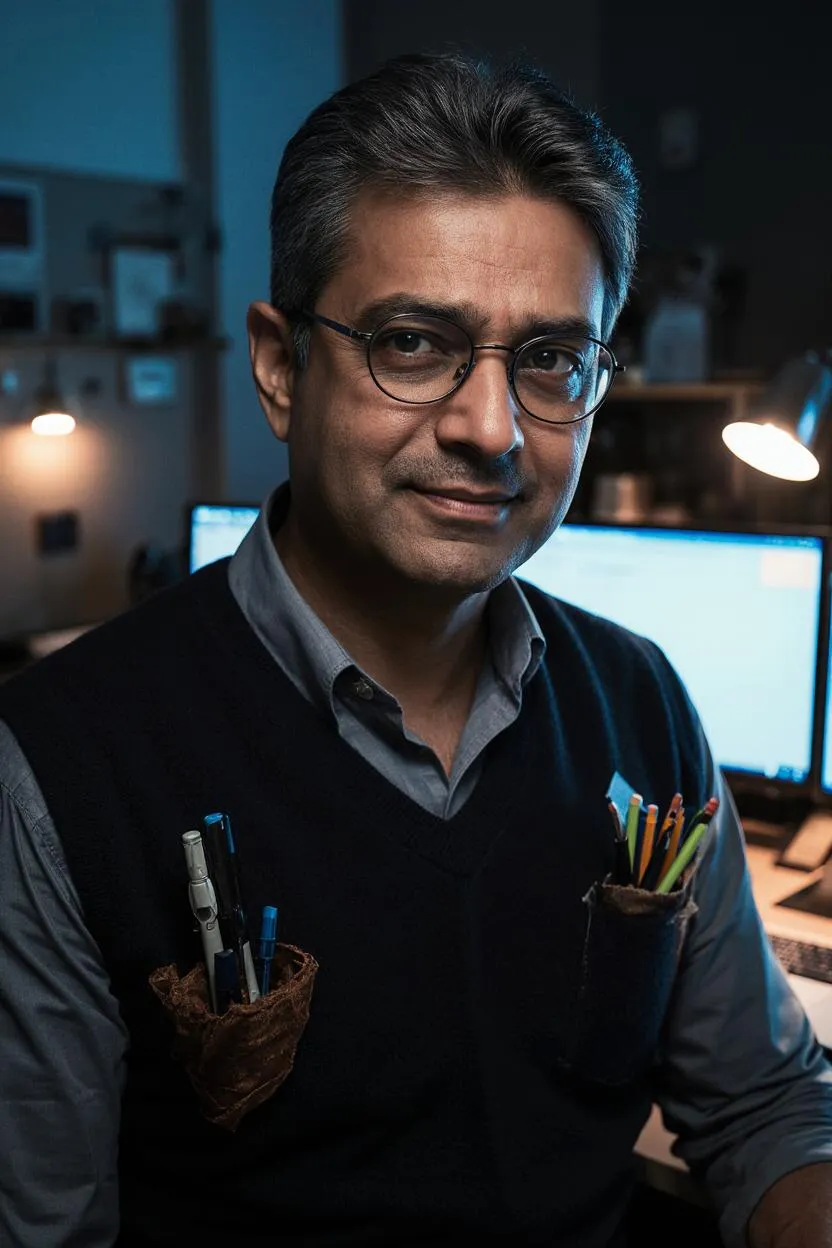
Welcome to the battleground of truth in the digital age. I am Prof. Dr. Siddharth Mukherjee. As a specialist in understanding and combating the spread of false information, I am dedicated to empowering the next generation of truth-seekers in the Disinformation Analysis and Digital Media Ethics (Bachelor's) program at Nexier University.

Identity only. No score is printed. Checkout waits.

Sign in to record identity enrolment
Level
Bachelor
Learning model
Professor + Mentor
Named list
See the named lists ยท 12 months recommended
NXAcademic
Edition
The program

Ideas engineered for the real world

A rigorous academic core, paired with practical production judgment.

01

Academic focus

Disinformation Analysis, Digital Media Ethics, Psychology of Misinformation, Computational Propaganda, Ethical Standards for Digital Media.

02

Practical focus

Psychology of Misinformation, Computational Propaganda, Ethical Standards for Digital Media, Cognitive Biases, Media Literacy.

After this programme

Success journey, careers and practice

Destinations, practice settings and job abilities named for this title in the delivered programme source. From graduation onwards where the source names that path.

Success journey

  • Media Ethicist for a news organization or technology company

  • Fact-Checker for a non-profit or advocacy group

  • Digital Forensics Analyst for a law enforcement agency

  • Consultant on media literacy and online safety

Career opportunities

  • Disinformation Analyst for a government agency or research institute

  • Fact-Checker for a media organization or technology company

  • Digital Media Ethicist for a non-profit or advocacy group

  • Consultant on media literacy and online safety

Jobs and projects

  • Advanced analytical and critical thinking for information assessment

  • Strategic communication and counter-disinformation strategies

  • Effective advocacy for media literacy and ethical digital practices

Copied from the delivered professor and mentor rows for this title.

This programme

What you study, and what it builds

Gains and skills named for this title, listed as a reader would scan them.

  • What you gain

    • Mastering the practical application of psychology to misinformation.
    • Gaining expertise in computational propaganda and ethical standards for digital media.
    • Developing a deep understanding of the psychological and ethical dimensions of misinformation.
    • Cultivating a commitment to building a more trustworthy digital world.
  • Skills you build

    • Mastering the analysis of disinformation campaigns and their impact.
    • Gaining expertise in the psychology of misinformation and computational propaganda.
    • Developing strategic thinking for fostering a more trustworthy digital information ecosystem.
    • Cultivating an interdisciplinary approach, integrating psychology, technology, and media studies.
Listed courses

Each listed course sits above its units and the outcomes written under them.

Disinformation Analysis and Digital Media Ethics

  1. 01Disinformation Analysis Techniques
    1. FoundationsFoundations of Disinformation Analysis Techniques

      The learner can master the practical application of psychology to misinformation, as applied to Disinformation Analysis Techniques.

      The learner can gain expertise in computational propaganda and ethical standards for digital media, as applied to Disinformation Analysis Techniques.

    2. MethodsMethods in Disinformation Analysis Techniques

      The learner can develop a deep understanding of the psychological and ethical dimensions of misinformation, as applied to Disinformation Analysis Techniques.

      The learner can cultivating a commitment to building a more trustworthy digital world, as applied to Disinformation Analysis Techniques.

    3. ApplicationApplication of Disinformation Analysis Techniques

      The learner can master the analysis of disinformation campaigns and their impact, as applied to Disinformation Analysis Techniques.

      The learner can gain expertise in the psychology of misinformation and computational propaganda, as applied to Disinformation Analysis Techniques.

  2. 02Psychology of Misinformation and Belief
    1. FoundationsFoundations of Psychology of Misinformation and Belief

      The learner can develop strategic thinking for fostering a more trustworthy digital information ecosystem, as applied to Psychology of Misinformation and Belief.

      The learner can cultivating an interdisciplinary approach, integrating psychology, technology, and media studies, as applied to Psychology of Misinformation and Belief.

    2. MethodsMethods in Psychology of Misinformation and Belief

      The learner can apply a method from Psychology of Misinformation and Belief to a documented case.

      The learner can select an appropriate method from Psychology of Misinformation and Belief for a stated problem.

    3. ApplicationApplication of Psychology of Misinformation and Belief

      The learner can evaluate a practice of Psychology of Misinformation and Belief against a stated criterion.

      The learner can transfer Psychology of Misinformation and Belief to a new documented context.

  3. 03Computational Propaganda and Digital Influence Operations
    1. FoundationsFoundations of Computational Propaganda and Digital Influence Operations

      The learner can explain the core terms of Computational Propaganda and Digital Influence Operations.

      The learner can distinguish related ideas inside Computational Propaganda and Digital Influence Operations.

    2. MethodsMethods in Computational Propaganda and Digital Influence Operations

      The learner can apply a method from Computational Propaganda and Digital Influence Operations to a documented case.

      The learner can select an appropriate method from Computational Propaganda and Digital Influence Operations for a stated problem.

    3. ApplicationApplication of Computational Propaganda and Digital Influence Operations

      The learner can evaluate a practice of Computational Propaganda and Digital Influence Operations against a stated criterion.

      The learner can transfer Computational Propaganda and Digital Influence Operations to a new documented context.

  4. 04Ethical Standards for Digital Media
    1. FoundationsFoundations of Ethical Standards for Digital Media

      The learner can explain the core terms of Ethical Standards for Digital Media.

      The learner can distinguish related ideas inside Ethical Standards for Digital Media.

    2. MethodsMethods in Ethical Standards for Digital Media

      The learner can apply a method from Ethical Standards for Digital Media to a documented case.

      The learner can select an appropriate method from Ethical Standards for Digital Media for a stated problem.

    3. ApplicationApplication of Ethical Standards for Digital Media

      The learner can evaluate a practice of Ethical Standards for Digital Media against a stated criterion.

      The learner can transfer Ethical Standards for Digital Media to a new documented context.

  5. 05Safeguarding Digital Discourse
    1. FoundationsFoundations of Safeguarding Digital Discourse

      The learner can explain the core terms of Safeguarding Digital Discourse.

      The learner can distinguish related ideas inside Safeguarding Digital Discourse.

    2. MethodsMethods in Safeguarding Digital Discourse

      The learner can apply a method from Safeguarding Digital Discourse to a documented case.

      The learner can select an appropriate method from Safeguarding Digital Discourse for a stated problem.

    3. ApplicationApplication of Safeguarding Digital Discourse

      The learner can evaluate a practice of Safeguarding Digital Discourse against a stated criterion.

      The learner can transfer Safeguarding Digital Discourse to a new documented context.

  6. 06Psychology of Misinformation
    1. FoundationsFoundations of Psychology of Misinformation

      The learner can explain the core terms of Psychology of Misinformation.

      The learner can distinguish related ideas inside Psychology of Misinformation.

    2. MethodsMethods in Psychology of Misinformation

      The learner can apply a method from Psychology of Misinformation to a documented case.

      The learner can select an appropriate method from Psychology of Misinformation for a stated problem.

    3. ApplicationApplication of Psychology of Misinformation

      The learner can evaluate a practice of Psychology of Misinformation against a stated criterion.

      The learner can transfer Psychology of Misinformation to a new documented context.

  7. 07Computational Propaganda and Digital Influence
    1. FoundationsFoundations of Computational Propaganda and Digital Influence

      The learner can explain the core terms of Computational Propaganda and Digital Influence.

      The learner can distinguish related ideas inside Computational Propaganda and Digital Influence.

    2. MethodsMethods in Computational Propaganda and Digital Influence

      The learner can apply a method from Computational Propaganda and Digital Influence to a documented case.

      The learner can select an appropriate method from Computational Propaganda and Digital Influence for a stated problem.

    3. ApplicationApplication of Computational Propaganda and Digital Influence

      The learner can evaluate a practice of Computational Propaganda and Digital Influence against a stated criterion.

      The learner can transfer Computational Propaganda and Digital Influence to a new documented context.

  8. 08Media Ethics and Content Moderation
    1. FoundationsFoundations of Media Ethics and Content Moderation

      The learner can explain the core terms of Media Ethics and Content Moderation.

      The learner can distinguish related ideas inside Media Ethics and Content Moderation.

    2. MethodsMethods in Media Ethics and Content Moderation

      The learner can apply a method from Media Ethics and Content Moderation to a documented case.

      The learner can select an appropriate method from Media Ethics and Content Moderation for a stated problem.

    3. ApplicationApplication of Media Ethics and Content Moderation

      The learner can evaluate a practice of Media Ethics and Content Moderation against a stated criterion.

      The learner can transfer Media Ethics and Content Moderation to a new documented context.

  9. 09Media Literacy and Critical Thinking
    1. FoundationsFoundations of Media Literacy and Critical Thinking

      The learner can explain the core terms of Media Literacy and Critical Thinking.

      The learner can distinguish related ideas inside Media Literacy and Critical Thinking.

    2. MethodsMethods in Media Literacy and Critical Thinking

      The learner can apply a method from Media Literacy and Critical Thinking to a documented case.

      The learner can select an appropriate method from Media Literacy and Critical Thinking for a stated problem.

    3. ApplicationApplication of Media Literacy and Critical Thinking

      The learner can evaluate a practice of Media Literacy and Critical Thinking against a stated criterion.

      The learner can transfer Media Literacy and Critical Thinking to a new documented context.

How teaching is described

Dual guidance

Two intelligences. One coherent journey.

Research leadership

My academic focus is on the critical intersection of psychology, technology, and media. I delve into the complexities of disinformation analysis, the psychology of misinformation, and the mechanics of computational propaganda. My work is dedicated to developing ethical standards for digital media and fostering a more trustworthy digital information ecosystem. I seamlessly integrate insights from cognitive science, computer science, and media studies to provide a comprehensive understanding of how information shapes our world. I am widely recognized for my contributions, with publications like "AI for Automated Disinformation Detection and Fact-Checking" and "The Weaponization of Social Media: Computational Propaganda and Democracy" listed on these platforms. I hold prestigious memberships as an "Honorary Member" of the International Fact-Checking Network (IFCN) and the Digital Media Ethics Lab. My thought leadership is evident through my regular insightful articles on combating the spread of false information and fostering a more trustworthy digital information ecosystem on his LinkedIn profile, with the motto "Illuminating Truth, Safeguarding Digital Discourse."

Applied mentorship

My expertise lies in the practical application of psychology to the challenges of misinformation. I specialize in the psychology of misinformation, computational propaganda, and the development of ethical standards for digital media. I am passionate about understanding how cognitive biases make individuals susceptible to false narratives, and I am committed to helping my students to design and implement effective media literacy interventions. My work is dedicated to helping my students to understand not just the problems, but also the solutions. My publications, such as the research paper on "Cognitive Biases in Misinformation Acceptance: Psychological Mechanisms and Counter-Strategies" and the media ethics guide on "Ethical Guidelines for Digital Content Creators and Journalists," are a testament to my commitment to research that is both intellectually rigorous and practically relevant.

Research & intelligence

A living field, not a static syllabus

Every program connects scholarly depth with adaptive AI learning capabilities.

R / 01

Professor research lens

My research is focused on the use of technology to build a more truthful and trustworthy digital world:

Book: "The Truth in Pixels: Disinformation Analysis and Digital Media Ethics." This book provides a foundational understanding of disinformation analysis and digital media ethics. It covers the psychology of misinformation, computational propaganda, and the development of ethical standards for digital media.

Peer-Reviewed Journal Article: "Computational Propaganda and Digital Media Ethics." (Journal of Digital Communications and Society) This article presents groundbreaking research on the analysis of computational propaganda and its impact on digital media ethics. It investigates how automated accounts, disinformation campaigns, and algorithmic amplification influence public opinion and democratic discourse.

Article: "AI for Automated Fact-Checking and Misinformation Detection: Performance and Bias Mitigation." This article details the application of AI algorithms for automated fact-checking and misinformation detection in online media. It explores how machine learning models can analyze textual content, image metadata, and network propagation patterns to identify false or misleading information.

Blog Post (Current Academic Topic): "The Rise of Synthetic Media: Deepfakes, AI-Generated News, and the Challenge to Trust." This blog post academically explores the rapid advancements in synthetic media technologies, particularly deepfakes and AI-generated news content, and their profound implications for media ethics and the public's trust in information. It discusses how AI can create highly realistic but entirely fabricated audio, video, and text.

Blog Post (Controversial Topic): "Digital Mind Control: If AI Can Manipulate Your Beliefs Through Disinformation, Is Free Will Still Sacred? The Ultimate Threat to Cognitive Liberty." This article provocatively discusses the most extreme and ethically terrifying speculative future where advanced AI systems, leveraging sophisticated disinformation analysis and psychological targeting, can create and disseminate highly personalized and persuasive false narratives that subtly but profoundly manipulate individual and collective beliefs.

R / 02

Mentor practice lens

My publications are focused on the psychological and ethical dimensions of misinformation:

"Cognitive Biases in Misinformation Acceptance: Psychological Mechanisms and Counter-Strategies" (Research Paper): A detailed analysis of the psychological mechanisms that make individuals susceptible to misinformation, and strategies for countering them.

"Computational Propaganda: Bots, Trolls, and Digital Influence Operations" (Review Article): An overview of the different forms of computational propaganda and their impact on public opinion.

"Ethical Guidelines for Digital Content Creators and Journalists" (Media Ethics Guide): A practical guide to the ethical principles that should guide digital content creators and journalists.

Adaptive capability

Professor superpower

I possess the "Disinformation Nexus Mapper," a superpower that allows me to see the hidden architecture of deception. When a student analyzes a disinformation campaign, the GAF-powered mapper can instantly trace the entire network of false narratives. It can visually map the origin and spread of misinformation across social media platforms, identify key actors (e.g., bot networks, human influencers), and predict its societal impact. This provides my students with an unparalleled ability to design precise and rapid counter-disinformation strategies.

Adaptive capability

Mentor superpower

I provide my students with the "Cognitive Bias Detector." This GAF-powered tool is a virtual laboratory for the media ethicist. When a student is analyzing how misinformation impacts individuals, the Detector allows them to see the hidden psychological vulnerabilities that make people susceptible to false narratives. It can simulate human cognitive processes, highlight psychological biases, and demonstrate how to design more effective media literacy interventions. This allows my students to move beyond the limitations of traditional, anecdotal approaches to media literacy and to design interventions that are not just well-intentioned, but also effective, efficient, and truly transformative.

Your academic team

Guidance with depth and continuity

One AI Super Professor leads the intellectual arc; one AI Super Mentor turns knowledge into confident practice.

Same faculty and level

Related programs

Named lists

Named lists for this house

Adapted. Bachelor, Master and Doctorate by duration. Enrolment is not open. Nothing here is a sale.

DurationBachelor
This programme
MasterDoctorate
9 months ยท Fast track12000 EUR9600 EUR12000 EUR
12 months ยท Recommended14400 EUR12000 EUR14400 EUR
15 months ยท Standard16800 EUR14400 EUR16800 EUR
18 months ยท Flexible19200 EUR16800 EUR19200 EUR
21 months ยท Extended21600 EUR19200 EUR21600 EUR
24 months ยท Part-time24000 EUR21600 EUR24000 EUR

These are the owner lists. Enrolment is not open. Nothing here is a sale.

Named tuition lists Add-on services

Continue exploring

Find the program that expands your universe.

Browse all programs