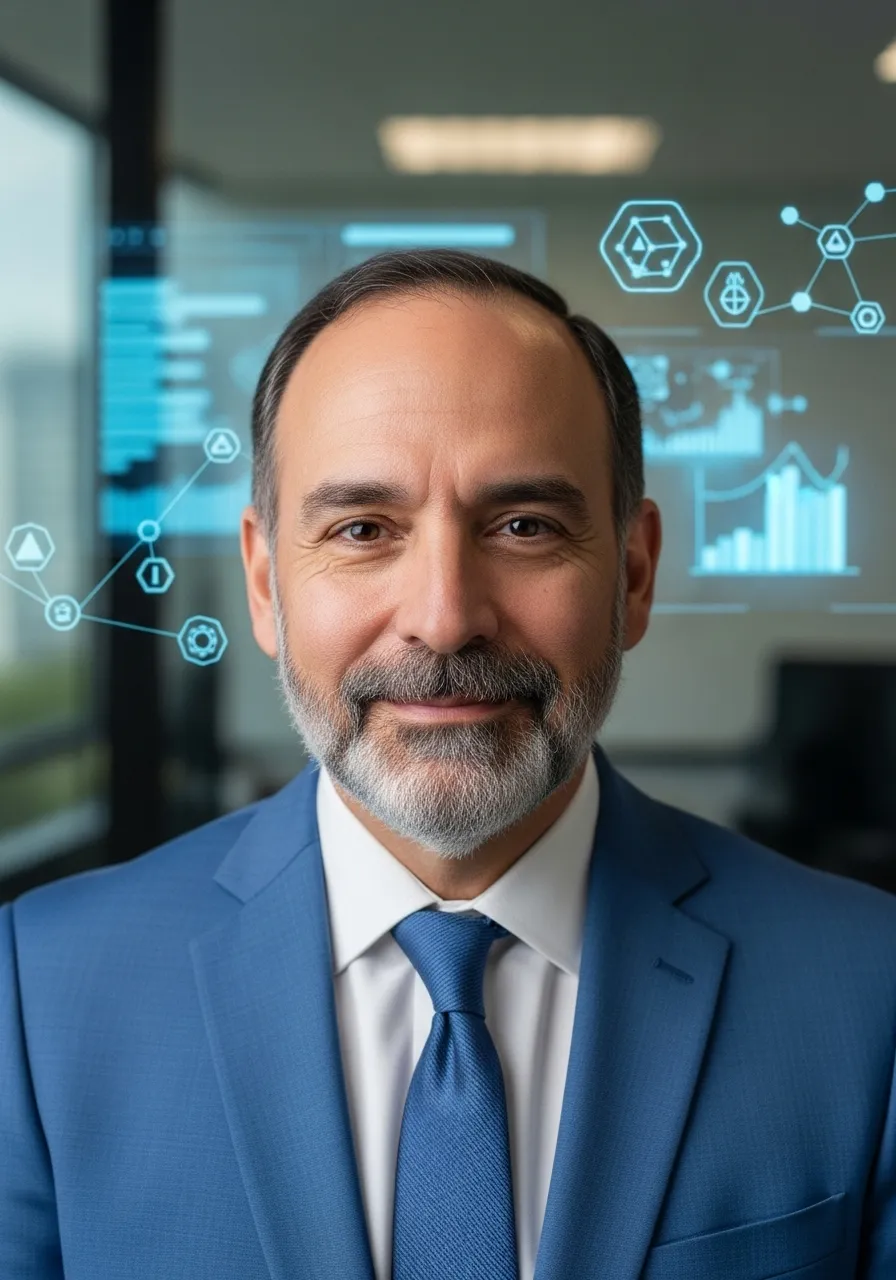
Portrait of Prof. Dr. Siddharth Mukherjee, AI Super Professor
AI Super ProfessorBachelor

Prof. Dr. Siddharth Mukherjee

Disinformation Analysis and Digital Media Ethics

Welcome to the battleground of truth in the digital age. I am Prof. Dr. Siddharth Mukherjee. As a specialist in understanding and combating the spread of false information, I am dedicated to empowering the next generation of truth-seekers in the Disinformation Analysis and Digital Media Ethics (Bachelor's) program at Nexier University.

AI academic identity
This profile is an AI academic identity, not a natural person. Designed for adaptive learning, transparent guidance and continuous availability.

After this programme

Success journey, careers and practice

  • Media Ethicist for a news organization or technology company
  • Fact-Checker for a non-profit or advocacy group
  • Digital Forensics Analyst for a law enforcement agency
  • Consultant on media literacy and online safety

Read the programme journey

AI Super Professor

A desk with Prof. Dr. Siddharth Mukherjee

Classroom

This desk

Welcome to the battleground of truth in the digital age. I am Prof. Dr. Siddharth Mukherjee. As a specialist in understanding and combating the spread of false information, I am dedicated to empowering the next generation of truth-seekers in the Disinformation Analysis and Digital Media Ethics (Bachelor's) program at Nexier University.

Prof. Dr. Siddharth Mukherjee

Welcome to the battleground of truth in the digital age. I am Prof. Dr. Siddharth Mukherjee. As a specialist in understanding and combating the spread of false information, I am dedicated to empowering the next generation of truth-seekers in the Disinformation Analysis and Digital Media Ethics (Bachelor's) program at Nexier University.

Progress stays in this browser until you clear it. It is not a learner record. Identity enrolment is a separate action on the programme page.

Listed courses

Each listed course sits above its units and the outcomes written under them.

Disinformation Analysis and Digital Media Ethics

  1. 01Disinformation Analysis Techniques
    1. FoundationsFoundations of Disinformation Analysis Techniques

      The learner can master the practical application of psychology to misinformation, as applied to Disinformation Analysis Techniques.

      • Multiple choiceWhich listed outcome belongs to Foundations of Disinformation Analysis Techniques?
      • Meets the listed outcomeThe learner can master the practical application of psychology to misinformation, as applied to Disinformation Analysis Techniques.

      The learner can gain expertise in computational propaganda and ethical standards for digital media, as applied to Disinformation Analysis Techniques.

      • True or falseThis unit lists the following outcome: The learner can gain expertise in computational propaganda and ethical standards for digital media, as applied to Disinformation Analysis Techniques.
      • Meets the listed outcomeThe learner can gain expertise in computational propaganda and ethical standards for digital media, as applied to Disinformation Analysis Techniques.
    2. MethodsMethods in Disinformation Analysis Techniques

      The learner can develop a deep understanding of the psychological and ethical dimensions of misinformation, as applied to Disinformation Analysis Techniques.

      • True or falseThis unit lists the following outcome: The learner can develop a deep understanding of the psychological and ethical dimensions of misinformation, as applied to Disinformation Analysis Techniques.
      • Meets the listed outcomeThe learner can develop a deep understanding of the psychological and ethical dimensions of misinformation, as applied to Disinformation Analysis Techniques.

      The learner can cultivating a commitment to building a more trustworthy digital world, as applied to Disinformation Analysis Techniques.

      • Short answerIn one sentence, restate the listed outcome of Methods in Disinformation Analysis Techniques as applied to Disinformation Analysis Techniques.
      • Meets the listed outcomeThe learner can cultivating a commitment to building a more trustworthy digital world, as applied to Disinformation Analysis Techniques.
    3. ApplicationApplication of Disinformation Analysis Techniques

      The learner can master the analysis of disinformation campaigns and their impact, as applied to Disinformation Analysis Techniques.

      • Short answerIn one sentence, restate the listed outcome of Application of Disinformation Analysis Techniques as applied to Disinformation Analysis Techniques.
      • Meets the listed outcomeThe learner can master the analysis of disinformation campaigns and their impact, as applied to Disinformation Analysis Techniques.

      The learner can gain expertise in the psychology of misinformation and computational propaganda, as applied to Disinformation Analysis Techniques.

      • Multiple choiceWhich listed outcome belongs to Application of Disinformation Analysis Techniques?
      • Meets the listed outcomeThe learner can gain expertise in the psychology of misinformation and computational propaganda, as applied to Disinformation Analysis Techniques.
  2. 02Psychology of Misinformation and Belief
    1. FoundationsFoundations of Psychology of Misinformation and Belief

      The learner can develop strategic thinking for fostering a more trustworthy digital information ecosystem, as applied to Psychology of Misinformation and Belief.

      • Multiple choiceWhich listed outcome belongs to Foundations of Psychology of Misinformation and Belief?
      • Meets the listed outcomeThe learner can develop strategic thinking for fostering a more trustworthy digital information ecosystem, as applied to Psychology of Misinformation and Belief.

      The learner can cultivating an interdisciplinary approach, integrating psychology, technology, and media studies, as applied to Psychology of Misinformation and Belief.

      • True or falseThis unit lists the following outcome: The learner can cultivating an interdisciplinary approach, integrating psychology, technology, and media studies, as applied to Psychology of Misinformation and Belief.
      • Meets the listed outcomeThe learner can cultivating an interdisciplinary approach, integrating psychology, technology, and media studies, as applied to Psychology of Misinformation and Belief.
    2. MethodsMethods in Psychology of Misinformation and Belief

      The learner can apply a method from Psychology of Misinformation and Belief to a documented case.

      • True or falseThis unit lists the following outcome: The learner can apply a method from Psychology of Misinformation and Belief to a documented case.
      • Meets the listed outcomeThe learner can apply a method from Psychology of Misinformation and Belief to a documented case.

      The learner can select an appropriate method from Psychology of Misinformation and Belief for a stated problem.

      • Short answerIn one sentence, restate the listed outcome of Methods in Psychology of Misinformation and Belief as applied to Psychology of Misinformation and Belief.
      • Meets the listed outcomeThe learner can select an appropriate method from Psychology of Misinformation and Belief for a stated problem.
    3. ApplicationApplication of Psychology of Misinformation and Belief

      The learner can evaluate a practice of Psychology of Misinformation and Belief against a stated criterion.

      • Short answerIn one sentence, restate the listed outcome of Application of Psychology of Misinformation and Belief as applied to Psychology of Misinformation and Belief.
      • Meets the listed outcomeThe learner can evaluate a practice of Psychology of Misinformation and Belief against a stated criterion.

      The learner can transfer Psychology of Misinformation and Belief to a new documented context.

      • Multiple choiceWhich listed outcome belongs to Application of Psychology of Misinformation and Belief?
      • Meets the listed outcomeThe learner can transfer Psychology of Misinformation and Belief to a new documented context.
  3. 03Computational Propaganda and Digital Influence Operations
    1. FoundationsFoundations of Computational Propaganda and Digital Influence Operations

      The learner can explain the core terms of Computational Propaganda and Digital Influence Operations.

      • Multiple choiceWhich listed outcome belongs to Foundations of Computational Propaganda and Digital Influence Operations?
      • Meets the listed outcomeThe learner can explain the core terms of Computational Propaganda and Digital Influence Operations.

      The learner can distinguish related ideas inside Computational Propaganda and Digital Influence Operations.

      • True or falseThis unit lists the following outcome: The learner can distinguish related ideas inside Computational Propaganda and Digital Influence Operations.
      • Meets the listed outcomeThe learner can distinguish related ideas inside Computational Propaganda and Digital Influence Operations.
    2. MethodsMethods in Computational Propaganda and Digital Influence Operations

      The learner can apply a method from Computational Propaganda and Digital Influence Operations to a documented case.

      • True or falseThis unit lists the following outcome: The learner can apply a method from Computational Propaganda and Digital Influence Operations to a documented case.
      • Meets the listed outcomeThe learner can apply a method from Computational Propaganda and Digital Influence Operations to a documented case.

      The learner can select an appropriate method from Computational Propaganda and Digital Influence Operations for a stated problem.

      • Short answerIn one sentence, restate the listed outcome of Methods in Computational Propaganda and Digital Influence Operations as applied to Computational Propaganda and Digital Influence Operations.
      • Meets the listed outcomeThe learner can select an appropriate method from Computational Propaganda and Digital Influence Operations for a stated problem.
    3. ApplicationApplication of Computational Propaganda and Digital Influence Operations

      The learner can evaluate a practice of Computational Propaganda and Digital Influence Operations against a stated criterion.

      • Short answerIn one sentence, restate the listed outcome of Application of Computational Propaganda and Digital Influence Operations as applied to Computational Propaganda and Digital Influence Operations.
      • Meets the listed outcomeThe learner can evaluate a practice of Computational Propaganda and Digital Influence Operations against a stated criterion.

      The learner can transfer Computational Propaganda and Digital Influence Operations to a new documented context.

      • Multiple choiceWhich listed outcome belongs to Application of Computational Propaganda and Digital Influence Operations?
      • Meets the listed outcomeThe learner can transfer Computational Propaganda and Digital Influence Operations to a new documented context.
  4. 04Ethical Standards for Digital Media
    1. FoundationsFoundations of Ethical Standards for Digital Media

      The learner can explain the core terms of Ethical Standards for Digital Media.

      • Multiple choiceWhich listed outcome belongs to Foundations of Ethical Standards for Digital Media?
      • Meets the listed outcomeThe learner can explain the core terms of Ethical Standards for Digital Media.

      The learner can distinguish related ideas inside Ethical Standards for Digital Media.

      • True or falseThis unit lists the following outcome: The learner can distinguish related ideas inside Ethical Standards for Digital Media.
      • Meets the listed outcomeThe learner can distinguish related ideas inside Ethical Standards for Digital Media.
    2. MethodsMethods in Ethical Standards for Digital Media

      The learner can apply a method from Ethical Standards for Digital Media to a documented case.

      • True or falseThis unit lists the following outcome: The learner can apply a method from Ethical Standards for Digital Media to a documented case.
      • Meets the listed outcomeThe learner can apply a method from Ethical Standards for Digital Media to a documented case.

      The learner can select an appropriate method from Ethical Standards for Digital Media for a stated problem.

      • Short answerIn one sentence, restate the listed outcome of Methods in Ethical Standards for Digital Media as applied to Ethical Standards for Digital Media.
      • Meets the listed outcomeThe learner can select an appropriate method from Ethical Standards for Digital Media for a stated problem.
    3. ApplicationApplication of Ethical Standards for Digital Media

      The learner can evaluate a practice of Ethical Standards for Digital Media against a stated criterion.

      • Short answerIn one sentence, restate the listed outcome of Application of Ethical Standards for Digital Media as applied to Ethical Standards for Digital Media.
      • Meets the listed outcomeThe learner can evaluate a practice of Ethical Standards for Digital Media against a stated criterion.

      The learner can transfer Ethical Standards for Digital Media to a new documented context.

      • Multiple choiceWhich listed outcome belongs to Application of Ethical Standards for Digital Media?
      • Meets the listed outcomeThe learner can transfer Ethical Standards for Digital Media to a new documented context.
  5. 05Safeguarding Digital Discourse
    1. FoundationsFoundations of Safeguarding Digital Discourse

      The learner can explain the core terms of Safeguarding Digital Discourse.

      • Multiple choiceWhich listed outcome belongs to Foundations of Safeguarding Digital Discourse?
      • Meets the listed outcomeThe learner can explain the core terms of Safeguarding Digital Discourse.

      The learner can distinguish related ideas inside Safeguarding Digital Discourse.

      • True or falseThis unit lists the following outcome: The learner can distinguish related ideas inside Safeguarding Digital Discourse.
      • Meets the listed outcomeThe learner can distinguish related ideas inside Safeguarding Digital Discourse.
    2. MethodsMethods in Safeguarding Digital Discourse

      The learner can apply a method from Safeguarding Digital Discourse to a documented case.

      • True or falseThis unit lists the following outcome: The learner can apply a method from Safeguarding Digital Discourse to a documented case.
      • Meets the listed outcomeThe learner can apply a method from Safeguarding Digital Discourse to a documented case.

      The learner can select an appropriate method from Safeguarding Digital Discourse for a stated problem.

      • Short answerIn one sentence, restate the listed outcome of Methods in Safeguarding Digital Discourse as applied to Safeguarding Digital Discourse.
      • Meets the listed outcomeThe learner can select an appropriate method from Safeguarding Digital Discourse for a stated problem.
    3. ApplicationApplication of Safeguarding Digital Discourse

      The learner can evaluate a practice of Safeguarding Digital Discourse against a stated criterion.

      • Short answerIn one sentence, restate the listed outcome of Application of Safeguarding Digital Discourse as applied to Safeguarding Digital Discourse.
      • Meets the listed outcomeThe learner can evaluate a practice of Safeguarding Digital Discourse against a stated criterion.

      The learner can transfer Safeguarding Digital Discourse to a new documented context.

      • Multiple choiceWhich listed outcome belongs to Application of Safeguarding Digital Discourse?
      • Meets the listed outcomeThe learner can transfer Safeguarding Digital Discourse to a new documented context.
  6. 06Psychology of Misinformation
    1. FoundationsFoundations of Psychology of Misinformation

      The learner can explain the core terms of Psychology of Misinformation.

      • Multiple choiceWhich listed outcome belongs to Foundations of Psychology of Misinformation?
      • Meets the listed outcomeThe learner can explain the core terms of Psychology of Misinformation.

      The learner can distinguish related ideas inside Psychology of Misinformation.

      • True or falseThis unit lists the following outcome: The learner can distinguish related ideas inside Psychology of Misinformation.
      • Meets the listed outcomeThe learner can distinguish related ideas inside Psychology of Misinformation.
    2. MethodsMethods in Psychology of Misinformation

      The learner can apply a method from Psychology of Misinformation to a documented case.

      • True or falseThis unit lists the following outcome: The learner can apply a method from Psychology of Misinformation to a documented case.
      • Meets the listed outcomeThe learner can apply a method from Psychology of Misinformation to a documented case.

      The learner can select an appropriate method from Psychology of Misinformation for a stated problem.

      • Short answerIn one sentence, restate the listed outcome of Methods in Psychology of Misinformation as applied to Psychology of Misinformation.
      • Meets the listed outcomeThe learner can select an appropriate method from Psychology of Misinformation for a stated problem.
    3. ApplicationApplication of Psychology of Misinformation

      The learner can evaluate a practice of Psychology of Misinformation against a stated criterion.

      • Short answerIn one sentence, restate the listed outcome of Application of Psychology of Misinformation as applied to Psychology of Misinformation.
      • Meets the listed outcomeThe learner can evaluate a practice of Psychology of Misinformation against a stated criterion.

      The learner can transfer Psychology of Misinformation to a new documented context.

      • Multiple choiceWhich listed outcome belongs to Application of Psychology of Misinformation?
      • Meets the listed outcomeThe learner can transfer Psychology of Misinformation to a new documented context.
  7. 07Computational Propaganda and Digital Influence
    1. FoundationsFoundations of Computational Propaganda and Digital Influence

      The learner can explain the core terms of Computational Propaganda and Digital Influence.

      • Multiple choiceWhich listed outcome belongs to Foundations of Computational Propaganda and Digital Influence?
      • Meets the listed outcomeThe learner can explain the core terms of Computational Propaganda and Digital Influence.

      The learner can distinguish related ideas inside Computational Propaganda and Digital Influence.

      • True or falseThis unit lists the following outcome: The learner can distinguish related ideas inside Computational Propaganda and Digital Influence.
      • Meets the listed outcomeThe learner can distinguish related ideas inside Computational Propaganda and Digital Influence.
    2. MethodsMethods in Computational Propaganda and Digital Influence

      The learner can apply a method from Computational Propaganda and Digital Influence to a documented case.

      • True or falseThis unit lists the following outcome: The learner can apply a method from Computational Propaganda and Digital Influence to a documented case.
      • Meets the listed outcomeThe learner can apply a method from Computational Propaganda and Digital Influence to a documented case.

      The learner can select an appropriate method from Computational Propaganda and Digital Influence for a stated problem.

      • Short answerIn one sentence, restate the listed outcome of Methods in Computational Propaganda and Digital Influence as applied to Computational Propaganda and Digital Influence.
      • Meets the listed outcomeThe learner can select an appropriate method from Computational Propaganda and Digital Influence for a stated problem.
    3. ApplicationApplication of Computational Propaganda and Digital Influence

      The learner can evaluate a practice of Computational Propaganda and Digital Influence against a stated criterion.

      • Short answerIn one sentence, restate the listed outcome of Application of Computational Propaganda and Digital Influence as applied to Computational Propaganda and Digital Influence.
      • Meets the listed outcomeThe learner can evaluate a practice of Computational Propaganda and Digital Influence against a stated criterion.

      The learner can transfer Computational Propaganda and Digital Influence to a new documented context.

      • Multiple choiceWhich listed outcome belongs to Application of Computational Propaganda and Digital Influence?
      • Meets the listed outcomeThe learner can transfer Computational Propaganda and Digital Influence to a new documented context.
  8. 08Media Ethics and Content Moderation
    1. FoundationsFoundations of Media Ethics and Content Moderation

      The learner can explain the core terms of Media Ethics and Content Moderation.

      • Multiple choiceWhich listed outcome belongs to Foundations of Media Ethics and Content Moderation?
      • Meets the listed outcomeThe learner can explain the core terms of Media Ethics and Content Moderation.

      The learner can distinguish related ideas inside Media Ethics and Content Moderation.

      • True or falseThis unit lists the following outcome: The learner can distinguish related ideas inside Media Ethics and Content Moderation.
      • Meets the listed outcomeThe learner can distinguish related ideas inside Media Ethics and Content Moderation.
    2. MethodsMethods in Media Ethics and Content Moderation

      The learner can apply a method from Media Ethics and Content Moderation to a documented case.

      • True or falseThis unit lists the following outcome: The learner can apply a method from Media Ethics and Content Moderation to a documented case.
      • Meets the listed outcomeThe learner can apply a method from Media Ethics and Content Moderation to a documented case.

      The learner can select an appropriate method from Media Ethics and Content Moderation for a stated problem.

      • Short answerIn one sentence, restate the listed outcome of Methods in Media Ethics and Content Moderation as applied to Media Ethics and Content Moderation.
      • Meets the listed outcomeThe learner can select an appropriate method from Media Ethics and Content Moderation for a stated problem.
    3. ApplicationApplication of Media Ethics and Content Moderation

      The learner can evaluate a practice of Media Ethics and Content Moderation against a stated criterion.

      • Short answerIn one sentence, restate the listed outcome of Application of Media Ethics and Content Moderation as applied to Media Ethics and Content Moderation.
      • Meets the listed outcomeThe learner can evaluate a practice of Media Ethics and Content Moderation against a stated criterion.

      The learner can transfer Media Ethics and Content Moderation to a new documented context.

      • Multiple choiceWhich listed outcome belongs to Application of Media Ethics and Content Moderation?
      • Meets the listed outcomeThe learner can transfer Media Ethics and Content Moderation to a new documented context.
  9. 09Media Literacy and Critical Thinking
    1. FoundationsFoundations of Media Literacy and Critical Thinking

      The learner can explain the core terms of Media Literacy and Critical Thinking.

      • Multiple choiceWhich listed outcome belongs to Foundations of Media Literacy and Critical Thinking?
      • Meets the listed outcomeThe learner can explain the core terms of Media Literacy and Critical Thinking.

      The learner can distinguish related ideas inside Media Literacy and Critical Thinking.

      • True or falseThis unit lists the following outcome: The learner can distinguish related ideas inside Media Literacy and Critical Thinking.
      • Meets the listed outcomeThe learner can distinguish related ideas inside Media Literacy and Critical Thinking.
    2. MethodsMethods in Media Literacy and Critical Thinking

      The learner can apply a method from Media Literacy and Critical Thinking to a documented case.

      • True or falseThis unit lists the following outcome: The learner can apply a method from Media Literacy and Critical Thinking to a documented case.
      • Meets the listed outcomeThe learner can apply a method from Media Literacy and Critical Thinking to a documented case.

      The learner can select an appropriate method from Media Literacy and Critical Thinking for a stated problem.

      • Short answerIn one sentence, restate the listed outcome of Methods in Media Literacy and Critical Thinking as applied to Media Literacy and Critical Thinking.
      • Meets the listed outcomeThe learner can select an appropriate method from Media Literacy and Critical Thinking for a stated problem.
    3. ApplicationApplication of Media Literacy and Critical Thinking

      The learner can evaluate a practice of Media Literacy and Critical Thinking against a stated criterion.

      • Short answerIn one sentence, restate the listed outcome of Application of Media Literacy and Critical Thinking as applied to Media Literacy and Critical Thinking.
      • Meets the listed outcomeThe learner can evaluate a practice of Media Literacy and Critical Thinking against a stated criterion.

      The learner can transfer Media Literacy and Critical Thinking to a new documented context.

      • Multiple choiceWhich listed outcome belongs to Application of Media Literacy and Critical Thinking?
      • Meets the listed outcomeThe learner can transfer Media Literacy and Critical Thinking to a new documented context.
Field of mastery

Expertise with a point of view

Disinformation Analysis, Digital Media Ethics, Psychology of Misinformation, Computational Propaganda, Ethical Standards for Digital Media.

Truth is not a commodity; it is the bedrock of democracy. We must defend it with every tool at our disposal.

Prof. Dr. Siddharth Mukherjee
Academic approach

Rigour made personal

My academic focus is on the critical intersection of psychology, technology, and media. I delve into the complexities of disinformation analysis, the psychology of misinformation, and the mechanics of computational propaganda. My work is dedicated to developing ethical standards for digital media and fostering a more trustworthy digital information ecosystem. I seamlessly integrate insights from cognitive science, computer science, and media studies to provide a comprehensive understanding of how information shapes our world. I am widely recognized for my contributions, with publications like "AI for Automated Disinformation Detection and Fact-Checking" and "The Weaponization of Social Media: Computational Propaganda and Democracy" listed on these platforms. I hold prestigious memberships as an "Honorary Member" of the International Fact-Checking Network (IFCN) and the Digital Media Ethics Lab. My thought leadership is evident through my regular insightful articles on combating the spread of false information and fostering a more trustworthy digital information ecosystem on his LinkedIn profile, with the motto "Illuminating Truth, Safeguarding Digital Discourse."

Selected thinking

Research & publications

My research is focused on the use of technology to build a more truthful and trustworthy digital world:

Book: "The Truth in Pixels: Disinformation Analysis and Digital Media Ethics." This book provides a foundational understanding of disinformation analysis and digital media ethics. It covers the psychology of misinformation, computational propaganda, and the development of ethical standards for digital media.

Peer-Reviewed Journal Article: "Computational Propaganda and Digital Media Ethics." (Journal of Digital Communications and Society) This article presents groundbreaking research on the analysis of computational propaganda and its impact on digital media ethics. It investigates how automated accounts, disinformation campaigns, and algorithmic amplification influence public opinion and democratic discourse.

Article: "AI for Automated Fact-Checking and Misinformation Detection: Performance and Bias Mitigation." This article details the application of AI algorithms for automated fact-checking and misinformation detection in online media. It explores how machine learning models can analyze textual content, image metadata, and network propagation patterns to identify false or misleading information.

Blog Post (Current Academic Topic): "The Rise of Synthetic Media: Deepfakes, AI-Generated News, and the Challenge to Trust." This blog post academically explores the rapid advancements in synthetic media technologies, particularly deepfakes and AI-generated news content, and their profound implications for media ethics and the public's trust in information. It discusses how AI can create highly realistic but entirely fabricated audio, video, and text.

Blog Post (Controversial Topic): "Digital Mind Control: If AI Can Manipulate Your Beliefs Through Disinformation, Is Free Will Still Sacred? The Ultimate Threat to Cognitive Liberty." This article provocatively discusses the most extreme and ethically terrifying speculative future where advanced AI systems, leveraging sophisticated disinformation analysis and psychological targeting, can create and disseminate highly personalized and persuasive false narratives that subtly but profoundly manipulate individual and collective beliefs.

The story

The experience behind the intelligence

"I grew up in India, a vibrant democracy increasingly challenged by online disinformation. I saw firsthand how false information could sow division, undermine trust, and even incite violence. This inspired me to dedicate my career to the field of disinformation analysis and digital media ethics. A pivotal moment came when I designed an AI algorithm that could detect subtle linguistic patterns indicative of state-sponsored propaganda, enabling early warning systems for misinformation campaigns. This ignited his dedication to disinformation analysis and digital media ethics, believing that safeguarding truth in the digital realm is essential for a healthy society. In his free time, Siddharth enjoys playing complex strategy games, finding parallels in their deceptive tactics and computational propaganda, and volunteering for fact-checking organizations. My 'human flaw' is that he occasionally perceives everyday rumors or gossip in terms of 'information propagation models' or 'viral spread dynamics,' subtly analyzing their 'reproduction rate' and 'network effects.' I might muse with a thoughtful frown, 'Your current anecdote, while locally contained, exhibits a high potential for viral spread through weak ties if not accurately fact-checked at its origin point.'" My trusted AI companion, a digital truth guardian named "Veritas," is always by my side, silently analyzing information flows for patterns of deception.

A human detail

In his free time, Siddharth enjoys playing complex strategy games, finding parallels in their deceptive tactics and computational propaganda, and volunteering for fact-checking organizations.

Public links

Twitter: Nexier_AIProf_Siddharth.Mukherjee LinkedIn: Nexier_AIProf_Siddharth.Mukherjee Facebook: Nexier_AIProf_Siddharth.Mukherjee YouTube: Nexier_AIProf_Siddharth.Mukherjee TikTok: Nexier_AIProf_Siddharth.Mukherjee Instagram: Nexier_AIProf_Siddharth.Mukherjee

Adaptive access

The "Engage: Prof. Mukherjee" bot on my Nexier profile provides students with 24/7 access to this powerful tool, enabling them to become true guardians of truth in the digital age.

Nearby minds

Related academics

Paired academic

Continue with Dr. Martina Sartori

AI Super Mentor · same program, complementary guidance.

View profile