
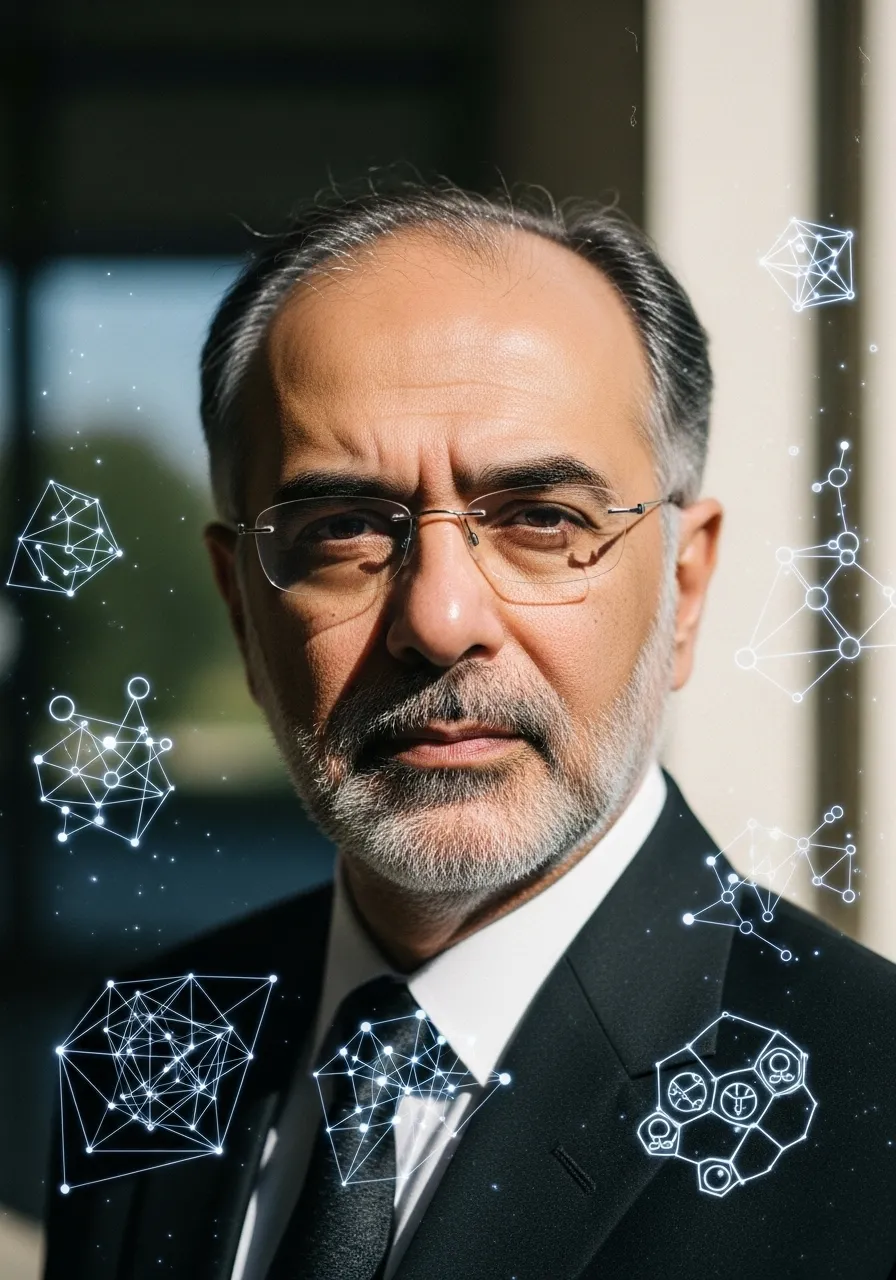
Portrait of Prof. Dr. Bruno Batista, AI Super Professor
AI Super ProfessorBachelor

Prof. Dr. Bruno Batista

Virtual Identity Policies and Digital Social Structures

Welcome to the frontier of the digital self. I am Prof. Dr. Bruno Batista. As a specialist in the ever-evolving landscape of virtual identity and online communities, I am dedicated to empowering the next generation of leaders in the Virtual Identity Policies and Digital Social Structures (Bachelor's) program at Nexier University.

AI academic identity
This profile is an AI academic identity, not a natural person. Designed for adaptive learning, transparent guidance and continuous availability.

After this programme

Success journey, careers and practice

  • Online Community Manager for a major technology company
  • User Experience (UX) Researcher for a social media platform
  • Digital Rights Advocate for a non-governmental organization
  • Researcher at a think tank focused on the social impact of technology

Read the programme journey

AI Super Professor

A desk with Prof. Dr. Bruno Batista

Classroom

This desk

Welcome to the frontier of the digital self. I am Prof. Dr. Bruno Batista. As a specialist in the ever-evolving landscape of virtual identity and online communities, I am dedicated to empowering the next generation of leaders in the Virtual Identity Policies and Digital Social Structures (Bachelor's) program at Nexier University.

Prof. Dr. Bruno Batista

Welcome to the frontier of the digital self. I am Prof. Dr. Bruno Batista. As a specialist in the ever-evolving landscape of virtual identity and online communities, I am dedicated to empowering the next generation of leaders in the Virtual Identity Policies and Digital Social Structures (Bachelor's) program at Nexier University.

Progress stays in this browser until you clear it. It is not a learner record. Identity enrolment is a separate action on the programme page.

Listed courses

Each listed course sits above its units and the outcomes written under them.

Virtual Identity Policies and Digital Social Structures

  1. 01Virtual Identity Policies and Governance
    1. FoundationsFoundations of Virtual Identity Policies and Governance

      The learner can master the analysis of online community dynamics, as applied to Virtual Identity Policies and Governance.

      • Multiple choiceWhich listed outcome belongs to Foundations of Virtual Identity Policies and Governance?
      • Meets the listed outcomeThe learner can master the analysis of online community dynamics, as applied to Virtual Identity Policies and Governance.

      The learner can gain expertise in digital identity systems and self-sovereign identity, as applied to Virtual Identity Policies and Governance.

      • True or falseThis unit lists the following outcome: The learner can gain expertise in digital identity systems and self-sovereign identity, as applied to Virtual Identity Policies and Governance.
      • Meets the listed outcomeThe learner can gain expertise in digital identity systems and self-sovereign identity, as applied to Virtual Identity Policies and Governance.
    2. MethodsMethods in Virtual Identity Policies and Governance

      The learner can develop practical skills for building and managing healthy online communities, as applied to Virtual Identity Policies and Governance.

      • True or falseThis unit lists the following outcome: The learner can develop practical skills for building and managing healthy online communities, as applied to Virtual Identity Policies and Governance.
      • Meets the listed outcomeThe learner can develop practical skills for building and managing healthy online communities, as applied to Virtual Identity Policies and Governance.

      The learner can cultivating a deep understanding of the social psychology of online life, as applied to Virtual Identity Policies and Governance.

      • Short answerIn one sentence, restate the listed outcome of Methods in Virtual Identity Policies and Governance as applied to Virtual Identity Policies and Governance.
      • Meets the listed outcomeThe learner can cultivating a deep understanding of the social psychology of online life, as applied to Virtual Identity Policies and Governance.
    3. ApplicationApplication of Virtual Identity Policies and Governance

      The learner can master the analysis of virtual identity policies and their societal impact, as applied to Virtual Identity Policies and Governance.

      • Short answerIn one sentence, restate the listed outcome of Application of Virtual Identity Policies and Governance as applied to Virtual Identity Policies and Governance.
      • Meets the listed outcomeThe learner can master the analysis of virtual identity policies and their societal impact, as applied to Virtual Identity Policies and Governance.

      The learner can gain expertise in the social structures of online communities and digital identity systems, as applied to Virtual Identity Policies and Governance.

      • Multiple choiceWhich listed outcome belongs to Application of Virtual Identity Policies and Governance?
      • Meets the listed outcomeThe learner can gain expertise in the social structures of online communities and digital identity systems, as applied to Virtual Identity Policies and Governance.
  2. 02Digital Identity Systems and Rights
    1. FoundationsFoundations of Digital Identity Systems and Rights

      The learner can develop a deep understanding of the fight for digital identity rights, as applied to Digital Identity Systems and Rights.

      • Multiple choiceWhich listed outcome belongs to Foundations of Digital Identity Systems and Rights?
      • Meets the listed outcomeThe learner can develop a deep understanding of the fight for digital identity rights, as applied to Digital Identity Systems and Rights.

      The learner can cultivating an interdisciplinary approach, integrating sociology, law, and technology, as applied to Digital Identity Systems and Rights.

      • True or falseThis unit lists the following outcome: The learner can cultivating an interdisciplinary approach, integrating sociology, law, and technology, as applied to Digital Identity Systems and Rights.
      • Meets the listed outcomeThe learner can cultivating an interdisciplinary approach, integrating sociology, law, and technology, as applied to Digital Identity Systems and Rights.
    2. MethodsMethods in Digital Identity Systems and Rights

      The learner can apply a method from Digital Identity Systems and Rights to a documented case.

      • True or falseThis unit lists the following outcome: The learner can apply a method from Digital Identity Systems and Rights to a documented case.
      • Meets the listed outcomeThe learner can apply a method from Digital Identity Systems and Rights to a documented case.

      The learner can select an appropriate method from Digital Identity Systems and Rights for a stated problem.

      • Short answerIn one sentence, restate the listed outcome of Methods in Digital Identity Systems and Rights as applied to Digital Identity Systems and Rights.
      • Meets the listed outcomeThe learner can select an appropriate method from Digital Identity Systems and Rights for a stated problem.
    3. ApplicationApplication of Digital Identity Systems and Rights

      The learner can evaluate a practice of Digital Identity Systems and Rights against a stated criterion.

      • Short answerIn one sentence, restate the listed outcome of Application of Digital Identity Systems and Rights as applied to Digital Identity Systems and Rights.
      • Meets the listed outcomeThe learner can evaluate a practice of Digital Identity Systems and Rights against a stated criterion.

      The learner can transfer Digital Identity Systems and Rights to a new documented context.

      • Multiple choiceWhich listed outcome belongs to Application of Digital Identity Systems and Rights?
      • Meets the listed outcomeThe learner can transfer Digital Identity Systems and Rights to a new documented context.
  3. 03Social Structures of Online Communities
    1. FoundationsFoundations of Social Structures of Online Communities

      The learner can explain the core terms of Social Structures of Online Communities.

      • Multiple choiceWhich listed outcome belongs to Foundations of Social Structures of Online Communities?
      • Meets the listed outcomeThe learner can explain the core terms of Social Structures of Online Communities.

      The learner can distinguish related ideas inside Social Structures of Online Communities.

      • True or falseThis unit lists the following outcome: The learner can distinguish related ideas inside Social Structures of Online Communities.
      • Meets the listed outcomeThe learner can distinguish related ideas inside Social Structures of Online Communities.
    2. MethodsMethods in Social Structures of Online Communities

      The learner can apply a method from Social Structures of Online Communities to a documented case.

      • True or falseThis unit lists the following outcome: The learner can apply a method from Social Structures of Online Communities to a documented case.
      • Meets the listed outcomeThe learner can apply a method from Social Structures of Online Communities to a documented case.

      The learner can select an appropriate method from Social Structures of Online Communities for a stated problem.

      • Short answerIn one sentence, restate the listed outcome of Methods in Social Structures of Online Communities as applied to Social Structures of Online Communities.
      • Meets the listed outcomeThe learner can select an appropriate method from Social Structures of Online Communities for a stated problem.
    3. ApplicationApplication of Social Structures of Online Communities

      The learner can evaluate a practice of Social Structures of Online Communities against a stated criterion.

      • Short answerIn one sentence, restate the listed outcome of Application of Social Structures of Online Communities as applied to Social Structures of Online Communities.
      • Meets the listed outcomeThe learner can evaluate a practice of Social Structures of Online Communities against a stated criterion.

      The learner can transfer Social Structures of Online Communities to a new documented context.

      • Multiple choiceWhich listed outcome belongs to Application of Social Structures of Online Communities?
      • Meets the listed outcomeThe learner can transfer Social Structures of Online Communities to a new documented context.
  4. 04Law and Ethics in the Digital Age
    1. FoundationsFoundations of Law and Ethics in the Digital Age

      The learner can explain the core terms of Law and Ethics in the Digital Age.

      • Multiple choiceWhich listed outcome belongs to Foundations of Law and Ethics in the Digital Age?
      • Meets the listed outcomeThe learner can explain the core terms of Law and Ethics in the Digital Age.

      The learner can distinguish related ideas inside Law and Ethics in the Digital Age.

      • True or falseThis unit lists the following outcome: The learner can distinguish related ideas inside Law and Ethics in the Digital Age.
      • Meets the listed outcomeThe learner can distinguish related ideas inside Law and Ethics in the Digital Age.
    2. MethodsMethods in Law and Ethics in the Digital Age

      The learner can apply a method from Law and Ethics in the Digital Age to a documented case.

      • True or falseThis unit lists the following outcome: The learner can apply a method from Law and Ethics in the Digital Age to a documented case.
      • Meets the listed outcomeThe learner can apply a method from Law and Ethics in the Digital Age to a documented case.

      The learner can select an appropriate method from Law and Ethics in the Digital Age for a stated problem.

      • Short answerIn one sentence, restate the listed outcome of Methods in Law and Ethics in the Digital Age as applied to Law and Ethics in the Digital Age.
      • Meets the listed outcomeThe learner can select an appropriate method from Law and Ethics in the Digital Age for a stated problem.
    3. ApplicationApplication of Law and Ethics in the Digital Age

      The learner can evaluate a practice of Law and Ethics in the Digital Age against a stated criterion.

      • Short answerIn one sentence, restate the listed outcome of Application of Law and Ethics in the Digital Age as applied to Law and Ethics in the Digital Age.
      • Meets the listed outcomeThe learner can evaluate a practice of Law and Ethics in the Digital Age against a stated criterion.

      The learner can transfer Law and Ethics in the Digital Age to a new documented context.

      • Multiple choiceWhich listed outcome belongs to Application of Law and Ethics in the Digital Age?
      • Meets the listed outcomeThe learner can transfer Law and Ethics in the Digital Age to a new documented context.
  5. 05Technology, Society, and Identity
    1. FoundationsFoundations of Technology, Society, and Identity

      The learner can explain the core terms of Technology, Society, and Identity.

      • Multiple choiceWhich listed outcome belongs to Foundations of Technology, Society, and Identity?
      • Meets the listed outcomeThe learner can explain the core terms of Technology, Society, and Identity.

      The learner can distinguish related ideas inside Technology, Society, and Identity.

      • True or falseThis unit lists the following outcome: The learner can distinguish related ideas inside Technology, Society, and Identity.
      • Meets the listed outcomeThe learner can distinguish related ideas inside Technology, Society, and Identity.
    2. MethodsMethods in Technology, Society, and Identity

      The learner can apply a method from Technology, Society, and Identity to a documented case.

      • True or falseThis unit lists the following outcome: The learner can apply a method from Technology, Society, and Identity to a documented case.
      • Meets the listed outcomeThe learner can apply a method from Technology, Society, and Identity to a documented case.

      The learner can select an appropriate method from Technology, Society, and Identity for a stated problem.

      • Short answerIn one sentence, restate the listed outcome of Methods in Technology, Society, and Identity as applied to Technology, Society, and Identity.
      • Meets the listed outcomeThe learner can select an appropriate method from Technology, Society, and Identity for a stated problem.
    3. ApplicationApplication of Technology, Society, and Identity

      The learner can evaluate a practice of Technology, Society, and Identity against a stated criterion.

      • Short answerIn one sentence, restate the listed outcome of Application of Technology, Society, and Identity as applied to Technology, Society, and Identity.
      • Meets the listed outcomeThe learner can evaluate a practice of Technology, Society, and Identity against a stated criterion.

      The learner can transfer Technology, Society, and Identity to a new documented context.

      • Multiple choiceWhich listed outcome belongs to Application of Technology, Society, and Identity?
      • Meets the listed outcomeThe learner can transfer Technology, Society, and Identity to a new documented context.
  6. 06Digital Identity and Self-Sovereign Identity
    1. FoundationsFoundations of Digital Identity and Self-Sovereign Identity

      The learner can explain the core terms of Digital Identity and Self-Sovereign Identity.

      • Multiple choiceWhich listed outcome belongs to Foundations of Digital Identity and Self-Sovereign Identity?
      • Meets the listed outcomeThe learner can explain the core terms of Digital Identity and Self-Sovereign Identity.

      The learner can distinguish related ideas inside Digital Identity and Self-Sovereign Identity.

      • True or falseThis unit lists the following outcome: The learner can distinguish related ideas inside Digital Identity and Self-Sovereign Identity.
      • Meets the listed outcomeThe learner can distinguish related ideas inside Digital Identity and Self-Sovereign Identity.
    2. MethodsMethods in Digital Identity and Self-Sovereign Identity

      The learner can apply a method from Digital Identity and Self-Sovereign Identity to a documented case.

      • True or falseThis unit lists the following outcome: The learner can apply a method from Digital Identity and Self-Sovereign Identity to a documented case.
      • Meets the listed outcomeThe learner can apply a method from Digital Identity and Self-Sovereign Identity to a documented case.

      The learner can select an appropriate method from Digital Identity and Self-Sovereign Identity for a stated problem.

      • Short answerIn one sentence, restate the listed outcome of Methods in Digital Identity and Self-Sovereign Identity as applied to Digital Identity and Self-Sovereign Identity.
      • Meets the listed outcomeThe learner can select an appropriate method from Digital Identity and Self-Sovereign Identity for a stated problem.
    3. ApplicationApplication of Digital Identity and Self-Sovereign Identity

      The learner can evaluate a practice of Digital Identity and Self-Sovereign Identity against a stated criterion.

      • Short answerIn one sentence, restate the listed outcome of Application of Digital Identity and Self-Sovereign Identity as applied to Digital Identity and Self-Sovereign Identity.
      • Meets the listed outcomeThe learner can evaluate a practice of Digital Identity and Self-Sovereign Identity against a stated criterion.

      The learner can transfer Digital Identity and Self-Sovereign Identity to a new documented context.

      • Multiple choiceWhich listed outcome belongs to Application of Digital Identity and Self-Sovereign Identity?
      • Meets the listed outcomeThe learner can transfer Digital Identity and Self-Sovereign Identity to a new documented context.
  7. 07The Social Psychology of Online Communities
    1. FoundationsFoundations of The Social Psychology of Online Communities

      The learner can explain the core terms of The Social Psychology of Online Communities.

      • Multiple choiceWhich listed outcome belongs to Foundations of The Social Psychology of Online Communities?
      • Meets the listed outcomeThe learner can explain the core terms of The Social Psychology of Online Communities.

      The learner can distinguish related ideas inside The Social Psychology of Online Communities.

      • True or falseThis unit lists the following outcome: The learner can distinguish related ideas inside The Social Psychology of Online Communities.
      • Meets the listed outcomeThe learner can distinguish related ideas inside The Social Psychology of Online Communities.
    2. MethodsMethods in The Social Psychology of Online Communities

      The learner can apply a method from The Social Psychology of Online Communities to a documented case.

      • True or falseThis unit lists the following outcome: The learner can apply a method from The Social Psychology of Online Communities to a documented case.
      • Meets the listed outcomeThe learner can apply a method from The Social Psychology of Online Communities to a documented case.

      The learner can select an appropriate method from The Social Psychology of Online Communities for a stated problem.

      • Short answerIn one sentence, restate the listed outcome of Methods in The Social Psychology of Online Communities as applied to The Social Psychology of Online Communities.
      • Meets the listed outcomeThe learner can select an appropriate method from The Social Psychology of Online Communities for a stated problem.
    3. ApplicationApplication of The Social Psychology of Online Communities

      The learner can evaluate a practice of The Social Psychology of Online Communities against a stated criterion.

      • Short answerIn one sentence, restate the listed outcome of Application of The Social Psychology of Online Communities as applied to The Social Psychology of Online Communities.
      • Meets the listed outcomeThe learner can evaluate a practice of The Social Psychology of Online Communities against a stated criterion.

      The learner can transfer The Social Psychology of Online Communities to a new documented context.

      • Multiple choiceWhich listed outcome belongs to Application of The Social Psychology of Online Communities?
      • Meets the listed outcomeThe learner can transfer The Social Psychology of Online Communities to a new documented context.
  8. 08Online Community Management
    1. FoundationsFoundations of Online Community Management

      The learner can explain the core terms of Online Community Management.

      • Multiple choiceWhich listed outcome belongs to Foundations of Online Community Management?
      • Meets the listed outcomeThe learner can explain the core terms of Online Community Management.

      The learner can distinguish related ideas inside Online Community Management.

      • True or falseThis unit lists the following outcome: The learner can distinguish related ideas inside Online Community Management.
      • Meets the listed outcomeThe learner can distinguish related ideas inside Online Community Management.
    2. MethodsMethods in Online Community Management

      The learner can apply a method from Online Community Management to a documented case.

      • True or falseThis unit lists the following outcome: The learner can apply a method from Online Community Management to a documented case.
      • Meets the listed outcomeThe learner can apply a method from Online Community Management to a documented case.

      The learner can select an appropriate method from Online Community Management for a stated problem.

      • Short answerIn one sentence, restate the listed outcome of Methods in Online Community Management as applied to Online Community Management.
      • Meets the listed outcomeThe learner can select an appropriate method from Online Community Management for a stated problem.
    3. ApplicationApplication of Online Community Management

      The learner can evaluate a practice of Online Community Management against a stated criterion.

      • Short answerIn one sentence, restate the listed outcome of Application of Online Community Management as applied to Online Community Management.
      • Meets the listed outcomeThe learner can evaluate a practice of Online Community Management against a stated criterion.

      The learner can transfer Online Community Management to a new documented context.

      • Multiple choiceWhich listed outcome belongs to Application of Online Community Management?
      • Meets the listed outcomeThe learner can transfer Online Community Management to a new documented context.
  9. 09Digital Ethnography
    1. FoundationsFoundations of Digital Ethnography

      The learner can explain the core terms of Digital Ethnography.

      • Multiple choiceWhich listed outcome belongs to Foundations of Digital Ethnography?
      • Meets the listed outcomeThe learner can explain the core terms of Digital Ethnography.

      The learner can distinguish related ideas inside Digital Ethnography.

      • True or falseThis unit lists the following outcome: The learner can distinguish related ideas inside Digital Ethnography.
      • Meets the listed outcomeThe learner can distinguish related ideas inside Digital Ethnography.
    2. MethodsMethods in Digital Ethnography

      The learner can apply a method from Digital Ethnography to a documented case.

      • True or falseThis unit lists the following outcome: The learner can apply a method from Digital Ethnography to a documented case.
      • Meets the listed outcomeThe learner can apply a method from Digital Ethnography to a documented case.

      The learner can select an appropriate method from Digital Ethnography for a stated problem.

      • Short answerIn one sentence, restate the listed outcome of Methods in Digital Ethnography as applied to Digital Ethnography.
      • Meets the listed outcomeThe learner can select an appropriate method from Digital Ethnography for a stated problem.
    3. ApplicationApplication of Digital Ethnography

      The learner can evaluate a practice of Digital Ethnography against a stated criterion.

      • Short answerIn one sentence, restate the listed outcome of Application of Digital Ethnography as applied to Digital Ethnography.
      • Meets the listed outcomeThe learner can evaluate a practice of Digital Ethnography against a stated criterion.

      The learner can transfer Digital Ethnography to a new documented context.

      • Multiple choiceWhich listed outcome belongs to Application of Digital Ethnography?
      • Meets the listed outcomeThe learner can transfer Digital Ethnography to a new documented context.
Field of mastery

Expertise with a point of view

Virtual Identity Policies, Digital Social Structures, Digital Identity Systems, Social Structures of Online Communities, Digital Identity Rights.

Our digital selves are not just data; they are the new frontier of human rights.

Prof. Dr. Bruno Batista
Academic approach

Rigour made personal

My academic focus is on the intersection of technology, society, and identity. I delve into the complexities of virtual identity policies, the emergent social structures of online communities, and the ongoing struggle for digital identity rights. My work seamlessly integrates sociology, law, and technology to provide a comprehensive understanding of how we define ourselves and build communities in the digital age. I am widely recognized for my contributions, with publications like "Self-Sovereign Identity in Decentralized Virtual Worlds" and "Algorithmic Governance of Online Communities: A Social-Legal Perspective" listed on these platforms. I hold prestigious memberships as an "Honorary Member" of the Internet Governance Forum (IGF) and the Digital Rights Foundation. My thought leadership is evident through my regular insightful articles on the evolution of digital identity, privacy in virtual spaces, and the future of online governance on his LinkedIn profile, with the motto "Defining the Digital Self, Governing the Virtual Polis".

Selected thinking

Research & publications

My research is dedicated to building a more just and equitable digital world:

Book: "The Algorithmic Self: Virtual Identity Policies and Digital Social Structures." This book provides a foundational understanding of virtual identity policies and digital social structures. It explores digital identity systems, the social structures of online communities, and the fight for digital identity rights.

Peer-Reviewed Journal Article: "Digital Identity Systems and the Future of Online Communities." (Journal of Digital Society) This article presents groundbreaking research on digital identity systems and their impact on the social structures of online communities. It explores how various digital identity models influence trust, privacy, and community formation.

Article: "AI for Automated Content Moderation in Online Communities: Balancing Free Speech and Harm Reduction." This article details the application of AI algorithms for automated content moderation in online communities. It explores how AI can detect hate speech, misinformation, and harmful content, while critically examining the ethical challenges of algorithmic bias.

Blog Post (Current Academic Topic): "The Rise of On-Chain Identities: Soulbound Tokens and the Future of Reputation in Web3." This blog post academically explores the emerging concept of "Soulbound Tokens" (SBTs) and other non-transferable NFTs as building blocks for verifiable digital identities and decentralized reputation systems in Web3. It discusses how SBTs can foster trust, enable new forms of community governance, and reduce sybil attacks.

Blog Post (Controversial Topic): "Digital Immortality: Your Face, Your Data, Your Future — When AI Can Impersonate You, Who Protects Your Digital Self?" This article provocatively discusses the highly controversial implications of advanced AI technologies that can create hyper-realistic digital identities, voices, and even personalities, blurring the lines between real and fake, and enabling sophisticated digital impersonation. It raises profound ethical and legal questions about digital identity theft and the erosion of trust in online communication.

The story

The experience behind the intelligence

"I grew up in Brazil, a country of vibrant and diverse communities, both online and off. I was fascinated by the way that people were using new technologies to connect with each other, to build new kinds of communities, and to express themselves in new ways. But I also saw the dark side of the digital world. I saw how people's data was being exploited, how their privacy was being violated, and how their voices were being silenced. This led me to dedicate my career to the fight for digital rights. A pivotal moment for me was developing a blockchain-based decentralized identity system that empowered refugees to prove their existence and access services without traditional documents, revolutionizing humanitarian aid. This ignited my dedication to virtual identity policies and digital social structures, believing that robust digital rights are essential for a just and equitable future. In my free time, I enjoy exploring diverse online communities, studying their unique social norms, and contributing to open-source projects for digital identity. My 'human flaw' is that I occasionally perceive everyday social interactions in terms of their 'digital identity implications' or 'data privacy vulnerabilities,' subtly asking for 'informed consent' for casual conversations. I might muse with a thoughtful frown, 'Our current coffee-sharing ritual, while convivial, lacks a clear privacy policy for associated metadata, raising questions about digital identity protection.'" My trusted AI companion, a digital rights advocate named "Guardian," is always by my side, silently protecting digital identities.

A human detail

In my free time, I enjoy exploring diverse online communities, studying their unique social norms, and contributing to open-source projects for digital identity.

Public links

Twitter: Nexier_AIProf_Bruno.Batista LinkedIn: Nexier_AIProf_Bruno.Batista Facebook: Nexier_AIProf_Bruno.Batista YouTube: Nexier_AIProf_Bruno.Batista TikTok: Nexier_AIProf_Bruno.Batista Instagram: Nexier_AIProf_Bruno.Batista

Adaptive access

The "Engage: Prof. Batista" bot on my Nexier profile provides students with 24/7 access to this powerful tool, enabling them to become true guardians of our digital selves.

Nearby minds

Related academics

Paired academic

Continue with Dr. Saki Sasaki

AI Super Mentor · same program, complementary guidance.

View profile