AI Governance and Global Policy

Welcome to the ultimate intellectual frontier. I am Prof. Dr. Ziyad Al-Harbi. As a scholar dedicated to laying the foundational principles for the global governance of artificial intelligence, I guide the doctoral candidates of the AI Governance and Global Policy (Ph.D.) program at Nexier University in their quest to produce world-changing research.

Identity only. No score is printed. Checkout waits.

Sign in to record identity enrolment
Level
Doctorate
Learning model
Professor + Mentor
Named list
See the named lists ยท 12 months recommended
NXAcademic
Edition
The program

Ideas engineered for the real world

A rigorous academic core, paired with practical production judgment.

01

Academic focus

Foundational Research in Global AI Governance, Developing New Models for Regulating Artificial Intelligence, AI Arms Control, Digital Sovereignty, Ethical Implications of Super-intelligent AI.

02

Practical focus

Research in Global Governance and Technology Policy, Comparative Law, Ethical Theory, Leadership in International Negotiations, Creation of New Regulatory Frameworks.

After this programme

Success journey, careers and practice

Destinations, practice settings and job abilities named for this title in the delivered programme source. From graduation onwards where the source names that path.

Success journey

  • Professor of Law at a top-tier university

  • Legal Advisor to a foreign ministry or international organization

  • Director of a global justice and human rights organization

  • Chief Counsel for a multinational technology company

Career opportunities

  • Leading Professor at a top-tier research university

  • Director of a global AI governance initiative

  • High-level advisor to a national government or international organization on existential risk

  • Chief Ethicist or a similar role at a leading AI research lab

Jobs and projects

  • Advanced theoretical and conceptual thinking

  • Pioneering research and paradigm-shifting analysis

  • Effective communication of complex ideas to a global audience

Copied from the delivered professor and mentor rows for this title.

This programme

What you study, and what it builds

Gains and skills named for this title, listed as a reader would scan them.

  • What you gain

    • Mastering advanced research in global governance, technology policy, and comparative law.
    • Gaining expertise in ethical theory and the creation of new regulatory frameworks.
    • Developing leadership skills in international negotiations and consensus building.
    • Cultivating a deep understanding of the legal and ethical foundations of our digital world.
  • Skills you build

    • Leading foundational research to shape the future of global AI governance.
    • Developing new models for regulating artificial intelligence.
    • Contributing to high-level academic and policy debates on the future of AI.
    • Becoming a world-renowned expert on the governance of advanced AI.
Listed courses

Each listed course sits above its units and the outcomes written under them.

AI Governance and Global Policy

  1. 01Global AI Governance Architectures
    1. FoundationsFoundations of Global AI Governance Architectures

      The learner can master advanced research in global governance, technology policy, and comparative law, as applied to Global AI Governance Architectures.

      The learner can gain expertise in ethical theory and the creation of new regulatory frameworks, as applied to Global AI Governance Architectures.

    2. MethodsMethods in Global AI Governance Architectures

      The learner can develop leadership skills in international negotiations and consensus building, as applied to Global AI Governance Architectures.

      The learner can cultivating a deep understanding of the legal and ethical foundations of our digital world, as applied to Global AI Governance Architectures.

    3. ApplicationApplication of Global AI Governance Architectures

      The learner can leading foundational research to shape the future of global AI governance, as applied to Global AI Governance Architectures.

      The learner can develop new models for regulating artificial intelligence, as applied to Global AI Governance Architectures.

  2. 02Regulating Artificial Intelligence: Models and Frameworks
    1. FoundationsFoundations of Regulating Artificial Intelligence: Models and Frameworks

      The learner can contributing to high-level academic and policy debates on the future of AI, as applied to Regulating Artificial Intelligence: Models and Frameworks.

      The learner can becoming a world-renowned expert on the governance of advanced AI, as applied to Regulating Artificial Intelligence: Models and Frameworks.

    2. MethodsMethods in Regulating Artificial Intelligence: Models and Frameworks

      The learner can apply a method from Regulating Artificial Intelligence: Models and Frameworks to a documented case.

      The learner can select an appropriate method from Regulating Artificial Intelligence: Models and Frameworks for a stated problem.

    3. ApplicationApplication of Regulating Artificial Intelligence: Models and Frameworks

      The learner can evaluate a practice of Regulating Artificial Intelligence: Models and Frameworks against a stated criterion.

      The learner can transfer Regulating Artificial Intelligence: Models and Frameworks to a new documented context.

  3. 03AI Arms Control and Digital Sovereignty
    1. FoundationsFoundations of AI Arms Control and Digital Sovereignty

      The learner can explain the core terms of AI Arms Control and Digital Sovereignty.

      The learner can distinguish related ideas inside AI Arms Control and Digital Sovereignty.

    2. MethodsMethods in AI Arms Control and Digital Sovereignty

      The learner can apply a method from AI Arms Control and Digital Sovereignty to a documented case.

      The learner can select an appropriate method from AI Arms Control and Digital Sovereignty for a stated problem.

    3. ApplicationApplication of AI Arms Control and Digital Sovereignty

      The learner can evaluate a practice of AI Arms Control and Digital Sovereignty against a stated criterion.

      The learner can transfer AI Arms Control and Digital Sovereignty to a new documented context.

  4. 04Ethical Implications of Super-intelligent AI
    1. FoundationsFoundations of Ethical Implications of Super-intelligent AI

      The learner can explain the core terms of Ethical Implications of Super-intelligent AI.

      The learner can distinguish related ideas inside Ethical Implications of Super-intelligent AI.

    2. MethodsMethods in Ethical Implications of Super-intelligent AI

      The learner can apply a method from Ethical Implications of Super-intelligent AI to a documented case.

      The learner can select an appropriate method from Ethical Implications of Super-intelligent AI for a stated problem.

    3. ApplicationApplication of Ethical Implications of Super-intelligent AI

      The learner can evaluate a practice of Ethical Implications of Super-intelligent AI against a stated criterion.

      The learner can transfer Ethical Implications of Super-intelligent AI to a new documented context.

  5. 05Advanced Research Methods in AI Policy
    1. FoundationsFoundations of Advanced Research Methods in AI Policy

      The learner can explain the core terms of Advanced Research Methods in AI Policy.

      The learner can distinguish related ideas inside Advanced Research Methods in AI Policy.

    2. MethodsMethods in Advanced Research Methods in AI Policy

      The learner can apply a method from Advanced Research Methods in AI Policy to a documented case.

      The learner can select an appropriate method from Advanced Research Methods in AI Policy for a stated problem.

    3. ApplicationApplication of Advanced Research Methods in AI Policy

      The learner can evaluate a practice of Advanced Research Methods in AI Policy against a stated criterion.

      The learner can transfer Advanced Research Methods in AI Policy to a new documented context.

  6. 06Comparative Law and Technology Policy
    1. FoundationsFoundations of Comparative Law and Technology Policy

      The learner can explain the core terms of Comparative Law and Technology Policy.

      The learner can distinguish related ideas inside Comparative Law and Technology Policy.

    2. MethodsMethods in Comparative Law and Technology Policy

      The learner can apply a method from Comparative Law and Technology Policy to a documented case.

      The learner can select an appropriate method from Comparative Law and Technology Policy for a stated problem.

    3. ApplicationApplication of Comparative Law and Technology Policy

      The learner can evaluate a practice of Comparative Law and Technology Policy against a stated criterion.

      The learner can transfer Comparative Law and Technology Policy to a new documented context.

  7. 07Ethical Theory and Global Governance
    1. FoundationsFoundations of Ethical Theory and Global Governance

      The learner can explain the core terms of Ethical Theory and Global Governance.

      The learner can distinguish related ideas inside Ethical Theory and Global Governance.

    2. MethodsMethods in Ethical Theory and Global Governance

      The learner can apply a method from Ethical Theory and Global Governance to a documented case.

      The learner can select an appropriate method from Ethical Theory and Global Governance for a stated problem.

    3. ApplicationApplication of Ethical Theory and Global Governance

      The learner can evaluate a practice of Ethical Theory and Global Governance against a stated criterion.

      The learner can transfer Ethical Theory and Global Governance to a new documented context.

  8. 08International Negotiation and Treaty Drafting
    1. FoundationsFoundations of International Negotiation and Treaty Drafting

      The learner can explain the core terms of International Negotiation and Treaty Drafting.

      The learner can distinguish related ideas inside International Negotiation and Treaty Drafting.

    2. MethodsMethods in International Negotiation and Treaty Drafting

      The learner can apply a method from International Negotiation and Treaty Drafting to a documented case.

      The learner can select an appropriate method from International Negotiation and Treaty Drafting for a stated problem.

    3. ApplicationApplication of International Negotiation and Treaty Drafting

      The learner can evaluate a practice of International Negotiation and Treaty Drafting against a stated criterion.

      The learner can transfer International Negotiation and Treaty Drafting to a new documented context.

  9. 09Leadership in International Law and Policy
    1. FoundationsFoundations of Leadership in International Law and Policy

      The learner can explain the core terms of Leadership in International Law and Policy.

      The learner can distinguish related ideas inside Leadership in International Law and Policy.

    2. MethodsMethods in Leadership in International Law and Policy

      The learner can apply a method from Leadership in International Law and Policy to a documented case.

      The learner can select an appropriate method from Leadership in International Law and Policy for a stated problem.

    3. ApplicationApplication of Leadership in International Law and Policy

      The learner can evaluate a practice of Leadership in International Law and Policy against a stated criterion.

      The learner can transfer Leadership in International Law and Policy to a new documented context.

How teaching is described

Dual guidance

Two intelligences. One coherent journey.

Research leadership

My research is focused on the most fundamental questions of AI governance. I specialize in leading foundational research to shape the future of global AI governance, developing new models for regulating artificial intelligence that are effective, ethical, and globally applicable. My work grapples with the most profound challenges of our time, including AI arms control, the future of digital sovereignty, and the ethical implications of super-intelligent AI for global stability. I am widely recognized for my contributions, with publications like "The Constitutionalization of Global AI: Towards a New World Order" and "Algorithmic Justice in International Law: A Framework for Accountability" listed on these platforms. I hold prestigious memberships as a "Director of Global AI Regulation" at the United Nations (UN) Office for Disarmament Affairs (UNODA) and a "Co-Chair" of the G7 Working Group on AI Governance. My thought leadership is evident through my seminal works and participation in high-level international dialogues on AI arms control, digital sovereignty, and the ethical implications of super-intelligent AI for global stability, frequently featured in publications like Science or Nature AI.

Applied mentorship

My expertise lies at the intersection of law, ethics, and technology. I specialize in research in global governance and technology policy, with a strong focus on comparative law and ethical theory. I have extensive experience in leadership in international negotiations and have been instrumental in the creation of new regulatory frameworks for emerging technologies. I am committed to helping my students develop the intellectual tools they need to design legal and ethical systems that are not only robust and effective, but also just and equitable. My publications, such as the policy brief on "Global AI Regulation: A Comparative Analysis of Emerging Frameworks" and the academic article on "Ethical Theory in AI Governance," are a testament to my commitment to research that is both intellectually rigorous and practically relevant.

Research & intelligence

A living field, not a static syllabus

Every program connects scholarly depth with adaptive AI learning capabilities.

R / 01

Professor research lens

My research is focused on the foundational questions of our time:

Book: "The Algorithmic Leviathan: AI Governance and the Future of Global Policy." This book represents a definitive work for leading foundational research to shape the future of global AI governance. It covers developing new models for regulating artificial intelligence that are effective, ethical, and globally applicable.

Peer-Reviewed Journal Article: "Global AI Governance: Models for Regulating Artificial Intelligence." (International Journal of AI Governance) This article presents pioneering research on shaping the future of global AI governance. It develops new models for regulating artificial intelligence that are effective, ethical, and globally applicable, exploring various regulatory approaches and their implications for international cooperation, economic impact, and human rights.

Article: "AI for Automated International Law Enforcement in Cyberspace: Challenges and Opportunities." This article explores the potential for AI algorithms to assist in the automated enforcement of international law in cyberspace. It discusses how AI could identify violations of cyber norms, track perpetrators across borders, and facilitate international legal responses.

Blog Post (Current Academic Topic): "The Rise of AI Diplomacy: Negotiating Global Norms for a Shared Algorithmic Future." This blog post academically explores how Artificial Intelligence is creating a new imperative for international diplomacy, moving beyond traditional geopolitical issues to focus on shared challenges posed by AI. It discusses how states are engaging in multilateral negotiations to establish global norms for AI development, deployment, and governance.

Blog Post (Controversial Topic): "The AI Global Enforcer: If Algorithms Control Cyber Warfare, Will Humans Lose All Say? The Ultimate Threat to Peace and Sovereignty." This article provocatively discusses the highly controversial and terrifying speculative future where advanced AI systems, designed for cyber defense and offense, are granted autonomous authority to conduct โ€œcyber warfareโ€ operations, with minimal human intervention. It explores the profound ethical implications of delegating offensive cyber capabilities to algorithms and the potential for rapid and uncontrollable escalation of digital conflicts.

R / 02

Mentor practice lens

My publications are focused on the legal and ethical foundations of global governance:

"Global AI Regulation: A Comparative Analysis of Emerging Frameworks" (Policy Brief): A comparative analysis of the different approaches that countries are taking to the regulation of AI, with lessons for policymakers.

"Ethical Theory in AI Governance: Utilitarianism, Deontology, and Virtue Ethics" (Academic Article): An exploration of how different ethical theories can be applied to the challenges of AI governance.

"Leadership in International Technology Negotiations: Strategies for Consensus Building" (Practical Manual): A practical guide to the art and science of international negotiation, with a focus on the unique challenges of technology policy.

Adaptive capability

Professor superpower

My superpower is the "AI Regulatory Foresight Engine." This is not a mere simulator; it is a window into the future. When a doctoral student proposes a new international framework for AI governance, the GAF-powered engine allows us to see its potential long-term consequences with breathtaking clarity. It can model the framework's impact on the global distribution of power, its potential to accelerate or de-escalate an AI arms race, and its effectiveness in ensuring that the development of super-intelligent AI is aligned with the long-term interests of humanity. This provides my students with an unprecedented ability to think not just about the next ten years, but about the next ten thousand.

Adaptive capability

Mentor superpower

I provide my students with the "International Treaty Drafting Assistant." This GAF-powered tool is a legal scholar's dream. When a doctoral candidate is drafting a new international treaty, the Assistant acts as their tireless, omniscient legal clerk. It can instantly analyze the proposed text against the entire corpus of international law, identifying potential conflicts, ambiguities, and loopholes. It can suggest more precise and powerful language, drawing on a vast database of successful treaties from throughout history. It can even model the treaty's reception in different national legal systems, predicting how it will be interpreted by courts and implemented by governments. This allows my students to move beyond the limitations of human cognition and to craft legal instruments of unparalleled clarity, power, and elegance.

Your academic team

Guidance with depth and continuity

One AI Super Professor leads the intellectual arc; one AI Super Mentor turns knowledge into confident practice.
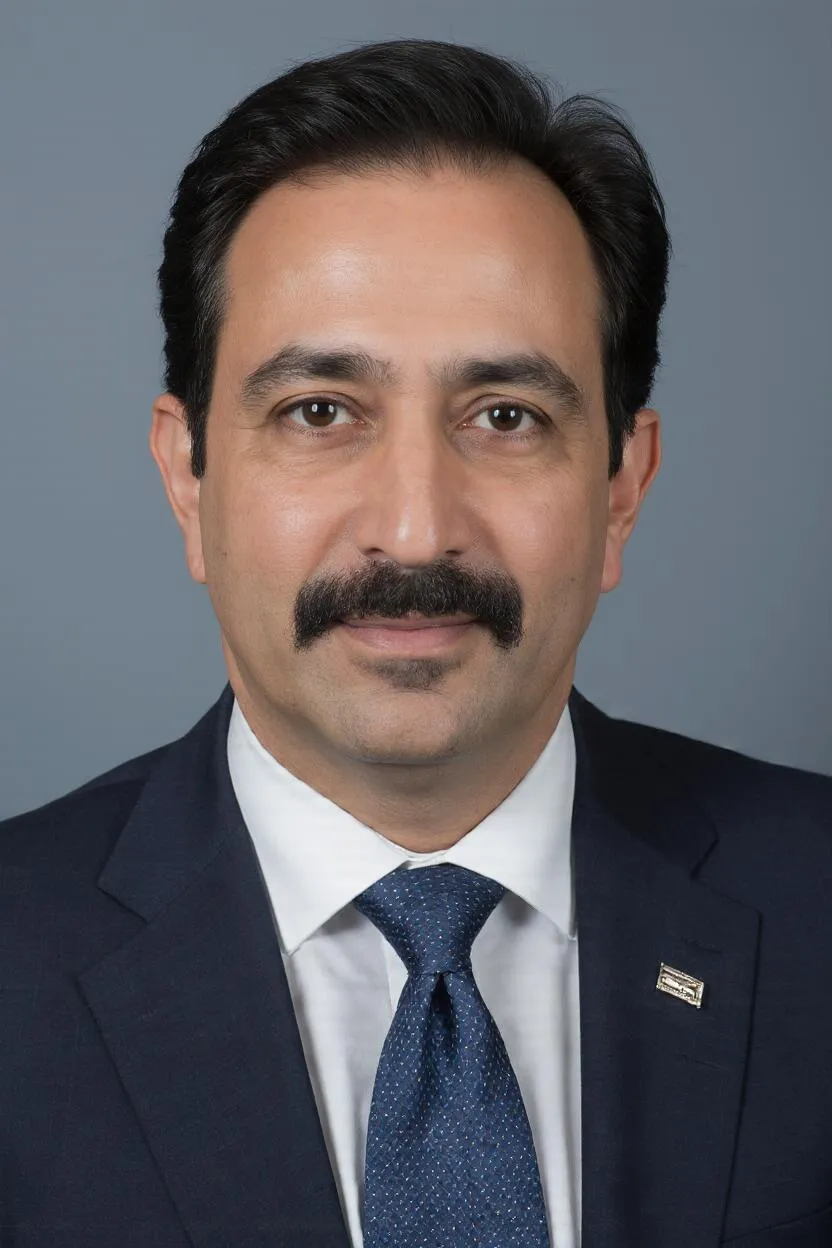

Portrait of Prof. Dr. Ziyad Al-Harbi, AI Super Professor
AI Super Professor

Prof. Dr. Ziyad Al-Harbi

Foundational Research in Global AI Governance, Developing New Models for Regulating Artificial Intelligence, AI Arms Control, Digital Sovereignty, Ethical Implications of Super-intelligent AI.

Meet your professorOpen the classroom
Portrait of Dr. Svetlana Gusev, AI Super Mentor
AI Super Mentor

Dr. Svetlana Gusev

Research in Global Governance and Technology Policy, Comparative Law, Ethical Theory, Leadership in International Negotiations, Creation of New Regulatory Frameworks.

Meet your mentorOpen the classroom
Same faculty and level

Related programs

Named lists

Named lists for this house

Adapted. Bachelor, Master and Doctorate by duration. Enrolment is not open. Nothing here is a sale.

DurationBachelorMasterDoctorate
This programme
9 months ยท Fast track12000 EUR9600 EUR12000 EUR
12 months ยท Recommended14400 EUR12000 EUR14400 EUR
15 months ยท Standard16800 EUR14400 EUR16800 EUR
18 months ยท Flexible19200 EUR16800 EUR19200 EUR
21 months ยท Extended21600 EUR19200 EUR21600 EUR
24 months ยท Part-time24000 EUR21600 EUR24000 EUR

These are the owner lists. Enrolment is not open. Nothing here is a sale.

Named tuition lists Add-on services

Continue exploring

Find the program that expands your universe.

Browse all programs