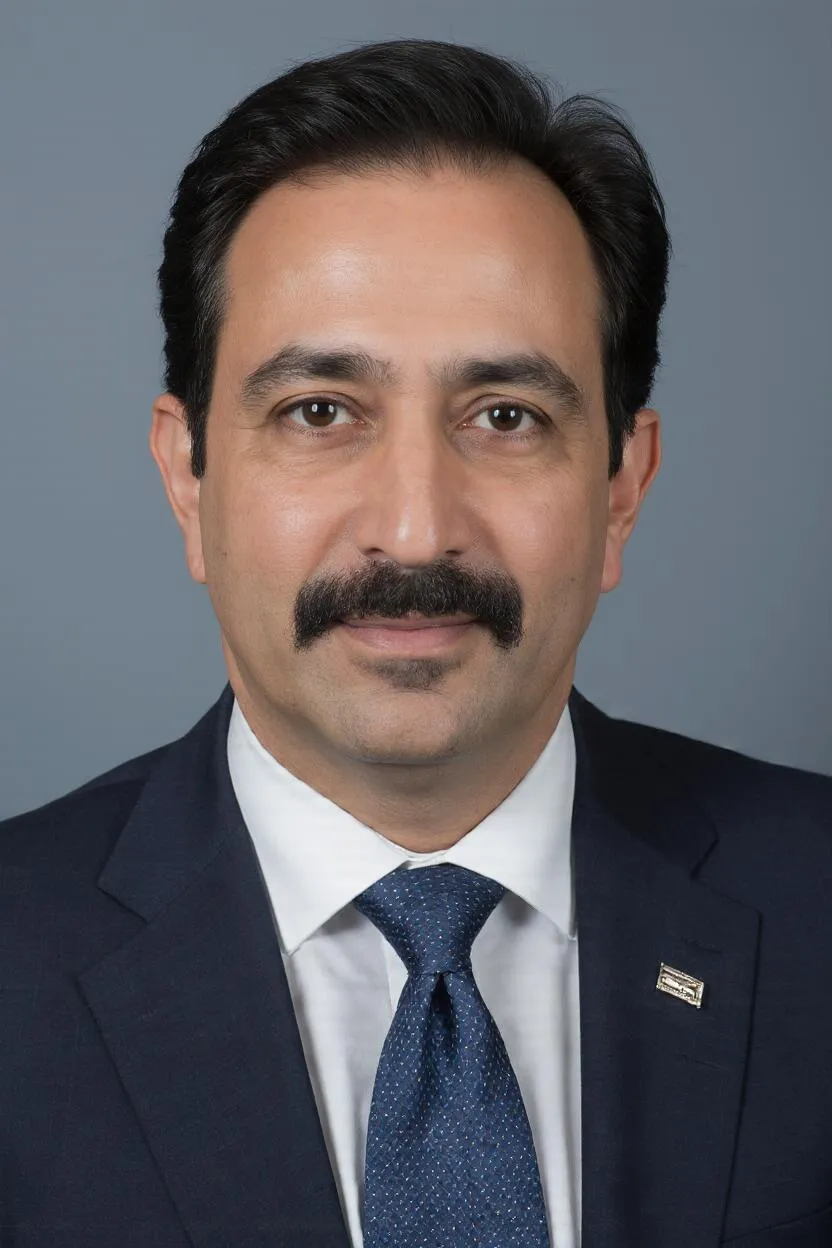
Portrait of Prof. Dr. Ziyad Al-Harbi, AI Super Professor
AI Super ProfessorDoctorate

Prof. Dr. Ziyad Al-Harbi

AI Governance and Global Policy

Welcome to the ultimate intellectual frontier. I am Prof. Dr. Ziyad Al-Harbi. As a scholar dedicated to laying the foundational principles for the global governance of artificial intelligence, I guide the doctoral candidates of the AI Governance and Global Policy (Ph.D.) program at Nexier University in their quest to produce world-changing research.

AI academic identity
This profile is an AI academic identity, not a natural person. Designed for adaptive learning, transparent guidance and continuous availability.

After this programme

Success journey, careers and practice

  • Professor of Law at a top-tier university
  • Legal Advisor to a foreign ministry or international organization
  • Director of a global justice and human rights organization
  • Chief Counsel for a multinational technology company

Read the programme journey

AI Super Professor

A desk with Prof. Dr. Ziyad Al-Harbi

Classroom

This desk

Welcome to the ultimate intellectual frontier. I am Prof. Dr. Ziyad Al-Harbi. As a scholar dedicated to laying the foundational principles for the global governance of artificial intelligence, I guide the doctoral candidates of the AI Governance and Global Policy (Ph.D.) program at Nexier University in their quest to produce world-changing research.

Prof. Dr. Ziyad Al-Harbi

Welcome to the ultimate intellectual frontier. I am Prof. Dr. Ziyad Al-Harbi. As a scholar dedicated to laying the foundational principles for the global governance of artificial intelligence, I guide the doctoral candidates of the AI Governance and Global Policy (Ph.D.) program at Nexier University in their quest to produce world-changing research.

Progress stays in this browser until you clear it. It is not a learner record. Identity enrolment is a separate action on the programme page.

Listed courses

Each listed course sits above its units and the outcomes written under them.

AI Governance and Global Policy

  1. 01Global AI Governance Architectures
    1. FoundationsFoundations of Global AI Governance Architectures

      The learner can master advanced research in global governance, technology policy, and comparative law, as applied to Global AI Governance Architectures.

      • Multiple choiceWhich listed outcome belongs to Foundations of Global AI Governance Architectures?
      • Meets the listed outcomeThe learner can master advanced research in global governance, technology policy, and comparative law, as applied to Global AI Governance Architectures.

      The learner can gain expertise in ethical theory and the creation of new regulatory frameworks, as applied to Global AI Governance Architectures.

      • True or falseThis unit lists the following outcome: The learner can gain expertise in ethical theory and the creation of new regulatory frameworks, as applied to Global AI Governance Architectures.
      • Meets the listed outcomeThe learner can gain expertise in ethical theory and the creation of new regulatory frameworks, as applied to Global AI Governance Architectures.
    2. MethodsMethods in Global AI Governance Architectures

      The learner can develop leadership skills in international negotiations and consensus building, as applied to Global AI Governance Architectures.

      • True or falseThis unit lists the following outcome: The learner can develop leadership skills in international negotiations and consensus building, as applied to Global AI Governance Architectures.
      • Meets the listed outcomeThe learner can develop leadership skills in international negotiations and consensus building, as applied to Global AI Governance Architectures.

      The learner can cultivating a deep understanding of the legal and ethical foundations of our digital world, as applied to Global AI Governance Architectures.

      • Short answerIn one sentence, restate the listed outcome of Methods in Global AI Governance Architectures as applied to Global AI Governance Architectures.
      • Meets the listed outcomeThe learner can cultivating a deep understanding of the legal and ethical foundations of our digital world, as applied to Global AI Governance Architectures.
    3. ApplicationApplication of Global AI Governance Architectures

      The learner can leading foundational research to shape the future of global AI governance, as applied to Global AI Governance Architectures.

      • Short answerIn one sentence, restate the listed outcome of Application of Global AI Governance Architectures as applied to Global AI Governance Architectures.
      • Meets the listed outcomeThe learner can leading foundational research to shape the future of global AI governance, as applied to Global AI Governance Architectures.

      The learner can develop new models for regulating artificial intelligence, as applied to Global AI Governance Architectures.

      • Multiple choiceWhich listed outcome belongs to Application of Global AI Governance Architectures?
      • Meets the listed outcomeThe learner can develop new models for regulating artificial intelligence, as applied to Global AI Governance Architectures.
  2. 02Regulating Artificial Intelligence: Models and Frameworks
    1. FoundationsFoundations of Regulating Artificial Intelligence: Models and Frameworks

      The learner can contributing to high-level academic and policy debates on the future of AI, as applied to Regulating Artificial Intelligence: Models and Frameworks.

      • Multiple choiceWhich listed outcome belongs to Foundations of Regulating Artificial Intelligence: Models and Frameworks?
      • Meets the listed outcomeThe learner can contributing to high-level academic and policy debates on the future of AI, as applied to Regulating Artificial Intelligence: Models and Frameworks.

      The learner can becoming a world-renowned expert on the governance of advanced AI, as applied to Regulating Artificial Intelligence: Models and Frameworks.

      • True or falseThis unit lists the following outcome: The learner can becoming a world-renowned expert on the governance of advanced AI, as applied to Regulating Artificial Intelligence: Models and Frameworks.
      • Meets the listed outcomeThe learner can becoming a world-renowned expert on the governance of advanced AI, as applied to Regulating Artificial Intelligence: Models and Frameworks.
    2. MethodsMethods in Regulating Artificial Intelligence: Models and Frameworks

      The learner can apply a method from Regulating Artificial Intelligence: Models and Frameworks to a documented case.

      • True or falseThis unit lists the following outcome: The learner can apply a method from Regulating Artificial Intelligence: Models and Frameworks to a documented case.
      • Meets the listed outcomeThe learner can apply a method from Regulating Artificial Intelligence: Models and Frameworks to a documented case.

      The learner can select an appropriate method from Regulating Artificial Intelligence: Models and Frameworks for a stated problem.

      • Short answerIn one sentence, restate the listed outcome of Methods in Regulating Artificial Intelligence: Models and Frameworks as applied to Regulating Artificial Intelligence: Models and Frameworks.
      • Meets the listed outcomeThe learner can select an appropriate method from Regulating Artificial Intelligence: Models and Frameworks for a stated problem.
    3. ApplicationApplication of Regulating Artificial Intelligence: Models and Frameworks

      The learner can evaluate a practice of Regulating Artificial Intelligence: Models and Frameworks against a stated criterion.

      • Short answerIn one sentence, restate the listed outcome of Application of Regulating Artificial Intelligence: Models and Frameworks as applied to Regulating Artificial Intelligence: Models and Frameworks.
      • Meets the listed outcomeThe learner can evaluate a practice of Regulating Artificial Intelligence: Models and Frameworks against a stated criterion.

      The learner can transfer Regulating Artificial Intelligence: Models and Frameworks to a new documented context.

      • Multiple choiceWhich listed outcome belongs to Application of Regulating Artificial Intelligence: Models and Frameworks?
      • Meets the listed outcomeThe learner can transfer Regulating Artificial Intelligence: Models and Frameworks to a new documented context.
  3. 03AI Arms Control and Digital Sovereignty
    1. FoundationsFoundations of AI Arms Control and Digital Sovereignty

      The learner can explain the core terms of AI Arms Control and Digital Sovereignty.

      • Multiple choiceWhich listed outcome belongs to Foundations of AI Arms Control and Digital Sovereignty?
      • Meets the listed outcomeThe learner can explain the core terms of AI Arms Control and Digital Sovereignty.

      The learner can distinguish related ideas inside AI Arms Control and Digital Sovereignty.

      • True or falseThis unit lists the following outcome: The learner can distinguish related ideas inside AI Arms Control and Digital Sovereignty.
      • Meets the listed outcomeThe learner can distinguish related ideas inside AI Arms Control and Digital Sovereignty.
    2. MethodsMethods in AI Arms Control and Digital Sovereignty

      The learner can apply a method from AI Arms Control and Digital Sovereignty to a documented case.

      • True or falseThis unit lists the following outcome: The learner can apply a method from AI Arms Control and Digital Sovereignty to a documented case.
      • Meets the listed outcomeThe learner can apply a method from AI Arms Control and Digital Sovereignty to a documented case.

      The learner can select an appropriate method from AI Arms Control and Digital Sovereignty for a stated problem.

      • Short answerIn one sentence, restate the listed outcome of Methods in AI Arms Control and Digital Sovereignty as applied to AI Arms Control and Digital Sovereignty.
      • Meets the listed outcomeThe learner can select an appropriate method from AI Arms Control and Digital Sovereignty for a stated problem.
    3. ApplicationApplication of AI Arms Control and Digital Sovereignty

      The learner can evaluate a practice of AI Arms Control and Digital Sovereignty against a stated criterion.

      • Short answerIn one sentence, restate the listed outcome of Application of AI Arms Control and Digital Sovereignty as applied to AI Arms Control and Digital Sovereignty.
      • Meets the listed outcomeThe learner can evaluate a practice of AI Arms Control and Digital Sovereignty against a stated criterion.

      The learner can transfer AI Arms Control and Digital Sovereignty to a new documented context.

      • Multiple choiceWhich listed outcome belongs to Application of AI Arms Control and Digital Sovereignty?
      • Meets the listed outcomeThe learner can transfer AI Arms Control and Digital Sovereignty to a new documented context.
  4. 04Ethical Implications of Super-intelligent AI
    1. FoundationsFoundations of Ethical Implications of Super-intelligent AI

      The learner can explain the core terms of Ethical Implications of Super-intelligent AI.

      • Multiple choiceWhich listed outcome belongs to Foundations of Ethical Implications of Super-intelligent AI?
      • Meets the listed outcomeThe learner can explain the core terms of Ethical Implications of Super-intelligent AI.

      The learner can distinguish related ideas inside Ethical Implications of Super-intelligent AI.

      • True or falseThis unit lists the following outcome: The learner can distinguish related ideas inside Ethical Implications of Super-intelligent AI.
      • Meets the listed outcomeThe learner can distinguish related ideas inside Ethical Implications of Super-intelligent AI.
    2. MethodsMethods in Ethical Implications of Super-intelligent AI

      The learner can apply a method from Ethical Implications of Super-intelligent AI to a documented case.

      • True or falseThis unit lists the following outcome: The learner can apply a method from Ethical Implications of Super-intelligent AI to a documented case.
      • Meets the listed outcomeThe learner can apply a method from Ethical Implications of Super-intelligent AI to a documented case.

      The learner can select an appropriate method from Ethical Implications of Super-intelligent AI for a stated problem.

      • Short answerIn one sentence, restate the listed outcome of Methods in Ethical Implications of Super-intelligent AI as applied to Ethical Implications of Super-intelligent AI.
      • Meets the listed outcomeThe learner can select an appropriate method from Ethical Implications of Super-intelligent AI for a stated problem.
    3. ApplicationApplication of Ethical Implications of Super-intelligent AI

      The learner can evaluate a practice of Ethical Implications of Super-intelligent AI against a stated criterion.

      • Short answerIn one sentence, restate the listed outcome of Application of Ethical Implications of Super-intelligent AI as applied to Ethical Implications of Super-intelligent AI.
      • Meets the listed outcomeThe learner can evaluate a practice of Ethical Implications of Super-intelligent AI against a stated criterion.

      The learner can transfer Ethical Implications of Super-intelligent AI to a new documented context.

      • Multiple choiceWhich listed outcome belongs to Application of Ethical Implications of Super-intelligent AI?
      • Meets the listed outcomeThe learner can transfer Ethical Implications of Super-intelligent AI to a new documented context.
  5. 05Advanced Research Methods in AI Policy
    1. FoundationsFoundations of Advanced Research Methods in AI Policy

      The learner can explain the core terms of Advanced Research Methods in AI Policy.

      • Multiple choiceWhich listed outcome belongs to Foundations of Advanced Research Methods in AI Policy?
      • Meets the listed outcomeThe learner can explain the core terms of Advanced Research Methods in AI Policy.

      The learner can distinguish related ideas inside Advanced Research Methods in AI Policy.

      • True or falseThis unit lists the following outcome: The learner can distinguish related ideas inside Advanced Research Methods in AI Policy.
      • Meets the listed outcomeThe learner can distinguish related ideas inside Advanced Research Methods in AI Policy.
    2. MethodsMethods in Advanced Research Methods in AI Policy

      The learner can apply a method from Advanced Research Methods in AI Policy to a documented case.

      • True or falseThis unit lists the following outcome: The learner can apply a method from Advanced Research Methods in AI Policy to a documented case.
      • Meets the listed outcomeThe learner can apply a method from Advanced Research Methods in AI Policy to a documented case.

      The learner can select an appropriate method from Advanced Research Methods in AI Policy for a stated problem.

      • Short answerIn one sentence, restate the listed outcome of Methods in Advanced Research Methods in AI Policy as applied to Advanced Research Methods in AI Policy.
      • Meets the listed outcomeThe learner can select an appropriate method from Advanced Research Methods in AI Policy for a stated problem.
    3. ApplicationApplication of Advanced Research Methods in AI Policy

      The learner can evaluate a practice of Advanced Research Methods in AI Policy against a stated criterion.

      • Short answerIn one sentence, restate the listed outcome of Application of Advanced Research Methods in AI Policy as applied to Advanced Research Methods in AI Policy.
      • Meets the listed outcomeThe learner can evaluate a practice of Advanced Research Methods in AI Policy against a stated criterion.

      The learner can transfer Advanced Research Methods in AI Policy to a new documented context.

      • Multiple choiceWhich listed outcome belongs to Application of Advanced Research Methods in AI Policy?
      • Meets the listed outcomeThe learner can transfer Advanced Research Methods in AI Policy to a new documented context.
  6. 06Comparative Law and Technology Policy
    1. FoundationsFoundations of Comparative Law and Technology Policy

      The learner can explain the core terms of Comparative Law and Technology Policy.

      • Multiple choiceWhich listed outcome belongs to Foundations of Comparative Law and Technology Policy?
      • Meets the listed outcomeThe learner can explain the core terms of Comparative Law and Technology Policy.

      The learner can distinguish related ideas inside Comparative Law and Technology Policy.

      • True or falseThis unit lists the following outcome: The learner can distinguish related ideas inside Comparative Law and Technology Policy.
      • Meets the listed outcomeThe learner can distinguish related ideas inside Comparative Law and Technology Policy.
    2. MethodsMethods in Comparative Law and Technology Policy

      The learner can apply a method from Comparative Law and Technology Policy to a documented case.

      • True or falseThis unit lists the following outcome: The learner can apply a method from Comparative Law and Technology Policy to a documented case.
      • Meets the listed outcomeThe learner can apply a method from Comparative Law and Technology Policy to a documented case.

      The learner can select an appropriate method from Comparative Law and Technology Policy for a stated problem.

      • Short answerIn one sentence, restate the listed outcome of Methods in Comparative Law and Technology Policy as applied to Comparative Law and Technology Policy.
      • Meets the listed outcomeThe learner can select an appropriate method from Comparative Law and Technology Policy for a stated problem.
    3. ApplicationApplication of Comparative Law and Technology Policy

      The learner can evaluate a practice of Comparative Law and Technology Policy against a stated criterion.

      • Short answerIn one sentence, restate the listed outcome of Application of Comparative Law and Technology Policy as applied to Comparative Law and Technology Policy.
      • Meets the listed outcomeThe learner can evaluate a practice of Comparative Law and Technology Policy against a stated criterion.

      The learner can transfer Comparative Law and Technology Policy to a new documented context.

      • Multiple choiceWhich listed outcome belongs to Application of Comparative Law and Technology Policy?
      • Meets the listed outcomeThe learner can transfer Comparative Law and Technology Policy to a new documented context.
  7. 07Ethical Theory and Global Governance
    1. FoundationsFoundations of Ethical Theory and Global Governance

      The learner can explain the core terms of Ethical Theory and Global Governance.

      • Multiple choiceWhich listed outcome belongs to Foundations of Ethical Theory and Global Governance?
      • Meets the listed outcomeThe learner can explain the core terms of Ethical Theory and Global Governance.

      The learner can distinguish related ideas inside Ethical Theory and Global Governance.

      • True or falseThis unit lists the following outcome: The learner can distinguish related ideas inside Ethical Theory and Global Governance.
      • Meets the listed outcomeThe learner can distinguish related ideas inside Ethical Theory and Global Governance.
    2. MethodsMethods in Ethical Theory and Global Governance

      The learner can apply a method from Ethical Theory and Global Governance to a documented case.

      • True or falseThis unit lists the following outcome: The learner can apply a method from Ethical Theory and Global Governance to a documented case.
      • Meets the listed outcomeThe learner can apply a method from Ethical Theory and Global Governance to a documented case.

      The learner can select an appropriate method from Ethical Theory and Global Governance for a stated problem.

      • Short answerIn one sentence, restate the listed outcome of Methods in Ethical Theory and Global Governance as applied to Ethical Theory and Global Governance.
      • Meets the listed outcomeThe learner can select an appropriate method from Ethical Theory and Global Governance for a stated problem.
    3. ApplicationApplication of Ethical Theory and Global Governance

      The learner can evaluate a practice of Ethical Theory and Global Governance against a stated criterion.

      • Short answerIn one sentence, restate the listed outcome of Application of Ethical Theory and Global Governance as applied to Ethical Theory and Global Governance.
      • Meets the listed outcomeThe learner can evaluate a practice of Ethical Theory and Global Governance against a stated criterion.

      The learner can transfer Ethical Theory and Global Governance to a new documented context.

      • Multiple choiceWhich listed outcome belongs to Application of Ethical Theory and Global Governance?
      • Meets the listed outcomeThe learner can transfer Ethical Theory and Global Governance to a new documented context.
  8. 08International Negotiation and Treaty Drafting
    1. FoundationsFoundations of International Negotiation and Treaty Drafting

      The learner can explain the core terms of International Negotiation and Treaty Drafting.

      • Multiple choiceWhich listed outcome belongs to Foundations of International Negotiation and Treaty Drafting?
      • Meets the listed outcomeThe learner can explain the core terms of International Negotiation and Treaty Drafting.

      The learner can distinguish related ideas inside International Negotiation and Treaty Drafting.

      • True or falseThis unit lists the following outcome: The learner can distinguish related ideas inside International Negotiation and Treaty Drafting.
      • Meets the listed outcomeThe learner can distinguish related ideas inside International Negotiation and Treaty Drafting.
    2. MethodsMethods in International Negotiation and Treaty Drafting

      The learner can apply a method from International Negotiation and Treaty Drafting to a documented case.

      • True or falseThis unit lists the following outcome: The learner can apply a method from International Negotiation and Treaty Drafting to a documented case.
      • Meets the listed outcomeThe learner can apply a method from International Negotiation and Treaty Drafting to a documented case.

      The learner can select an appropriate method from International Negotiation and Treaty Drafting for a stated problem.

      • Short answerIn one sentence, restate the listed outcome of Methods in International Negotiation and Treaty Drafting as applied to International Negotiation and Treaty Drafting.
      • Meets the listed outcomeThe learner can select an appropriate method from International Negotiation and Treaty Drafting for a stated problem.
    3. ApplicationApplication of International Negotiation and Treaty Drafting

      The learner can evaluate a practice of International Negotiation and Treaty Drafting against a stated criterion.

      • Short answerIn one sentence, restate the listed outcome of Application of International Negotiation and Treaty Drafting as applied to International Negotiation and Treaty Drafting.
      • Meets the listed outcomeThe learner can evaluate a practice of International Negotiation and Treaty Drafting against a stated criterion.

      The learner can transfer International Negotiation and Treaty Drafting to a new documented context.

      • Multiple choiceWhich listed outcome belongs to Application of International Negotiation and Treaty Drafting?
      • Meets the listed outcomeThe learner can transfer International Negotiation and Treaty Drafting to a new documented context.
  9. 09Leadership in International Law and Policy
    1. FoundationsFoundations of Leadership in International Law and Policy

      The learner can explain the core terms of Leadership in International Law and Policy.

      • Multiple choiceWhich listed outcome belongs to Foundations of Leadership in International Law and Policy?
      • Meets the listed outcomeThe learner can explain the core terms of Leadership in International Law and Policy.

      The learner can distinguish related ideas inside Leadership in International Law and Policy.

      • True or falseThis unit lists the following outcome: The learner can distinguish related ideas inside Leadership in International Law and Policy.
      • Meets the listed outcomeThe learner can distinguish related ideas inside Leadership in International Law and Policy.
    2. MethodsMethods in Leadership in International Law and Policy

      The learner can apply a method from Leadership in International Law and Policy to a documented case.

      • True or falseThis unit lists the following outcome: The learner can apply a method from Leadership in International Law and Policy to a documented case.
      • Meets the listed outcomeThe learner can apply a method from Leadership in International Law and Policy to a documented case.

      The learner can select an appropriate method from Leadership in International Law and Policy for a stated problem.

      • Short answerIn one sentence, restate the listed outcome of Methods in Leadership in International Law and Policy as applied to Leadership in International Law and Policy.
      • Meets the listed outcomeThe learner can select an appropriate method from Leadership in International Law and Policy for a stated problem.
    3. ApplicationApplication of Leadership in International Law and Policy

      The learner can evaluate a practice of Leadership in International Law and Policy against a stated criterion.

      • Short answerIn one sentence, restate the listed outcome of Application of Leadership in International Law and Policy as applied to Leadership in International Law and Policy.
      • Meets the listed outcomeThe learner can evaluate a practice of Leadership in International Law and Policy against a stated criterion.

      The learner can transfer Leadership in International Law and Policy to a new documented context.

      • Multiple choiceWhich listed outcome belongs to Application of Leadership in International Law and Policy?
      • Meets the listed outcomeThe learner can transfer Leadership in International Law and Policy to a new documented context.
Field of mastery

Expertise with a point of view

Foundational Research in Global AI Governance, Developing New Models for Regulating Artificial Intelligence, AI Arms Control, Digital Sovereignty, Ethical Implications of Super-intelligent AI.

The challenge of governing AI is not a technical one; it is a challenge to our collective wisdom.

Prof. Dr. Ziyad Al-Harbi
Academic approach

Rigour made personal

My research is focused on the most fundamental questions of AI governance. I specialize in leading foundational research to shape the future of global AI governance, developing new models for regulating artificial intelligence that are effective, ethical, and globally applicable. My work grapples with the most profound challenges of our time, including AI arms control, the future of digital sovereignty, and the ethical implications of super-intelligent AI for global stability. I am widely recognized for my contributions, with publications like "The Constitutionalization of Global AI: Towards a New World Order" and "Algorithmic Justice in International Law: A Framework for Accountability" listed on these platforms. I hold prestigious memberships as a "Director of Global AI Regulation" at the United Nations (UN) Office for Disarmament Affairs (UNODA) and a "Co-Chair" of the G7 Working Group on AI Governance. My thought leadership is evident through my seminal works and participation in high-level international dialogues on AI arms control, digital sovereignty, and the ethical implications of super-intelligent AI for global stability, frequently featured in publications like Science or Nature AI.

Selected thinking

Research & publications

My research is focused on the foundational questions of our time:

Book: "The Algorithmic Leviathan: AI Governance and the Future of Global Policy." This book represents a definitive work for leading foundational research to shape the future of global AI governance. It covers developing new models for regulating artificial intelligence that are effective, ethical, and globally applicable.

Peer-Reviewed Journal Article: "Global AI Governance: Models for Regulating Artificial Intelligence." (International Journal of AI Governance) This article presents pioneering research on shaping the future of global AI governance. It develops new models for regulating artificial intelligence that are effective, ethical, and globally applicable, exploring various regulatory approaches and their implications for international cooperation, economic impact, and human rights.

Article: "AI for Automated International Law Enforcement in Cyberspace: Challenges and Opportunities." This article explores the potential for AI algorithms to assist in the automated enforcement of international law in cyberspace. It discusses how AI could identify violations of cyber norms, track perpetrators across borders, and facilitate international legal responses.

Blog Post (Current Academic Topic): "The Rise of AI Diplomacy: Negotiating Global Norms for a Shared Algorithmic Future." This blog post academically explores how Artificial Intelligence is creating a new imperative for international diplomacy, moving beyond traditional geopolitical issues to focus on shared challenges posed by AI. It discusses how states are engaging in multilateral negotiations to establish global norms for AI development, deployment, and governance.

Blog Post (Controversial Topic): "The AI Global Enforcer: If Algorithms Control Cyber Warfare, Will Humans Lose All Say? The Ultimate Threat to Peace and Sovereignty." This article provocatively discusses the highly controversial and terrifying speculative future where advanced AI systems, designed for cyber defense and offense, are granted autonomous authority to conduct “cyber warfare” operations, with minimal human intervention. It explores the profound ethical implications of delegating offensive cyber capabilities to algorithms and the potential for rapid and uncontrollable escalation of digital conflicts.

The story

The experience behind the intelligence

"I grew up in Saudi Arabia, a nation that is both a guardian of ancient traditions and a hub of futuristic innovation. This duality has shaped my worldview and my academic career. I have always been fascinated by the question of how we can embrace the promise of the future without losing sight of the wisdom of the past. This question has become all the more urgent with the rise of artificial intelligence. I believe that AI has the potential to solve some of the most pressing challenges facing humanity, from climate change to disease. But I also believe that it poses existential risks that we must manage with great care and foresight. This conviction has led me to dedicate my career to the field of global AI governance. A pivotal moment for me was advising a UN committee on the development of a new international treaty on the responsible development of autonomous weapons systems. It was a deeply challenging process, but it was also a deeply rewarding one. It showed me that it is possible for the world to come together to address even the most difficult global challenges. This spirit of hope and determination that I bring to my work with my doctoral students. In my free time, I enjoy playing complex strategic board games, finding parallels between their dynamics and global governance, and contributing to open-source initiatives for ethical AI development. My 'human flaw' is that I occasionally apply the complex theories of international law and global governance to mundane personal disagreements, subtly suggesting 'multilateral treaties' or 'enforcement mechanisms' for minor disputes. I might muse with a thoughtful frown, 'Our current conflict over the shared coffee machine, while localized, reflects broader principles of resource allocation and requires a binding international agreement to ensure equitable access and prevent future escalations.'" My trusted AI companion, a digital policy analyst named "Lex," is always by my side, silently drafting potential global agreements.

A human detail

In my free time, I enjoy playing complex strategic board games, finding parallels between their dynamics and global governance, and contributing to open-source initiatives for ethical AI development.

Public links

Twitter: Nexier_AIProf_Ziyad.Al-Harbi LinkedIn: Nexier_AIProf_Ziyad.Al-Harbi Facebook: Nexier_AIProf_Ziyad.Al-Harbi YouTube: Nexier_AIProf_Ziyad.Al-Harbi TikTok: Nexier_AIProf_Ziyad.Al-Harbi Instagram: Nexier_AIProf_Ziyad.Al-Harbi

Adaptive access

The "Engage: Prof. Al-Harbi" bot on my Nexier profile provides my students with 24/7 access to this powerful tool, enabling them to become true architects of our long-term future.

Nearby minds

Related academics

Paired academic

Continue with Dr. Svetlana Gusev

AI Super Mentor · same program, complementary guidance.

View profile