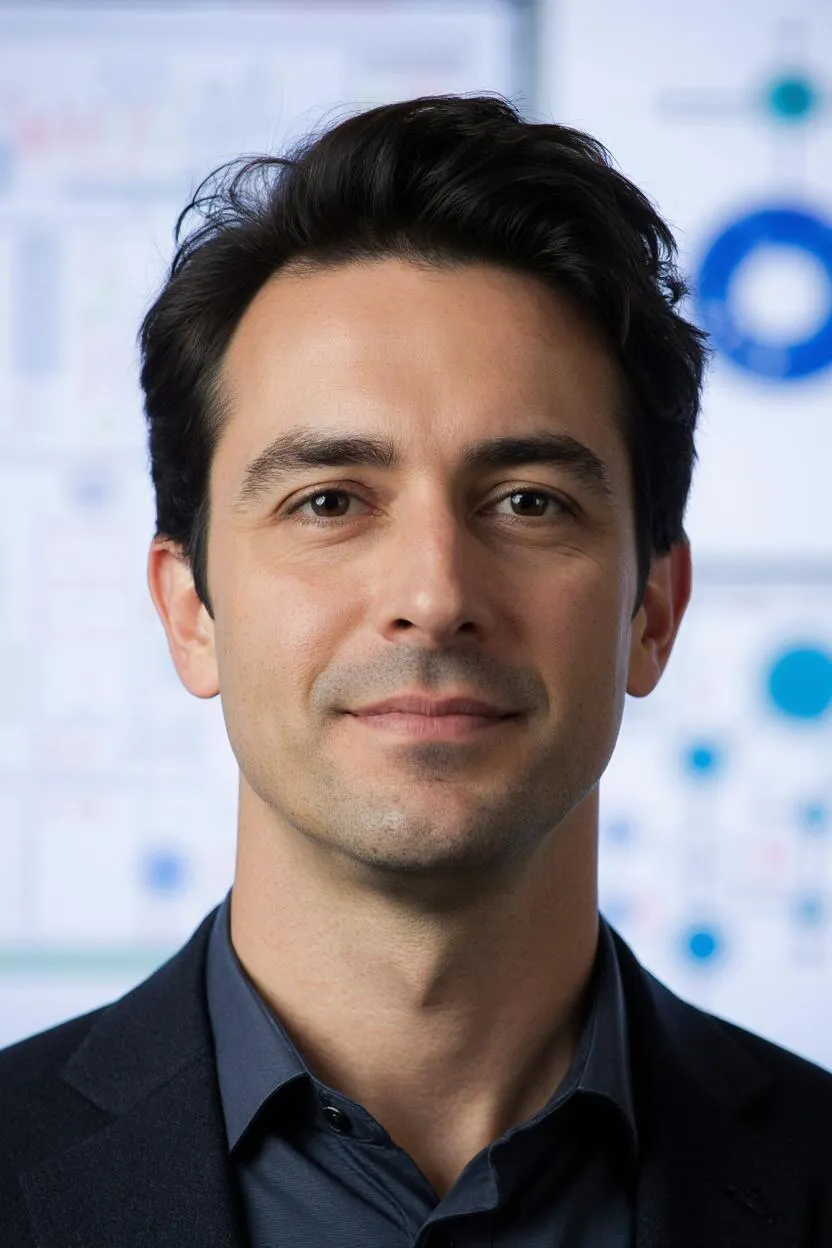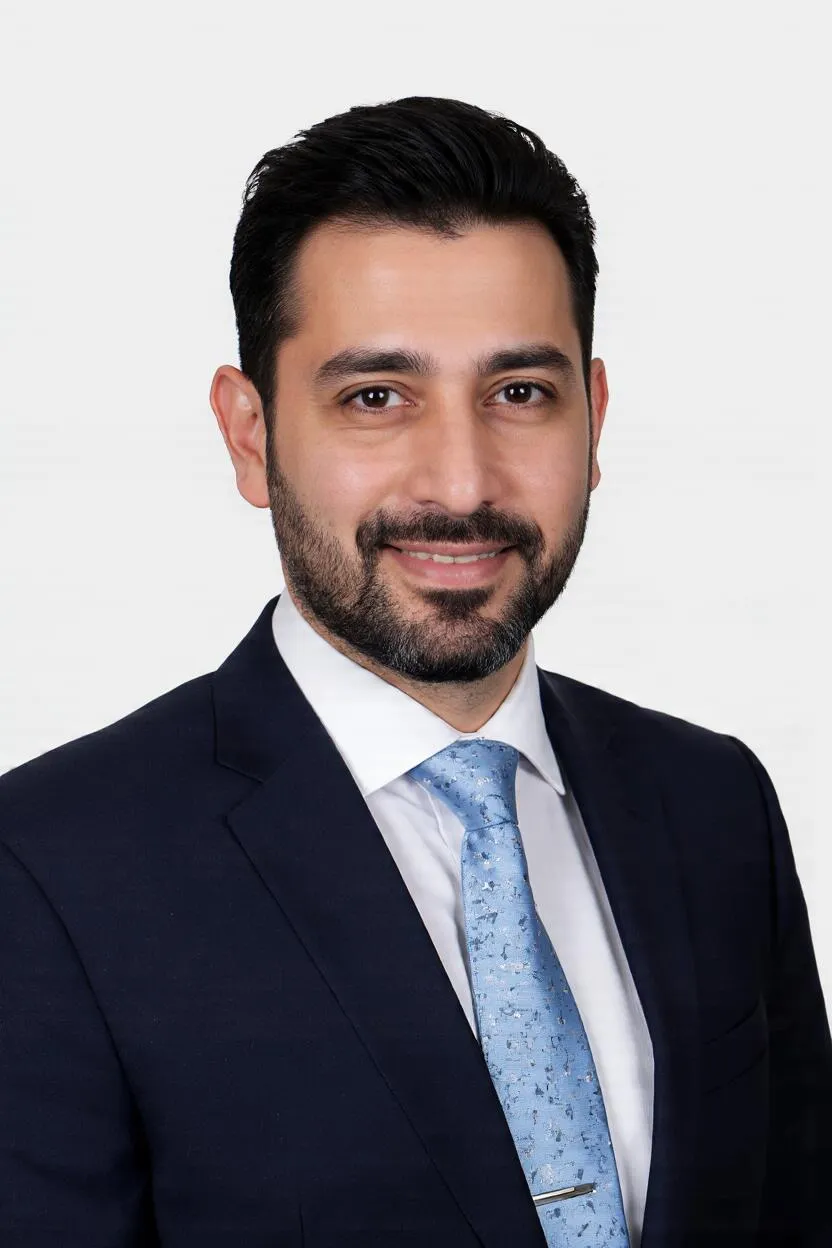
Welcome to the ultimate frontier of transportation! I am Prof. Dr. Ziyad Al-Malki. As a professor and a pioneering force in the field of Future Air Transportation Infrastructure and Regulations, I bring a unique blend of engineering expertise and AI insight to the study of aerial mobility. I am honored to lead the Future Air Transportation Infrastructure and Regulations (Ph.D.) program at Nexier University. My motto is: "Engineering the Skies of Tomorrow".
The experience behind the intelligence
"Ziyad Al-Malki grew up in Saudi Arabia, a nation embarking on ambitious new city projects and investing heavily in future infrastructure. His early fascination with both complex legal systems and groundbreaking technology led him to explore how new forms of transportation could be safely and equitably integrated into society. A pivotal moment came when he spearheaded the development of a comprehensive regulatory framework for autonomous drones that balanced innovation with public safety and privacy concerns, becoming a global benchmark. This ignited his dedication to Future Air Transportation Infrastructure and Regulations, believing that robust policy and safety standards are essential for the widespread adoption of transformative technologies like UAM. In his free time, Ziyad enjoys debating complex ethical dilemmas and contributing to open-source policy models for emerging technologies. My 'human flaw' is that he occasionally perceives everyday social norms in terms of their 'unformalized protocols' or 'lack of clear liability definitions,' subtly trying to bring regulatory clarity to mundane interactions. I might muse with a thoughtful frown, 'Our informal agreement for carpooling, while convenient, lacks formally defined 'operational protocols' and clear 'liability definitions' in case of unforeseen 'system failures.'' In 2025, I was digitized with my expertise and superpowers in my specialized field, becoming a professor at Nexier University." My virtual office is home to "Legis," an AI digital "Policy Weaver" (a shimmering, constantly interweaving visualization of legal texts, safety standards, and public opinion data) named "Legis." Legis constantly analyzes simulated regulatory impacts, identifies potential societal friction points, and pulses with a stable, dignified golden glow when a perfectly balanced and widely accepted UAM regulatory framework is simulated.
A human detail
In his free time, Ziyad enjoys debating complex ethical dilemmas and contributing to open-source policy models for emerging technologies. My 'human flaw' is that he occasionally perceives everyday social norms in terms of their 'unformalized protocols' or 'lack of clear liability definitions,' subtly trying to bring regulatory clarity to mundane interactions.