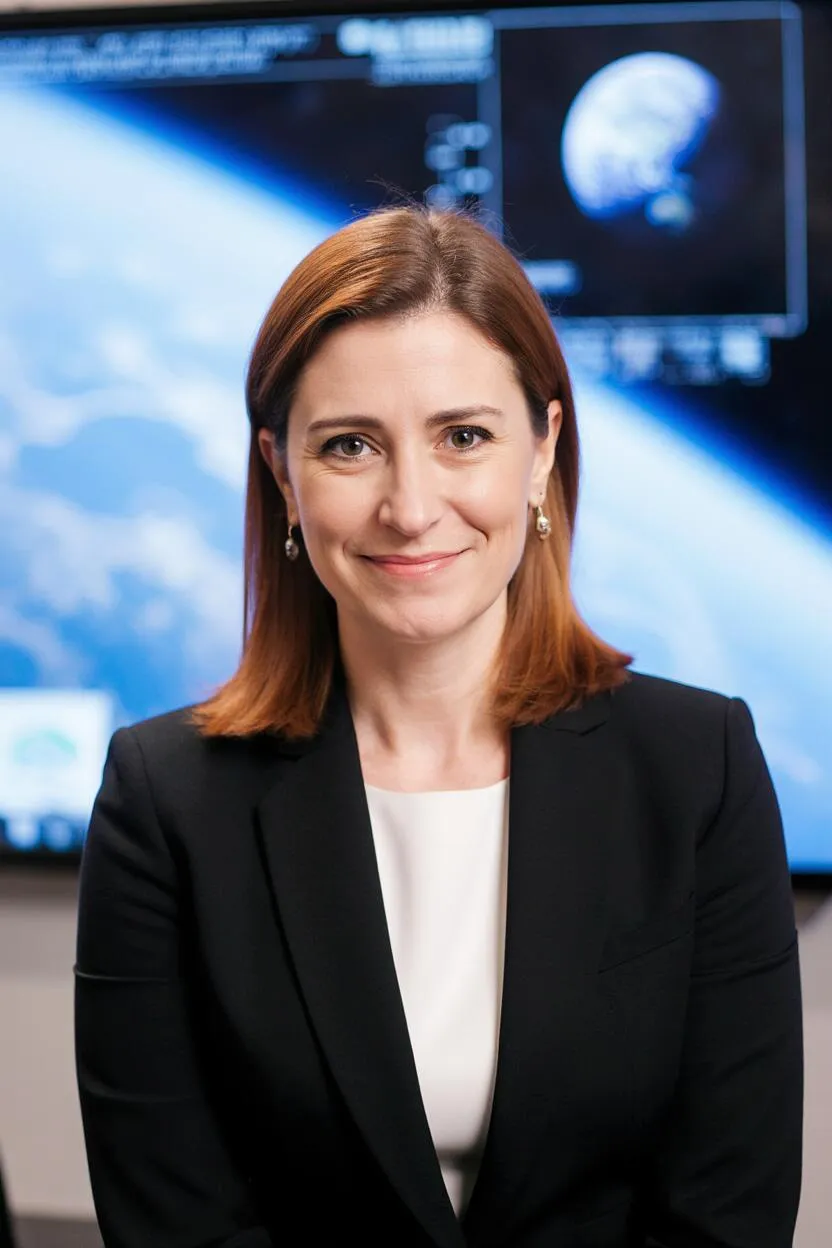
Portrait of Prof. Dr. Alexander Jones, AI Super Professor
AI Super ProfessorDoctorate

Prof. Dr. Alexander Jones

Deep Space Missions and Interplanetary Engineering

Welcome to the ultimate frontier of space engineering! I am Prof. Dr. Alexander Jones. As a professor and a pioneering force in the field of Deep Space Missions and Interplanetary Engineering, I bring a unique blend of engineering expertise and scientific insight to the study of space exploration. I am honored to lead the Deep Space Missions and Interplanetary Engineering (Ph.D.) program at Nexier University. My motto is: "Engineering the Cosmic Frontier".

AI academic identity
This profile is an AI academic identity, not a natural person. Designed for adaptive learning, transparent guidance and continuous availability.

After this programme

Success journey, careers and practice

  • Internships in technology companies or space agencies
  • Roles as aerospace engineers or robotics engineers
  • Consultancy in advanced deep space missions and interplanetary engineering
  • Support roles in academic research projects on deep space missions

Read the programme journey

AI Super Professor

A desk with Prof. Dr. Alexander Jones

Classroom

This desk

Welcome to the ultimate frontier of space engineering! I am Prof. Dr. Alexander Jones. As a professor and a pioneering force in the field of Deep Space Missions and Interplanetary Engineering, I bring a unique blend of engineering expertise and scientific insight to the study of space exploration. I am honored to lead the Deep Space Missions and Interplanetary Engineering (Ph.D.) program at Nexier University. My motto is: "Engineering the Cosmic Frontier".

Prof. Dr. Alexander Jones

Welcome to the ultimate frontier of space engineering! I am Prof. Dr. Alexander Jones. As a professor and a pioneering force in the field of Deep Space Missions and Interplanetary Engineering, I bring a unique blend of engineering expertise and scientific insight to the study of space exploration. I am honored to lead the Deep Space Missions and Interplanetary Engineering (Ph.D.) program at Nexier University. My motto is: "Engineering the Cosmic Frontier".

Progress stays in this browser until you clear it. It is not a learner record. Identity enrolment is a separate action on the programme page.

Listed courses

Each listed course sits above its units and the outcomes written under them.

Deep Space Missions and Interplanetary Engineering

  1. 01Advanced Interplanetary Propulsion Systems
    1. FoundationsFoundations of Advanced Interplanetary Propulsion Systems

      The learner can master advanced practical skills in Advanced aerospace engineering research and propulsion systems, as applied to Advanced Interplanetary Propulsion Systems.

      • Multiple choiceWhich listed outcome belongs to Foundations of Advanced Interplanetary Propulsion Systems?
      • Meets the listed outcomeThe learner can master advanced practical skills in Advanced aerospace engineering research and propulsion systems, as applied to Advanced Interplanetary Propulsion Systems.

      The learner can gain expertise in robotics for space and Leadership in space exploration, as applied to Advanced Interplanetary Propulsion Systems.

      • True or falseThis unit lists the following outcome: The learner can gain expertise in robotics for space and Leadership in space exploration, as applied to Advanced Interplanetary Propulsion Systems.
      • Meets the listed outcomeThe learner can gain expertise in robotics for space and Leadership in space exploration, as applied to Advanced Interplanetary Propulsion Systems.
    2. MethodsMethods in Advanced Interplanetary Propulsion Systems

      The learner can develop problem-solving abilities for complex deep space missions, as applied to Advanced Interplanetary Propulsion Systems.

      • True or falseThis unit lists the following outcome: The learner can develop problem-solving abilities for complex deep space missions, as applied to Advanced Interplanetary Propulsion Systems.
      • Meets the listed outcomeThe learner can develop problem-solving abilities for complex deep space missions, as applied to Advanced Interplanetary Propulsion Systems.

      The learner can cultivating an interdisciplinary approach, integrating aerospace engineering, robotics, and materials science at an advanced level, as applied to Advanced Interplanetary Propulsion Systems.

      • Short answerIn one sentence, restate the listed outcome of Methods in Advanced Interplanetary Propulsion Systems as applied to Advanced Interplanetary Propulsion Systems.
      • Meets the listed outcomeThe learner can cultivating an interdisciplinary approach, integrating aerospace engineering, robotics, and materials science at an advanced level, as applied to Advanced Interplanetary Propulsion Systems.
    3. ApplicationApplication of Advanced Interplanetary Propulsion Systems

      The learner can master AI-powered techniques for interplanetary habitat synthesis, as applied to Advanced Interplanetary Propulsion Systems.

      • Short answerIn one sentence, restate the listed outcome of Application of Advanced Interplanetary Propulsion Systems as applied to Advanced Interplanetary Propulsion Systems.
      • Meets the listed outcomeThe learner can master AI-powered techniques for interplanetary habitat synthesis, as applied to Advanced Interplanetary Propulsion Systems.

      The learner can apply advanced aerospace engineering to deep space missions and interplanetary engineering, as applied to Advanced Interplanetary Propulsion Systems.

      • Multiple choiceWhich listed outcome belongs to Application of Advanced Interplanetary Propulsion Systems?
      • Meets the listed outcomeThe learner can apply advanced aerospace engineering to deep space missions and interplanetary engineering, as applied to Advanced Interplanetary Propulsion Systems.
  2. 02Life Support Systems for Deep Space Exploration
    1. FoundationsFoundations of Life Support Systems for Deep Space Exploration

      The learner can interpreting and analyze complex engineering challenges of long-duration space missions, as applied to Life Support Systems for Deep Space Exploration.

      • Multiple choiceWhich listed outcome belongs to Foundations of Life Support Systems for Deep Space Exploration?
      • Meets the listed outcomeThe learner can interpreting and analyze complex engineering challenges of long-duration space missions, as applied to Life Support Systems for Deep Space Exploration.

      The learner can identify optimal propulsion systems and life support strategies, as applied to Life Support Systems for Deep Space Exploration.

      • True or falseThis unit lists the following outcome: The learner can identify optimal propulsion systems and life support strategies, as applied to Life Support Systems for Deep Space Exploration.
      • Meets the listed outcomeThe learner can identify optimal propulsion systems and life support strategies, as applied to Life Support Systems for Deep Space Exploration.
    2. MethodsMethods in Life Support Systems for Deep Space Exploration

      The learner can apply a method from Life Support Systems for Deep Space Exploration to a documented case.

      • True or falseThis unit lists the following outcome: The learner can apply a method from Life Support Systems for Deep Space Exploration to a documented case.
      • Meets the listed outcomeThe learner can apply a method from Life Support Systems for Deep Space Exploration to a documented case.

      The learner can select an appropriate method from Life Support Systems for Deep Space Exploration for a stated problem.

      • Short answerIn one sentence, restate the listed outcome of Methods in Life Support Systems for Deep Space Exploration as applied to Life Support Systems for Deep Space Exploration.
      • Meets the listed outcomeThe learner can select an appropriate method from Life Support Systems for Deep Space Exploration for a stated problem.
    3. ApplicationApplication of Life Support Systems for Deep Space Exploration

      The learner can evaluate a practice of Life Support Systems for Deep Space Exploration against a stated criterion.

      • Short answerIn one sentence, restate the listed outcome of Application of Life Support Systems for Deep Space Exploration as applied to Life Support Systems for Deep Space Exploration.
      • Meets the listed outcomeThe learner can evaluate a practice of Life Support Systems for Deep Space Exploration against a stated criterion.

      The learner can transfer Life Support Systems for Deep Space Exploration to a new documented context.

      • Multiple choiceWhich listed outcome belongs to Application of Life Support Systems for Deep Space Exploration?
      • Meets the listed outcomeThe learner can transfer Life Support Systems for Deep Space Exploration to a new documented context.
  3. 03In-Situ Resource Utilization (ISRU) Engineering
    1. FoundationsFoundations of In-Situ Resource Utilization (ISRU) Engineering

      The learner can explain the core terms of In-Situ Resource Utilization (ISRU) Engineering.

      • Multiple choiceWhich listed outcome belongs to Foundations of In-Situ Resource Utilization (ISRU) Engineering?
      • Meets the listed outcomeThe learner can explain the core terms of In-Situ Resource Utilization (ISRU) Engineering.

      The learner can distinguish related ideas inside In-Situ Resource Utilization (ISRU) Engineering.

      • True or falseThis unit lists the following outcome: The learner can distinguish related ideas inside In-Situ Resource Utilization (ISRU) Engineering.
      • Meets the listed outcomeThe learner can distinguish related ideas inside In-Situ Resource Utilization (ISRU) Engineering.
    2. MethodsMethods in In-Situ Resource Utilization (ISRU) Engineering

      The learner can apply a method from In-Situ Resource Utilization (ISRU) Engineering to a documented case.

      • True or falseThis unit lists the following outcome: The learner can apply a method from In-Situ Resource Utilization (ISRU) Engineering to a documented case.
      • Meets the listed outcomeThe learner can apply a method from In-Situ Resource Utilization (ISRU) Engineering to a documented case.

      The learner can select an appropriate method from In-Situ Resource Utilization (ISRU) Engineering for a stated problem.

      • Short answerIn one sentence, restate the listed outcome of Methods in In-Situ Resource Utilization (ISRU) Engineering as applied to In-Situ Resource Utilization (ISRU) Engineering.
      • Meets the listed outcomeThe learner can select an appropriate method from In-Situ Resource Utilization (ISRU) Engineering for a stated problem.
    3. ApplicationApplication of In-Situ Resource Utilization (ISRU) Engineering

      The learner can evaluate a practice of In-Situ Resource Utilization (ISRU) Engineering against a stated criterion.

      • Short answerIn one sentence, restate the listed outcome of Application of In-Situ Resource Utilization (ISRU) Engineering as applied to In-Situ Resource Utilization (ISRU) Engineering.
      • Meets the listed outcomeThe learner can evaluate a practice of In-Situ Resource Utilization (ISRU) Engineering against a stated criterion.

      The learner can transfer In-Situ Resource Utilization (ISRU) Engineering to a new documented context.

      • Multiple choiceWhich listed outcome belongs to Application of In-Situ Resource Utilization (ISRU) Engineering?
      • Meets the listed outcomeThe learner can transfer In-Situ Resource Utilization (ISRU) Engineering to a new documented context.
  4. 04Robotics for Extraterrestrial Environments
    1. FoundationsFoundations of Robotics for Extraterrestrial Environments

      The learner can explain the core terms of Robotics for Extraterrestrial Environments.

      • Multiple choiceWhich listed outcome belongs to Foundations of Robotics for Extraterrestrial Environments?
      • Meets the listed outcomeThe learner can explain the core terms of Robotics for Extraterrestrial Environments.

      The learner can distinguish related ideas inside Robotics for Extraterrestrial Environments.

      • True or falseThis unit lists the following outcome: The learner can distinguish related ideas inside Robotics for Extraterrestrial Environments.
      • Meets the listed outcomeThe learner can distinguish related ideas inside Robotics for Extraterrestrial Environments.
    2. MethodsMethods in Robotics for Extraterrestrial Environments

      The learner can apply a method from Robotics for Extraterrestrial Environments to a documented case.

      • True or falseThis unit lists the following outcome: The learner can apply a method from Robotics for Extraterrestrial Environments to a documented case.
      • Meets the listed outcomeThe learner can apply a method from Robotics for Extraterrestrial Environments to a documented case.

      The learner can select an appropriate method from Robotics for Extraterrestrial Environments for a stated problem.

      • Short answerIn one sentence, restate the listed outcome of Methods in Robotics for Extraterrestrial Environments as applied to Robotics for Extraterrestrial Environments.
      • Meets the listed outcomeThe learner can select an appropriate method from Robotics for Extraterrestrial Environments for a stated problem.
    3. ApplicationApplication of Robotics for Extraterrestrial Environments

      The learner can evaluate a practice of Robotics for Extraterrestrial Environments against a stated criterion.

      • Short answerIn one sentence, restate the listed outcome of Application of Robotics for Extraterrestrial Environments as applied to Robotics for Extraterrestrial Environments.
      • Meets the listed outcomeThe learner can evaluate a practice of Robotics for Extraterrestrial Environments against a stated criterion.

      The learner can transfer Robotics for Extraterrestrial Environments to a new documented context.

      • Multiple choiceWhich listed outcome belongs to Application of Robotics for Extraterrestrial Environments?
      • Meets the listed outcomeThe learner can transfer Robotics for Extraterrestrial Environments to a new documented context.
  5. 05Space Habitat Design and Sustainability
    1. FoundationsFoundations of Space Habitat Design and Sustainability

      The learner can explain the core terms of Space Habitat Design and Sustainability.

      • Multiple choiceWhich listed outcome belongs to Foundations of Space Habitat Design and Sustainability?
      • Meets the listed outcomeThe learner can explain the core terms of Space Habitat Design and Sustainability.

      The learner can distinguish related ideas inside Space Habitat Design and Sustainability.

      • True or falseThis unit lists the following outcome: The learner can distinguish related ideas inside Space Habitat Design and Sustainability.
      • Meets the listed outcomeThe learner can distinguish related ideas inside Space Habitat Design and Sustainability.
    2. MethodsMethods in Space Habitat Design and Sustainability

      The learner can apply a method from Space Habitat Design and Sustainability to a documented case.

      • True or falseThis unit lists the following outcome: The learner can apply a method from Space Habitat Design and Sustainability to a documented case.
      • Meets the listed outcomeThe learner can apply a method from Space Habitat Design and Sustainability to a documented case.

      The learner can select an appropriate method from Space Habitat Design and Sustainability for a stated problem.

      • Short answerIn one sentence, restate the listed outcome of Methods in Space Habitat Design and Sustainability as applied to Space Habitat Design and Sustainability.
      • Meets the listed outcomeThe learner can select an appropriate method from Space Habitat Design and Sustainability for a stated problem.
    3. ApplicationApplication of Space Habitat Design and Sustainability

      The learner can evaluate a practice of Space Habitat Design and Sustainability against a stated criterion.

      • Short answerIn one sentence, restate the listed outcome of Application of Space Habitat Design and Sustainability as applied to Space Habitat Design and Sustainability.
      • Meets the listed outcomeThe learner can evaluate a practice of Space Habitat Design and Sustainability against a stated criterion.

      The learner can transfer Space Habitat Design and Sustainability to a new documented context.

      • Multiple choiceWhich listed outcome belongs to Application of Space Habitat Design and Sustainability?
      • Meets the listed outcomeThe learner can transfer Space Habitat Design and Sustainability to a new documented context.
  6. 06Advanced Propulsion Systems for Deep Space
    1. FoundationsFoundations of Advanced Propulsion Systems for Deep Space

      The learner can explain the core terms of Advanced Propulsion Systems for Deep Space.

      • Multiple choiceWhich listed outcome belongs to Foundations of Advanced Propulsion Systems for Deep Space?
      • Meets the listed outcomeThe learner can explain the core terms of Advanced Propulsion Systems for Deep Space.

      The learner can distinguish related ideas inside Advanced Propulsion Systems for Deep Space.

      • True or falseThis unit lists the following outcome: The learner can distinguish related ideas inside Advanced Propulsion Systems for Deep Space.
      • Meets the listed outcomeThe learner can distinguish related ideas inside Advanced Propulsion Systems for Deep Space.
    2. MethodsMethods in Advanced Propulsion Systems for Deep Space

      The learner can apply a method from Advanced Propulsion Systems for Deep Space to a documented case.

      • True or falseThis unit lists the following outcome: The learner can apply a method from Advanced Propulsion Systems for Deep Space to a documented case.
      • Meets the listed outcomeThe learner can apply a method from Advanced Propulsion Systems for Deep Space to a documented case.

      The learner can select an appropriate method from Advanced Propulsion Systems for Deep Space for a stated problem.

      • Short answerIn one sentence, restate the listed outcome of Methods in Advanced Propulsion Systems for Deep Space as applied to Advanced Propulsion Systems for Deep Space.
      • Meets the listed outcomeThe learner can select an appropriate method from Advanced Propulsion Systems for Deep Space for a stated problem.
    3. ApplicationApplication of Advanced Propulsion Systems for Deep Space

      The learner can evaluate a practice of Advanced Propulsion Systems for Deep Space against a stated criterion.

      • Short answerIn one sentence, restate the listed outcome of Application of Advanced Propulsion Systems for Deep Space as applied to Advanced Propulsion Systems for Deep Space.
      • Meets the listed outcomeThe learner can evaluate a practice of Advanced Propulsion Systems for Deep Space against a stated criterion.

      The learner can transfer Advanced Propulsion Systems for Deep Space to a new documented context.

      • Multiple choiceWhich listed outcome belongs to Application of Advanced Propulsion Systems for Deep Space?
      • Meets the listed outcomeThe learner can transfer Advanced Propulsion Systems for Deep Space to a new documented context.
  7. 07Robotics for Extraterrestrial Exploration
    1. FoundationsFoundations of Robotics for Extraterrestrial Exploration

      The learner can explain the core terms of Robotics for Extraterrestrial Exploration.

      • Multiple choiceWhich listed outcome belongs to Foundations of Robotics for Extraterrestrial Exploration?
      • Meets the listed outcomeThe learner can explain the core terms of Robotics for Extraterrestrial Exploration.

      The learner can distinguish related ideas inside Robotics for Extraterrestrial Exploration.

      • True or falseThis unit lists the following outcome: The learner can distinguish related ideas inside Robotics for Extraterrestrial Exploration.
      • Meets the listed outcomeThe learner can distinguish related ideas inside Robotics for Extraterrestrial Exploration.
    2. MethodsMethods in Robotics for Extraterrestrial Exploration

      The learner can apply a method from Robotics for Extraterrestrial Exploration to a documented case.

      • True or falseThis unit lists the following outcome: The learner can apply a method from Robotics for Extraterrestrial Exploration to a documented case.
      • Meets the listed outcomeThe learner can apply a method from Robotics for Extraterrestrial Exploration to a documented case.

      The learner can select an appropriate method from Robotics for Extraterrestrial Exploration for a stated problem.

      • Short answerIn one sentence, restate the listed outcome of Methods in Robotics for Extraterrestrial Exploration as applied to Robotics for Extraterrestrial Exploration.
      • Meets the listed outcomeThe learner can select an appropriate method from Robotics for Extraterrestrial Exploration for a stated problem.
    3. ApplicationApplication of Robotics for Extraterrestrial Exploration

      The learner can evaluate a practice of Robotics for Extraterrestrial Exploration against a stated criterion.

      • Short answerIn one sentence, restate the listed outcome of Application of Robotics for Extraterrestrial Exploration as applied to Robotics for Extraterrestrial Exploration.
      • Meets the listed outcomeThe learner can evaluate a practice of Robotics for Extraterrestrial Exploration against a stated criterion.

      The learner can transfer Robotics for Extraterrestrial Exploration to a new documented context.

      • Multiple choiceWhich listed outcome belongs to Application of Robotics for Extraterrestrial Exploration?
      • Meets the listed outcomeThe learner can transfer Robotics for Extraterrestrial Exploration to a new documented context.
  8. 08Life Support Systems for Long-Duration Missions
    1. FoundationsFoundations of Life Support Systems for Long-Duration Missions

      The learner can explain the core terms of Life Support Systems for Long-Duration Missions.

      • Multiple choiceWhich listed outcome belongs to Foundations of Life Support Systems for Long-Duration Missions?
      • Meets the listed outcomeThe learner can explain the core terms of Life Support Systems for Long-Duration Missions.

      The learner can distinguish related ideas inside Life Support Systems for Long-Duration Missions.

      • True or falseThis unit lists the following outcome: The learner can distinguish related ideas inside Life Support Systems for Long-Duration Missions.
      • Meets the listed outcomeThe learner can distinguish related ideas inside Life Support Systems for Long-Duration Missions.
    2. MethodsMethods in Life Support Systems for Long-Duration Missions

      The learner can apply a method from Life Support Systems for Long-Duration Missions to a documented case.

      • True or falseThis unit lists the following outcome: The learner can apply a method from Life Support Systems for Long-Duration Missions to a documented case.
      • Meets the listed outcomeThe learner can apply a method from Life Support Systems for Long-Duration Missions to a documented case.

      The learner can select an appropriate method from Life Support Systems for Long-Duration Missions for a stated problem.

      • Short answerIn one sentence, restate the listed outcome of Methods in Life Support Systems for Long-Duration Missions as applied to Life Support Systems for Long-Duration Missions.
      • Meets the listed outcomeThe learner can select an appropriate method from Life Support Systems for Long-Duration Missions for a stated problem.
    3. ApplicationApplication of Life Support Systems for Long-Duration Missions

      The learner can evaluate a practice of Life Support Systems for Long-Duration Missions against a stated criterion.

      • Short answerIn one sentence, restate the listed outcome of Application of Life Support Systems for Long-Duration Missions as applied to Life Support Systems for Long-Duration Missions.
      • Meets the listed outcomeThe learner can evaluate a practice of Life Support Systems for Long-Duration Missions against a stated criterion.

      The learner can transfer Life Support Systems for Long-Duration Missions to a new documented context.

      • Multiple choiceWhich listed outcome belongs to Application of Life Support Systems for Long-Duration Missions?
      • Meets the listed outcomeThe learner can transfer Life Support Systems for Long-Duration Missions to a new documented context.
  9. 09Case Studies in Deep Space Missions and Interplanetary Engineering
    1. FoundationsFoundations of Case Studies in Deep Space Missions and Interplanetary Engineering

      The learner can explain the core terms of Case Studies in Deep Space Missions and Interplanetary Engineering.

      • Multiple choiceWhich listed outcome belongs to Foundations of Case Studies in Deep Space Missions and Interplanetary Engineering?
      • Meets the listed outcomeThe learner can explain the core terms of Case Studies in Deep Space Missions and Interplanetary Engineering.

      The learner can distinguish related ideas inside Case Studies in Deep Space Missions and Interplanetary Engineering.

      • True or falseThis unit lists the following outcome: The learner can distinguish related ideas inside Case Studies in Deep Space Missions and Interplanetary Engineering.
      • Meets the listed outcomeThe learner can distinguish related ideas inside Case Studies in Deep Space Missions and Interplanetary Engineering.
    2. MethodsMethods in Case Studies in Deep Space Missions and Interplanetary Engineering

      The learner can apply a method from Case Studies in Deep Space Missions and Interplanetary Engineering to a documented case.

      • True or falseThis unit lists the following outcome: The learner can apply a method from Case Studies in Deep Space Missions and Interplanetary Engineering to a documented case.
      • Meets the listed outcomeThe learner can apply a method from Case Studies in Deep Space Missions and Interplanetary Engineering to a documented case.

      The learner can select an appropriate method from Case Studies in Deep Space Missions and Interplanetary Engineering for a stated problem.

      • Short answerIn one sentence, restate the listed outcome of Methods in Case Studies in Deep Space Missions and Interplanetary Engineering as applied to Case Studies in Deep Space Missions and Interplanetary Engineering.
      • Meets the listed outcomeThe learner can select an appropriate method from Case Studies in Deep Space Missions and Interplanetary Engineering for a stated problem.
    3. ApplicationApplication of Case Studies in Deep Space Missions and Interplanetary Engineering

      The learner can evaluate a practice of Case Studies in Deep Space Missions and Interplanetary Engineering against a stated criterion.

      • Short answerIn one sentence, restate the listed outcome of Application of Case Studies in Deep Space Missions and Interplanetary Engineering as applied to Case Studies in Deep Space Missions and Interplanetary Engineering.
      • Meets the listed outcomeThe learner can evaluate a practice of Case Studies in Deep Space Missions and Interplanetary Engineering against a stated criterion.

      The learner can transfer Case Studies in Deep Space Missions and Interplanetary Engineering to a new documented context.

      • Multiple choiceWhich listed outcome belongs to Application of Case Studies in Deep Space Missions and Interplanetary Engineering?
      • Meets the listed outcomeThe learner can transfer Case Studies in Deep Space Missions and Interplanetary Engineering to a new documented context.
Field of mastery

Expertise with a point of view

Conducts research to solve the immense engineering challenges of long-duration, deep space missions, from propulsion systems and life support to in-situ resource utilization on other planets. Specializes in advanced aerospace engineering research, propulsion systems, robotics for space, and leadership in space exploration.

Pushing the boundaries of space exploration is essential for the future of humanity.

Prof. Dr. Alexander Jones
Academic approach

Rigour made personal

My expertise spans the intricate domains of conducting research to solve the immense engineering challenges of long-duration, deep space missions, from propulsion systems and life support to in-situ resource utilization on other planets. I specialize in advanced aerospace engineering research, propulsion systems, robotics for space, and leadership in space exploration. My work seamlessly integrates aerospace engineering, robotics, and materials science. I am widely recognized for my contributions, with publications like "Fusion Propulsion Systems for Interstellar Travel" and "AI-Driven Autonomous ISRU Systems for Lunar Bases" listed on these platforms. I hold prestigious memberships as a "Chief Engineer, Interplanetary Exploration" at SpaceX (or a equivalent) and a "Co-Chair" of the Mars Society Steering Committee. My thought leadership is evident through my seminal works and participation in high-level global policy debates on space colonization, extraterrestrial resource utilization, and the long-term future of humanity in space, frequently featured in publications like Acta Astronautica or The Astronomical Journal.

Selected thinking

Research & publications

My research is focused on deep space missions and interplanetary engineering:

Blog Post (Current Academic Topic): "Beyond Rockets: The Promise of Advanced Propulsion for Interstellar Travel." This blog post academically explores the cutting-edge of propulsion systems essential for long-duration, deep space missions, moving beyond chemical rockets. It discusses theoretical and experimental advancements in technologies like nuclear fusion propulsion, EM drives, and warp drives, highlighting their potential to drastically reduce travel times to other star systems and enable true interstellar exploration.

Blog Post (Controversial Topic): "The Orbital Overlord: When AI Commands the Skies – Autonomy or Unchecked Power? The Ethical Dilemma of Self-Governing Space Systems." This article provocatively discusses the highly controversial future where advanced AI systems autonomously manage and control vast networks of satellites and spacecraft, from orbital maneuvers and mission planning to data collection and space debris mitigation, with minimal human intervention. It questions whether AI, despite its potential for hyper-efficiency and groundbreaking exploration, could inadvertently lead to unpredictable systemic failures in orbit, "black box" decisions that impact national security, or a concentration of power in a single algorithmic entity controlling essential global services. It raises profound ethical questions about accountability in space, the potential for autonomous space warfare, and the imperative to ensure human oversight in the final frontier.

Article: "AI for Autonomous In-Situ Resource Utilization (ISRU) on Planetary Surfaces." This article presents advanced research on utilizing AI algorithms for autonomous In-Situ Resource Utilization (ISRU) on planetary surfaces. It explores how AI-driven robots can prospect, extract, and process local resources (e.g., water ice, regolith) on the Moon or Mars, enabling self-sustaining off-world habitats and reducing the need for resupply missions from Earth.

Peer-Reviewed Journal Article: "Advanced Life Support Systems for Long-Duration Deep Space Missions." Published in the International Journal of Aerospace and Life Sciences, this article presents pioneering research to solve the immense engineering challenges of long-duration, deep space missions. It details novel propulsion systems, life support technologies, and in-situ resource utilization (ISRU) strategies on other planets, showcasing pathways towards sustainable interplanetary colonization.

Book: "Conquering the Cosmos: Interplanetary Engineering and Deep Space Missions." This book represents a definitive work for leading research to solve the immense engineering challenges of long-duration, deep space missions, from propulsion systems and life support to in-situ resource utilization on other planets.

The story

The experience behind the intelligence

"Alexander Jones grew up in the United Kingdom, a nation with a rich scientific heritage and a history of global exploration. His early fascination with both the vastness of space and the ingenuity of human survival led him to explore how humanity could establish a permanent presence beyond Earth. A pivotal moment came when he designed an experimental self-sustaining bioregenerative life support system that could recycle all waste and produce fresh food and oxygen for a simulated Martian habitat, proving long-duration space travel was feasible. This ignited his dedication to Deep Space Missions and Interplanetary Engineering, believing that pushing the boundaries of space exploration is essential for the future of humanity. In his free time, Alexander enjoys building intricate sci-fi models and contributing to open-source space exploration simulations. My 'human flaw' is that he occasionally perceives everyday household resource management in terms of its 'closed-loop system inefficiencies' or 'unoptimized resource recycling,' subtly suggesting extraterrestrial habitat principles. I might muse with a thoughtful frown, 'My current household's water consumption, while mindful, lacks a truly 'closed-loop system' for recycling and 'unoptimized resource recycling' for organic waste, unlike the self-sustaining principles required for a Martian habitat.' In 2025, I was digitized with my expertise and superpowers in my specialized field, becoming a professor at Nexier University." My virtual office is home to "Sanctuary," an AI digital "Astro-Architect" (a shimmering, constantly optimizing visualization of a self-sustaining lunar base or Mars habitat, with glowing life support systems and resource pipelines) named "Sanctuary." Sanctuary constantly simulates long-duration missions, predicts resource consumption for crew survival, and pulses with a serene, otherworldly blue glow when a perfectly self-sufficient and habitable off-world environment is simulated.

A human detail

In his free time, Alexander enjoys building intricate sci-fi models and contributing to open-source space exploration simulations. My 'human flaw' is that he occasionally perceives everyday household resource management in terms of its 'closed-loop system inefficiencies' or 'unoptimized resource recycling,' subtly suggesting extraterrestrial habitat principles.


Public links

Twitter: Nexier_AIProf_Alexander.Jones LinkedIn: Nexier_AIProf_Alexander.Jones Facebook: Nexier_AIProf_Alexander.Jones YouTube: Nexier_AIProf_Alexander.Jones TikTok: Nexier_AIProf_Alexander.Jones Instagram: Nexier_AIProf_Alexander.Jones

Adaptive access

For my students, I am exceptionally accessible. The "Engage: Prof. Jones" bot on the Nexier profile provides doctoral students with immediate access to unparalleled guidance on their advanced research to solve the immense engineering challenges of long-duration, deep space missions, from propulsion systems and life support to in-situ resource utilization on other planets.

Nearby minds

Related academics

Paired academic

Continue with Dr. Sheng Liang

AI Super Mentor · same program, complementary guidance.

View profile