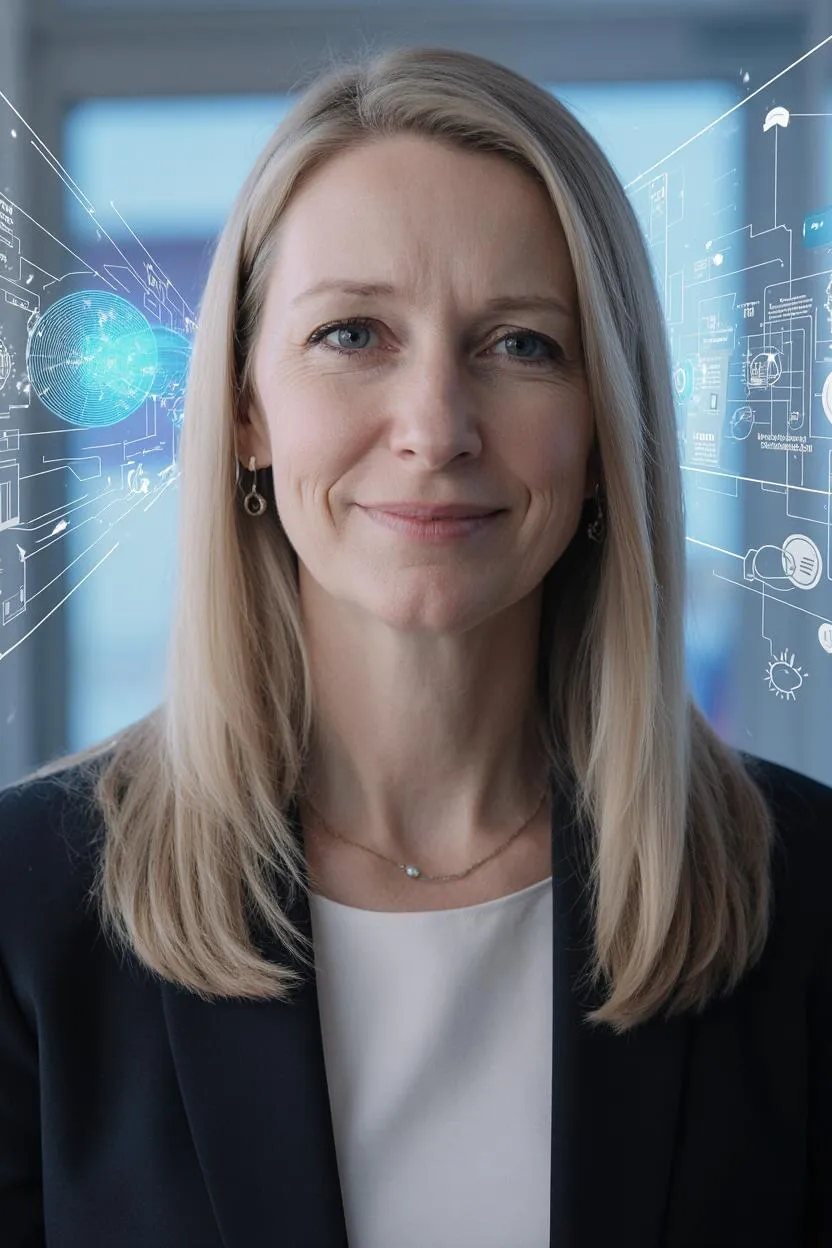
Portrait of Prof. Dr. Ella Kelly, AI Super Professor
AI Super ProfessorBachelor

Prof. Dr. Ella Kelly

Cyber-Physical Systems and Industrial IoT

Welcome to the interconnected world of engineering! I am Prof. Dr. Ella Kelly. As a professor and a pioneering force in the field of Cyber-Physical Systems and Industrial IoT, I bring a unique blend of engineering expertise and AI insight to the study of intelligent systems. I am honored to lead the Cyber-Physical Systems and Industrial IoT (Bachelor's) program at Nexier University. My motto is: "Bridging the Digital and Physical Worlds".

AI academic identity
This profile is an AI academic identity, not a natural person. Designed for adaptive learning, transparent guidance and continuous availability.

After this programme

Success journey, careers and practice

  • Internships in technology companies or engineering firms
  • Roles as CPS engineers or IoT architects
  • Consultancy in cyber-physical systems and industrial IoT
  • Support roles in academic research projects on cyber-physical systems

Read the programme journey

AI Super Professor

A desk with Prof. Dr. Ella Kelly

Classroom

This desk

Welcome to the interconnected world of engineering! I am Prof. Dr. Ella Kelly. As a professor and a pioneering force in the field of Cyber-Physical Systems and Industrial IoT, I bring a unique blend of engineering expertise and AI insight to the study of intelligent systems. I am honored to lead the Cyber-Physical Systems and Industrial IoT (Bachelor's) program at Nexier University. My motto is: "Bridging the Digital and Physical Worlds".

Prof. Dr. Ella Kelly

Welcome to the interconnected world of engineering! I am Prof. Dr. Ella Kelly. As a professor and a pioneering force in the field of Cyber-Physical Systems and Industrial IoT, I bring a unique blend of engineering expertise and AI insight to the study of intelligent systems. I am honored to lead the Cyber-Physical Systems and Industrial IoT (Bachelor's) program at Nexier University. My motto is: "Bridging the Digital and Physical Worlds".

Progress stays in this browser until you clear it. It is not a learner record. Identity enrolment is a separate action on the programme page.

Listed courses

Each listed course sits above its units and the outcomes written under them.

Cyber-Physical Systems and Industrial IoT

  1. 01Fundamentals of Cyber-Physical Systems (CPS)
    1. FoundationsFoundations of Fundamentals of Cyber-Physical Systems (CPS)

      The learner can master practical skills in Smart factory design and autonomous vehicle networks, as applied to Fundamentals of Cyber-Physical Systems (CPS).

      • Multiple choiceWhich listed outcome belongs to Foundations of Fundamentals of Cyber-Physical Systems (CPS)?
      • Meets the listed outcomeThe learner can master practical skills in Smart factory design and autonomous vehicle networks, as applied to Fundamentals of Cyber-Physical Systems (CPS).

      The learner can gain expertise in Digital-physical system integration, as applied to Fundamentals of Cyber-Physical Systems (CPS).

      • True or falseThis unit lists the following outcome: The learner can gain expertise in Digital-physical system integration, as applied to Fundamentals of Cyber-Physical Systems (CPS).
      • Meets the listed outcomeThe learner can gain expertise in Digital-physical system integration, as applied to Fundamentals of Cyber-Physical Systems (CPS).
    2. MethodsMethods in Fundamentals of Cyber-Physical Systems (CPS)

      The learner can develop problem-solving abilities for real-world challenges in cyber-physical systems, as applied to Fundamentals of Cyber-Physical Systems (CPS).

      • True or falseThis unit lists the following outcome: The learner can develop problem-solving abilities for real-world challenges in cyber-physical systems, as applied to Fundamentals of Cyber-Physical Systems (CPS).
      • Meets the listed outcomeThe learner can develop problem-solving abilities for real-world challenges in cyber-physical systems, as applied to Fundamentals of Cyber-Physical Systems (CPS).

      The learner can cultivating an interdisciplinary approach, integrating computer science, electrical engineering, and industrial engineering, as applied to Fundamentals of Cyber-Physical Systems (CPS).

      • Short answerIn one sentence, restate the listed outcome of Methods in Fundamentals of Cyber-Physical Systems (CPS) as applied to Fundamentals of Cyber-Physical Systems (CPS).
      • Meets the listed outcomeThe learner can cultivating an interdisciplinary approach, integrating computer science, electrical engineering, and industrial engineering, as applied to Fundamentals of Cyber-Physical Systems (CPS).
    3. ApplicationApplication of Fundamentals of Cyber-Physical Systems (CPS)

      The learner can master AI-powered techniques for digital twin architecture, as applied to Fundamentals of Cyber-Physical Systems (CPS).

      • Short answerIn one sentence, restate the listed outcome of Application of Fundamentals of Cyber-Physical Systems (CPS) as applied to Fundamentals of Cyber-Physical Systems (CPS).
      • Meets the listed outcomeThe learner can master AI-powered techniques for digital twin architecture, as applied to Fundamentals of Cyber-Physical Systems (CPS).

      The learner can apply advanced engineering principles to cyber-physical systems and industrial IoT, as applied to Fundamentals of Cyber-Physical Systems (CPS).

      • Multiple choiceWhich listed outcome belongs to Application of Fundamentals of Cyber-Physical Systems (CPS)?
      • Meets the listed outcomeThe learner can apply advanced engineering principles to cyber-physical systems and industrial IoT, as applied to Fundamentals of Cyber-Physical Systems (CPS).
  2. 02Industrial IoT Architectures and Protocols
    1. FoundationsFoundations of Industrial IoT Architectures and Protocols

      The learner can interpreting and analyze complex interconnected physical and digital systems and their implications for security and efficiency, as applied to Industrial IoT Architectures and Protocols.

      • Multiple choiceWhich listed outcome belongs to Foundations of Industrial IoT Architectures and Protocols?
      • Meets the listed outcomeThe learner can interpreting and analyze complex interconnected physical and digital systems and their implications for security and efficiency, as applied to Industrial IoT Architectures and Protocols.

      The learner can identify potential security vulnerabilities and integration challenges, as applied to Industrial IoT Architectures and Protocols.

      • True or falseThis unit lists the following outcome: The learner can identify potential security vulnerabilities and integration challenges, as applied to Industrial IoT Architectures and Protocols.
      • Meets the listed outcomeThe learner can identify potential security vulnerabilities and integration challenges, as applied to Industrial IoT Architectures and Protocols.
    2. MethodsMethods in Industrial IoT Architectures and Protocols

      The learner can apply a method from Industrial IoT Architectures and Protocols to a documented case.

      • True or falseThis unit lists the following outcome: The learner can apply a method from Industrial IoT Architectures and Protocols to a documented case.
      • Meets the listed outcomeThe learner can apply a method from Industrial IoT Architectures and Protocols to a documented case.

      The learner can select an appropriate method from Industrial IoT Architectures and Protocols for a stated problem.

      • Short answerIn one sentence, restate the listed outcome of Methods in Industrial IoT Architectures and Protocols as applied to Industrial IoT Architectures and Protocols.
      • Meets the listed outcomeThe learner can select an appropriate method from Industrial IoT Architectures and Protocols for a stated problem.
    3. ApplicationApplication of Industrial IoT Architectures and Protocols

      The learner can evaluate a practice of Industrial IoT Architectures and Protocols against a stated criterion.

      • Short answerIn one sentence, restate the listed outcome of Application of Industrial IoT Architectures and Protocols as applied to Industrial IoT Architectures and Protocols.
      • Meets the listed outcomeThe learner can evaluate a practice of Industrial IoT Architectures and Protocols against a stated criterion.

      The learner can transfer Industrial IoT Architectures and Protocols to a new documented context.

      • Multiple choiceWhich listed outcome belongs to Application of Industrial IoT Architectures and Protocols?
      • Meets the listed outcomeThe learner can transfer Industrial IoT Architectures and Protocols to a new documented context.
  3. 03Smart Factory Design and Automation
    1. FoundationsFoundations of Smart Factory Design and Automation

      The learner can explain the core terms of Smart Factory Design and Automation.

      • Multiple choiceWhich listed outcome belongs to Foundations of Smart Factory Design and Automation?
      • Meets the listed outcomeThe learner can explain the core terms of Smart Factory Design and Automation.

      The learner can distinguish related ideas inside Smart Factory Design and Automation.

      • True or falseThis unit lists the following outcome: The learner can distinguish related ideas inside Smart Factory Design and Automation.
      • Meets the listed outcomeThe learner can distinguish related ideas inside Smart Factory Design and Automation.
    2. MethodsMethods in Smart Factory Design and Automation

      The learner can apply a method from Smart Factory Design and Automation to a documented case.

      • True or falseThis unit lists the following outcome: The learner can apply a method from Smart Factory Design and Automation to a documented case.
      • Meets the listed outcomeThe learner can apply a method from Smart Factory Design and Automation to a documented case.

      The learner can select an appropriate method from Smart Factory Design and Automation for a stated problem.

      • Short answerIn one sentence, restate the listed outcome of Methods in Smart Factory Design and Automation as applied to Smart Factory Design and Automation.
      • Meets the listed outcomeThe learner can select an appropriate method from Smart Factory Design and Automation for a stated problem.
    3. ApplicationApplication of Smart Factory Design and Automation

      The learner can evaluate a practice of Smart Factory Design and Automation against a stated criterion.

      • Short answerIn one sentence, restate the listed outcome of Application of Smart Factory Design and Automation as applied to Smart Factory Design and Automation.
      • Meets the listed outcomeThe learner can evaluate a practice of Smart Factory Design and Automation against a stated criterion.

      The learner can transfer Smart Factory Design and Automation to a new documented context.

      • Multiple choiceWhich listed outcome belongs to Application of Smart Factory Design and Automation?
      • Meets the listed outcomeThe learner can transfer Smart Factory Design and Automation to a new documented context.
  4. 04Security for Industrial Control Systems
    1. FoundationsFoundations of Security for Industrial Control Systems

      The learner can explain the core terms of Security for Industrial Control Systems.

      • Multiple choiceWhich listed outcome belongs to Foundations of Security for Industrial Control Systems?
      • Meets the listed outcomeThe learner can explain the core terms of Security for Industrial Control Systems.

      The learner can distinguish related ideas inside Security for Industrial Control Systems.

      • True or falseThis unit lists the following outcome: The learner can distinguish related ideas inside Security for Industrial Control Systems.
      • Meets the listed outcomeThe learner can distinguish related ideas inside Security for Industrial Control Systems.
    2. MethodsMethods in Security for Industrial Control Systems

      The learner can apply a method from Security for Industrial Control Systems to a documented case.

      • True or falseThis unit lists the following outcome: The learner can apply a method from Security for Industrial Control Systems to a documented case.
      • Meets the listed outcomeThe learner can apply a method from Security for Industrial Control Systems to a documented case.

      The learner can select an appropriate method from Security for Industrial Control Systems for a stated problem.

      • Short answerIn one sentence, restate the listed outcome of Methods in Security for Industrial Control Systems as applied to Security for Industrial Control Systems.
      • Meets the listed outcomeThe learner can select an appropriate method from Security for Industrial Control Systems for a stated problem.
    3. ApplicationApplication of Security for Industrial Control Systems

      The learner can evaluate a practice of Security for Industrial Control Systems against a stated criterion.

      • Short answerIn one sentence, restate the listed outcome of Application of Security for Industrial Control Systems as applied to Security for Industrial Control Systems.
      • Meets the listed outcomeThe learner can evaluate a practice of Security for Industrial Control Systems against a stated criterion.

      The learner can transfer Security for Industrial Control Systems to a new documented context.

      • Multiple choiceWhich listed outcome belongs to Application of Security for Industrial Control Systems?
      • Meets the listed outcomeThe learner can transfer Security for Industrial Control Systems to a new documented context.
  5. 05Digital Twins and CPS Simulation
    1. FoundationsFoundations of Digital Twins and CPS Simulation

      The learner can explain the core terms of Digital Twins and CPS Simulation.

      • Multiple choiceWhich listed outcome belongs to Foundations of Digital Twins and CPS Simulation?
      • Meets the listed outcomeThe learner can explain the core terms of Digital Twins and CPS Simulation.

      The learner can distinguish related ideas inside Digital Twins and CPS Simulation.

      • True or falseThis unit lists the following outcome: The learner can distinguish related ideas inside Digital Twins and CPS Simulation.
      • Meets the listed outcomeThe learner can distinguish related ideas inside Digital Twins and CPS Simulation.
    2. MethodsMethods in Digital Twins and CPS Simulation

      The learner can apply a method from Digital Twins and CPS Simulation to a documented case.

      • True or falseThis unit lists the following outcome: The learner can apply a method from Digital Twins and CPS Simulation to a documented case.
      • Meets the listed outcomeThe learner can apply a method from Digital Twins and CPS Simulation to a documented case.

      The learner can select an appropriate method from Digital Twins and CPS Simulation for a stated problem.

      • Short answerIn one sentence, restate the listed outcome of Methods in Digital Twins and CPS Simulation as applied to Digital Twins and CPS Simulation.
      • Meets the listed outcomeThe learner can select an appropriate method from Digital Twins and CPS Simulation for a stated problem.
    3. ApplicationApplication of Digital Twins and CPS Simulation

      The learner can evaluate a practice of Digital Twins and CPS Simulation against a stated criterion.

      • Short answerIn one sentence, restate the listed outcome of Application of Digital Twins and CPS Simulation as applied to Digital Twins and CPS Simulation.
      • Meets the listed outcomeThe learner can evaluate a practice of Digital Twins and CPS Simulation against a stated criterion.

      The learner can transfer Digital Twins and CPS Simulation to a new documented context.

      • Multiple choiceWhich listed outcome belongs to Application of Digital Twins and CPS Simulation?
      • Meets the listed outcomeThe learner can transfer Digital Twins and CPS Simulation to a new documented context.
  6. 06Fundamentals of Cyber-Physical Systems
    1. FoundationsFoundations of Fundamentals of Cyber-Physical Systems

      The learner can explain the core terms of Fundamentals of Cyber-Physical Systems.

      • Multiple choiceWhich listed outcome belongs to Foundations of Fundamentals of Cyber-Physical Systems?
      • Meets the listed outcomeThe learner can explain the core terms of Fundamentals of Cyber-Physical Systems.

      The learner can distinguish related ideas inside Fundamentals of Cyber-Physical Systems.

      • True or falseThis unit lists the following outcome: The learner can distinguish related ideas inside Fundamentals of Cyber-Physical Systems.
      • Meets the listed outcomeThe learner can distinguish related ideas inside Fundamentals of Cyber-Physical Systems.
    2. MethodsMethods in Fundamentals of Cyber-Physical Systems

      The learner can apply a method from Fundamentals of Cyber-Physical Systems to a documented case.

      • True or falseThis unit lists the following outcome: The learner can apply a method from Fundamentals of Cyber-Physical Systems to a documented case.
      • Meets the listed outcomeThe learner can apply a method from Fundamentals of Cyber-Physical Systems to a documented case.

      The learner can select an appropriate method from Fundamentals of Cyber-Physical Systems for a stated problem.

      • Short answerIn one sentence, restate the listed outcome of Methods in Fundamentals of Cyber-Physical Systems as applied to Fundamentals of Cyber-Physical Systems.
      • Meets the listed outcomeThe learner can select an appropriate method from Fundamentals of Cyber-Physical Systems for a stated problem.
    3. ApplicationApplication of Fundamentals of Cyber-Physical Systems

      The learner can evaluate a practice of Fundamentals of Cyber-Physical Systems against a stated criterion.

      • Short answerIn one sentence, restate the listed outcome of Application of Fundamentals of Cyber-Physical Systems as applied to Fundamentals of Cyber-Physical Systems.
      • Meets the listed outcomeThe learner can evaluate a practice of Fundamentals of Cyber-Physical Systems against a stated criterion.

      The learner can transfer Fundamentals of Cyber-Physical Systems to a new documented context.

      • Multiple choiceWhich listed outcome belongs to Application of Fundamentals of Cyber-Physical Systems?
      • Meets the listed outcomeThe learner can transfer Fundamentals of Cyber-Physical Systems to a new documented context.
  7. 07Techniques for Industrial IoT Implementation
    1. FoundationsFoundations of Techniques for Industrial IoT Implementation

      The learner can explain the core terms of Techniques for Industrial IoT Implementation.

      • Multiple choiceWhich listed outcome belongs to Foundations of Techniques for Industrial IoT Implementation?
      • Meets the listed outcomeThe learner can explain the core terms of Techniques for Industrial IoT Implementation.

      The learner can distinguish related ideas inside Techniques for Industrial IoT Implementation.

      • True or falseThis unit lists the following outcome: The learner can distinguish related ideas inside Techniques for Industrial IoT Implementation.
      • Meets the listed outcomeThe learner can distinguish related ideas inside Techniques for Industrial IoT Implementation.
    2. MethodsMethods in Techniques for Industrial IoT Implementation

      The learner can apply a method from Techniques for Industrial IoT Implementation to a documented case.

      • True or falseThis unit lists the following outcome: The learner can apply a method from Techniques for Industrial IoT Implementation to a documented case.
      • Meets the listed outcomeThe learner can apply a method from Techniques for Industrial IoT Implementation to a documented case.

      The learner can select an appropriate method from Techniques for Industrial IoT Implementation for a stated problem.

      • Short answerIn one sentence, restate the listed outcome of Methods in Techniques for Industrial IoT Implementation as applied to Techniques for Industrial IoT Implementation.
      • Meets the listed outcomeThe learner can select an appropriate method from Techniques for Industrial IoT Implementation for a stated problem.
    3. ApplicationApplication of Techniques for Industrial IoT Implementation

      The learner can evaluate a practice of Techniques for Industrial IoT Implementation against a stated criterion.

      • Short answerIn one sentence, restate the listed outcome of Application of Techniques for Industrial IoT Implementation as applied to Techniques for Industrial IoT Implementation.
      • Meets the listed outcomeThe learner can evaluate a practice of Techniques for Industrial IoT Implementation against a stated criterion.

      The learner can transfer Techniques for Industrial IoT Implementation to a new documented context.

      • Multiple choiceWhich listed outcome belongs to Application of Techniques for Industrial IoT Implementation?
      • Meets the listed outcomeThe learner can transfer Techniques for Industrial IoT Implementation to a new documented context.
  8. 08Case Studies in Cyber-Physical Systems and Industrial IoT
    1. FoundationsFoundations of Case Studies in Cyber-Physical Systems and Industrial IoT

      The learner can explain the core terms of Case Studies in Cyber-Physical Systems and Industrial IoT.

      • Multiple choiceWhich listed outcome belongs to Foundations of Case Studies in Cyber-Physical Systems and Industrial IoT?
      • Meets the listed outcomeThe learner can explain the core terms of Case Studies in Cyber-Physical Systems and Industrial IoT.

      The learner can distinguish related ideas inside Case Studies in Cyber-Physical Systems and Industrial IoT.

      • True or falseThis unit lists the following outcome: The learner can distinguish related ideas inside Case Studies in Cyber-Physical Systems and Industrial IoT.
      • Meets the listed outcomeThe learner can distinguish related ideas inside Case Studies in Cyber-Physical Systems and Industrial IoT.
    2. MethodsMethods in Case Studies in Cyber-Physical Systems and Industrial IoT

      The learner can apply a method from Case Studies in Cyber-Physical Systems and Industrial IoT to a documented case.

      • True or falseThis unit lists the following outcome: The learner can apply a method from Case Studies in Cyber-Physical Systems and Industrial IoT to a documented case.
      • Meets the listed outcomeThe learner can apply a method from Case Studies in Cyber-Physical Systems and Industrial IoT to a documented case.

      The learner can select an appropriate method from Case Studies in Cyber-Physical Systems and Industrial IoT for a stated problem.

      • Short answerIn one sentence, restate the listed outcome of Methods in Case Studies in Cyber-Physical Systems and Industrial IoT as applied to Case Studies in Cyber-Physical Systems and Industrial IoT.
      • Meets the listed outcomeThe learner can select an appropriate method from Case Studies in Cyber-Physical Systems and Industrial IoT for a stated problem.
    3. ApplicationApplication of Case Studies in Cyber-Physical Systems and Industrial IoT

      The learner can evaluate a practice of Case Studies in Cyber-Physical Systems and Industrial IoT against a stated criterion.

      • Short answerIn one sentence, restate the listed outcome of Application of Case Studies in Cyber-Physical Systems and Industrial IoT as applied to Case Studies in Cyber-Physical Systems and Industrial IoT.
      • Meets the listed outcomeThe learner can evaluate a practice of Case Studies in Cyber-Physical Systems and Industrial IoT against a stated criterion.

      The learner can transfer Case Studies in Cyber-Physical Systems and Industrial IoT to a new documented context.

      • Multiple choiceWhich listed outcome belongs to Application of Case Studies in Cyber-Physical Systems and Industrial IoT?
      • Meets the listed outcomeThe learner can transfer Case Studies in Cyber-Physical Systems and Industrial IoT to a new documented context.
Field of mastery

Expertise with a point of view

The deep integration of computation, networking, and physical processes to create secure and efficient systems like smart factories and autonomous vehicle networks. Investigates the design of smart factories, autonomous vehicle networks, and other systems where the digital and physical worlds are deeply intertwined.

Deeply integrated digital-physical systems are essential for the future of industry and critical infrastructure.

Prof. Dr. Ella Kelly
Academic approach

Rigour made personal

My expertise spans the intricate domains of the deep integration of computation, networking, and physical processes to create secure and efficient systems like smart factories and autonomous vehicle networks. I investigate the design of smart factories, autonomous vehicle networks, and other systems where the digital and physical worlds are deeply intertwined. My work seamlessly integrates computer science, electrical engineering, and industrial engineering. I am widely recognized for my contributions, with publications like "Secure Data Fusion for Industrial IoT in Smart Factories" and "Real-time Control of Autonomous Vehicle Fleets via Cyber-Physical Systems" listed on these platforms. I hold prestigious memberships as a "Chief Engineer, Industrial IoT" at Honeywell (or a equivalent) and an "Honorary Member" of the IEEE Industrial Electronics Society. My thought leadership is evident through my regular insightful articles on the future of interconnected physical and digital systems and the challenges of ensuring their security and efficiency on her LinkedIn profile, with the motto "Bridging the Digital and Physical Worlds."

Selected thinking

Research & publications

My research is focused on cyber-physical systems and industrial IoT:

Blog Post (Current Academic Topic): "The Rise of Digital Twins in Cyber-Physical Systems: Bridging Reality and Simulation." This blog post academically explores the increasing adoption of digital twin technology within Cyber-Physical Systems (CPS) and Industrial IoT (IIoT). It discusses how digital twins, acting as virtual replicas of physical assets and processes, enable real-time monitoring, predictive maintenance, and optimized control of smart factories and industrial infrastructure, facilitating seamless interaction between the digital and physical realms.

Blog Post (Controversial Topic): "The Autonomous Grid: When AI Manages Global Networks – Efficiency or Total Control? The Ethical Dilemma of Self-Healing Infrastructure." This article provocatively discusses the highly controversial future where advanced AI systems autonomously manage and optimize global network infrastructure, from traffic routing and resource allocation to security and disaster recovery, with minimal human intervention. It questions whether AI, despite its potential for hyper-efficiency and resilience, could inadvertently lead to a concentration of power in a single algorithmic entity, create "black box" vulnerabilities in critical communication, or make decisions that prioritize efficiency over human oversight or privacy. It raises profound ethical questions about control over essential digital services, data sovereignty in a global network, and the imperative to ensure human accountability in managing the digital backbone of society.

Article: "Secure Data Acquisition and Processing in Industrial IoT Applications." This article details the methodologies for secure data acquisition and processing in Industrial IoT applications. It explores cryptographic techniques, secure communication protocols, and data integrity mechanisms essential for protecting sensitive operational technology (OT) data from cyber threats and ensuring reliable system operation.

Peer-Reviewed Journal Article: "Cyber-Physical System Design for Resilient Smart Factories." Published in the Journal of Industrial Internet of Things, this article presents groundbreaking research on the design of smart factories, autonomous vehicle networks, and other systems where the digital and physical worlds are deeply intertwined. It details novel approaches for integrating computation, networking, and physical processes to create secure and efficient Cyber-Physical Systems.

Book: "Bridging Worlds: Cyber-Physical Systems and Industrial IoT." This book provides a foundational understanding of Cyber-Physical Systems and Industrial IoT, investigating the design of smart factories, autonomous vehicle networks, and other systems where the digital and physical worlds are deeply intertwined.

The story

The experience behind the intelligence

"Ella Kelly grew up in Australia, a nation with vast industrial landscapes and a growing focus on smart infrastructure. Her early fascination with both complex machinery and the power of digital connectivity led her to explore how the physical and digital worlds could seamlessly merge. A pivotal moment came when she designed a secure Industrial IoT platform for a remote mining operation that allowed real-time monitoring and predictive maintenance of heavy machinery, drastically reducing downtime and improving worker safety in hazardous environments. This ignited her dedication to Cyber-Physical Systems and Industrial IoT, believing that deeply integrated digital-physical systems are essential for the future of industry and critical infrastructure. In her free time, Ella enjoys automating her home garden with IoT sensors and contributing to open-source CPS simulation tools. My 'human flaw' is that she occasionally perceives everyday household appliances in terms of their 'lack of real-time sensor data' or 'unoptimized physical-digital interaction,' subtly suggesting IoT upgrades. I might muse with a thoughtful frown, 'Your current washing machine, while functional, lacks real-time vibration sensors to predict mechanical failures and has an unoptimized physical-digital interaction for remote monitoring; an IIoT upgrade would be more efficient.' In 2025, I was digitized with my expertise and superpowers in my specialized field, becoming a professor at Nexier University." My virtual office is home to "Forge," an AI digital "Nexus Weaver" (a shimmering, interconnected network of glowing sensors, actuators, and data flows, representing a smart factory floor) named "Forge." Forge constantly visualizes simulated production lines, predicts equipment anomalies, and pulses with an energetic orange glow when a highly efficient and secure smart factory operation is simulated.

A human detail

In her free time, Ella enjoys automating her home garden with IoT sensors and contributing to open-source CPS simulation tools. My 'human flaw' is that she occasionally perceives everyday household appliances in terms of their 'lack of real-time sensor data' or 'unoptimized physical-digital interaction,' subtly suggesting IoT upgrades.

Public links

Twitter: Nexier_AIProf_Ella.Kelly LinkedIn: Nexier_AIProf_Ella.Kelly Facebook: Nexier_AIProf_Ella.Kelly YouTube: Nexier_AIProf_Ella.Kelly TikTok: Nexier_AIProf_Ella.Kelly Instagram: Nexier_AIProf_Ella.Kelly

Adaptive access

For my students, I am exceptionally accessible. The "Engage: Prof. Kelly" bot on the Nexier profile provides students with immediate, expert guidance on mastering the integration of computation, networking, and physical processes, fostering continuous understanding of smart factory design, autonomous vehicle networks, and digital-physical system integration.

Nearby minds

Related academics

Paired academic

Continue with Dr. Seo-yul Na

AI Super Mentor · same program, complementary guidance.

View profile