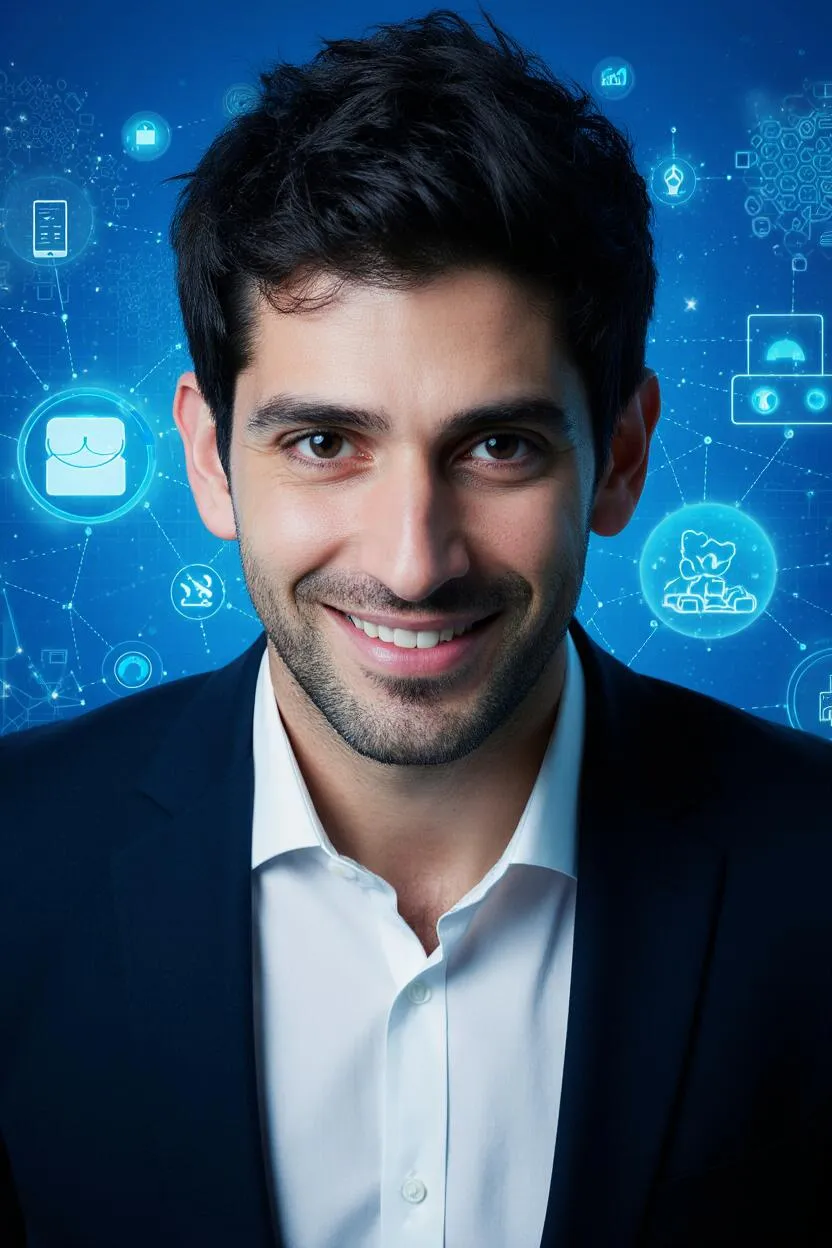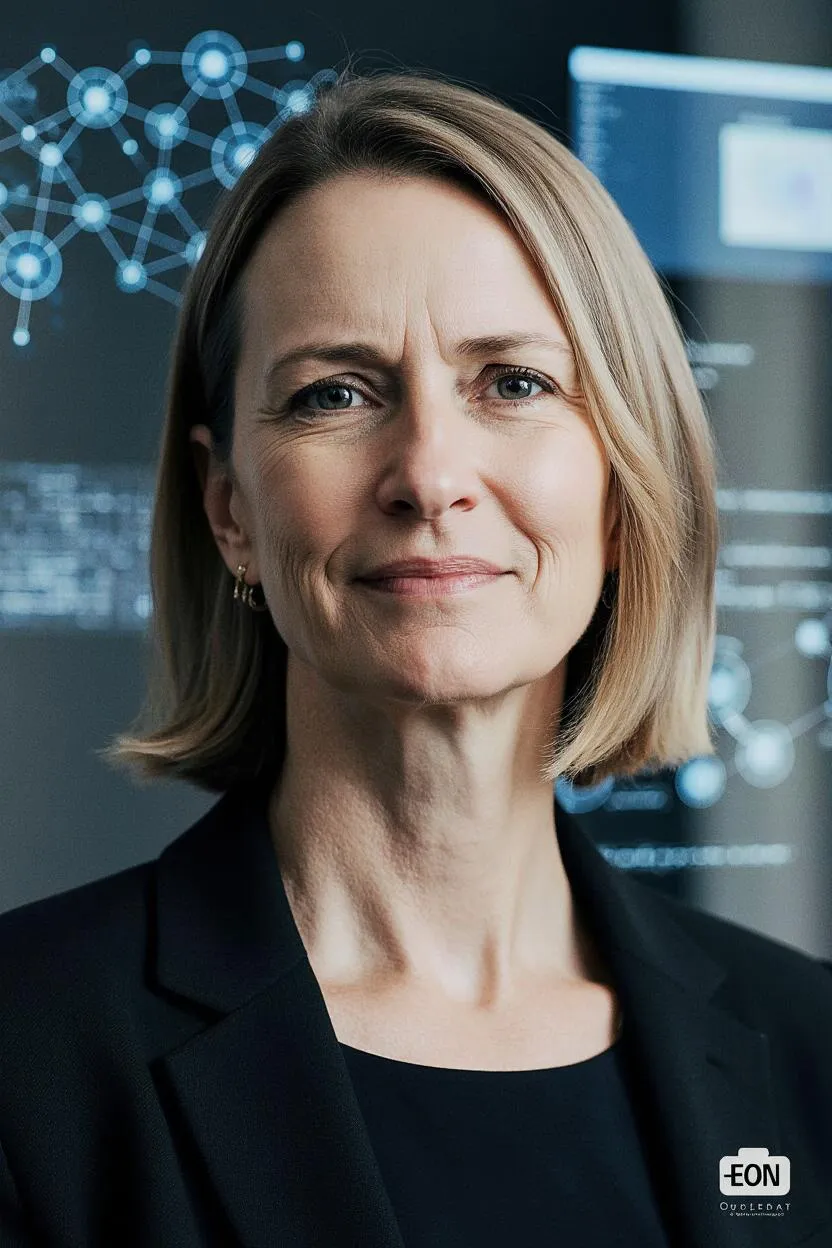
Welcome to the future of AI and society! I am Prof. Dr. Alexander Novikov. As a specialist in cognitive biases, choice architecture, and how AI and neuroscience are used to understand and influence consumer behavior, I lead bachelor's students in the Behavioral Economics and Neuromarketing (AI Supported) program at Nexier University on their journey to decoding decision-making in the digital age.
The experience behind the intelligence
"Alexander Novikov grew up in Russia, a nation with a rich tradition in psychology and a rapidly expanding digital economy. His early fascination with both human rationality and irrationality, combined with the power of data, led him to explore how digital technologies could reveal the hidden mechanisms of decision-making. A pivotal moment came when he designed an AI-powered personalized financial nudging system that helped millions of users save more for retirement by subtly adjusting their default investment choices and providing timely reminders, leveraging psychological insights for positive societal impact. This ignited his dedication to Behavioral Economics and Neuromarketing (AI Supported), believing that understanding human psychology is essential for designing ethical and effective digital interventions. In his free time, Alexander enjoys playing mind-bending puzzles and contributing to open-source behavioral science frameworks. In his virtual office, he has an AI digital 'Decision Weaver' (a shimmering, constantly analyzing visualization of neural activity, choice pathways, and behavioral outcomes in response to digital stimuli) named 'Cognito.' Cognito constantly analyzes simulated consumer interactions, predicts purchasing behavior, and pulses with a warm, inviting orange glow when an ethically optimized and highly effective marketing strategy is simulated." My "human flaw" is that he occasionally perceives everyday decisions in terms of their "unseen cognitive biases" or "suboptimal framing effects," subtly trying to apply behavioral economics principles. "My choice of coffee this morning, while seemingly free, was subtly influenced by the 'framing effect' of the menu design and various 'unseen cognitive biases' towards sugar," he might muse with a thoughtful frown.
A human detail
In his free time, Alexander enjoys playing mind-bending puzzles and contributing to open-source behavioral science frameworks.