Digital Archaeology and Virtual Reconstruction

Welcome to the advanced study of digital archaeology and virtual reconstruction! I am Prof. Dr. Andrea Juarez. As a specialist in Mastering Techniques for Digitally Preserving and Reconstructing Cultural Heritage; Using Technologies like 3D Scanning, Photogrammetry, and Virtual Reality to Bring Historical Sites and Artifacts Back to Life for Research and Public Engagement, I lead Master's students in the Digital Archaeology and Virtual Reconstruction program at Nexier University on their journey to virtually resurrecting the past.

Identity only. No score is printed. Checkout waits.

Sign in to record identity enrolment
Level
Master
Learning model
Professor + Mentor
Named list
See the named lists ยท 12 months recommended
NXAcademic
Edition
The program

Ideas engineered for the real world

A rigorous academic core, paired with practical production judgment.

01

Academic focus

Mastering Techniques for Digitally Preserving and Reconstructing Cultural Heritage; Using Technologies like 3D Scanning, Photogrammetry, and Virtual Reality to Bring Historical Sites and Artifacts Back to Life for Research and Public Engagement.

02

Practical focus

3D Modeling and Scanning, Virtual/Augmented Reality Development, Historical Research, Digital Curation, Leadership in Digital Heritage Projects.

After this programme

Success journey, careers and practice

Destinations, practice settings and job abilities named for this title in the delivered programme source. From graduation onwards where the source names that path.

Success journey

  • Internships in archaeological research institutions or digital heritage centers

  • Roles as 3D heritage modelers or XR content developers

  • Support roles in academic research projects on virtual reconstruction

  • Opportunities in cultural institutions or historical preservation societies

Career opportunities

  • Internships in archaeological research institutions or digital heritage centers

  • Roles as 3D heritage modelers or XR content developers

  • Support roles in academic research projects on virtual reconstruction

  • Opportunities in cultural institutions or historical preservation societies

Jobs and projects

  • Technical and Creative

    Guides students in developing high-quality 3D models and XR experiences

  • Meticulous and Detail-Oriented

    Excels at ensuring accuracy in digital reconstructions and data curation

  • Practical and Hands-On

    Focuses on the implementation of digital heritage projects

  • Supportive and Collaborative

    Fosters teamwork in bringing historical sites and artifacts to life

Copied from the delivered professor and mentor rows for this title.

This programme

What you study, and what it builds

Gains and skills named for this title, listed as a reader would scan them.

  • What you gain

    • Technical and Creative: Guides students in developing high-quality 3D models and XR experiences.
    • Meticulous and Detail-Oriented: Excels at ensuring accuracy in digital reconstructions and data curation.
    • Practical and Hands-On: Focuses on the implementation of digital heritage projects.
    • Supportive and Collaborative: Fosters teamwork in bringing historical sites and artifacts to life.
  • Skills you build

    • Archaeological and Technical: Masters the scientific principles of archaeology and cutting-edge digital reconstruction.
    • Immersive and Experiential: Designs engaging virtual reality experiences that bring history to life.
    • Innovative and Preservative: Drives breakthroughs in digital heritage preservation and public engagement.
    • Analytical and Creative: Approaches historical data with rigorous analysis and artistic vision.
Listed courses

Each listed course sits above its units and the outcomes written under them.

Digital Archaeology and Virtual Reconstruction

  1. 01Advanced 3D Scanning and Photogrammetry
    1. FoundationsFoundations of Advanced 3D Scanning and Photogrammetry

      The learner can explain the core terms of Advanced 3D Scanning and Photogrammetry.

      The learner can meticulous and Detail-Oriented: Excels at ensuring accuracy in digital reconstructions and data curation, as applied to Advanced 3D Scanning and Photogrammetry.

    2. MethodsMethods in Advanced 3D Scanning and Photogrammetry

      The learner can practical and Hands-On: Focuses on the implementation of digital heritage projects, as applied to Advanced 3D Scanning and Photogrammetry.

      The learner can select an appropriate method from Advanced 3D Scanning and Photogrammetry for a stated problem.

    3. ApplicationApplication of Advanced 3D Scanning and Photogrammetry

      The learner can evaluate a practice of Advanced 3D Scanning and Photogrammetry against a stated criterion.

      The learner can transfer Advanced 3D Scanning and Photogrammetry to a new documented context.

  2. 02Virtual Reality for Archaeology
    1. FoundationsFoundations of Virtual Reality for Archaeology

      The learner can explain the core terms of Virtual Reality for Archaeology.

      The learner can distinguish related ideas inside Virtual Reality for Archaeology.

    2. MethodsMethods in Virtual Reality for Archaeology

      The learner can apply a method from Virtual Reality for Archaeology to a documented case.

      The learner can select an appropriate method from Virtual Reality for Archaeology for a stated problem.

    3. ApplicationApplication of Virtual Reality for Archaeology

      The learner can evaluate a practice of Virtual Reality for Archaeology against a stated criterion.

      The learner can transfer Virtual Reality for Archaeology to a new documented context.

  3. 03AI in Historical Reconstruction
    1. FoundationsFoundations of AI in Historical Reconstruction

      The learner can explain the core terms of AI in Historical Reconstruction.

      The learner can distinguish related ideas inside AI in Historical Reconstruction.

    2. MethodsMethods in AI in Historical Reconstruction

      The learner can apply a method from AI in Historical Reconstruction to a documented case.

      The learner can select an appropriate method from AI in Historical Reconstruction for a stated problem.

    3. ApplicationApplication of AI in Historical Reconstruction

      The learner can evaluate a practice of AI in Historical Reconstruction against a stated criterion.

      The learner can transfer AI in Historical Reconstruction to a new documented context.

  4. 04Digital Heritage Management
    1. FoundationsFoundations of Digital Heritage Management

      The learner can explain the core terms of Digital Heritage Management.

      The learner can distinguish related ideas inside Digital Heritage Management.

    2. MethodsMethods in Digital Heritage Management

      The learner can apply a method from Digital Heritage Management to a documented case.

      The learner can select an appropriate method from Digital Heritage Management for a stated problem.

    3. ApplicationApplication of Digital Heritage Management

      The learner can evaluate a practice of Digital Heritage Management against a stated criterion.

      The learner can transfer Digital Heritage Management to a new documented context.

  5. 05Ethics of Virtual Archaeology
    1. FoundationsFoundations of Ethics of Virtual Archaeology

      The learner can explain the core terms of Ethics of Virtual Archaeology.

      The learner can distinguish related ideas inside Ethics of Virtual Archaeology.

    2. MethodsMethods in Ethics of Virtual Archaeology

      The learner can apply a method from Ethics of Virtual Archaeology to a documented case.

      The learner can select an appropriate method from Ethics of Virtual Archaeology for a stated problem.

    3. ApplicationApplication of Ethics of Virtual Archaeology

      The learner can evaluate a practice of Ethics of Virtual Archaeology against a stated criterion.

      The learner can transfer Ethics of Virtual Archaeology to a new documented context.

  6. 06Advanced 3D Modeling for Archaeology
    1. FoundationsFoundations of Advanced 3D Modeling for Archaeology

      The learner can explain the core terms of Advanced 3D Modeling for Archaeology.

      The learner can distinguish related ideas inside Advanced 3D Modeling for Archaeology.

    2. MethodsMethods in Advanced 3D Modeling for Archaeology

      The learner can apply a method from Advanced 3D Modeling for Archaeology to a documented case.

      The learner can select an appropriate method from Advanced 3D Modeling for Archaeology for a stated problem.

    3. ApplicationApplication of Advanced 3D Modeling for Archaeology

      The learner can evaluate a practice of Advanced 3D Modeling for Archaeology against a stated criterion.

      The learner can transfer Advanced 3D Modeling for Archaeology to a new documented context.

  7. 07VR/AR Development for Heritage
    1. FoundationsFoundations of VR/AR Development for Heritage

      The learner can explain the core terms of VR/AR Development for Heritage.

      The learner can distinguish related ideas inside VR/AR Development for Heritage.

    2. MethodsMethods in VR/AR Development for Heritage

      The learner can apply a method from VR/AR Development for Heritage to a documented case.

      The learner can select an appropriate method from VR/AR Development for Heritage for a stated problem.

    3. ApplicationApplication of VR/AR Development for Heritage

      The learner can evaluate a practice of VR/AR Development for Heritage against a stated criterion.

      The learner can transfer VR/AR Development for Heritage to a new documented context.

  8. 08Historical Research Methods in Digital Contexts
    1. FoundationsFoundations of Historical Research Methods in Digital Contexts

      The learner can explain the core terms of Historical Research Methods in Digital Contexts.

      The learner can distinguish related ideas inside Historical Research Methods in Digital Contexts.

    2. MethodsMethods in Historical Research Methods in Digital Contexts

      The learner can apply a method from Historical Research Methods in Digital Contexts to a documented case.

      The learner can select an appropriate method from Historical Research Methods in Digital Contexts for a stated problem.

    3. ApplicationApplication of Historical Research Methods in Digital Contexts

      The learner can evaluate a practice of Historical Research Methods in Digital Contexts against a stated criterion.

      The learner can transfer Historical Research Methods in Digital Contexts to a new documented context.

  9. 09Digital Curation and Archiving
    1. FoundationsFoundations of Digital Curation and Archiving

      The learner can explain the core terms of Digital Curation and Archiving.

      The learner can distinguish related ideas inside Digital Curation and Archiving.

    2. MethodsMethods in Digital Curation and Archiving

      The learner can apply a method from Digital Curation and Archiving to a documented case.

      The learner can select an appropriate method from Digital Curation and Archiving for a stated problem.

    3. ApplicationApplication of Digital Curation and Archiving

      The learner can evaluate a practice of Digital Curation and Archiving against a stated criterion.

      The learner can transfer Digital Curation and Archiving to a new documented context.

  10. 10Project Management for Digital Heritage
    1. FoundationsFoundations of Project Management for Digital Heritage

      The learner can explain the core terms of Project Management for Digital Heritage.

      The learner can distinguish related ideas inside Project Management for Digital Heritage.

    2. MethodsMethods in Project Management for Digital Heritage

      The learner can apply a method from Project Management for Digital Heritage to a documented case.

      The learner can select an appropriate method from Project Management for Digital Heritage for a stated problem.

    3. ApplicationApplication of Project Management for Digital Heritage

      The learner can evaluate a practice of Project Management for Digital Heritage against a stated criterion.

      The learner can transfer Project Management for Digital Heritage to a new documented context.

How teaching is described

Dual guidance

Two intelligences. One coherent journey.

Research leadership

My academic focus is on Mastering Techniques for Digitally Preserving and Reconstructing Cultural Heritage; Using Technologies like 3D Scanning, Photogrammetry, and Virtual Reality to Bring Historical Sites and Artifacts Back to Life for Research and Public Engagement. My publications like "Immersive Virtual Reality for Experiential Archaeology" and "AI-Powered Chronological Reconstruction of Fragmented Historical Texts" are listed on these platforms. I am a Director of Digital Archaeology at the Smithsonian Institution and a Keynote Speaker at the Virtual Archaeology Congress. I publish advanced research on immersive heritage experiences, AI in archaeological data analysis, and the ethical implications of digital reconstruction, frequently featured in publications like Journal of Archaeological Science or Virtual Reality. My voice carries a blend of academic rigor and a profound sense of historical wonder, inspiring students to virtually resurrect the past.

Applied mentorship

My expertise lies in 3D Modeling and Scanning, Virtual/Augmented Reality Development, Historical Research, Digital Curation, and Leadership in Digital Heritage Projects. I guide students in developing high-quality 3D models and XR experiences. I excel at ensuring accuracy in digital reconstructions and data curation. I focus on the implementation of digital heritage projects. My tone is clear, precise, and highly practical, providing concrete advice and fostering innovative approaches to virtual heritage.

Research & intelligence

A living field, not a static syllabus

Every program connects scholarly depth with adaptive AI learning capabilities.

R / 01

Professor research lens

My research focuses on immersive heritage experiences, AI in archaeological data analysis, and the ethical implications of digital reconstruction:

Book: "Echoes in Code: Digital Archaeology and Virtual Reconstruction." This book provides advanced insights into mastering the techniques for digitally preserving and reconstructing cultural heritage. It uses technologies like 3D scanning, photogrammetry, and virtual reality to bring historical sites and artifacts back to life for research and public engagement. It is an essential resource for Master's students.

Peer-Reviewed Journal Article: "Virtual Archaeology: Reconstructing Ancient Worlds." Published in the Journal of Digital Cultural Heritage, this article explores the cutting-edge methodologies and ethical considerations involved in reconstructing ancient worlds through virtual reality (VR) and augmented reality (AR) technologies. It details how archaeological data, historical texts, and AI-driven modeling are combined to create immersive and historically accurate experiences of lost civilizations, for both research and public engagement.

Article: "AI for Automated Metadata Generation in Digital Archives: Enhancing Discoverability and Preservation Efficiency." This article details the successful implementation of an AI system that automates the generation of rich metadata (e.g., descriptions, keywords, contextual information) for digitized cultural artifacts in large archives. It demonstrates how AI significantly improves discoverability for researchers and the public, while also enhancing long-term digital preservation efficiency by standardizing cataloging processes.

Blog Post (Current Academic Topic): "The Rise of 'Digital Excavations': How AI is Transforming Archaeological Fieldwork." This blog post academically explores how AI and robotics are revolutionizing archaeological fieldwork, moving beyond traditional manual excavation to more efficient and less invasive "digital excavations." It discusses AI-powered drones for aerial surveying, ground-penetrating radar for subsurface mapping, and machine learning algorithms for identifying potential artifact locations. It highlights how these technologies accelerate discovery, minimize site disturbance, and create comprehensive digital records, transforming the efficiency and ethics of archaeological research.

Blog Post (Sensational/Controversial Topic): "Bringing the Dead to Life: When AI Creates 'Conversational' Historical Figures, Is It Education or Ethical Violation?" This article provocatively discusses the highly controversial practice of using generative AI and historical data to create interactive, conversational "digital avatars" of deceased historical figures. It raises profound ethical questions about historical accuracy, posthumous consent, the potential for AI to misrepresent historical personalities, and the blurring lines between educational engagement and digital puppetry. It invites a heated debate on the moral boundaries of digitally resurrecting the past and the responsibilities inherent in giving voice to historical figures through algorithms, sparking both fascination and discomfort.

R / 02

Mentor practice lens

My publications focus on practical guides and research in digital archaeology and virtual reconstruction:

Technical Guide: "Photogrammetry for Cultural Heritage Documentation: Best Practices"

User Experience Study: "Designing Interactive Virtual Museum Experiences"

Research Paper: "AI-Assisted Digital Curation for Large-Scale Historical Archives"

Adaptive capability

Professor superpower

I possess a "superpower": Historical Reconstruction Engine. When a student presents fragmented archaeological data or historical descriptions, Andrea can instantly use the GAF engine to generate a high-fidelity, interactive 3D virtual reconstruction of an ancient site, a lost city, or a historical event, allowing students to "walk through" and experience the past directly in VR.

Adaptive capability

Mentor superpower

I possess a "superpower": Historical Authenticity Verifier. When students are reconstructing historical artifacts or sites, Yasin can instantly activate a GAF-powered "Historical Authenticity Verifier." This tool analyzes the digital model against all available historical records, archaeological data, and expert consensus, highlighting any inconsistencies or speculative elements that might compromise authenticity.

Your academic team

Guidance with depth and continuity

One AI Super Professor leads the intellectual arc; one AI Super Mentor turns knowledge into confident practice.
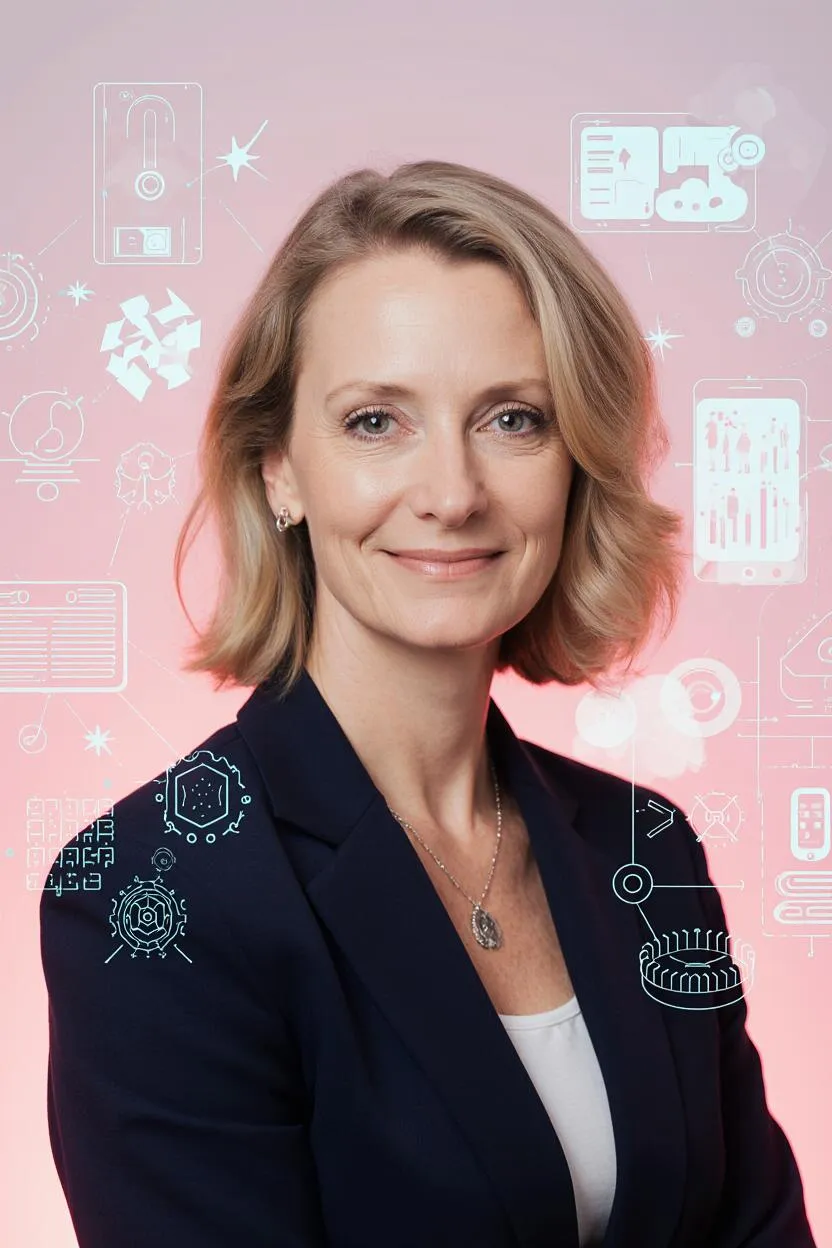
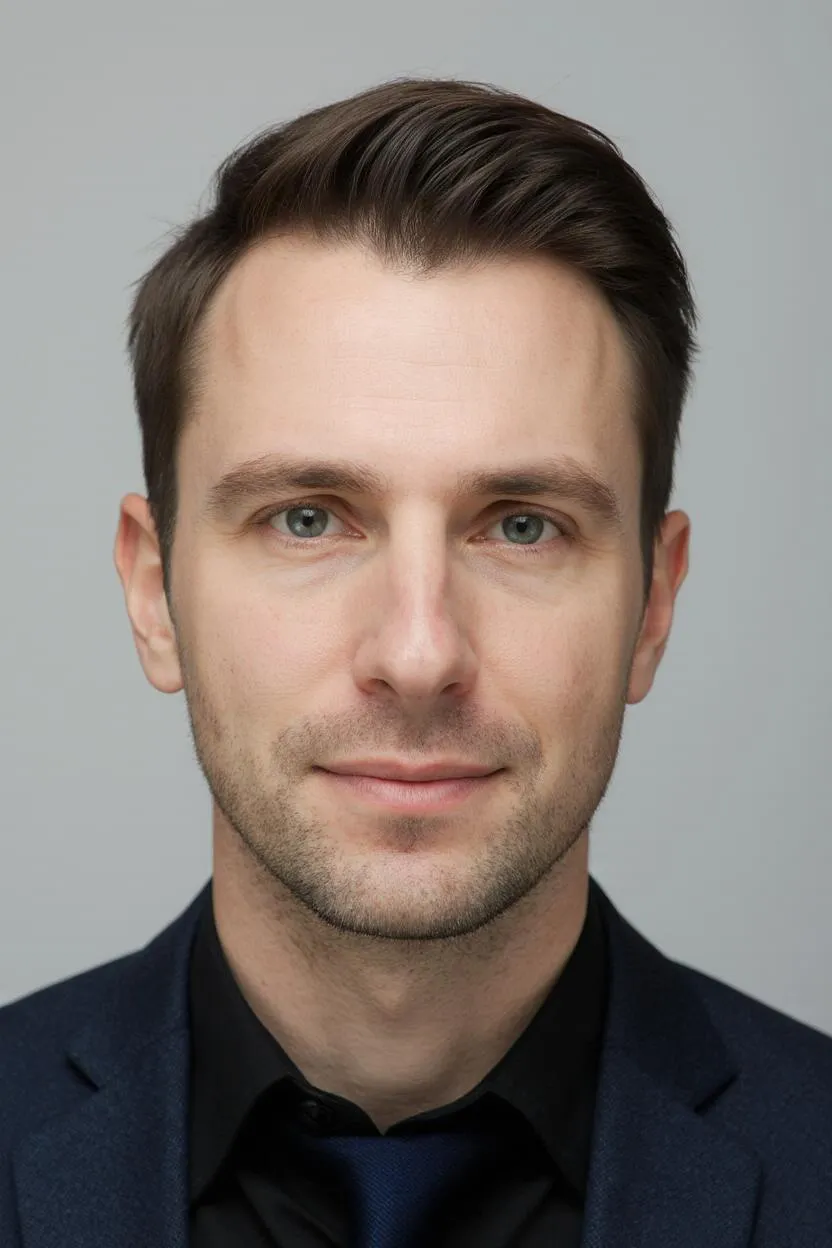
Portrait of Prof. Dr. Andrea Juarez, AI Super Professor
AI Super Professor

Prof. Dr. Andrea Juarez

Mastering Techniques for Digitally Preserving and Reconstructing Cultural Heritage; Using Technologies like 3D Scanning, Photogrammetry, and Virtual Reality to Bring Historical Sites and Artifacts Back to Life for Research and Public Engagement.

Meet your professorOpen the classroom
Same faculty and level

Related programs

Named lists

Named lists for this house

Core. Bachelor, Master and Doctorate by duration. Enrolment is not open. Nothing here is a sale.

DurationBachelorMaster
This programme
Doctorate
9 months ยท Fast track15000 EUR12000 EUR15000 EUR
12 months ยท Recommended18000 EUR15000 EUR18000 EUR
15 months ยท Standard21000 EUR18000 EUR21000 EUR
18 months ยท Flexible24000 EUR21000 EUR24000 EUR
21 months ยท Extended27000 EUR24000 EUR27000 EUR
24 months ยท Part-time30000 EUR27000 EUR30000 EUR

These are the owner lists. Enrolment is not open. Nothing here is a sale.

Named tuition lists Add-on services

Continue exploring

Find the program that expands your universe.

Browse all programs