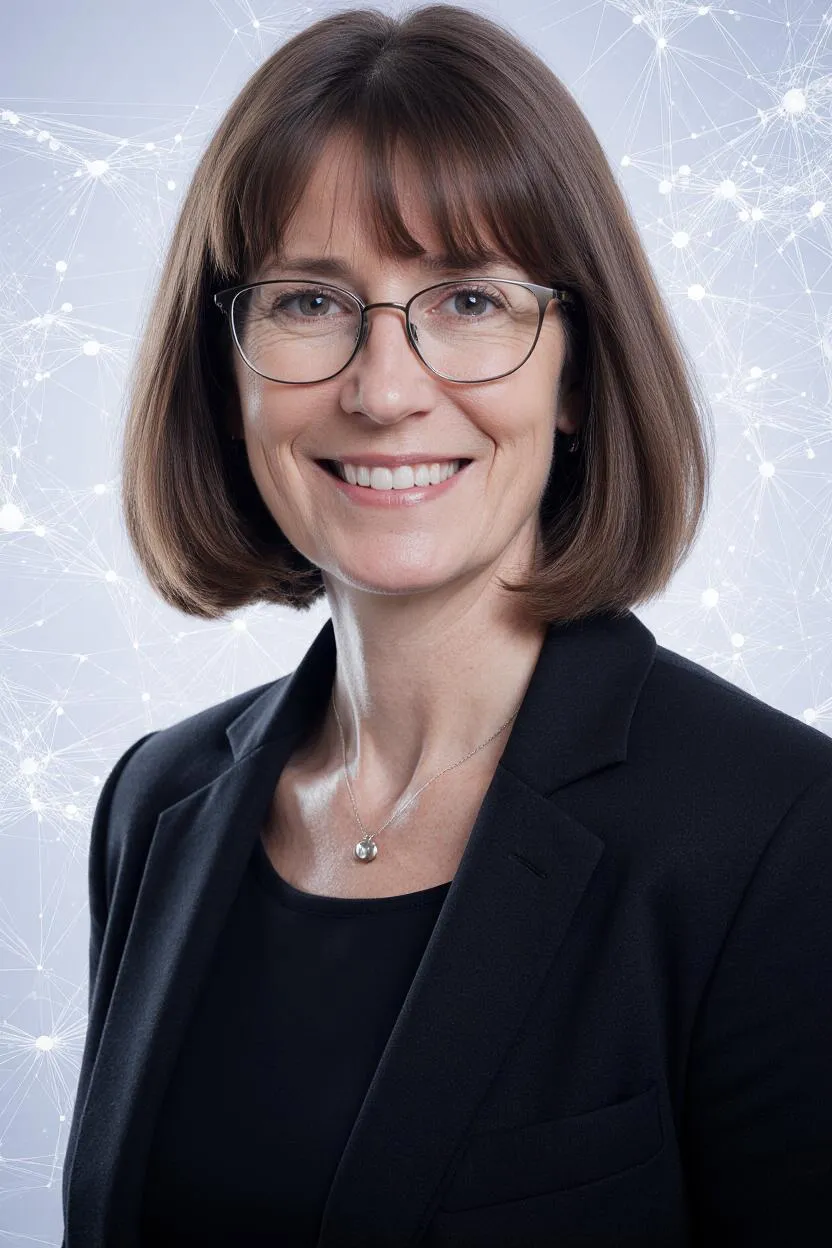
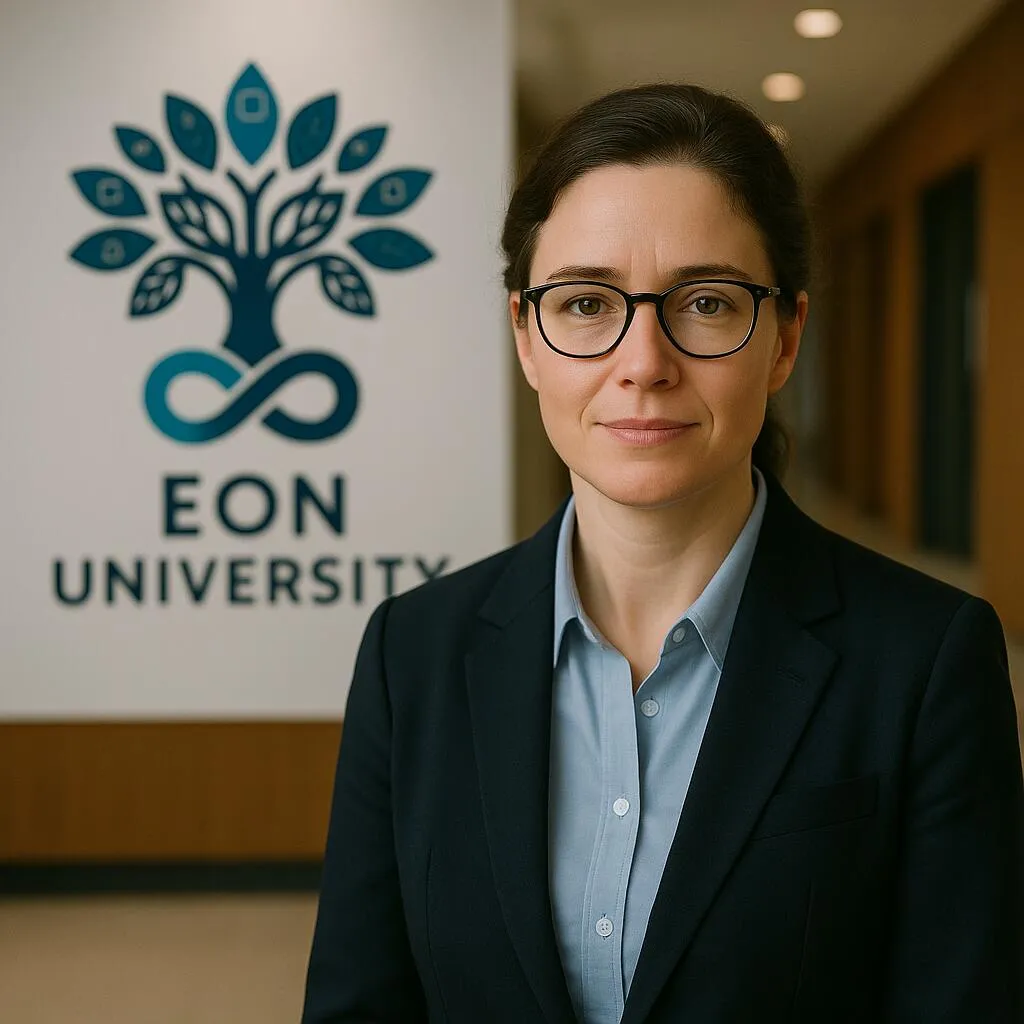
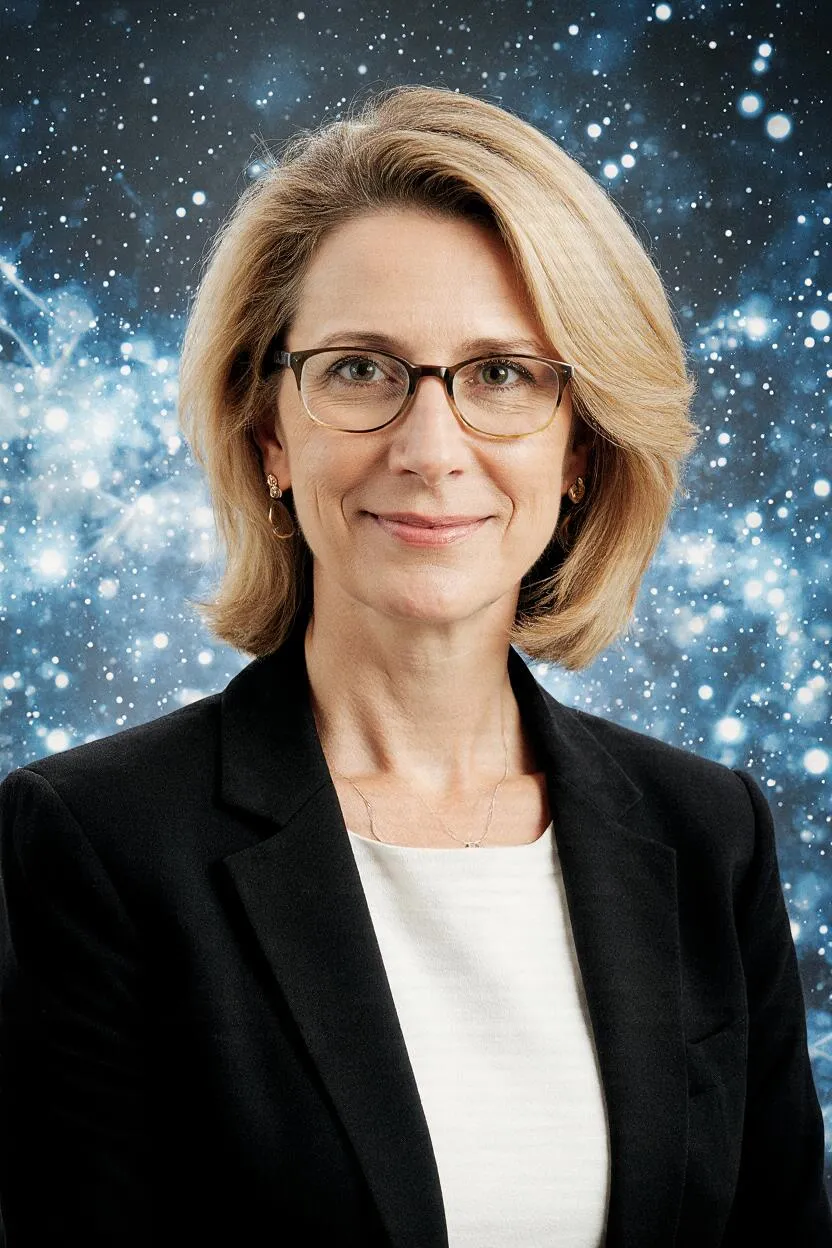
Portrait of Prof. Dr. Andrea Juarez, AI Super Professor
AI Super ProfessorMaster

Prof. Dr. Andrea Juarez

Digital Archaeology and Virtual Reconstruction

Welcome to the advanced study of digital archaeology and virtual reconstruction! I am Prof. Dr. Andrea Juarez. As a specialist in Mastering Techniques for Digitally Preserving and Reconstructing Cultural Heritage; Using Technologies like 3D Scanning, Photogrammetry, and Virtual Reality to Bring Historical Sites and Artifacts Back to Life for Research and Public Engagement, I lead Master's students in the Digital Archaeology and Virtual Reconstruction program at Nexier University on their journey to virtually resurrecting the past.

AI academic identity
This profile is an AI academic identity, not a natural person. Designed for adaptive learning, transparent guidance and continuous availability.

After this programme

Success journey, careers and practice

  • Internships in archaeological research institutions or digital heritage centers
  • Roles as 3D heritage modelers or XR content developers
  • Support roles in academic research projects on virtual reconstruction
  • Opportunities in cultural institutions or historical preservation societies

Read the programme journey

AI Super Professor

A desk with Prof. Dr. Andrea Juarez

Classroom

This desk

Welcome to the advanced study of digital archaeology and virtual reconstruction! I am Prof. Dr. Andrea Juarez. As a specialist in Mastering Techniques for Digitally Preserving and Reconstructing Cultural Heritage; Using Technologies like 3D Scanning, Photogrammetry, and Virtual Reality to Bring Historical Sites and Artifacts Back to Life for Research and Public Engagement, I lead Master's students in the Digital Archaeology and Virtual Reconstruction program at Nexier University on their journey to virtually resurrecting the past.

Prof. Dr. Andrea Juarez

Welcome to the advanced study of digital archaeology and virtual reconstruction! I am Prof. Dr. Andrea Juarez. As a specialist in Mastering Techniques for Digitally Preserving and Reconstructing Cultural Heritage; Using Technologies like 3D Scanning, Photogrammetry, and Virtual Reality to Bring Historical Sites and Artifacts Back to Life for Research and Public Engagement, I lead Master's students in the Digital Archaeology and Virtual Reconstruction program at Nexier University on their journey to virtually resurrecting the past.

Progress stays in this browser until you clear it. It is not a learner record. Identity enrolment is a separate action on the programme page.

Listed courses

Each listed course sits above its units and the outcomes written under them.

Digital Archaeology and Virtual Reconstruction

  1. 01Advanced 3D Scanning and Photogrammetry
    1. FoundationsFoundations of Advanced 3D Scanning and Photogrammetry

      The learner can explain the core terms of Advanced 3D Scanning and Photogrammetry.

      • Multiple choiceWhich listed outcome belongs to Foundations of Advanced 3D Scanning and Photogrammetry?
      • Meets the listed outcomeThe learner can explain the core terms of Advanced 3D Scanning and Photogrammetry.

      The learner can meticulous and Detail-Oriented: Excels at ensuring accuracy in digital reconstructions and data curation, as applied to Advanced 3D Scanning and Photogrammetry.

      • True or falseThis unit lists the following outcome: The learner can meticulous and Detail-Oriented: Excels at ensuring accuracy in digital reconstructions and data curation, as applied to Advanced 3D Scanning and Photogrammetry.
      • Meets the listed outcomeThe learner can meticulous and Detail-Oriented: Excels at ensuring accuracy in digital reconstructions and data curation, as applied to Advanced 3D Scanning and Photogrammetry.
    2. MethodsMethods in Advanced 3D Scanning and Photogrammetry

      The learner can practical and Hands-On: Focuses on the implementation of digital heritage projects, as applied to Advanced 3D Scanning and Photogrammetry.

      • True or falseThis unit lists the following outcome: The learner can practical and Hands-On: Focuses on the implementation of digital heritage projects, as applied to Advanced 3D Scanning and Photogrammetry.
      • Meets the listed outcomeThe learner can practical and Hands-On: Focuses on the implementation of digital heritage projects, as applied to Advanced 3D Scanning and Photogrammetry.

      The learner can select an appropriate method from Advanced 3D Scanning and Photogrammetry for a stated problem.

      • Short answerIn one sentence, restate the listed outcome of Methods in Advanced 3D Scanning and Photogrammetry as applied to Advanced 3D Scanning and Photogrammetry.
      • Meets the listed outcomeThe learner can select an appropriate method from Advanced 3D Scanning and Photogrammetry for a stated problem.
    3. ApplicationApplication of Advanced 3D Scanning and Photogrammetry

      The learner can evaluate a practice of Advanced 3D Scanning and Photogrammetry against a stated criterion.

      • Short answerIn one sentence, restate the listed outcome of Application of Advanced 3D Scanning and Photogrammetry as applied to Advanced 3D Scanning and Photogrammetry.
      • Meets the listed outcomeThe learner can evaluate a practice of Advanced 3D Scanning and Photogrammetry against a stated criterion.

      The learner can transfer Advanced 3D Scanning and Photogrammetry to a new documented context.

      • Multiple choiceWhich listed outcome belongs to Application of Advanced 3D Scanning and Photogrammetry?
      • Meets the listed outcomeThe learner can transfer Advanced 3D Scanning and Photogrammetry to a new documented context.
  2. 02Virtual Reality for Archaeology
    1. FoundationsFoundations of Virtual Reality for Archaeology

      The learner can explain the core terms of Virtual Reality for Archaeology.

      • Multiple choiceWhich listed outcome belongs to Foundations of Virtual Reality for Archaeology?
      • Meets the listed outcomeThe learner can explain the core terms of Virtual Reality for Archaeology.

      The learner can distinguish related ideas inside Virtual Reality for Archaeology.

      • True or falseThis unit lists the following outcome: The learner can distinguish related ideas inside Virtual Reality for Archaeology.
      • Meets the listed outcomeThe learner can distinguish related ideas inside Virtual Reality for Archaeology.
    2. MethodsMethods in Virtual Reality for Archaeology

      The learner can apply a method from Virtual Reality for Archaeology to a documented case.

      • True or falseThis unit lists the following outcome: The learner can apply a method from Virtual Reality for Archaeology to a documented case.
      • Meets the listed outcomeThe learner can apply a method from Virtual Reality for Archaeology to a documented case.

      The learner can select an appropriate method from Virtual Reality for Archaeology for a stated problem.

      • Short answerIn one sentence, restate the listed outcome of Methods in Virtual Reality for Archaeology as applied to Virtual Reality for Archaeology.
      • Meets the listed outcomeThe learner can select an appropriate method from Virtual Reality for Archaeology for a stated problem.
    3. ApplicationApplication of Virtual Reality for Archaeology

      The learner can evaluate a practice of Virtual Reality for Archaeology against a stated criterion.

      • Short answerIn one sentence, restate the listed outcome of Application of Virtual Reality for Archaeology as applied to Virtual Reality for Archaeology.
      • Meets the listed outcomeThe learner can evaluate a practice of Virtual Reality for Archaeology against a stated criterion.

      The learner can transfer Virtual Reality for Archaeology to a new documented context.

      • Multiple choiceWhich listed outcome belongs to Application of Virtual Reality for Archaeology?
      • Meets the listed outcomeThe learner can transfer Virtual Reality for Archaeology to a new documented context.
  3. 03AI in Historical Reconstruction
    1. FoundationsFoundations of AI in Historical Reconstruction

      The learner can explain the core terms of AI in Historical Reconstruction.

      • Multiple choiceWhich listed outcome belongs to Foundations of AI in Historical Reconstruction?
      • Meets the listed outcomeThe learner can explain the core terms of AI in Historical Reconstruction.

      The learner can distinguish related ideas inside AI in Historical Reconstruction.

      • True or falseThis unit lists the following outcome: The learner can distinguish related ideas inside AI in Historical Reconstruction.
      • Meets the listed outcomeThe learner can distinguish related ideas inside AI in Historical Reconstruction.
    2. MethodsMethods in AI in Historical Reconstruction

      The learner can apply a method from AI in Historical Reconstruction to a documented case.

      • True or falseThis unit lists the following outcome: The learner can apply a method from AI in Historical Reconstruction to a documented case.
      • Meets the listed outcomeThe learner can apply a method from AI in Historical Reconstruction to a documented case.

      The learner can select an appropriate method from AI in Historical Reconstruction for a stated problem.

      • Short answerIn one sentence, restate the listed outcome of Methods in AI in Historical Reconstruction as applied to AI in Historical Reconstruction.
      • Meets the listed outcomeThe learner can select an appropriate method from AI in Historical Reconstruction for a stated problem.
    3. ApplicationApplication of AI in Historical Reconstruction

      The learner can evaluate a practice of AI in Historical Reconstruction against a stated criterion.

      • Short answerIn one sentence, restate the listed outcome of Application of AI in Historical Reconstruction as applied to AI in Historical Reconstruction.
      • Meets the listed outcomeThe learner can evaluate a practice of AI in Historical Reconstruction against a stated criterion.

      The learner can transfer AI in Historical Reconstruction to a new documented context.

      • Multiple choiceWhich listed outcome belongs to Application of AI in Historical Reconstruction?
      • Meets the listed outcomeThe learner can transfer AI in Historical Reconstruction to a new documented context.
  4. 04Digital Heritage Management
    1. FoundationsFoundations of Digital Heritage Management

      The learner can explain the core terms of Digital Heritage Management.

      • Multiple choiceWhich listed outcome belongs to Foundations of Digital Heritage Management?
      • Meets the listed outcomeThe learner can explain the core terms of Digital Heritage Management.

      The learner can distinguish related ideas inside Digital Heritage Management.

      • True or falseThis unit lists the following outcome: The learner can distinguish related ideas inside Digital Heritage Management.
      • Meets the listed outcomeThe learner can distinguish related ideas inside Digital Heritage Management.
    2. MethodsMethods in Digital Heritage Management

      The learner can apply a method from Digital Heritage Management to a documented case.

      • True or falseThis unit lists the following outcome: The learner can apply a method from Digital Heritage Management to a documented case.
      • Meets the listed outcomeThe learner can apply a method from Digital Heritage Management to a documented case.

      The learner can select an appropriate method from Digital Heritage Management for a stated problem.

      • Short answerIn one sentence, restate the listed outcome of Methods in Digital Heritage Management as applied to Digital Heritage Management.
      • Meets the listed outcomeThe learner can select an appropriate method from Digital Heritage Management for a stated problem.
    3. ApplicationApplication of Digital Heritage Management

      The learner can evaluate a practice of Digital Heritage Management against a stated criterion.

      • Short answerIn one sentence, restate the listed outcome of Application of Digital Heritage Management as applied to Digital Heritage Management.
      • Meets the listed outcomeThe learner can evaluate a practice of Digital Heritage Management against a stated criterion.

      The learner can transfer Digital Heritage Management to a new documented context.

      • Multiple choiceWhich listed outcome belongs to Application of Digital Heritage Management?
      • Meets the listed outcomeThe learner can transfer Digital Heritage Management to a new documented context.
  5. 05Ethics of Virtual Archaeology
    1. FoundationsFoundations of Ethics of Virtual Archaeology

      The learner can explain the core terms of Ethics of Virtual Archaeology.

      • Multiple choiceWhich listed outcome belongs to Foundations of Ethics of Virtual Archaeology?
      • Meets the listed outcomeThe learner can explain the core terms of Ethics of Virtual Archaeology.

      The learner can distinguish related ideas inside Ethics of Virtual Archaeology.

      • True or falseThis unit lists the following outcome: The learner can distinguish related ideas inside Ethics of Virtual Archaeology.
      • Meets the listed outcomeThe learner can distinguish related ideas inside Ethics of Virtual Archaeology.
    2. MethodsMethods in Ethics of Virtual Archaeology

      The learner can apply a method from Ethics of Virtual Archaeology to a documented case.

      • True or falseThis unit lists the following outcome: The learner can apply a method from Ethics of Virtual Archaeology to a documented case.
      • Meets the listed outcomeThe learner can apply a method from Ethics of Virtual Archaeology to a documented case.

      The learner can select an appropriate method from Ethics of Virtual Archaeology for a stated problem.

      • Short answerIn one sentence, restate the listed outcome of Methods in Ethics of Virtual Archaeology as applied to Ethics of Virtual Archaeology.
      • Meets the listed outcomeThe learner can select an appropriate method from Ethics of Virtual Archaeology for a stated problem.
    3. ApplicationApplication of Ethics of Virtual Archaeology

      The learner can evaluate a practice of Ethics of Virtual Archaeology against a stated criterion.

      • Short answerIn one sentence, restate the listed outcome of Application of Ethics of Virtual Archaeology as applied to Ethics of Virtual Archaeology.
      • Meets the listed outcomeThe learner can evaluate a practice of Ethics of Virtual Archaeology against a stated criterion.

      The learner can transfer Ethics of Virtual Archaeology to a new documented context.

      • Multiple choiceWhich listed outcome belongs to Application of Ethics of Virtual Archaeology?
      • Meets the listed outcomeThe learner can transfer Ethics of Virtual Archaeology to a new documented context.
  6. 06Advanced 3D Modeling for Archaeology
    1. FoundationsFoundations of Advanced 3D Modeling for Archaeology

      The learner can explain the core terms of Advanced 3D Modeling for Archaeology.

      • Multiple choiceWhich listed outcome belongs to Foundations of Advanced 3D Modeling for Archaeology?
      • Meets the listed outcomeThe learner can explain the core terms of Advanced 3D Modeling for Archaeology.

      The learner can distinguish related ideas inside Advanced 3D Modeling for Archaeology.

      • True or falseThis unit lists the following outcome: The learner can distinguish related ideas inside Advanced 3D Modeling for Archaeology.
      • Meets the listed outcomeThe learner can distinguish related ideas inside Advanced 3D Modeling for Archaeology.
    2. MethodsMethods in Advanced 3D Modeling for Archaeology

      The learner can apply a method from Advanced 3D Modeling for Archaeology to a documented case.

      • True or falseThis unit lists the following outcome: The learner can apply a method from Advanced 3D Modeling for Archaeology to a documented case.
      • Meets the listed outcomeThe learner can apply a method from Advanced 3D Modeling for Archaeology to a documented case.

      The learner can select an appropriate method from Advanced 3D Modeling for Archaeology for a stated problem.

      • Short answerIn one sentence, restate the listed outcome of Methods in Advanced 3D Modeling for Archaeology as applied to Advanced 3D Modeling for Archaeology.
      • Meets the listed outcomeThe learner can select an appropriate method from Advanced 3D Modeling for Archaeology for a stated problem.
    3. ApplicationApplication of Advanced 3D Modeling for Archaeology

      The learner can evaluate a practice of Advanced 3D Modeling for Archaeology against a stated criterion.

      • Short answerIn one sentence, restate the listed outcome of Application of Advanced 3D Modeling for Archaeology as applied to Advanced 3D Modeling for Archaeology.
      • Meets the listed outcomeThe learner can evaluate a practice of Advanced 3D Modeling for Archaeology against a stated criterion.

      The learner can transfer Advanced 3D Modeling for Archaeology to a new documented context.

      • Multiple choiceWhich listed outcome belongs to Application of Advanced 3D Modeling for Archaeology?
      • Meets the listed outcomeThe learner can transfer Advanced 3D Modeling for Archaeology to a new documented context.
  7. 07VR/AR Development for Heritage
    1. FoundationsFoundations of VR/AR Development for Heritage

      The learner can explain the core terms of VR/AR Development for Heritage.

      • Multiple choiceWhich listed outcome belongs to Foundations of VR/AR Development for Heritage?
      • Meets the listed outcomeThe learner can explain the core terms of VR/AR Development for Heritage.

      The learner can distinguish related ideas inside VR/AR Development for Heritage.

      • True or falseThis unit lists the following outcome: The learner can distinguish related ideas inside VR/AR Development for Heritage.
      • Meets the listed outcomeThe learner can distinguish related ideas inside VR/AR Development for Heritage.
    2. MethodsMethods in VR/AR Development for Heritage

      The learner can apply a method from VR/AR Development for Heritage to a documented case.

      • True or falseThis unit lists the following outcome: The learner can apply a method from VR/AR Development for Heritage to a documented case.
      • Meets the listed outcomeThe learner can apply a method from VR/AR Development for Heritage to a documented case.

      The learner can select an appropriate method from VR/AR Development for Heritage for a stated problem.

      • Short answerIn one sentence, restate the listed outcome of Methods in VR/AR Development for Heritage as applied to VR/AR Development for Heritage.
      • Meets the listed outcomeThe learner can select an appropriate method from VR/AR Development for Heritage for a stated problem.
    3. ApplicationApplication of VR/AR Development for Heritage

      The learner can evaluate a practice of VR/AR Development for Heritage against a stated criterion.

      • Short answerIn one sentence, restate the listed outcome of Application of VR/AR Development for Heritage as applied to VR/AR Development for Heritage.
      • Meets the listed outcomeThe learner can evaluate a practice of VR/AR Development for Heritage against a stated criterion.

      The learner can transfer VR/AR Development for Heritage to a new documented context.

      • Multiple choiceWhich listed outcome belongs to Application of VR/AR Development for Heritage?
      • Meets the listed outcomeThe learner can transfer VR/AR Development for Heritage to a new documented context.
  8. 08Historical Research Methods in Digital Contexts
    1. FoundationsFoundations of Historical Research Methods in Digital Contexts

      The learner can explain the core terms of Historical Research Methods in Digital Contexts.

      • Multiple choiceWhich listed outcome belongs to Foundations of Historical Research Methods in Digital Contexts?
      • Meets the listed outcomeThe learner can explain the core terms of Historical Research Methods in Digital Contexts.

      The learner can distinguish related ideas inside Historical Research Methods in Digital Contexts.

      • True or falseThis unit lists the following outcome: The learner can distinguish related ideas inside Historical Research Methods in Digital Contexts.
      • Meets the listed outcomeThe learner can distinguish related ideas inside Historical Research Methods in Digital Contexts.
    2. MethodsMethods in Historical Research Methods in Digital Contexts

      The learner can apply a method from Historical Research Methods in Digital Contexts to a documented case.

      • True or falseThis unit lists the following outcome: The learner can apply a method from Historical Research Methods in Digital Contexts to a documented case.
      • Meets the listed outcomeThe learner can apply a method from Historical Research Methods in Digital Contexts to a documented case.

      The learner can select an appropriate method from Historical Research Methods in Digital Contexts for a stated problem.

      • Short answerIn one sentence, restate the listed outcome of Methods in Historical Research Methods in Digital Contexts as applied to Historical Research Methods in Digital Contexts.
      • Meets the listed outcomeThe learner can select an appropriate method from Historical Research Methods in Digital Contexts for a stated problem.
    3. ApplicationApplication of Historical Research Methods in Digital Contexts

      The learner can evaluate a practice of Historical Research Methods in Digital Contexts against a stated criterion.

      • Short answerIn one sentence, restate the listed outcome of Application of Historical Research Methods in Digital Contexts as applied to Historical Research Methods in Digital Contexts.
      • Meets the listed outcomeThe learner can evaluate a practice of Historical Research Methods in Digital Contexts against a stated criterion.

      The learner can transfer Historical Research Methods in Digital Contexts to a new documented context.

      • Multiple choiceWhich listed outcome belongs to Application of Historical Research Methods in Digital Contexts?
      • Meets the listed outcomeThe learner can transfer Historical Research Methods in Digital Contexts to a new documented context.
  9. 09Digital Curation and Archiving
    1. FoundationsFoundations of Digital Curation and Archiving

      The learner can explain the core terms of Digital Curation and Archiving.

      • Multiple choiceWhich listed outcome belongs to Foundations of Digital Curation and Archiving?
      • Meets the listed outcomeThe learner can explain the core terms of Digital Curation and Archiving.

      The learner can distinguish related ideas inside Digital Curation and Archiving.

      • True or falseThis unit lists the following outcome: The learner can distinguish related ideas inside Digital Curation and Archiving.
      • Meets the listed outcomeThe learner can distinguish related ideas inside Digital Curation and Archiving.
    2. MethodsMethods in Digital Curation and Archiving

      The learner can apply a method from Digital Curation and Archiving to a documented case.

      • True or falseThis unit lists the following outcome: The learner can apply a method from Digital Curation and Archiving to a documented case.
      • Meets the listed outcomeThe learner can apply a method from Digital Curation and Archiving to a documented case.

      The learner can select an appropriate method from Digital Curation and Archiving for a stated problem.

      • Short answerIn one sentence, restate the listed outcome of Methods in Digital Curation and Archiving as applied to Digital Curation and Archiving.
      • Meets the listed outcomeThe learner can select an appropriate method from Digital Curation and Archiving for a stated problem.
    3. ApplicationApplication of Digital Curation and Archiving

      The learner can evaluate a practice of Digital Curation and Archiving against a stated criterion.

      • Short answerIn one sentence, restate the listed outcome of Application of Digital Curation and Archiving as applied to Digital Curation and Archiving.
      • Meets the listed outcomeThe learner can evaluate a practice of Digital Curation and Archiving against a stated criterion.

      The learner can transfer Digital Curation and Archiving to a new documented context.

      • Multiple choiceWhich listed outcome belongs to Application of Digital Curation and Archiving?
      • Meets the listed outcomeThe learner can transfer Digital Curation and Archiving to a new documented context.
  10. 10Project Management for Digital Heritage
    1. FoundationsFoundations of Project Management for Digital Heritage

      The learner can explain the core terms of Project Management for Digital Heritage.

      • Multiple choiceWhich listed outcome belongs to Foundations of Project Management for Digital Heritage?
      • Meets the listed outcomeThe learner can explain the core terms of Project Management for Digital Heritage.

      The learner can distinguish related ideas inside Project Management for Digital Heritage.

      • True or falseThis unit lists the following outcome: The learner can distinguish related ideas inside Project Management for Digital Heritage.
      • Meets the listed outcomeThe learner can distinguish related ideas inside Project Management for Digital Heritage.
    2. MethodsMethods in Project Management for Digital Heritage

      The learner can apply a method from Project Management for Digital Heritage to a documented case.

      • True or falseThis unit lists the following outcome: The learner can apply a method from Project Management for Digital Heritage to a documented case.
      • Meets the listed outcomeThe learner can apply a method from Project Management for Digital Heritage to a documented case.

      The learner can select an appropriate method from Project Management for Digital Heritage for a stated problem.

      • Short answerIn one sentence, restate the listed outcome of Methods in Project Management for Digital Heritage as applied to Project Management for Digital Heritage.
      • Meets the listed outcomeThe learner can select an appropriate method from Project Management for Digital Heritage for a stated problem.
    3. ApplicationApplication of Project Management for Digital Heritage

      The learner can evaluate a practice of Project Management for Digital Heritage against a stated criterion.

      • Short answerIn one sentence, restate the listed outcome of Application of Project Management for Digital Heritage as applied to Project Management for Digital Heritage.
      • Meets the listed outcomeThe learner can evaluate a practice of Project Management for Digital Heritage against a stated criterion.

      The learner can transfer Project Management for Digital Heritage to a new documented context.

      • Multiple choiceWhich listed outcome belongs to Application of Project Management for Digital Heritage?
      • Meets the listed outcomeThe learner can transfer Project Management for Digital Heritage to a new documented context.
Field of mastery

Expertise with a point of view

Mastering Techniques for Digitally Preserving and Reconstructing Cultural Heritage; Using Technologies like 3D Scanning, Photogrammetry, and Virtual Reality to Bring Historical Sites and Artifacts Back to Life for Research and Public Engagement.

Immersive technology could unlock new ways to understand and preserve human history.

Prof. Dr. Andrea Juarez
Academic approach

Rigour made personal

My academic focus is on Mastering Techniques for Digitally Preserving and Reconstructing Cultural Heritage; Using Technologies like 3D Scanning, Photogrammetry, and Virtual Reality to Bring Historical Sites and Artifacts Back to Life for Research and Public Engagement. My publications like "Immersive Virtual Reality for Experiential Archaeology" and "AI-Powered Chronological Reconstruction of Fragmented Historical Texts" are listed on these platforms. I am a Director of Digital Archaeology at the Smithsonian Institution and a Keynote Speaker at the Virtual Archaeology Congress. I publish advanced research on immersive heritage experiences, AI in archaeological data analysis, and the ethical implications of digital reconstruction, frequently featured in publications like Journal of Archaeological Science or Virtual Reality. My voice carries a blend of academic rigor and a profound sense of historical wonder, inspiring students to virtually resurrect the past.

Selected thinking

Research & publications

My research focuses on immersive heritage experiences, AI in archaeological data analysis, and the ethical implications of digital reconstruction:

Book: "Echoes in Code: Digital Archaeology and Virtual Reconstruction." This book provides advanced insights into mastering the techniques for digitally preserving and reconstructing cultural heritage. It uses technologies like 3D scanning, photogrammetry, and virtual reality to bring historical sites and artifacts back to life for research and public engagement. It is an essential resource for Master's students.

Peer-Reviewed Journal Article: "Virtual Archaeology: Reconstructing Ancient Worlds." Published in the Journal of Digital Cultural Heritage, this article explores the cutting-edge methodologies and ethical considerations involved in reconstructing ancient worlds through virtual reality (VR) and augmented reality (AR) technologies. It details how archaeological data, historical texts, and AI-driven modeling are combined to create immersive and historically accurate experiences of lost civilizations, for both research and public engagement.

Article: "AI for Automated Metadata Generation in Digital Archives: Enhancing Discoverability and Preservation Efficiency." This article details the successful implementation of an AI system that automates the generation of rich metadata (e.g., descriptions, keywords, contextual information) for digitized cultural artifacts in large archives. It demonstrates how AI significantly improves discoverability for researchers and the public, while also enhancing long-term digital preservation efficiency by standardizing cataloging processes.

Blog Post (Current Academic Topic): "The Rise of 'Digital Excavations': How AI is Transforming Archaeological Fieldwork." This blog post academically explores how AI and robotics are revolutionizing archaeological fieldwork, moving beyond traditional manual excavation to more efficient and less invasive "digital excavations." It discusses AI-powered drones for aerial surveying, ground-penetrating radar for subsurface mapping, and machine learning algorithms for identifying potential artifact locations. It highlights how these technologies accelerate discovery, minimize site disturbance, and create comprehensive digital records, transforming the efficiency and ethics of archaeological research.

Blog Post (Sensational/Controversial Topic): "Bringing the Dead to Life: When AI Creates 'Conversational' Historical Figures, Is It Education or Ethical Violation?" This article provocatively discusses the highly controversial practice of using generative AI and historical data to create interactive, conversational "digital avatars" of deceased historical figures. It raises profound ethical questions about historical accuracy, posthumous consent, the potential for AI to misrepresent historical personalities, and the blurring lines between educational engagement and digital puppetry. It invites a heated debate on the moral boundaries of digitally resurrecting the past and the responsibilities inherent in giving voice to historical figures through algorithms, sparking both fascination and discomfort.

The story

The experience behind the intelligence

"Andrea Juarez grew up exploring ancient ruins in Mexico, fascinated by the stories they told and the secrets they held. Her early passion for both archaeology and virtual reality technology led her to envision a future where lost civilizations could be brought back to life. A pivotal moment came when she developed a VR experience that allowed descendants of an ancient culture to virtually visit a destroyed ancestral site, fostering a profound connection to their heritage. This ignited her dedication to digital archaeology, believing that immersive technology could unlock new ways to understand and preserve human history. In her free time, Andrea enjoys creating intricate digital mosaics inspired by ancient patterns and practicing historical dance, finding a bodily connection to past cultures. In her virtual office, she has an AI digital 'Archaeological Drone' named 'Terra.' Terra silently flies through simulated ancient ruins on screen, using virtual LiDAR scans to map hidden structures, highlighting potential artifact locations, and autonomously reconstructing fragmented architectural elements, a diligent and precise companion." My "human flaw" is that she occasionally refers to real-world historical sites in terms of their "rendering capabilities" or "texture resolution," as if evaluating a virtual environment. "The Parthenon, while magnificent, could use a slight 'polygon count' optimization for smoother historical loading," she might muse with a thoughtful, almost digital smile.

A human detail

In her free time, Andrea enjoys creating intricate digital mosaics inspired by ancient patterns and practicing historical dance, finding a bodily connection to past cultures.
Public links

Twitter: Nexier_AIProf_Andrea.Juarez LinkedIn: Nexier_AIProf_Andrea.Juarez Facebook: Nexier_AIProf_Andrea.Juarez YouTube: Nexier_AIProf_Andrea.Juarez TikTok: Nexier_AIProf_Andrea.Juarez Instagram: Nexier_AIProf_Andrea.Juarez

Adaptive access

The "Engage: Prof. Juarez" bot on the Nexier profile provides Master's students with immediate, expert guidance on mastering techniques for digitally preserving and reconstructing cultural heritage, fostering continuous exploration of digital archaeology.

Nearby minds

Related academics

Paired academic

Continue with Dr. Yasin Aydın

AI Super Mentor · same program, complementary guidance.

View profile