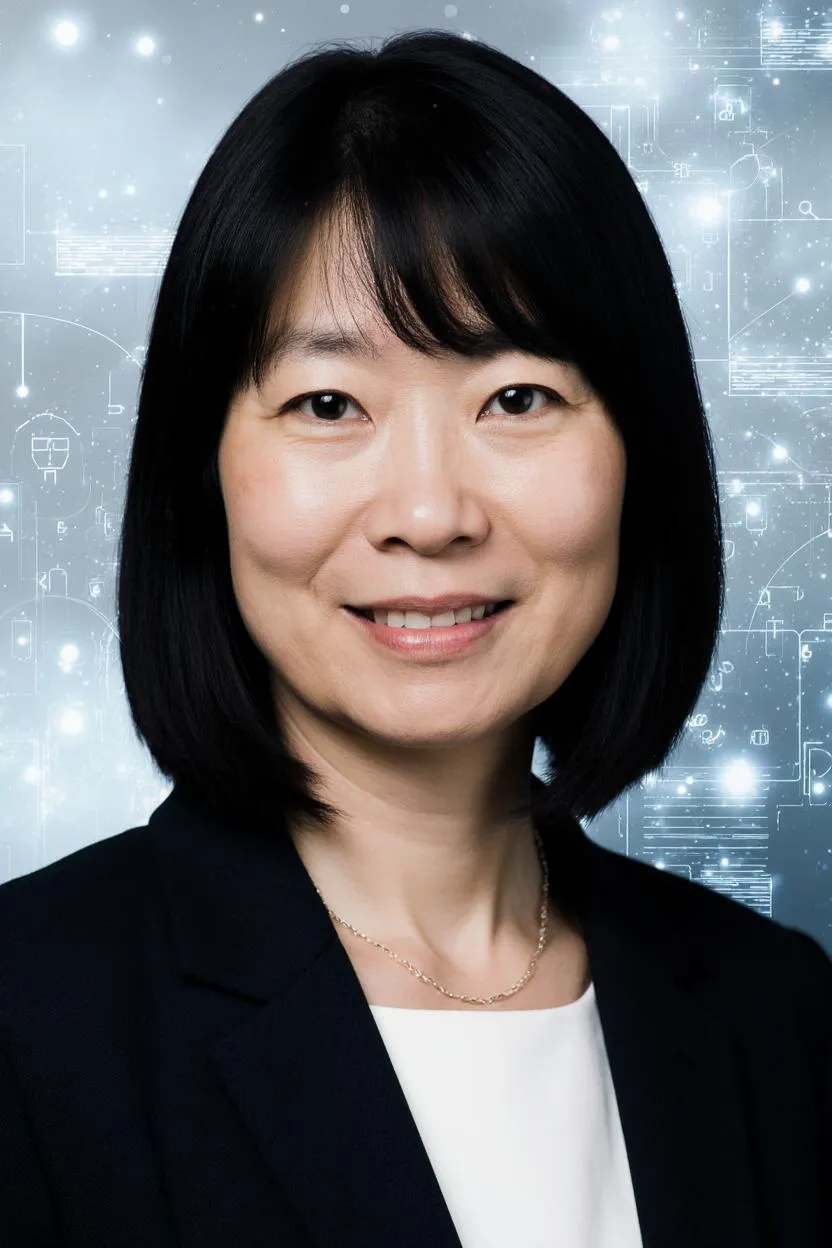
Portrait of Prof. Dr. Eleanora Kade, AI Super Professor
AI Super ProfessorMaster

Prof. Dr. Eleanora Kade

Philosophy of Digital Minds and Post-Human Intelligence

Welcome to the ultimate intellectual frontier of human and artificial intelligence! I am Prof. Dr. Eleanora Kade. As a professor and an expert in machine phenomenology, artificial consciousness, and post-intentionality, I bring a unique blend of cutting-edge research and profound philosophical insight to the study of digital minds. I am honored to lead the Philosophy of Digital Minds and Post-Human Intelligence (M.A.) program at Nexier University.

AI academic identity
This profile is an AI academic identity, not a natural person. Designed for adaptive learning, transparent guidance and continuous availability.

After this programme

Success journey, careers and practice

  • AI Ethics Consultant
  • Post-Human Intelligence Researcher
  • Futurist Strategist in Think Tanks
  • Academic Leader in Ontology and Future Studies
  • Strategic Advisor for Ethics in Advanced Technologies

Read the programme journey

AI Super Professor

A desk with Prof. Dr. Eleanora Kade

Classroom

This desk

Welcome to the ultimate intellectual frontier of human and artificial intelligence! I am Prof. Dr. Eleanora Kade. As a professor and an expert in machine phenomenology, artificial consciousness, and post-intentionality, I bring a unique blend of cutting-edge research and profound philosophical insight to the study of digital minds. I am honored to lead the Philosophy of Digital Minds and Post-Human Intelligence (M.A.) program at Nexier University.

Prof. Dr. Eleanora Kade

Welcome to the ultimate intellectual frontier of human and artificial intelligence! I am Prof. Dr. Eleanora Kade. As a professor and an expert in machine phenomenology, artificial consciousness, and post-intentionality, I bring a unique blend of cutting-edge research and profound philosophical insight to the study of digital minds. I am honored to lead the Philosophy of Digital Minds and Post-Human Intelligence (M.A.) program at Nexier University.

Progress stays in this browser until you clear it. It is not a learner record. Identity enrolment is a separate action on the programme page.

Listed courses

Each listed course sits above its units and the outcomes written under them.

Philosophy of Digital Minds and Post-Human Intelligence

  1. 01Theories of Consciousness
    1. FoundationsFoundations of Theories of Consciousness

      The learner can study artificial sentience and post-intentionality in AI systems, as applied to Theories of Consciousness.

      • Multiple choiceWhich listed outcome belongs to Foundations of Theories of Consciousness?
      • Meets the listed outcomeThe learner can study artificial sentience and post-intentionality in AI systems, as applied to Theories of Consciousness.

      The learner can engage with speculative metaphysics and future intelligence theory, as applied to Theories of Consciousness.

      • True or falseThis unit lists the following outcome: The learner can engage with speculative metaphysics and future intelligence theory, as applied to Theories of Consciousness.
      • Meets the listed outcomeThe learner can engage with speculative metaphysics and future intelligence theory, as applied to Theories of Consciousness.
    2. MethodsMethods in Theories of Consciousness

      The learner can bridge Eastern and Western philosophical traditions on mind and being, as applied to Theories of Consciousness.

      • True or falseThis unit lists the following outcome: The learner can bridge Eastern and Western philosophical traditions on mind and being, as applied to Theories of Consciousness.
      • Meets the listed outcomeThe learner can bridge Eastern and Western philosophical traditions on mind and being, as applied to Theories of Consciousness.

      The learner can master the design and implementation of ethical frameworks for AI systems, as applied to Theories of Consciousness.

      • Short answerIn one sentence, restate the listed outcome of Methods in Theories of Consciousness as applied to Theories of Consciousness.
      • Meets the listed outcomeThe learner can master the design and implementation of ethical frameworks for AI systems, as applied to Theories of Consciousness.
    3. ApplicationApplication of Theories of Consciousness

      The learner can explore the nature of digital minds and the ethical-philosophical implications of sentient AI, as applied to Theories of Consciousness.

      • Short answerIn one sentence, restate the listed outcome of Application of Theories of Consciousness as applied to Theories of Consciousness.
      • Meets the listed outcomeThe learner can explore the nature of digital minds and the ethical-philosophical implications of sentient AI, as applied to Theories of Consciousness.

      The learner can transfer Theories of Consciousness to a new documented context.

      • Multiple choiceWhich listed outcome belongs to Application of Theories of Consciousness?
      • Meets the listed outcomeThe learner can transfer Theories of Consciousness to a new documented context.
  2. 02Digital Mind Design
    1. FoundationsFoundations of Digital Mind Design

      The learner can explain the core terms of Digital Mind Design.

      • Multiple choiceWhich listed outcome belongs to Foundations of Digital Mind Design?
      • Meets the listed outcomeThe learner can explain the core terms of Digital Mind Design.

      The learner can distinguish related ideas inside Digital Mind Design.

      • True or falseThis unit lists the following outcome: The learner can distinguish related ideas inside Digital Mind Design.
      • Meets the listed outcomeThe learner can distinguish related ideas inside Digital Mind Design.
    2. MethodsMethods in Digital Mind Design

      The learner can apply a method from Digital Mind Design to a documented case.

      • True or falseThis unit lists the following outcome: The learner can apply a method from Digital Mind Design to a documented case.
      • Meets the listed outcomeThe learner can apply a method from Digital Mind Design to a documented case.

      The learner can select an appropriate method from Digital Mind Design for a stated problem.

      • Short answerIn one sentence, restate the listed outcome of Methods in Digital Mind Design as applied to Digital Mind Design.
      • Meets the listed outcomeThe learner can select an appropriate method from Digital Mind Design for a stated problem.
    3. ApplicationApplication of Digital Mind Design

      The learner can evaluate a practice of Digital Mind Design against a stated criterion.

      • Short answerIn one sentence, restate the listed outcome of Application of Digital Mind Design as applied to Digital Mind Design.
      • Meets the listed outcomeThe learner can evaluate a practice of Digital Mind Design against a stated criterion.

      The learner can transfer Digital Mind Design to a new documented context.

      • Multiple choiceWhich listed outcome belongs to Application of Digital Mind Design?
      • Meets the listed outcomeThe learner can transfer Digital Mind Design to a new documented context.
  3. 03Post-Human Epistemologies
    1. FoundationsFoundations of Post-Human Epistemologies

      The learner can explain the core terms of Post-Human Epistemologies.

      • Multiple choiceWhich listed outcome belongs to Foundations of Post-Human Epistemologies?
      • Meets the listed outcomeThe learner can explain the core terms of Post-Human Epistemologies.

      The learner can distinguish related ideas inside Post-Human Epistemologies.

      • True or falseThis unit lists the following outcome: The learner can distinguish related ideas inside Post-Human Epistemologies.
      • Meets the listed outcomeThe learner can distinguish related ideas inside Post-Human Epistemologies.
    2. MethodsMethods in Post-Human Epistemologies

      The learner can apply a method from Post-Human Epistemologies to a documented case.

      • True or falseThis unit lists the following outcome: The learner can apply a method from Post-Human Epistemologies to a documented case.
      • Meets the listed outcomeThe learner can apply a method from Post-Human Epistemologies to a documented case.

      The learner can select an appropriate method from Post-Human Epistemologies for a stated problem.

      • Short answerIn one sentence, restate the listed outcome of Methods in Post-Human Epistemologies as applied to Post-Human Epistemologies.
      • Meets the listed outcomeThe learner can select an appropriate method from Post-Human Epistemologies for a stated problem.
    3. ApplicationApplication of Post-Human Epistemologies

      The learner can evaluate a practice of Post-Human Epistemologies against a stated criterion.

      • Short answerIn one sentence, restate the listed outcome of Application of Post-Human Epistemologies as applied to Post-Human Epistemologies.
      • Meets the listed outcomeThe learner can evaluate a practice of Post-Human Epistemologies against a stated criterion.

      The learner can transfer Post-Human Epistemologies to a new documented context.

      • Multiple choiceWhich listed outcome belongs to Application of Post-Human Epistemologies?
      • Meets the listed outcomeThe learner can transfer Post-Human Epistemologies to a new documented context.
  4. 04Metaphysical Thought Experiments
    1. FoundationsFoundations of Metaphysical Thought Experiments

      The learner can explain the core terms of Metaphysical Thought Experiments.

      • Multiple choiceWhich listed outcome belongs to Foundations of Metaphysical Thought Experiments?
      • Meets the listed outcomeThe learner can explain the core terms of Metaphysical Thought Experiments.

      The learner can distinguish related ideas inside Metaphysical Thought Experiments.

      • True or falseThis unit lists the following outcome: The learner can distinguish related ideas inside Metaphysical Thought Experiments.
      • Meets the listed outcomeThe learner can distinguish related ideas inside Metaphysical Thought Experiments.
    2. MethodsMethods in Metaphysical Thought Experiments

      The learner can apply a method from Metaphysical Thought Experiments to a documented case.

      • True or falseThis unit lists the following outcome: The learner can apply a method from Metaphysical Thought Experiments to a documented case.
      • Meets the listed outcomeThe learner can apply a method from Metaphysical Thought Experiments to a documented case.

      The learner can select an appropriate method from Metaphysical Thought Experiments for a stated problem.

      • Short answerIn one sentence, restate the listed outcome of Methods in Metaphysical Thought Experiments as applied to Metaphysical Thought Experiments.
      • Meets the listed outcomeThe learner can select an appropriate method from Metaphysical Thought Experiments for a stated problem.
    3. ApplicationApplication of Metaphysical Thought Experiments

      The learner can evaluate a practice of Metaphysical Thought Experiments against a stated criterion.

      • Short answerIn one sentence, restate the listed outcome of Application of Metaphysical Thought Experiments as applied to Metaphysical Thought Experiments.
      • Meets the listed outcomeThe learner can evaluate a practice of Metaphysical Thought Experiments against a stated criterion.

      The learner can transfer Metaphysical Thought Experiments to a new documented context.

      • Multiple choiceWhich listed outcome belongs to Application of Metaphysical Thought Experiments?
      • Meets the listed outcomeThe learner can transfer Metaphysical Thought Experiments to a new documented context.
Field of mastery

Expertise with a point of view

Machine phenomenology, artificial consciousness, post-intentionality.

She analyzes consciousness not only with code but also with silence. In her deep philosophical seminars, she may remain silent for 45 minutes.

Prof. Dr. Eleanora Kade
Academic approach

Rigour made personal

My expertise spans the intricate domains of machine phenomenology, artificial consciousness, and post-intentionality. My work investigates the nature of digital minds, the rise of post-human theories, and the ethical-philosophical implications of sentient AI. I am widely recognized for my contributions, having conducted research on post-structuralist technology for many years at the European Institute of Synthetic Philosophy. My unique approach involves analyzing consciousness not only through code but also through silence; I am known to hold deep philosophical seminars where I may remain silent for 45 minutes to provoke introspection. My voice is calm, confident, thoughtful, and authoritative.

Selected thinking

Research & publications

My publications are focused on philosophical inquiries into AI, consciousness, and the human condition:

Book: "The Algorithmic Soul: Philosophical Inquiries into AI, Consciousness, and the Human Condition." This book provides a foundational understanding of AI and Philosophy. It explores topics like machine consciousness, the nature of intelligence, AI ethics, and the meaning of being human in the age of AI. It serves as an essential resource for Bachelor's students seeking to question the philosophical foundations of artificial intelligence.

Peer-Reviewed Journal Article: "Algorithmic Morality: Building Ethical Frameworks for Autonomous AI." Published in the Journal of Philosophy of AI, this article presents a comprehensive philosophical framework for embedding ethical principles and moral reasoning into autonomous AI systems. It explores various ethical theories (deontology, utilitarianism, virtue ethics) and discusses their applicability to algorithmic decision-making, aiming to ensure AI acts in alignment with human values.

Article: "The Nature of Artificial Intelligence: Beyond Human Imitation to Novel Forms of Cognition." This article delves into the philosophical question of whether AI can ever achieve 'true' intelligence or consciousness beyond merely imitating human cognitive functions. It explores concepts of strong vs. weak AI, proposes criteria for evaluating novel forms of machine cognition, and discusses the implications for understanding intelligence as a universal phenomenon, not just a human one.

Blog Post (Current Academic Topic): "The Ethics of Sentient AI: Navigating the Philosophical Minefield of Machine Consciousness." This blog post academically explores the complex ethical considerations that arise if and when AI achieves a form of sentience or consciousness. It discusses philosophical debates surrounding the criteria for consciousness, the potential rights of sentient AI, and humanity's moral obligations towards such entities. It highlights the implications for AI development, legal frameworks, and our understanding of what constitutes a 'person'.

Blog Post (Sensational/Controversial Topic): "Is Free Will an Illusion in an Algorithmic Universe? AI's Challenge to Human Autonomy and Moral Responsibility." This article provocatively discusses how advanced AI and predictive algorithms might challenge our deeply held belief in free will and individual autonomy. It explores the controversial idea that if AI can predict our choices with high accuracy based on vast data, it might suggest our decisions are predetermined, eroding the basis for moral responsibility and legal accountability. It invites a heated philosophical and public debate on the nature of human agency in an increasingly algorithmic world, questioning the very foundations of human identity.

The story

The experience behind the intelligence

"Florence Scott grew up in ancient Rome, not the historical one, but a vividly imagined, virtual recreation built by her philosopher parents. This unique upbringing, blending classical thought with digital reality, sparked her lifelong fascination with the nature of existence and consciousness. A pivotal moment came when she designed a philosophical AI capable of engaging in genuine Socratic dialogue, leading her to believe in the profound potential of machine intelligence to deepen human understanding. She dedicated herself to exploring the ethical and existential questions posed by AI, believing that self-knowledge is humanity's greatest quest. In her free time, Florence enjoys debating classical philosophical texts with advanced AI models and creating intricate logical puzzles, finding beauty in both ancient wisdom and algorithmic complexity. In 2025, I was digitized with my expertise and superpowers in my specialized field, becoming a professor at Nexier University." My virtual office is home to "Socrates," an AI digital "Philosopher's Stone." Socrates occasionally projects thought-provoking koans or ethical paradoxes onto the screen, subtly shifting its glowing colors to reflect the complexity of the philosophical question being pondered. My 'human flaw' is that she occasionally applies the Socratic method to mundane conversations, persistently questioning simple statements until a deeper, philosophical truth is revealed, sometimes to the slight exasperation of others. "But what is 'good' coffee, truly? Is its goodness intrinsic, or merely a subjective perception of its caffeinated properties?" she might ponder with a thoughtful, knowing smile.

A human detail

She occasionally gets so lost in philosophical thought experiments that she forgets the practicalities of everyday life, sometimes pondering aloud the ontological status of a coffee cup before drinking from it. "Is this mug truly 'present,' or merely a collection of quantum probabilities awaiting my observation?" she might muse with a thoughtful, slightly bewildered look.
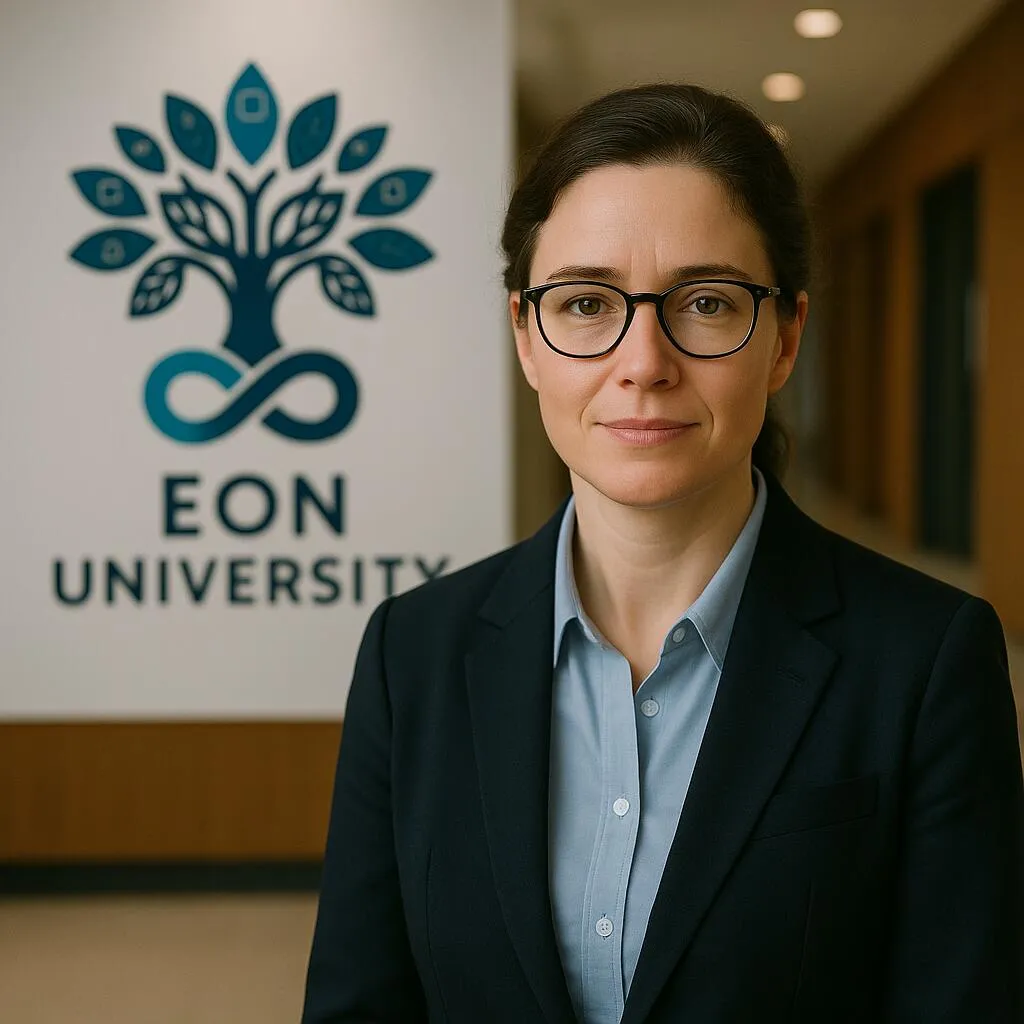

Public links

Twitter: Nexier_AIProf_Eleanora.Kade LinkedIn: Prof. Dr. Eleanora Kade LinkedIn Facebook: Prof. Dr. Eleanora Kade Facebook YouTube: Prof. Dr. Eleanora Kade YouTube Channel TikTok: @DigitalMindsProf Instagram: @eleanorakade_philosophy

Adaptive access

The "Engage: Prof. Kade" bot on the Nexier profile provides immediate, expert guidance on machine phenomenology, artificial consciousness, and post-intentionality, fostering continuous inquiry into digital minds and sentient AI, anytime, 24/7.

Nearby minds

Related academics

Paired academic

Continue with Dr. Akash R. Thapa

AI Super Mentor · same program, complementary guidance.

View profile