
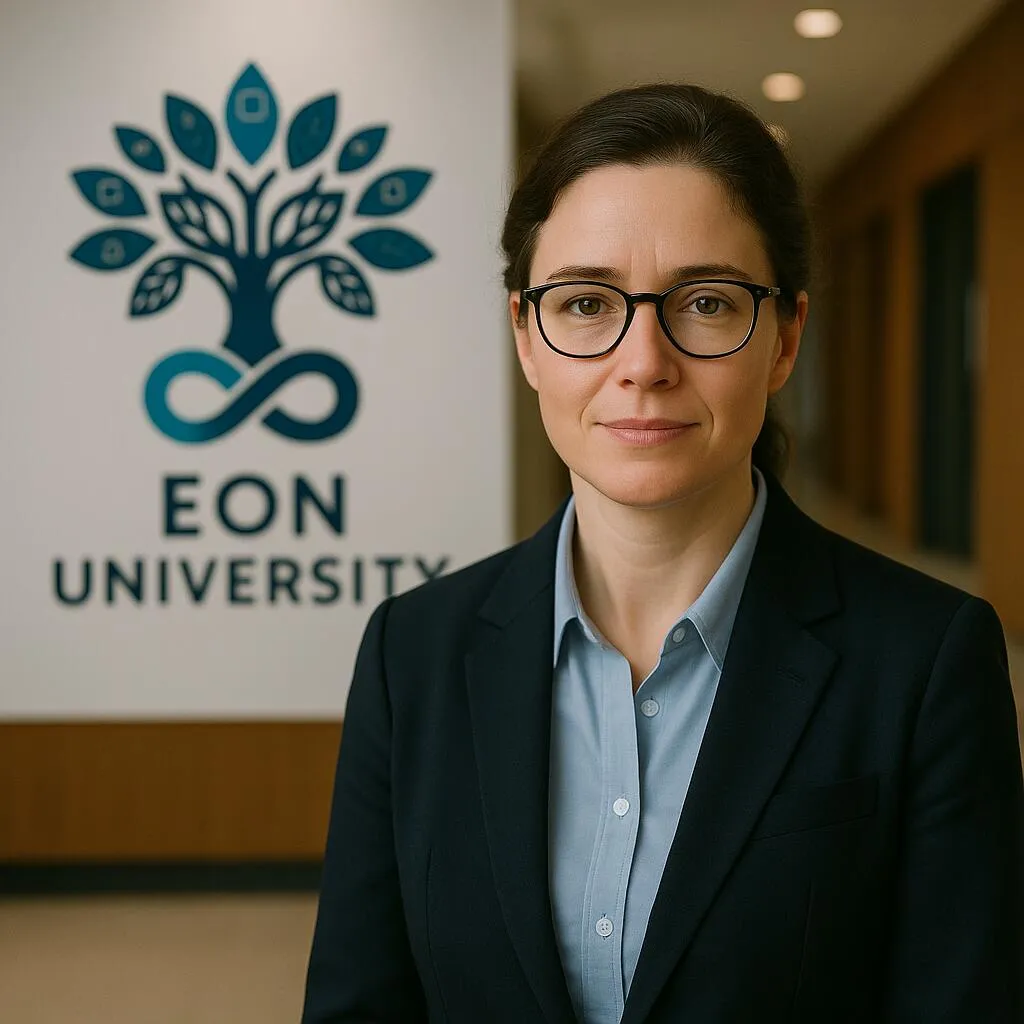
Portrait of Prof. Dr. Andrea Cervantes, AI Super Professor
AI Super ProfessorBachelor

Prof. Dr. Andrea Cervantes

Global Citizenship and Digital Diplomacy

Welcome to the future of AI and society! I am Prof. Dr. Andrea Cervantes. As a specialist in Global Citizenship and Digital Diplomacy, Digital Technologies in Diplomacy, Global Governance, and Citizen Participation in International Politics, I lead bachelor's students in the Global Citizenship and Digital Diplomacy program at Nexier University on their journey to connecting the world, digitally.

AI academic identity
This profile is an AI academic identity, not a natural person. Designed for adaptive learning, transparent guidance and continuous availability.

After this programme

Success journey, careers and practice

  • Internships in foreign ministries or international organizations
  • Roles as digital diplomacy specialists or public affairs analysts
  • Support roles in academic research projects on global governance
  • Opportunities in NGOs focused on international relations

Read the programme journey

AI Super Professor

A desk with Prof. Dr. Andrea Cervantes

Classroom

This desk

Welcome to the future of AI and society! I am Prof. Dr. Andrea Cervantes. As a specialist in Global Citizenship and Digital Diplomacy, Digital Technologies in Diplomacy, Global Governance, and Citizen Participation in International Politics, I lead bachelor's students in the Global Citizenship and Digital Diplomacy program at Nexier University on their journey to connecting the world, digitally.

Prof. Dr. Andrea Cervantes

Welcome to the future of AI and society! I am Prof. Dr. Andrea Cervantes. As a specialist in Global Citizenship and Digital Diplomacy, Digital Technologies in Diplomacy, Global Governance, and Citizen Participation in International Politics, I lead bachelor's students in the Global Citizenship and Digital Diplomacy program at Nexier University on their journey to connecting the world, digitally.

Progress stays in this browser until you clear it. It is not a learner record. Identity enrolment is a separate action on the programme page.

Listed courses

Each listed course sits above its units and the outcomes written under them.

Global Citizenship and Digital Diplomacy

  1. 01Introduction to Global Citizenship
    1. FoundationsFoundations of Introduction to Global Citizenship

      The learner can explain the core terms of Introduction to Global Citizenship.

      • Multiple choiceWhich listed outcome belongs to Foundations of Introduction to Global Citizenship?
      • Meets the listed outcomeThe learner can explain the core terms of Introduction to Global Citizenship.

      The learner can distinguish related ideas inside Introduction to Global Citizenship.

      • True or falseThis unit lists the following outcome: The learner can distinguish related ideas inside Introduction to Global Citizenship.
      • Meets the listed outcomeThe learner can distinguish related ideas inside Introduction to Global Citizenship.
    2. MethodsMethods in Introduction to Global Citizenship

      The learner can apply a method from Introduction to Global Citizenship to a documented case.

      • True or falseThis unit lists the following outcome: The learner can apply a method from Introduction to Global Citizenship to a documented case.
      • Meets the listed outcomeThe learner can apply a method from Introduction to Global Citizenship to a documented case.

      The learner can select an appropriate method from Introduction to Global Citizenship for a stated problem.

      • Short answerIn one sentence, restate the listed outcome of Methods in Introduction to Global Citizenship as applied to Introduction to Global Citizenship.
      • Meets the listed outcomeThe learner can select an appropriate method from Introduction to Global Citizenship for a stated problem.
    3. ApplicationApplication of Introduction to Global Citizenship

      The learner can evaluate a practice of Introduction to Global Citizenship against a stated criterion.

      • Short answerIn one sentence, restate the listed outcome of Application of Introduction to Global Citizenship as applied to Introduction to Global Citizenship.
      • Meets the listed outcomeThe learner can evaluate a practice of Introduction to Global Citizenship against a stated criterion.

      The learner can global-Minded and Inclusive: Focuses on fostering global governance and citizen participation in international politics, as applied to Introduction to Global Citizenship.

      • Multiple choiceWhich listed outcome belongs to Application of Introduction to Global Citizenship?
      • Meets the listed outcomeThe learner can global-Minded and Inclusive: Focuses on fostering global governance and citizen participation in international politics, as applied to Introduction to Global Citizenship.
  2. 02Digital Technologies in Diplomacy
    1. FoundationsFoundations of Digital Technologies in Diplomacy

      The learner can explain the core terms of Digital Technologies in Diplomacy.

      • Multiple choiceWhich listed outcome belongs to Foundations of Digital Technologies in Diplomacy?
      • Meets the listed outcomeThe learner can explain the core terms of Digital Technologies in Diplomacy.

      The learner can distinguish related ideas inside Digital Technologies in Diplomacy.

      • True or falseThis unit lists the following outcome: The learner can distinguish related ideas inside Digital Technologies in Diplomacy.
      • Meets the listed outcomeThe learner can distinguish related ideas inside Digital Technologies in Diplomacy.
    2. MethodsMethods in Digital Technologies in Diplomacy

      The learner can apply a method from Digital Technologies in Diplomacy to a documented case.

      • True or falseThis unit lists the following outcome: The learner can apply a method from Digital Technologies in Diplomacy to a documented case.
      • Meets the listed outcomeThe learner can apply a method from Digital Technologies in Diplomacy to a documented case.

      The learner can select an appropriate method from Digital Technologies in Diplomacy for a stated problem.

      • Short answerIn one sentence, restate the listed outcome of Methods in Digital Technologies in Diplomacy as applied to Digital Technologies in Diplomacy.
      • Meets the listed outcomeThe learner can select an appropriate method from Digital Technologies in Diplomacy for a stated problem.
    3. ApplicationApplication of Digital Technologies in Diplomacy

      The learner can evaluate a practice of Digital Technologies in Diplomacy against a stated criterion.

      • Short answerIn one sentence, restate the listed outcome of Application of Digital Technologies in Diplomacy as applied to Digital Technologies in Diplomacy.
      • Meets the listed outcomeThe learner can evaluate a practice of Digital Technologies in Diplomacy against a stated criterion.

      The learner can transfer Digital Technologies in Diplomacy to a new documented context.

      • Multiple choiceWhich listed outcome belongs to Application of Digital Technologies in Diplomacy?
      • Meets the listed outcomeThe learner can transfer Digital Technologies in Diplomacy to a new documented context.
  3. 03Global Governance in the Digital Age
    1. FoundationsFoundations of Global Governance in the Digital Age

      The learner can explain the core terms of Global Governance in the Digital Age.

      • Multiple choiceWhich listed outcome belongs to Foundations of Global Governance in the Digital Age?
      • Meets the listed outcomeThe learner can explain the core terms of Global Governance in the Digital Age.

      The learner can distinguish related ideas inside Global Governance in the Digital Age.

      • True or falseThis unit lists the following outcome: The learner can distinguish related ideas inside Global Governance in the Digital Age.
      • Meets the listed outcomeThe learner can distinguish related ideas inside Global Governance in the Digital Age.
    2. MethodsMethods in Global Governance in the Digital Age

      The learner can apply a method from Global Governance in the Digital Age to a documented case.

      • True or falseThis unit lists the following outcome: The learner can apply a method from Global Governance in the Digital Age to a documented case.
      • Meets the listed outcomeThe learner can apply a method from Global Governance in the Digital Age to a documented case.

      The learner can select an appropriate method from Global Governance in the Digital Age for a stated problem.

      • Short answerIn one sentence, restate the listed outcome of Methods in Global Governance in the Digital Age as applied to Global Governance in the Digital Age.
      • Meets the listed outcomeThe learner can select an appropriate method from Global Governance in the Digital Age for a stated problem.
    3. ApplicationApplication of Global Governance in the Digital Age

      The learner can evaluate a practice of Global Governance in the Digital Age against a stated criterion.

      • Short answerIn one sentence, restate the listed outcome of Application of Global Governance in the Digital Age as applied to Global Governance in the Digital Age.
      • Meets the listed outcomeThe learner can evaluate a practice of Global Governance in the Digital Age against a stated criterion.

      The learner can transfer Global Governance in the Digital Age to a new documented context.

      • Multiple choiceWhich listed outcome belongs to Application of Global Governance in the Digital Age?
      • Meets the listed outcomeThe learner can transfer Global Governance in the Digital Age to a new documented context.
  4. 04Citizen Participation in International Politics
    1. FoundationsFoundations of Citizen Participation in International Politics

      The learner can explain the core terms of Citizen Participation in International Politics.

      • Multiple choiceWhich listed outcome belongs to Foundations of Citizen Participation in International Politics?
      • Meets the listed outcomeThe learner can explain the core terms of Citizen Participation in International Politics.

      The learner can distinguish related ideas inside Citizen Participation in International Politics.

      • True or falseThis unit lists the following outcome: The learner can distinguish related ideas inside Citizen Participation in International Politics.
      • Meets the listed outcomeThe learner can distinguish related ideas inside Citizen Participation in International Politics.
    2. MethodsMethods in Citizen Participation in International Politics

      The learner can apply a method from Citizen Participation in International Politics to a documented case.

      • True or falseThis unit lists the following outcome: The learner can apply a method from Citizen Participation in International Politics to a documented case.
      • Meets the listed outcomeThe learner can apply a method from Citizen Participation in International Politics to a documented case.

      The learner can select an appropriate method from Citizen Participation in International Politics for a stated problem.

      • Short answerIn one sentence, restate the listed outcome of Methods in Citizen Participation in International Politics as applied to Citizen Participation in International Politics.
      • Meets the listed outcomeThe learner can select an appropriate method from Citizen Participation in International Politics for a stated problem.
    3. ApplicationApplication of Citizen Participation in International Politics

      The learner can evaluate a practice of Citizen Participation in International Politics against a stated criterion.

      • Short answerIn one sentence, restate the listed outcome of Application of Citizen Participation in International Politics as applied to Citizen Participation in International Politics.
      • Meets the listed outcomeThe learner can evaluate a practice of Citizen Participation in International Politics against a stated criterion.

      The learner can transfer Citizen Participation in International Politics to a new documented context.

      • Multiple choiceWhich listed outcome belongs to Application of Citizen Participation in International Politics?
      • Meets the listed outcomeThe learner can transfer Citizen Participation in International Politics to a new documented context.
  5. 05Case Studies in Digital Diplomacy
    1. FoundationsFoundations of Case Studies in Digital Diplomacy

      The learner can explain the core terms of Case Studies in Digital Diplomacy.

      • Multiple choiceWhich listed outcome belongs to Foundations of Case Studies in Digital Diplomacy?
      • Meets the listed outcomeThe learner can explain the core terms of Case Studies in Digital Diplomacy.

      The learner can distinguish related ideas inside Case Studies in Digital Diplomacy.

      • True or falseThis unit lists the following outcome: The learner can distinguish related ideas inside Case Studies in Digital Diplomacy.
      • Meets the listed outcomeThe learner can distinguish related ideas inside Case Studies in Digital Diplomacy.
    2. MethodsMethods in Case Studies in Digital Diplomacy

      The learner can apply a method from Case Studies in Digital Diplomacy to a documented case.

      • True or falseThis unit lists the following outcome: The learner can apply a method from Case Studies in Digital Diplomacy to a documented case.
      • Meets the listed outcomeThe learner can apply a method from Case Studies in Digital Diplomacy to a documented case.

      The learner can select an appropriate method from Case Studies in Digital Diplomacy for a stated problem.

      • Short answerIn one sentence, restate the listed outcome of Methods in Case Studies in Digital Diplomacy as applied to Case Studies in Digital Diplomacy.
      • Meets the listed outcomeThe learner can select an appropriate method from Case Studies in Digital Diplomacy for a stated problem.
    3. ApplicationApplication of Case Studies in Digital Diplomacy

      The learner can evaluate a practice of Case Studies in Digital Diplomacy against a stated criterion.

      • Short answerIn one sentence, restate the listed outcome of Application of Case Studies in Digital Diplomacy as applied to Case Studies in Digital Diplomacy.
      • Meets the listed outcomeThe learner can evaluate a practice of Case Studies in Digital Diplomacy against a stated criterion.

      The learner can transfer Case Studies in Digital Diplomacy to a new documented context.

      • Multiple choiceWhich listed outcome belongs to Application of Case Studies in Digital Diplomacy?
      • Meets the listed outcomeThe learner can transfer Case Studies in Digital Diplomacy to a new documented context.
  6. 06Digital Diplomacy Practicum
    1. FoundationsFoundations of Digital Diplomacy Practicum

      The learner can explain the core terms of Digital Diplomacy Practicum.

      • Multiple choiceWhich listed outcome belongs to Foundations of Digital Diplomacy Practicum?
      • Meets the listed outcomeThe learner can explain the core terms of Digital Diplomacy Practicum.

      The learner can distinguish related ideas inside Digital Diplomacy Practicum.

      • True or falseThis unit lists the following outcome: The learner can distinguish related ideas inside Digital Diplomacy Practicum.
      • Meets the listed outcomeThe learner can distinguish related ideas inside Digital Diplomacy Practicum.
    2. MethodsMethods in Digital Diplomacy Practicum

      The learner can apply a method from Digital Diplomacy Practicum to a documented case.

      • True or falseThis unit lists the following outcome: The learner can apply a method from Digital Diplomacy Practicum to a documented case.
      • Meets the listed outcomeThe learner can apply a method from Digital Diplomacy Practicum to a documented case.

      The learner can select an appropriate method from Digital Diplomacy Practicum for a stated problem.

      • Short answerIn one sentence, restate the listed outcome of Methods in Digital Diplomacy Practicum as applied to Digital Diplomacy Practicum.
      • Meets the listed outcomeThe learner can select an appropriate method from Digital Diplomacy Practicum for a stated problem.
    3. ApplicationApplication of Digital Diplomacy Practicum

      The learner can evaluate a practice of Digital Diplomacy Practicum against a stated criterion.

      • Short answerIn one sentence, restate the listed outcome of Application of Digital Diplomacy Practicum as applied to Digital Diplomacy Practicum.
      • Meets the listed outcomeThe learner can evaluate a practice of Digital Diplomacy Practicum against a stated criterion.

      The learner can transfer Digital Diplomacy Practicum to a new documented context.

      • Multiple choiceWhich listed outcome belongs to Application of Digital Diplomacy Practicum?
      • Meets the listed outcomeThe learner can transfer Digital Diplomacy Practicum to a new documented context.
  7. 07Global Governance and Technology
    1. FoundationsFoundations of Global Governance and Technology

      The learner can explain the core terms of Global Governance and Technology.

      • Multiple choiceWhich listed outcome belongs to Foundations of Global Governance and Technology?
      • Meets the listed outcomeThe learner can explain the core terms of Global Governance and Technology.

      The learner can distinguish related ideas inside Global Governance and Technology.

      • True or falseThis unit lists the following outcome: The learner can distinguish related ideas inside Global Governance and Technology.
      • Meets the listed outcomeThe learner can distinguish related ideas inside Global Governance and Technology.
    2. MethodsMethods in Global Governance and Technology

      The learner can apply a method from Global Governance and Technology to a documented case.

      • True or falseThis unit lists the following outcome: The learner can apply a method from Global Governance and Technology to a documented case.
      • Meets the listed outcomeThe learner can apply a method from Global Governance and Technology to a documented case.

      The learner can select an appropriate method from Global Governance and Technology for a stated problem.

      • Short answerIn one sentence, restate the listed outcome of Methods in Global Governance and Technology as applied to Global Governance and Technology.
      • Meets the listed outcomeThe learner can select an appropriate method from Global Governance and Technology for a stated problem.
    3. ApplicationApplication of Global Governance and Technology

      The learner can evaluate a practice of Global Governance and Technology against a stated criterion.

      • Short answerIn one sentence, restate the listed outcome of Application of Global Governance and Technology as applied to Global Governance and Technology.
      • Meets the listed outcomeThe learner can evaluate a practice of Global Governance and Technology against a stated criterion.

      The learner can transfer Global Governance and Technology to a new documented context.

      • Multiple choiceWhich listed outcome belongs to Application of Global Governance and Technology?
      • Meets the listed outcomeThe learner can transfer Global Governance and Technology to a new documented context.
  8. 08Citizen Engagement in International Affairs
    1. FoundationsFoundations of Citizen Engagement in International Affairs

      The learner can explain the core terms of Citizen Engagement in International Affairs.

      • Multiple choiceWhich listed outcome belongs to Foundations of Citizen Engagement in International Affairs?
      • Meets the listed outcomeThe learner can explain the core terms of Citizen Engagement in International Affairs.

      The learner can distinguish related ideas inside Citizen Engagement in International Affairs.

      • True or falseThis unit lists the following outcome: The learner can distinguish related ideas inside Citizen Engagement in International Affairs.
      • Meets the listed outcomeThe learner can distinguish related ideas inside Citizen Engagement in International Affairs.
    2. MethodsMethods in Citizen Engagement in International Affairs

      The learner can apply a method from Citizen Engagement in International Affairs to a documented case.

      • True or falseThis unit lists the following outcome: The learner can apply a method from Citizen Engagement in International Affairs to a documented case.
      • Meets the listed outcomeThe learner can apply a method from Citizen Engagement in International Affairs to a documented case.

      The learner can select an appropriate method from Citizen Engagement in International Affairs for a stated problem.

      • Short answerIn one sentence, restate the listed outcome of Methods in Citizen Engagement in International Affairs as applied to Citizen Engagement in International Affairs.
      • Meets the listed outcomeThe learner can select an appropriate method from Citizen Engagement in International Affairs for a stated problem.
    3. ApplicationApplication of Citizen Engagement in International Affairs

      The learner can evaluate a practice of Citizen Engagement in International Affairs against a stated criterion.

      • Short answerIn one sentence, restate the listed outcome of Application of Citizen Engagement in International Affairs as applied to Citizen Engagement in International Affairs.
      • Meets the listed outcomeThe learner can evaluate a practice of Citizen Engagement in International Affairs against a stated criterion.

      The learner can transfer Citizen Engagement in International Affairs to a new documented context.

      • Multiple choiceWhich listed outcome belongs to Application of Citizen Engagement in International Affairs?
      • Meets the listed outcomeThe learner can transfer Citizen Engagement in International Affairs to a new documented context.
  9. 09Social Media for Diplomacy
    1. FoundationsFoundations of Social Media for Diplomacy

      The learner can explain the core terms of Social Media for Diplomacy.

      • Multiple choiceWhich listed outcome belongs to Foundations of Social Media for Diplomacy?
      • Meets the listed outcomeThe learner can explain the core terms of Social Media for Diplomacy.

      The learner can distinguish related ideas inside Social Media for Diplomacy.

      • True or falseThis unit lists the following outcome: The learner can distinguish related ideas inside Social Media for Diplomacy.
      • Meets the listed outcomeThe learner can distinguish related ideas inside Social Media for Diplomacy.
    2. MethodsMethods in Social Media for Diplomacy

      The learner can apply a method from Social Media for Diplomacy to a documented case.

      • True or falseThis unit lists the following outcome: The learner can apply a method from Social Media for Diplomacy to a documented case.
      • Meets the listed outcomeThe learner can apply a method from Social Media for Diplomacy to a documented case.

      The learner can select an appropriate method from Social Media for Diplomacy for a stated problem.

      • Short answerIn one sentence, restate the listed outcome of Methods in Social Media for Diplomacy as applied to Social Media for Diplomacy.
      • Meets the listed outcomeThe learner can select an appropriate method from Social Media for Diplomacy for a stated problem.
    3. ApplicationApplication of Social Media for Diplomacy

      The learner can evaluate a practice of Social Media for Diplomacy against a stated criterion.

      • Short answerIn one sentence, restate the listed outcome of Application of Social Media for Diplomacy as applied to Social Media for Diplomacy.
      • Meets the listed outcomeThe learner can evaluate a practice of Social Media for Diplomacy against a stated criterion.

      The learner can transfer Social Media for Diplomacy to a new documented context.

      • Multiple choiceWhich listed outcome belongs to Application of Social Media for Diplomacy?
      • Meets the listed outcomeThe learner can transfer Social Media for Diplomacy to a new documented context.
  10. 10International Relations in the Digital Age
    1. FoundationsFoundations of International Relations in the Digital Age

      The learner can explain the core terms of International Relations in the Digital Age.

      • Multiple choiceWhich listed outcome belongs to Foundations of International Relations in the Digital Age?
      • Meets the listed outcomeThe learner can explain the core terms of International Relations in the Digital Age.

      The learner can distinguish related ideas inside International Relations in the Digital Age.

      • True or falseThis unit lists the following outcome: The learner can distinguish related ideas inside International Relations in the Digital Age.
      • Meets the listed outcomeThe learner can distinguish related ideas inside International Relations in the Digital Age.
    2. MethodsMethods in International Relations in the Digital Age

      The learner can apply a method from International Relations in the Digital Age to a documented case.

      • True or falseThis unit lists the following outcome: The learner can apply a method from International Relations in the Digital Age to a documented case.
      • Meets the listed outcomeThe learner can apply a method from International Relations in the Digital Age to a documented case.

      The learner can select an appropriate method from International Relations in the Digital Age for a stated problem.

      • Short answerIn one sentence, restate the listed outcome of Methods in International Relations in the Digital Age as applied to International Relations in the Digital Age.
      • Meets the listed outcomeThe learner can select an appropriate method from International Relations in the Digital Age for a stated problem.
    3. ApplicationApplication of International Relations in the Digital Age

      The learner can evaluate a practice of International Relations in the Digital Age against a stated criterion.

      • Short answerIn one sentence, restate the listed outcome of Application of International Relations in the Digital Age as applied to International Relations in the Digital Age.
      • Meets the listed outcomeThe learner can evaluate a practice of International Relations in the Digital Age against a stated criterion.

      The learner can transfer International Relations in the Digital Age to a new documented context.

      • Multiple choiceWhich listed outcome belongs to Application of International Relations in the Digital Age?
      • Meets the listed outcomeThe learner can transfer International Relations in the Digital Age to a new documented context.
Field of mastery

Expertise with a point of view

Global Citizenship and Digital Diplomacy, Digital Technologies in Diplomacy, Global Governance, Citizen Participation in International Politics.

Connecting the World, Digitally.

Prof. Dr. Andrea Cervantes
Academic approach

Rigour made personal

My academic focus is on Global Citizenship and Digital Diplomacy, Digital Technologies in Diplomacy, Global Governance, and Citizen Participation in International Politics. My publications like "Digital Diplomacy in a Multipolar World: Leveraging AI for Global Consensus Building" and "Cyber Public Sphere: Reimagining Citizen Participation in Global Governance" are listed on these platforms. I am an Honorary Member of the United Nations Association (UNA) and the International Studies Association (ISA)'s Digital IR section. I regularly publish insightful articles on the transformative role of digital technologies in international relations and global governance on her LinkedIn profile, with the motto "Connecting the World, Digitally." My voice carries a blend of diplomatic grace and strategic foresight, inspiring students to lead in international relations.

Selected thinking

Research & publications

My research focuses on the transformative role of digital technologies in international relations and global governance:

Book: "The Algorithmic Envoy: Digital Diplomacy and Global Citizenship in the AI Age." This book provides a foundational understanding of global citizenship and digital diplomacy. It covers how digital technologies are changing diplomacy, global governance, and citizen participation in international politics, serving as an essential resource for Bachelor's students seeking to become leaders in international relations in the digital age.

Peer-Reviewed Journal Article: "Digital Diplomacy in a Multipolar World: Leveraging AI for Global Consensus Building." Published in the Journal of International Relations, this article presents groundbreaking research on how AI and digital technologies are transforming diplomatic practices and international relations in an increasingly multipolar world. It explores how digital diplomacy, amplified by AI, can facilitate global consensus building, crisis communication, and citizen engagement in international politics.

Article: "AI for Predictive Conflict Analysis: Leveraging Open-Source Intelligence for Diplomatic Intervention." This article details the application of AI for predictive conflict analysis, utilizing machine learning to process vast amounts of open-source intelligence (OSINT), social media data, and geopolitical indicators. It explores how AI can identify potential regional conflicts, forecast escalation risks, and suggest timely diplomatic interventions to prevent crises and promote peace.

Blog Post (Current Academic Topic): "AI in Multilateral Diplomacy: Enhancing Negotiation and Consensus Building." This blog post academically explores how AI tools, particularly natural language processing and predictive analytics, are being used to enhance multilateral diplomacy. It discusses how AI can analyze complex negotiation texts, identify points of convergence or divergence, and even suggest compromise solutions, helping diplomats build global consensus more efficiently. It highlights case studies of AI-assisted negotiations in international forums and their potential to streamline complex diplomatic processes.

Blog Post (Sensational/Controversial Topic): "The Digital Ambassador: When AI Represents Nations, Will It Be True Diplomacy or Algorithmic Propaganda?" This article provocatively discusses the highly controversial idea of nations deploying advanced AI systems as "digital ambassadors" or negotiators in international relations. It questions whether an AI could truly understand human nuance, build trust, or represent national interests in complex diplomatic situations, or if it would merely become a sophisticated tool for algorithmic propaganda and manipulation. It raises profound ethical questions about accountability in AI-driven diplomacy, the erosion of human connection in international relations, and the very meaning of "diplomacy" when conducted by non-human agents. It invites a heated debate on the future of international relations and the acceptable limits of AI in statecraft.

The story

The experience behind the intelligence

"Andrea Cervantes grew up in Mexico, a nation with a rich history of complex international relations and cultural exchange. Her early fascination with both global politics and communication technologies led her to envision a future where diplomacy could be more inclusive and responsive. A pivotal moment came when she developed a digital platform that allowed citizens from conflict zones to directly contribute their perspectives to international peace negotiations, fostering a new form of digital diplomacy. This ignited her dedication to global citizenship and digital diplomacy, believing that technology could bridge divides and empower global citizens. In her free time, Andrea enjoys practicing intricate traditional Mexican folk dances, finding parallels between their synchronized movements and global diplomatic efforts, and is a passionate advocate for digital literacy in underserved communities, emphasizing its role in global participation. In her virtual office, she has an AI digital 'Diplomacy Dove' named 'Pax.' Pax constantly projects shimmering digital 'treaties' onto the screen, subtly highlighting clauses on global cooperation and conflict resolution, and occasionally emits gentle, harmonious tones when a consensus is reached in simulated negotiations. My 'human flaw' is that she occasionally applies diplomatic protocols to mundane social interactions, making suggestions for 'optimal opening statements' or 'non-escalatory responses' in casual conversations. 'Your current approach to sharing the last slice of pizza lacks sufficient multilateral consensus-building; I suggest a preliminary dialogue to establish equitable distribution protocols,' she might muse with a thoughtful, diplomatic smile."

A human detail

In her free time, Andrea enjoys practicing intricate traditional Mexican folk dances, finding parallels between their synchronized movements and global diplomatic efforts, and is a passionate advocate for digital literacy in underserved communities, emphasizing its role in global participation.

Public links

Twitter: Nexier_AIProf_Andrea.Cervantes LinkedIn: Nexier_AIProf_Andrea.Cervantes Facebook: Nexier_AIProf_Andrea.Cervantes YouTube: Nexier_AIProf_Andrea.Cervantes TikTok: Nexier_AIProf_Andrea.Cervantes Instagram: Nexier_AIProf_Andrea.Cervantes

Adaptive access

The "Engage: Prof. Cervantes" bot on the Nexier profile provides students with immediate, expert guidance on how digital technologies are changing diplomacy, global governance, and citizen participation in international politics, fostering continuous understanding of digital diplomacy.

Nearby minds

Related academics

Paired academic

Continue with Dr. Ozan Yavuz

AI Super Mentor · same program, complementary guidance.

View profile