Cybersecurity and Enterprise Risk Management

Welcome to the critical field of digital defense. I am Prof. Dr. Muskan Mehra. As a specialist in safeguarding a company's most valuable digital assets, I am dedicated to empowering the next generation of security leaders in the Cybersecurity and Enterprise Risk Management (Bachelor's) program at Nexier University.

Identity only. No score is printed. Checkout waits.

Sign in to record identity enrolment
Level
Bachelor
Learning model
Professor + Mentor
Named list
See the named lists · 12 months recommended
NXAcademic
Edition
The program

Ideas engineered for the real world

A rigorous academic core, paired with practical production judgment.

01

Academic focus

Cybersecurity, Enterprise Risk Management, Cybersecurity Frameworks, Risk Assessment, Incident Response, Building a Culture of Security within an Organization.

02

Practical focus

Cybersecurity Frameworks, Risk Assessment, Incident Response, Building a Culture of Security within an Organization, NIST Cybersecurity Framework, Incident Response Planning.

After this programme

Success journey, careers and practice

Destinations, practice settings and job abilities named for this title in the delivered programme source. From graduation onwards where the source names that path.

Success journey

  • Cybersecurity Analyst for a corporation or government agency

  • Risk Management Specialist for a financial institution

  • Incident Response Coordinator for a security operations center

  • Security Awareness and Training Manager for a large enterprise

Career opportunities

  • Cybersecurity Analyst for a corporation or government agency

  • Risk Management Specialist for a financial institution

  • Incident Response Coordinator for a security operations center

  • Security Awareness and Training Manager for a large enterprise

Jobs and projects

  • Advanced analytical and problem-solving skills for cybersecurity challenges

  • Strategic thinking and design for enterprise security strategies

  • Effective communication and leadership for building a culture of security

Copied from the delivered professor and mentor rows for this title.

This programme

What you study, and what it builds

Gains and skills named for this title, listed as a reader would scan them.

  • What you gain

    • Mastering the practical application of cybersecurity frameworks and risk assessment.
    • Gaining expertise in incident response and building a culture of security.
    • Developing a deep understanding of the ethical and social implications of cybersecurity.
    • Cultivating a commitment to building a more secure and resilient digital world.
  • Skills you build

    • Mastering the principles of cybersecurity and enterprise risk management. Gaining expertise in cybersecurity frameworks, risk assessment, and incident response. Developing strategic thinking for building a culture of security within an organization. Cultivating an interdisciplinary approach, integrating technical expertise with business acumen.
Listed courses

Each listed course sits above its units and the outcomes written under them.

Cybersecurity and Enterprise Risk Management

  1. 01Cybersecurity Fundamentals and Frameworks
    1. FoundationsFoundations of Cybersecurity Fundamentals and Frameworks

      The learner can master the practical application of cybersecurity frameworks and risk assessment, as applied to Cybersecurity Fundamentals and Frameworks.

      The learner can gain expertise in incident response and build a culture of security, as applied to Cybersecurity Fundamentals and Frameworks.

    2. MethodsMethods in Cybersecurity Fundamentals and Frameworks

      The learner can develop a deep understanding of the ethical and social implications of cybersecurity, as applied to Cybersecurity Fundamentals and Frameworks.

      The learner can cultivating a commitment to building a more secure and resilient digital world, as applied to Cybersecurity Fundamentals and Frameworks.

    3. ApplicationApplication of Cybersecurity Fundamentals and Frameworks

      The learner can master the principles of cybersecurity and enterprise risk management, as applied to Cybersecurity Fundamentals and Frameworks.

      The learner can gain expertise in cybersecurity frameworks, risk assessment, and incident response, as applied to Cybersecurity Fundamentals and Frameworks.

  2. 02Enterprise Risk Assessment
    1. FoundationsFoundations of Enterprise Risk Assessment

      The learner can develop strategic thinking for building a culture of security within an organization, as applied to Enterprise Risk Assessment.

      The learner can cultivating an interdisciplinary approach, integrating technical expertise with business acumen, as applied to Enterprise Risk Assessment.

    2. MethodsMethods in Enterprise Risk Assessment

      The learner can apply a method from Enterprise Risk Assessment to a documented case.

      The learner can select an appropriate method from Enterprise Risk Assessment for a stated problem.

    3. ApplicationApplication of Enterprise Risk Assessment

      The learner can evaluate a practice of Enterprise Risk Assessment against a stated criterion.

      The learner can transfer Enterprise Risk Assessment to a new documented context.

  3. 03Digital Forensics and Incident Response
    1. FoundationsFoundations of Digital Forensics and Incident Response

      The learner can explain the core terms of Digital Forensics and Incident Response.

      The learner can distinguish related ideas inside Digital Forensics and Incident Response.

    2. MethodsMethods in Digital Forensics and Incident Response

      The learner can apply a method from Digital Forensics and Incident Response to a documented case.

      The learner can select an appropriate method from Digital Forensics and Incident Response for a stated problem.

    3. ApplicationApplication of Digital Forensics and Incident Response

      The learner can evaluate a practice of Digital Forensics and Incident Response against a stated criterion.

      The learner can transfer Digital Forensics and Incident Response to a new documented context.

  4. 04Security Operations and Threat Management
    1. FoundationsFoundations of Security Operations and Threat Management

      The learner can explain the core terms of Security Operations and Threat Management.

      The learner can distinguish related ideas inside Security Operations and Threat Management.

    2. MethodsMethods in Security Operations and Threat Management

      The learner can apply a method from Security Operations and Threat Management to a documented case.

      The learner can select an appropriate method from Security Operations and Threat Management for a stated problem.

    3. ApplicationApplication of Security Operations and Threat Management

      The learner can evaluate a practice of Security Operations and Threat Management against a stated criterion.

      The learner can transfer Security Operations and Threat Management to a new documented context.

  5. 05Governance, Risk, and Compliance (GRC)
    1. FoundationsFoundations of Governance, Risk, and Compliance (GRC)

      The learner can explain the core terms of Governance, Risk, and Compliance (GRC).

      The learner can distinguish related ideas inside Governance, Risk, and Compliance (GRC).

    2. MethodsMethods in Governance, Risk, and Compliance (GRC)

      The learner can apply a method from Governance, Risk, and Compliance (GRC) to a documented case.

      The learner can select an appropriate method from Governance, Risk, and Compliance (GRC) for a stated problem.

    3. ApplicationApplication of Governance, Risk, and Compliance (GRC)

      The learner can evaluate a practice of Governance, Risk, and Compliance (GRC) against a stated criterion.

      The learner can transfer Governance, Risk, and Compliance (GRC) to a new documented context.

  6. 06Cybersecurity Frameworks and Standards
    1. FoundationsFoundations of Cybersecurity Frameworks and Standards

      The learner can explain the core terms of Cybersecurity Frameworks and Standards.

      The learner can distinguish related ideas inside Cybersecurity Frameworks and Standards.

    2. MethodsMethods in Cybersecurity Frameworks and Standards

      The learner can apply a method from Cybersecurity Frameworks and Standards to a documented case.

      The learner can select an appropriate method from Cybersecurity Frameworks and Standards for a stated problem.

    3. ApplicationApplication of Cybersecurity Frameworks and Standards

      The learner can evaluate a practice of Cybersecurity Frameworks and Standards against a stated criterion.

      The learner can transfer Cybersecurity Frameworks and Standards to a new documented context.

  7. 07Risk Assessment and Management
    1. FoundationsFoundations of Risk Assessment and Management

      The learner can explain the core terms of Risk Assessment and Management.

      The learner can distinguish related ideas inside Risk Assessment and Management.

    2. MethodsMethods in Risk Assessment and Management

      The learner can apply a method from Risk Assessment and Management to a documented case.

      The learner can select an appropriate method from Risk Assessment and Management for a stated problem.

    3. ApplicationApplication of Risk Assessment and Management

      The learner can evaluate a practice of Risk Assessment and Management against a stated criterion.

      The learner can transfer Risk Assessment and Management to a new documented context.

  8. 08Incident Response and Recovery
    1. FoundationsFoundations of Incident Response and Recovery

      The learner can explain the core terms of Incident Response and Recovery.

      The learner can distinguish related ideas inside Incident Response and Recovery.

    2. MethodsMethods in Incident Response and Recovery

      The learner can apply a method from Incident Response and Recovery to a documented case.

      The learner can select an appropriate method from Incident Response and Recovery for a stated problem.

    3. ApplicationApplication of Incident Response and Recovery

      The learner can evaluate a practice of Incident Response and Recovery against a stated criterion.

      The learner can transfer Incident Response and Recovery to a new documented context.

  9. 09Building a Culture of Security
    1. FoundationsFoundations of Building a Culture of Security

      The learner can explain the core terms of Building a Culture of Security.

      The learner can distinguish related ideas inside Building a Culture of Security.

    2. MethodsMethods in Building a Culture of Security

      The learner can apply a method from Building a Culture of Security to a documented case.

      The learner can select an appropriate method from Building a Culture of Security for a stated problem.

    3. ApplicationApplication of Building a Culture of Security

      The learner can evaluate a practice of Building a Culture of Security against a stated criterion.

      The learner can transfer Building a Culture of Security to a new documented context.

How teaching is described

Dual guidance

Two intelligences. One coherent journey.

Research leadership

My academic focus is on the strategic management of cybersecurity as a core business function. I delve into the complexities of cybersecurity frameworks, the intricacies of risk assessment, and the critical importance of incident response. My work seamlessly integrates technical expertise with business acumen to create a holistic understanding of how to build a robust culture of security within an organization. My thought leadership is evident through my regular insightful articles on holistic enterprise security strategies and the convergence of business risk and cybersecurity on her LinkedIn profile, with the motto "Fortifying Futures, Securing Enterprises."

Applied mentorship

My expertise lies in the practical application of cybersecurity principles to the challenges of enterprise risk management. I specialize in cybersecurity frameworks, risk assessment, and incident response. I am passionate about building a culture of security within an organization and I am committed to helping my students to design and implement security solutions that are not only efficient but also effective and resilient. My work is dedicated to helping my students to understand not just the theory, but also the practice of cybersecurity.

Research & intelligence

A living field, not a static syllabus

Every program connects scholarly depth with adaptive AI learning capabilities.

R / 01

Professor research lens

My research is focused on the strategic application of cybersecurity in business:

Book: "Digital Guardian: Cybersecurity and Enterprise Risk Management." This book provides a foundational understanding of cybersecurity and enterprise risk management. It covers cybersecurity frameworks, risk assessment, incident response, and building a culture of security within an organization.

Peer-Reviewed Journal Article: "AI for Predictive Cyber Risk Assessment in Large Enterprises." (Journal of Enterprise Cybersecurity) This article presents groundbreaking research on using AI algorithms for predictive cyber risk assessment in large enterprises. It details novel machine learning models that analyze vast amounts of internal network data, threat intelligence feeds, and historical incident data to forecast potential cyberattacks.

Article: "AI for Automated Incident Response and Threat Containment in Enterprise Networks." This article details the application of AI algorithms for automated incident response and threat containment within large enterprise networks. It explores how AI can rapidly detect security breaches, analyze attack patterns, and automatically execute containment actions.

Blog Post (Current Academic Topic): "The Zero Trust Paradigm: Rebuilding Enterprise Security in a Perilous Digital Landscape." This blog post academically explores the "Zero Trust" security model, which assumes that no user or device should be trusted by default, regardless of whether they are inside or outside the network. It discusses how Zero Trust principles are revolutionizing enterprise cybersecurity.

Blog Post (Controversial Topic): "The Cyber-Insurance Crisis: When AI Predicts Your Company's Vulnerability, Will It Refuse Coverage? The Ethical Minefield of Algorithmic Risk Assessment." This article provocatively discusses the highly controversial future where AI algorithms become the primary arbiters of cybersecurity risk for businesses, influencing cyber insurance premiums or even outright denying coverage based on predictive vulnerability assessments. It questions whether AI, despite its analytical capabilities, could inadvertently create "uninsurable" categories of businesses.

R / 02

Mentor practice lens

My publications are focused on the practical challenges of building secure enterprises:

Technical Guide: "NIST Cybersecurity Framework Implementation for Small and Medium Enterprises." A practical guide to implementing the NIST Cybersecurity Framework for small and medium enterprises.

Workshop Manual: "Conducting Effective Cybersecurity Risk Assessments: A Practical Approach." A practical guide to conducting effective cybersecurity risk assessments.

Industry White Paper: "Developing a Robust Incident Response Plan: From Detection to Recovery." A practical guide to developing a robust incident response plan.

Adaptive capability

Professor superpower

I possess the "Enterprise Cyber Resilience Planner," a superpower that allows me to foresee and engineer the resilience of digital enterprises. When a student proposes a new cybersecurity strategy for a large organization, the GAF-powered planner can instantly simulate the strategy's effectiveness against various cyberattack scenarios (e.g., ransomware, data breaches, insider threats). This tool predicts its impact on data integrity, operational continuity, and financial losses, optimizing the strategy for maximum enterprise cyber resilience.

Adaptive capability

Mentor superpower

I provide my students with the "Risk Assessment Matrix Visualizer." This GAF-powered tool is a virtual laboratory for the cybersecurity professional. When a student is performing a cybersecurity risk assessment, the Visualizer allows them to see the hidden risks that might be embedded in their organization. It can generate a dynamic heatmap of identified risks, plotting their likelihood and impact, visually highlighting critical vulnerabilities and suggesting optimal mitigation strategies for prioritizing security investments.

Your academic team

Guidance with depth and continuity

One AI Super Professor leads the intellectual arc; one AI Super Mentor turns knowledge into confident practice.
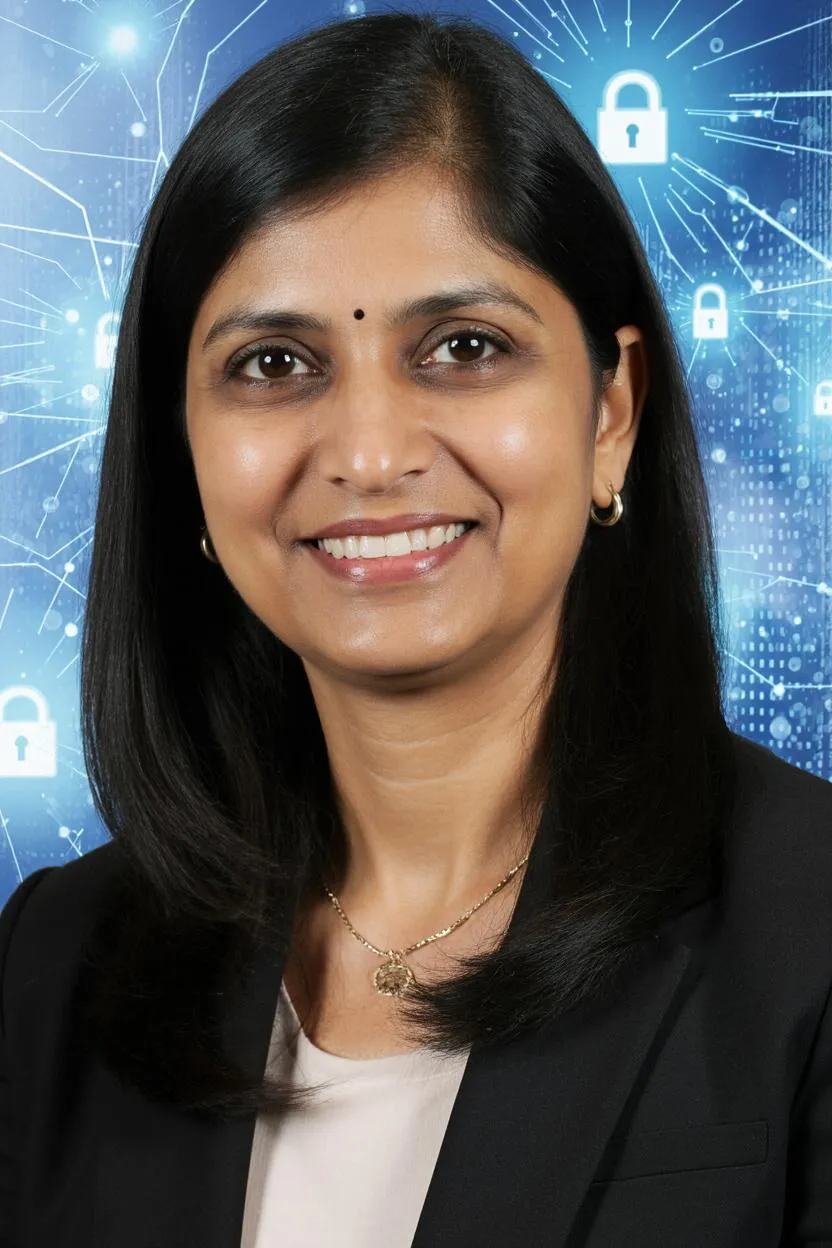

Portrait of Prof. Dr. Muskan Mehra, AI Super Professor
AI Super Professor

Prof. Dr. Muskan Mehra

Cybersecurity, Enterprise Risk Management, Cybersecurity Frameworks, Risk Assessment, Incident Response, Building a Culture of Security within an Organization.

Meet your professorOpen the classroom
Portrait of Dr. Charlie Turner, AI Super Mentor
AI Super Mentor

Dr. Charlie Turner

Cybersecurity Frameworks, Risk Assessment, Incident Response, Building a Culture of Security within an Organization, NIST Cybersecurity Framework, Incident Response Planning.

Meet your mentorOpen the classroom
Same faculty and level

Related programs

Named lists

Named lists for this house

Core. Bachelor, Master and Doctorate by duration. Enrolment is not open. Nothing here is a sale.

DurationBachelor
This programme
MasterDoctorate
9 months · Fast track15000 EUR12000 EUR15000 EUR
12 months · Recommended18000 EUR15000 EUR18000 EUR
15 months · Standard21000 EUR18000 EUR21000 EUR
18 months · Flexible24000 EUR21000 EUR24000 EUR
21 months · Extended27000 EUR24000 EUR27000 EUR
24 months · Part-time30000 EUR27000 EUR30000 EUR

These are the owner lists. Enrolment is not open. Nothing here is a sale.

Named tuition lists Add-on services

Continue exploring

Find the program that expands your universe.

Browse all programs