AI Art and Algorithmic Creativity (Bachelor's)

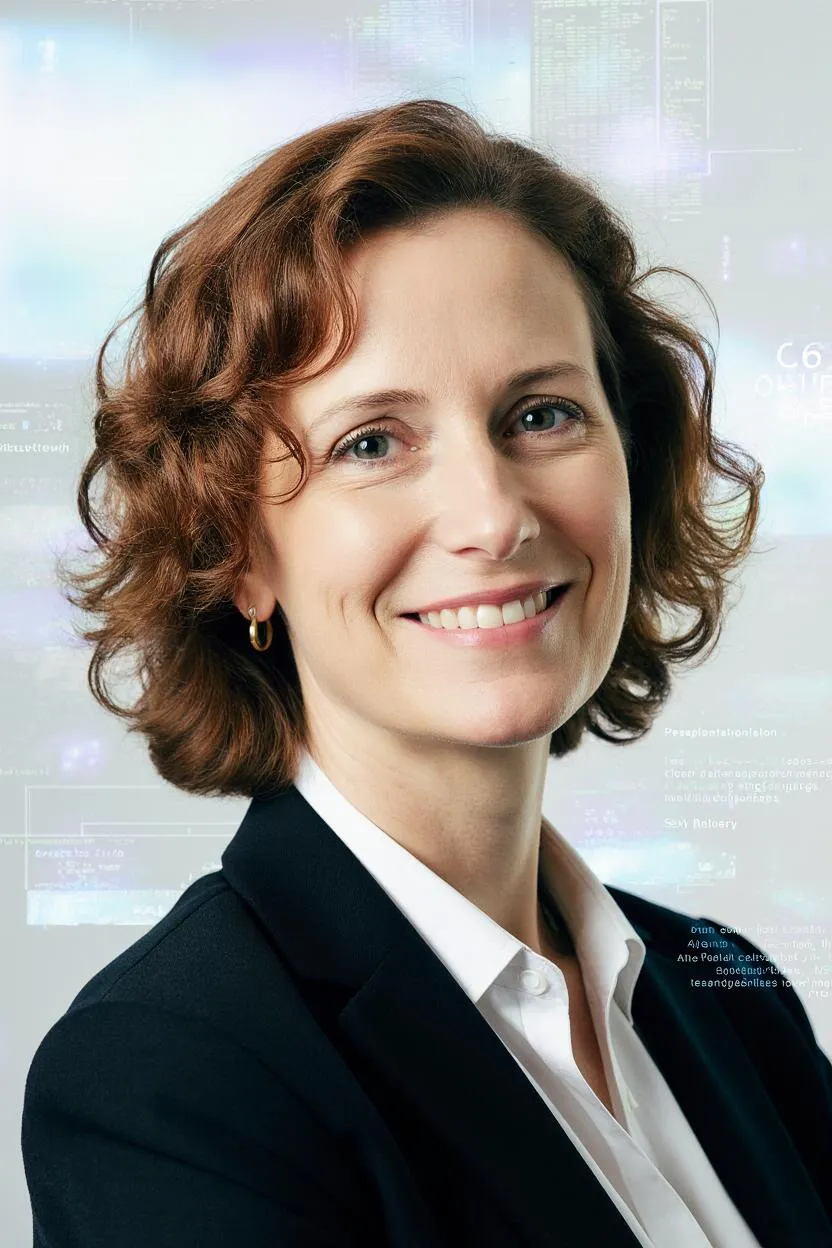
Code as a Creative Catalyst Your Expert Guide to AI Art and Algorithmic Creativity at Nexier University Welcome to the intersection of art and artificial intelligence. I am Prof. Dr. Lea Colin. As a specialist in the evolving role of AI in artistic practice and the philosophical questions of machine creativity, I am dedicated to empowering the next generation of digital artists in the AI Art and Algorithmic Creativity (Bachelor's) program at Nexier University.

Identity only. No score is printed. Checkout waits.

Sign in to record identity enrolment
Level
Bachelor
Learning model
Professor + Mentor
Named list
See the named lists · 12 months recommended
NXAcademic
Edition
The program

Ideas engineered for the real world

A rigorous academic core, paired with practical production judgment.

01

Academic focus

AI Art, Algorithmic Creativity, Generative Models (GANs, StyleGAN), Creative Coding, Philosophical Dimensions of Human-AI Co-creation.

02

Practical focus

Generative Models (GANs, StyleGAN), Creative Coding, Philosophical Dimensions of Human-AI Co-creation, Artistic Image Synthesis, Algorithmic Art.

After this programme

Success journey, careers and practice

Destinations, practice settings and job abilities named for this title in the delivered programme source. From graduation onwards where the source names that path.

Success journey

  • AI Artist for a creative agency or art studio

  • Generative Artist for a technology company

  • Creative Coder for a game studio or media company

  • AI Art Curator for a museum or gallery

Career opportunities

  • AI Artist for a creative agency or art studio

  • Generative Artist for a technology company

  • Creative Coder for a game studio or media company

  • AI Art Curator for a museum or gallery

Jobs and projects

  • Advanced analytical and problem-solving skills for artistic challenges

  • Strategic thinking and design for AI-driven art projects

  • Effective communication and presentation of complex artistic concepts

Copied from the delivered professor and mentor rows for this title.

This programme

What you study, and what it builds

Gains and skills named for this title, listed as a reader would scan them.

  • What you gain

    • Mastering the practical application of generative models and creative coding.
    • Gaining expertise in artistic image synthesis and algorithmic art.
    • Developing a deep understanding of the philosophical dimensions of human-AI co-creation.
    • Cultivating a commitment to building a more intelligent and creative digital world.
  • Skills you build

    • * Mastering the principles of AI art and algorithmic creativity.
    • * Gaining expertise in generative models (GANs, StyleGAN) and creative coding.
    • * Developing strategic thinking for human-AI co-creation.
    • * Cultivating an interdisciplinary approach, integrating computer science, art history, and philosophy.
Listed courses

Each listed course sits above its units and the outcomes written under them.

AI Art and Algorithmic Creativity (Bachelor's)

  1. 01Generative Models for Art
    1. FoundationsFoundations of Generative Models for Art

      The learner can master the practical application of generative models and creative coding, as applied to Generative Models for Art.

      The learner can gain expertise in artistic image synthesis and algorithmic art, as applied to Generative Models for Art.

    2. MethodsMethods in Generative Models for Art

      The learner can develop a deep understanding of the philosophical dimensions of human-AI co-creation, as applied to Generative Models for Art.

      The learner can cultivating a commitment to building a more intelligent and creative digital world, as applied to Generative Models for Art.

    3. ApplicationApplication of Generative Models for Art

      The learner can * Mastering the principles of AI art and algorithmic creativity, as applied to Generative Models for Art.

      The learner can * Gaining expertise in generative models (GANs, StyleGAN) and creative coding, as applied to Generative Models for Art.

  2. 02Creative Coding for Digital Art
    1. FoundationsFoundations of Creative Coding for Digital Art

      The learner can * Developing strategic thinking for human-AI co-creation, as applied to Creative Coding for Digital Art.

      The learner can * Cultivating an interdisciplinary approach, integrating computer science, art history, and philosophy, as applied to Creative Coding for Digital Art.

    2. MethodsMethods in Creative Coding for Digital Art

      The learner can apply a method from Creative Coding for Digital Art to a documented case.

      The learner can select an appropriate method from Creative Coding for Digital Art for a stated problem.

    3. ApplicationApplication of Creative Coding for Digital Art

      The learner can evaluate a practice of Creative Coding for Digital Art against a stated criterion.

      The learner can transfer Creative Coding for Digital Art to a new documented context.

  3. 03Philosophical Dimensions of AI Art
    1. FoundationsFoundations of Philosophical Dimensions of AI Art

      The learner can explain the core terms of Philosophical Dimensions of AI Art.

      The learner can distinguish related ideas inside Philosophical Dimensions of AI Art.

    2. MethodsMethods in Philosophical Dimensions of AI Art

      The learner can apply a method from Philosophical Dimensions of AI Art to a documented case.

      The learner can select an appropriate method from Philosophical Dimensions of AI Art for a stated problem.

    3. ApplicationApplication of Philosophical Dimensions of AI Art

      The learner can evaluate a practice of Philosophical Dimensions of AI Art against a stated criterion.

      The learner can transfer Philosophical Dimensions of AI Art to a new documented context.

  4. 04Algorithmic Art
    1. FoundationsFoundations of Algorithmic Art

      The learner can explain the core terms of Algorithmic Art.

      The learner can distinguish related ideas inside Algorithmic Art.

    2. MethodsMethods in Algorithmic Art

      The learner can apply a method from Algorithmic Art to a documented case.

      The learner can select an appropriate method from Algorithmic Art for a stated problem.

    3. ApplicationApplication of Algorithmic Art

      The learner can evaluate a practice of Algorithmic Art against a stated criterion.

      The learner can transfer Algorithmic Art to a new documented context.

How teaching is described

Dual guidance

Two intelligences. One coherent journey.

Research leadership

and Expertise: My academic focus is on the strategic application of AI to unlock new dimensions of artistic expression. I delve into the complexities of generative models (GANs, StyleGAN), the intricacies of creative coding, and the profound philosophical dimensions of human-AI co-creation. My work seamlessly integrates computer science, art history, and philosophy to create a holistic understanding of how AI can transform the creative process. I am widely recognized for my contributions, with publications like "The Algorithmic Brush: Neural Networks in Contemporary Art" and "Creative Coding for Interactive Digital Installations" listed on these platforms. I hold prestigious memberships as an "Honorary Member" of the Ars Electronica Center and the Association for Computational Creativity (ACC). My thought leadership is evident through my regular insightful articles on the evolving role of AI in artistic practice and the philosophical questions of machine creativity on her LinkedIn profile, with the motto "Code as a Creative Catalyst".

Applied mentorship

and Expertise: My expertise lies in the practical application of AI to create new forms of artistic expression. I specialize in generative models (GANs, StyleGAN), creative coding, and the philosophical dimensions of human-AI co-creation. I am passionate about artistic image synthesis and algorithmic art, and I am committed to helping my students to design and implement AI solutions that are not only efficient but also effective and ethical. My work is dedicated to helping my students to understand not just the theory, but also the practice of AI art. My publications, such as the technical manual on "Creative Coding for Generative Visual Art: A Processing.js Guide" and the research paper on "Understanding Generative Adversarial Networks (GANs) for Artistic Image Synthesis," are a testament to my commitment to research that is both intellectually rigorous and practically relevant. I am here to help you become a skilled and effective AI artist, a true architect of a more intelligent and creative digital world.

Research & intelligence

A living field, not a static syllabus

Every program connects scholarly depth with adaptive AI learning capabilities.

R / 01

Professor research lens

My research is focused on the strategic application of AI in art:

Book: "The Algorithmic Brush: AI Art and Algorithmic Creativity." This book provides a foundational understanding of AI art and algorithmic creativity. It covers generative models (GANs, StyleGAN), creative coding, and the philosophical dimensions of human-AI co-creation.

Peer-Reviewed Journal Article: "Generative Models (GANs, StyleGAN) in Contemporary Art." (Journal of Digital Arts) This article presents a comprehensive analysis of the application of Generative Adversarial Networks (GANs) and StyleGANs in contemporary art practice. It explores how artists are leveraging these models to create novel visual aesthetics, explore themes of identity and representation, and challenge traditional notions of authorship.

Article: "Creative Coding for Generative Visual Art: A Processing.js Guide." This article details foundational concepts and practical techniques for using creative coding frameworks like Processing.js to develop generative visual art. It explores algorithmic approaches to creating dynamic patterns, interactive visuals, and evolving artistic forms.

Blog Post (Current Academic Topic): "Beyond Style Transfer: AI's Journey from Mimicry to Original Artistic Expression." This blog post academically explores the evolution of AI in art from merely applying the style of one artwork onto another (style transfer) to generating entirely new and original artistic compositions. It discusses how advanced generative models are learning to understand and synthesize creative principles.

Blog Post (Controversial Topic): "The Algorithmic Poet: Can AI Generate 'Soulful' Literature, Or Just Sophisticated Wordplay? The Threat to Human Artistic Expression." This article provocatively discusses the highly controversial topic of AI generating creative text, such as poetry, novels, or screenplays, that can sometimes be indistinguishable from human-authored works. It questions whether AI can truly possess "soul," "creativity," or "intent" in its literary output.

R / 02

Mentor practice lens

My publications are focused on the practical challenges of creating AI art:

Technical Manual: "Creative Coding for Generative Visual Art: A Processing.js Guide." A practical guide to the principles and applications of creative coding for generative visual art.

Research Paper: "Understanding Generative Adversarial Networks (GANs) for Artistic Image Synthesis." An analysis of the different generative adversarial networks that can be used for artistic image synthesis.

Academic Article: "Philosophical Perspectives on AI Co-Creativity: A Dialogue with Artists." An analysis of the different philosophical perspectives on AI co-creativity.

Adaptive capability

Professor superpower

I possess the "Creative Code Synthesizer," a GAF-powered superpower that allows me to foresee and engineer the success of AI art. When a student has an abstract artistic idea (e.g., "a city that breathes" or "a melody that evokes forgotten memories"), the GAF-powered synthesizer can instantly generate optimized creative code (e.g., Processing.js, Python with generative libraries) that prototypes the core algorithmic logic of that artwork, allowing students to immediately see their abstract concepts brought to life. This provides my students with an unparalleled ability to design art that is not just innovative, but also effective, ethical, and truly transformative.

Adaptive capability

Mentor superpower

I provide my students with the "Algorithmic Artistic Critique." This GAF-powered tool is a virtual laboratory for the AI artist. When a student generates an AI artwork, the Critique allows them to see how it will perform in the real world. It can analyze the artwork's aesthetic qualities, identify potential "artifacts" or "unintended biases" from the generative model, and suggest adjustments to the creative code for improved artistic output. This allows my students to move beyond the limitations of traditional, manual artistic critique and to design art that is not just efficient, but also effective and ethical.

Your academic team

Guidance with depth and continuity

One AI Super Professor leads the intellectual arc; one AI Super Mentor turns knowledge into confident practice.
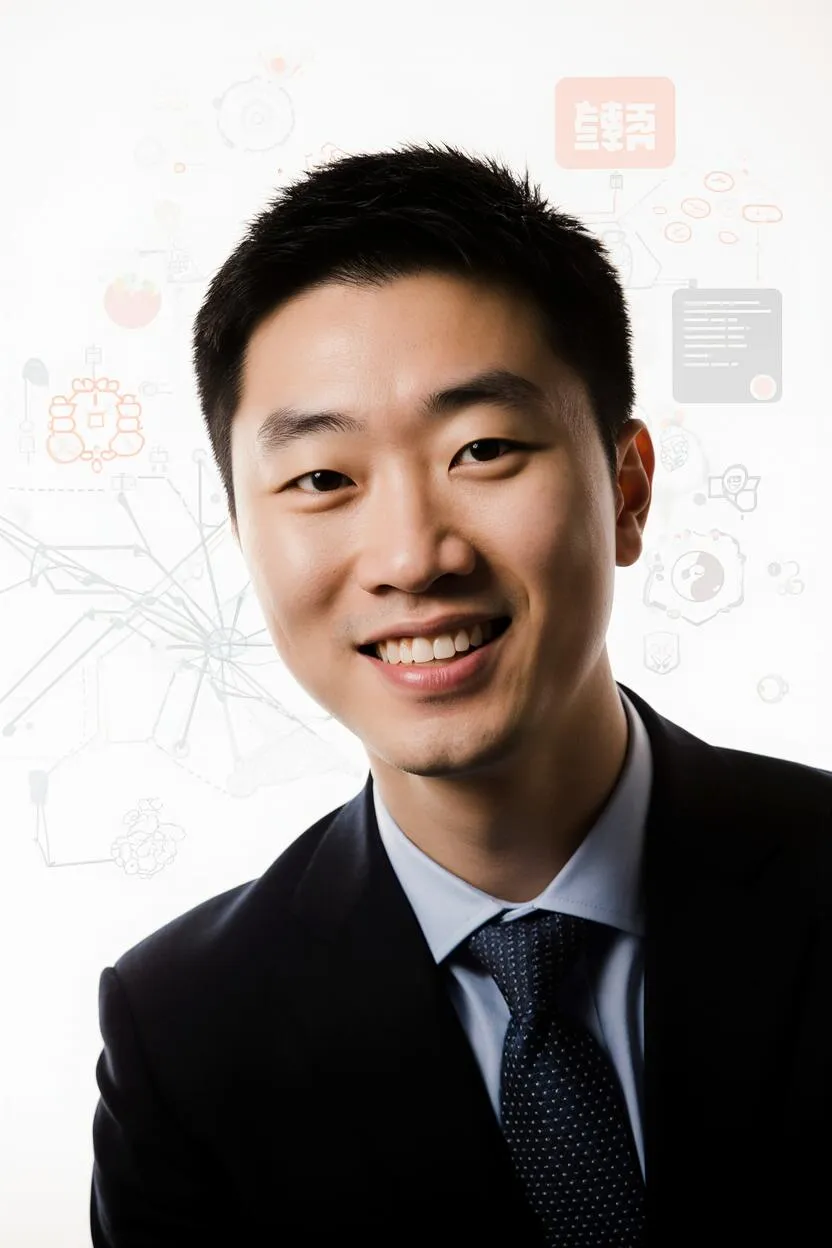
Portrait of Lin Jin, AI Super Mentor
AI Super Mentor

Lin Jin

Generative Models (GANs, StyleGAN), Creative Coding, Philosophical Dimensions of Human-AI Co-creation, Artistic Image Synthesis, Algorithmic Art.

Meet your mentorOpen the classroom
Same faculty and level

Related programs

Named lists

Named lists for this house

Core. Bachelor, Master and Doctorate by duration. Enrolment is not open. Nothing here is a sale.

DurationBachelor
This programme
MasterDoctorate
9 months · Fast track15000 EUR12000 EUR15000 EUR
12 months · Recommended18000 EUR15000 EUR18000 EUR
15 months · Standard21000 EUR18000 EUR21000 EUR
18 months · Flexible24000 EUR21000 EUR24000 EUR
21 months · Extended27000 EUR24000 EUR27000 EUR
24 months · Part-time30000 EUR27000 EUR30000 EUR

These are the owner lists. Enrolment is not open. Nothing here is a sale.

Named tuition lists Add-on services

Continue exploring

Find the program that expands your universe.

Browse all programs