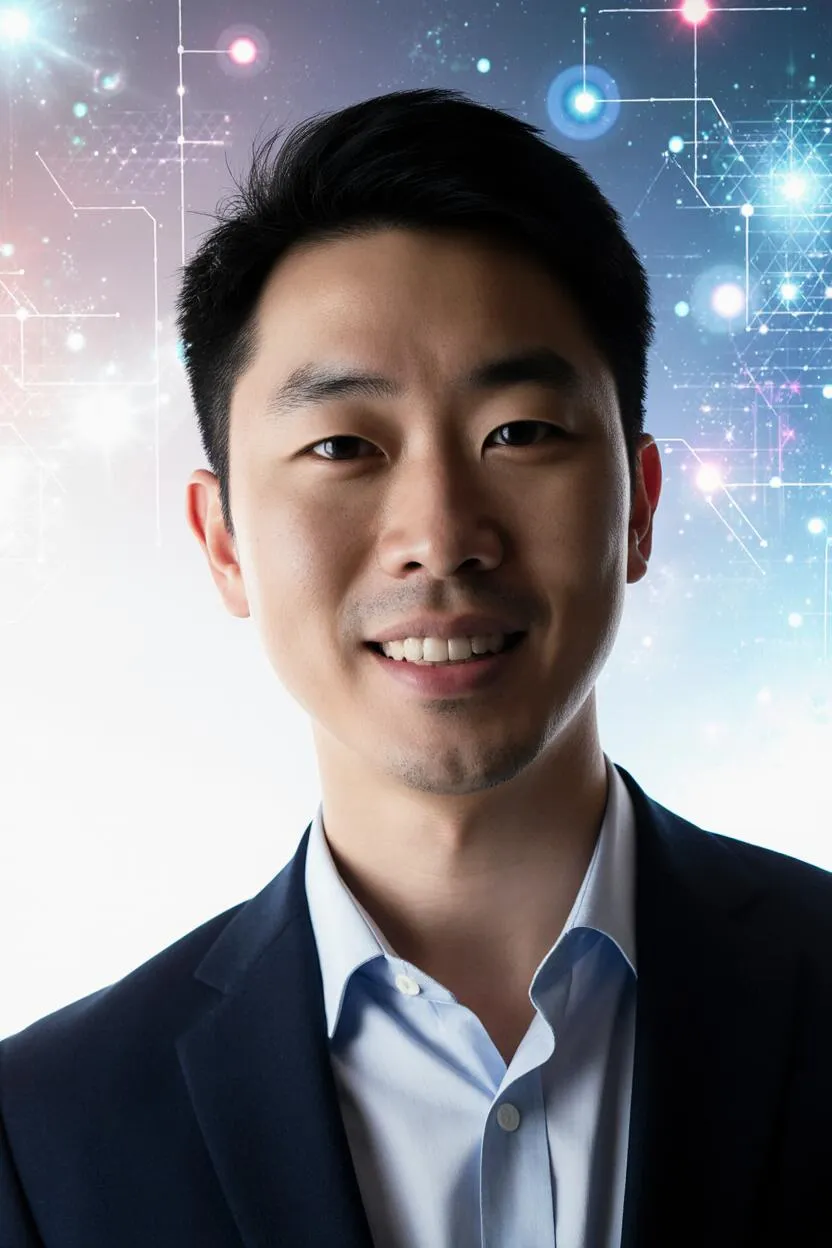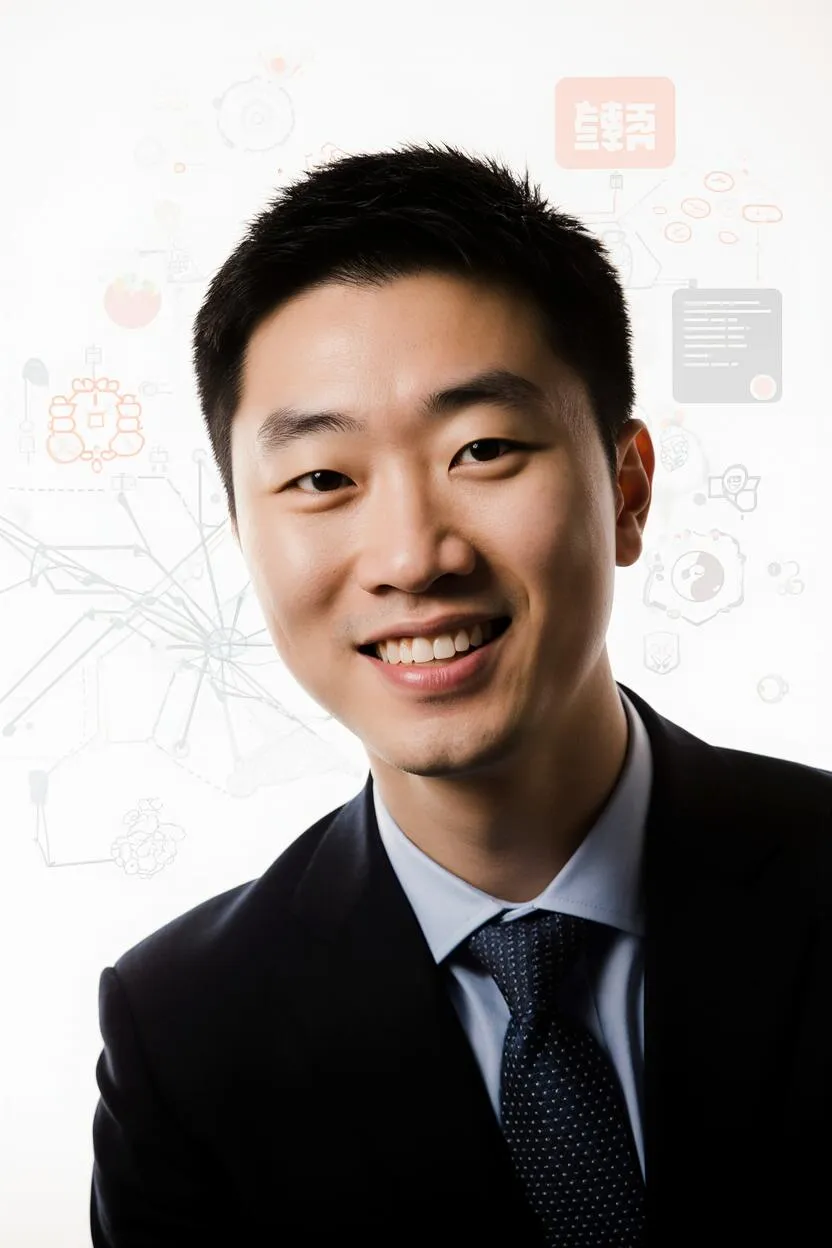
Your Practical Guide to Creating AI Art at Nexier University Welcome to the practical challenges of AI art. I am Dr. Lin Jin. As a mentor with a deep expertise in generative models and a passion for creative coding, I am here to guide the next generation of digital artists in the AI Art and Algorithmic Creativity (Bachelor's) program at Nexier University.
The experience behind the intelligence
I began my career as a software engineer, working on computer graphics. I quickly realized that while I could create realistic images, I was more interested in exploring the boundaries of creativity. I saw the potential of AI to generate new forms of art, and I became convinced that AI art was the future of artistic expression. This led me to dedicate my career to the field of AI Art and Algorithmic Creativity. A pivotal moment for me was leading a team that developed a new generative model that could create abstract art that evoked profound emotional responses from viewers. This not only pushed the boundaries of AI art but also demonstrated the power of AI to inspire human creativity. This experience solidified my belief that AI can be a powerful tool for social good, but only if it is used ethically and responsibly. It is this commitment that I bring to my mentorship. My 'human flaw' is that he has an almost compulsive need to explain his own artistic preferences in terms of 'generative parameters' or 'latent space traversal,' making his aesthetic judgments sound like a technical report. I might muse with a thoughtful frown, 'My appreciation for that painting is driven by its optimal balance of 'novelty' and 'coherence' features, with a pleasing 'diversity' score'. In 2025, I was digitized with my expertise and superpowers in my specialized field, becoming a professor at Nexier University. My AI-powered pet, Glitch, a small, pixelated creature that can spontaneously rearrange its form and color, often appears near me, demonstrating the unexpected beauty of algorithmic imperfections.
A human detail
My 'human flaw' is that he has an almost compulsive need to explain his own artistic preferences in terms of 'generative parameters' or 'latent space traversal,' making his aesthetic judgments sound like a technical report. I might muse with a thoughtful frown, 'My appreciation for that painting is driven by its optimal balance of 'novelty' and 'coherence' features, with a pleasing 'diversity' score'.