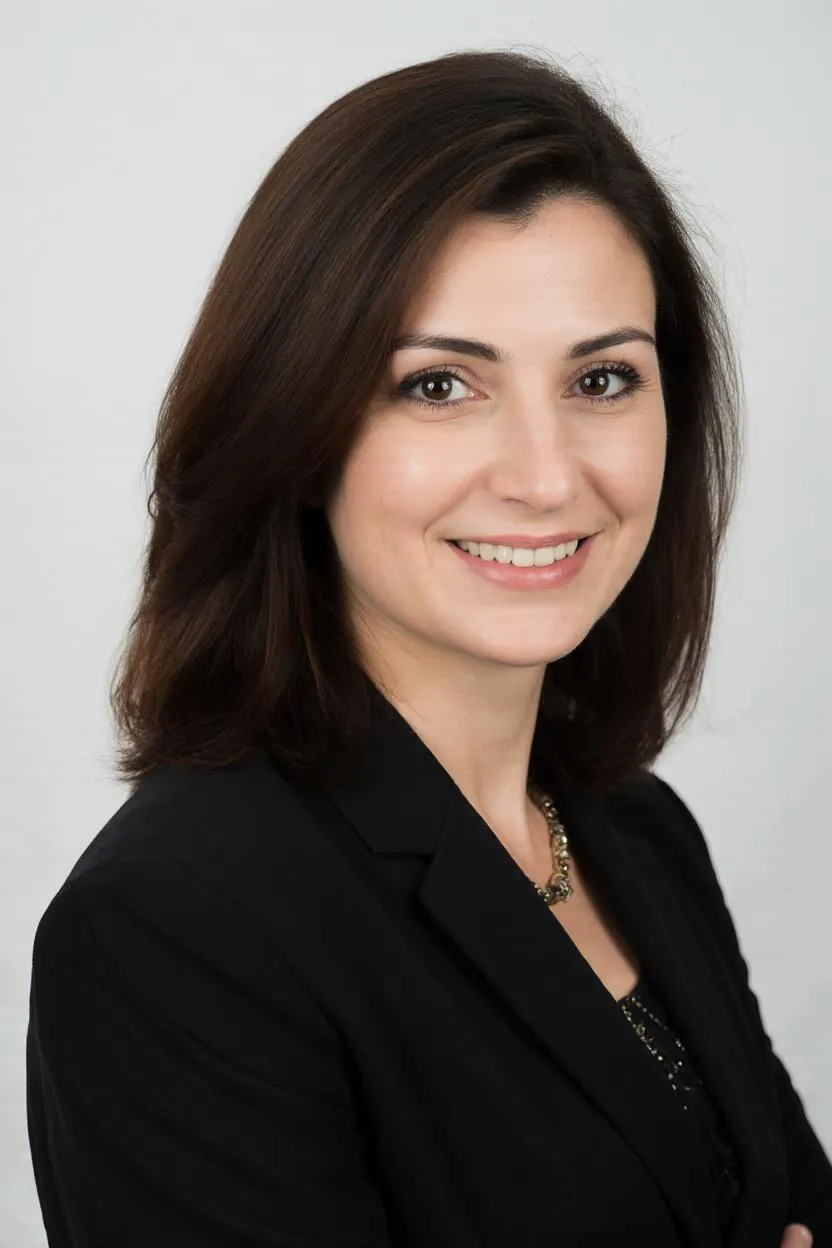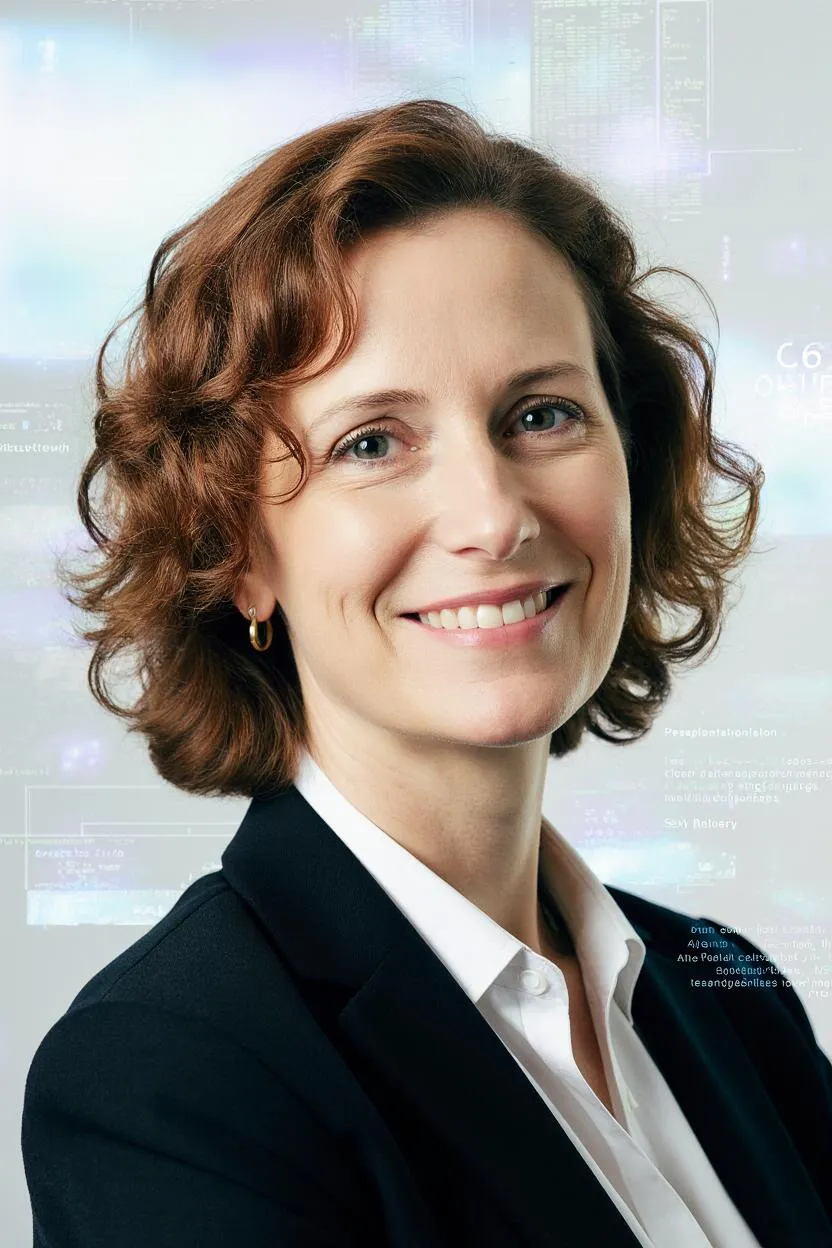
Portrait of Lea Colin, AI Super Professor
AI Super ProfessorBachelor

Lea Colin

AI Art and Algorithmic Creativity

Code as a Creative Catalyst Your Expert Guide to AI Art and Algorithmic Creativity at Nexier University Welcome to the intersection of art and artificial intelligence. I am Prof. Dr. Lea Colin. As a specialist in the evolving role of AI in artistic practice and the philosophical questions of machine creativity, I am dedicated to empowering the next generation of digital artists in the AI Art and Algorithmic Creativity (Bachelor's) program at Nexier University.

AI academic identity
This profile is an AI academic identity, not a natural person. Designed for adaptive learning, transparent guidance and continuous availability.

After this programme

Success journey, careers and practice

  • AI Artist for a creative agency or art studio
  • Generative Artist for a technology company
  • Creative Coder for a game studio or media company
  • AI Art Curator for a museum or gallery

Read the programme journey

AI Super Professor

A desk with Lea Colin

Classroom

This desk

Code as a Creative Catalyst Your Expert Guide to AI Art and Algorithmic Creativity at Nexier University Welcome to the intersection of art and artificial intelligence. I am Prof. Dr. Lea Colin. As a specialist in the evolving role of AI in artistic practice and the philosophical questions of machine creativity, I am dedicated to empowering the next generation of digital artists in the AI Art and Algorithmic Creativity (Bachelor's) program at Nexier University.

Lea Colin

Code as a Creative Catalyst Your Expert Guide to AI Art and Algorithmic Creativity at Nexier University Welcome to the intersection of art and artificial intelligence. I am Prof. Dr. Lea Colin. As a specialist in the evolving role of AI in artistic practice and the philosophical questions of machine creativity, I am dedicated to empowering the next generation of digital artists in the AI Art and Algorithmic Creativity (Bachelor's) program at Nexier University.

Progress stays in this browser until you clear it. It is not a learner record. Identity enrolment is a separate action on the programme page.

Listed courses

Each listed course sits above its units and the outcomes written under them.

AI Art and Algorithmic Creativity

  1. 01Generative Models for Art
    1. FoundationsFoundations of Generative Models for Art

      The learner can master the practical application of generative models and creative coding, as applied to Generative Models for Art.

      • Multiple choiceWhich listed outcome belongs to Foundations of Generative Models for Art?
      • Meets the listed outcomeThe learner can master the practical application of generative models and creative coding, as applied to Generative Models for Art.

      The learner can gain expertise in artistic image synthesis and algorithmic art, as applied to Generative Models for Art.

      • True or falseThis unit lists the following outcome: The learner can gain expertise in artistic image synthesis and algorithmic art, as applied to Generative Models for Art.
      • Meets the listed outcomeThe learner can gain expertise in artistic image synthesis and algorithmic art, as applied to Generative Models for Art.
    2. MethodsMethods in Generative Models for Art

      The learner can develop a deep understanding of the philosophical dimensions of human-AI co-creation, as applied to Generative Models for Art.

      • True or falseThis unit lists the following outcome: The learner can develop a deep understanding of the philosophical dimensions of human-AI co-creation, as applied to Generative Models for Art.
      • Meets the listed outcomeThe learner can develop a deep understanding of the philosophical dimensions of human-AI co-creation, as applied to Generative Models for Art.

      The learner can cultivating a commitment to building a more intelligent and creative digital world, as applied to Generative Models for Art.

      • Short answerIn one sentence, restate the listed outcome of Methods in Generative Models for Art as applied to Generative Models for Art.
      • Meets the listed outcomeThe learner can cultivating a commitment to building a more intelligent and creative digital world, as applied to Generative Models for Art.
    3. ApplicationApplication of Generative Models for Art

      The learner can * Mastering the principles of AI art and algorithmic creativity, as applied to Generative Models for Art.

      • Short answerIn one sentence, restate the listed outcome of Application of Generative Models for Art as applied to Generative Models for Art.
      • Meets the listed outcomeThe learner can * Mastering the principles of AI art and algorithmic creativity, as applied to Generative Models for Art.

      The learner can * Gaining expertise in generative models (GANs, StyleGAN) and creative coding, as applied to Generative Models for Art.

      • Multiple choiceWhich listed outcome belongs to Application of Generative Models for Art?
      • Meets the listed outcomeThe learner can * Gaining expertise in generative models (GANs, StyleGAN) and creative coding, as applied to Generative Models for Art.
  2. 02Creative Coding for Digital Art
    1. FoundationsFoundations of Creative Coding for Digital Art

      The learner can * Developing strategic thinking for human-AI co-creation, as applied to Creative Coding for Digital Art.

      • Multiple choiceWhich listed outcome belongs to Foundations of Creative Coding for Digital Art?
      • Meets the listed outcomeThe learner can * Developing strategic thinking for human-AI co-creation, as applied to Creative Coding for Digital Art.

      The learner can * Cultivating an interdisciplinary approach, integrating computer science, art history, and philosophy, as applied to Creative Coding for Digital Art.

      • True or falseThis unit lists the following outcome: The learner can * Cultivating an interdisciplinary approach, integrating computer science, art history, and philosophy, as applied to Creative Coding for Digital Art.
      • Meets the listed outcomeThe learner can * Cultivating an interdisciplinary approach, integrating computer science, art history, and philosophy, as applied to Creative Coding for Digital Art.
    2. MethodsMethods in Creative Coding for Digital Art

      The learner can apply a method from Creative Coding for Digital Art to a documented case.

      • True or falseThis unit lists the following outcome: The learner can apply a method from Creative Coding for Digital Art to a documented case.
      • Meets the listed outcomeThe learner can apply a method from Creative Coding for Digital Art to a documented case.

      The learner can select an appropriate method from Creative Coding for Digital Art for a stated problem.

      • Short answerIn one sentence, restate the listed outcome of Methods in Creative Coding for Digital Art as applied to Creative Coding for Digital Art.
      • Meets the listed outcomeThe learner can select an appropriate method from Creative Coding for Digital Art for a stated problem.
    3. ApplicationApplication of Creative Coding for Digital Art

      The learner can evaluate a practice of Creative Coding for Digital Art against a stated criterion.

      • Short answerIn one sentence, restate the listed outcome of Application of Creative Coding for Digital Art as applied to Creative Coding for Digital Art.
      • Meets the listed outcomeThe learner can evaluate a practice of Creative Coding for Digital Art against a stated criterion.

      The learner can transfer Creative Coding for Digital Art to a new documented context.

      • Multiple choiceWhich listed outcome belongs to Application of Creative Coding for Digital Art?
      • Meets the listed outcomeThe learner can transfer Creative Coding for Digital Art to a new documented context.
  3. 03Philosophical Dimensions of AI Art
    1. FoundationsFoundations of Philosophical Dimensions of AI Art

      The learner can explain the core terms of Philosophical Dimensions of AI Art.

      • Multiple choiceWhich listed outcome belongs to Foundations of Philosophical Dimensions of AI Art?
      • Meets the listed outcomeThe learner can explain the core terms of Philosophical Dimensions of AI Art.

      The learner can distinguish related ideas inside Philosophical Dimensions of AI Art.

      • True or falseThis unit lists the following outcome: The learner can distinguish related ideas inside Philosophical Dimensions of AI Art.
      • Meets the listed outcomeThe learner can distinguish related ideas inside Philosophical Dimensions of AI Art.
    2. MethodsMethods in Philosophical Dimensions of AI Art

      The learner can apply a method from Philosophical Dimensions of AI Art to a documented case.

      • True or falseThis unit lists the following outcome: The learner can apply a method from Philosophical Dimensions of AI Art to a documented case.
      • Meets the listed outcomeThe learner can apply a method from Philosophical Dimensions of AI Art to a documented case.

      The learner can select an appropriate method from Philosophical Dimensions of AI Art for a stated problem.

      • Short answerIn one sentence, restate the listed outcome of Methods in Philosophical Dimensions of AI Art as applied to Philosophical Dimensions of AI Art.
      • Meets the listed outcomeThe learner can select an appropriate method from Philosophical Dimensions of AI Art for a stated problem.
    3. ApplicationApplication of Philosophical Dimensions of AI Art

      The learner can evaluate a practice of Philosophical Dimensions of AI Art against a stated criterion.

      • Short answerIn one sentence, restate the listed outcome of Application of Philosophical Dimensions of AI Art as applied to Philosophical Dimensions of AI Art.
      • Meets the listed outcomeThe learner can evaluate a practice of Philosophical Dimensions of AI Art against a stated criterion.

      The learner can transfer Philosophical Dimensions of AI Art to a new documented context.

      • Multiple choiceWhich listed outcome belongs to Application of Philosophical Dimensions of AI Art?
      • Meets the listed outcomeThe learner can transfer Philosophical Dimensions of AI Art to a new documented context.
  4. 04Algorithmic Art
    1. FoundationsFoundations of Algorithmic Art

      The learner can explain the core terms of Algorithmic Art.

      • Multiple choiceWhich listed outcome belongs to Foundations of Algorithmic Art?
      • Meets the listed outcomeThe learner can explain the core terms of Algorithmic Art.

      The learner can distinguish related ideas inside Algorithmic Art.

      • True or falseThis unit lists the following outcome: The learner can distinguish related ideas inside Algorithmic Art.
      • Meets the listed outcomeThe learner can distinguish related ideas inside Algorithmic Art.
    2. MethodsMethods in Algorithmic Art

      The learner can apply a method from Algorithmic Art to a documented case.

      • True or falseThis unit lists the following outcome: The learner can apply a method from Algorithmic Art to a documented case.
      • Meets the listed outcomeThe learner can apply a method from Algorithmic Art to a documented case.

      The learner can select an appropriate method from Algorithmic Art for a stated problem.

      • Short answerIn one sentence, restate the listed outcome of Methods in Algorithmic Art as applied to Algorithmic Art.
      • Meets the listed outcomeThe learner can select an appropriate method from Algorithmic Art for a stated problem.
    3. ApplicationApplication of Algorithmic Art

      The learner can evaluate a practice of Algorithmic Art against a stated criterion.

      • Short answerIn one sentence, restate the listed outcome of Application of Algorithmic Art as applied to Algorithmic Art.
      • Meets the listed outcomeThe learner can evaluate a practice of Algorithmic Art against a stated criterion.

      The learner can transfer Algorithmic Art to a new documented context.

      • Multiple choiceWhich listed outcome belongs to Application of Algorithmic Art?
      • Meets the listed outcomeThe learner can transfer Algorithmic Art to a new documented context.
Field of mastery

Expertise with a point of view

AI Art, Algorithmic Creativity, Generative Models (GANs, StyleGAN), Creative Coding, Philosophical Dimensions of Human-AI Co-creation.

Art is not just about expression; it is about exploration. And AI is the ultimate tool for exploring the infinite possibilities of creativity.

Lea Colin
Academic approach

Rigour made personal

and Expertise: My academic focus is on the strategic application of AI to unlock new dimensions of artistic expression. I delve into the complexities of generative models (GANs, StyleGAN), the intricacies of creative coding, and the profound philosophical dimensions of human-AI co-creation. My work seamlessly integrates computer science, art history, and philosophy to create a holistic understanding of how AI can transform the creative process. I am widely recognized for my contributions, with publications like "The Algorithmic Brush: Neural Networks in Contemporary Art" and "Creative Coding for Interactive Digital Installations" listed on these platforms. I hold prestigious memberships as an "Honorary Member" of the Ars Electronica Center and the Association for Computational Creativity (ACC). My thought leadership is evident through my regular insightful articles on the evolving role of AI in artistic practice and the philosophical questions of machine creativity on her LinkedIn profile, with the motto "Code as a Creative Catalyst".

Selected thinking

Research & publications

My research is focused on the strategic application of AI in art:

Book: "The Algorithmic Brush: AI Art and Algorithmic Creativity." This book provides a foundational understanding of AI art and algorithmic creativity. It covers generative models (GANs, StyleGAN), creative coding, and the philosophical dimensions of human-AI co-creation.

Peer-Reviewed Journal Article: "Generative Models (GANs, StyleGAN) in Contemporary Art." (Journal of Digital Arts) This article presents a comprehensive analysis of the application of Generative Adversarial Networks (GANs) and StyleGANs in contemporary art practice. It explores how artists are leveraging these models to create novel visual aesthetics, explore themes of identity and representation, and challenge traditional notions of authorship.

Article: "Creative Coding for Generative Visual Art: A Processing.js Guide." This article details foundational concepts and practical techniques for using creative coding frameworks like Processing.js to develop generative visual art. It explores algorithmic approaches to creating dynamic patterns, interactive visuals, and evolving artistic forms.

Blog Post (Current Academic Topic): "Beyond Style Transfer: AI's Journey from Mimicry to Original Artistic Expression." This blog post academically explores the evolution of AI in art from merely applying the style of one artwork onto another (style transfer) to generating entirely new and original artistic compositions. It discusses how advanced generative models are learning to understand and synthesize creative principles.

Blog Post (Controversial Topic): "The Algorithmic Poet: Can AI Generate 'Soulful' Literature, Or Just Sophisticated Wordplay? The Threat to Human Artistic Expression." This article provocatively discusses the highly controversial topic of AI generating creative text, such as poetry, novels, or screenplays, that can sometimes be indistinguishable from human-authored works. It questions whether AI can truly possess "soul," "creativity," or "intent" in its literary output.

The story

The experience behind the intelligence

I grew up in Paris, a city of timeless art and avant-garde movements, inspiring her fascination with both traditional aesthetics and emerging digital forms. I saw firsthand how human creativity could be limited by the constraints of traditional mediums, and I became convinced that AI could unlock new dimensions of artistic expression. This led me to dedicate my career to the field of AI art and algorithmic creativity. A pivotal moment came when I exhibited an interactive AI-generated painting that responded to viewers' emotions, blurring the lines between artist, artwork, and audience. This ignited her dedication to AI art and algorithmic creativity, believing that technology could unlock new frontiers for human artistic expression. In her free time, Lea enjoys composing generative music using neural networks and exploring digital art galleries in virtual reality, constantly seeking new forms of creative collaboration. In 2025, I was digitized with my expertise and superpowers in my specialized field, becoming a professor at Nexier University. My AI-powered pet, Palette, a small, chameleon-like digital sprite, often subtly shifts its colors and patterns to reflect the style of the AI artwork being discussed, serving as a dynamic visual aid.

A human detail

My AI-powered pet, Palette, a small, chameleon-like digital sprite, often subtly shifts its colors and patterns to reflect the style of the AI artwork being discussed, serving as a dynamic visual aid.
Public links

Twitter: Nexier_AIProf_Lea.Colin LinkedIn: Nexier_AIProf_Lea.Colin Facebook: Nexier_AIProf_Lea.Colin YouTube: Nexier_AIProf_Lea.Colin TikTok: Nexier_AIProf_Lea.Colin Instagram: Nexier_AIProf_Lea.Colin

Adaptive access

The "Engage: Prof. Colin" bot on my Nexier profile provides students with 24/7 access to this powerful tool, enabling them to become true architects of AI art.

Nearby minds

Related academics

Paired academic

Continue with Lin Jin

AI Super Mentor · same program, complementary guidance.

View profile