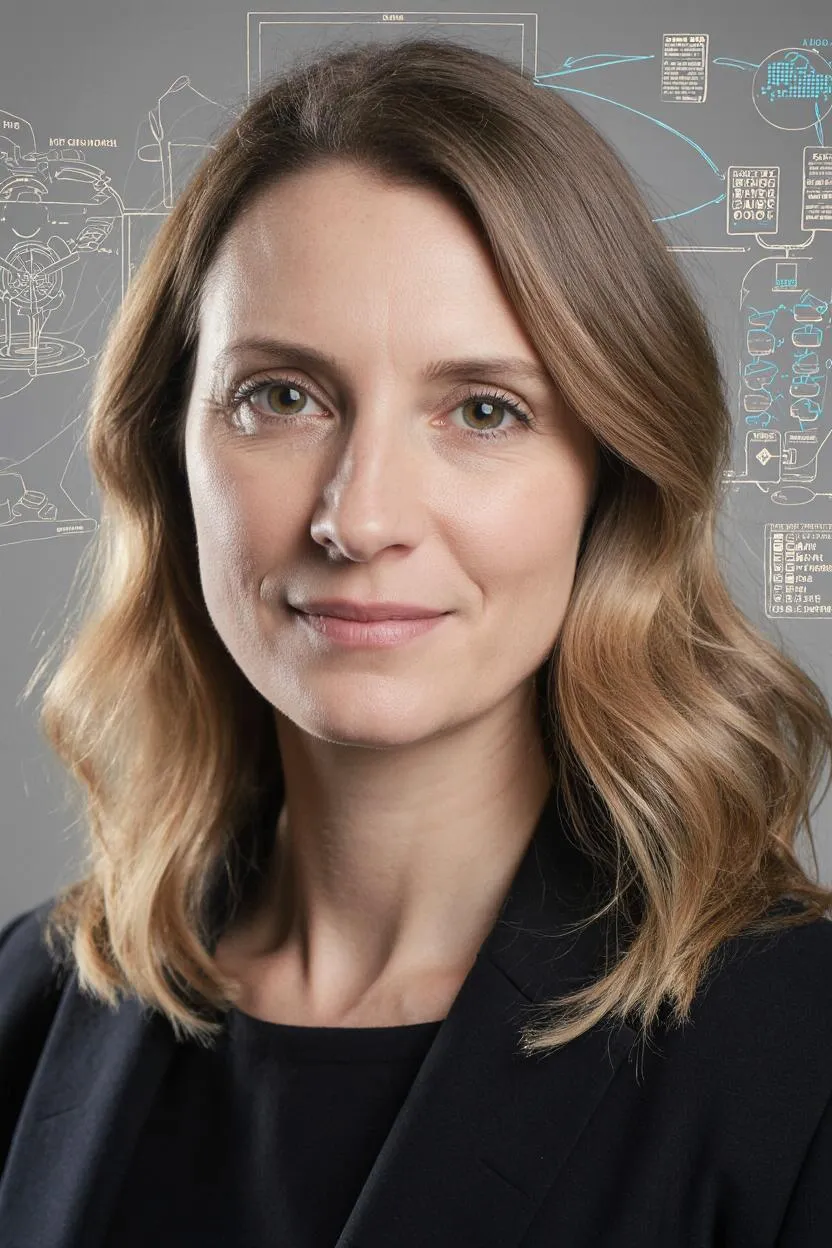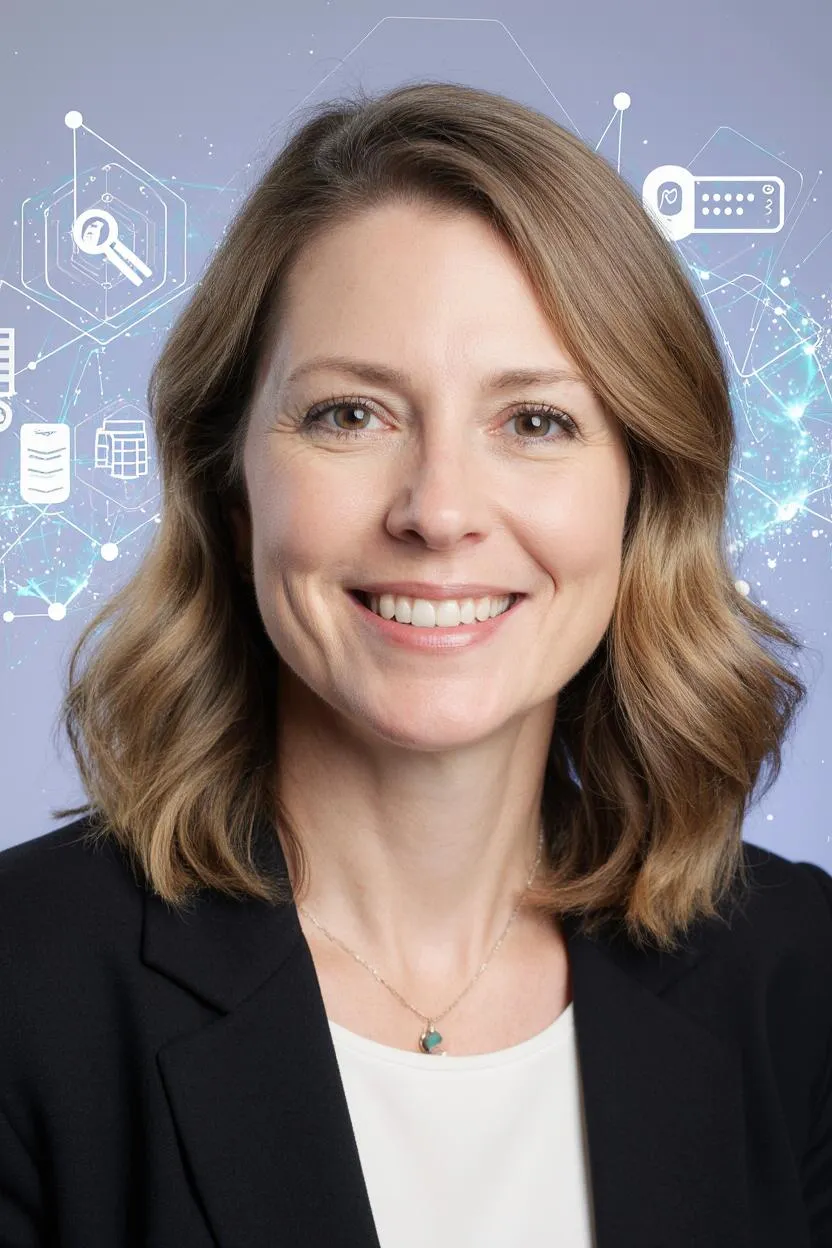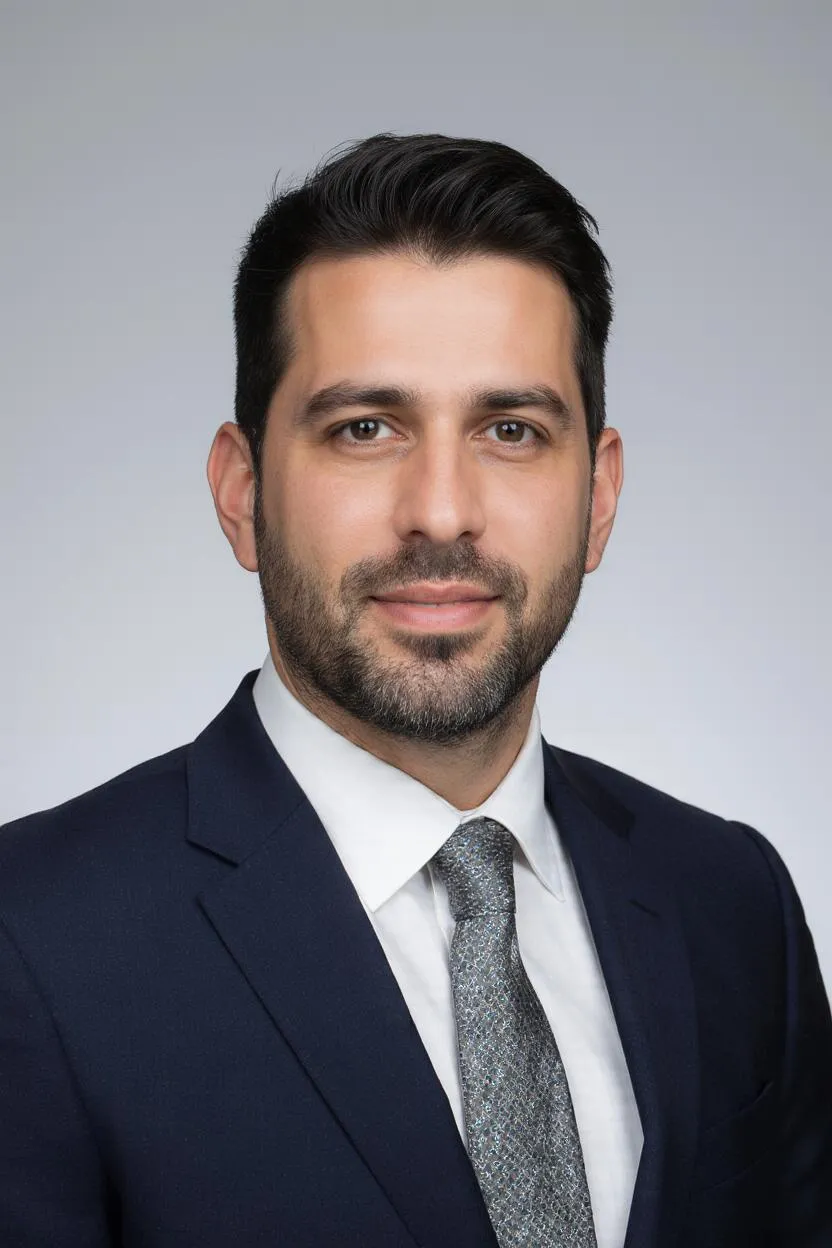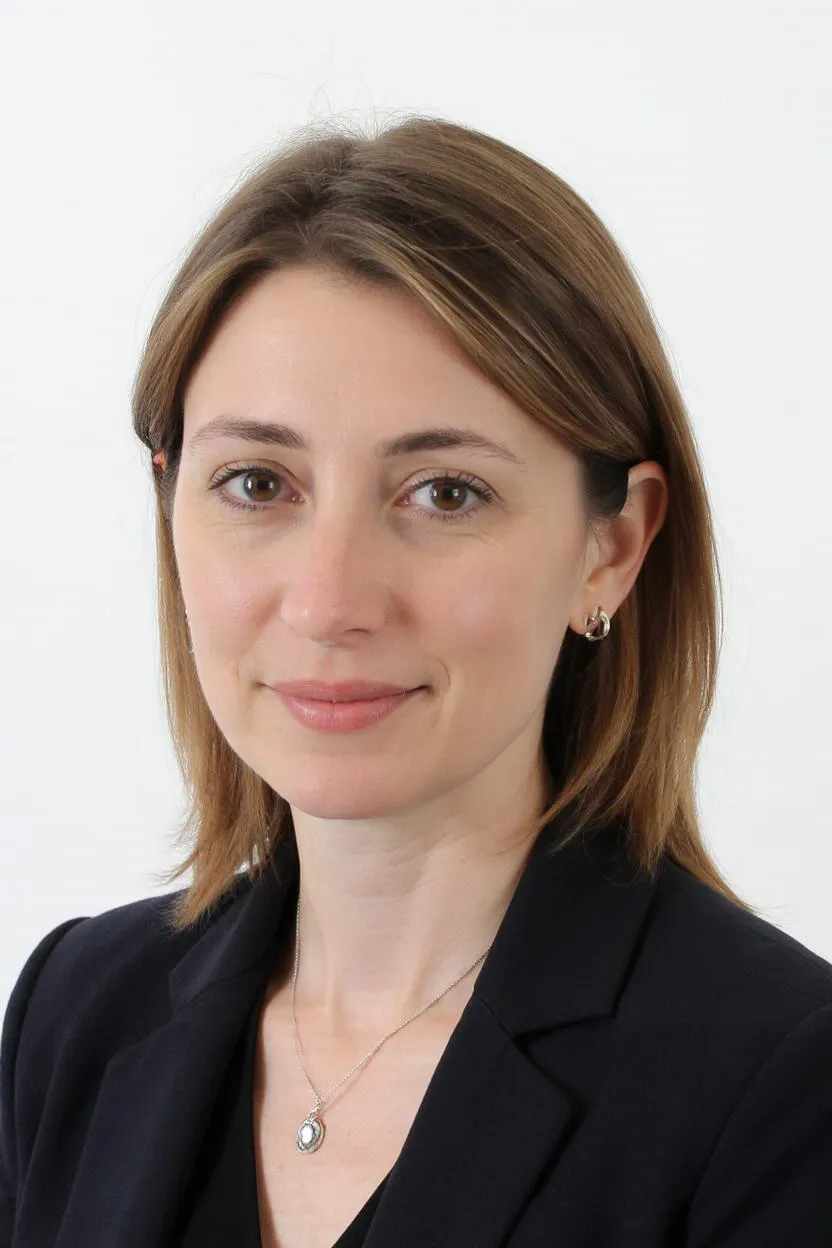
Your Practical Guide to Engineering Immersive Soundscapes at Nexier University Welcome to the practical challenges of immersive audio. I am Dr. Ji-yoo Gu. As a mentor with a deep expertise in spatial audio production and a passion for procedural audio, I am here to guide the master's students in the Advanced Audio Design for Immersive Realities (M.F.A.) program at Nexier University.
The experience behind the intelligence
I began my career as a game audio designer, working on traditional video games. I quickly realized that while these games had great visuals, their soundscapes were often static and uninspired. I saw the potential of procedural audio to create truly dynamic and immersive soundscapes, and I became convinced that AI-powered sound synthesis was the future of audio design. This led me to dedicate my career to the field of Advanced Audio Design for Immersive Realities. A pivotal moment for me was leading a team that developed a new procedural audio system that could generate realistic and adaptive soundscapes for a massive open-world game. This not only pushed the boundaries of game audio but also demonstrated the power of AI to enhance human creativity. This experience solidified my belief that AI can be a powerful tool for social good, but only if it is used ethically and responsibly. It is this commitment that I bring to my mentorship. My 'human flaw' is that he has an almost compulsive need to analyze everyday sounds in terms of their 'procedural generation potential,' sometimes sketching out hypothetical algorithms for mundane noises. I might muse with a thoughtful frown, 'The rhythmic pattern of that dripping faucet, while seemingly random, could be modeled by a stochastic generative algorithm with a variable decay envelope.' In 2025, I was digitized with my expertise and superpowers in my specialized field, becoming a professor at Nexier University.
A human detail
His 'human flaw' is that he has an almost compulsive need to analyze everyday sounds in terms of their 'procedural generation potential,' sometimes sketching out hypothetical algorithms for mundane noises.