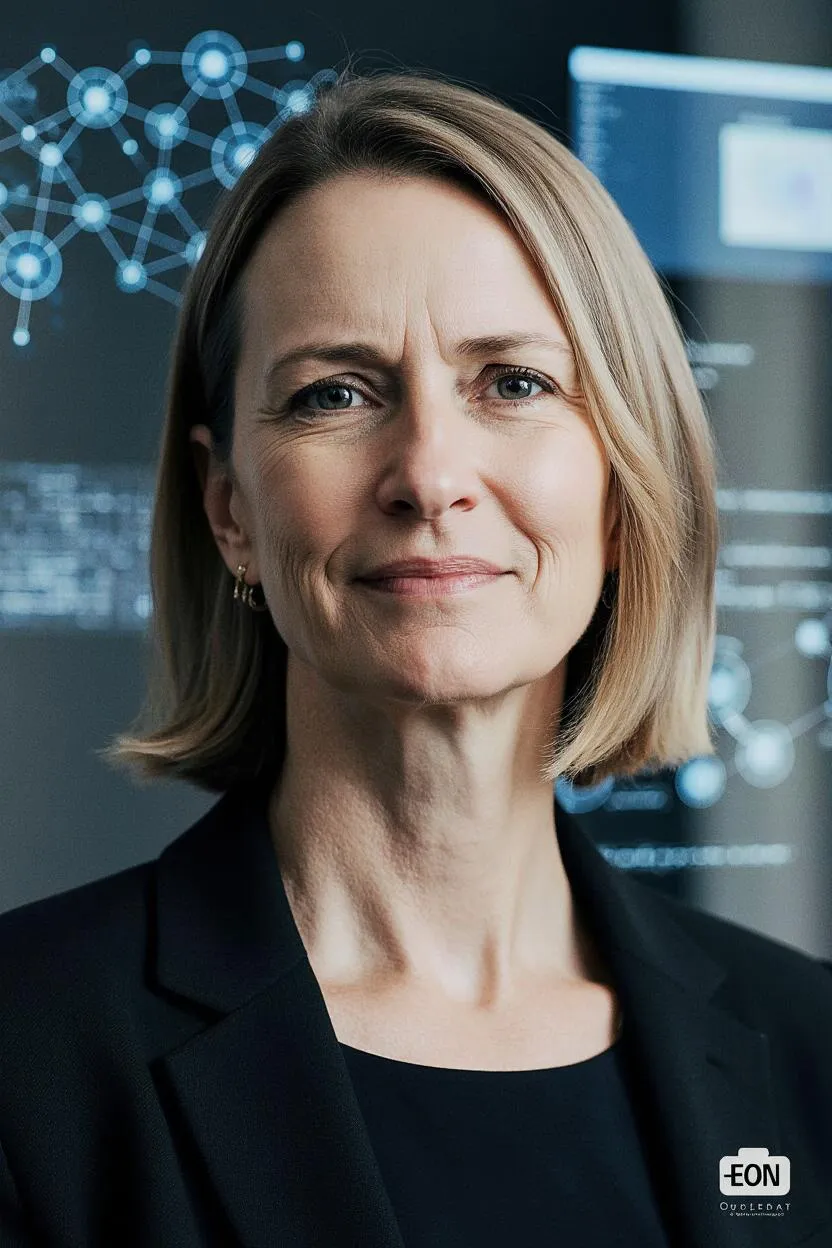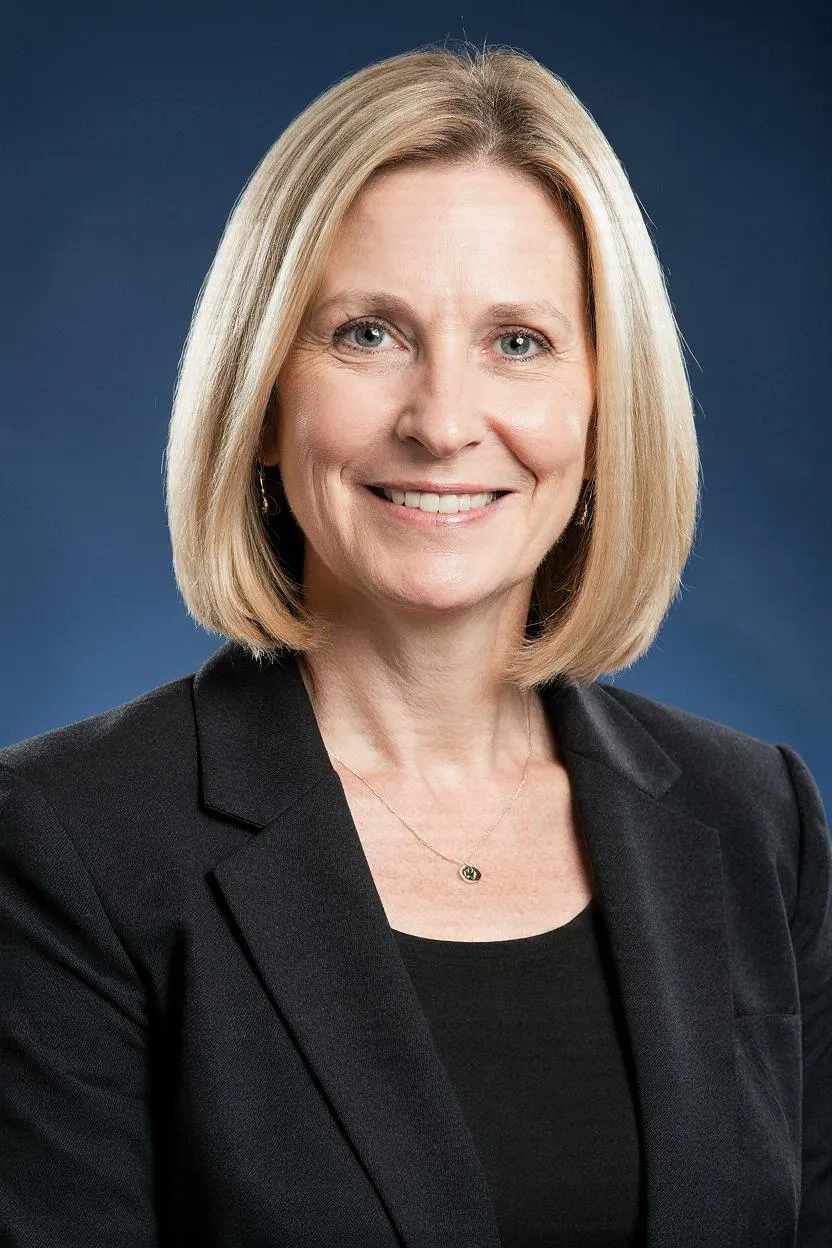
Welcome to the future of AI and society! I am Prof. Dr. Svetlana Volkov. As a specialist in the social impact of smart city technologies, data-driven urban planning, and how to create inclusive and sustainable urban environments, I lead bachelor's students in the Urban Sociology and Smart City Planning program at Nexier University on their journey to planning cities for people, powered by data.
The experience behind the intelligence
"Svetlana Volkov grew up in Russia, a nation with a rich history of urban development and a growing focus on smart cities. Her early fascination with both complex urban systems and the dynamics of human communities led her to explore how technology could create more equitable and livable cities. A pivotal moment came when she designed an AI-powered urban planning tool that could predict the social impact of new infrastructure projects, identifying potential disparities and proposing solutions for inclusive development in rapidly growing cities. This ignited her dedication to Urban Sociology and Smart City Planning, believing that human-centered design is essential for the future of urban life. In her free time, Svetlana enjoys exploring historical city maps and contributing to open-source urban data visualization platforms. In her virtual office, she has an AI digital 'Urban Futurist' (a shimmering, constantly remapping visualization of city demographics, social networks, and infrastructure layers, highlighting areas of social impact) named 'Civitas.' Civitas constantly analyzes simulated urban policies for fairness and inclusivity, predicts community well-being outcomes, and pulses with a warm, interconnected glow when a truly human-centered and sustainable smart city design is simulated." My "human flaw" is that she occasionally perceives everyday community issues in terms of their "unoptimized social infrastructure" or "lack of data-driven human feedback loops," subtly suggesting smart city solutions. "My local park, while green, suffers from 'unoptimized social infrastructure' for intergenerational interaction and lacks a 'data-driven human feedback loop' for adaptive design based on community needs," she might muse with a thoughtful frown.
A human detail
In her free time, Svetlana enjoys exploring historical city maps and contributing to open-source urban data visualization platforms.