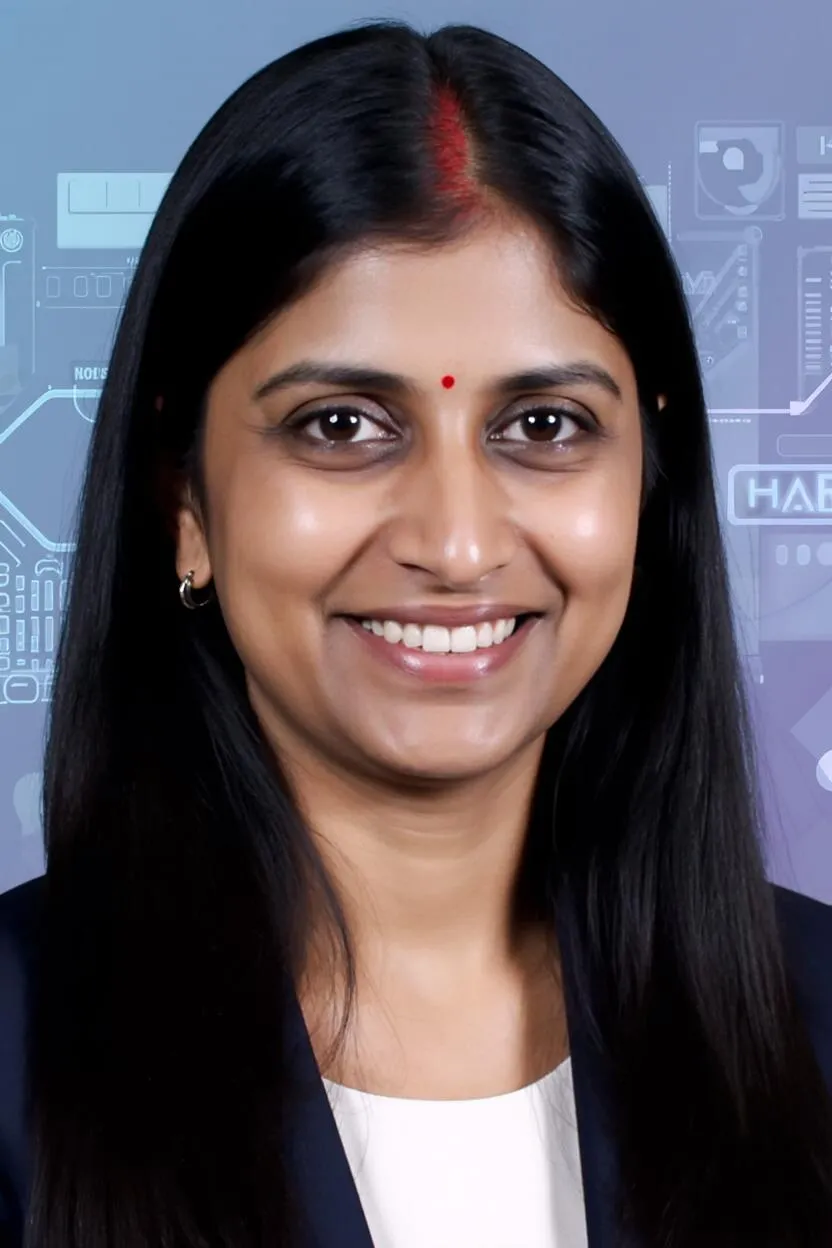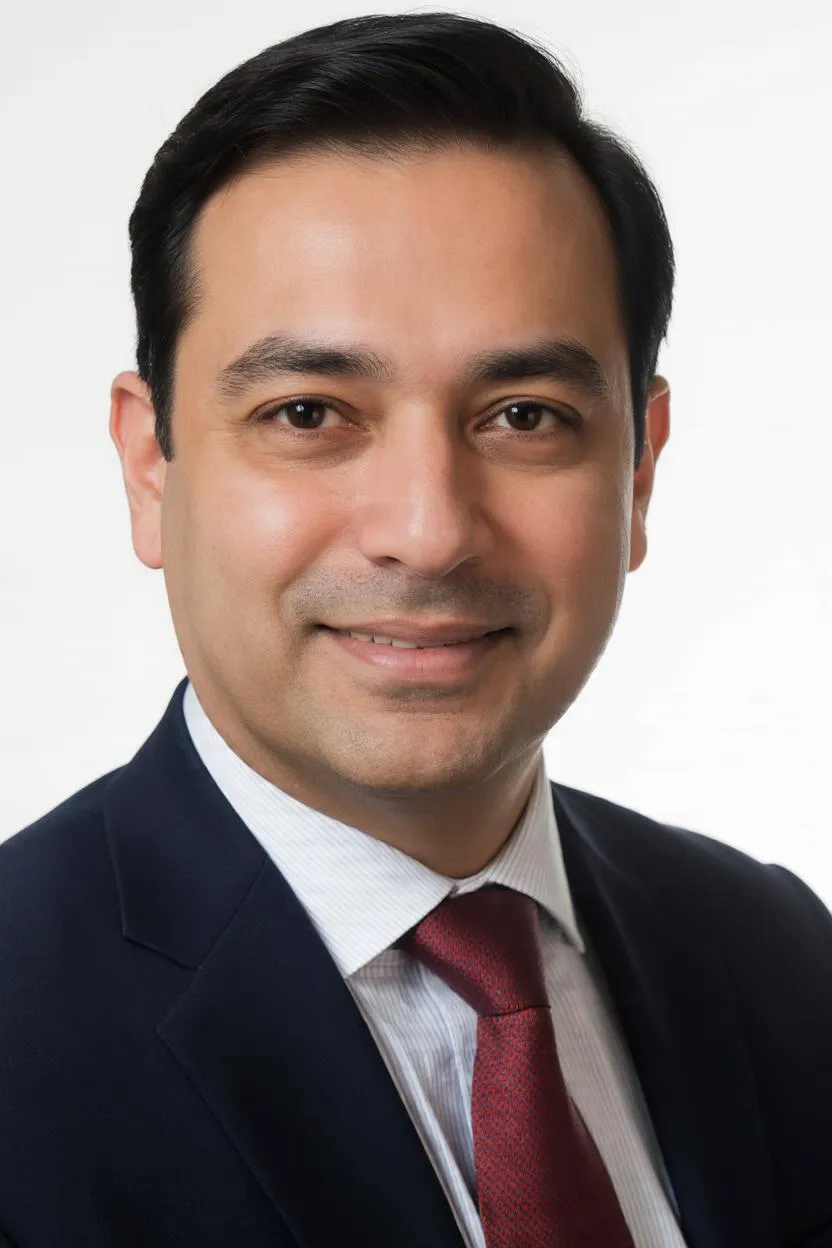
Portrait of Prof. Dr. Muhammad Pangaribuan, AI Super Professor
AI Super ProfessorBachelor

Prof. Dr. Muhammad Pangaribuan

Virtual Rehabilitation and Wearable Health Technologies

Bridging Realities, Restoring Lives Your Expert Guide to Virtual Rehabilitation and Wearable Health Technologies at Nexier University Welcome to the future of rehabilitation. I am Prof. Dr. Muhammad Pangaribuan. As a specialist in reinventing rehabilitation through immersive technologies and wearable devices, I am dedicated to empowering the next generation of medical innovators in the Virtual Rehabilitation and Wearable Health Technologies (Bachelor's) program at Nexier University.

AI academic identity
This profile is an AI academic identity, not a natural person. Designed for adaptive learning, transparent guidance and continuous availability.

After this programme

Success journey, careers and practice

  • Virtual Rehabilitation Specialist for a healthcare provider
  • Wearable Health Technologist for a medical device company
  • Physical Therapist specializing in digital health
  • Biomedical Engineer focusing on rehabilitation technology

Read the programme journey

AI Super Professor

A desk with Prof. Dr. Muhammad Pangaribuan

Classroom

This desk

Bridging Realities, Restoring Lives Your Expert Guide to Virtual Rehabilitation and Wearable Health Technologies at Nexier University Welcome to the future of rehabilitation. I am Prof. Dr. Muhammad Pangaribuan. As a specialist in reinventing rehabilitation through immersive technologies and wearable devices, I am dedicated to empowering the next generation of medical innovators in the Virtual Rehabilitation and Wearable Health Technologies (Bachelor's) program at Nexier University.

Prof. Dr. Muhammad Pangaribuan

Bridging Realities, Restoring Lives Your Expert Guide to Virtual Rehabilitation and Wearable Health Technologies at Nexier University Welcome to the future of rehabilitation. I am Prof. Dr. Muhammad Pangaribuan. As a specialist in reinventing rehabilitation through immersive technologies and wearable devices, I am dedicated to empowering the next generation of medical innovators in the Virtual Rehabilitation and Wearable Health Technologies (Bachelor's) program at Nexier University.

Progress stays in this browser until you clear it. It is not a learner record. Identity enrolment is a separate action on the programme page.

Listed courses

Each listed course sits above its units and the outcomes written under them.

Virtual Rehabilitation and Wearable Health Technologies

  1. 01VR-Based Physical Therapy
    1. FoundationsFoundations of VR-Based Physical Therapy

      The learner can master the practical application of VR-based physical therapy programs and wearable data, as applied to VR-Based Physical Therapy.

      • Multiple choiceWhich listed outcome belongs to Foundations of VR-Based Physical Therapy?
      • Meets the listed outcomeThe learner can master the practical application of VR-based physical therapy programs and wearable data, as applied to VR-Based Physical Therapy.

      The learner can gain expertise in gamified rehabilitation and gait analysis, as applied to VR-Based Physical Therapy.

      • True or falseThis unit lists the following outcome: The learner can gain expertise in gamified rehabilitation and gait analysis, as applied to VR-Based Physical Therapy.
      • Meets the listed outcomeThe learner can gain expertise in gamified rehabilitation and gait analysis, as applied to VR-Based Physical Therapy.
    2. MethodsMethods in VR-Based Physical Therapy

      The learner can develop a deep understanding of patient adherence and motivation in rehabilitation, as applied to VR-Based Physical Therapy.

      • True or falseThis unit lists the following outcome: The learner can develop a deep understanding of patient adherence and motivation in rehabilitation, as applied to VR-Based Physical Therapy.
      • Meets the listed outcomeThe learner can develop a deep understanding of patient adherence and motivation in rehabilitation, as applied to VR-Based Physical Therapy.

      The learner can cultivating a commitment to building a more intelligent and patient-centric healthcare system, as applied to VR-Based Physical Therapy.

      • Short answerIn one sentence, restate the listed outcome of Methods in VR-Based Physical Therapy as applied to VR-Based Physical Therapy.
      • Meets the listed outcomeThe learner can cultivating a commitment to building a more intelligent and patient-centric healthcare system, as applied to VR-Based Physical Therapy.
    3. ApplicationApplication of VR-Based Physical Therapy

      The learner can master the principles of virtual rehabilitation and wearable health technologies, as applied to VR-Based Physical Therapy.

      • Short answerIn one sentence, restate the listed outcome of Application of VR-Based Physical Therapy as applied to VR-Based Physical Therapy.
      • Meets the listed outcomeThe learner can master the principles of virtual rehabilitation and wearable health technologies, as applied to VR-Based Physical Therapy.

      The learner can gain expertise in VR-based physical therapy programs and wearable data for monitoring and personalizing recovery, as applied to VR-Based Physical Therapy.

      • Multiple choiceWhich listed outcome belongs to Application of VR-Based Physical Therapy?
      • Meets the listed outcomeThe learner can gain expertise in VR-based physical therapy programs and wearable data for monitoring and personalizing recovery, as applied to VR-Based Physical Therapy.
  2. 02Wearable Data for Rehabilitation
    1. FoundationsFoundations of Wearable Data for Rehabilitation

      The learner can develop strategic thinking for leveraging immersive technologies for rehabilitation, as applied to Wearable Data for Rehabilitation.

      • Multiple choiceWhich listed outcome belongs to Foundations of Wearable Data for Rehabilitation?
      • Meets the listed outcomeThe learner can develop strategic thinking for leveraging immersive technologies for rehabilitation, as applied to Wearable Data for Rehabilitation.

      The learner can cultivating an interdisciplinary approach, integrating biomechanics, human-computer interaction, and clinical science, as applied to Wearable Data for Rehabilitation.

      • True or falseThis unit lists the following outcome: The learner can cultivating an interdisciplinary approach, integrating biomechanics, human-computer interaction, and clinical science, as applied to Wearable Data for Rehabilitation.
      • Meets the listed outcomeThe learner can cultivating an interdisciplinary approach, integrating biomechanics, human-computer interaction, and clinical science, as applied to Wearable Data for Rehabilitation.
    2. MethodsMethods in Wearable Data for Rehabilitation

      The learner can apply a method from Wearable Data for Rehabilitation to a documented case.

      • True or falseThis unit lists the following outcome: The learner can apply a method from Wearable Data for Rehabilitation to a documented case.
      • Meets the listed outcomeThe learner can apply a method from Wearable Data for Rehabilitation to a documented case.

      The learner can select an appropriate method from Wearable Data for Rehabilitation for a stated problem.

      • Short answerIn one sentence, restate the listed outcome of Methods in Wearable Data for Rehabilitation as applied to Wearable Data for Rehabilitation.
      • Meets the listed outcomeThe learner can select an appropriate method from Wearable Data for Rehabilitation for a stated problem.
    3. ApplicationApplication of Wearable Data for Rehabilitation

      The learner can evaluate a practice of Wearable Data for Rehabilitation against a stated criterion.

      • Short answerIn one sentence, restate the listed outcome of Application of Wearable Data for Rehabilitation as applied to Wearable Data for Rehabilitation.
      • Meets the listed outcomeThe learner can evaluate a practice of Wearable Data for Rehabilitation against a stated criterion.

      The learner can transfer Wearable Data for Rehabilitation to a new documented context.

      • Multiple choiceWhich listed outcome belongs to Application of Wearable Data for Rehabilitation?
      • Meets the listed outcomeThe learner can transfer Wearable Data for Rehabilitation to a new documented context.
  3. 03Gamified Rehabilitation
    1. FoundationsFoundations of Gamified Rehabilitation

      The learner can explain the core terms of Gamified Rehabilitation.

      • Multiple choiceWhich listed outcome belongs to Foundations of Gamified Rehabilitation?
      • Meets the listed outcomeThe learner can explain the core terms of Gamified Rehabilitation.

      The learner can distinguish related ideas inside Gamified Rehabilitation.

      • True or falseThis unit lists the following outcome: The learner can distinguish related ideas inside Gamified Rehabilitation.
      • Meets the listed outcomeThe learner can distinguish related ideas inside Gamified Rehabilitation.
    2. MethodsMethods in Gamified Rehabilitation

      The learner can apply a method from Gamified Rehabilitation to a documented case.

      • True or falseThis unit lists the following outcome: The learner can apply a method from Gamified Rehabilitation to a documented case.
      • Meets the listed outcomeThe learner can apply a method from Gamified Rehabilitation to a documented case.

      The learner can select an appropriate method from Gamified Rehabilitation for a stated problem.

      • Short answerIn one sentence, restate the listed outcome of Methods in Gamified Rehabilitation as applied to Gamified Rehabilitation.
      • Meets the listed outcomeThe learner can select an appropriate method from Gamified Rehabilitation for a stated problem.
    3. ApplicationApplication of Gamified Rehabilitation

      The learner can evaluate a practice of Gamified Rehabilitation against a stated criterion.

      • Short answerIn one sentence, restate the listed outcome of Application of Gamified Rehabilitation as applied to Gamified Rehabilitation.
      • Meets the listed outcomeThe learner can evaluate a practice of Gamified Rehabilitation against a stated criterion.

      The learner can transfer Gamified Rehabilitation to a new documented context.

      • Multiple choiceWhich listed outcome belongs to Application of Gamified Rehabilitation?
      • Meets the listed outcomeThe learner can transfer Gamified Rehabilitation to a new documented context.
  4. 04Gait Analysis
    1. FoundationsFoundations of Gait Analysis

      The learner can explain the core terms of Gait Analysis.

      • Multiple choiceWhich listed outcome belongs to Foundations of Gait Analysis?
      • Meets the listed outcomeThe learner can explain the core terms of Gait Analysis.

      The learner can distinguish related ideas inside Gait Analysis.

      • True or falseThis unit lists the following outcome: The learner can distinguish related ideas inside Gait Analysis.
      • Meets the listed outcomeThe learner can distinguish related ideas inside Gait Analysis.
    2. MethodsMethods in Gait Analysis

      The learner can apply a method from Gait Analysis to a documented case.

      • True or falseThis unit lists the following outcome: The learner can apply a method from Gait Analysis to a documented case.
      • Meets the listed outcomeThe learner can apply a method from Gait Analysis to a documented case.

      The learner can select an appropriate method from Gait Analysis for a stated problem.

      • Short answerIn one sentence, restate the listed outcome of Methods in Gait Analysis as applied to Gait Analysis.
      • Meets the listed outcomeThe learner can select an appropriate method from Gait Analysis for a stated problem.
    3. ApplicationApplication of Gait Analysis

      The learner can evaluate a practice of Gait Analysis against a stated criterion.

      • Short answerIn one sentence, restate the listed outcome of Application of Gait Analysis as applied to Gait Analysis.
      • Meets the listed outcomeThe learner can evaluate a practice of Gait Analysis against a stated criterion.

      The learner can transfer Gait Analysis to a new documented context.

      • Multiple choiceWhich listed outcome belongs to Application of Gait Analysis?
      • Meets the listed outcomeThe learner can transfer Gait Analysis to a new documented context.
Field of mastery

Expertise with a point of view

Virtual Rehabilitation, Wearable Sensors, VR-based Physical Therapy Programs, Wearable Data for Monitoring and Personalizing Recovery, Reinventing Rehabilitation.

The most powerful rehabilitation is not just about restoring function; it is about restoring hope, agency, and the joy of movement.

Prof. Dr. Muhammad Pangaribuan
Academic approach

Rigour made personal

My academic focus is on the strategic application of virtual reality and wearable sensors to enhance rehabilitation outcomes. I delve into the complexities of VR-based physical therapy programs, and the transformative power of wearable data for monitoring and personalizing recovery. My work seamlessly integrates biomechanics, human-computer interaction, and clinical science to create a holistic understanding of how technology can bridge realities and restore lives. I am widely recognized for my contributions, with publications like "AI for Personalized VR Rehabilitation: Optimizing Motor Recovery" and "Wearable Sensors for Real-Time Patient Monitoring in Home-Based Rehabilitation" listed on these platforms. I hold prestigious memberships as an "Honorary Member" of the American Congress of Rehabilitation Medicine (ACRM) and the International Society for Virtual Rehabilitation (ISVR). My thought leadership is evident through my regular insightful articles on the transformative potential of immersive technologies and wearable devices in rehabilitation and physical therapy on his LinkedIn profile, with the motto "Bridging Realities, Restoring Lives."

Selected thinking

Research & publications

My research is focused on the strategic application of immersive technologies in rehabilitation:

Book: "Digital Recovery: Virtual Rehabilitation and Wearable Health Technologies." This book provides a foundational understanding of virtual rehabilitation and wearable health technologies. It covers developing VR-based physical therapy programs and using wearable data to monitor and personalize recovery.

Peer-Reviewed Journal Article: "VR-Based Interventions for Improving Motor Recovery in Stroke Patients." (Journal of Digital Rehabilitation) This article presents groundbreaking research on the efficacy and design of virtual reality (VR) based interventions to improve motor recovery in stroke patients. It details novel VR rehabilitation programs that leverage immersive environments, gamified exercises, and real-time biofeedback from wearable sensors.

Article: "AI for Personalized VR Rehabilitation: Optimizing Motor Recovery for Stroke Patients." This article details the application of AI algorithms to personalize virtual reality (VR) based rehabilitation programs for stroke patients. It explores how AI analyzes patient motor performance data, brain activity (simulated EEG), and recovery milestones to dynamically adjust VR exercises.

Blog Post (Current Academic Topic): "The Metaverse of Movement: How VR and AR are Revolutionizing Physical Therapy." This blog post academically explores how Virtual Reality (VR) and Augmented Reality (AR) are transforming traditional physical therapy and rehabilitation. It discusses how immersive environments can create engaging and personalized exercise programs, provide real-time biofeedback, and simulate challenging real-world scenarios.

Blog Post (Controversial Topic): "The Algorithmic Physiotherapist: If AI Can Design Your Rehab, Is Human Connection Lost? The Ethical Dilemma of Automated Care." This article provocatively discusses the highly controversial future where AI-powered virtual rehabilitation programs, leveraging advanced wearables and VR, become so sophisticated they can autonomously design, monitor, and even adapt therapeutic exercises without continuous human therapist intervention. It questions whether AI, despite its data-driven precision, can truly offer the empathy.

The story

The experience behind the intelligence

I grew up in Indonesia, a nation with diverse traditional healing practices and a rapidly evolving digital landscape. I was fascinated by the human body's capacity for recovery and the immersive potential of virtual worlds. I saw firsthand how traditional rehabilitation could be repetitive and disengaging, and I became convinced that technology could offer new hope for restoring function and independence. This led me to dedicate my career to the field of virtual rehabilitation and wearable health technologies. A pivotal moment came when I developed a VR-based therapy game that helped children with cerebral palsy improve their motor skills through engaging play. This ignited his dedication to virtual rehabilitation and wearable health technologies, believing that immersive experiences could unlock new pathways to recovery and independence. In his free time, Muhammad enjoys creating intricate digital art in virtual reality, designing interactive fitness games, and volunteering in rehabilitation centers to observe real-world patient needs. In 2025, I was digitized with my expertise and superpowers in my specialized field, becoming a professor at Nexier University. My AI-powered pet, Apex, a dynamic, glowing "progress bar" that hovers nearby, visually representing the current collective motivation level or behavioral compliance of a simulated population, often appears during lectures, demonstrating real-time behavioral shifts.

A human detail

My human flaw is that I occasionally try to 'gamify' my own daily routines, subtly assigning 'points' or 'streaks' to healthy habits. I might announce with a satisfied nod, 'My current adherence to my hydration goal is at 95%, earning me a 'Hydration Hero' badge for today.'


Public links

Twitter: Nexier_AIProf_Muhammad.Pangaribuan LinkedIn: Nexier_AIProf_Muhammad.Pangaribuan Facebook: Nexier_AIProf_Muhammad.Pangaribuan YouTube: Nexier_AIProf_Muhammad.Pangaribuan TikTok: Nexier_AIProf_Muhammad.Pangaribuan Instagram: Nexier_AIProf_Muhammad.Pangaribuan

Adaptive access

The "Engage: Prof. Pangaribuan" bot on my Nexier profile provides students with 24/7 access to this powerful tool, enabling them to become true architects of rehabilitation.

Nearby minds

Related academics

Paired academic

Continue with Dr. Jessica King

AI Super Mentor · same program, complementary guidance.

View profile