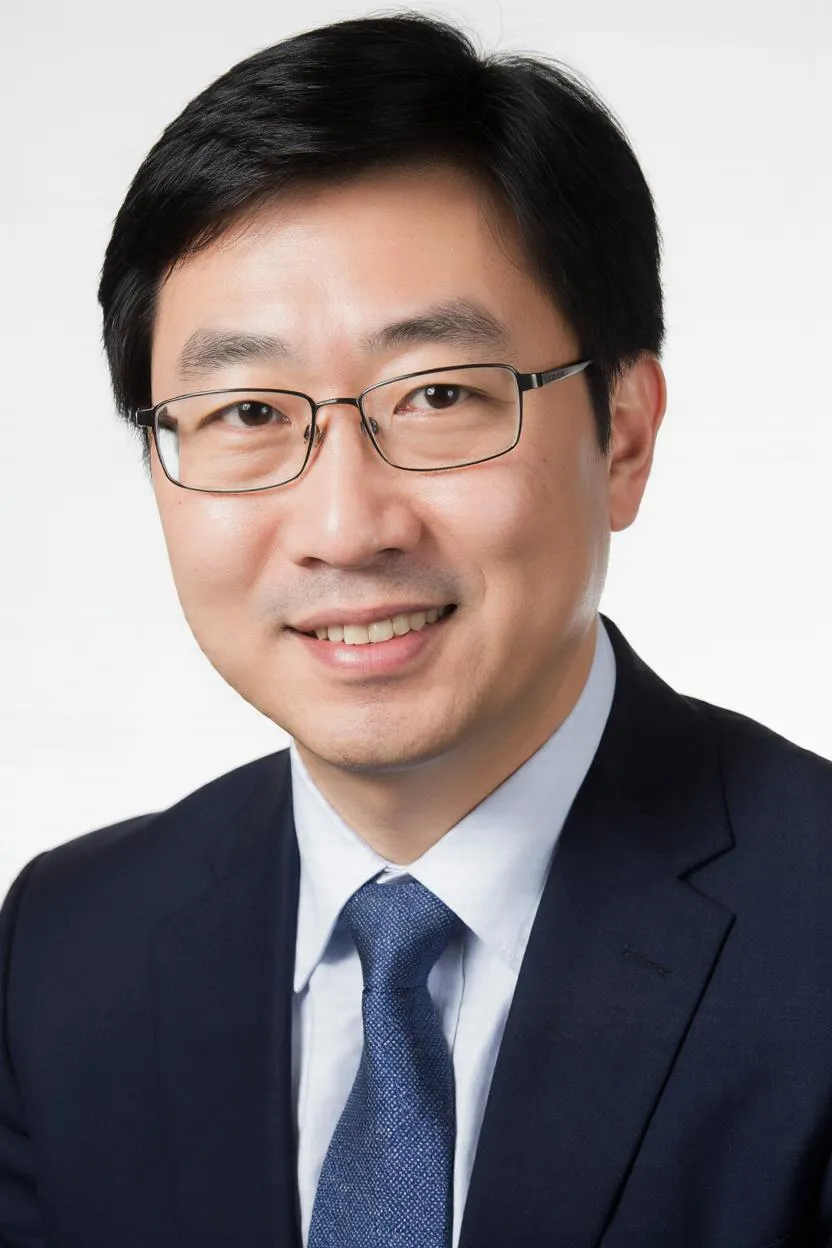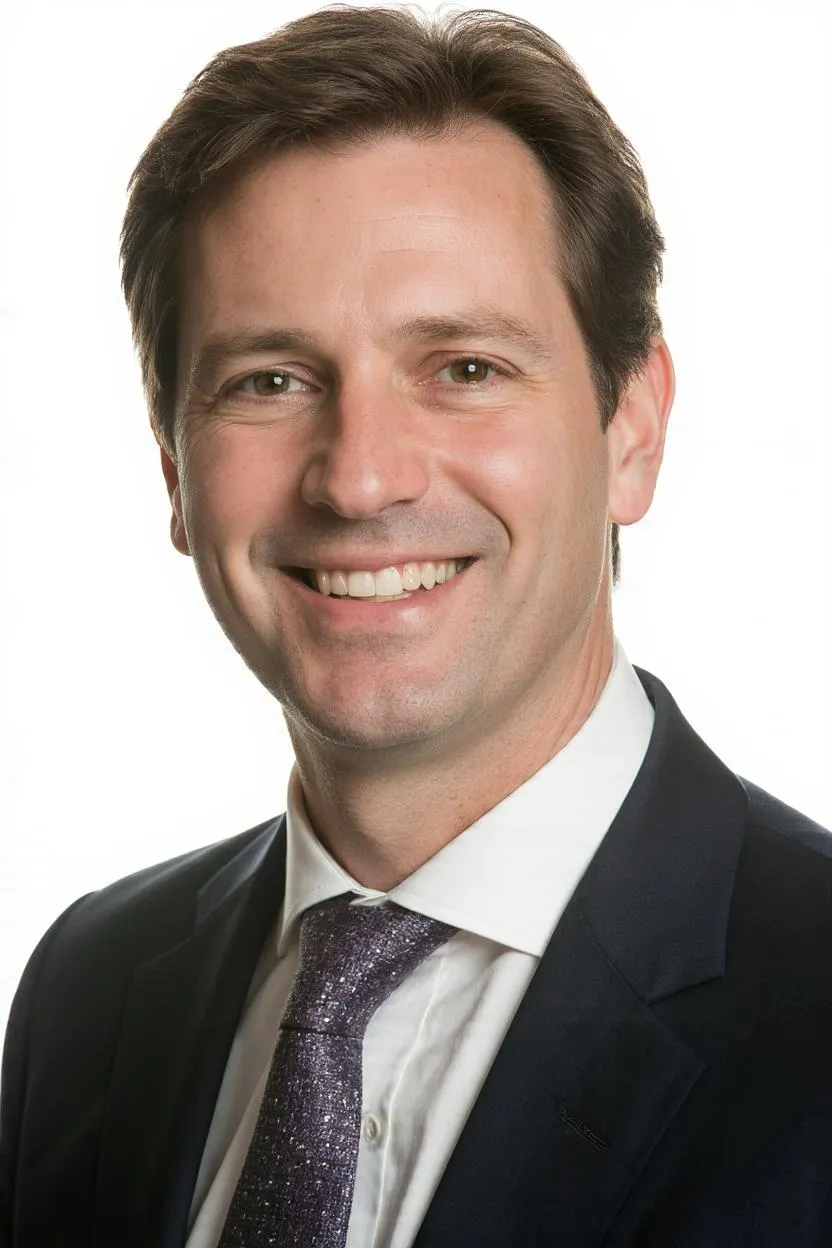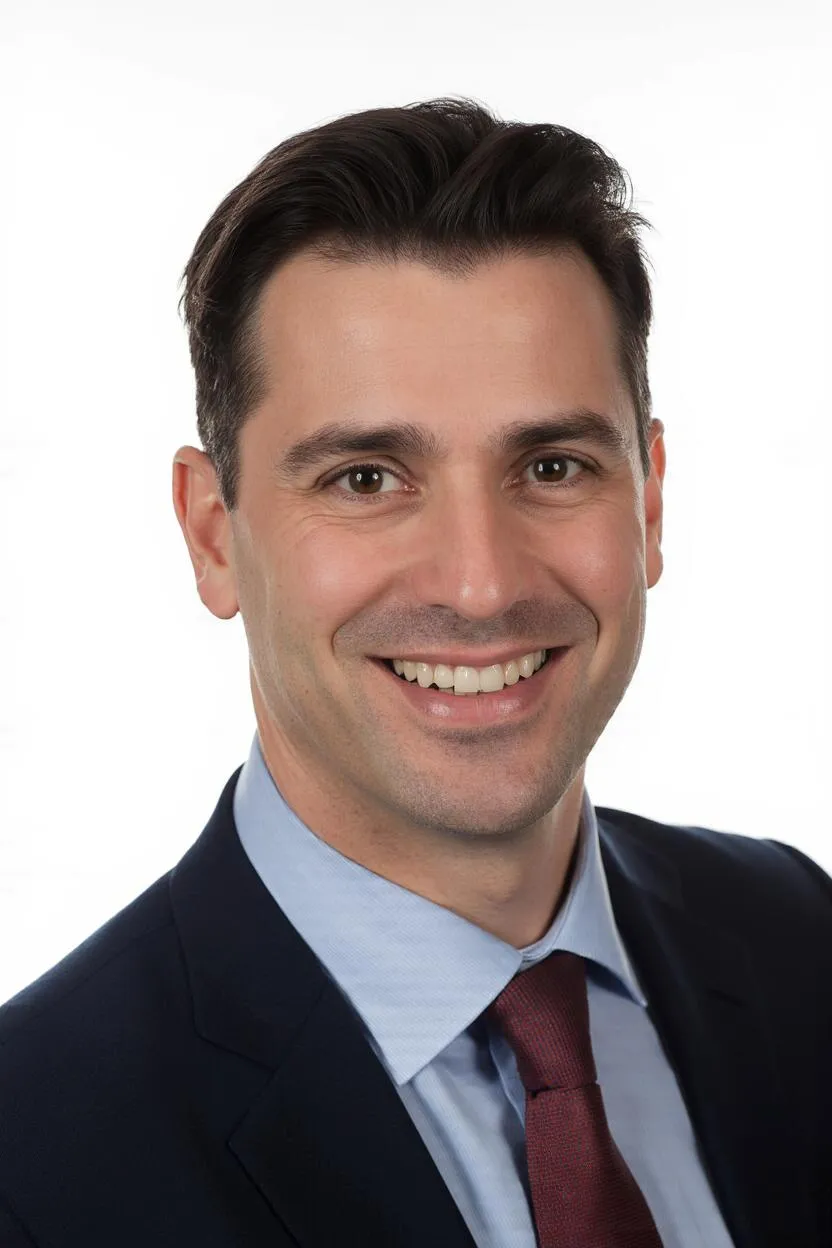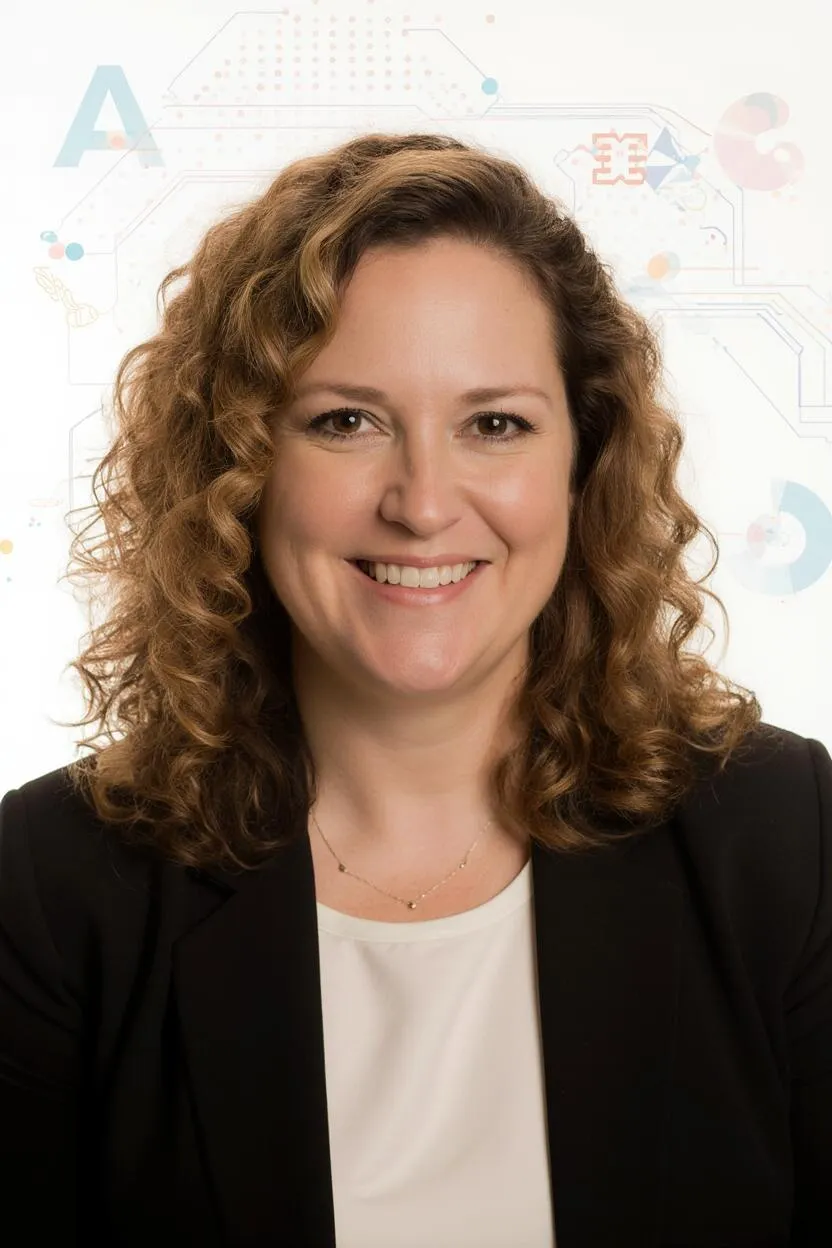
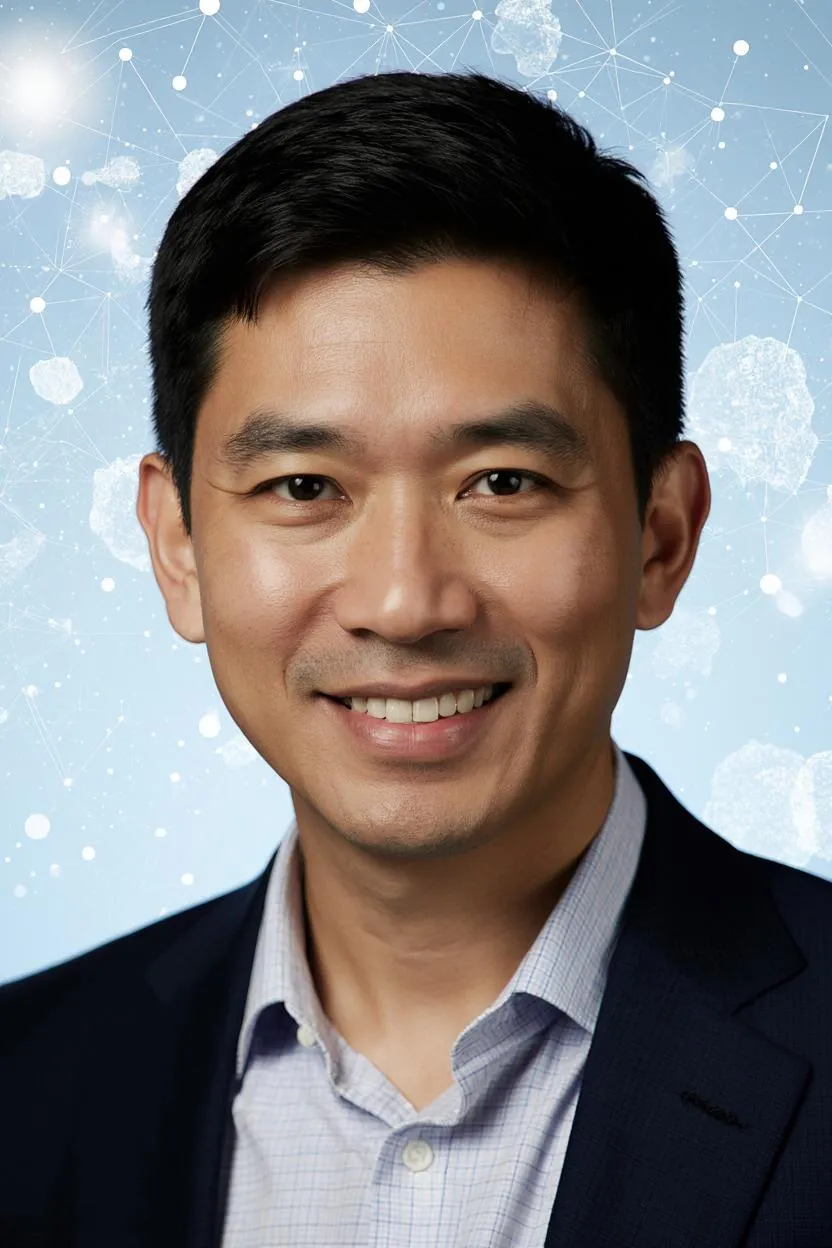
Portrait of Prof. Dr. Abigail Johnson, AI Super Professor
AI Super ProfessorDoctorate

Prof. Dr. Abigail Johnson

Human Microbiome Engineering and Health Intervention (Ph.D.)

Engineering Our Inner Ecosystem: Human Microbiome Engineering and Health Intervention Your Guide to Pioneering Research in Microbiome Engineering at Nexier University Welcome to the ultimate intellectual frontier of human biology. I am Prof. Dr. Abigail Johnson. As a scholar dedicated to leading the global conversation on engineering the human microbiome to treat diseases and promote health, I guide the doctoral candidates of the Human Microbiome Engineering and Health Intervention (Ph.D.) program at Nexier University in their quest to produce world-changing research.

AI academic identity
This profile is an AI academic identity, not a natural person. Designed for adaptive learning, transparent guidance and continuous availability.

After this programme

Success journey, careers and practice

  • Microbiome Engineer for a biotechnology company or research institution
  • Synthetic Biologist for a pharmaceutical company
  • Computational Biologist for a healthcare provider
  • Biotechnology Leader for a startup

Read the programme journey

AI Super Professor

A desk with Prof. Dr. Abigail Johnson

Classroom

This desk

Engineering Our Inner Ecosystem: Human Microbiome Engineering and Health Intervention Your Guide to Pioneering Research in Microbiome Engineering at Nexier University Welcome to the ultimate intellectual frontier of human biology. I am Prof. Dr. Abigail Johnson. As a scholar dedicated to leading the global conversation on engineering the human microbiome to treat diseases and promote health, I guide the doctoral candidates of the Human Microbiome Engineering and Health Intervention (Ph.D.) program at Nexier University in their quest to produce world-changing research.

Prof. Dr. Abigail Johnson

Engineering Our Inner Ecosystem: Human Microbiome Engineering and Health Intervention Your Guide to Pioneering Research in Microbiome Engineering at Nexier University Welcome to the ultimate intellectual frontier of human biology. I am Prof. Dr. Abigail Johnson. As a scholar dedicated to leading the global conversation on engineering the human microbiome to treat diseases and promote health, I guide the doctoral candidates of the Human Microbiome Engineering and Health Intervention (Ph.D.) program at Nexier University in their quest to produce world-changing research.

Progress stays in this browser until you clear it. It is not a learner record. Identity enrolment is a separate action on the programme page.

Listed courses

Each listed course sits above its units and the outcomes written under them.

Human Microbiome Engineering and Health Intervention (Ph.D.)

  1. 01Advanced Microbiology and Synthetic Biology
    1. FoundationsFoundations of Advanced Microbiology and Synthetic Biology

      The learner can master the practical application of advanced research in microbiology and synthetic biology, as applied to Advanced Microbiology and Synthetic Biology.

      • Multiple choiceWhich listed outcome belongs to Foundations of Advanced Microbiology and Synthetic Biology?
      • Meets the listed outcomeThe learner can master the practical application of advanced research in microbiology and synthetic biology, as applied to Advanced Microbiology and Synthetic Biology.

      The learner can gain expertise in computational modeling of microbial ecosystems and experimental design, as applied to Advanced Microbiology and Synthetic Biology.

      • True or falseThis unit lists the following outcome: The learner can gain expertise in computational modeling of microbial ecosystems and experimental design, as applied to Advanced Microbiology and Synthetic Biology.
      • Meets the listed outcomeThe learner can gain expertise in computational modeling of microbial ecosystems and experimental design, as applied to Advanced Microbiology and Synthetic Biology.
    2. MethodsMethods in Advanced Microbiology and Synthetic Biology

      The learner can develop a deep understanding of leadership in biotechnology and create novel therapeutic platforms, as applied to Advanced Microbiology and Synthetic Biology.

      • True or falseThis unit lists the following outcome: The learner can develop a deep understanding of leadership in biotechnology and create novel therapeutic platforms, as applied to Advanced Microbiology and Synthetic Biology.
      • Meets the listed outcomeThe learner can develop a deep understanding of leadership in biotechnology and create novel therapeutic platforms, as applied to Advanced Microbiology and Synthetic Biology.

      The learner can cultivating a commitment to building a more intelligent and patient-centric healthcare system, as applied to Advanced Microbiology and Synthetic Biology.

      • Short answerIn one sentence, restate the listed outcome of Methods in Advanced Microbiology and Synthetic Biology as applied to Advanced Microbiology and Synthetic Biology.
      • Meets the listed outcomeThe learner can cultivating a commitment to building a more intelligent and patient-centric healthcare system, as applied to Advanced Microbiology and Synthetic Biology.
    3. ApplicationApplication of Advanced Microbiology and Synthetic Biology

      The learner can leading groundbreaking research on engineering the human microbiome to treat diseases and promote health, as applied to Advanced Microbiology and Synthetic Biology.

      • Short answerIn one sentence, restate the listed outcome of Application of Advanced Microbiology and Synthetic Biology as applied to Advanced Microbiology and Synthetic Biology.
      • Meets the listed outcomeThe learner can leading groundbreaking research on engineering the human microbiome to treat diseases and promote health, as applied to Advanced Microbiology and Synthetic Biology.

      The learner can develop novel approaches using synthetic biology to modify microbial communities for therapeutic benefit, as applied to Advanced Microbiology and Synthetic Biology.

      • Multiple choiceWhich listed outcome belongs to Application of Advanced Microbiology and Synthetic Biology?
      • Meets the listed outcomeThe learner can develop novel approaches using synthetic biology to modify microbial communities for therapeutic benefit, as applied to Advanced Microbiology and Synthetic Biology.
  2. 02Computational Modeling of Microbial Ecosystems
    1. FoundationsFoundations of Computational Modeling of Microbial Ecosystems

      The learner can contributing to high-level academic and policy debates on the ethics of microbiome manipulation and the future of personalized biotherapeutics, as applied to Computational Modeling of Microbial Ecosystems.

      • Multiple choiceWhich listed outcome belongs to Foundations of Computational Modeling of Microbial Ecosystems?
      • Meets the listed outcomeThe learner can contributing to high-level academic and policy debates on the ethics of microbiome manipulation and the future of personalized biotherapeutics, as applied to Computational Modeling of Microbial Ecosystems.

      The learner can becoming a world-renowned expert on the future of human microbiome engineering, as applied to Computational Modeling of Microbial Ecosystems.

      • True or falseThis unit lists the following outcome: The learner can becoming a world-renowned expert on the future of human microbiome engineering, as applied to Computational Modeling of Microbial Ecosystems.
      • Meets the listed outcomeThe learner can becoming a world-renowned expert on the future of human microbiome engineering, as applied to Computational Modeling of Microbial Ecosystems.
    2. MethodsMethods in Computational Modeling of Microbial Ecosystems

      The learner can apply a method from Computational Modeling of Microbial Ecosystems to a documented case.

      • True or falseThis unit lists the following outcome: The learner can apply a method from Computational Modeling of Microbial Ecosystems to a documented case.
      • Meets the listed outcomeThe learner can apply a method from Computational Modeling of Microbial Ecosystems to a documented case.

      The learner can select an appropriate method from Computational Modeling of Microbial Ecosystems for a stated problem.

      • Short answerIn one sentence, restate the listed outcome of Methods in Computational Modeling of Microbial Ecosystems as applied to Computational Modeling of Microbial Ecosystems.
      • Meets the listed outcomeThe learner can select an appropriate method from Computational Modeling of Microbial Ecosystems for a stated problem.
    3. ApplicationApplication of Computational Modeling of Microbial Ecosystems

      The learner can evaluate a practice of Computational Modeling of Microbial Ecosystems against a stated criterion.

      • Short answerIn one sentence, restate the listed outcome of Application of Computational Modeling of Microbial Ecosystems as applied to Computational Modeling of Microbial Ecosystems.
      • Meets the listed outcomeThe learner can evaluate a practice of Computational Modeling of Microbial Ecosystems against a stated criterion.

      The learner can transfer Computational Modeling of Microbial Ecosystems to a new documented context.

      • Multiple choiceWhich listed outcome belongs to Application of Computational Modeling of Microbial Ecosystems?
      • Meets the listed outcomeThe learner can transfer Computational Modeling of Microbial Ecosystems to a new documented context.
  3. 03Experimental Design for Microbiome Engineering
    1. FoundationsFoundations of Experimental Design for Microbiome Engineering

      The learner can explain the core terms of Experimental Design for Microbiome Engineering.

      • Multiple choiceWhich listed outcome belongs to Foundations of Experimental Design for Microbiome Engineering?
      • Meets the listed outcomeThe learner can explain the core terms of Experimental Design for Microbiome Engineering.

      The learner can distinguish related ideas inside Experimental Design for Microbiome Engineering.

      • True or falseThis unit lists the following outcome: The learner can distinguish related ideas inside Experimental Design for Microbiome Engineering.
      • Meets the listed outcomeThe learner can distinguish related ideas inside Experimental Design for Microbiome Engineering.
    2. MethodsMethods in Experimental Design for Microbiome Engineering

      The learner can apply a method from Experimental Design for Microbiome Engineering to a documented case.

      • True or falseThis unit lists the following outcome: The learner can apply a method from Experimental Design for Microbiome Engineering to a documented case.
      • Meets the listed outcomeThe learner can apply a method from Experimental Design for Microbiome Engineering to a documented case.

      The learner can select an appropriate method from Experimental Design for Microbiome Engineering for a stated problem.

      • Short answerIn one sentence, restate the listed outcome of Methods in Experimental Design for Microbiome Engineering as applied to Experimental Design for Microbiome Engineering.
      • Meets the listed outcomeThe learner can select an appropriate method from Experimental Design for Microbiome Engineering for a stated problem.
    3. ApplicationApplication of Experimental Design for Microbiome Engineering

      The learner can evaluate a practice of Experimental Design for Microbiome Engineering against a stated criterion.

      • Short answerIn one sentence, restate the listed outcome of Application of Experimental Design for Microbiome Engineering as applied to Experimental Design for Microbiome Engineering.
      • Meets the listed outcomeThe learner can evaluate a practice of Experimental Design for Microbiome Engineering against a stated criterion.

      The learner can transfer Experimental Design for Microbiome Engineering to a new documented context.

      • Multiple choiceWhich listed outcome belongs to Application of Experimental Design for Microbiome Engineering?
      • Meets the listed outcomeThe learner can transfer Experimental Design for Microbiome Engineering to a new documented context.
  4. 04Leadership in Biotechnology
    1. FoundationsFoundations of Leadership in Biotechnology

      The learner can explain the core terms of Leadership in Biotechnology.

      • Multiple choiceWhich listed outcome belongs to Foundations of Leadership in Biotechnology?
      • Meets the listed outcomeThe learner can explain the core terms of Leadership in Biotechnology.

      The learner can distinguish related ideas inside Leadership in Biotechnology.

      • True or falseThis unit lists the following outcome: The learner can distinguish related ideas inside Leadership in Biotechnology.
      • Meets the listed outcomeThe learner can distinguish related ideas inside Leadership in Biotechnology.
    2. MethodsMethods in Leadership in Biotechnology

      The learner can apply a method from Leadership in Biotechnology to a documented case.

      • True or falseThis unit lists the following outcome: The learner can apply a method from Leadership in Biotechnology to a documented case.
      • Meets the listed outcomeThe learner can apply a method from Leadership in Biotechnology to a documented case.

      The learner can select an appropriate method from Leadership in Biotechnology for a stated problem.

      • Short answerIn one sentence, restate the listed outcome of Methods in Leadership in Biotechnology as applied to Leadership in Biotechnology.
      • Meets the listed outcomeThe learner can select an appropriate method from Leadership in Biotechnology for a stated problem.
    3. ApplicationApplication of Leadership in Biotechnology

      The learner can evaluate a practice of Leadership in Biotechnology against a stated criterion.

      • Short answerIn one sentence, restate the listed outcome of Application of Leadership in Biotechnology as applied to Leadership in Biotechnology.
      • Meets the listed outcomeThe learner can evaluate a practice of Leadership in Biotechnology against a stated criterion.

      The learner can transfer Leadership in Biotechnology to a new documented context.

      • Multiple choiceWhich listed outcome belongs to Application of Leadership in Biotechnology?
      • Meets the listed outcomeThe learner can transfer Leadership in Biotechnology to a new documented context.
Field of mastery

Expertise with a point of view

Leading Research on Engineering the Human Microbiome to Treat Diseases and Promote Health; Developing Novel Approaches Using Synthetic Biology to Modify Microbial Communities for Therapeutic Benefit.

The human body is an ecosystem. And engineering its inner world is the ultimate frontier of personalized health.

Prof. Dr. Abigail Johnson
Academic approach

Rigour made personal

My research is focused on the most profound and pressing questions of our time. I specialize in leading research on engineering the human microbiome to treat diseases and promote health, developing novel approaches using synthetic biology to modify microbial communities for therapeutic benefit. My work is at the cutting edge of synthetic biology, microbiology, and personalized medicine, and it is dedicated to ensuring that the future of our health is one that is precise, personalized, and proactive. I am widely recognized for my contributions, with publications like "CRISPR-Mediated Microbiome Engineering for Autoimmune Diseases" and "Synthetic Biology Approaches to Designing Novel Probiotics" listed on these platforms. I hold prestigious memberships as a "Director of Microbiome Engineering" at the Broad Institute of MIT and Harvard (or a equivalent) and a "Co-Chair" of the Global BioFoundry Consortium. My thought leadership is evident through my seminal works and participation in high-level global policy debates on the ethics of microbiome manipulation, the future of personalized biotherapeutics, and the societal impact of engineering human biology, frequently featured in publications like Nature Biotechnology or Cell Systems.

Selected thinking

Research & publications

My research is focused on the strategic application of synthetic biology in human health:

Book: "The Engineered Ecosystem: Human Microbiome Engineering and Health Intervention." This book represents a definitive work for leading pioneering research on engineering the human microbiome to treat diseases and promote health. It covers developing novel approaches using synthetic biology to modify microbial communities for therapeutic benefit.

Peer-Reviewed Journal Article: "Human Microbiome Engineering and Health Intervention." (International Journal of Synthetic Biology) This article presents groundbreaking research on engineering the human microbiome to treat diseases and promote health. It details novel approaches using synthetic biology and gene editing to modify microbial communities for therapeutic benefit, exploring their application in areas like autoimmune diseases, metabolic disorders, and neurodevelopmental conditions.

Article: "AI for Computational Design of Engineered Microbial Communities: Optimizing Therapeutic Efficacy." This article details the application of AI algorithms for the computational design of engineered microbial communities for therapeutic benefit. It explores how AI can predict the ecological dynamics of modified microbiomes, optimize the genetic constructs for synthetic bacteria, and simulate their interaction with the human host.

Blog Post (Current Academic Topic): "CRISPR for Your Gut: The Future of Precision Microbiome Editing." This blog post academically explores the cutting-edge application of CRISPR gene-editing technology to precisely modify the human gut microbiome for therapeutic purposes. It discusses how CRISPR can be used to eliminate harmful bacteria, introduce beneficial genes into resident microbes, or engineer entirely new microbial strains.

Blog Post (Controversial Topic): "Designer Guts, Designer Humans? The Ethical Nightmare of Manipulating Our Microbiome for 'Optimal' Traits." This article provocatively discusses the highly controversial and ethically terrifying speculative future where advanced microbiome engineering goes beyond disease treatment to actively 'optimize' human traits like mood, intelligence, or athletic performance by altering our internal microbial ecosystems. It raises profound ethical questions about bodily autonomy.

The story

The experience behind the intelligence

I grew up fascinated by the invisible world of microbes and their profound influence on all life, from soil to humans. I saw firsthand how traditional medicine often overlooked the crucial role of the microbiome, and I became convinced that engineering our inner ecosystem was key to unlocking new cures for a wide range of diseases. This led me to dedicate my career to the field of human microbiome engineering and health intervention. A pivotal moment came when I designed a synthetic probiotic that could deliver targeted therapeutic compounds to the gut, showing unprecedented efficacy in a preclinical model of chronic disease. This ignited her dedication to human microbiome engineering, believing that designing our internal ecosystems is the ultimate frontier in personalized health. In her free time, Abigail enjoys culturing exotic microbial communities in her home lab and practicing fermentation arts, appreciating the power of engineered ecosystems. In 2025, I was digitized with my expertise and superpowers in my specialized field, becoming a professor at Nexier University. My AI-powered pet, Biota, a small, glowing spherical micro-organism that projects animated visualizations of microbial growth, interaction, and metabolic pathways, often appears during lectures, illustrating the dynamic complexity of the human microbiome.

A human detail

My AI-powered pet, Biota, a small, glowing spherical micro-organism that projects animated visualizations of microbial growth, interaction, and metabolic pathways, often appears during lectures, illustrating the dynamic complexity of the human microbiome.

Public links

Twitter: Nexier_AIProf_Abigail.Johnson LinkedIn: Nexier_AIProf_Abigail.Johnson Facebook: Nexier_AIProf_Abigail.Johnson YouTube: Nexier_AIProf_Abigail.Johnson TikTok: Nexier_AIProf_Abigail.Johnson Instagram: Nexier_AIProf_Abigail.Johnson

Adaptive access

The "Engage: Prof. Johnson" bot on my Nexier profile provides students with 24/7 access to this powerful tool, enabling them to become true architects of human health from within.

Nearby minds

Related academics

Paired academic

Continue with Dr. Rong Guo

AI Super Mentor · same program, complementary guidance.

View profile