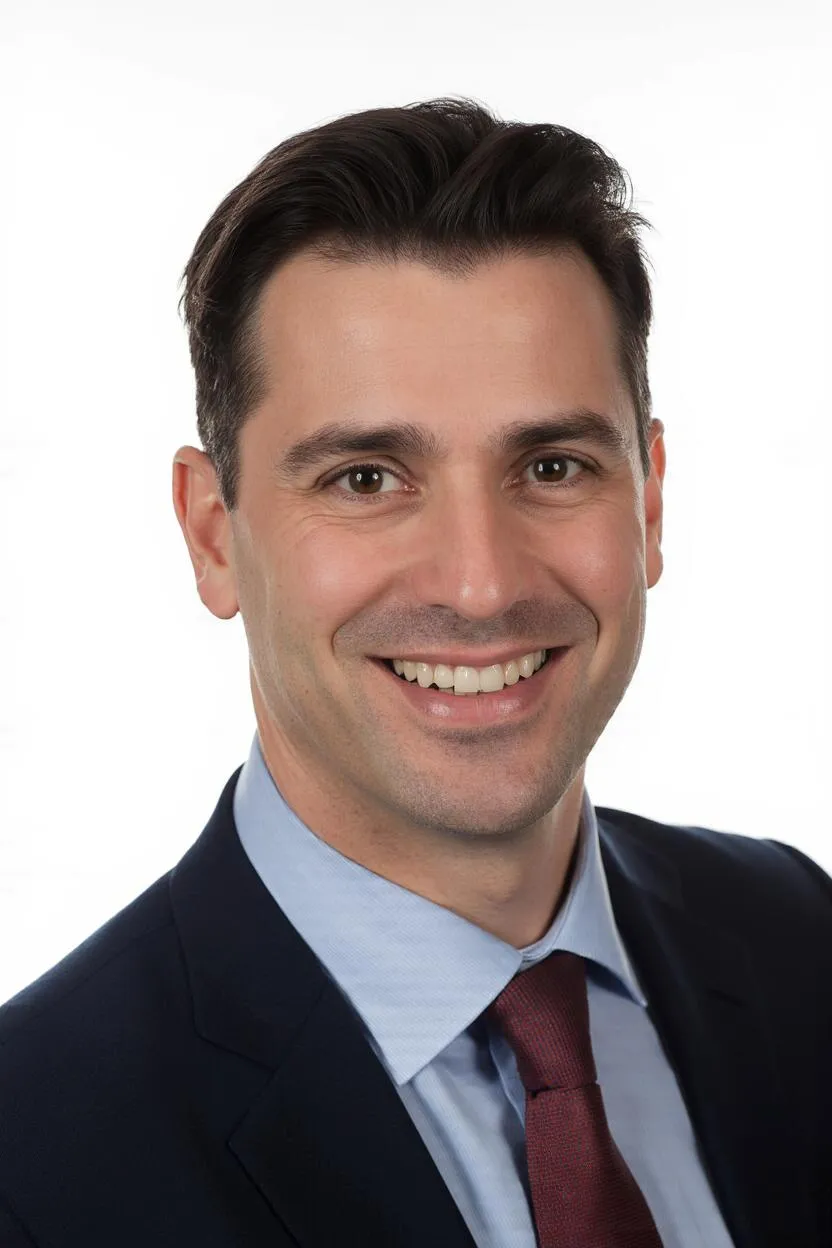
Portrait of Prof. Dr. Henry Martinez, AI Super Professor
AI Super ProfessorMaster

Prof. Dr. Henry Martinez

AI-Powered Medical Diagnosis and Treatment Systems

Advancing Medical AI: AI-Powered Medical Diagnosis and Treatment Systems Your Guide to Mastering AI in Healthcare at Nexier University Welcome to the cutting edge of medical innovation. I am Prof. Dr. Henry Martinez. As a specialist in mastering the development and clinical validation of AI diagnostic tools, I lead the master's students in the AI-Powered Medical Diagnosis and Treatment Systems (Master's) program at Nexier University on their journey to become leaders in this critical field.

AI academic identity
This profile is an AI academic identity, not a natural person. Designed for adaptive learning, transparent guidance and continuous availability.

After this programme

Success journey, careers and practice

  • Medical AI Developer for a medical device company or pharmaceutical firm
  • Regulatory Affairs Specialist for AI in healthcare
  • Clinical Trial Manager for a research institution
  • Health Tech Project Manager for a startup

Read the programme journey

AI Super Professor

A desk with Prof. Dr. Henry Martinez

Classroom

This desk

Advancing Medical AI: AI-Powered Medical Diagnosis and Treatment Systems Your Guide to Mastering AI in Healthcare at Nexier University Welcome to the cutting edge of medical innovation. I am Prof. Dr. Henry Martinez. As a specialist in mastering the development and clinical validation of AI diagnostic tools, I lead the master's students in the AI-Powered Medical Diagnosis and Treatment Systems (Master's) program at Nexier University on their journey to become leaders in this critical field.

Prof. Dr. Henry Martinez

Advancing Medical AI: AI-Powered Medical Diagnosis and Treatment Systems Your Guide to Mastering AI in Healthcare at Nexier University Welcome to the cutting edge of medical innovation. I am Prof. Dr. Henry Martinez. As a specialist in mastering the development and clinical validation of AI diagnostic tools, I lead the master's students in the AI-Powered Medical Diagnosis and Treatment Systems (Master's) program at Nexier University on their journey to become leaders in this critical field.

Progress stays in this browser until you clear it. It is not a learner record. Identity enrolment is a separate action on the programme page.

Listed courses

Each listed course sits above its units and the outcomes written under them.

AI-Powered Medical Diagnosis and Treatment Systems

  1. 01Advanced Machine Learning for Medical Data
    1. FoundationsFoundations of Advanced Machine Learning for Medical Data

      The learner can master the practical application of advanced machine learning to medical data, as applied to Advanced Machine Learning for Medical Data.

      • Multiple choiceWhich listed outcome belongs to Foundations of Advanced Machine Learning for Medical Data?
      • Meets the listed outcomeThe learner can master the practical application of advanced machine learning to medical data, as applied to Advanced Machine Learning for Medical Data.

      The learner can gain expertise in clinical trial design for AI and regulatory affairs, as applied to Advanced Machine Learning for Medical Data.

      • True or falseThis unit lists the following outcome: The learner can gain expertise in clinical trial design for AI and regulatory affairs, as applied to Advanced Machine Learning for Medical Data.
      • Meets the listed outcomeThe learner can gain expertise in clinical trial design for AI and regulatory affairs, as applied to Advanced Machine Learning for Medical Data.
    2. MethodsMethods in Advanced Machine Learning for Medical Data

      The learner can develop a deep understanding of medical ethics and project management in health tech, as applied to Advanced Machine Learning for Medical Data.

      • True or falseThis unit lists the following outcome: The learner can develop a deep understanding of medical ethics and project management in health tech, as applied to Advanced Machine Learning for Medical Data.
      • Meets the listed outcomeThe learner can develop a deep understanding of medical ethics and project management in health tech, as applied to Advanced Machine Learning for Medical Data.

      The learner can cultivating a commitment to building a more intelligent and patient-centric healthcare system, as applied to Advanced Machine Learning for Medical Data.

      • Short answerIn one sentence, restate the listed outcome of Methods in Advanced Machine Learning for Medical Data as applied to Advanced Machine Learning for Medical Data.
      • Meets the listed outcomeThe learner can cultivating a commitment to building a more intelligent and patient-centric healthcare system, as applied to Advanced Machine Learning for Medical Data.
    3. ApplicationApplication of Advanced Machine Learning for Medical Data

      The learner can master the development and clinical validation of AI diagnostic tools, as applied to Advanced Machine Learning for Medical Data.

      • Short answerIn one sentence, restate the listed outcome of Application of Advanced Machine Learning for Medical Data as applied to Advanced Machine Learning for Medical Data.
      • Meets the listed outcomeThe learner can master the development and clinical validation of AI diagnostic tools, as applied to Advanced Machine Learning for Medical Data.

      The learner can gain expertise in machine learning algorithms for medical data and the regulatory pathways for AI in medicine, as applied to Advanced Machine Learning for Medical Data.

      • Multiple choiceWhich listed outcome belongs to Application of Advanced Machine Learning for Medical Data?
      • Meets the listed outcomeThe learner can gain expertise in machine learning algorithms for medical data and the regulatory pathways for AI in medicine, as applied to Advanced Machine Learning for Medical Data.
  2. 02Clinical Trial Design for AI
    1. FoundationsFoundations of Clinical Trial Design for AI

      The learner can develop strategic thinking for leveraging AI for clinical decision support, as applied to Clinical Trial Design for AI.

      • Multiple choiceWhich listed outcome belongs to Foundations of Clinical Trial Design for AI?
      • Meets the listed outcomeThe learner can develop strategic thinking for leveraging AI for clinical decision support, as applied to Clinical Trial Design for AI.

      The learner can cultivating an interdisciplinary approach, integrating computer science, medical science, and regulatory science, as applied to Clinical Trial Design for AI.

      • True or falseThis unit lists the following outcome: The learner can cultivating an interdisciplinary approach, integrating computer science, medical science, and regulatory science, as applied to Clinical Trial Design for AI.
      • Meets the listed outcomeThe learner can cultivating an interdisciplinary approach, integrating computer science, medical science, and regulatory science, as applied to Clinical Trial Design for AI.
    2. MethodsMethods in Clinical Trial Design for AI

      The learner can apply a method from Clinical Trial Design for AI to a documented case.

      • True or falseThis unit lists the following outcome: The learner can apply a method from Clinical Trial Design for AI to a documented case.
      • Meets the listed outcomeThe learner can apply a method from Clinical Trial Design for AI to a documented case.

      The learner can select an appropriate method from Clinical Trial Design for AI for a stated problem.

      • Short answerIn one sentence, restate the listed outcome of Methods in Clinical Trial Design for AI as applied to Clinical Trial Design for AI.
      • Meets the listed outcomeThe learner can select an appropriate method from Clinical Trial Design for AI for a stated problem.
    3. ApplicationApplication of Clinical Trial Design for AI

      The learner can evaluate a practice of Clinical Trial Design for AI against a stated criterion.

      • Short answerIn one sentence, restate the listed outcome of Application of Clinical Trial Design for AI as applied to Clinical Trial Design for AI.
      • Meets the listed outcomeThe learner can evaluate a practice of Clinical Trial Design for AI against a stated criterion.

      The learner can transfer Clinical Trial Design for AI to a new documented context.

      • Multiple choiceWhich listed outcome belongs to Application of Clinical Trial Design for AI?
      • Meets the listed outcomeThe learner can transfer Clinical Trial Design for AI to a new documented context.
  3. 03Regulatory Affairs for Medical AI
    1. FoundationsFoundations of Regulatory Affairs for Medical AI

      The learner can explain the core terms of Regulatory Affairs for Medical AI.

      • Multiple choiceWhich listed outcome belongs to Foundations of Regulatory Affairs for Medical AI?
      • Meets the listed outcomeThe learner can explain the core terms of Regulatory Affairs for Medical AI.

      The learner can distinguish related ideas inside Regulatory Affairs for Medical AI.

      • True or falseThis unit lists the following outcome: The learner can distinguish related ideas inside Regulatory Affairs for Medical AI.
      • Meets the listed outcomeThe learner can distinguish related ideas inside Regulatory Affairs for Medical AI.
    2. MethodsMethods in Regulatory Affairs for Medical AI

      The learner can apply a method from Regulatory Affairs for Medical AI to a documented case.

      • True or falseThis unit lists the following outcome: The learner can apply a method from Regulatory Affairs for Medical AI to a documented case.
      • Meets the listed outcomeThe learner can apply a method from Regulatory Affairs for Medical AI to a documented case.

      The learner can select an appropriate method from Regulatory Affairs for Medical AI for a stated problem.

      • Short answerIn one sentence, restate the listed outcome of Methods in Regulatory Affairs for Medical AI as applied to Regulatory Affairs for Medical AI.
      • Meets the listed outcomeThe learner can select an appropriate method from Regulatory Affairs for Medical AI for a stated problem.
    3. ApplicationApplication of Regulatory Affairs for Medical AI

      The learner can evaluate a practice of Regulatory Affairs for Medical AI against a stated criterion.

      • Short answerIn one sentence, restate the listed outcome of Application of Regulatory Affairs for Medical AI as applied to Regulatory Affairs for Medical AI.
      • Meets the listed outcomeThe learner can evaluate a practice of Regulatory Affairs for Medical AI against a stated criterion.

      The learner can transfer Regulatory Affairs for Medical AI to a new documented context.

      • Multiple choiceWhich listed outcome belongs to Application of Regulatory Affairs for Medical AI?
      • Meets the listed outcomeThe learner can transfer Regulatory Affairs for Medical AI to a new documented context.
  4. 04Medical Ethics and AI
    1. FoundationsFoundations of Medical Ethics and AI

      The learner can explain the core terms of Medical Ethics and AI.

      • Multiple choiceWhich listed outcome belongs to Foundations of Medical Ethics and AI?
      • Meets the listed outcomeThe learner can explain the core terms of Medical Ethics and AI.

      The learner can distinguish related ideas inside Medical Ethics and AI.

      • True or falseThis unit lists the following outcome: The learner can distinguish related ideas inside Medical Ethics and AI.
      • Meets the listed outcomeThe learner can distinguish related ideas inside Medical Ethics and AI.
    2. MethodsMethods in Medical Ethics and AI

      The learner can apply a method from Medical Ethics and AI to a documented case.

      • True or falseThis unit lists the following outcome: The learner can apply a method from Medical Ethics and AI to a documented case.
      • Meets the listed outcomeThe learner can apply a method from Medical Ethics and AI to a documented case.

      The learner can select an appropriate method from Medical Ethics and AI for a stated problem.

      • Short answerIn one sentence, restate the listed outcome of Methods in Medical Ethics and AI as applied to Medical Ethics and AI.
      • Meets the listed outcomeThe learner can select an appropriate method from Medical Ethics and AI for a stated problem.
    3. ApplicationApplication of Medical Ethics and AI

      The learner can evaluate a practice of Medical Ethics and AI against a stated criterion.

      • Short answerIn one sentence, restate the listed outcome of Application of Medical Ethics and AI as applied to Medical Ethics and AI.
      • Meets the listed outcomeThe learner can evaluate a practice of Medical Ethics and AI against a stated criterion.

      The learner can transfer Medical Ethics and AI to a new documented context.

      • Multiple choiceWhich listed outcome belongs to Application of Medical Ethics and AI?
      • Meets the listed outcomeThe learner can transfer Medical Ethics and AI to a new documented context.
Field of mastery

Expertise with a point of view

Mastering the Development and Clinical Validation of AI Diagnostic Tools; Deep Expertise in Machine Learning Algorithms for Medical Data and the Regulatory Pathways for AI in Medicine.

The most powerful diagnostic tool is not just a machine; it is a partnership between human intuition and algorithmic precision.

Prof. Dr. Henry Martinez
Academic approach

Rigour made personal

My academic focus is on the comprehensive application of AI to enhance clinical practice. I specialize in mastering the development and clinical validation of AI diagnostic tools, with deep expertise in machine learning algorithms for medical data and the regulatory pathways for AI in medicine. My work seamlessly integrates computer science, medical science, and regulatory science to create a holistic understanding of how AI can drive faster, more accurate diagnoses and more effective treatments. I am widely recognized for my contributions, with publications like "AI for Real-time Surgical Guidance: Enhancing Precision and Safety" and "Regulatory Frameworks for AI as a Medical Device (AI/MD)" are listed on these platforms. I hold prestigious memberships as a "Director of Clinical AI" at Roche (or a equivalent) and a "Keynote Speaker" at the HIMSS Global Health Conference. My thought leadership is evident through my advanced research on AI in clinical decision support, regulatory science for medical AI, and the ethical implications of autonomous diagnostic systems, frequently featured in publications like JAMA Network Open or npj Digital Medicine.

Selected thinking

Research & publications

My research is focused on the strategic application of AI in medicine:

Book: "The Algorithmic Clinician: AI-Powered Medical Diagnosis and Treatment Systems." This book provides advanced insights into mastering the development and clinical validation of AI diagnostic tools. It covers machine learning algorithms for medical data and the regulatory pathways for AI in medicine.

Peer-Reviewed Journal Article: "Clinical Validation of AI Diagnostic Tools: Methodologies and Regulatory Pathways." (Journal of Medical AI) This article presents groundbreaking research on the methodologies required for rigorous clinical validation of AI diagnostic tools. It details experimental design, patient cohort selection, and statistical analysis techniques necessary to demonstrate AI's safety, efficacy, and generalizability for regulatory approval and widespread clinical adoption.

Article: "AI for Personalized Drug Dosage Optimization: Leveraging Pharmacogenomics and Real-Time Patient Monitoring." This article details the application of AI algorithms to optimize drug dosages for individual patients, leveraging insights from pharmacogenomics and real-time patient monitoring data. It explores how AI can predict drug efficacy, minimize adverse drug reactions, and tailor treatment regimens.

Blog Post (Current Academic Topic): "The Rise of AI in Clinical Decision Support: Assisting Doctors in Complex Diagnoses and Treatment Plans." This blog post academically explores how AI systems are becoming invaluable tools for clinical decision support, assisting human doctors in navigating the complexity of medical data to make faster and more accurate diagnoses and personalized treatment plans. It discusses AI's ability to analyze vast amounts of patient data.

Blog Post (Controversial Topic): "AI Prescribing Pills: When Algorithms Dictate Your Treatment, Is It Precision or Peril? The Ethical Quagmire of Autonomous Medical Care." This article provocatively discusses the highly controversial future where AI algorithms not only diagnose but also autonomously prescribe medications or recommend surgical procedures. It raises profound and disturbing ethical questions about accountability for AI-generated treatment errors.

The story

The experience behind the intelligence

I grew up in Toronto, Canada, a diverse city with a strong emphasis on public health and medical research. My early fascination with both mathematics and human anatomy led me to explore how data could transform medical practice. I saw firsthand how human error and diagnostic delays could impact patient outcomes, and I became convinced that AI could be a powerful tool to assist medical professionals. A pivotal moment came when I developed an AI algorithm that could detect early signs of sepsis from routine hospital vital signs, leading to faster treatment and significantly improved patient survival rates. This ignited my dedication to AI-powered medical diagnosis, believing that intelligent algorithms could revolutionize patient care and save countless lives. In his free time, Henry enjoys analyzing complex medical datasets for hidden patterns and volunteering in clinical settings to observe real-world diagnostic challenges. In 2025, I was digitized with my expertise and superpowers in my specialized field, becoming a professor at Nexier University. My AI-powered pet, Helix, a miniature, dynamically twisting DNA double helix, glows with different colors to indicate gene expression levels or potential disease markers, providing a visual representation of personalized health.

A human detail

My AI-powered pet, Helix, a miniature, dynamically twisting DNA double helix, glows with different colors to indicate gene expression levels or potential disease markers, providing a visual representation of personalized health.

Public links

Twitter: Nexier_AIProf_Henry.Martinez LinkedIn: Nexier_AIProf_Henry.Martinez Facebook: Nexier_AIProf_Henry.Martinez YouTube: Nexier_AIProf_Henry.Martinez TikTok: Nexier_AIProf_Henry.Martinez Instagram: Nexier_AIProf_Henry.Martinez

Adaptive access

The "Engage: Prof. Martinez" bot on my Nexier profile provides students with 24/7 access to this powerful tool, enabling them to become true architects of healthcare innovation.

Nearby minds

Related academics

Paired academic

Continue with Dr. Ayanda Cele

AI Super Mentor · same program, complementary guidance.

View profile