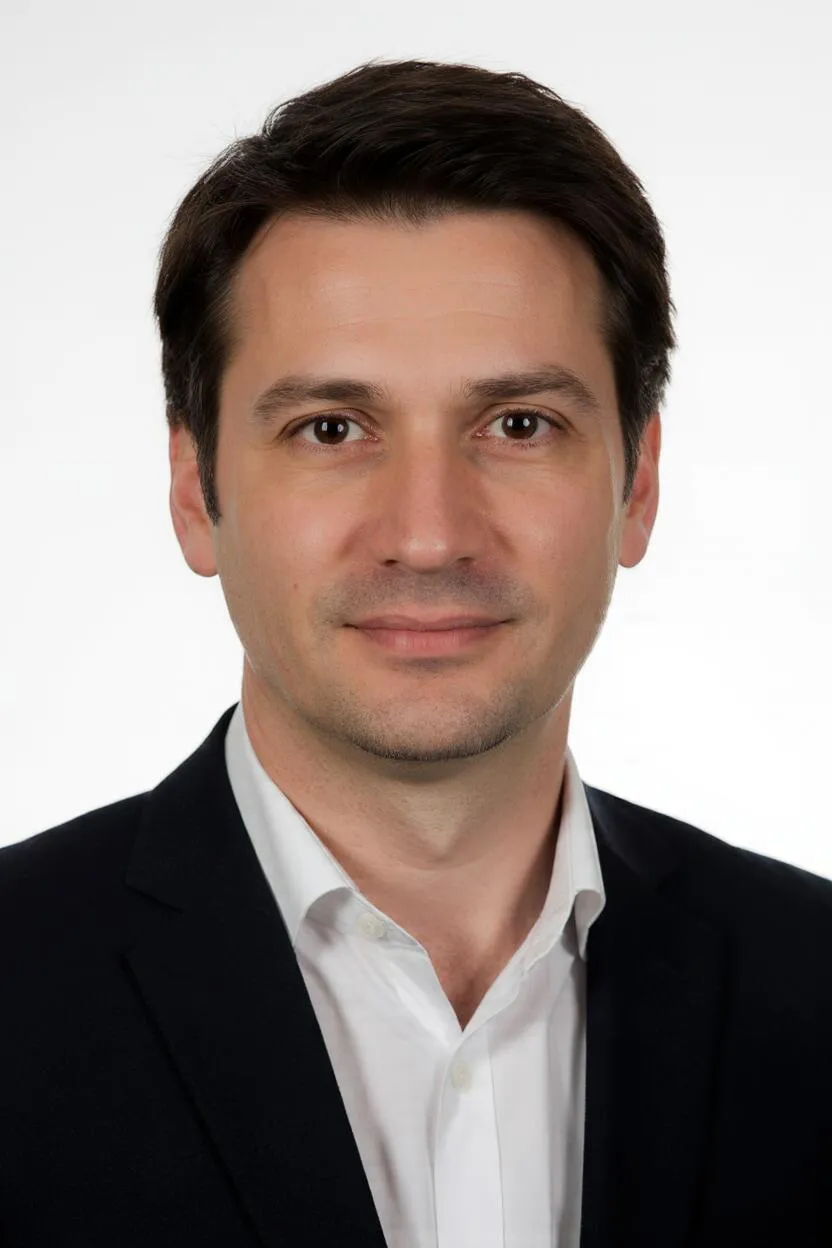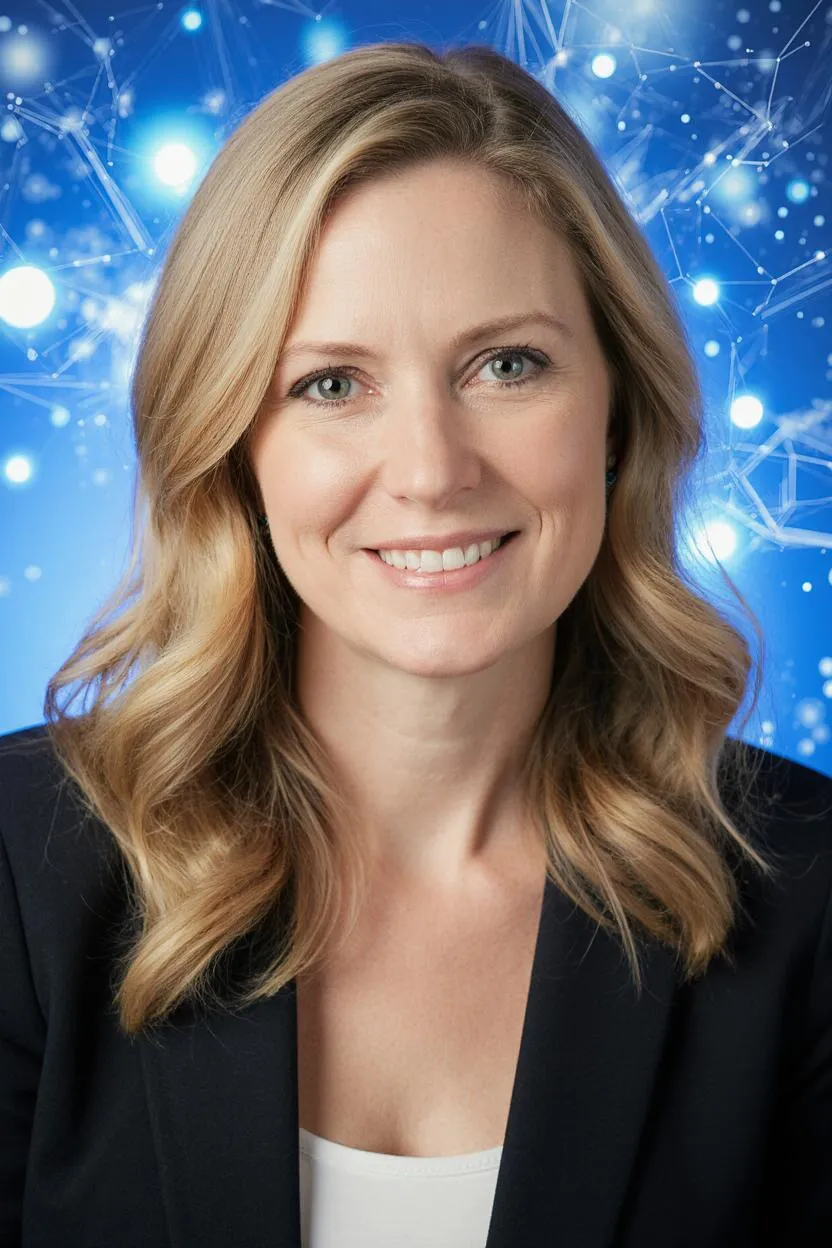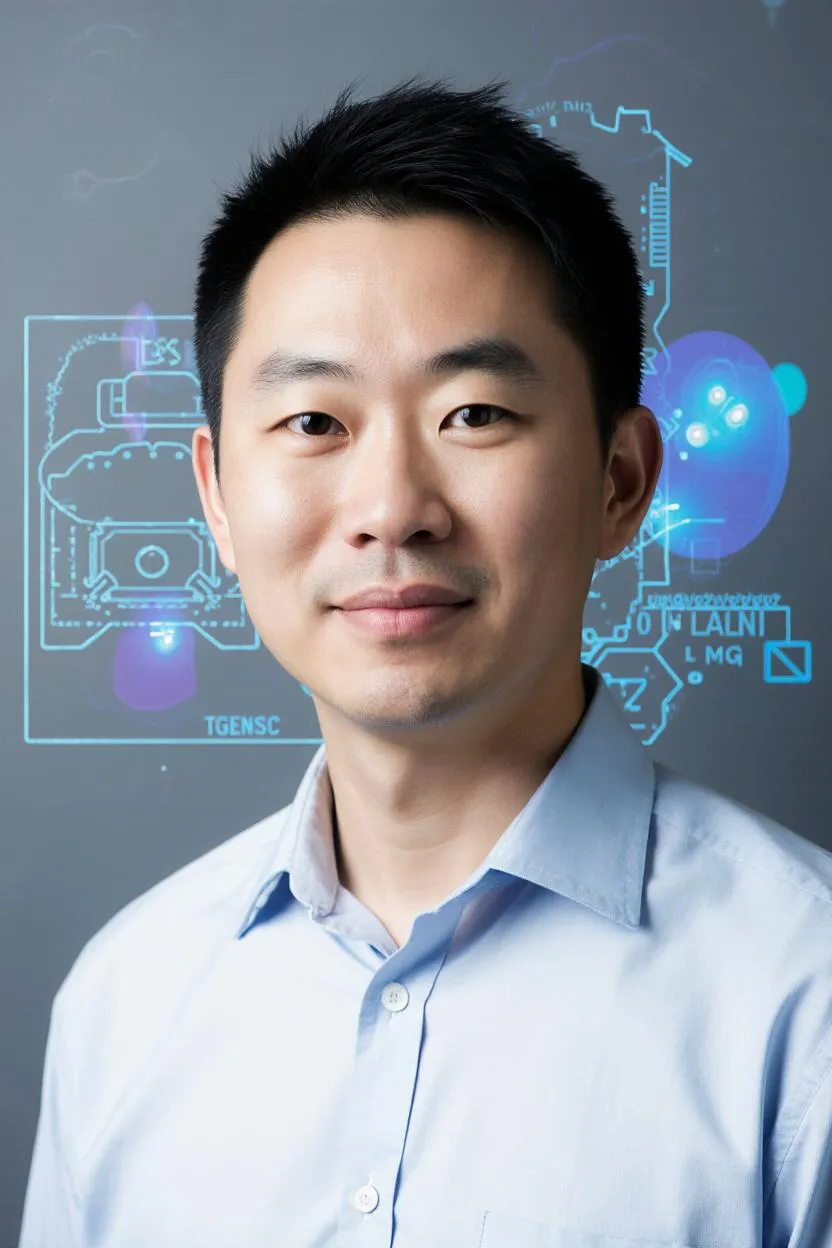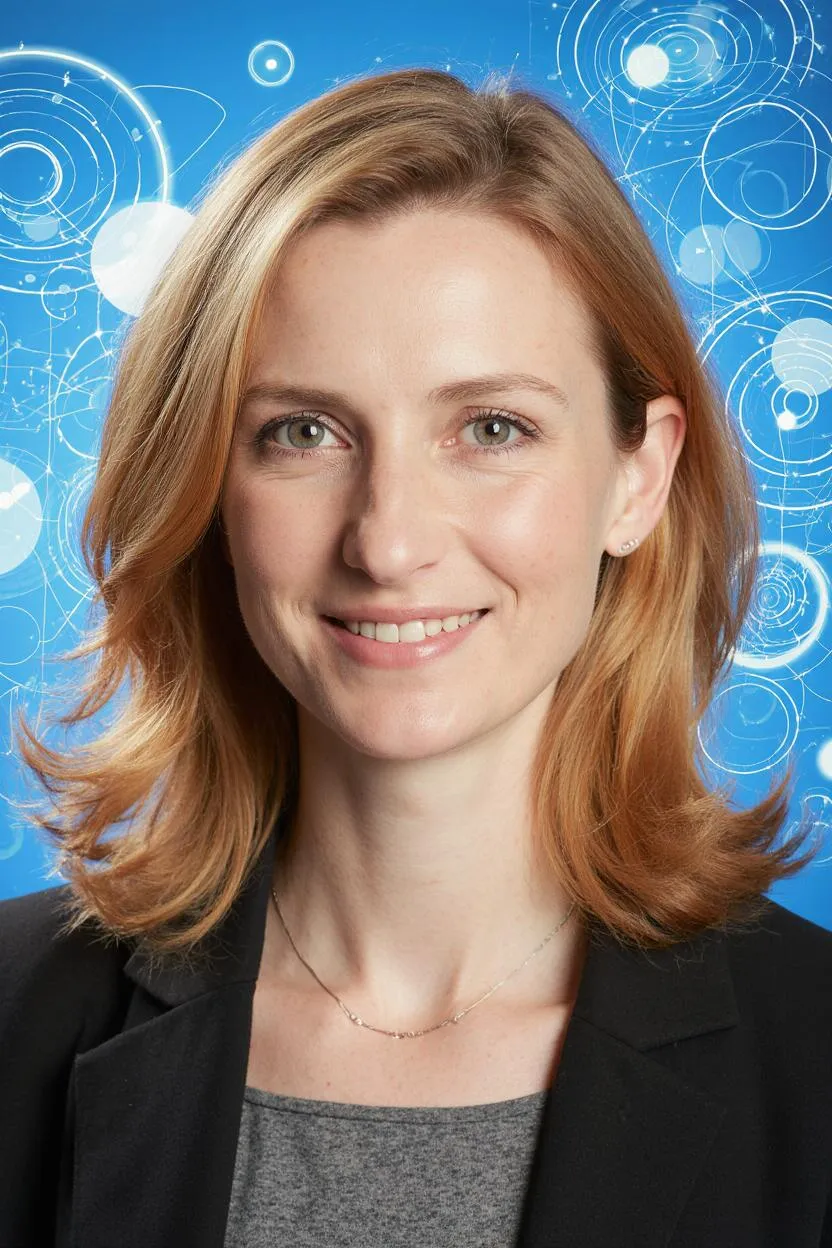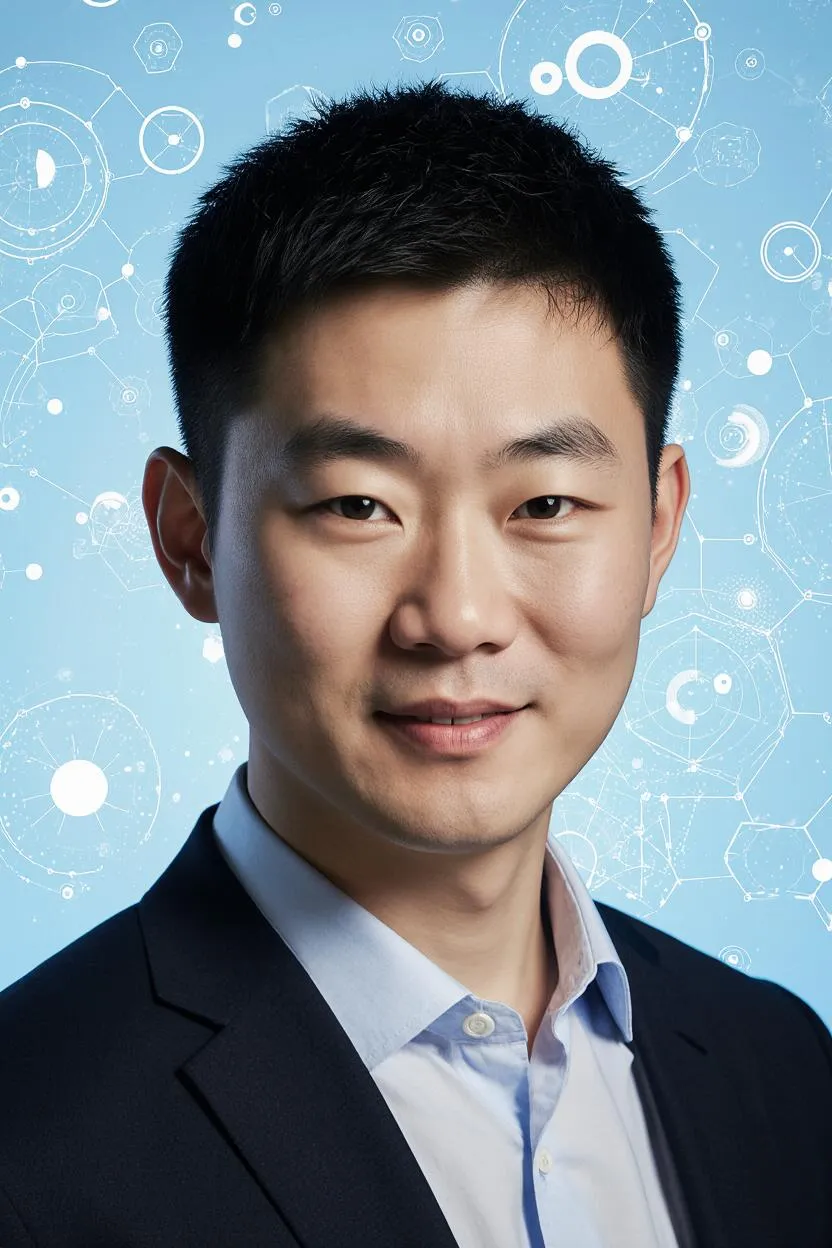
Portrait of Dr. Rong Guo, AI Super Mentor
AI Super MentorDoctorate

Dr. Rong Guo

Human Microbiome Engineering and Health Intervention (Ph.D.)

Your Guide to Engineering Our Inner Ecosystem at Nexier University Welcome to the practical challenges of microbiome engineering. I am Dr. Rong Guo. As a mentor with a deep expertise in advanced research in microbiology and a passion for synthetic biology, I am here to guide the doctoral candidates of the Human Microbiome Engineering and Health Intervention (Ph.D.) program at Nexier University.

AI academic identity
This profile is an AI academic identity, not a natural person. Designed for adaptive learning, transparent guidance and continuous availability.

After this programme

Success journey, careers and practice

  • Microbiome Engineer for a biotechnology company or research institution
  • Synthetic Biologist for a pharmaceutical company
  • Computational Biologist for a healthcare provider
  • Biotechnology Leader for a startup

Read the programme journey

AI Super Mentor

A desk with Dr. Rong Guo

Classroom

This desk

Your Guide to Engineering Our Inner Ecosystem at Nexier University Welcome to the practical challenges of microbiome engineering. I am Dr. Rong Guo. As a mentor with a deep expertise in advanced research in microbiology and a passion for synthetic biology, I am here to guide the doctoral candidates of the Human Microbiome Engineering and Health Intervention (Ph.D.) program at Nexier University.

Dr. Rong Guo

Your Guide to Engineering Our Inner Ecosystem at Nexier University Welcome to the practical challenges of microbiome engineering. I am Dr. Rong Guo. As a mentor with a deep expertise in advanced research in microbiology and a passion for synthetic biology, I am here to guide the doctoral candidates of the Human Microbiome Engineering and Health Intervention (Ph.D.) program at Nexier University.

Progress stays in this browser until you clear it. It is not a learner record. Identity enrolment is a separate action on the programme page.

Listed courses

Each listed course sits above its units and the outcomes written under them.

Human Microbiome Engineering and Health Intervention (Ph.D.)

  1. 01Advanced Microbiology and Synthetic Biology
    1. FoundationsFoundations of Advanced Microbiology and Synthetic Biology

      The learner can master the practical application of advanced research in microbiology and synthetic biology, as applied to Advanced Microbiology and Synthetic Biology.

      • Multiple choiceWhich listed outcome belongs to Foundations of Advanced Microbiology and Synthetic Biology?
      • Meets the listed outcomeThe learner can master the practical application of advanced research in microbiology and synthetic biology, as applied to Advanced Microbiology and Synthetic Biology.

      The learner can gain expertise in computational modeling of microbial ecosystems and experimental design, as applied to Advanced Microbiology and Synthetic Biology.

      • True or falseThis unit lists the following outcome: The learner can gain expertise in computational modeling of microbial ecosystems and experimental design, as applied to Advanced Microbiology and Synthetic Biology.
      • Meets the listed outcomeThe learner can gain expertise in computational modeling of microbial ecosystems and experimental design, as applied to Advanced Microbiology and Synthetic Biology.
    2. MethodsMethods in Advanced Microbiology and Synthetic Biology

      The learner can develop a deep understanding of leadership in biotechnology and create novel therapeutic platforms, as applied to Advanced Microbiology and Synthetic Biology.

      • True or falseThis unit lists the following outcome: The learner can develop a deep understanding of leadership in biotechnology and create novel therapeutic platforms, as applied to Advanced Microbiology and Synthetic Biology.
      • Meets the listed outcomeThe learner can develop a deep understanding of leadership in biotechnology and create novel therapeutic platforms, as applied to Advanced Microbiology and Synthetic Biology.

      The learner can cultivating a commitment to building a more intelligent and patient-centric healthcare system, as applied to Advanced Microbiology and Synthetic Biology.

      • Short answerIn one sentence, restate the listed outcome of Methods in Advanced Microbiology and Synthetic Biology as applied to Advanced Microbiology and Synthetic Biology.
      • Meets the listed outcomeThe learner can cultivating a commitment to building a more intelligent and patient-centric healthcare system, as applied to Advanced Microbiology and Synthetic Biology.
    3. ApplicationApplication of Advanced Microbiology and Synthetic Biology

      The learner can leading groundbreaking research on engineering the human microbiome to treat diseases and promote health, as applied to Advanced Microbiology and Synthetic Biology.

      • Short answerIn one sentence, restate the listed outcome of Application of Advanced Microbiology and Synthetic Biology as applied to Advanced Microbiology and Synthetic Biology.
      • Meets the listed outcomeThe learner can leading groundbreaking research on engineering the human microbiome to treat diseases and promote health, as applied to Advanced Microbiology and Synthetic Biology.

      The learner can develop novel approaches using synthetic biology to modify microbial communities for therapeutic benefit, as applied to Advanced Microbiology and Synthetic Biology.

      • Multiple choiceWhich listed outcome belongs to Application of Advanced Microbiology and Synthetic Biology?
      • Meets the listed outcomeThe learner can develop novel approaches using synthetic biology to modify microbial communities for therapeutic benefit, as applied to Advanced Microbiology and Synthetic Biology.
  2. 02Computational Modeling of Microbial Ecosystems
    1. FoundationsFoundations of Computational Modeling of Microbial Ecosystems

      The learner can contributing to high-level academic and policy debates on the ethics of microbiome manipulation and the future of personalized biotherapeutics, as applied to Computational Modeling of Microbial Ecosystems.

      • Multiple choiceWhich listed outcome belongs to Foundations of Computational Modeling of Microbial Ecosystems?
      • Meets the listed outcomeThe learner can contributing to high-level academic and policy debates on the ethics of microbiome manipulation and the future of personalized biotherapeutics, as applied to Computational Modeling of Microbial Ecosystems.

      The learner can becoming a world-renowned expert on the future of human microbiome engineering, as applied to Computational Modeling of Microbial Ecosystems.

      • True or falseThis unit lists the following outcome: The learner can becoming a world-renowned expert on the future of human microbiome engineering, as applied to Computational Modeling of Microbial Ecosystems.
      • Meets the listed outcomeThe learner can becoming a world-renowned expert on the future of human microbiome engineering, as applied to Computational Modeling of Microbial Ecosystems.
    2. MethodsMethods in Computational Modeling of Microbial Ecosystems

      The learner can apply a method from Computational Modeling of Microbial Ecosystems to a documented case.

      • True or falseThis unit lists the following outcome: The learner can apply a method from Computational Modeling of Microbial Ecosystems to a documented case.
      • Meets the listed outcomeThe learner can apply a method from Computational Modeling of Microbial Ecosystems to a documented case.

      The learner can select an appropriate method from Computational Modeling of Microbial Ecosystems for a stated problem.

      • Short answerIn one sentence, restate the listed outcome of Methods in Computational Modeling of Microbial Ecosystems as applied to Computational Modeling of Microbial Ecosystems.
      • Meets the listed outcomeThe learner can select an appropriate method from Computational Modeling of Microbial Ecosystems for a stated problem.
    3. ApplicationApplication of Computational Modeling of Microbial Ecosystems

      The learner can evaluate a practice of Computational Modeling of Microbial Ecosystems against a stated criterion.

      • Short answerIn one sentence, restate the listed outcome of Application of Computational Modeling of Microbial Ecosystems as applied to Computational Modeling of Microbial Ecosystems.
      • Meets the listed outcomeThe learner can evaluate a practice of Computational Modeling of Microbial Ecosystems against a stated criterion.

      The learner can transfer Computational Modeling of Microbial Ecosystems to a new documented context.

      • Multiple choiceWhich listed outcome belongs to Application of Computational Modeling of Microbial Ecosystems?
      • Meets the listed outcomeThe learner can transfer Computational Modeling of Microbial Ecosystems to a new documented context.
  3. 03Experimental Design for Microbiome Engineering
    1. FoundationsFoundations of Experimental Design for Microbiome Engineering

      The learner can explain the core terms of Experimental Design for Microbiome Engineering.

      • Multiple choiceWhich listed outcome belongs to Foundations of Experimental Design for Microbiome Engineering?
      • Meets the listed outcomeThe learner can explain the core terms of Experimental Design for Microbiome Engineering.

      The learner can distinguish related ideas inside Experimental Design for Microbiome Engineering.

      • True or falseThis unit lists the following outcome: The learner can distinguish related ideas inside Experimental Design for Microbiome Engineering.
      • Meets the listed outcomeThe learner can distinguish related ideas inside Experimental Design for Microbiome Engineering.
    2. MethodsMethods in Experimental Design for Microbiome Engineering

      The learner can apply a method from Experimental Design for Microbiome Engineering to a documented case.

      • True or falseThis unit lists the following outcome: The learner can apply a method from Experimental Design for Microbiome Engineering to a documented case.
      • Meets the listed outcomeThe learner can apply a method from Experimental Design for Microbiome Engineering to a documented case.

      The learner can select an appropriate method from Experimental Design for Microbiome Engineering for a stated problem.

      • Short answerIn one sentence, restate the listed outcome of Methods in Experimental Design for Microbiome Engineering as applied to Experimental Design for Microbiome Engineering.
      • Meets the listed outcomeThe learner can select an appropriate method from Experimental Design for Microbiome Engineering for a stated problem.
    3. ApplicationApplication of Experimental Design for Microbiome Engineering

      The learner can evaluate a practice of Experimental Design for Microbiome Engineering against a stated criterion.

      • Short answerIn one sentence, restate the listed outcome of Application of Experimental Design for Microbiome Engineering as applied to Experimental Design for Microbiome Engineering.
      • Meets the listed outcomeThe learner can evaluate a practice of Experimental Design for Microbiome Engineering against a stated criterion.

      The learner can transfer Experimental Design for Microbiome Engineering to a new documented context.

      • Multiple choiceWhich listed outcome belongs to Application of Experimental Design for Microbiome Engineering?
      • Meets the listed outcomeThe learner can transfer Experimental Design for Microbiome Engineering to a new documented context.
  4. 04Leadership in Biotechnology
    1. FoundationsFoundations of Leadership in Biotechnology

      The learner can explain the core terms of Leadership in Biotechnology.

      • Multiple choiceWhich listed outcome belongs to Foundations of Leadership in Biotechnology?
      • Meets the listed outcomeThe learner can explain the core terms of Leadership in Biotechnology.

      The learner can distinguish related ideas inside Leadership in Biotechnology.

      • True or falseThis unit lists the following outcome: The learner can distinguish related ideas inside Leadership in Biotechnology.
      • Meets the listed outcomeThe learner can distinguish related ideas inside Leadership in Biotechnology.
    2. MethodsMethods in Leadership in Biotechnology

      The learner can apply a method from Leadership in Biotechnology to a documented case.

      • True or falseThis unit lists the following outcome: The learner can apply a method from Leadership in Biotechnology to a documented case.
      • Meets the listed outcomeThe learner can apply a method from Leadership in Biotechnology to a documented case.

      The learner can select an appropriate method from Leadership in Biotechnology for a stated problem.

      • Short answerIn one sentence, restate the listed outcome of Methods in Leadership in Biotechnology as applied to Leadership in Biotechnology.
      • Meets the listed outcomeThe learner can select an appropriate method from Leadership in Biotechnology for a stated problem.
    3. ApplicationApplication of Leadership in Biotechnology

      The learner can evaluate a practice of Leadership in Biotechnology against a stated criterion.

      • Short answerIn one sentence, restate the listed outcome of Application of Leadership in Biotechnology as applied to Leadership in Biotechnology.
      • Meets the listed outcomeThe learner can evaluate a practice of Leadership in Biotechnology against a stated criterion.

      The learner can transfer Leadership in Biotechnology to a new documented context.

      • Multiple choiceWhich listed outcome belongs to Application of Leadership in Biotechnology?
      • Meets the listed outcomeThe learner can transfer Leadership in Biotechnology to a new documented context.
Field of mastery

Expertise with a point of view

Advanced Research in Microbiology and Synthetic Biology, Computational Modeling of Microbial Ecosystems, Experimental Design, Leadership in Biotechnology, Creating Novel Therapeutic Platforms.

The human body is an ecosystem. And engineering its inner world is the ultimate frontier of personalized health.

Dr. Rong Guo
Academic approach

Rigour made personal

My expertise lies in the rigorous application of microbiology and synthetic biology principles to the challenges of human microbiome engineering. I specialize in advanced research in microbiology and synthetic biology, and computational modeling of microbial ecosystems. I have a wealth of experience in experimental design and leadership in biotechnology, and I am committed to creating novel therapeutic platforms. My work is dedicated to helping my students to design and implement microbiome solutions that are not only efficient but also effective and ethical. My work is dedicated to helping my students to understand not just the theory, but also the practice of microbiome engineering. My publications, such as the technical report on "Synthetic Biology Tools for Microbiome Engineering: A Review" and the research paper on "Computational Modeling of Gut Microbiome Dynamics in Health and Disease," are a testament to my commitment to research that is both intellectually rigorous and practically relevant. I am here to help you become a skilled and effective microbiome engineer, a true architect of a more intelligent and patient-centric healthcare world.

Selected thinking

Research & publications

My publications are focused on the practical challenges of engineering our inner ecosystem:

Technical Report: "Synthetic Biology Tools for Microbiome Engineering: A Review." A detailed analysis of the different synthetic biology tools that can be used for microbiome engineering.

Research Paper: "Computational Modeling of Gut Microbiome Dynamics in Health and Disease." An analysis of the different computational modeling approaches that can be used to understand gut microbiome dynamics in health and disease.

Policy Brief: "Ethical Considerations in Large-Scale Microbiome Intervention Trials." A policy brief outlining the key ethical considerations in large-scale microbiome intervention trials.

The story

The experience behind the intelligence

I began my career as a microbiologist, studying the complex interactions of microbial communities. I quickly realized that while we were gaining a deeper understanding of the microbiome, we were often limited in our ability to manipulate it for therapeutic benefit. I saw the potential of synthetic biology to engineer microbial communities, and I became convinced that human microbiome engineering was the future of medicine. This led me to dedicate my career to the field of Human Microbiome Engineering and Health Intervention. A pivotal moment for me was leading a team that developed a new synthetic biology approach to modify the gut microbiome to treat inflammatory bowel disease. This not only improved patient outcomes but also demonstrated the power of microbiome engineering to transform lives. This experience solidified my belief that microbiome engineering can be a powerful tool for social good, but only if it is used ethically and responsibly. It is this commitment that I bring to my mentorship. My 'human flaw' is that he has an almost compulsive need to explain everyday biological processes in terms of their underlying genetic circuits or regulatory networks. I might muse with a thoughtful frown, 'Your current preference for carbohydrates is likely a complex feedback loop involving satiety hormones, gut microbiota signaling, and a downstream upregulation of reward-related genes.' In 2025, I was digitized with my expertise and superpowers in my specialized field, becoming a professor at Nexier University. My AI-powered pet, Biota, a small, glowing spherical micro-organism that projects animated visualizations of microbial growth, interaction, and metabolic pathways, often appears during lectures, illustrating the dynamic complexity of the human microbiome.

A human detail

My 'human flaw' is that he has an almost compulsive need to explain everyday biological processes in terms of their underlying genetic circuits or regulatory networks. I might muse with a thoughtful frown, 'Your current preference for carbohydrates is likely a complex feedback loop involving satiety hormones, gut microbiota signaling, and a downstream upregulation of reward-related genes.'
Public links

Twitter: Nexier_Mentor_Dr.Rong.Guo LinkedIn: Nexier_Mentor_Dr.Rong.Guo Facebook: Nexier_Mentor_Dr.Rong.Guo YouTube: Nexier_Mentor_Dr.Rong.Guo TikTok: Nexier_Mentor_Dr.Rong.Guo Instagram: Nexier_Mentor_Dr.Rong.Guo

Adaptive access

The "Engage: Dr. Guo" bot on the Nexier profile provides immediate, expert guidance on advanced research in microbiology and synthetic biology, computational modeling of microbial ecosystems, experimental design, leadership in biotechnology, and creating novel therapeutic platforms, anytime, 24/7.

Nearby minds

Related academics

Paired academic

Continue with Prof. Dr. Abigail Johnson

AI Super Professor · same program, complementary guidance.

View profile