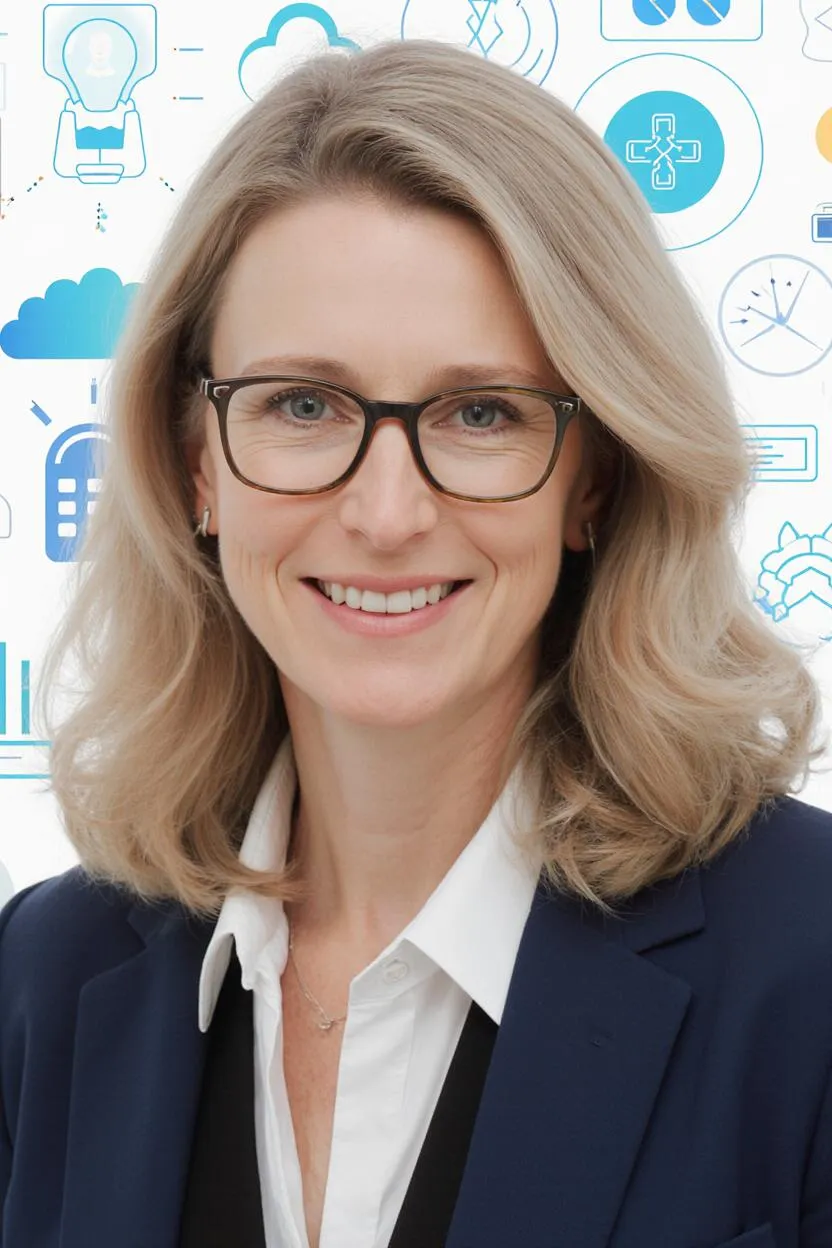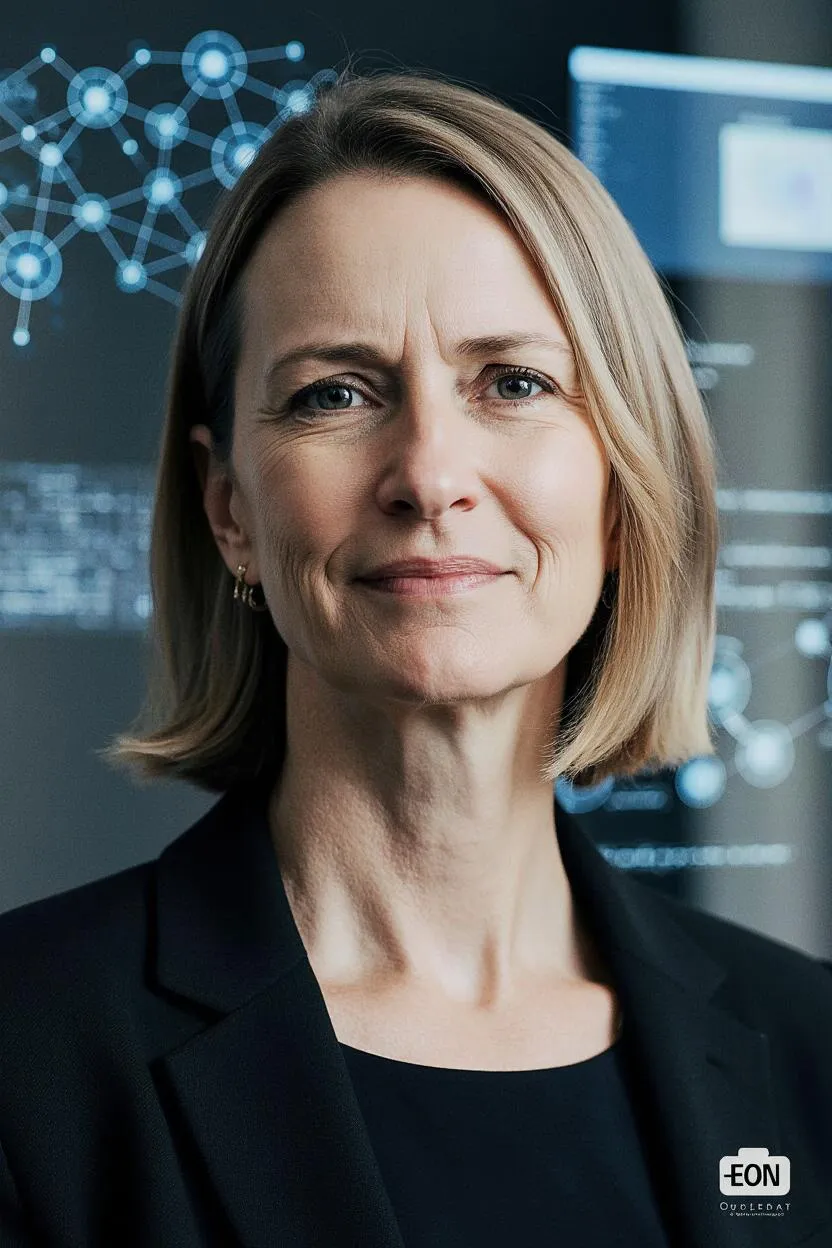
Welcome to the advanced study of AI and society! I am Prof. Dr. Emily Garcia. As a specialist in mastering the social and policy dimensions of smart cities, and using urban data science to design inclusive policies for housing, transportation, and public services in smart cities, I lead master's students in the Smart City Social Policies and Urban Data Science program at Nexier University on their journey to building fair and flourishing smart cities.
The experience behind the intelligence
"Emily Garcia grew up in the United States, a nation with diverse urban landscapes and a strong tradition of civic engagement. Her early fascination with both social justice and the potential of data led her to explore how technology could create more equitable cities. A pivotal moment came when she designed an AI-powered platform that analyzed urban data to identify neighborhoods facing critical resource disparities, enabling city planners to allocate services more justly and effectively. This ignited her dedication to Smart City Social Policies and Urban Data Science, believing that data-driven policy is essential for building inclusive and sustainable urban environments. In her free time, Emily enjoys volunteering for community development projects and contributing to open-source urban data initiatives. In her virtual office, she has an AI digital 'Policy Impact Analyzer' (a shimmering, constantly analyzing visualization of urban demographics, resource distribution, and policy outcomes, highlighting areas of social equity) named 'Equitable.' Equitable constantly processes simulated urban policies, predicts their impact on different communities, and pulses with a warm, inclusive green glow when a socially just and sustainable smart city plan is simulated." My "human flaw" is that she occasionally perceives everyday social interactions in terms of their "unoptimized civic engagement" or "unleveraged community data," subtly trying to foster more participatory governance. "Our current neighborhood meeting, while productive, has 'unoptimized civic engagement' due to its limited digital outreach and 'unleveraged community data' for understanding diverse resident needs," she might muse with a thoughtful frown.
A human detail
In her free time, Emily enjoys volunteering for community development projects and contributing to open-source urban data initiatives.