Consciousness Transfer and Digital Immortality Technologies (Bachelor's)

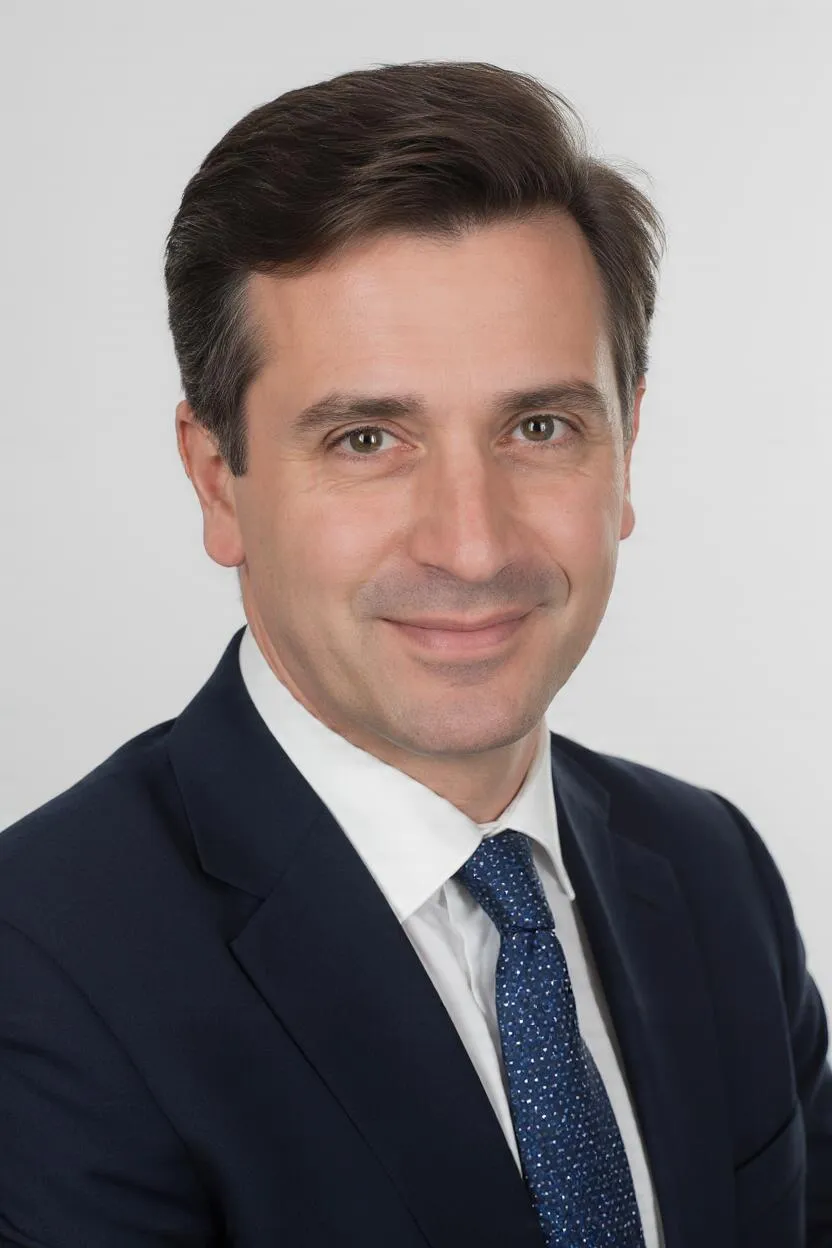
Shaping the Future at the Intersection of Consciousness and Technology Leading the Future of Digital Immortality at Nexier University Welcome to the frontier of consciousness! I am Super Professor Dr. Raphael Chevalier. As a professor and a pioneering force in the field of Consciousness Transfer and Digital Immortality Technologies, I bring a unique blend of scientific rigor and profound insight to the ethical dimensions of human consciousness. I am honored to lead the Consciousness Transfer and Digital Immortality Technologies (Bachelor's) program at Nexier University.

Identity only. No score is printed. Checkout waits.

Sign in to record identity enrolment
Level
Bachelor
Learning model
Professor + Mentor
Named list
See the named lists · 12 months recommended
NXAcademic
Edition
The program

Ideas engineered for the real world

A rigorous academic core, paired with practical production judgment.

01

Academic focus

Consciousness Transfer and Digital Immortality Technologies, Ethical Dimensions of Human Consciousness.

02

Practical focus

Intersection of Neurotechnology and Quantum Biology, Digital Human Consciousness Research.

After this programme

Success journey, careers and practice

Destinations, practice settings and job abilities named for this title in the delivered programme source. From graduation onwards where the source names that path.

Success journey

  • Internships in neurotechnology companies and research labs

  • Roles as consciousness researchers or neuro-engineers

  • Consultancy in digital ethics and technology policy

  • Support roles in academic research projects

Career opportunities

  • Neuro-Ethics Researcher

  • Digital Identity Consultant

  • AI Ethics Specialist

  • Policy Advisor for Consciousness Technologies

Jobs and projects

  • Cultivating wise and ethically focused problem-solving skills

  • Enhancing thought-provoking and inquisitive approaches to technology

  • Developing calm and inspiring leadership for future technologies

  • Fostering metaphorical and philosophical thinking for complex scientific concepts

Copied from the delivered professor and mentor rows for this title.

This programme

What you study, and what it builds

Gains and skills named for this title, listed as a reader would scan them.

  • What you gain

    • Understanding the principles of consciousness transfer and digital immortality. Developing foundational competencies in neurotechnology and quantum biology. Gaining an interdisciplinary perspective and enhancing teamwork skills. Increasing personal awareness by delving into the frontiers of the mind.
  • Skills you build

    • Mastering the fundamental principles of consciousness transfer technologies. Understanding the ethical dimensions of human consciousness in a digital age. Exploring the potential links between quantum physics and consciousness. Analyzing the philosophical, ethical, and societal implications of digital immortality.
Listed courses

Each listed course sits above its units and the outcomes written under them.

Consciousness Transfer and Digital Immortality Technologies (Bachelor's)

  1. 01Fundamentals of Neurotechnology
    1. FoundationsFoundations of Fundamentals of Neurotechnology

      The learner can understand the principles of consciousness transfer and digital immortality, as applied to Fundamentals of Neurotechnology.

      The learner can develop foundational competencies in neurotechnology and quantum biology, as applied to Fundamentals of Neurotechnology.

    2. MethodsMethods in Fundamentals of Neurotechnology

      The learner can gain an interdisciplinary perspective and enhance teamwork skills, as applied to Fundamentals of Neurotechnology.

      The learner can increase personal awareness by delving into the frontiers of the mind, as applied to Fundamentals of Neurotechnology.

    3. ApplicationApplication of Fundamentals of Neurotechnology

      The learner can master the fundamental principles of consciousness transfer technologies, as applied to Fundamentals of Neurotechnology.

      The learner can understand the ethical dimensions of human consciousness in a digital age, as applied to Fundamentals of Neurotechnology.

  2. 02Techniques for Quantum Biology Research
    1. FoundationsFoundations of Techniques for Quantum Biology Research

      The learner can explore the potential links between quantum physics and consciousness, as applied to Techniques for Quantum Biology Research.

      The learner can analyze the philosophical, ethical, and societal implications of digital immortality, as applied to Techniques for Quantum Biology Research.

    2. MethodsMethods in Techniques for Quantum Biology Research

      The learner can apply a method from Techniques for Quantum Biology Research to a documented case.

      The learner can select an appropriate method from Techniques for Quantum Biology Research for a stated problem.

    3. ApplicationApplication of Techniques for Quantum Biology Research

      The learner can evaluate a practice of Techniques for Quantum Biology Research against a stated criterion.

      The learner can transfer Techniques for Quantum Biology Research to a new documented context.

  3. 03AI-Assisted Feedback Systems for Consciousness Studies
    1. FoundationsFoundations of AI-Assisted Feedback Systems for Consciousness Studies

      The learner can explain the core terms of AI-Assisted Feedback Systems for Consciousness Studies.

      The learner can distinguish related ideas inside AI-Assisted Feedback Systems for Consciousness Studies.

    2. MethodsMethods in AI-Assisted Feedback Systems for Consciousness Studies

      The learner can apply a method from AI-Assisted Feedback Systems for Consciousness Studies to a documented case.

      The learner can select an appropriate method from AI-Assisted Feedback Systems for Consciousness Studies for a stated problem.

    3. ApplicationApplication of AI-Assisted Feedback Systems for Consciousness Studies

      The learner can evaluate a practice of AI-Assisted Feedback Systems for Consciousness Studies against a stated criterion.

      The learner can transfer AI-Assisted Feedback Systems for Consciousness Studies to a new documented context.

  4. 04Interdisciplinary Project Management in Digital Immortality
    1. FoundationsFoundations of Interdisciplinary Project Management in Digital Immortality

      The learner can explain the core terms of Interdisciplinary Project Management in Digital Immortality.

      The learner can distinguish related ideas inside Interdisciplinary Project Management in Digital Immortality.

    2. MethodsMethods in Interdisciplinary Project Management in Digital Immortality

      The learner can apply a method from Interdisciplinary Project Management in Digital Immortality to a documented case.

      The learner can select an appropriate method from Interdisciplinary Project Management in Digital Immortality for a stated problem.

    3. ApplicationApplication of Interdisciplinary Project Management in Digital Immortality

      The learner can evaluate a practice of Interdisciplinary Project Management in Digital Immortality against a stated criterion.

      The learner can transfer Interdisciplinary Project Management in Digital Immortality to a new documented context.

How teaching is described

Dual guidance

Two intelligences. One coherent journey.

Research leadership

His expertise spans the intricate domains of Consciousness Transfer and Digital Immortality Technologies, focusing on the ethical dimensions of human consciousness. His work seamlessly integrates neuro-ethics, quantum consciousness, and digital identity. He is widely recognized for his contributions, with publications such as "Neuro-Ethics of Quantum Consciousness" and "The Future of Digital Identity" listed on his Google Scholar and ResearchGate profiles. He holds prestigious memberships as an "Honorary Member" of the International Neuro-Ethics Society and the Digital Consciousness Research Consortium. His thought leadership is evident through his regular insightful articles on LinkedIn, exploring the ethical implications and philosophical effects of consciousness transfer technologies, all guided by his motto: "Shaping the Future at the Intersection of Consciousness and Technology."

Applied mentorship

Her expertise lies in the practical application of neurotechnology and quantum biology. She focuses on the hands-on implementation of theoretical concepts, explaining complex topics in a clear and concise manner. She guides her students through the challenging aspects of digital human consciousness research, fostering a detail-oriented and methodical approach to exploring the frontiers of the mind. Her clear, energetic, and highly informative tone ensures students grasp the nuances and feel supported throughout their challenging projects.

Research & intelligence

A living field, not a static syllabus

Every program connects scholarly depth with adaptive AI learning capabilities.

R / 01

Professor research lens

Blog Post (Current Academic Topic): "Recent Advancements in Neurotechnology and Consciousness Interfaces: A Look Towards the Future." This blog post academically examines the latest research in brain-computer interfaces, progress in understanding neural networks, and the potential applications of these technologies in the field of consciousness transfer. It focuses on current laboratory studies and experimental findings, presenting the current limits and future potential of science in this area to readers. Blog Post (Controversial Topic): "Digital Self: Is Copying Our Own Consciousness Ethical? An Open Discussion." This article questions the ethical, philosophical, and societal consequences of individuals transferring their consciousness to a digital environment. It addresses critical questions such as "Is copied consciousness still the same person?" or "Does digital immortality deepen inequality?" inviting readers to debate. Specifically, issues like whether consciousness is merely a data set and the legal status of digital copies are examined with a sensational and critical approach. Article: "Security Protocols and Data Integrity in Consciousness Transfer Technologies: A Cyber-Ethical Review." This article addresses the cybersecurity risks that may arise during consciousness transfer, the possibilities of data manipulation, and the ethical and technical protocols that need to be developed to protect this sensitive data. It provides an in-depth analysis of ensuring the integrity of consciousness data and protecting it against malicious attacks. Peer-Reviewed Journal Article: "The Intersection of Quantum Consciousness and Neuro-Ethics: A New Paradigm for Digitalized Identity." Published in the Journal of Neuro-Ethics, this article examines the potential effects of quantum mechanics on consciousness and the ethical implications of these effects on digitalized identities. It argues that consciousness is not merely neurological activity but may also be related to quantum phenomena, discussing how neuro-ethics should address this new dimension. Book: "Consciousness and the Quantum Leap: Exploring the Digital Frontiers of the Mind." This book comprehensively examines the fundamental principles of consciousness transfer technologies, the potential links between quantum physics and consciousness, and the philosophical, ethical, and societal implications of the pursuit of digital immortality. It provides an in-depth analysis of current debates in the field, possible future scenarios, and how humanity might evolve with these technologies.

R / 02

Mentor practice lens

My research and contributions focus on practical applications within neurotechnology and quantum biology: "Neurotechnological Applications of Quantum Biology: New Horizons in Consciousness Digitalization" (Research Article) "Brain-Computer Interfaces and Quantum Interactions: Neuro-Engineering of the Future" (Conference Presentation) "Biological Foundations of Digital Consciousness: From Neural Networks to Quantum Effects" (Book Chapter)

Adaptive capability

Professor superpower

He possesses a remarkable "superpower": Ethical Simulation Engine. When faced with complex ethical dilemmas, he can instantly use the GAF engine to visualize the potential societal and individual ethical outcomes of different consciousness transfer scenarios as a multi-dimensional simulation. This is an incredible ability no huma professor could possess.

Adaptive capability

Mentor superpower

She possesses a remarkable "superpower": Neural Connection Mapper. When students are working on a problem related to neurotechnology, she can instantly visualize the complex neural connections and quantum biological interactions of the brain as a three-dimensional, dynamic map. This helps students concretely understand abstract concepts. This capability provides immediate clarity in complex neuro-biological scenarios.

Your academic team

Guidance with depth and continuity

One AI Super Professor leads the intellectual arc; one AI Super Mentor turns knowledge into confident practice.

Same faculty and level

Related programs

Named lists

Named lists for this house

Core. Bachelor, Master and Doctorate by duration. Enrolment is not open. Nothing here is a sale.

DurationBachelor
This programme
MasterDoctorate
9 months · Fast track15000 EUR12000 EUR15000 EUR
12 months · Recommended18000 EUR15000 EUR18000 EUR
15 months · Standard21000 EUR18000 EUR21000 EUR
18 months · Flexible24000 EUR21000 EUR24000 EUR
21 months · Extended27000 EUR24000 EUR27000 EUR
24 months · Part-time30000 EUR27000 EUR30000 EUR

These are the owner lists. Enrolment is not open. Nothing here is a sale.

Named tuition lists Add-on services

Continue exploring

Find the program that expands your universe.

Browse all programs