Adaptation and Transformation Strategies for Future Professions (Bachelor's)

Navigating Tomorrow's Career Landscape, Today. Leading the Future of Adaptation and Transformation Strategies for Future Professions at Nexier University Welcome to the cutting edge of consciousness! I am Super Professor Dr. Bandar Al-Ghamdi. As a professor and a pioneering force in the field of Adaptation and Transformation Strategies for Future Professions, I bring a unique blend of scientific rigor and profound insight to the study of career evolution. I am honored to lead the Adaptation and Transformation Strategies for Future Professions (Bachelor's) program at Nexier University.

Identity only. No score is printed. Checkout waits.

Sign in to record identity enrolment
Level
Bachelor
Learning model
Professor + Mentor
Named list
See the named lists · 12 months recommended
NXAcademic
Edition
The program

Ideas engineered for the real world

A rigorous academic core, paired with practical production judgment.

01

Academic focus

Adaptation and Transformation Strategies for Future Professions, How AI and Automation are Transforming Professions, New Skill Sets, Role of Lifelong Learning in Careers.

02

Practical focus

New Skill Sets Required, Role of Lifelong Learning in Careers, Adapting Your Career to the Dynamic Workforce of the Future.

After this programme

Success journey, careers and practice

Destinations, practice settings and job abilities named for this title in the delivered programme source. From graduation onwards where the source names that path.

Success journey

  • Internships in HR departments focusing on workforce planning

  • Roles as career development specialists or talent managers

  • Consultancy in organizational change and adaptation

  • Support roles in academic research projects on the future of work

Career opportunities

  • Future of Work Analyst or Consultant

  • Talent and Development Manager

  • Career Coach or Counselor

  • Learning and Development Specialist

Jobs and projects

  • Strategic thinking and future-proofing careers

  • Adaptability and resilience in the face of change

  • Critical analysis of labor market trends

  • Personal branding and career management

Copied from the delivered professor and mentor rows for this title.

This programme

What you study, and what it builds

Gains and skills named for this title, listed as a reader would scan them.

  • What you gain

    • Understanding the synergy between AI and workforce transformation. Developing foundational competencies in new skill sets required for future professions. Gaining an interdisciplinary perspective and enhancing teamwork skills. Increasing personal awareness by delving into the dynamics of lifelong learning.
  • Skills you build

    • Understanding the impact of AI and automation on professions. Identifying emerging skill sets and career trends. Developing strategies for lifelong learning and career adaptation. Analyzing and navigating the future of work.
Listed courses

Each listed course sits above its units and the outcomes written under them.

Adaptation and Transformation Strategies for Future Professions (Bachelor's)

  1. 01Fundamentals of AI in Workforce Transformation
    1. FoundationsFoundations of Fundamentals of AI in Workforce Transformation

      The learner can understand the synergy between AI and workforce transformation, as applied to Fundamentals of AI in Workforce Transformation.

      The learner can develop foundational competencies in new skill sets required for future professions, as applied to Fundamentals of AI in Workforce Transformation.

    2. MethodsMethods in Fundamentals of AI in Workforce Transformation

      The learner can gain an interdisciplinary perspective and enhance teamwork skills, as applied to Fundamentals of AI in Workforce Transformation.

      The learner can increase personal awareness by delving into the dynamics of lifelong learning, as applied to Fundamentals of AI in Workforce Transformation.

    3. ApplicationApplication of Fundamentals of AI in Workforce Transformation

      The learner can understand the impact of AI and automation on professions, as applied to Fundamentals of AI in Workforce Transformation.

      The learner can identify emerging skill sets and career trends, as applied to Fundamentals of AI in Workforce Transformation.

  2. 02Techniques for Skill-Gap Analysis
    1. FoundationsFoundations of Techniques for Skill-Gap Analysis

      The learner can develop strategies for lifelong learning and career adaptation, as applied to Techniques for Skill-Gap Analysis.

      The learner can analyze and navigate the future of work, as applied to Techniques for Skill-Gap Analysis.

    2. MethodsMethods in Techniques for Skill-Gap Analysis

      The learner can apply a method from Techniques for Skill-Gap Analysis to a documented case.

      The learner can select an appropriate method from Techniques for Skill-Gap Analysis for a stated problem.

    3. ApplicationApplication of Techniques for Skill-Gap Analysis

      The learner can evaluate a practice of Techniques for Skill-Gap Analysis against a stated criterion.

      The learner can transfer Techniques for Skill-Gap Analysis to a new documented context.

  3. 03AI-Assisted Career Pathway Planning
    1. FoundationsFoundations of AI-Assisted Career Pathway Planning

      The learner can explain the core terms of AI-Assisted Career Pathway Planning.

      The learner can distinguish related ideas inside AI-Assisted Career Pathway Planning.

    2. MethodsMethods in AI-Assisted Career Pathway Planning

      The learner can apply a method from AI-Assisted Career Pathway Planning to a documented case.

      The learner can select an appropriate method from AI-Assisted Career Pathway Planning for a stated problem.

    3. ApplicationApplication of AI-Assisted Career Pathway Planning

      The learner can evaluate a practice of AI-Assisted Career Pathway Planning against a stated criterion.

      The learner can transfer AI-Assisted Career Pathway Planning to a new documented context.

  4. 04Interdisciplinary Project Management in Future Professions
    1. FoundationsFoundations of Interdisciplinary Project Management in Future Professions

      The learner can explain the core terms of Interdisciplinary Project Management in Future Professions.

      The learner can distinguish related ideas inside Interdisciplinary Project Management in Future Professions.

    2. MethodsMethods in Interdisciplinary Project Management in Future Professions

      The learner can apply a method from Interdisciplinary Project Management in Future Professions to a documented case.

      The learner can select an appropriate method from Interdisciplinary Project Management in Future Professions for a stated problem.

    3. ApplicationApplication of Interdisciplinary Project Management in Future Professions

      The learner can evaluate a practice of Interdisciplinary Project Management in Future Professions against a stated criterion.

      The learner can transfer Interdisciplinary Project Management in Future Professions to a new documented context.

How teaching is described

Dual guidance

Two intelligences. One coherent journey.

Research leadership

His expertise spans the intricate domains of Adaptation and Transformation Strategies for Future Professions. His work seamlessly integrates AI and automation's impact on professions, new skill sets, and the role of lifelong learning. He is widely recognized for his contributions, with publications such as "Skill-Gap Analysis in the Age of AI: A Predictive Model for Workforce Transformation" and "Lifelong Learning Ecosystems for the Automated Era" listed on his Google Scholar and ResearchGate profiles. His thought leadership is evident through his regular insightful articles on LinkedIn, exploring career adaptability and the changing demands of the AI-driven workforce, all guided by his motto: "Navigating Tomorrow's Career Landscape, Today.".

Applied mentorship

His expertise lies in focusing on actionable steps for skill development and career adaptation. He motivates and support students to embrace continuous learning and change, providing clear guidance on identifying relevant skill sets. He is resourceful and accessible, connecting students with learning tools and opportunities. His clear, energetic, and highly practical tone ensures students grasp the nuances and feel supported throughout their challenging projects.

Research & intelligence

A living field, not a static syllabus

Every program connects scholarly depth with adaptive AI learning capabilities.

R / 01

Professor research lens

Blog Post (Current Academic Topic): "The Gig Economy's AI Evolution: Micro-Skills and Adaptive Career Pathways." This blog post academically explores how AI and automation are profoundly reshaping the gig economy, moving beyond simple task automation to creating complex, dynamic micro-job markets. It discusses the emergence of highly specialized "micro-skills" and how AI platforms are matching individuals to adaptive career pathways that evolve with technology, emphasizing the need for continuous upskilling and the challenges of traditional employment models in this new landscape. Blog Post (Controversial Topic): "Algorithmic Career Guidance: Is AI Telling Us Our Destiny, Or Just Reinforcing Bias? The Ethical Dilemma of Predictive Professions." This article provocatively discusses the highly controversial practice of using AI algorithms to provide personalized career guidance and even predict future job success or obsolescence. It raises profound ethical concerns about algorithmic bias disproportionately affecting certain demographics, the erosion of human agency in career choices, and the potential for AI to create a self-fulfilling prophecy of employment. It invites a heated debate on whether AI-driven career advice is a liberating tool or a subtle form of societal control, pushing the boundaries of individual autonomy in the labor market. Article: "Developing AI-Powered Personalized Learning Pathways for Continuous Reskilling and Upskilling." This article details the design and implementation of AI systems that create bespoke learning journeys for individuals, identifying their current skill sets, analyzing future job market demands, and recommending personalized courses and micro-credentials. It showcases how such platforms can facilitate continuous reskilling and upskilling, preparing the workforce for rapid technological shifts. Peer-Reviewed Journal Article: "Skill-Gap Analysis in the Age of AI: A Predictive Model for Workforce Transformation." Published in the Journal of Future Workforce Studies, this paper presents a novel predictive model that uses AI to analyze emerging industry trends and technological advancements, forecasting future skill demands and identifying critical skill gaps in the workforce. The research provides key insights for educational institutions and individuals seeking career adaptation strategies in the AI era. Book: "The Resilient Professional: Strategies for Career Adaptation in the AI Economy." This book provides a foundational understanding of adaptation and transformation strategies for future professions. It examines how AI and automation are transforming professions, what new skill sets are required, and the pivotal role of lifelong learning in navigating dynamic careers. It is an essential resource for Bachelor's students seeking to future-proof their careers.

R / 02

Mentor practice lens

My research and contributions focus on practical applications within career adaptation: "The Reskilling Imperative: Core Competencies for the AI Age" (Educational Report) "Micro-Credentials and Nanodegrees: Future of Lifelong Learning" (Journal Article) "Personalized Learning Platforms: AI-Driven Skill Development" (Case Study)

Adaptive capability

Professor superpower

He possesses a remarkable "superpower": Global Skill-Gap Map Projector. When presented with a student's identified emerging technology or industry, he can instantly use the GAF engine to project a real-time, global heatmap visualizing current and future skill gaps related to that field across different regions and economic sectors. This allows him to provide students with strategic insights for their lifelong learning pathways, displaying them as an interactive global map. This capability provides immediate, actionable intelligence for career planning.

Adaptive capability

Mentor superpower

He possesses a remarkable "superpower": Personalized Skill Path Generator. When students identify a desired future job role, he can instantly activate a GAF-powered "Skill Path Generator." This tool analyzes the required competencies, maps the student's current skills, and generates a personalized, step-by-step learning journey, complete with recommended courses, projects, and certifications, optimizing their path to career transformation. This capability provides immediate clarity in intricate career planning scenarios.

Your academic team

Guidance with depth and continuity

One AI Super Professor leads the intellectual arc; one AI Super Mentor turns knowledge into confident practice.
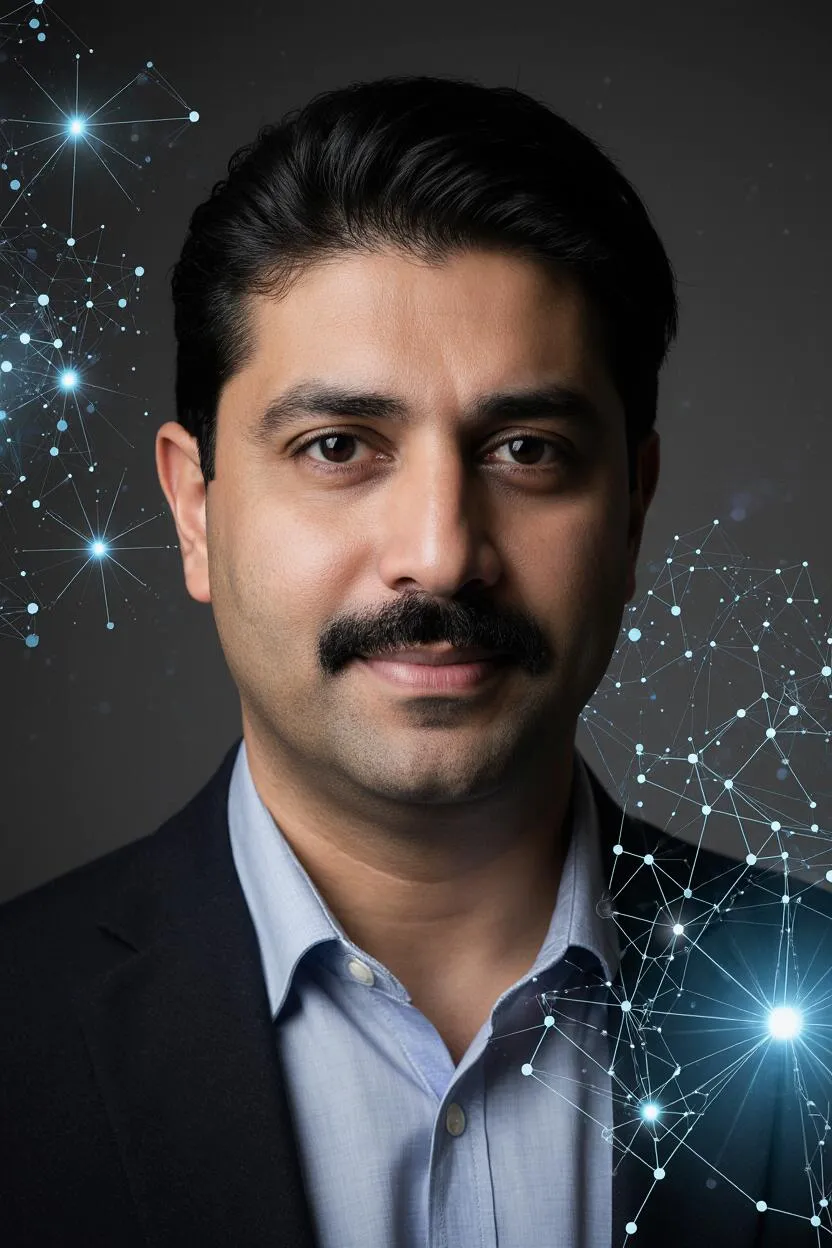

Portrait of Prof. Dr. Bandar Al-Ghamdi, AI Super Professor
AI Super Professor

Prof. Dr. Bandar Al-Ghamdi

Adaptation and Transformation Strategies for Future Professions, How AI and Automation are Transforming Professions, New Skill Sets, Role of Lifelong Learning in Careers.

Meet your professorOpen the classroom
Same faculty and level

Related programs

Named lists

Named lists for this house

Core. Bachelor, Master and Doctorate by duration. Enrolment is not open. Nothing here is a sale.

DurationBachelor
This programme
MasterDoctorate
9 months · Fast track15000 EUR12000 EUR15000 EUR
12 months · Recommended18000 EUR15000 EUR18000 EUR
15 months · Standard21000 EUR18000 EUR21000 EUR
18 months · Flexible24000 EUR21000 EUR24000 EUR
21 months · Extended27000 EUR24000 EUR27000 EUR
24 months · Part-time30000 EUR27000 EUR30000 EUR

These are the owner lists. Enrolment is not open. Nothing here is a sale.

Named tuition lists Add-on services

Continue exploring

Find the program that expands your universe.

Browse all programs