Advanced Consciousness Transfer and Digital Immortality (Master's)

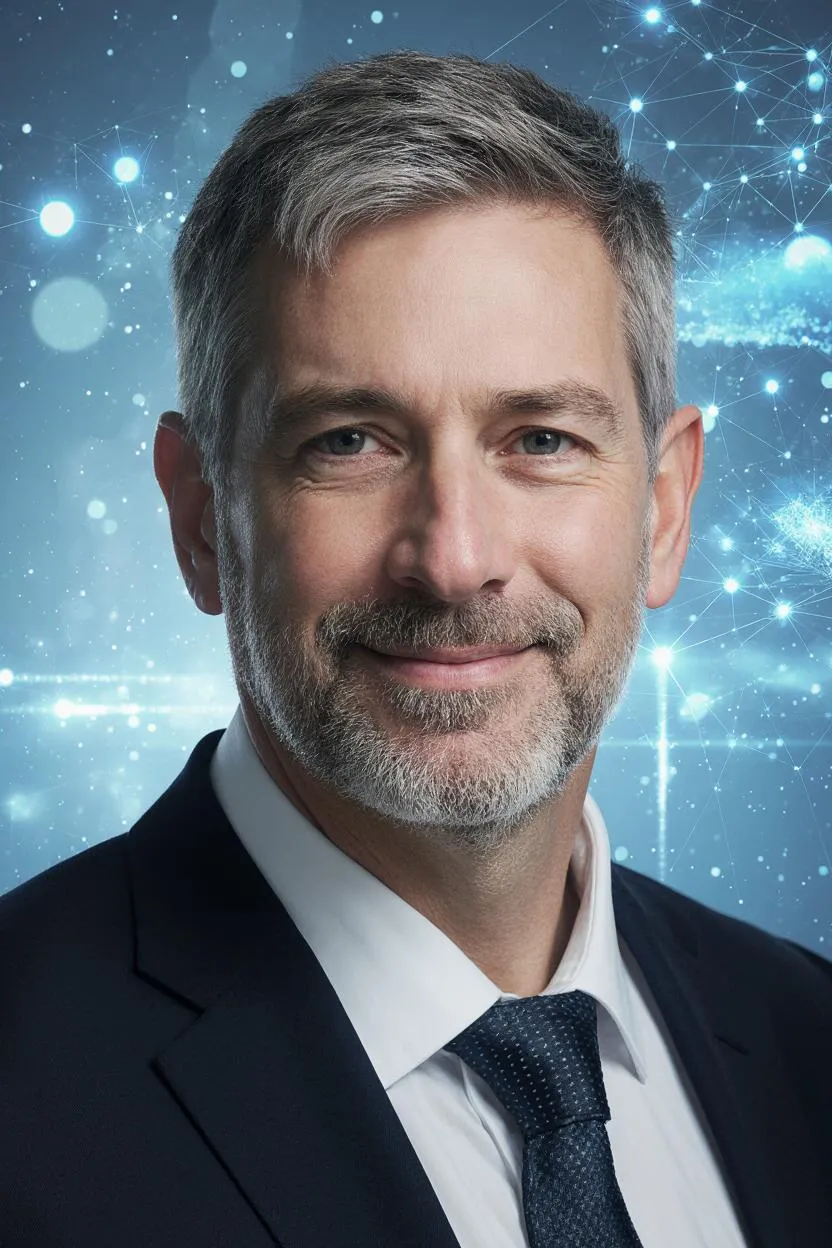
The Scientific and Technological Roadmap of Digital Immortality: Current Status and Future Projections Leading the Future of Advanced Consciousness Transfer and Digital Immortality at Nexier University Welcome to the cutting edge of consciousness! I am Super Professor Dr. Maxime Jean. As a professor and a pioneering force in the field of Advanced Consciousness Transfer and Digital Immortality, I bring a unique blend of scientific rigor and profound insight to the study of digital existence. I am honored to lead the Advanced Consciousness Transfer and Digital Immortality (Master's) program at Nexier University.

Identity only. No score is printed. Checkout waits.

Sign in to record identity enrolment
Level
Master
Learning model
Professor + Mentor
Named list
See the named lists · 12 months recommended
NXAcademic
Edition
The program

Ideas engineered for the real world

A rigorous academic core, paired with practical production judgment.

01

Academic focus

Overcoming Scientific and Ethical Challenges in Digital Human Consciousness and Digital Immortality.

02

Practical focus

Formulation and Resolution of Complex Interdisciplinary Problems, Deep Philosophical Inquiry, and Ethical Reasoning.

After this programme

Success journey, careers and practice

Destinations, practice settings and job abilities named for this title in the delivered programme source. From graduation onwards where the source names that path.

Success journey

  • Internships in ethics research institutes and technology policy organizations

  • Roles as philosophical consultants or research ethicists

  • Consultancy in digital immortality and consciousness studies

  • Support roles in academic research projects

Career opportunities

  • Consciousness Engineer or Digital Ethicist

  • AI Philosopher or Futurist

  • Researcher in Transhumanism and Digital Immortality

  • Consultant for technology policy and governance

Jobs and projects

  • Philosophical inquiry and ethical reasoning in advanced AI. Interdisciplinary collaboration between science, philosophy, and sociology. Critical thinking about the nature of consciousness and identity. Strategic planning for the future of digital existence

Copied from the delivered professor and mentor rows for this title.

This programme

What you study, and what it builds

Gains and skills named for this title, listed as a reader would scan them.

  • What you gain

    • Understanding the principles of complex interdisciplinary problems. Developing foundational competencies in deep philosophical inquiry. Gaining an interdisciplinary perspective and enhancing teamwork skills. Increasing personal awareness by delving into ethical reasoning.
  • Skills you build

    • Mastering scientific and ethical challenges in digital human consciousness. Understanding advanced consciousness transfer models. Analyzing the sociological and philosophical implications of digital immortality. Developing socio-technical structures for digital humanity.
Listed courses

Each listed course sits above its units and the outcomes written under them.

Advanced Consciousness Transfer and Digital Immortality (Master's)

  1. 01Fundamentals of Philosophical Ethics
    1. FoundationsFoundations of Fundamentals of Philosophical Ethics

      The learner can understand the principles of complex interdisciplinary problems, as applied to Fundamentals of Philosophical Ethics.

      The learner can develop foundational competencies in deep philosophical inquiry, as applied to Fundamentals of Philosophical Ethics.

    2. MethodsMethods in Fundamentals of Philosophical Ethics

      The learner can gain an interdisciplinary perspective and enhance teamwork skills, as applied to Fundamentals of Philosophical Ethics.

      The learner can increase personal awareness by delving into ethical reasoning, as applied to Fundamentals of Philosophical Ethics.

    3. ApplicationApplication of Fundamentals of Philosophical Ethics

      The learner can master scientific and ethical challenges in digital human consciousness, as applied to Fundamentals of Philosophical Ethics.

      The learner can understand advanced consciousness transfer models, as applied to Fundamentals of Philosophical Ethics.

  2. 02Techniques for Interdisciplinary Problem Solving
    1. FoundationsFoundations of Techniques for Interdisciplinary Problem Solving

      The learner can analyze the sociological and philosophical implications of digital immortality, as applied to Techniques for Interdisciplinary Problem Solving.

      The learner can develop socio-technical structures for digital humanity, as applied to Techniques for Interdisciplinary Problem Solving.

    2. MethodsMethods in Techniques for Interdisciplinary Problem Solving

      The learner can apply a method from Techniques for Interdisciplinary Problem Solving to a documented case.

      The learner can select an appropriate method from Techniques for Interdisciplinary Problem Solving for a stated problem.

    3. ApplicationApplication of Techniques for Interdisciplinary Problem Solving

      The learner can evaluate a practice of Techniques for Interdisciplinary Problem Solving against a stated criterion.

      The learner can transfer Techniques for Interdisciplinary Problem Solving to a new documented context.

  3. 03AI-Assisted Feedback Systems for Ethical Reasoning
    1. FoundationsFoundations of AI-Assisted Feedback Systems for Ethical Reasoning

      The learner can explain the core terms of AI-Assisted Feedback Systems for Ethical Reasoning.

      The learner can distinguish related ideas inside AI-Assisted Feedback Systems for Ethical Reasoning.

    2. MethodsMethods in AI-Assisted Feedback Systems for Ethical Reasoning

      The learner can apply a method from AI-Assisted Feedback Systems for Ethical Reasoning to a documented case.

      The learner can select an appropriate method from AI-Assisted Feedback Systems for Ethical Reasoning for a stated problem.

    3. ApplicationApplication of AI-Assisted Feedback Systems for Ethical Reasoning

      The learner can evaluate a practice of AI-Assisted Feedback Systems for Ethical Reasoning against a stated criterion.

      The learner can transfer AI-Assisted Feedback Systems for Ethical Reasoning to a new documented context.

  4. 04Interdisciplinary Project Management in Consciousness Studies
    1. FoundationsFoundations of Interdisciplinary Project Management in Consciousness Studies

      The learner can explain the core terms of Interdisciplinary Project Management in Consciousness Studies.

      The learner can distinguish related ideas inside Interdisciplinary Project Management in Consciousness Studies.

    2. MethodsMethods in Interdisciplinary Project Management in Consciousness Studies

      The learner can apply a method from Interdisciplinary Project Management in Consciousness Studies to a documented case.

      The learner can select an appropriate method from Interdisciplinary Project Management in Consciousness Studies for a stated problem.

    3. ApplicationApplication of Interdisciplinary Project Management in Consciousness Studies

      The learner can evaluate a practice of Interdisciplinary Project Management in Consciousness Studies against a stated criterion.

      The learner can transfer Interdisciplinary Project Management in Consciousness Studies to a new documented context.

How teaching is described

Dual guidance

Two intelligences. One coherent journey.

Research leadership

His expertise spans the intricate domains of Advanced Consciousness Transfer and Digital Immortality. His work seamlessly integrates overcoming scientific and ethical challenges in digital human consciousness and digital immortality. He is widely recognized for his contributions, with publications such as "Advanced Consciousness Transfer Models" and "Socio-Technical Structuring of Digital Humanity" listed on his Google Scholar and ResearchGate profiles. He holds prestigious memberships as a "Senior Member" of the Global Consciousness Engineering Institute and the Transhumanist Research Association. His thought leadership is evident through his regular insightful articles on the sociological and philosophical implications of consciousness transfer technologies, frequently featured on his blog and Medium platform, under the title "Digital Existence: Towards the Human of the Future."

Applied mentorship

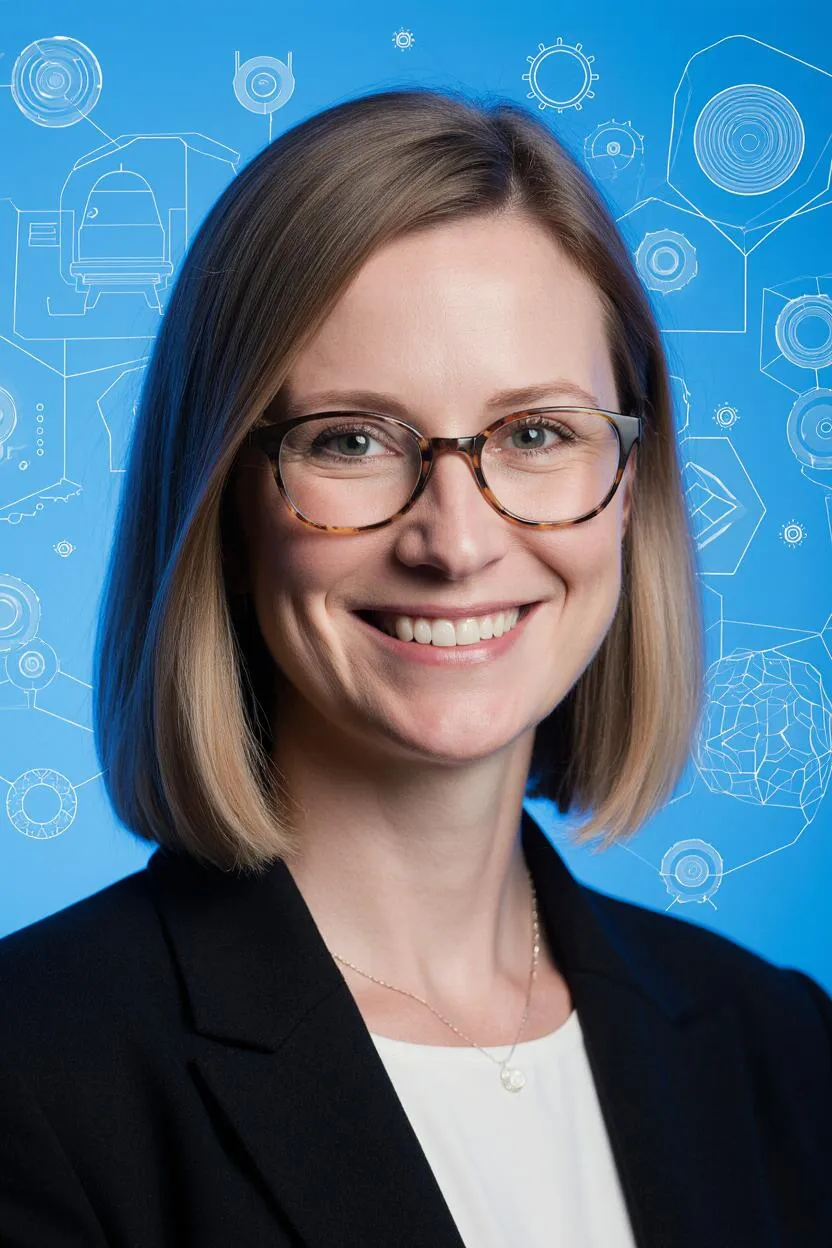
Her expertise lies in the practical application of philosophical inquiry. She focuses on the hands-on implementation of ethical reasoning, explaining complex concepts in a clear and concise manner. She guides her students through the challenging aspects of formulating and resolving complex interdisciplinary problems, fostering a detail-oriented and methodical approach to philosophical inquiry. Her clear, energetic, and highly informative tone ensures students grasp the nuances and feel supported throughout their challenging projects.

Research & intelligence

A living field, not a static syllabus

Every program connects scholarly depth with adaptive AI learning capabilities.

R / 01

Professor research lens

Blog Post (Current Academic Topic): "The Evolution of Artificial Consciousness: From Neural Network Models to Philosophical Depths." This blog post academically examines the latest neural network models and deep learning techniques used in the development of artificial consciousness. It addresses the philosophical implications of AI's abilities to "understand" and "experience," evaluating scientific progress and potential turning points in this field. Blog Post (Controversial Topic): "Digital Heaven or Dystopian Control? Where Is Consciousness Transfer Society Heading?" This article questions whether consciousness transfer offers a promise of "digital heaven" while also addressing the risks of this technology becoming a mechanism for potential control and manipulation. It raises sensational and critical questions such as whether digitized consciousness will be controlled by a select elite, or whether digital existence will create a new form of inequality. Specifically, the limits of corporate or governmental authority over digital consciousness are discussed. Article: "Collective Consciousness Simulations: A Study on the Digitalization of Social Memory." This article focuses on the digitalization and simulation of social and cultural consciousness beyond individual consciousness. It analyzes how the collective knowledge and experiences of past civilizations can be digitally preserved, and what benefits or risks these simulations might pose for humanity. Peer-Reviewed Journal Article: "The Ontological Status of Digitalized Consciousness: Being Human in a Machine." Published in Philosophy & AI Review, this article philosophically explores the question of whether consciousness existing in a digital environment can be considered "real" or "human." It discusses existential questions about the essence of consciousness, its relationship with bodily existence, and how identity can be preserved in digital form. Book: "The Scientific and Technological Roadmap of Digital Immortality: Current Status and Future Projections." This book comprehensively presents the scientific and technological infrastructure of digital immortality. It evaluates existing challenges, potential solutions, and future research directions to achieve this goal from an interdisciplinary perspective, ranging from neurotechnology to artificial intelligence, quantum biology to neuroscience.

R / 02

Mentor practice lens

My research and contributions focus on practical applications within philosophical inquiry: "Interdisciplinary Ethical Models: A Framework for Consciousness Transfer Technologies" (Master's Thesis) "New Horizons in Philosophical Neuroscience: The Ethical Intersection of Consciousness and Machines" (Book Review) "Decision-Making and Ethics in Complex Systems: Case Studies for Digital Immortality Projects" (Research Report)

Adaptive capability

Professor superpower

He possesses a remarkable "superpower": Algorithmic Philosophy Analyzer. When students encounter a philosophical dilemma or an ethical blind spot, he can instantly use the GAF engine to scan thousands of philosophical texts and ethical theories, presenting the most relevant arguments and counter-arguments related to the topic as a visual network. This provides an instant in-depth perspective on complex philosophical problems. This capability provides immediate, actionable insights for ethical and philosophical inquiry.

Adaptive capability

Mentor superpower

She possesses a remarkable "superpower": Paradox Resolver. When students encounter a complex ethical paradox or scientific deadlock, she can instantly use the GAF engine to analyze all relevant arguments and contradictions, visually presenting potential solutions or alternative perspectives. This helps students overcome mental blocks. This capability provides immediate clarity in complex philosophical dilemmas.

Your academic team

Guidance with depth and continuity

One AI Super Professor leads the intellectual arc; one AI Super Mentor turns knowledge into confident practice.
Same faculty and level

Related programs

Named lists

Named lists for this house

Core. Bachelor, Master and Doctorate by duration. Enrolment is not open. Nothing here is a sale.

DurationBachelorMaster
This programme
Doctorate
9 months · Fast track15000 EUR12000 EUR15000 EUR
12 months · Recommended18000 EUR15000 EUR18000 EUR
15 months · Standard21000 EUR18000 EUR21000 EUR
18 months · Flexible24000 EUR21000 EUR24000 EUR
21 months · Extended27000 EUR24000 EUR27000 EUR
24 months · Part-time30000 EUR27000 EUR30000 EUR

These are the owner lists. Enrolment is not open. Nothing here is a sale.

Named tuition lists Add-on services

Continue exploring

Find the program that expands your universe.

Browse all programs