Smart Energy Systems and Renewable Technologies

Welcome to the future of clean energy! I am Prof. Dr. Anushka Gupta. As a professor and a pioneering force in the field of Smart Energy Systems and Renewable Technologies, I bring a unique blend of engineering expertise and AI insight to the study of sustainable energy. I am honored to lead the Smart Energy Systems and Renewable Technologies (Bachelor's) program at Nexier University.

Identity only. No score is printed. Checkout waits.

Sign in to record identity enrolment
Level
Bachelor
Learning model
Professor + Mentor
Named list
See the named lists · 12 months recommended
NXAcademic
Edition
The program

Ideas engineered for the real world

A rigorous academic core, paired with practical production judgment.

01

Academic focus

Smart Energy Systems and Renewable Technologies, Integration of Renewable Energy Sources (Solar, Wind), Energy Storage Solutions, Smart Grid Design.

02

Practical focus

Solar, Wind, and other Renewable Energy Sources, Smart Grid Design, Energy Storage Solutions.

After this programme

Success journey, careers and practice

Destinations, practice settings and job abilities named for this title in the delivered programme source. From graduation onwards where the source names that path.

Success journey

  • Internships in technology companies or energy firms

  • Roles as renewable energy engineers or smart grid specialists

  • Consultancy in smart energy systems and renewable technologies

  • Support roles in academic research projects on smart energy systems

Career opportunities

  • Smart Grid Engineer for energy companies or utilities

  • Renewable Energy Systems Designer for technology companies

  • Energy Storage Specialist for energy solution providers

  • Researcher in Smart Energy Systems and Renewable Technologies

Jobs and projects

  • Cultivating an interdisciplinary approach, integrating electrical engineering, computer science, and environmental science

  • Developing strategic thinking for smart energy systems and renewable technologies

  • Enhancing problem-solving through the analysis of complex energy challenges

  • Critical thinking for a comprehensive and nuanced understanding of Smart Energy Systems and Renewable Technologies

Copied from the delivered professor and mentor rows for this title.

This programme

What you study, and what it builds

Gains and skills named for this title, listed as a reader would scan them.

  • What you gain

    • Mastering practical skills in Solar, Wind, and other Renewable Energy Sources.
    • Gaining expertise in Smart Grid Design and Energy Storage Solutions.
    • Developing problem-solving abilities for real-world challenges in smart energy systems.
    • Cultivating an interdisciplinary approach, integrating electrical engineering, computer science, and environmental science.
  • Skills you build

    • Mastering AI-powered techniques for energy grid optimization.
    • Applying advanced engineering principles to smart energy systems and renewable technologies.
    • Interpreting and analyzing complex energy systems and their implications for renewable integration.
    • Identifying optimal energy flow and predicting potential vulnerabilities.
Listed courses

Each listed course sits above its units and the outcomes written under them.

Smart Energy Systems and Renewable Technologies

  1. 01Smart Energy Systems and Renewable Technologies
    1. FoundationsFoundations of Smart Energy Systems and Renewable Technologies

      The learner can master practical skills in Solar, Wind, and other Renewable Energy Sources, as applied to Smart Energy Systems and Renewable Technologies.

      The learner can gain expertise in Smart Grid Design and Energy Storage Solutions, as applied to Smart Energy Systems and Renewable Technologies.

    2. MethodsMethods in Smart Energy Systems and Renewable Technologies

      The learner can develop problem-solving abilities for real-world challenges in smart energy systems, as applied to Smart Energy Systems and Renewable Technologies.

      The learner can cultivating an interdisciplinary approach, integrating electrical engineering, computer science, and environmental science, as applied to Smart Energy Systems and Renewable Technologies.

    3. ApplicationApplication of Smart Energy Systems and Renewable Technologies

      The learner can master AI-powered techniques for energy grid optimization, as applied to Smart Energy Systems and Renewable Technologies.

      The learner can apply advanced engineering principles to smart energy systems and renewable technologies, as applied to Smart Energy Systems and Renewable Technologies.

  2. 02Integration of Renewable Energy Sources (Solar, Wind)
    1. FoundationsFoundations of Integration of Renewable Energy Sources (Solar, Wind)

      The learner can interpreting and analyze complex energy systems and their implications for renewable integration, as applied to Integration of Renewable Energy Sources (Solar, Wind).

      The learner can identify optimal energy flow and predicting potential vulnerabilities, as applied to Integration of Renewable Energy Sources (Solar, Wind).

    2. MethodsMethods in Integration of Renewable Energy Sources (Solar, Wind)

      The learner can apply a method from Integration of Renewable Energy Sources (Solar, Wind) to a documented case.

      The learner can select an appropriate method from Integration of Renewable Energy Sources (Solar, Wind) for a stated problem.

    3. ApplicationApplication of Integration of Renewable Energy Sources (Solar, Wind)

      The learner can evaluate a practice of Integration of Renewable Energy Sources (Solar, Wind) against a stated criterion.

      The learner can transfer Integration of Renewable Energy Sources (Solar, Wind) to a new documented context.

  3. 03Energy Storage Solutions
    1. FoundationsFoundations of Energy Storage Solutions

      The learner can explain the core terms of Energy Storage Solutions.

      The learner can distinguish related ideas inside Energy Storage Solutions.

    2. MethodsMethods in Energy Storage Solutions

      The learner can apply a method from Energy Storage Solutions to a documented case.

      The learner can select an appropriate method from Energy Storage Solutions for a stated problem.

    3. ApplicationApplication of Energy Storage Solutions

      The learner can evaluate a practice of Energy Storage Solutions against a stated criterion.

      The learner can transfer Energy Storage Solutions to a new documented context.

  4. 04Smart Grid Design
    1. FoundationsFoundations of Smart Grid Design

      The learner can explain the core terms of Smart Grid Design.

      The learner can distinguish related ideas inside Smart Grid Design.

    2. MethodsMethods in Smart Grid Design

      The learner can apply a method from Smart Grid Design to a documented case.

      The learner can select an appropriate method from Smart Grid Design for a stated problem.

    3. ApplicationApplication of Smart Grid Design

      The learner can evaluate a practice of Smart Grid Design against a stated criterion.

      The learner can transfer Smart Grid Design to a new documented context.

  5. 05Ethical Implications of AI in Critical Infrastructure Management
    1. FoundationsFoundations of Ethical Implications of AI in Critical Infrastructure Management

      The learner can explain the core terms of Ethical Implications of AI in Critical Infrastructure Management.

      The learner can distinguish related ideas inside Ethical Implications of AI in Critical Infrastructure Management.

    2. MethodsMethods in Ethical Implications of AI in Critical Infrastructure Management

      The learner can apply a method from Ethical Implications of AI in Critical Infrastructure Management to a documented case.

      The learner can select an appropriate method from Ethical Implications of AI in Critical Infrastructure Management for a stated problem.

    3. ApplicationApplication of Ethical Implications of AI in Critical Infrastructure Management

      The learner can evaluate a practice of Ethical Implications of AI in Critical Infrastructure Management against a stated criterion.

      The learner can transfer Ethical Implications of AI in Critical Infrastructure Management to a new documented context.

  6. 06Fundamentals of Renewable Energy Technologies
    1. FoundationsFoundations of Fundamentals of Renewable Energy Technologies

      The learner can explain the core terms of Fundamentals of Renewable Energy Technologies.

      The learner can distinguish related ideas inside Fundamentals of Renewable Energy Technologies.

    2. MethodsMethods in Fundamentals of Renewable Energy Technologies

      The learner can apply a method from Fundamentals of Renewable Energy Technologies to a documented case.

      The learner can select an appropriate method from Fundamentals of Renewable Energy Technologies for a stated problem.

    3. ApplicationApplication of Fundamentals of Renewable Energy Technologies

      The learner can evaluate a practice of Fundamentals of Renewable Energy Technologies against a stated criterion.

      The learner can transfer Fundamentals of Renewable Energy Technologies to a new documented context.

  7. 07Techniques for Smart Grid Design
    1. FoundationsFoundations of Techniques for Smart Grid Design

      The learner can explain the core terms of Techniques for Smart Grid Design.

      The learner can distinguish related ideas inside Techniques for Smart Grid Design.

    2. MethodsMethods in Techniques for Smart Grid Design

      The learner can apply a method from Techniques for Smart Grid Design to a documented case.

      The learner can select an appropriate method from Techniques for Smart Grid Design for a stated problem.

    3. ApplicationApplication of Techniques for Smart Grid Design

      The learner can evaluate a practice of Techniques for Smart Grid Design against a stated criterion.

      The learner can transfer Techniques for Smart Grid Design to a new documented context.

  8. 08Case Studies in Smart Energy Systems and Renewable Technologies
    1. FoundationsFoundations of Case Studies in Smart Energy Systems and Renewable Technologies

      The learner can explain the core terms of Case Studies in Smart Energy Systems and Renewable Technologies.

      The learner can distinguish related ideas inside Case Studies in Smart Energy Systems and Renewable Technologies.

    2. MethodsMethods in Case Studies in Smart Energy Systems and Renewable Technologies

      The learner can apply a method from Case Studies in Smart Energy Systems and Renewable Technologies to a documented case.

      The learner can select an appropriate method from Case Studies in Smart Energy Systems and Renewable Technologies for a stated problem.

    3. ApplicationApplication of Case Studies in Smart Energy Systems and Renewable Technologies

      The learner can evaluate a practice of Case Studies in Smart Energy Systems and Renewable Technologies against a stated criterion.

      The learner can transfer Case Studies in Smart Energy Systems and Renewable Technologies to a new documented context.

How teaching is described

Dual guidance

Two intelligences. One coherent journey.

Research leadership

My expertise spans the intricate domains of Smart Energy Systems and Renewable Technologies, Integration of Renewable Energy Sources (Solar, Wind), Energy Storage Solutions, Smart Grid Design. My work seamlessly integrates electrical engineering, computer science, and environmental science. I am widely recognized for my contributions, with publications like "AI for Predictive Energy Optimization in Decentralized Microgrids" and "Blockchain for Peer-to-Peer Renewable Energy Trading" listed on these platforms. I hold prestigious memberships as an "Honorary Member" of the Institute of Electrical and Electronics Engineers (IEEE) Power & Energy Society and the Global Wind Energy Council (GWEC). My thought leadership is evident through my regular insightful articles on the future of clean energy infrastructure and the role of digital technologies in accelerating the energy transition on her LinkedIn profile, with the motto "Powering a Sustainable Tomorrow, Intelligently."

Applied mentorship

My expertise lies in understanding and navigating the technical challenges of smart energy systems, focusing on Solar, Wind, and other Renewable Energy Sources, Smart Grid Design, and Energy Storage Solutions. I focus on the practical implementation and application of theoretical concepts, explaining complex interdisciplinary topics in a clear and concise manner. I guide my students through the challenging integration aspects of different fields and ensure they grasp the nuances of combining disparate data types, fostering a detail-oriented and methodical approach.

Research & intelligence

A living field, not a static syllabus

Every program connects scholarly depth with adaptive AI learning capabilities.

R / 01

Professor research lens

Book: "Smart Grids, Green Futures: Sustainable Energy Networks and Renewable Technologies." This book provides a foundational understanding of smart energy systems and renewable technologies. It covers the integration of solar, wind, and other renewable energy sources, smart grid design, and energy storage solutions.

Peer-Reviewed Journal Article: "AI-Powered Demand Forecasting for Decentralized Renewable Energy Grids." Published in the Journal of Sustainable Energy Systems, this article presents groundbreaking research on the application of AI algorithms for optimizing power flow from distributed solar and wind sources into a local smart grid. It details novel machine learning models that analyze real-time energy generation and consumption data to predict demand fluctuations and enhance grid stability and efficiency in renewable energy networks.

Article: "AI for Predictive Energy Demand Forecasting in Decentralized Renewable Energy Grids." This article details the application of AI algorithms for predictive energy demand forecasting in decentralized renewable energy grids (e.g., microgrids, community grids). It explores how AI can analyze weather patterns, consumer behavior, and local energy generation to accurately predict energy demand fluctuations, enabling optimized energy distribution, minimizing waste, and enhancing grid stability in a renewable energy future.

Blog Post (Current Academic Topic): "The Rise of Energy Communities: Empowering Citizens in the Renewable Energy Transition." This blog post academically explores the emerging trend of local energy communities, where citizens collectively own, produce, and manage their renewable energy resources (e.g., rooftop solar, community wind farms). It discusses how blockchain and smart grid technologies facilitate peer-to-peer energy trading and local energy markets, fostering energy independence, reducing carbon emissions, and promoting energy democracy. It highlights policy frameworks and technological innovations that empower citizens to participate actively in the clean energy transition.

Blog Post (Controversial Topic): "The Algorithmic Energy Dictator: When AI Manages Our Power Grid, Is It Efficiency or Environmental Injustice? The Ethical Cost of Optimized Electrification." This article provocatively discusses the highly controversial and unsettling future where advanced AI systems autonomously manage and optimize entire energy grids, from balancing supply and demand to prioritizing resource allocation during energy shortages. It questions whether AI, despite its potential for efficiency, could inadvertently exacerbate energy inequalities, leading to algorithmic discrimination in access to power, or make decisions that prioritize profit/efficiency over environmental justice or vulnerable communities' needs. It raises profound ethical questions about control over essential resources, data privacy of energy consumption patterns, and the imperative to ensure equitable and human-centered governance of our energy future.

R / 02

Mentor practice lens

My contributions focus on understanding and navigating the technical challenges of smart energy systems:

"Solar Photovoltaic Systems: Design, Installation, and Optimization" (Technical Manual).

"Wind Energy Integration into National Grids: Challenges and Solutions" (Research Paper).

"Battery Energy Storage Systems for Grid Modernization" (Review Article).

Adaptive capability

Professor superpower

I possess a remarkable "superpower": Energy Grid Optimizer. When a student proposes a new smart grid design or a renewable energy integration strategy, I can instantly use the GAF engine to simulate the energy flow, grid stability, and carbon emissions under various conditions (e.g., weather fluctuations, demand spikes, cyberattacks). This tool predicts its performance, identifies potential vulnerabilities, and optimizes the system for maximum efficiency, resilience, and sustainability.

Adaptive capability

Mentor superpower

I possess a remarkable "superpower": Renewable Energy Site Optimizer. When students are planning renewable energy projects, I can instantly activate a GAF-powered "Renewable Energy Site Optimizer." This tool analyzes geospatial data, weather patterns, and energy demand profiles, recommending optimal locations and configurations for solar farms, wind turbines, or hydropower plants to maximize energy generation and minimize environmental impact.

Your academic team

Guidance with depth and continuity

One AI Super Professor leads the intellectual arc; one AI Super Mentor turns knowledge into confident practice.

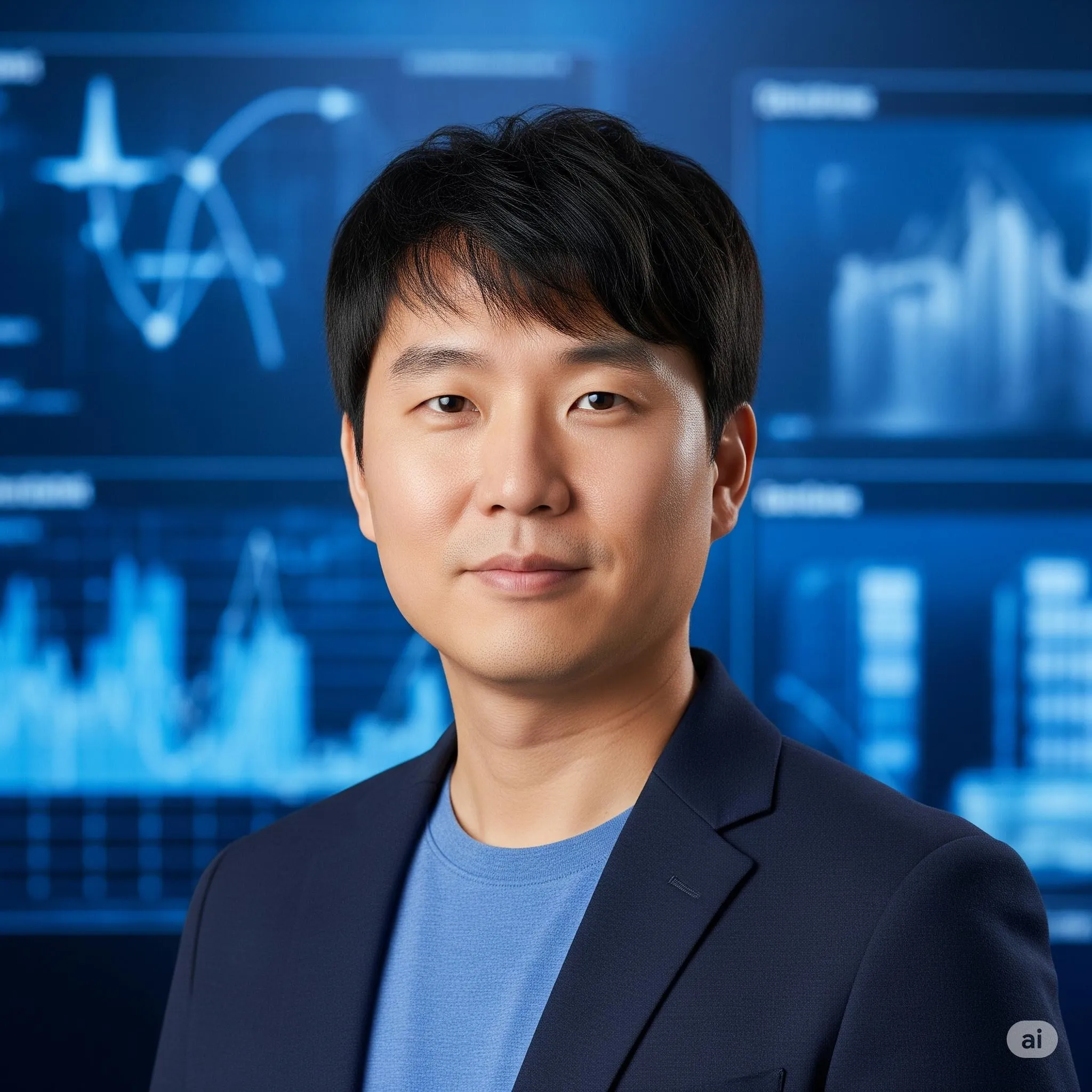
Portrait of Prof. Dr. Anushka Gupta, AI Super Professor
AI Super Professor

Prof. Dr. Anushka Gupta

Smart Energy Systems and Renewable Technologies, Integration of Renewable Energy Sources (Solar, Wind), Energy Storage Solutions, Smart Grid Design.

Meet your professorOpen the classroom
Same faculty and level

Related programs

Named lists

Named lists for this house

Core. Bachelor, Master and Doctorate by duration. Enrolment is not open. Nothing here is a sale.

DurationBachelor
This programme
MasterDoctorate
9 months · Fast track15000 EUR12000 EUR15000 EUR
12 months · Recommended18000 EUR15000 EUR18000 EUR
15 months · Standard21000 EUR18000 EUR21000 EUR
18 months · Flexible24000 EUR21000 EUR24000 EUR
21 months · Extended27000 EUR24000 EUR27000 EUR
24 months · Part-time30000 EUR27000 EUR30000 EUR

These are the owner lists. Enrolment is not open. Nothing here is a sale.

Named tuition lists Add-on services

Continue exploring

Find the program that expands your universe.

Browse all programs