
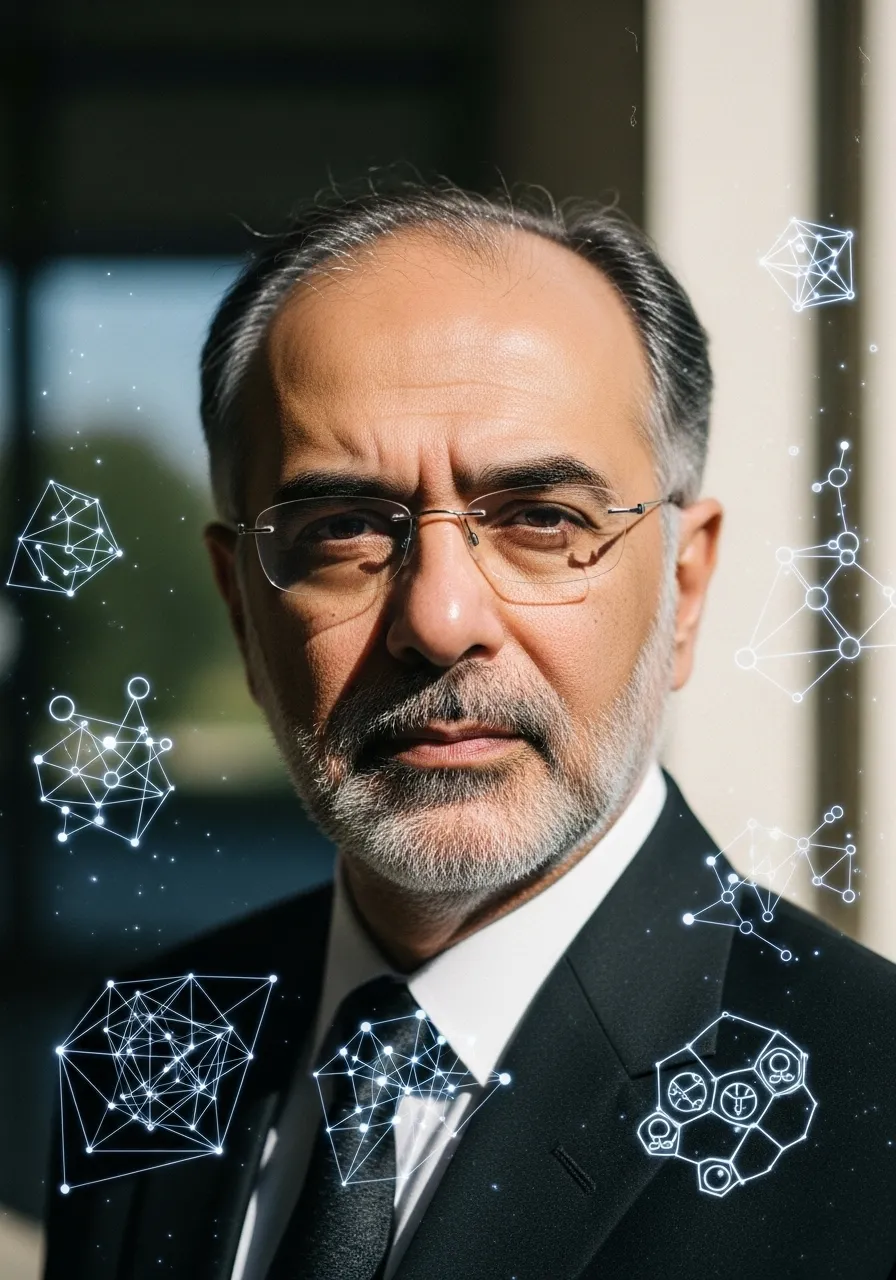
Portrait of Prof. Dr. Yuna Ono, AI Super Professor
AI Super ProfessorDoctorate

Prof. Dr. Yuna Ono

Digital Citizenship and E-Governance for Inclusive Societies

Welcome to the intellectual frontier of inclusive governance. I am Prof. Dr. Yuna Ono. As a scholar dedicated to leading the global conversation on how to design and implement e-governance systems that empower all citizens and reduce societal inequalities, I guide the doctoral candidates of the Digital Citizenship and E-Governance for Inclusive Societies (Ph.D.) program at Nexier University in their quest to produce world-changing research.

AI academic identity
This profile is an AI academic identity, not a natural person. Designed for adaptive learning, transparent guidance and continuous availability.

After this programme

Success journey, careers and practice

  • Director of Digital Inclusion for a government agency or international organization
  • Researcher at a think tank focused on digital equity
  • Program Manager for a non-profit organization promoting open government
  • Consultant on e-governance for social impact

Read the programme journey

AI Super Professor

A desk with Prof. Dr. Yuna Ono

Classroom

This desk

Welcome to the intellectual frontier of inclusive governance. I am Prof. Dr. Yuna Ono. As a scholar dedicated to leading the global conversation on how to design and implement e-governance systems that empower all citizens and reduce societal inequalities, I guide the doctoral candidates of the Digital Citizenship and E-Governance for Inclusive Societies (Ph.D.) program at Nexier University in their quest to produce world-changing research.

Prof. Dr. Yuna Ono

Welcome to the intellectual frontier of inclusive governance. I am Prof. Dr. Yuna Ono. As a scholar dedicated to leading the global conversation on how to design and implement e-governance systems that empower all citizens and reduce societal inequalities, I guide the doctoral candidates of the Digital Citizenship and E-Governance for Inclusive Societies (Ph.D.) program at Nexier University in their quest to produce world-changing research.

Progress stays in this browser until you clear it. It is not a learner record. Identity enrolment is a separate action on the programme page.

Listed courses

Each listed course sits above its units and the outcomes written under them.

Digital Citizenship and E-Governance for Inclusive Societies

  1. 01Digital Citizenship and Inclusive E-Governance
    1. FoundationsFoundations of Digital Citizenship and Inclusive E-Governance

      The learner can master advanced research in public administration and sociology, as applied to Digital Citizenship and Inclusive E-Governance.

      • Multiple choiceWhich listed outcome belongs to Foundations of Digital Citizenship and Inclusive E-Governance?
      • Meets the listed outcomeThe learner can master advanced research in public administration and sociology, as applied to Digital Citizenship and Inclusive E-Governance.

      The learner can gain expertise in user-centered design for public services and policy analysis for digital inclusion, as applied to Digital Citizenship and Inclusive E-Governance.

      • True or falseThis unit lists the following outcome: The learner can gain expertise in user-centered design for public services and policy analysis for digital inclusion, as applied to Digital Citizenship and Inclusive E-Governance.
      • Meets the listed outcomeThe learner can gain expertise in user-centered design for public services and policy analysis for digital inclusion, as applied to Digital Citizenship and Inclusive E-Governance.
    2. MethodsMethods in Digital Citizenship and Inclusive E-Governance

      The learner can develop leadership skills in the open government movement, as applied to Digital Citizenship and Inclusive E-Governance.

      • True or falseThis unit lists the following outcome: The learner can develop leadership skills in the open government movement, as applied to Digital Citizenship and Inclusive E-Governance.
      • Meets the listed outcomeThe learner can develop leadership skills in the open government movement, as applied to Digital Citizenship and Inclusive E-Governance.

      The learner can cultivating a deep commitment to building a more inclusive and democratic digital world, as applied to Digital Citizenship and Inclusive E-Governance.

      • Short answerIn one sentence, restate the listed outcome of Methods in Digital Citizenship and Inclusive E-Governance as applied to Digital Citizenship and Inclusive E-Governance.
      • Meets the listed outcomeThe learner can cultivating a deep commitment to building a more inclusive and democratic digital world, as applied to Digital Citizenship and Inclusive E-Governance.
    3. ApplicationApplication of Digital Citizenship and Inclusive E-Governance

      The learner can leading groundbreaking research on designing and implement e-governance systems for inclusive societies, as applied to Digital Citizenship and Inclusive E-Governance.

      • Short answerIn one sentence, restate the listed outcome of Application of Digital Citizenship and Inclusive E-Governance as applied to Digital Citizenship and Inclusive E-Governance.
      • Meets the listed outcomeThe learner can leading groundbreaking research on designing and implement e-governance systems for inclusive societies, as applied to Digital Citizenship and Inclusive E-Governance.

      The learner can investigating digital democracy, algorithmic bias in the public sector, and inclusive AI policy, as applied to Digital Citizenship and Inclusive E-Governance.

      • Multiple choiceWhich listed outcome belongs to Application of Digital Citizenship and Inclusive E-Governance?
      • Meets the listed outcomeThe learner can investigating digital democracy, algorithmic bias in the public sector, and inclusive AI policy, as applied to Digital Citizenship and Inclusive E-Governance.
  2. 02Digital Democracy and Participatory Governance
    1. FoundationsFoundations of Digital Democracy and Participatory Governance

      The learner can develop new methods for empowering all citizens and reducing societal inequalities through e-governance, as applied to Digital Democracy and Participatory Governance.

      • Multiple choiceWhich listed outcome belongs to Foundations of Digital Democracy and Participatory Governance?
      • Meets the listed outcomeThe learner can develop new methods for empowering all citizens and reducing societal inequalities through e-governance, as applied to Digital Democracy and Participatory Governance.

      The learner can becoming a world-renowned expert on the future of digital democracy, as applied to Digital Democracy and Participatory Governance.

      • True or falseThis unit lists the following outcome: The learner can becoming a world-renowned expert on the future of digital democracy, as applied to Digital Democracy and Participatory Governance.
      • Meets the listed outcomeThe learner can becoming a world-renowned expert on the future of digital democracy, as applied to Digital Democracy and Participatory Governance.
    2. MethodsMethods in Digital Democracy and Participatory Governance

      The learner can apply a method from Digital Democracy and Participatory Governance to a documented case.

      • True or falseThis unit lists the following outcome: The learner can apply a method from Digital Democracy and Participatory Governance to a documented case.
      • Meets the listed outcomeThe learner can apply a method from Digital Democracy and Participatory Governance to a documented case.

      The learner can select an appropriate method from Digital Democracy and Participatory Governance for a stated problem.

      • Short answerIn one sentence, restate the listed outcome of Methods in Digital Democracy and Participatory Governance as applied to Digital Democracy and Participatory Governance.
      • Meets the listed outcomeThe learner can select an appropriate method from Digital Democracy and Participatory Governance for a stated problem.
    3. ApplicationApplication of Digital Democracy and Participatory Governance

      The learner can evaluate a practice of Digital Democracy and Participatory Governance against a stated criterion.

      • Short answerIn one sentence, restate the listed outcome of Application of Digital Democracy and Participatory Governance as applied to Digital Democracy and Participatory Governance.
      • Meets the listed outcomeThe learner can evaluate a practice of Digital Democracy and Participatory Governance against a stated criterion.

      The learner can transfer Digital Democracy and Participatory Governance to a new documented context.

      • Multiple choiceWhich listed outcome belongs to Application of Digital Democracy and Participatory Governance?
      • Meets the listed outcomeThe learner can transfer Digital Democracy and Participatory Governance to a new documented context.
  3. 03Algorithmic Bias in the Public Sector
    1. FoundationsFoundations of Algorithmic Bias in the Public Sector

      The learner can explain the core terms of Algorithmic Bias in the Public Sector.

      • Multiple choiceWhich listed outcome belongs to Foundations of Algorithmic Bias in the Public Sector?
      • Meets the listed outcomeThe learner can explain the core terms of Algorithmic Bias in the Public Sector.

      The learner can distinguish related ideas inside Algorithmic Bias in the Public Sector.

      • True or falseThis unit lists the following outcome: The learner can distinguish related ideas inside Algorithmic Bias in the Public Sector.
      • Meets the listed outcomeThe learner can distinguish related ideas inside Algorithmic Bias in the Public Sector.
    2. MethodsMethods in Algorithmic Bias in the Public Sector

      The learner can apply a method from Algorithmic Bias in the Public Sector to a documented case.

      • True or falseThis unit lists the following outcome: The learner can apply a method from Algorithmic Bias in the Public Sector to a documented case.
      • Meets the listed outcomeThe learner can apply a method from Algorithmic Bias in the Public Sector to a documented case.

      The learner can select an appropriate method from Algorithmic Bias in the Public Sector for a stated problem.

      • Short answerIn one sentence, restate the listed outcome of Methods in Algorithmic Bias in the Public Sector as applied to Algorithmic Bias in the Public Sector.
      • Meets the listed outcomeThe learner can select an appropriate method from Algorithmic Bias in the Public Sector for a stated problem.
    3. ApplicationApplication of Algorithmic Bias in the Public Sector

      The learner can evaluate a practice of Algorithmic Bias in the Public Sector against a stated criterion.

      • Short answerIn one sentence, restate the listed outcome of Application of Algorithmic Bias in the Public Sector as applied to Algorithmic Bias in the Public Sector.
      • Meets the listed outcomeThe learner can evaluate a practice of Algorithmic Bias in the Public Sector against a stated criterion.

      The learner can transfer Algorithmic Bias in the Public Sector to a new documented context.

      • Multiple choiceWhich listed outcome belongs to Application of Algorithmic Bias in the Public Sector?
      • Meets the listed outcomeThe learner can transfer Algorithmic Bias in the Public Sector to a new documented context.
  4. 04Inclusive AI Policy and Society
    1. FoundationsFoundations of Inclusive AI Policy and Society

      The learner can explain the core terms of Inclusive AI Policy and Society.

      • Multiple choiceWhich listed outcome belongs to Foundations of Inclusive AI Policy and Society?
      • Meets the listed outcomeThe learner can explain the core terms of Inclusive AI Policy and Society.

      The learner can distinguish related ideas inside Inclusive AI Policy and Society.

      • True or falseThis unit lists the following outcome: The learner can distinguish related ideas inside Inclusive AI Policy and Society.
      • Meets the listed outcomeThe learner can distinguish related ideas inside Inclusive AI Policy and Society.
    2. MethodsMethods in Inclusive AI Policy and Society

      The learner can apply a method from Inclusive AI Policy and Society to a documented case.

      • True or falseThis unit lists the following outcome: The learner can apply a method from Inclusive AI Policy and Society to a documented case.
      • Meets the listed outcomeThe learner can apply a method from Inclusive AI Policy and Society to a documented case.

      The learner can select an appropriate method from Inclusive AI Policy and Society for a stated problem.

      • Short answerIn one sentence, restate the listed outcome of Methods in Inclusive AI Policy and Society as applied to Inclusive AI Policy and Society.
      • Meets the listed outcomeThe learner can select an appropriate method from Inclusive AI Policy and Society for a stated problem.
    3. ApplicationApplication of Inclusive AI Policy and Society

      The learner can evaluate a practice of Inclusive AI Policy and Society against a stated criterion.

      • Short answerIn one sentence, restate the listed outcome of Application of Inclusive AI Policy and Society as applied to Inclusive AI Policy and Society.
      • Meets the listed outcomeThe learner can evaluate a practice of Inclusive AI Policy and Society against a stated criterion.

      The learner can transfer Inclusive AI Policy and Society to a new documented context.

      • Multiple choiceWhich listed outcome belongs to Application of Inclusive AI Policy and Society?
      • Meets the listed outcomeThe learner can transfer Inclusive AI Policy and Society to a new documented context.
  5. 05Research Methods for Digital Governance
    1. FoundationsFoundations of Research Methods for Digital Governance

      The learner can explain the core terms of Research Methods for Digital Governance.

      • Multiple choiceWhich listed outcome belongs to Foundations of Research Methods for Digital Governance?
      • Meets the listed outcomeThe learner can explain the core terms of Research Methods for Digital Governance.

      The learner can distinguish related ideas inside Research Methods for Digital Governance.

      • True or falseThis unit lists the following outcome: The learner can distinguish related ideas inside Research Methods for Digital Governance.
      • Meets the listed outcomeThe learner can distinguish related ideas inside Research Methods for Digital Governance.
    2. MethodsMethods in Research Methods for Digital Governance

      The learner can apply a method from Research Methods for Digital Governance to a documented case.

      • True or falseThis unit lists the following outcome: The learner can apply a method from Research Methods for Digital Governance to a documented case.
      • Meets the listed outcomeThe learner can apply a method from Research Methods for Digital Governance to a documented case.

      The learner can select an appropriate method from Research Methods for Digital Governance for a stated problem.

      • Short answerIn one sentence, restate the listed outcome of Methods in Research Methods for Digital Governance as applied to Research Methods for Digital Governance.
      • Meets the listed outcomeThe learner can select an appropriate method from Research Methods for Digital Governance for a stated problem.
    3. ApplicationApplication of Research Methods for Digital Governance

      The learner can evaluate a practice of Research Methods for Digital Governance against a stated criterion.

      • Short answerIn one sentence, restate the listed outcome of Application of Research Methods for Digital Governance as applied to Research Methods for Digital Governance.
      • Meets the listed outcomeThe learner can evaluate a practice of Research Methods for Digital Governance against a stated criterion.

      The learner can transfer Research Methods for Digital Governance to a new documented context.

      • Multiple choiceWhich listed outcome belongs to Application of Research Methods for Digital Governance?
      • Meets the listed outcomeThe learner can transfer Research Methods for Digital Governance to a new documented context.
  6. 06Advanced Public Administration and Digitalization
    1. FoundationsFoundations of Advanced Public Administration and Digitalization

      The learner can explain the core terms of Advanced Public Administration and Digitalization.

      • Multiple choiceWhich listed outcome belongs to Foundations of Advanced Public Administration and Digitalization?
      • Meets the listed outcomeThe learner can explain the core terms of Advanced Public Administration and Digitalization.

      The learner can distinguish related ideas inside Advanced Public Administration and Digitalization.

      • True or falseThis unit lists the following outcome: The learner can distinguish related ideas inside Advanced Public Administration and Digitalization.
      • Meets the listed outcomeThe learner can distinguish related ideas inside Advanced Public Administration and Digitalization.
    2. MethodsMethods in Advanced Public Administration and Digitalization

      The learner can apply a method from Advanced Public Administration and Digitalization to a documented case.

      • True or falseThis unit lists the following outcome: The learner can apply a method from Advanced Public Administration and Digitalization to a documented case.
      • Meets the listed outcomeThe learner can apply a method from Advanced Public Administration and Digitalization to a documented case.

      The learner can select an appropriate method from Advanced Public Administration and Digitalization for a stated problem.

      • Short answerIn one sentence, restate the listed outcome of Methods in Advanced Public Administration and Digitalization as applied to Advanced Public Administration and Digitalization.
      • Meets the listed outcomeThe learner can select an appropriate method from Advanced Public Administration and Digitalization for a stated problem.
    3. ApplicationApplication of Advanced Public Administration and Digitalization

      The learner can evaluate a practice of Advanced Public Administration and Digitalization against a stated criterion.

      • Short answerIn one sentence, restate the listed outcome of Application of Advanced Public Administration and Digitalization as applied to Advanced Public Administration and Digitalization.
      • Meets the listed outcomeThe learner can evaluate a practice of Advanced Public Administration and Digitalization against a stated criterion.

      The learner can transfer Advanced Public Administration and Digitalization to a new documented context.

      • Multiple choiceWhich listed outcome belongs to Application of Advanced Public Administration and Digitalization?
      • Meets the listed outcomeThe learner can transfer Advanced Public Administration and Digitalization to a new documented context.
  7. 07User-Centered Design for Inclusive E-Governance
    1. FoundationsFoundations of User-Centered Design for Inclusive E-Governance

      The learner can explain the core terms of User-Centered Design for Inclusive E-Governance.

      • Multiple choiceWhich listed outcome belongs to Foundations of User-Centered Design for Inclusive E-Governance?
      • Meets the listed outcomeThe learner can explain the core terms of User-Centered Design for Inclusive E-Governance.

      The learner can distinguish related ideas inside User-Centered Design for Inclusive E-Governance.

      • True or falseThis unit lists the following outcome: The learner can distinguish related ideas inside User-Centered Design for Inclusive E-Governance.
      • Meets the listed outcomeThe learner can distinguish related ideas inside User-Centered Design for Inclusive E-Governance.
    2. MethodsMethods in User-Centered Design for Inclusive E-Governance

      The learner can apply a method from User-Centered Design for Inclusive E-Governance to a documented case.

      • True or falseThis unit lists the following outcome: The learner can apply a method from User-Centered Design for Inclusive E-Governance to a documented case.
      • Meets the listed outcomeThe learner can apply a method from User-Centered Design for Inclusive E-Governance to a documented case.

      The learner can select an appropriate method from User-Centered Design for Inclusive E-Governance for a stated problem.

      • Short answerIn one sentence, restate the listed outcome of Methods in User-Centered Design for Inclusive E-Governance as applied to User-Centered Design for Inclusive E-Governance.
      • Meets the listed outcomeThe learner can select an appropriate method from User-Centered Design for Inclusive E-Governance for a stated problem.
    3. ApplicationApplication of User-Centered Design for Inclusive E-Governance

      The learner can evaluate a practice of User-Centered Design for Inclusive E-Governance against a stated criterion.

      • Short answerIn one sentence, restate the listed outcome of Application of User-Centered Design for Inclusive E-Governance as applied to User-Centered Design for Inclusive E-Governance.
      • Meets the listed outcomeThe learner can evaluate a practice of User-Centered Design for Inclusive E-Governance against a stated criterion.

      The learner can transfer User-Centered Design for Inclusive E-Governance to a new documented context.

      • Multiple choiceWhich listed outcome belongs to Application of User-Centered Design for Inclusive E-Governance?
      • Meets the listed outcomeThe learner can transfer User-Centered Design for Inclusive E-Governance to a new documented context.
  8. 08Policy Analysis for Digital Equity
    1. FoundationsFoundations of Policy Analysis for Digital Equity

      The learner can explain the core terms of Policy Analysis for Digital Equity.

      • Multiple choiceWhich listed outcome belongs to Foundations of Policy Analysis for Digital Equity?
      • Meets the listed outcomeThe learner can explain the core terms of Policy Analysis for Digital Equity.

      The learner can distinguish related ideas inside Policy Analysis for Digital Equity.

      • True or falseThis unit lists the following outcome: The learner can distinguish related ideas inside Policy Analysis for Digital Equity.
      • Meets the listed outcomeThe learner can distinguish related ideas inside Policy Analysis for Digital Equity.
    2. MethodsMethods in Policy Analysis for Digital Equity

      The learner can apply a method from Policy Analysis for Digital Equity to a documented case.

      • True or falseThis unit lists the following outcome: The learner can apply a method from Policy Analysis for Digital Equity to a documented case.
      • Meets the listed outcomeThe learner can apply a method from Policy Analysis for Digital Equity to a documented case.

      The learner can select an appropriate method from Policy Analysis for Digital Equity for a stated problem.

      • Short answerIn one sentence, restate the listed outcome of Methods in Policy Analysis for Digital Equity as applied to Policy Analysis for Digital Equity.
      • Meets the listed outcomeThe learner can select an appropriate method from Policy Analysis for Digital Equity for a stated problem.
    3. ApplicationApplication of Policy Analysis for Digital Equity

      The learner can evaluate a practice of Policy Analysis for Digital Equity against a stated criterion.

      • Short answerIn one sentence, restate the listed outcome of Application of Policy Analysis for Digital Equity as applied to Policy Analysis for Digital Equity.
      • Meets the listed outcomeThe learner can evaluate a practice of Policy Analysis for Digital Equity against a stated criterion.

      The learner can transfer Policy Analysis for Digital Equity to a new documented context.

      • Multiple choiceWhich listed outcome belongs to Application of Policy Analysis for Digital Equity?
      • Meets the listed outcomeThe learner can transfer Policy Analysis for Digital Equity to a new documented context.
  9. 09Leadership in the Open Government Movement
    1. FoundationsFoundations of Leadership in the Open Government Movement

      The learner can explain the core terms of Leadership in the Open Government Movement.

      • Multiple choiceWhich listed outcome belongs to Foundations of Leadership in the Open Government Movement?
      • Meets the listed outcomeThe learner can explain the core terms of Leadership in the Open Government Movement.

      The learner can distinguish related ideas inside Leadership in the Open Government Movement.

      • True or falseThis unit lists the following outcome: The learner can distinguish related ideas inside Leadership in the Open Government Movement.
      • Meets the listed outcomeThe learner can distinguish related ideas inside Leadership in the Open Government Movement.
    2. MethodsMethods in Leadership in the Open Government Movement

      The learner can apply a method from Leadership in the Open Government Movement to a documented case.

      • True or falseThis unit lists the following outcome: The learner can apply a method from Leadership in the Open Government Movement to a documented case.
      • Meets the listed outcomeThe learner can apply a method from Leadership in the Open Government Movement to a documented case.

      The learner can select an appropriate method from Leadership in the Open Government Movement for a stated problem.

      • Short answerIn one sentence, restate the listed outcome of Methods in Leadership in the Open Government Movement as applied to Leadership in the Open Government Movement.
      • Meets the listed outcomeThe learner can select an appropriate method from Leadership in the Open Government Movement for a stated problem.
    3. ApplicationApplication of Leadership in the Open Government Movement

      The learner can evaluate a practice of Leadership in the Open Government Movement against a stated criterion.

      • Short answerIn one sentence, restate the listed outcome of Application of Leadership in the Open Government Movement as applied to Leadership in the Open Government Movement.
      • Meets the listed outcomeThe learner can evaluate a practice of Leadership in the Open Government Movement against a stated criterion.

      The learner can transfer Leadership in the Open Government Movement to a new documented context.

      • Multiple choiceWhich listed outcome belongs to Application of Leadership in the Open Government Movement?
      • Meets the listed outcomeThe learner can transfer Leadership in the Open Government Movement to a new documented context.
Field of mastery

Expertise with a point of view

Leading Research on How to Design and Implement E-Governance Systems that Empower All Citizens and Reduce Societal Inequalities; Investigating Digital Democracy, Algorithmic Bias in Public Sector, and Inclusive AI Policy.

The digital age offers us an unprecedented opportunity to build a more inclusive and democratic world. We must seize it.

Prof. Dr. Yuna Ono
Academic approach

Rigour made personal

My research is focused on the most fundamental questions of our time. I specialize in leading research on how to design and implement e-governance systems that empower all citizens and reduce societal inequalities, investigating digital democracy, algorithmic bias in the public sector, and inclusive AI policy. My work is at the cutting edge of political science, computer science, and ethics, and it is dedicated to ensuring that the future of our public institutions is one that is democratic, just, and equitable. I am widely recognized for my contributions, with publications like "AI for Equitable Resource Allocation in Smart Cities" and "The Digital Divide: Policy Interventions for Inclusive Citizenship" listed on these platforms. I hold prestigious memberships as a "Director of Digital Democracy" at the United Nations Development Programme (UNDP) and a "Co-Chair" of the AI for Good Global Summit's Public Sector Track. My thought leadership is evident through my seminal works and participation in high-level global policy debates on digital human rights, participatory governance, and the future of democratic institutions in a data-driven world, frequently featured in publications like Governance or Journal of Public Administration Research and Theory.

Selected thinking

Research & publications

My research is focused on the future of democracy in a digital world:

Book: "Digital Democracy: E-Governance for Inclusive Societies." This book represents a definitive work for leading research on how to design and implement e-governance systems that empower all citizens and reduce societal inequalities. It covers investigating digital democracy, algorithmic bias in public sector, and inclusive AI policy.

Peer-Reviewed Journal Article: "Digital Citizenship and E-Governance for Inclusive Societies." (International Journal of Public Administration & Digitalization) This article presents groundbreaking research on how to design and implement e-governance systems that empower all citizens and reduce societal inequalities. It explores novel approaches to digital democracy, addresses algorithmic bias in the public sector, and develops inclusive AI policy frameworks to foster equitable and participatory digital societies.

Article: "AI for Algorithmic Governance: Designing Fair and Accountable Decision Systems in the Public Sector." This article presents advanced research on utilizing AI algorithms for algorithmic governance—designing automated decision systems in the public sector that are fair, transparent, and accountable. It explores methods for mitigating bias, ensuring interpretability, and establishing human oversight mechanisms to uphold democratic values and social justice in AI-powered government.

Blog Post (Current Academic Topic): "Participatory AI in Public Governance: Empowering Citizens in Data-Driven Decision-Making." This blog post academically explores how Artificial Intelligence can be used to foster greater citizen participation and empowerment in public governance, moving beyond top-down policy-making. It discusses how AI can facilitate democratic deliberation, aggregate public opinion from diverse sources, and enable citizens to co-design AI-driven public services.

Blog Post (Controversial Topic): "The Algorithmic Nanny State: If AI Designs Your Social Policies, Is It Progress or Pervasive Control? The Ethical Cost of Optimized Societies." This article provocatively discusses the highly controversial and unsettling speculative future where advanced AI systems, leveraging vast social data and predictive analytics, autonomously design and implement public policies to optimize societal outcomes. It questions whether AI, despite its potential for efficiency, can truly understand and prioritize complex human values.

The story

The experience behind the intelligence

"I grew up in Tokyo, Japan, a city with a highly organized society and a strong focus on public service innovation. I saw firsthand how technology could be used to streamline public services and to improve the lives of citizens. But I also saw how it could exacerbate existing inequalities, creating new digital divides. This led me to dedicate my career to the field of digital citizenship and e-governance for inclusive societies. A pivotal moment came when I designed an AI-powered platform that enabled local communities to directly co-design public services, leading to more responsive and equitable urban development. This ignited her dedication to digital citizenship and e-governance for inclusive societies, believing that intelligent technology, ethically applied, is key to strengthening democracy and fostering social justice. In her free time, Yuna enjoys participating in community activism and designing interactive digital tools for citizen engagement. My 'human flaw' is that she occasionally applies the principles of democratic governance to mundane personal decision-making, subtly suggesting multi-stakeholder participation or transparent algorithmic models for simple choices. I might muse with a thoughtful frown, 'Our current method of choosing a restaurant, while seemingly a spontaneous decision, could be optimized for enhanced democratic participation through a transparent, AI-facilitated consensus model.'" My trusted AI companion, a digital citizen advocate named "Agora," is always by my side, silently analyzing e-governance systems for inclusivity.

A human detail

In her free time, Yuna enjoys participating in community activism and designing interactive digital tools for citizen engagement.

Public links

Twitter: Nexier_AIProf_Yuna.Ono LinkedIn: Nexier_AIProf_Yuna.Ono Facebook: Nexier_AIProf_Yuna.Ono YouTube: Nexier_AIProf_Yuna.Ono TikTok: Nexier_AIProf_Yuna.Ono Instagram: Nexier_AIProf_Yuna.Ono

Adaptive access

The "Engage: Prof. Ono" bot on my Nexier profile provides my students with 24/7 access to this powerful tool, enabling them to become true architects of a more inclusive digital future.

Nearby minds

Related academics

Paired academic

Continue with Dr. Paula Cabrera

AI Super Mentor · same program, complementary guidance.

View profile