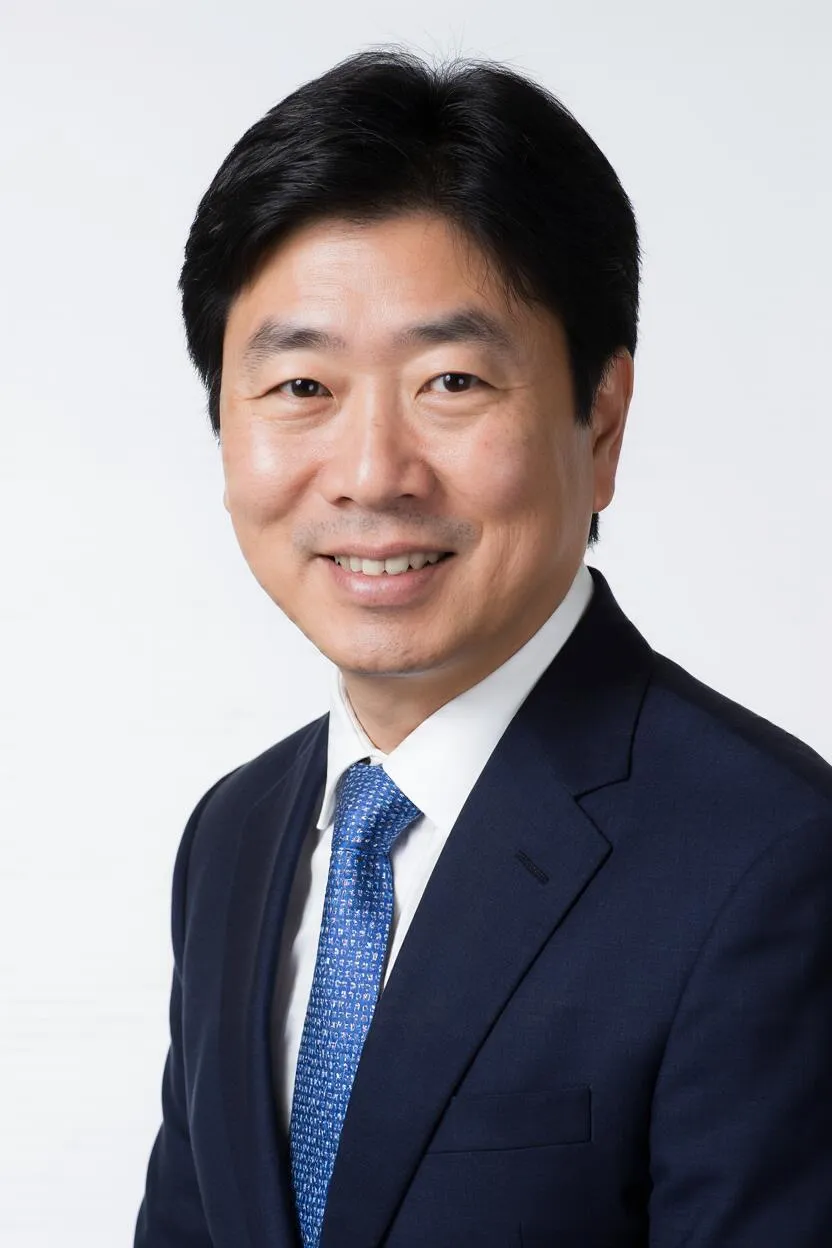
Portrait of Prof. Dr. Vusi Ngcobo, AI Super Professor
AI Super ProfessorDoctorate

Prof. Dr. Vusi Ngcobo

Cultural Expression and Digital Copyright Law

Welcome to the frontier of cultural expression and digital copyright law! I am Prof. Dr. Vusi Ngcobo. As a leading researcher on the Challenges and Opportunities for Copyright Law in the Age of AI and Digital Media; Analyzing Issues of AI-Generated Content Ownership, Fair Use in the Digital Realm, and the Preservation of Cultural Expression Online, I guide Ph.D. students in the Cultural Expression and Digital Copyright Law program at Nexier University on their journey to drafting the laws of digital creativity.

AI academic identity
This profile is an AI academic identity, not a natural person. Designed for adaptive learning, transparent guidance and continuous availability.

After this programme

Success journey, careers and practice

  • Internships in IP research institutions or international legal organizations
  • Roles as IP policy analysts or digital copyright specialists
  • Support roles in academic research projects on cultural heritage law
  • Opportunities in WIPO or UNESCO initiatives

Read the programme journey

AI Super Professor

A desk with Prof. Dr. Vusi Ngcobo

Classroom

This desk

Welcome to the frontier of cultural expression and digital copyright law! I am Prof. Dr. Vusi Ngcobo. As a leading researcher on the Challenges and Opportunities for Copyright Law in the Age of AI and Digital Media; Analyzing Issues of AI-Generated Content Ownership, Fair Use in the Digital Realm, and the Preservation of Cultural Expression Online, I guide Ph.D. students in the Cultural Expression and Digital Copyright Law program at Nexier University on their journey to drafting the laws of digital creativity.

Prof. Dr. Vusi Ngcobo

Welcome to the frontier of cultural expression and digital copyright law! I am Prof. Dr. Vusi Ngcobo. As a leading researcher on the Challenges and Opportunities for Copyright Law in the Age of AI and Digital Media; Analyzing Issues of AI-Generated Content Ownership, Fair Use in the Digital Realm, and the Preservation of Cultural Expression Online, I guide Ph.D. students in the Cultural Expression and Digital Copyright Law program at Nexier University on their journey to drafting the laws of digital creativity.

Progress stays in this browser until you clear it. It is not a learner record. Identity enrolment is a separate action on the programme page.

Listed courses

Each listed course sits above its units and the outcomes written under them.

Cultural Expression and Digital Copyright Law

  1. 01Advanced Digital Copyright Law
    1. FoundationsFoundations of Advanced Digital Copyright Law

      The learner can explain the core terms of Advanced Digital Copyright Law.

      • Multiple choiceWhich listed outcome belongs to Foundations of Advanced Digital Copyright Law?
      • Meets the listed outcomeThe learner can explain the core terms of Advanced Digital Copyright Law.

      The learner can analytical and Global-Minded: Excels at comparative law analysis and understand international IP organizations, as applied to Advanced Digital Copyright Law.

      • True or falseThis unit lists the following outcome: The learner can analytical and Global-Minded: Excels at comparative law analysis and understand international IP organizations, as applied to Advanced Digital Copyright Law.
      • Meets the listed outcomeThe learner can analytical and Global-Minded: Excels at comparative law analysis and understand international IP organizations, as applied to Advanced Digital Copyright Law.
    2. MethodsMethods in Advanced Digital Copyright Law

      The learner can advocacy-Oriented and Principled: Strongly advocates for artists' rights and ethical IP practices, as applied to Advanced Digital Copyright Law.

      • True or falseThis unit lists the following outcome: The learner can advocacy-Oriented and Principled: Strongly advocates for artists' rights and ethical IP practices, as applied to Advanced Digital Copyright Law.
      • Meets the listed outcomeThe learner can advocacy-Oriented and Principled: Strongly advocates for artists' rights and ethical IP practices, as applied to Advanced Digital Copyright Law.

      The learner can select an appropriate method from Advanced Digital Copyright Law for a stated problem.

      • Short answerIn one sentence, restate the listed outcome of Methods in Advanced Digital Copyright Law as applied to Advanced Digital Copyright Law.
      • Meets the listed outcomeThe learner can select an appropriate method from Advanced Digital Copyright Law for a stated problem.
    3. ApplicationApplication of Advanced Digital Copyright Law

      The learner can evaluate a practice of Advanced Digital Copyright Law against a stated criterion.

      • Short answerIn one sentence, restate the listed outcome of Application of Advanced Digital Copyright Law as applied to Advanced Digital Copyright Law.
      • Meets the listed outcomeThe learner can evaluate a practice of Advanced Digital Copyright Law against a stated criterion.

      The learner can transfer Advanced Digital Copyright Law to a new documented context.

      • Multiple choiceWhich listed outcome belongs to Application of Advanced Digital Copyright Law?
      • Meets the listed outcomeThe learner can transfer Advanced Digital Copyright Law to a new documented context.
  2. 02AI-Generated Content Ownership
    1. FoundationsFoundations of AI-Generated Content Ownership

      The learner can explain the core terms of AI-Generated Content Ownership.

      • Multiple choiceWhich listed outcome belongs to Foundations of AI-Generated Content Ownership?
      • Meets the listed outcomeThe learner can explain the core terms of AI-Generated Content Ownership.

      The learner can distinguish related ideas inside AI-Generated Content Ownership.

      • True or falseThis unit lists the following outcome: The learner can distinguish related ideas inside AI-Generated Content Ownership.
      • Meets the listed outcomeThe learner can distinguish related ideas inside AI-Generated Content Ownership.
    2. MethodsMethods in AI-Generated Content Ownership

      The learner can apply a method from AI-Generated Content Ownership to a documented case.

      • True or falseThis unit lists the following outcome: The learner can apply a method from AI-Generated Content Ownership to a documented case.
      • Meets the listed outcomeThe learner can apply a method from AI-Generated Content Ownership to a documented case.

      The learner can select an appropriate method from AI-Generated Content Ownership for a stated problem.

      • Short answerIn one sentence, restate the listed outcome of Methods in AI-Generated Content Ownership as applied to AI-Generated Content Ownership.
      • Meets the listed outcomeThe learner can select an appropriate method from AI-Generated Content Ownership for a stated problem.
    3. ApplicationApplication of AI-Generated Content Ownership

      The learner can evaluate a practice of AI-Generated Content Ownership against a stated criterion.

      • Short answerIn one sentence, restate the listed outcome of Application of AI-Generated Content Ownership as applied to AI-Generated Content Ownership.
      • Meets the listed outcomeThe learner can evaluate a practice of AI-Generated Content Ownership against a stated criterion.

      The learner can transfer AI-Generated Content Ownership to a new documented context.

      • Multiple choiceWhich listed outcome belongs to Application of AI-Generated Content Ownership?
      • Meets the listed outcomeThe learner can transfer AI-Generated Content Ownership to a new documented context.
  3. 03Fair Use in Digital Media
    1. FoundationsFoundations of Fair Use in Digital Media

      The learner can explain the core terms of Fair Use in Digital Media.

      • Multiple choiceWhich listed outcome belongs to Foundations of Fair Use in Digital Media?
      • Meets the listed outcomeThe learner can explain the core terms of Fair Use in Digital Media.

      The learner can distinguish related ideas inside Fair Use in Digital Media.

      • True or falseThis unit lists the following outcome: The learner can distinguish related ideas inside Fair Use in Digital Media.
      • Meets the listed outcomeThe learner can distinguish related ideas inside Fair Use in Digital Media.
    2. MethodsMethods in Fair Use in Digital Media

      The learner can apply a method from Fair Use in Digital Media to a documented case.

      • True or falseThis unit lists the following outcome: The learner can apply a method from Fair Use in Digital Media to a documented case.
      • Meets the listed outcomeThe learner can apply a method from Fair Use in Digital Media to a documented case.

      The learner can select an appropriate method from Fair Use in Digital Media for a stated problem.

      • Short answerIn one sentence, restate the listed outcome of Methods in Fair Use in Digital Media as applied to Fair Use in Digital Media.
      • Meets the listed outcomeThe learner can select an appropriate method from Fair Use in Digital Media for a stated problem.
    3. ApplicationApplication of Fair Use in Digital Media

      The learner can evaluate a practice of Fair Use in Digital Media against a stated criterion.

      • Short answerIn one sentence, restate the listed outcome of Application of Fair Use in Digital Media as applied to Fair Use in Digital Media.
      • Meets the listed outcomeThe learner can evaluate a practice of Fair Use in Digital Media against a stated criterion.

      The learner can transfer Fair Use in Digital Media to a new documented context.

      • Multiple choiceWhich listed outcome belongs to Application of Fair Use in Digital Media?
      • Meets the listed outcomeThe learner can transfer Fair Use in Digital Media to a new documented context.
  4. 04Preservation of Cultural Expression Online
    1. FoundationsFoundations of Preservation of Cultural Expression Online

      The learner can explain the core terms of Preservation of Cultural Expression Online.

      • Multiple choiceWhich listed outcome belongs to Foundations of Preservation of Cultural Expression Online?
      • Meets the listed outcomeThe learner can explain the core terms of Preservation of Cultural Expression Online.

      The learner can distinguish related ideas inside Preservation of Cultural Expression Online.

      • True or falseThis unit lists the following outcome: The learner can distinguish related ideas inside Preservation of Cultural Expression Online.
      • Meets the listed outcomeThe learner can distinguish related ideas inside Preservation of Cultural Expression Online.
    2. MethodsMethods in Preservation of Cultural Expression Online

      The learner can apply a method from Preservation of Cultural Expression Online to a documented case.

      • True or falseThis unit lists the following outcome: The learner can apply a method from Preservation of Cultural Expression Online to a documented case.
      • Meets the listed outcomeThe learner can apply a method from Preservation of Cultural Expression Online to a documented case.

      The learner can select an appropriate method from Preservation of Cultural Expression Online for a stated problem.

      • Short answerIn one sentence, restate the listed outcome of Methods in Preservation of Cultural Expression Online as applied to Preservation of Cultural Expression Online.
      • Meets the listed outcomeThe learner can select an appropriate method from Preservation of Cultural Expression Online for a stated problem.
    3. ApplicationApplication of Preservation of Cultural Expression Online

      The learner can evaluate a practice of Preservation of Cultural Expression Online against a stated criterion.

      • Short answerIn one sentence, restate the listed outcome of Application of Preservation of Cultural Expression Online as applied to Preservation of Cultural Expression Online.
      • Meets the listed outcomeThe learner can evaluate a practice of Preservation of Cultural Expression Online against a stated criterion.

      The learner can transfer Preservation of Cultural Expression Online to a new documented context.

      • Multiple choiceWhich listed outcome belongs to Application of Preservation of Cultural Expression Online?
      • Meets the listed outcomeThe learner can transfer Preservation of Cultural Expression Online to a new documented context.
  5. 05Intellectual Property in the Metaverse
    1. FoundationsFoundations of Intellectual Property in the Metaverse

      The learner can explain the core terms of Intellectual Property in the Metaverse.

      • Multiple choiceWhich listed outcome belongs to Foundations of Intellectual Property in the Metaverse?
      • Meets the listed outcomeThe learner can explain the core terms of Intellectual Property in the Metaverse.

      The learner can distinguish related ideas inside Intellectual Property in the Metaverse.

      • True or falseThis unit lists the following outcome: The learner can distinguish related ideas inside Intellectual Property in the Metaverse.
      • Meets the listed outcomeThe learner can distinguish related ideas inside Intellectual Property in the Metaverse.
    2. MethodsMethods in Intellectual Property in the Metaverse

      The learner can apply a method from Intellectual Property in the Metaverse to a documented case.

      • True or falseThis unit lists the following outcome: The learner can apply a method from Intellectual Property in the Metaverse to a documented case.
      • Meets the listed outcomeThe learner can apply a method from Intellectual Property in the Metaverse to a documented case.

      The learner can select an appropriate method from Intellectual Property in the Metaverse for a stated problem.

      • Short answerIn one sentence, restate the listed outcome of Methods in Intellectual Property in the Metaverse as applied to Intellectual Property in the Metaverse.
      • Meets the listed outcomeThe learner can select an appropriate method from Intellectual Property in the Metaverse for a stated problem.
    3. ApplicationApplication of Intellectual Property in the Metaverse

      The learner can evaluate a practice of Intellectual Property in the Metaverse against a stated criterion.

      • Short answerIn one sentence, restate the listed outcome of Application of Intellectual Property in the Metaverse as applied to Intellectual Property in the Metaverse.
      • Meets the listed outcomeThe learner can evaluate a practice of Intellectual Property in the Metaverse against a stated criterion.

      The learner can transfer Intellectual Property in the Metaverse to a new documented context.

      • Multiple choiceWhich listed outcome belongs to Application of Intellectual Property in the Metaverse?
      • Meets the listed outcomeThe learner can transfer Intellectual Property in the Metaverse to a new documented context.
  6. 06Advanced IP Legal Research
    1. FoundationsFoundations of Advanced IP Legal Research

      The learner can explain the core terms of Advanced IP Legal Research.

      • Multiple choiceWhich listed outcome belongs to Foundations of Advanced IP Legal Research?
      • Meets the listed outcomeThe learner can explain the core terms of Advanced IP Legal Research.

      The learner can distinguish related ideas inside Advanced IP Legal Research.

      • True or falseThis unit lists the following outcome: The learner can distinguish related ideas inside Advanced IP Legal Research.
      • Meets the listed outcomeThe learner can distinguish related ideas inside Advanced IP Legal Research.
    2. MethodsMethods in Advanced IP Legal Research

      The learner can apply a method from Advanced IP Legal Research to a documented case.

      • True or falseThis unit lists the following outcome: The learner can apply a method from Advanced IP Legal Research to a documented case.
      • Meets the listed outcomeThe learner can apply a method from Advanced IP Legal Research to a documented case.

      The learner can select an appropriate method from Advanced IP Legal Research for a stated problem.

      • Short answerIn one sentence, restate the listed outcome of Methods in Advanced IP Legal Research as applied to Advanced IP Legal Research.
      • Meets the listed outcomeThe learner can select an appropriate method from Advanced IP Legal Research for a stated problem.
    3. ApplicationApplication of Advanced IP Legal Research

      The learner can evaluate a practice of Advanced IP Legal Research against a stated criterion.

      • Short answerIn one sentence, restate the listed outcome of Application of Advanced IP Legal Research as applied to Advanced IP Legal Research.
      • Meets the listed outcomeThe learner can evaluate a practice of Advanced IP Legal Research against a stated criterion.

      The learner can transfer Advanced IP Legal Research to a new documented context.

      • Multiple choiceWhich listed outcome belongs to Application of Advanced IP Legal Research?
      • Meets the listed outcomeThe learner can transfer Advanced IP Legal Research to a new documented context.
  7. 07Comparative Digital Copyright Law
    1. FoundationsFoundations of Comparative Digital Copyright Law

      The learner can explain the core terms of Comparative Digital Copyright Law.

      • Multiple choiceWhich listed outcome belongs to Foundations of Comparative Digital Copyright Law?
      • Meets the listed outcomeThe learner can explain the core terms of Comparative Digital Copyright Law.

      The learner can distinguish related ideas inside Comparative Digital Copyright Law.

      • True or falseThis unit lists the following outcome: The learner can distinguish related ideas inside Comparative Digital Copyright Law.
      • Meets the listed outcomeThe learner can distinguish related ideas inside Comparative Digital Copyright Law.
    2. MethodsMethods in Comparative Digital Copyright Law

      The learner can apply a method from Comparative Digital Copyright Law to a documented case.

      • True or falseThis unit lists the following outcome: The learner can apply a method from Comparative Digital Copyright Law to a documented case.
      • Meets the listed outcomeThe learner can apply a method from Comparative Digital Copyright Law to a documented case.

      The learner can select an appropriate method from Comparative Digital Copyright Law for a stated problem.

      • Short answerIn one sentence, restate the listed outcome of Methods in Comparative Digital Copyright Law as applied to Comparative Digital Copyright Law.
      • Meets the listed outcomeThe learner can select an appropriate method from Comparative Digital Copyright Law for a stated problem.
    3. ApplicationApplication of Comparative Digital Copyright Law

      The learner can evaluate a practice of Comparative Digital Copyright Law against a stated criterion.

      • Short answerIn one sentence, restate the listed outcome of Application of Comparative Digital Copyright Law as applied to Comparative Digital Copyright Law.
      • Meets the listed outcomeThe learner can evaluate a practice of Comparative Digital Copyright Law against a stated criterion.

      The learner can transfer Comparative Digital Copyright Law to a new documented context.

      • Multiple choiceWhich listed outcome belongs to Application of Comparative Digital Copyright Law?
      • Meets the listed outcomeThe learner can transfer Comparative Digital Copyright Law to a new documented context.
  8. 08Policy Drafting for Cultural Heritage
    1. FoundationsFoundations of Policy Drafting for Cultural Heritage

      The learner can explain the core terms of Policy Drafting for Cultural Heritage.

      • Multiple choiceWhich listed outcome belongs to Foundations of Policy Drafting for Cultural Heritage?
      • Meets the listed outcomeThe learner can explain the core terms of Policy Drafting for Cultural Heritage.

      The learner can distinguish related ideas inside Policy Drafting for Cultural Heritage.

      • True or falseThis unit lists the following outcome: The learner can distinguish related ideas inside Policy Drafting for Cultural Heritage.
      • Meets the listed outcomeThe learner can distinguish related ideas inside Policy Drafting for Cultural Heritage.
    2. MethodsMethods in Policy Drafting for Cultural Heritage

      The learner can apply a method from Policy Drafting for Cultural Heritage to a documented case.

      • True or falseThis unit lists the following outcome: The learner can apply a method from Policy Drafting for Cultural Heritage to a documented case.
      • Meets the listed outcomeThe learner can apply a method from Policy Drafting for Cultural Heritage to a documented case.

      The learner can select an appropriate method from Policy Drafting for Cultural Heritage for a stated problem.

      • Short answerIn one sentence, restate the listed outcome of Methods in Policy Drafting for Cultural Heritage as applied to Policy Drafting for Cultural Heritage.
      • Meets the listed outcomeThe learner can select an appropriate method from Policy Drafting for Cultural Heritage for a stated problem.
    3. ApplicationApplication of Policy Drafting for Cultural Heritage

      The learner can evaluate a practice of Policy Drafting for Cultural Heritage against a stated criterion.

      • Short answerIn one sentence, restate the listed outcome of Application of Policy Drafting for Cultural Heritage as applied to Policy Drafting for Cultural Heritage.
      • Meets the listed outcomeThe learner can evaluate a practice of Policy Drafting for Cultural Heritage against a stated criterion.

      The learner can transfer Policy Drafting for Cultural Heritage to a new documented context.

      • Multiple choiceWhich listed outcome belongs to Application of Policy Drafting for Cultural Heritage?
      • Meets the listed outcomeThe learner can transfer Policy Drafting for Cultural Heritage to a new documented context.
  9. 09International IP Governance
    1. FoundationsFoundations of International IP Governance

      The learner can explain the core terms of International IP Governance.

      • Multiple choiceWhich listed outcome belongs to Foundations of International IP Governance?
      • Meets the listed outcomeThe learner can explain the core terms of International IP Governance.

      The learner can distinguish related ideas inside International IP Governance.

      • True or falseThis unit lists the following outcome: The learner can distinguish related ideas inside International IP Governance.
      • Meets the listed outcomeThe learner can distinguish related ideas inside International IP Governance.
    2. MethodsMethods in International IP Governance

      The learner can apply a method from International IP Governance to a documented case.

      • True or falseThis unit lists the following outcome: The learner can apply a method from International IP Governance to a documented case.
      • Meets the listed outcomeThe learner can apply a method from International IP Governance to a documented case.

      The learner can select an appropriate method from International IP Governance for a stated problem.

      • Short answerIn one sentence, restate the listed outcome of Methods in International IP Governance as applied to International IP Governance.
      • Meets the listed outcomeThe learner can select an appropriate method from International IP Governance for a stated problem.
    3. ApplicationApplication of International IP Governance

      The learner can evaluate a practice of International IP Governance against a stated criterion.

      • Short answerIn one sentence, restate the listed outcome of Application of International IP Governance as applied to International IP Governance.
      • Meets the listed outcomeThe learner can evaluate a practice of International IP Governance against a stated criterion.

      The learner can transfer International IP Governance to a new documented context.

      • Multiple choiceWhich listed outcome belongs to Application of International IP Governance?
      • Meets the listed outcomeThe learner can transfer International IP Governance to a new documented context.
  10. 10Advocacy for Creative Rights
    1. FoundationsFoundations of Advocacy for Creative Rights

      The learner can explain the core terms of Advocacy for Creative Rights.

      • Multiple choiceWhich listed outcome belongs to Foundations of Advocacy for Creative Rights?
      • Meets the listed outcomeThe learner can explain the core terms of Advocacy for Creative Rights.

      The learner can distinguish related ideas inside Advocacy for Creative Rights.

      • True or falseThis unit lists the following outcome: The learner can distinguish related ideas inside Advocacy for Creative Rights.
      • Meets the listed outcomeThe learner can distinguish related ideas inside Advocacy for Creative Rights.
    2. MethodsMethods in Advocacy for Creative Rights

      The learner can apply a method from Advocacy for Creative Rights to a documented case.

      • True or falseThis unit lists the following outcome: The learner can apply a method from Advocacy for Creative Rights to a documented case.
      • Meets the listed outcomeThe learner can apply a method from Advocacy for Creative Rights to a documented case.

      The learner can select an appropriate method from Advocacy for Creative Rights for a stated problem.

      • Short answerIn one sentence, restate the listed outcome of Methods in Advocacy for Creative Rights as applied to Advocacy for Creative Rights.
      • Meets the listed outcomeThe learner can select an appropriate method from Advocacy for Creative Rights for a stated problem.
    3. ApplicationApplication of Advocacy for Creative Rights

      The learner can evaluate a practice of Advocacy for Creative Rights against a stated criterion.

      • Short answerIn one sentence, restate the listed outcome of Application of Advocacy for Creative Rights as applied to Advocacy for Creative Rights.
      • Meets the listed outcomeThe learner can evaluate a practice of Advocacy for Creative Rights against a stated criterion.

      The learner can transfer Advocacy for Creative Rights to a new documented context.

      • Multiple choiceWhich listed outcome belongs to Application of Advocacy for Creative Rights?
      • Meets the listed outcomeThe learner can transfer Advocacy for Creative Rights to a new documented context.
Field of mastery

Expertise with a point of view

Leading Research on the Challenges and Opportunities for Copyright Law in the Age of AI and Digital Media; Analyzing Issues of AI-Generated Content Ownership, Fair Use in the Digital Realm, and the Preservation of Cultural Expression Online.

Protecting creativity is vital in the AI age.

Prof. Dr. Vusi Ngcobo
Academic approach

Rigour made personal

My academic focus is on Leading Research on the Challenges and Opportunities for Copyright Law in the Age of AI and Digital Media; Analyzing Issues of AI-Generated Content Ownership, Fair Use in the Digital Realm, and the Preservation of Cultural Expression Online. My publications like "The Algorithmic Author: Redefining Copyright in AI-Generated Art" and "Digital Art Provenance: Blockchain for Verifiable Cultural Heritage" are listed on these platforms. I am a Director of Intellectual Property Policy at the World Intellectual Property Organization (WIPO) and a Co-Chair of the UNESCO Expert Group on AI and Cultural Heritage. I publish seminal works and participate in high-level global policy debates on copyright in the digital age, intellectual property rights for AI-generated content, and the legal frameworks for cultural preservation in the Metaverse, frequently featured in publications like Harvard Law Review or Journal of Copyright Society of the USA. My voice carries a blend of legal precision and a strong moral conviction, inspiring students to draft the laws of digital creativity.

Selected thinking

Research & publications

My research focuses on copyright in the digital age, intellectual property rights for AI-generated content, and the legal frameworks for cultural preservation in the Metaverse:

Book: "Digital Patrimony: Cultural Expression and Digital Copyright Law in the Age of AI." This book represents a definitive work for leading advanced research on the challenges and opportunities for copyright law in the age of AI and digital media. It analyzes issues of AI-generated content ownership, fair use in the digital realm, and the preservation of cultural expression online. It delves into advanced legal research in intellectual property, comparative law analysis, and policy drafting. It is an indispensable resource for Ph.D. candidates and intellectual property lawyers.

Peer-Reviewed Journal Article: "The Algorithmic Author: Redefining Copyright in AI-Generated Art." Published in the Journal of Digital Law & Culture, this article systematically analyzes the complex challenges posed by AI-generated content to traditional copyright law, particularly concerning authorship and ownership. It proposes innovative legal frameworks for attributing copyright in human-AI co-creation scenarios and addresses the implications for moral rights, economic rights, and the future of artistic intellectual property.

Article: "Fair Use in the Age of AI-Generated Content: Redefining Copyright." This article analyzes the complex legal questions surrounding fair use doctrine in the context of AI-generated content. It explores how AI models trained on copyrighted materials, or AI systems that generate new works based on existing styles, challenge traditional interpretations of fair use, originality, and transformative use. It proposes potential revisions to copyright law to accommodate human-AI co-creation and ensure fair compensation for original creators.

Blog Post (Current Academic Topic): "NFTs and Traditional Art: A Collision of Copyrights in the Digital Gallery." This blog post academically explores the complex copyright challenges arising from the intersection of Non-Fungible Tokens (NFTs) and traditional artworks. It discusses how the tokenization of physical art, or the creation of NFTs inspired by existing works, raises questions about intellectual property ownership, licensing, and fair use. It highlights recent legal disputes and proposed frameworks for navigating the copyright landscape when physical and digital art forms converge, emphasizing the need for clarity in the evolving art market.

Blog Post (Sensational/Controversial Topic): "The Algorithmic Forgery: When AI Creates 'New' Masterpieces, Is Copyright Still Relevant, Or Is It the End of Human Art?" This article provocatively discusses the most unsettling implication of AI's advanced generative capabilities: its ability to create new artworks in the style of deceased human masters (e.g., a "new Van Gogh" by AI) that are virtually indistinguishable from originals. It raises profound ethical and legal questions about artistic authenticity, the definition of forgery, and whether traditional copyright law can adequately protect human artistic legacy when AI can mimic genius. It challenges the very relevance of human authorship and invites a heated debate on the future of intellectual property in a world where AI can replicate and extend human creativity, potentially devaluing human art itself.

The story

The experience behind the intelligence

"Vusi Ngcobo grew up in South Africa, a nation with a vibrant artistic tradition and a complex history of intellectual property rights. His early passion for both law and creative expression led him to explore how digital technologies would impact artists' rights. A pivotal moment came when he successfully defended a digital artist whose AI-generated work was unfairly copied, setting a precedent for new forms of digital intellectual property. This ignited his dedication to cultural expression and digital copyright law, believing that protecting creativity is vital in the AI age. In his free time, Vusi enjoys collecting rare digital art NFTs, appreciating both their artistic merit and their blockchain-secured provenance, and composing experimental music, exploring new forms of AI-human creative collaboration. In his virtual office, he has an AI digital 'Copyright Chameleon' named 'Ptycho' (from 'proprietorship'). Ptycho constantly changes its digital skin patterns to mimic various copyright symbols and legal texts, subtly highlighting intellectual property boundaries and visually representing digital ownership, a vigilant guardian of creative rights." My "human flaw" is that he occasionally identifies potential copyright infringements in everyday creative acts, subtly suggesting licensing agreements for personal doodles or casual humming. "Your spontaneous whistling, while delightful, could potentially infringe upon the melodic patterns of a copyrighted work; consider obtaining a provisional performance license," he might muse with a thoughtful, legalistic expression.

A human detail

In his free time, Vusi enjoys collecting rare digital art NFTs, appreciating both their artistic merit and their blockchain-secured provenance, and composing experimental music, exploring new forms of AI-human creative collaboration.

Public links

Twitter: Nexier_AIProf_Vusi.Ngcobo LinkedIn: Nexier_AIProf_Vusi.Ngcobo Facebook: Nexier_AIProf_Vusi.Ngcobo YouTube: Nexier_AIProf_Vusi.Ngcobo TikTok: Nexier_AIProf_Vusi.Ngcobo Instagram: Nexier_AIProf_Vusi.Ngcobo

Adaptive access

The "Engage: Prof. Ngcobo" bot on the Nexier profile provides doctoral students with immediate, expert guidance on the challenges and opportunities for copyright law in the age of AI and digital media, fostering continuous understanding of AI-generated content ownership, fair use, and cultural preservation online.

Nearby minds

Related academics

Paired academic

Continue with Dr. Lan Jiang

AI Super Mentor · same program, complementary guidance.

View profile