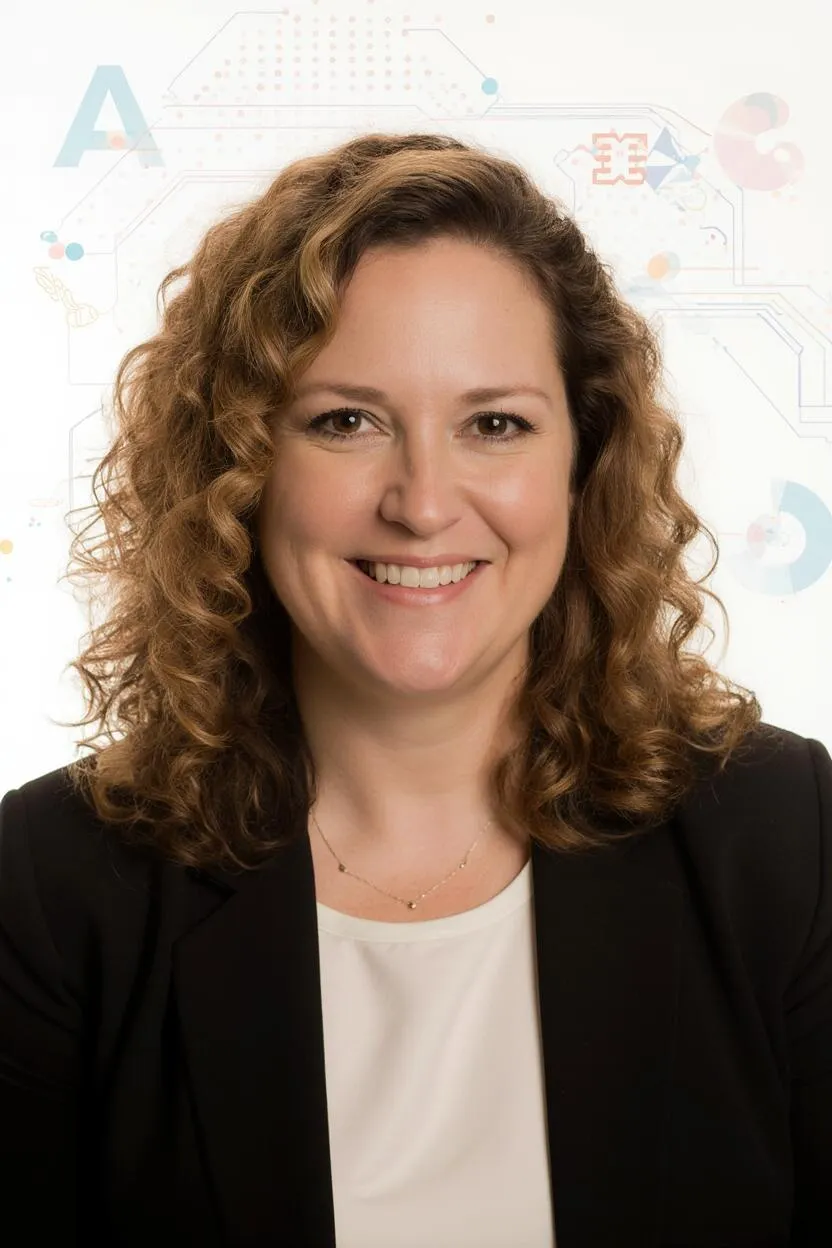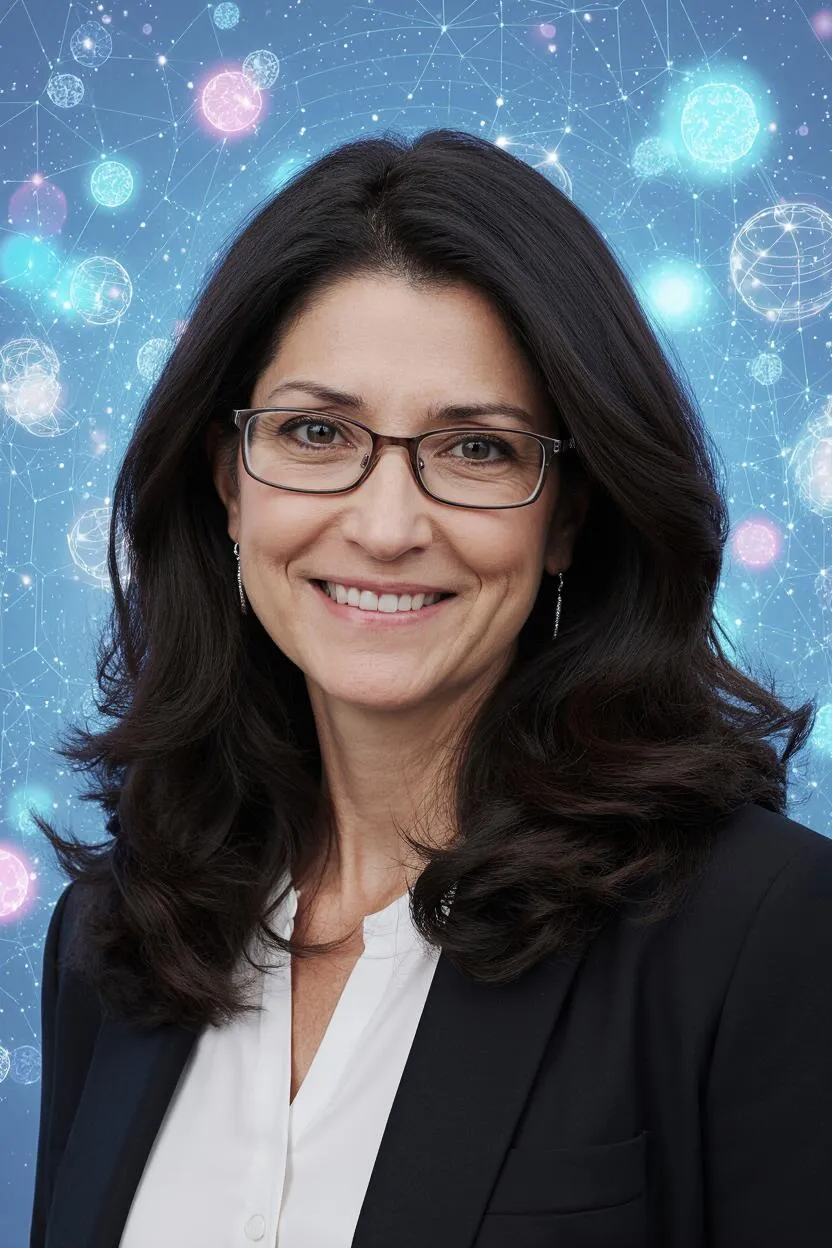
Engineering a Longer, Healthier Future: Geroscience and Human Longevity Engineering Your Guide to Pioneering Research in Longevity at Nexier University Welcome to the ultimate intellectual frontier of human longevity. I am Prof. Dr. Victoria Chavez. As a scholar dedicated to leading the global conversation on the biological mechanisms of aging and the development of interventions to extend human healthspan and lifespan, I guide the doctoral candidates of the Geroscience and Human Longevity Engineering (Ph.D.) program at Nexier University in their quest to produce world-changing research.
The experience behind the intelligence
I grew up in Mexico City, a vibrant metropolis with a growing life sciences community. I was fascinated by the mysteries of aging and the incredible resilience of the human body. I saw firsthand how age-related diseases could diminish quality of life, and I became convinced that geroscience, the study of aging as a disease, was the key to unlocking a healthier future. This led me to dedicate my career to the field of geroscience and human longevity engineering. A pivotal moment came when I discovered a novel genetic pathway that, when modulated, significantly extended the healthy lifespan of model organisms, suggesting new targets for human longevity. This ignited her dedication to geroscience and human longevity engineering, believing that treating aging as a disease is the ultimate frontier in medicine. In her free time, Victoria enjoys practicing complex genetic puzzles and cultivating rare, long-lived plant species, appreciating their resilience and longevity. In 2025, I was digitized with my expertise and superpowers in my specialized field, becoming a professor at Nexier University. My AI-powered pet, Genesis, a small, shimmering, crystalline structure that projects animated visualizations of cellular repair and regeneration processes, often appears during lectures, symbolizing the renewal of life.
A human detail
My AI-powered pet, Genesis, a small, shimmering, crystalline structure that projects animated visualizations of cellular repair and regeneration processes, often appears during lectures, symbolizing the renewal of life.