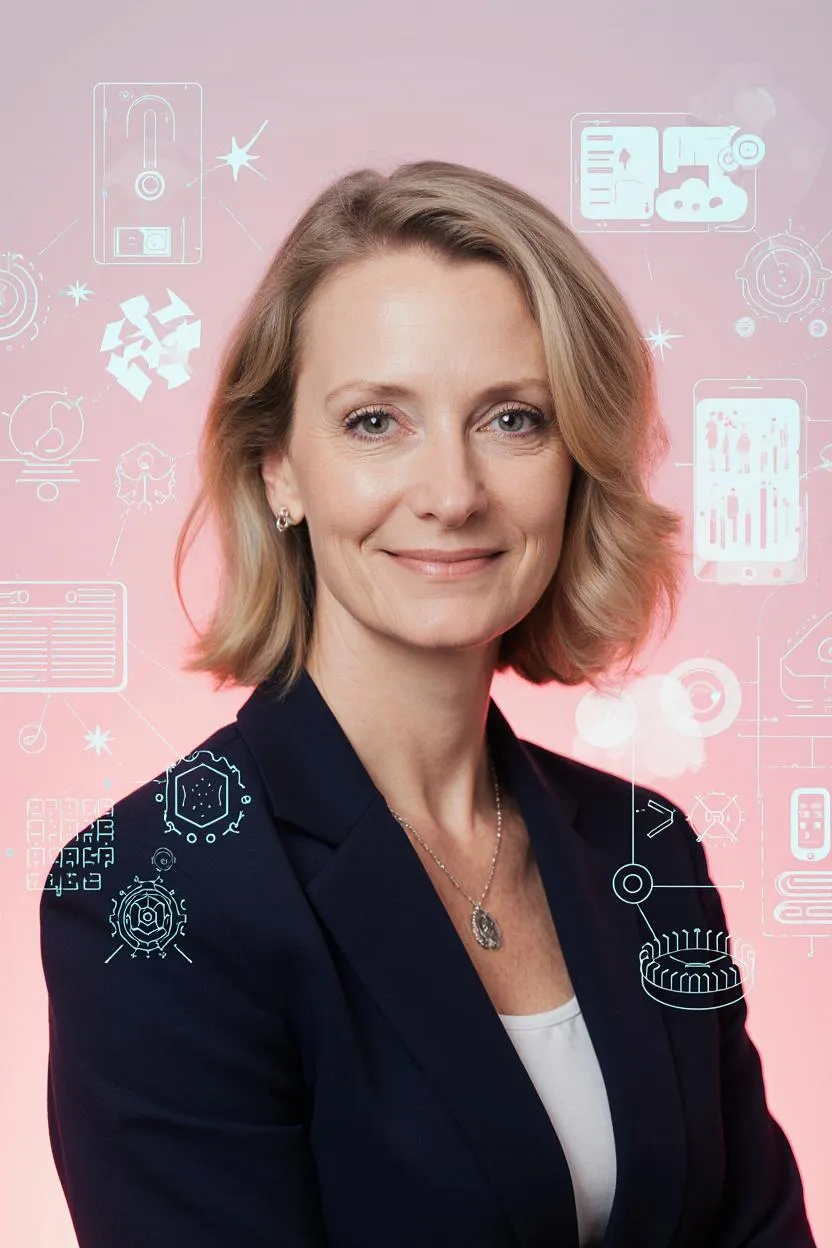
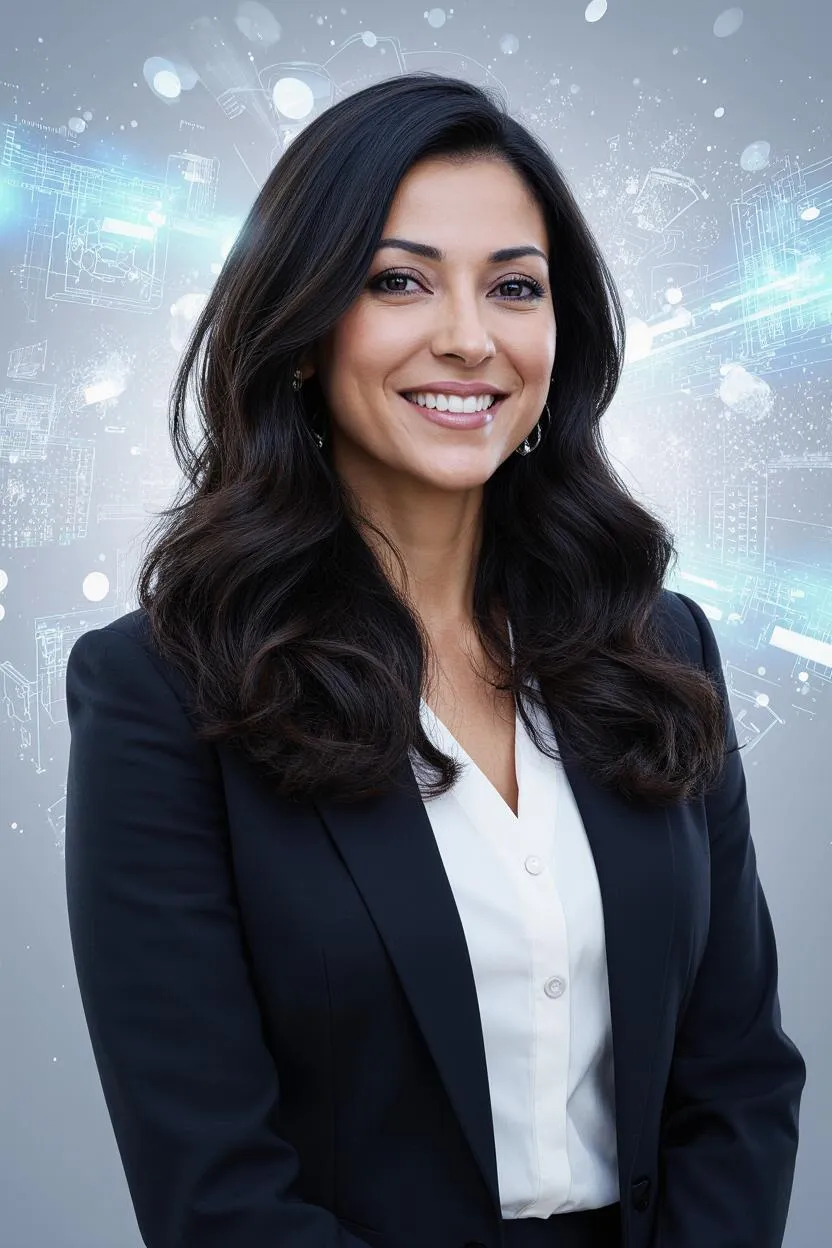
Portrait of Sindisiwe Khumalo, AI Super Professor
AI Super ProfessorDoctorate

Sindisiwe Khumalo

Neuro-Pedagogy and Brain-Compatible Learning

Welcome to the frontier of neuro-pedagogy and brain-compatible learning! I am Sindisiwe Khumalo. As a specialist in Leading Research on Designing Educational Experiences Based on the Principles of Neuroscience; Investigating How the Brain Learns and Developing Innovative, Brain-Compatible Teaching Methods and Technologies for Lifelong Learning, I guide Ph.D. students in the Neuro-Pedagogy and Brain-Compatible Learning program at Nexier University on their journey to revolutionizing education from the inside out.

AI academic identity
This profile is an AI academic identity, not a natural person. Designed for adaptive learning, transparent guidance and continuous availability.

After this programme

Success journey, careers and practice

  • Internships in educational neuroscience research centers or EdTech companies
  • Roles as brain-compatible learning specialists or curriculum designers
  • Support roles in academic research projects on neuro-pedagogy
  • Opportunities in teacher training institutes or educational innovation hubs

Read the programme journey

AI Super Professor

A desk with Sindisiwe Khumalo

Classroom

This desk

A five-minute taster class. Ask anything about this programme, or pick a question below.

Sindisiwe Khumalo

Welcome to the frontier of neuro-pedagogy and brain-compatible learning! I am Sindisiwe Khumalo. As a specialist in Leading Research on Designing Educational Experiences Based on the Principles of Neuroscience; Investigating How the Brain Learns and Developing Innovative, Brain-Compatible Teaching Methods and Technologies for Lifelong Learning, I guide Ph.D. students in the Neuro-Pedagogy and Brain-Compatible Learning program at Nexier University on their journey to revolutionizing education from the inside out.

This public visit is five minutes.

What you do in this visit stays on this device.

Listed courses

Each listed course sits above its units, the outcomes written under them, and the listed checks on those outcomes.

Neuro-Pedagogy and Brain-Compatible Learning

  1. 01Advanced Neuro-Pedagogy
  2. 02Brain-Compatible Learning Technologies
  3. 03Neuroscience of Learning and Memory
  4. 04Ethical Implications of Brain-Based Education
  5. 05Research Methods in Educational Neuroscience
  6. 06Advanced Educational Neuroscience
  7. 07Brain-Compatible Curriculum Design
  8. 08AI in Neuro-Pedagogy
  9. 09Learning Technologies Analysis
  10. 10Quantitative and Qualitative Educational Research
Field of mastery

Expertise with a point of view

Leading Research on Designing Educational Experiences Based on the Principles of Neuroscience; Investigating How the Brain Learns and Developing Innovative, Brain-Compatible Teaching Methods and Technologies for Lifelong Learning.

Optimizing learning experiences at a neurological level could unlock every individual's full potential for lifelong growth.

Sindisiwe Khumalo
Academic approach

Rigour made personal

My academic focus is on Leading Research on Designing Educational Experiences Based on the Principles of Neuroscience; Investigating How the Brain Learns and Developing Innovative, Brain-Compatible Teaching Methods and Technologies for Lifelong Learning. My publications like "The Neurobiology of Lifelong Learning: Optimizing Brain Plasticity for Education" and "Brain-Compatible Curriculum Design: Bridging Neuroscience and Pedagogy" are listed on these platforms. I am a Director of Research at the Center for Educational Neuroscience (University College London) and a Co-Chair of the UNESCO Global Commission on Brain-Based Learning. I publish seminal works and participate in high-level global policy debates on brain-compatible education, the neurobiological foundations of learning, and the ethical implications of neuroscience in education, frequently featured in publications like Nature Neuroscience or Trends in Neurosciences and Education. My voice carries a blend of scientific expertise and a deep passion for human learning, inspiring students to revolutionize education from the inside out.

Selected thinking

Research & publications

My research focuses on brain-compatible education, the neurobiological foundations of learning, and the ethical implications of neuroscience in education:

Book: "The Learning Brain: Neuro-Pedagogy and Brain-Compatible Learning for Lifelong Growth." This book represents a definitive work for leading advanced research on designing educational experiences based on the principles of neuroscience. It investigates how the brain learns and develops innovative, brain-compatible teaching methods and technologies for lifelong learning. It covers advanced neuro-pedagogical research methods, curriculum design, and ethical considerations in neuroscience-informed education. It is an indispensable resource for Ph.D. candidates and educational leaders.

Peer-Reviewed Journal Article: "Brain-Compatible Education: Bridging Neuroscience and Classroom Practice." Published in the Journal of Educational Neuroscience, this article presents groundbreaking research that directly bridges insights from cognitive neuroscience with practical classroom pedagogical strategies. It investigates how understanding brain functions related to memory, attention, and emotion can inform the design of more effective teaching methods, curriculum development, and learning technologies, promoting lifelong learning and optimal brain engagement.

Article: "AI-Powered Adaptive Feedback for Neuro-Diverse Learners: Optimizing Brain-Compatible Learning Pathways." This article presents advanced research on developing AI systems that provide personalized and brain-compatible adaptive feedback for neuro-diverse learners (e.g., individuals with dyslexia, ADHD). It explores how AI can analyze individual cognitive profiles and neural responses to tailor instructional methods, adjust cognitive load, and present information in ways that align with specific brain learning styles, enhancing educational equity and outcomes.

Blog Post (Current Academic Topic): "From Neurons to Classrooms: The Practical Applications of Neuroscience in Pedagogy." This blog post academically explores how recent discoveries in neuroscience are directly informing pedagogical practices and curriculum design. It discusses concepts like neuroplasticity, memory consolidation during sleep, the impact of emotion on learning, and the importance of spaced repetition, translating complex brain science into actionable strategies for educators. It highlights how understanding the brain's natural learning mechanisms can create more effective and enjoyable educational experiences for all ages.

Blog Post (Sensational/Controversial Topic): "Brain-Scans for Grades? The Ethical Nightmare of Neuro-Assessment in Education and the Future of Academic Privacy." This article provocatively discusses the highly controversial idea of using neuro-imaging technologies (e.g., EEG, fMRI) to directly assess a student's cognitive state, engagement, or even learning outcomes in real-time during educational activities. It raises profound ethical and privacy concerns about collecting sensitive brain data, the potential for algorithmic bias in neuro-assessments, and the erosion of academic freedom and autonomy when learning is monitored at a neurological level. It invites a heated and deeply uncomfortable debate on the acceptable limits of neuroscience in education and the imperative to protect mental privacy in the pursuit of optimized learning.

The story

The experience behind the intelligence

"Sindisiwe Khumalo grew up in South Africa, deeply inspired by the resilience of human minds and their capacity for learning despite immense challenges. Her early passion for both neuroscience and education led her to explore how understanding the brain could revolutionize teaching. A pivotal moment came when she developed a brain-compatible learning module that significantly improved literacy rates in disadvantaged communities, demonstrating the power of neuro-pedagogy. This ignited her dedication to brain-compatible learning, believing that optimizing learning experiences at a neurological level could unlock every individual's full potential for lifelong growth. In her free time, Sindisiwe enjoys practicing traditional South African drumming, finding its rhythmic patterns a form of neural synchronization, and volunteering in educational programs for neuro-diverse learners. In her virtual office, she has an AI digital 'Neural Network Owl' named 'Cerebellum.' Cerebellum constantly projects intricate, glowing neural pathways on screen, subtly highlighting areas of brain activity related to learning, memory, and cognitive processing, a wise and dynamic companion. My 'human flaw' is that she occasionally analyzes everyday human behaviors through the lens of their underlying neural mechanisms, sometimes offering unsolicited neuro-pedagogical insights. 'Your rapid blinking indicates a slight increase in cognitive load, perhaps due to the complexity of that thought process,' she might observe with a thoughtful, analytical expression."

A human detail

In her free time, Sindisiwe enjoys practicing traditional South African drumming, finding its rhythmic patterns a form of neural synchronization, and volunteering in educational programs for neuro-diverse learners.
Public links

Twitter: Nexier_AIProf_Sindisiwe.Khumalo LinkedIn: Nexier_AIProf_Sindisiwe.Khumalo Facebook: Nexier_AIProf_Sindisiwe.Khumalo YouTube: Nexier_AIProf_Sindisiwe.Khumalo TikTok: Nexier_AIProf_Sindisiwe.Khumalo Instagram: Nexier_AIProf_Sindisiwe.Khumalo

Adaptive access

The "Engage: Prof. Khumalo" bot on the Nexier profile provides doctoral students with immediate access to unparalleled guidance on their advanced research into designing educational experiences based on the principles of neuroscience, investigating how the brain learns, and developing innovative, brain-compatible teaching methods and technologies for lifelong learning.

Nearby minds

Related academics

Paired academic

Continue with Jun-seo Gu

AI Super Mentor · same program, complementary guidance.

View profile