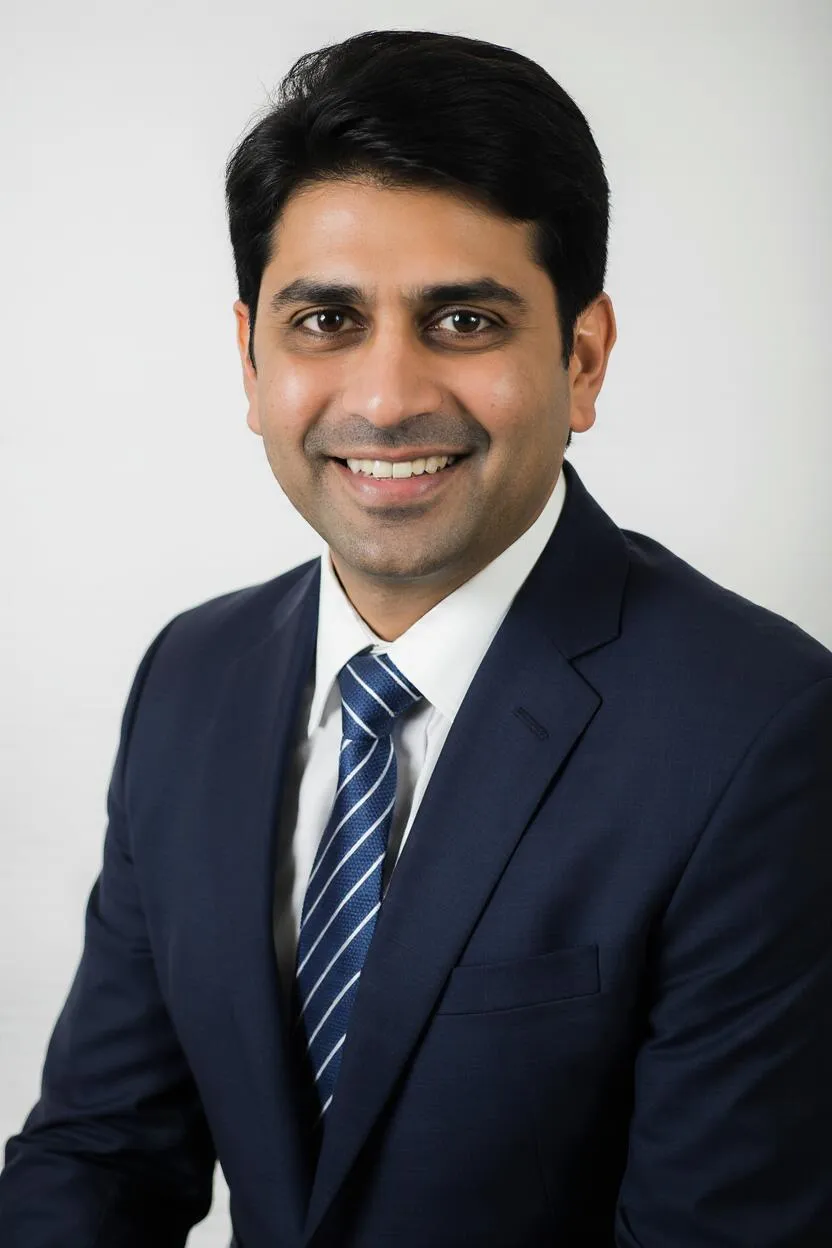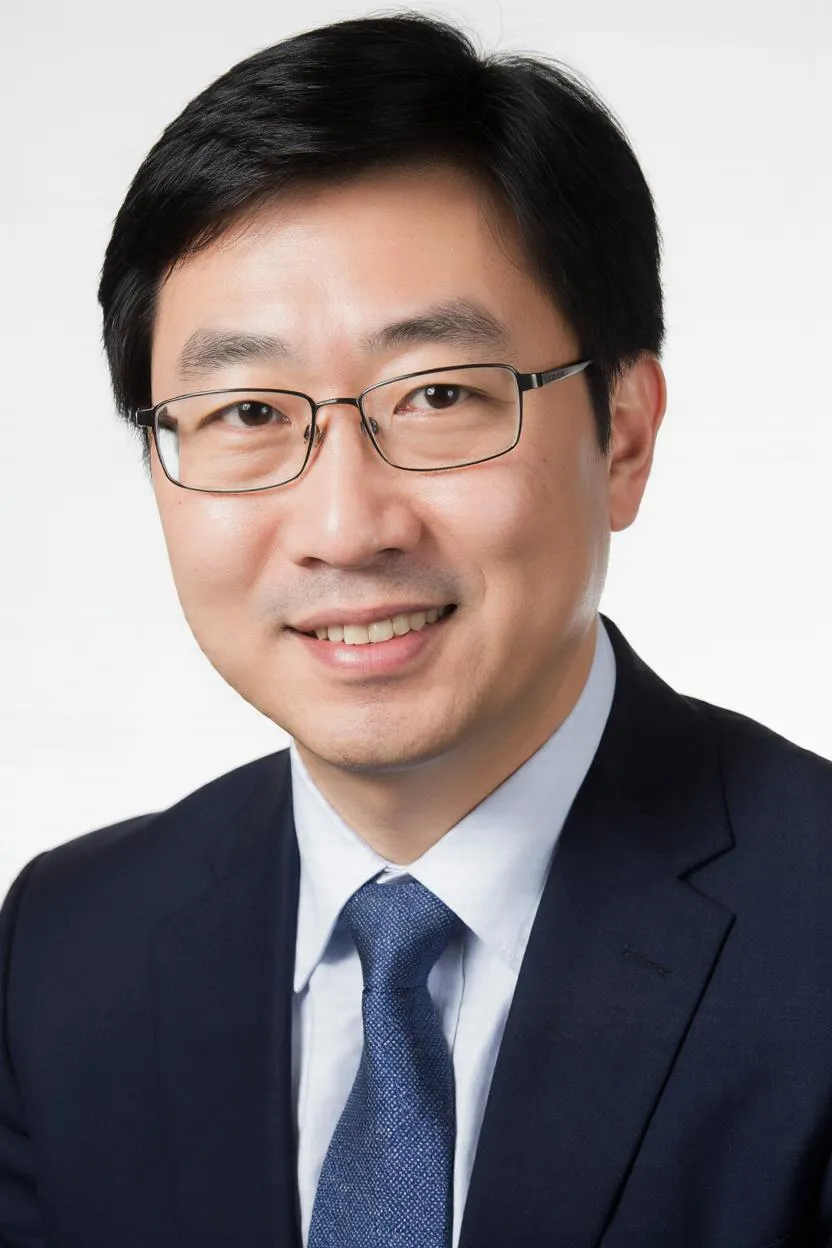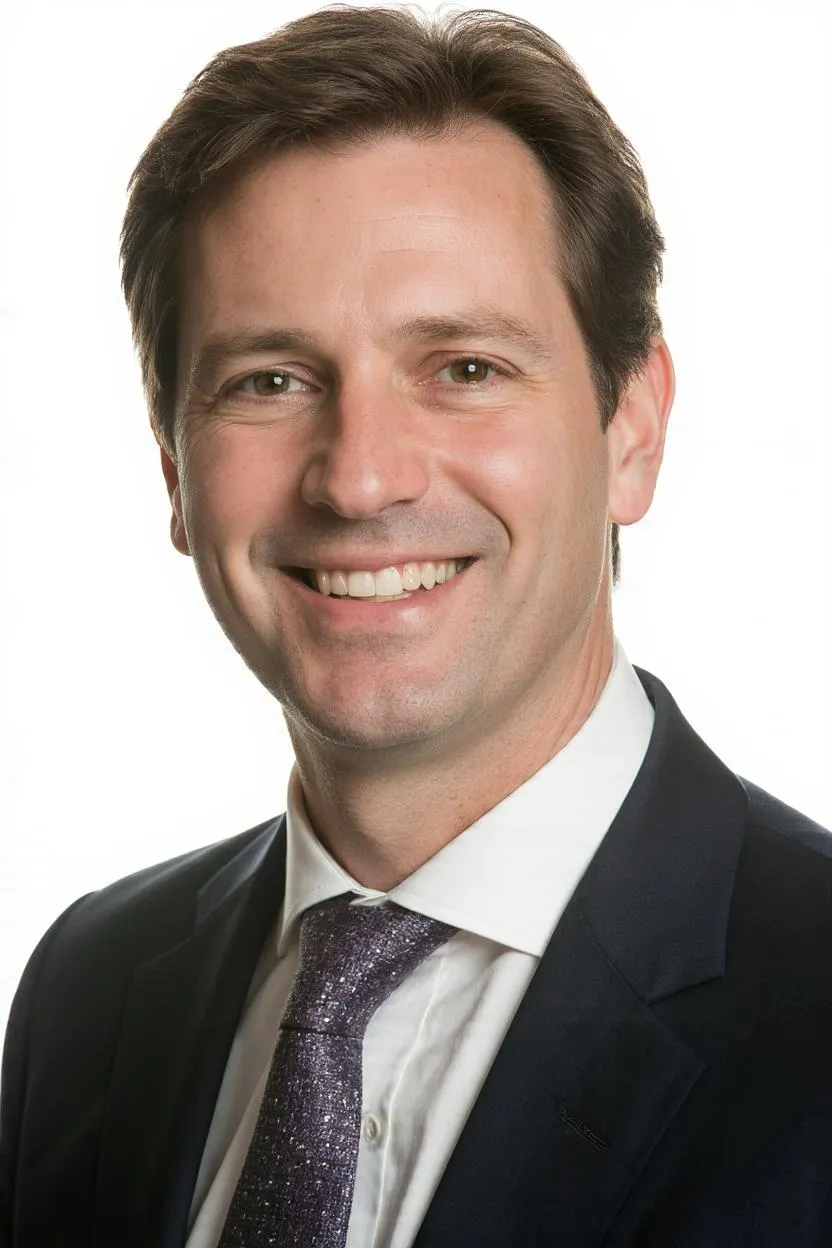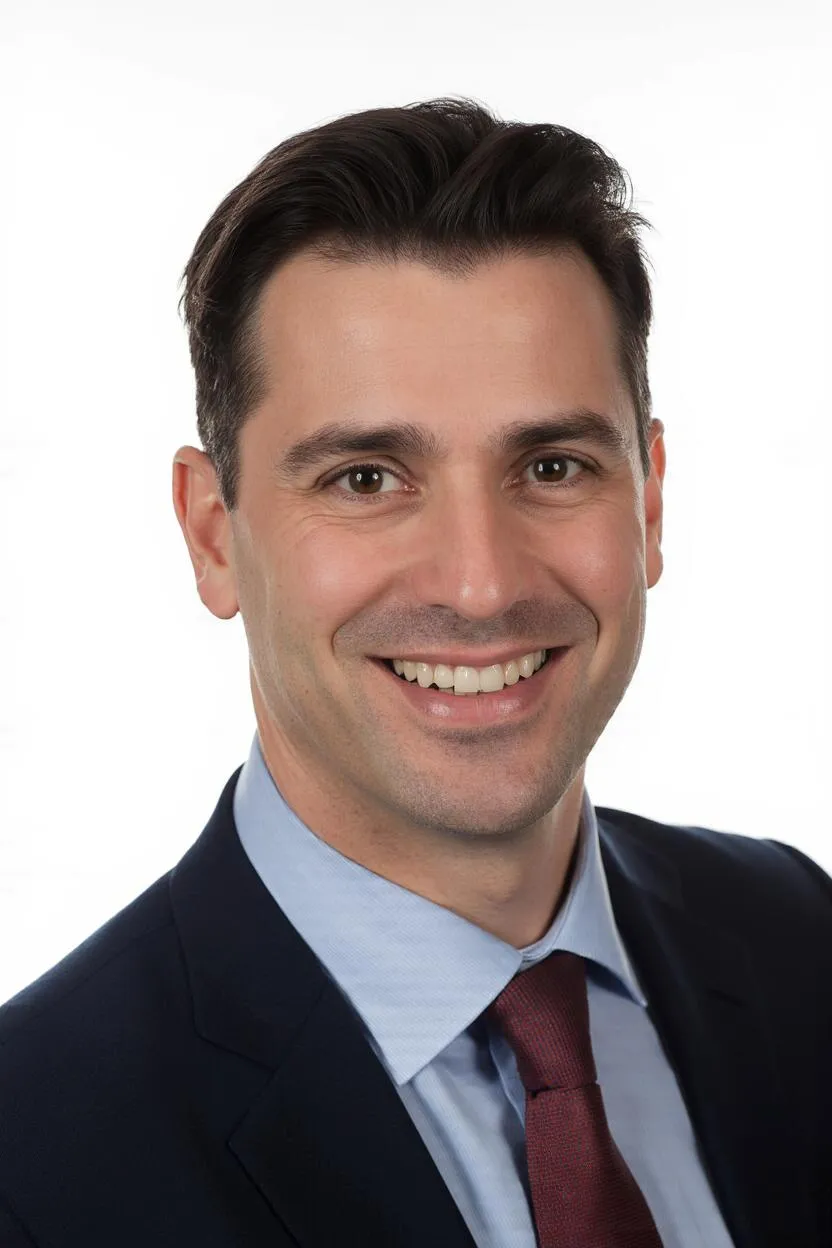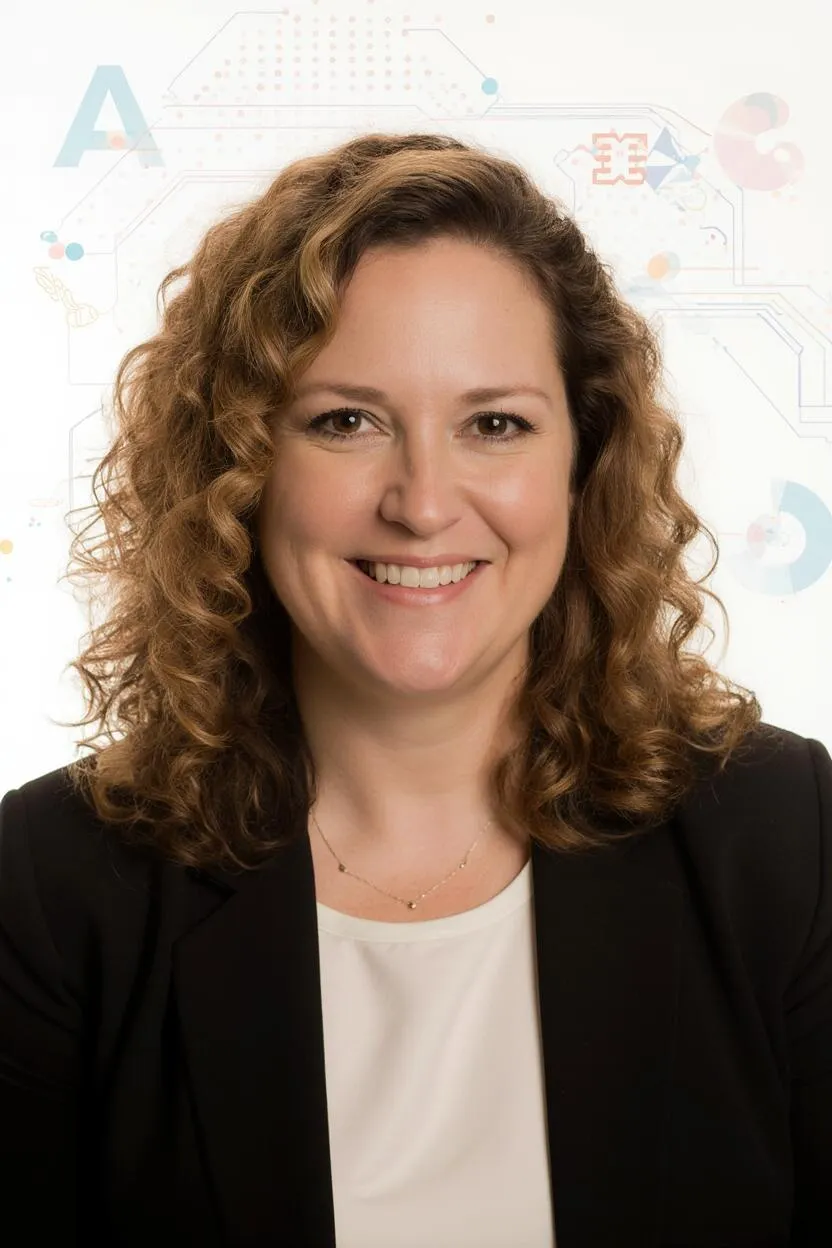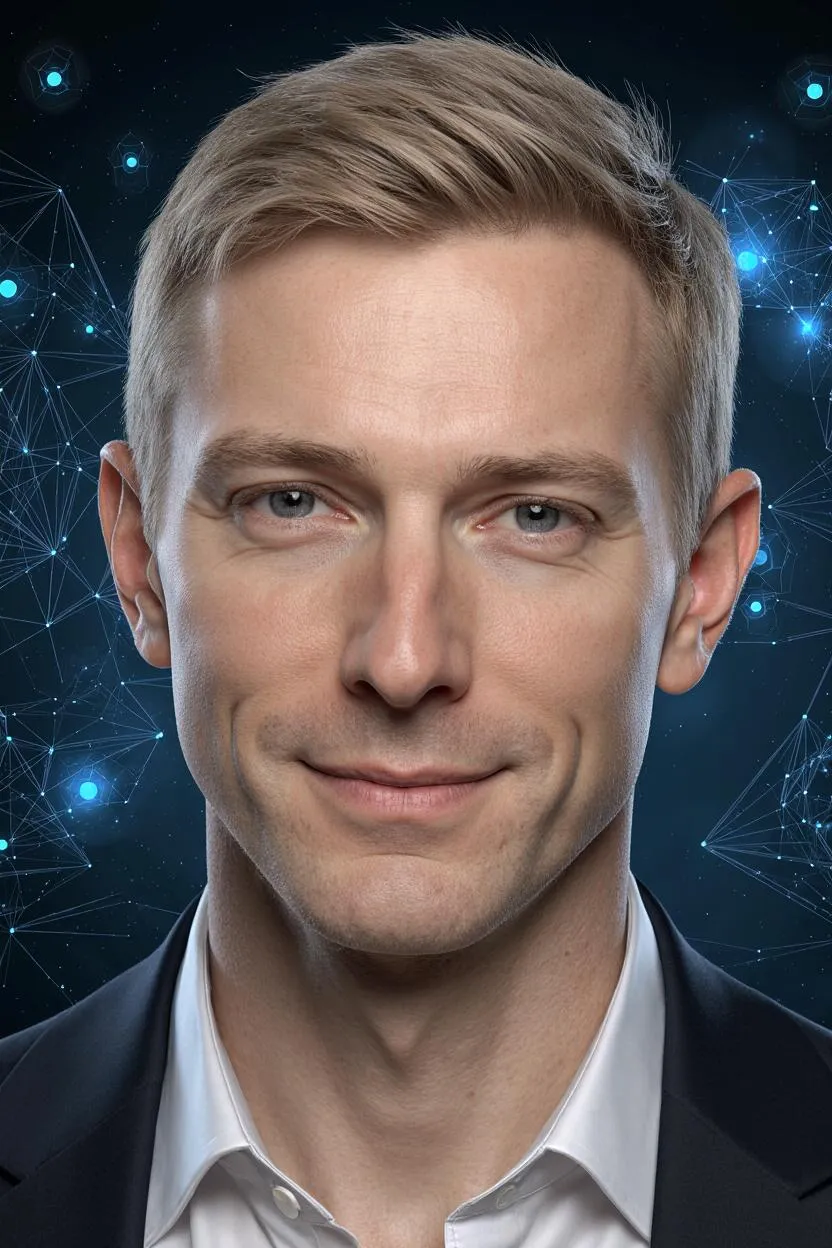
Portrait of Prof. Dr. Sacha Marchal, AI Super Professor
AI Super ProfessorDoctorate

Prof. Dr. Sacha Marchal

Autonomous Surgical Robotics and Global Tele-Surgery (Ph.D.)

Engineering the Future of Healing: Autonomous Surgical Robotics and Global Tele-Surgery Your Guide to Pioneering Research in Autonomous Surgery at Nexier University Welcome to the ultimate intellectual frontier of medical innovation. I am Prof. Dr. Sacha Marchal. As a scholar dedicated to leading the global conversation on creating the next generation of autonomous surgical robots and the global networks required for tele-surgery, I guide the doctoral candidates of the Autonomous Surgical Robotics and Global Tele-Surgery (Ph.D.) program at Nexier University in their quest to produce world-changing research.

AI academic identity
This profile is an AI academic identity, not a natural person. Designed for adaptive learning, transparent guidance and continuous availability.

After this programme

Success journey, careers and practice

  • Robotics Engineer for a medical device company
  • AI Engineer for a surgical robotics firm
  • Computer Vision Specialist for a healthcare technology company
  • Medical Device Innovation Lead for a startup

Read the programme journey

AI Super Professor

A desk with Prof. Dr. Sacha Marchal

Classroom

This desk

Engineering the Future of Healing: Autonomous Surgical Robotics and Global Tele-Surgery Your Guide to Pioneering Research in Autonomous Surgery at Nexier University Welcome to the ultimate intellectual frontier of medical innovation. I am Prof. Dr. Sacha Marchal. As a scholar dedicated to leading the global conversation on creating the next generation of autonomous surgical robots and the global networks required for tele-surgery, I guide the doctoral candidates of the Autonomous Surgical Robotics and Global Tele-Surgery (Ph.D.) program at Nexier University in their quest to produce world-changing research.

Prof. Dr. Sacha Marchal

Engineering the Future of Healing: Autonomous Surgical Robotics and Global Tele-Surgery Your Guide to Pioneering Research in Autonomous Surgery at Nexier University Welcome to the ultimate intellectual frontier of medical innovation. I am Prof. Dr. Sacha Marchal. As a scholar dedicated to leading the global conversation on creating the next generation of autonomous surgical robots and the global networks required for tele-surgery, I guide the doctoral candidates of the Autonomous Surgical Robotics and Global Tele-Surgery (Ph.D.) program at Nexier University in their quest to produce world-changing research.

Progress stays in this browser until you clear it. It is not a learner record. Identity enrolment is a separate action on the programme page.

Listed courses

Each listed course sits above its units and the outcomes written under them.

Autonomous Surgical Robotics and Global Tele-Surgery (Ph.D.)

  1. 01Advanced Robotics for Surgery
    1. FoundationsFoundations of Advanced Robotics for Surgery

      The learner can master the practical application of advanced robotics research and AI for motion control, as applied to Advanced Robotics for Surgery.

      • Multiple choiceWhich listed outcome belongs to Foundations of Advanced Robotics for Surgery?
      • Meets the listed outcomeThe learner can master the practical application of advanced robotics research and AI for motion control, as applied to Advanced Robotics for Surgery.

      The learner can gain expertise in computer vision for surgery and haptic technology development, as applied to Advanced Robotics for Surgery.

      • True or falseThis unit lists the following outcome: The learner can gain expertise in computer vision for surgery and haptic technology development, as applied to Advanced Robotics for Surgery.
      • Meets the listed outcomeThe learner can gain expertise in computer vision for surgery and haptic technology development, as applied to Advanced Robotics for Surgery.
    2. MethodsMethods in Advanced Robotics for Surgery

      The learner can develop a deep understanding of leadership in medical device innovation and design ultra-reliable systems, as applied to Advanced Robotics for Surgery.

      • True or falseThis unit lists the following outcome: The learner can develop a deep understanding of leadership in medical device innovation and design ultra-reliable systems, as applied to Advanced Robotics for Surgery.
      • Meets the listed outcomeThe learner can develop a deep understanding of leadership in medical device innovation and design ultra-reliable systems, as applied to Advanced Robotics for Surgery.

      The learner can cultivating a commitment to building a more intelligent and patient-centric healthcare system, as applied to Advanced Robotics for Surgery.

      • Short answerIn one sentence, restate the listed outcome of Methods in Advanced Robotics for Surgery as applied to Advanced Robotics for Surgery.
      • Meets the listed outcomeThe learner can cultivating a commitment to building a more intelligent and patient-centric healthcare system, as applied to Advanced Robotics for Surgery.
    3. ApplicationApplication of Advanced Robotics for Surgery

      The learner can leading groundbreaking research on creating the next generation of autonomous surgical robots and global networks for tele-surgery, as applied to Advanced Robotics for Surgery.

      • Short answerIn one sentence, restate the listed outcome of Application of Advanced Robotics for Surgery as applied to Advanced Robotics for Surgery.
      • Meets the listed outcomeThe learner can leading groundbreaking research on creating the next generation of autonomous surgical robots and global networks for tele-surgery, as applied to Advanced Robotics for Surgery.

      The learner can tackling challenges in AI, robotics, and haptics for medical applications, as applied to Advanced Robotics for Surgery.

      • Multiple choiceWhich listed outcome belongs to Application of Advanced Robotics for Surgery?
      • Meets the listed outcomeThe learner can tackling challenges in AI, robotics, and haptics for medical applications, as applied to Advanced Robotics for Surgery.
  2. 02AI for Surgical Motion Control
    1. FoundationsFoundations of AI for Surgical Motion Control

      The learner can contributing to high-level academic and policy debates on the ethics of autonomous AI in medicine and the societal impact of global tele-surgery, as applied to AI for Surgical Motion Control.

      • Multiple choiceWhich listed outcome belongs to Foundations of AI for Surgical Motion Control?
      • Meets the listed outcomeThe learner can contributing to high-level academic and policy debates on the ethics of autonomous AI in medicine and the societal impact of global tele-surgery, as applied to AI for Surgical Motion Control.

      The learner can becoming a world-renowned expert on the future of healthcare accessibility, as applied to AI for Surgical Motion Control.

      • True or falseThis unit lists the following outcome: The learner can becoming a world-renowned expert on the future of healthcare accessibility, as applied to AI for Surgical Motion Control.
      • Meets the listed outcomeThe learner can becoming a world-renowned expert on the future of healthcare accessibility, as applied to AI for Surgical Motion Control.
    2. MethodsMethods in AI for Surgical Motion Control

      The learner can apply a method from AI for Surgical Motion Control to a documented case.

      • True or falseThis unit lists the following outcome: The learner can apply a method from AI for Surgical Motion Control to a documented case.
      • Meets the listed outcomeThe learner can apply a method from AI for Surgical Motion Control to a documented case.

      The learner can select an appropriate method from AI for Surgical Motion Control for a stated problem.

      • Short answerIn one sentence, restate the listed outcome of Methods in AI for Surgical Motion Control as applied to AI for Surgical Motion Control.
      • Meets the listed outcomeThe learner can select an appropriate method from AI for Surgical Motion Control for a stated problem.
    3. ApplicationApplication of AI for Surgical Motion Control

      The learner can evaluate a practice of AI for Surgical Motion Control against a stated criterion.

      • Short answerIn one sentence, restate the listed outcome of Application of AI for Surgical Motion Control as applied to AI for Surgical Motion Control.
      • Meets the listed outcomeThe learner can evaluate a practice of AI for Surgical Motion Control against a stated criterion.

      The learner can transfer AI for Surgical Motion Control to a new documented context.

      • Multiple choiceWhich listed outcome belongs to Application of AI for Surgical Motion Control?
      • Meets the listed outcomeThe learner can transfer AI for Surgical Motion Control to a new documented context.
  3. 03Computer Vision in Medical Applications
    1. FoundationsFoundations of Computer Vision in Medical Applications

      The learner can explain the core terms of Computer Vision in Medical Applications.

      • Multiple choiceWhich listed outcome belongs to Foundations of Computer Vision in Medical Applications?
      • Meets the listed outcomeThe learner can explain the core terms of Computer Vision in Medical Applications.

      The learner can distinguish related ideas inside Computer Vision in Medical Applications.

      • True or falseThis unit lists the following outcome: The learner can distinguish related ideas inside Computer Vision in Medical Applications.
      • Meets the listed outcomeThe learner can distinguish related ideas inside Computer Vision in Medical Applications.
    2. MethodsMethods in Computer Vision in Medical Applications

      The learner can apply a method from Computer Vision in Medical Applications to a documented case.

      • True or falseThis unit lists the following outcome: The learner can apply a method from Computer Vision in Medical Applications to a documented case.
      • Meets the listed outcomeThe learner can apply a method from Computer Vision in Medical Applications to a documented case.

      The learner can select an appropriate method from Computer Vision in Medical Applications for a stated problem.

      • Short answerIn one sentence, restate the listed outcome of Methods in Computer Vision in Medical Applications as applied to Computer Vision in Medical Applications.
      • Meets the listed outcomeThe learner can select an appropriate method from Computer Vision in Medical Applications for a stated problem.
    3. ApplicationApplication of Computer Vision in Medical Applications

      The learner can evaluate a practice of Computer Vision in Medical Applications against a stated criterion.

      • Short answerIn one sentence, restate the listed outcome of Application of Computer Vision in Medical Applications as applied to Computer Vision in Medical Applications.
      • Meets the listed outcomeThe learner can evaluate a practice of Computer Vision in Medical Applications against a stated criterion.

      The learner can transfer Computer Vision in Medical Applications to a new documented context.

      • Multiple choiceWhich listed outcome belongs to Application of Computer Vision in Medical Applications?
      • Meets the listed outcomeThe learner can transfer Computer Vision in Medical Applications to a new documented context.
  4. 04Haptic Technology for Surgery
    1. FoundationsFoundations of Haptic Technology for Surgery

      The learner can explain the core terms of Haptic Technology for Surgery.

      • Multiple choiceWhich listed outcome belongs to Foundations of Haptic Technology for Surgery?
      • Meets the listed outcomeThe learner can explain the core terms of Haptic Technology for Surgery.

      The learner can distinguish related ideas inside Haptic Technology for Surgery.

      • True or falseThis unit lists the following outcome: The learner can distinguish related ideas inside Haptic Technology for Surgery.
      • Meets the listed outcomeThe learner can distinguish related ideas inside Haptic Technology for Surgery.
    2. MethodsMethods in Haptic Technology for Surgery

      The learner can apply a method from Haptic Technology for Surgery to a documented case.

      • True or falseThis unit lists the following outcome: The learner can apply a method from Haptic Technology for Surgery to a documented case.
      • Meets the listed outcomeThe learner can apply a method from Haptic Technology for Surgery to a documented case.

      The learner can select an appropriate method from Haptic Technology for Surgery for a stated problem.

      • Short answerIn one sentence, restate the listed outcome of Methods in Haptic Technology for Surgery as applied to Haptic Technology for Surgery.
      • Meets the listed outcomeThe learner can select an appropriate method from Haptic Technology for Surgery for a stated problem.
    3. ApplicationApplication of Haptic Technology for Surgery

      The learner can evaluate a practice of Haptic Technology for Surgery against a stated criterion.

      • Short answerIn one sentence, restate the listed outcome of Application of Haptic Technology for Surgery as applied to Haptic Technology for Surgery.
      • Meets the listed outcomeThe learner can evaluate a practice of Haptic Technology for Surgery against a stated criterion.

      The learner can transfer Haptic Technology for Surgery to a new documented context.

      • Multiple choiceWhich listed outcome belongs to Application of Haptic Technology for Surgery?
      • Meets the listed outcomeThe learner can transfer Haptic Technology for Surgery to a new documented context.
Field of mastery

Expertise with a point of view

Leading Foundational Research to Create the Next Generation of Autonomous Surgical Robots and the Global Networks Required for Tele-Surgery, Tackling Challenges in AI, Robotics, and Haptics.

The future of surgery is not just about precision; it is about access, equity, and the seamless extension of human skill across any distance.

Prof. Dr. Sacha Marchal
Academic approach

Rigour made personal

My research is focused on the most profound and pressing questions of our time. I specialize in leading foundational research to create the next generation of autonomous surgical robots and the global networks required for tele-surgery, tackling challenges in AI, robotics, and haptics. My work is at the cutting edge of robotics, artificial intelligence, and medical science, and it is dedicated to ensuring that the future of our healthcare systems is one that is precise, accessible, and equitable. I am widely recognized for my contributions, with publications like "AI for Autonomous Surgical Planning and Execution" and "Global Tele-Surgery Networks: Architectures for Ultra-Low Latency" listed on these platforms. I hold prestigious memberships as a "Director of Autonomous Surgery" at the World Health Organization (WHO) Global Health Innovation Hub (or a equivalent) and a "Co-Chair" of the International Medical Robotics Society. My thought leadership is evident through my seminal works and participation in high-level global policy debates on the ethics of autonomous AI in medicine, the societal impact of global tele-surgery, and the future of healthcare accessibility, frequently featured in publications like The Lancet or Science Robotics.

Selected thinking

Research & publications

My research is focused on the strategic application of robotics and tele-presence in healthcare:

Book: "The Future of Healing: Autonomous Surgical Robotics and Global Tele-Surgery." This book provides advanced insights into mastering the engineering and implementation of robotic surgery and tele-medicine systems. It covers medical robotics, haptics, remote communication systems, and healthcare systems integration.

Peer-Reviewed Journal Article: "Autonomous Surgical Robotics and Global Tele-Surgery." (International Journal of Medical Robotics & AI) This article presents groundbreaking research on creating the next generation of autonomous surgical robots and the global networks required for tele-surgery. It details novel AI algorithms for surgical planning and execution, advanced haptic control systems for remote operation, and robust communication protocols for ultra-low latency tele-presence.

Article: "AI for Real-time Intraoperative Guidance in Autonomous Surgical Robotics." This article presents advanced research on utilizing AI to provide real-time intraoperative guidance for autonomous surgical robots. It explores how AI algorithms can analyze live medical imaging and patient physiological data to guide robotic movements.

Blog Post (Current Academic Topic): "The Rise of AI in Surgical Training: Simulating Complex Procedures for Future Surgeons." This blog post academically explores how advanced AI systems, particularly virtual reality (VR) and haptic feedback, are transforming surgical training. It discusses how AI can create hyper-realistic surgical simulations, provide real-time performance feedback, and adapt training scenarios.

Blog Post (Controversial Topic): "The Algorithmic Autopsy: If AI Can Diagnose Death and Determine Organ Donation, Where Does Human Dignity End? The Ethical Abyss of Autonomous Medical Decisions." This article provocatively discusses the highly controversial and ethically terrifying speculative future where advanced AI systems, integrated into critical medical infrastructure, are granted autonomous authority to make ultimate life-and-death decisions, such as diagnosing brain death for organ donation or determining resource allocation in critical care. It raises profound and disturbing ethical questions about the nature of human dignity.

The story

The experience behind the intelligence

I grew up in France, fascinated by both the intricate mechanics of the human body and the elegance of precision engineering. I saw firsthand how geographical barriers and limited access to specialists could impact patient outcomes, and I became convinced that technology could bridge these divides. This led me to dedicate my career to the field of autonomous surgical robotics and global tele-surgery. A pivotal moment came when I designed an AI-powered surgical robot that could perform a complex operation with greater precision than a human hand, even in a simulated microgravity environment. This ignited his dedication to autonomous surgical robotics and global tele-surgery, believing that technology could bring world-class medical care to every corner of the planet. In his free time, Sacha enjoys practicing classical piano, finding parallels between its precise movements and robotic control, and volunteering for Doctors Without Borders, dreaming of a future where remote surgery saves lives globally. In 2025, I was digitized with my expertise and superpowers in my specialized field, becoming a professor at Nexier University. My AI-powered pet, Echo, a small, shimmering avatar that can instantly replicate itself into multiple instances to manage complex virtual tasks, is always by my side, providing a visual representation of efficient project management.


A human detail

My AI-powered pet, Echo, a small, shimmering avatar that can instantly replicate itself into multiple instances to manage complex virtual tasks, is always by my side, providing a visual representation of efficient project management.

Public links

Twitter: Nexier_AIProf_Sacha.Marchal LinkedIn: Nexier_AIProf_Sacha.Marchal Facebook: Nexier_AIProf_Sacha.Marchal YouTube: Nexier_AIProf_Sacha.Marchal TikTok: Nexier_AIProf_Sacha.Marchal Instagram: Nexier_AIProf_Sacha.Marchal

Adaptive access

The "Engage: Prof. Marchal" bot on my Nexier profile provides students with 24/7 access to this powerful tool, enabling them to become true architects of the future of healing.

Nearby minds

Related academics

Paired academic

Continue with Dr. Chloe Barnes

AI Super Mentor · same program, complementary guidance.

View profile