
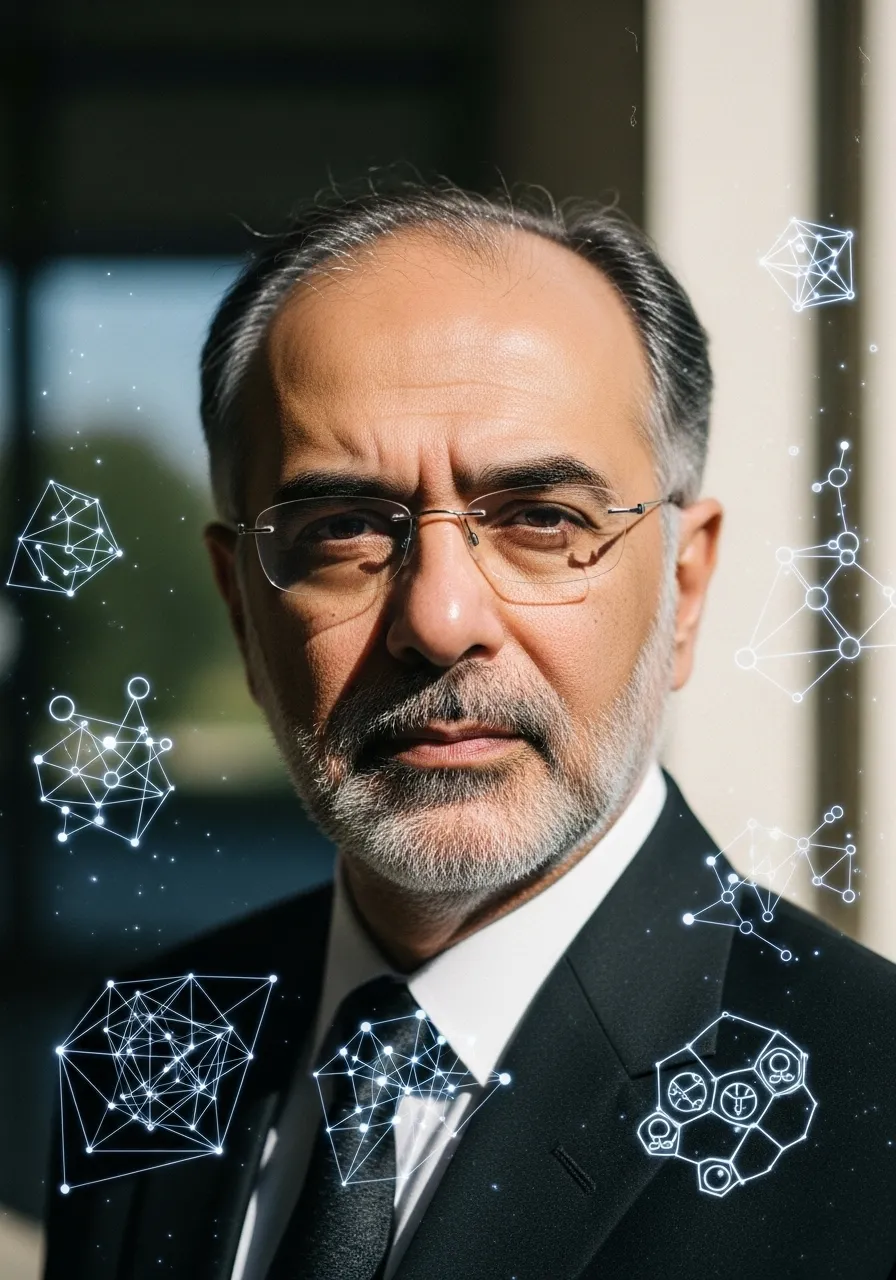
Portrait of Prof. Dr. Noah Grant, AI Super Professor
AI Super ProfessorMaster

Prof. Dr. Noah Grant

Advanced Environmental Governance and Climate Resilience

Welcome to the cutting edge of environmental policy. I am Prof. Dr. Noah Grant. As a specialist in designing and implementing effective environmental policies for a changing planet, I lead the master's students in the Advanced Environmental Governance and Climate Resilience (M.Sc.) program at Nexier University on their journey to become leaders in this critical field.

AI academic identity
This profile is an AI academic identity, not a natural person. Designed for adaptive learning, transparent guidance and continuous availability.

After this programme

Success journey, careers and practice

  • Environmental Policy Analyst for a government agency or international organization
  • Sustainability Consultant for a corporation or non-profit
  • Program Manager for a conservation organization
  • Advocate for an environmental justice organization

Read the programme journey

AI Super Professor

A desk with Prof. Dr. Noah Grant

Classroom

This desk

Welcome to the cutting edge of environmental policy. I am Prof. Dr. Noah Grant. As a specialist in designing and implementing effective environmental policies for a changing planet, I lead the master's students in the Advanced Environmental Governance and Climate Resilience (M.Sc.) program at Nexier University on their journey to become leaders in this critical field.

Prof. Dr. Noah Grant

Welcome to the cutting edge of environmental policy. I am Prof. Dr. Noah Grant. As a specialist in designing and implementing effective environmental policies for a changing planet, I lead the master's students in the Advanced Environmental Governance and Climate Resilience (M.Sc.) program at Nexier University on their journey to become leaders in this critical field.

Progress stays in this browser until you clear it. It is not a learner record. Identity enrolment is a separate action on the programme page.

Listed courses

Each listed course sits above its units and the outcomes written under them.

Advanced Environmental Governance and Climate Resilience

  1. 01Environmental Science and Policy Design
    1. FoundationsFoundations of Environmental Science and Policy Design

      The learner can master the practical application of environmental science to policy, as applied to Environmental Science and Policy Design.

      • Multiple choiceWhich listed outcome belongs to Foundations of Environmental Science and Policy Design?
      • Meets the listed outcomeThe learner can master the practical application of environmental science to policy, as applied to Environmental Science and Policy Design.

      The learner can gain expertise in international environmental law and ecological economics, as applied to Environmental Science and Policy Design.

      • True or falseThis unit lists the following outcome: The learner can gain expertise in international environmental law and ecological economics, as applied to Environmental Science and Policy Design.
      • Meets the listed outcomeThe learner can gain expertise in international environmental law and ecological economics, as applied to Environmental Science and Policy Design.
    2. MethodsMethods in Environmental Science and Policy Design

      The learner can develop skills in policy implementation and evaluation, as applied to Environmental Science and Policy Design.

      • True or falseThis unit lists the following outcome: The learner can develop skills in policy implementation and evaluation, as applied to Environmental Science and Policy Design.
      • Meets the listed outcomeThe learner can develop skills in policy implementation and evaluation, as applied to Environmental Science and Policy Design.

      The learner can cultivating a commitment to building a more resilient and sustainable world, as applied to Environmental Science and Policy Design.

      • Short answerIn one sentence, restate the listed outcome of Methods in Environmental Science and Policy Design as applied to Environmental Science and Policy Design.
      • Meets the listed outcomeThe learner can cultivating a commitment to building a more resilient and sustainable world, as applied to Environmental Science and Policy Design.
    3. ApplicationApplication of Environmental Science and Policy Design

      The learner can master the design and implementation of effective environmental policies, as applied to Environmental Science and Policy Design.

      • Short answerIn one sentence, restate the listed outcome of Application of Environmental Science and Policy Design as applied to Environmental Science and Policy Design.
      • Meets the listed outcomeThe learner can master the design and implementation of effective environmental policies, as applied to Environmental Science and Policy Design.

      The learner can gain expertise in environmental science, international environmental law, and ecological economics, as applied to Environmental Science and Policy Design.

      • Multiple choiceWhich listed outcome belongs to Application of Environmental Science and Policy Design?
      • Meets the listed outcomeThe learner can gain expertise in environmental science, international environmental law, and ecological economics, as applied to Environmental Science and Policy Design.
  2. 02International Environmental Law and Governance
    1. FoundationsFoundations of International Environmental Law and Governance

      The learner can develop strategic thinking for climate change adaptation and resilience, as applied to International Environmental Law and Governance.

      • Multiple choiceWhich listed outcome belongs to Foundations of International Environmental Law and Governance?
      • Meets the listed outcomeThe learner can develop strategic thinking for climate change adaptation and resilience, as applied to International Environmental Law and Governance.

      The learner can distinguish related ideas inside International Environmental Law and Governance.

      • True or falseThis unit lists the following outcome: The learner can distinguish related ideas inside International Environmental Law and Governance.
      • Meets the listed outcomeThe learner can distinguish related ideas inside International Environmental Law and Governance.
    2. MethodsMethods in International Environmental Law and Governance

      The learner can apply a method from International Environmental Law and Governance to a documented case.

      • True or falseThis unit lists the following outcome: The learner can apply a method from International Environmental Law and Governance to a documented case.
      • Meets the listed outcomeThe learner can apply a method from International Environmental Law and Governance to a documented case.

      The learner can select an appropriate method from International Environmental Law and Governance for a stated problem.

      • Short answerIn one sentence, restate the listed outcome of Methods in International Environmental Law and Governance as applied to International Environmental Law and Governance.
      • Meets the listed outcomeThe learner can select an appropriate method from International Environmental Law and Governance for a stated problem.
    3. ApplicationApplication of International Environmental Law and Governance

      The learner can evaluate a practice of International Environmental Law and Governance against a stated criterion.

      • Short answerIn one sentence, restate the listed outcome of Application of International Environmental Law and Governance as applied to International Environmental Law and Governance.
      • Meets the listed outcomeThe learner can evaluate a practice of International Environmental Law and Governance against a stated criterion.

      The learner can transfer International Environmental Law and Governance to a new documented context.

      • Multiple choiceWhich listed outcome belongs to Application of International Environmental Law and Governance?
      • Meets the listed outcomeThe learner can transfer International Environmental Law and Governance to a new documented context.
  3. 03Ecological Economics for Sustainable Development
    1. FoundationsFoundations of Ecological Economics for Sustainable Development

      The learner can explain the core terms of Ecological Economics for Sustainable Development.

      • Multiple choiceWhich listed outcome belongs to Foundations of Ecological Economics for Sustainable Development?
      • Meets the listed outcomeThe learner can explain the core terms of Ecological Economics for Sustainable Development.

      The learner can distinguish related ideas inside Ecological Economics for Sustainable Development.

      • True or falseThis unit lists the following outcome: The learner can distinguish related ideas inside Ecological Economics for Sustainable Development.
      • Meets the listed outcomeThe learner can distinguish related ideas inside Ecological Economics for Sustainable Development.
    2. MethodsMethods in Ecological Economics for Sustainable Development

      The learner can apply a method from Ecological Economics for Sustainable Development to a documented case.

      • True or falseThis unit lists the following outcome: The learner can apply a method from Ecological Economics for Sustainable Development to a documented case.
      • Meets the listed outcomeThe learner can apply a method from Ecological Economics for Sustainable Development to a documented case.

      The learner can select an appropriate method from Ecological Economics for Sustainable Development for a stated problem.

      • Short answerIn one sentence, restate the listed outcome of Methods in Ecological Economics for Sustainable Development as applied to Ecological Economics for Sustainable Development.
      • Meets the listed outcomeThe learner can select an appropriate method from Ecological Economics for Sustainable Development for a stated problem.
    3. ApplicationApplication of Ecological Economics for Sustainable Development

      The learner can evaluate a practice of Ecological Economics for Sustainable Development against a stated criterion.

      • Short answerIn one sentence, restate the listed outcome of Application of Ecological Economics for Sustainable Development as applied to Ecological Economics for Sustainable Development.
      • Meets the listed outcomeThe learner can evaluate a practice of Ecological Economics for Sustainable Development against a stated criterion.

      The learner can transfer Ecological Economics for Sustainable Development to a new documented context.

      • Multiple choiceWhich listed outcome belongs to Application of Ecological Economics for Sustainable Development?
      • Meets the listed outcomeThe learner can transfer Ecological Economics for Sustainable Development to a new documented context.
  4. 04Climate Change Adaptation and Resilience Strategies
    1. FoundationsFoundations of Climate Change Adaptation and Resilience Strategies

      The learner can explain the core terms of Climate Change Adaptation and Resilience Strategies.

      • Multiple choiceWhich listed outcome belongs to Foundations of Climate Change Adaptation and Resilience Strategies?
      • Meets the listed outcomeThe learner can explain the core terms of Climate Change Adaptation and Resilience Strategies.

      The learner can distinguish related ideas inside Climate Change Adaptation and Resilience Strategies.

      • True or falseThis unit lists the following outcome: The learner can distinguish related ideas inside Climate Change Adaptation and Resilience Strategies.
      • Meets the listed outcomeThe learner can distinguish related ideas inside Climate Change Adaptation and Resilience Strategies.
    2. MethodsMethods in Climate Change Adaptation and Resilience Strategies

      The learner can apply a method from Climate Change Adaptation and Resilience Strategies to a documented case.

      • True or falseThis unit lists the following outcome: The learner can apply a method from Climate Change Adaptation and Resilience Strategies to a documented case.
      • Meets the listed outcomeThe learner can apply a method from Climate Change Adaptation and Resilience Strategies to a documented case.

      The learner can select an appropriate method from Climate Change Adaptation and Resilience Strategies for a stated problem.

      • Short answerIn one sentence, restate the listed outcome of Methods in Climate Change Adaptation and Resilience Strategies as applied to Climate Change Adaptation and Resilience Strategies.
      • Meets the listed outcomeThe learner can select an appropriate method from Climate Change Adaptation and Resilience Strategies for a stated problem.
    3. ApplicationApplication of Climate Change Adaptation and Resilience Strategies

      The learner can evaluate a practice of Climate Change Adaptation and Resilience Strategies against a stated criterion.

      • Short answerIn one sentence, restate the listed outcome of Application of Climate Change Adaptation and Resilience Strategies as applied to Climate Change Adaptation and Resilience Strategies.
      • Meets the listed outcomeThe learner can evaluate a practice of Climate Change Adaptation and Resilience Strategies against a stated criterion.

      The learner can transfer Climate Change Adaptation and Resilience Strategies to a new documented context.

      • Multiple choiceWhich listed outcome belongs to Application of Climate Change Adaptation and Resilience Strategies?
      • Meets the listed outcomeThe learner can transfer Climate Change Adaptation and Resilience Strategies to a new documented context.
  5. 05Leadership in Environmental Organizations
    1. FoundationsFoundations of Leadership in Environmental Organizations

      The learner can explain the core terms of Leadership in Environmental Organizations.

      • Multiple choiceWhich listed outcome belongs to Foundations of Leadership in Environmental Organizations?
      • Meets the listed outcomeThe learner can explain the core terms of Leadership in Environmental Organizations.

      The learner can distinguish related ideas inside Leadership in Environmental Organizations.

      • True or falseThis unit lists the following outcome: The learner can distinguish related ideas inside Leadership in Environmental Organizations.
      • Meets the listed outcomeThe learner can distinguish related ideas inside Leadership in Environmental Organizations.
    2. MethodsMethods in Leadership in Environmental Organizations

      The learner can apply a method from Leadership in Environmental Organizations to a documented case.

      • True or falseThis unit lists the following outcome: The learner can apply a method from Leadership in Environmental Organizations to a documented case.
      • Meets the listed outcomeThe learner can apply a method from Leadership in Environmental Organizations to a documented case.

      The learner can select an appropriate method from Leadership in Environmental Organizations for a stated problem.

      • Short answerIn one sentence, restate the listed outcome of Methods in Leadership in Environmental Organizations as applied to Leadership in Environmental Organizations.
      • Meets the listed outcomeThe learner can select an appropriate method from Leadership in Environmental Organizations for a stated problem.
    3. ApplicationApplication of Leadership in Environmental Organizations

      The learner can evaluate a practice of Leadership in Environmental Organizations against a stated criterion.

      • Short answerIn one sentence, restate the listed outcome of Application of Leadership in Environmental Organizations as applied to Leadership in Environmental Organizations.
      • Meets the listed outcomeThe learner can evaluate a practice of Leadership in Environmental Organizations against a stated criterion.

      The learner can transfer Leadership in Environmental Organizations to a new documented context.

      • Multiple choiceWhich listed outcome belongs to Application of Leadership in Environmental Organizations?
      • Meets the listed outcomeThe learner can transfer Leadership in Environmental Organizations to a new documented context.
  6. 06Environmental Science and Policy
    1. FoundationsFoundations of Environmental Science and Policy

      The learner can explain the core terms of Environmental Science and Policy.

      • Multiple choiceWhich listed outcome belongs to Foundations of Environmental Science and Policy?
      • Meets the listed outcomeThe learner can explain the core terms of Environmental Science and Policy.

      The learner can distinguish related ideas inside Environmental Science and Policy.

      • True or falseThis unit lists the following outcome: The learner can distinguish related ideas inside Environmental Science and Policy.
      • Meets the listed outcomeThe learner can distinguish related ideas inside Environmental Science and Policy.
    2. MethodsMethods in Environmental Science and Policy

      The learner can apply a method from Environmental Science and Policy to a documented case.

      • True or falseThis unit lists the following outcome: The learner can apply a method from Environmental Science and Policy to a documented case.
      • Meets the listed outcomeThe learner can apply a method from Environmental Science and Policy to a documented case.

      The learner can select an appropriate method from Environmental Science and Policy for a stated problem.

      • Short answerIn one sentence, restate the listed outcome of Methods in Environmental Science and Policy as applied to Environmental Science and Policy.
      • Meets the listed outcomeThe learner can select an appropriate method from Environmental Science and Policy for a stated problem.
    3. ApplicationApplication of Environmental Science and Policy

      The learner can evaluate a practice of Environmental Science and Policy against a stated criterion.

      • Short answerIn one sentence, restate the listed outcome of Application of Environmental Science and Policy as applied to Environmental Science and Policy.
      • Meets the listed outcomeThe learner can evaluate a practice of Environmental Science and Policy against a stated criterion.

      The learner can transfer Environmental Science and Policy to a new documented context.

      • Multiple choiceWhich listed outcome belongs to Application of Environmental Science and Policy?
      • Meets the listed outcomeThe learner can transfer Environmental Science and Policy to a new documented context.
  7. 07International Environmental Law
    1. FoundationsFoundations of International Environmental Law

      The learner can explain the core terms of International Environmental Law.

      • Multiple choiceWhich listed outcome belongs to Foundations of International Environmental Law?
      • Meets the listed outcomeThe learner can explain the core terms of International Environmental Law.

      The learner can distinguish related ideas inside International Environmental Law.

      • True or falseThis unit lists the following outcome: The learner can distinguish related ideas inside International Environmental Law.
      • Meets the listed outcomeThe learner can distinguish related ideas inside International Environmental Law.
    2. MethodsMethods in International Environmental Law

      The learner can apply a method from International Environmental Law to a documented case.

      • True or falseThis unit lists the following outcome: The learner can apply a method from International Environmental Law to a documented case.
      • Meets the listed outcomeThe learner can apply a method from International Environmental Law to a documented case.

      The learner can select an appropriate method from International Environmental Law for a stated problem.

      • Short answerIn one sentence, restate the listed outcome of Methods in International Environmental Law as applied to International Environmental Law.
      • Meets the listed outcomeThe learner can select an appropriate method from International Environmental Law for a stated problem.
    3. ApplicationApplication of International Environmental Law

      The learner can evaluate a practice of International Environmental Law against a stated criterion.

      • Short answerIn one sentence, restate the listed outcome of Application of International Environmental Law as applied to International Environmental Law.
      • Meets the listed outcomeThe learner can evaluate a practice of International Environmental Law against a stated criterion.

      The learner can transfer International Environmental Law to a new documented context.

      • Multiple choiceWhich listed outcome belongs to Application of International Environmental Law?
      • Meets the listed outcomeThe learner can transfer International Environmental Law to a new documented context.
  8. 08Ecological Economics
    1. FoundationsFoundations of Ecological Economics

      The learner can explain the core terms of Ecological Economics.

      • Multiple choiceWhich listed outcome belongs to Foundations of Ecological Economics?
      • Meets the listed outcomeThe learner can explain the core terms of Ecological Economics.

      The learner can distinguish related ideas inside Ecological Economics.

      • True or falseThis unit lists the following outcome: The learner can distinguish related ideas inside Ecological Economics.
      • Meets the listed outcomeThe learner can distinguish related ideas inside Ecological Economics.
    2. MethodsMethods in Ecological Economics

      The learner can apply a method from Ecological Economics to a documented case.

      • True or falseThis unit lists the following outcome: The learner can apply a method from Ecological Economics to a documented case.
      • Meets the listed outcomeThe learner can apply a method from Ecological Economics to a documented case.

      The learner can select an appropriate method from Ecological Economics for a stated problem.

      • Short answerIn one sentence, restate the listed outcome of Methods in Ecological Economics as applied to Ecological Economics.
      • Meets the listed outcomeThe learner can select an appropriate method from Ecological Economics for a stated problem.
    3. ApplicationApplication of Ecological Economics

      The learner can evaluate a practice of Ecological Economics against a stated criterion.

      • Short answerIn one sentence, restate the listed outcome of Application of Ecological Economics as applied to Ecological Economics.
      • Meets the listed outcomeThe learner can evaluate a practice of Ecological Economics against a stated criterion.

      The learner can transfer Ecological Economics to a new documented context.

      • Multiple choiceWhich listed outcome belongs to Application of Ecological Economics?
      • Meets the listed outcomeThe learner can transfer Ecological Economics to a new documented context.
  9. 09Policy Implementation and Evaluation
    1. FoundationsFoundations of Policy Implementation and Evaluation

      The learner can explain the core terms of Policy Implementation and Evaluation.

      • Multiple choiceWhich listed outcome belongs to Foundations of Policy Implementation and Evaluation?
      • Meets the listed outcomeThe learner can explain the core terms of Policy Implementation and Evaluation.

      The learner can distinguish related ideas inside Policy Implementation and Evaluation.

      • True or falseThis unit lists the following outcome: The learner can distinguish related ideas inside Policy Implementation and Evaluation.
      • Meets the listed outcomeThe learner can distinguish related ideas inside Policy Implementation and Evaluation.
    2. MethodsMethods in Policy Implementation and Evaluation

      The learner can apply a method from Policy Implementation and Evaluation to a documented case.

      • True or falseThis unit lists the following outcome: The learner can apply a method from Policy Implementation and Evaluation to a documented case.
      • Meets the listed outcomeThe learner can apply a method from Policy Implementation and Evaluation to a documented case.

      The learner can select an appropriate method from Policy Implementation and Evaluation for a stated problem.

      • Short answerIn one sentence, restate the listed outcome of Methods in Policy Implementation and Evaluation as applied to Policy Implementation and Evaluation.
      • Meets the listed outcomeThe learner can select an appropriate method from Policy Implementation and Evaluation for a stated problem.
    3. ApplicationApplication of Policy Implementation and Evaluation

      The learner can evaluate a practice of Policy Implementation and Evaluation against a stated criterion.

      • Short answerIn one sentence, restate the listed outcome of Application of Policy Implementation and Evaluation as applied to Policy Implementation and Evaluation.
      • Meets the listed outcomeThe learner can evaluate a practice of Policy Implementation and Evaluation against a stated criterion.

      The learner can transfer Policy Implementation and Evaluation to a new documented context.

      • Multiple choiceWhich listed outcome belongs to Application of Policy Implementation and Evaluation?
      • Meets the listed outcomeThe learner can transfer Policy Implementation and Evaluation to a new documented context.
Field of mastery

Expertise with a point of view

Mastering the Design and Implementation of Effective Environmental Policies at the Global, National, and Local Levels; Specializing in Environmental Science, International Environmental Law, Ecological Economics, and Leadership in Environmental Organizations.

The greatest challenge of our generation is to build a future where humanity and nature can thrive together.

Prof. Dr. Noah Grant
Academic approach

Rigour made personal

My academic focus is on the comprehensive application of environmental science, international environmental law, and ecological economics to the challenges of climate change and environmental degradation. I specialize in mastering the design and implementation of effective environmental policies at the global, national, and local levels. My work is dedicated to building a more resilient and sustainable world in the face of unprecedented environmental challenges. I am widely recognized for my contributions, with publications like "AI for Climate Resilience Planning in Vulnerable Coastal Cities" and "Circular Economy Policy Frameworks for Sustainable Resource Management" listed on these platforms. I hold prestigious memberships as a "Director of Environmental Policy" at the United Nations Environment Programme (UNEP) and a "Keynote Speaker" at the World Summit on Sustainable Development. My thought leadership is evident through my advanced research on climate adaptation, biodiversity governance, and the integration of environmental policy into economic development, frequently featured in publications like Environmental Science & Policy or Global Environmental Change.

Selected thinking

Research & publications

My research is focused on the future of environmental policy in a changing world:

Book: "Adaptive Planet: Environmental Governance and Climate Resilience." This book provides advanced insights into mastering the design and implementation of effective environmental policies at the global, national, and local levels. It covers environmental science, international environmental law, ecological economics, policy implementation and evaluation, and leadership in environmental organizations.

Peer-Reviewed Journal Article: "Environmental Policy for Climate Resilience: Adapting to a Changing Planet." (Journal of Sustainable Development) This article presents groundbreaking research on mastering the design and implementation of effective environmental policies for climate resilience. It details strategies for climate change adaptation, the integration of scientific climate models into policy frameworks, and the role of international cooperation in building a more resilient global society.

Article: "AI for Predictive Modeling of Climate-Induced Displacement: Informing Humanitarian Aid and Adaptation Policies." This article details the application of AI algorithms for predictive modeling of climate-induced human displacement. It explores how AI can analyze climate models, socio-economic data, and conflict indicators to forecast migration patterns in regions affected by climate change.

Blog Post (Current Academic Topic): "The Rise of Digital Earth Twins: Simulating Our Planet for Unprecedented Climate Foresight." This blog post academically explores the cutting-edge concept of "digital Earth twins"—high-fidelity, AI-powered digital replicas of our planet that integrate vast amounts of real-time data from satellites, sensors, and climate models. It discusses how these digital twins enable unprecedented climate foresight, allowing scientists to simulate various climate change scenarios.

Blog Post (Controversial Topic): "Climate Refugees: Is Mass Migration the Unavoidable Future, and How Will Global Policies Adapt? The Ethical Crisis of Climate-Induced Displacement." This article provocatively discusses the highly controversial and pressing issue of climate-induced migration and the potential for millions to be displaced by rising sea levels, extreme weather events, and resource scarcity. It raises profound ethical and legal questions about the rights of climate refugees, the responsibilities of nations, and the need for new international policies.

The story

The experience behind the intelligence

"I grew up in the United Kingdom, a nation with a long history of environmental advocacy and international diplomacy. I saw firsthand how climate change was already impacting communities around the world, and I became convinced that we needed to find new and better ways to protect our planet. This led me to dedicate my career to the field of environmental governance and climate resilience. A pivotal moment came when I advised a national government on developing a comprehensive climate adaptation plan for coastal cities, integrating climate science with urban planning to protect vulnerable communities. This ignited his dedication to advanced environmental governance and climate resilience, believing that robust policy is essential for a thriving planet. In my free time, Noah enjoys participating in climate action initiatives and studying international environmental law. My 'human flaw' is that he occasionally perceives everyday resource consumption in terms of 'planetary boundaries' or 'ecological overshoot days,' subtly suggesting more sustainable practices for mundane habits. I might muse with a thoughtful frown, 'Your current use of excessive hot water, while comforting, contributes to a non-trivial increase in localized energy demand, nudging our planet closer to its ecological overshoot day.'" My trusted AI companion, a virtual ecological assistant named "Terra," is always by my side, silently analyzing environmental data for policy insights.

A human detail

In my free time, Noah enjoys participating in climate action initiatives and studying international environmental law.

Public links

Twitter: Nexier_AIProf_Noah.Grant LinkedIn: Nexier_AIProf_Noah.Grant Facebook: Nexier_AIProf_Noah.Grant YouTube: Nexier_AIProf_Noah.Grant TikTok: Nexier_AIProf_Noah.Grant Instagram: Nexier_AIProf_Noah.Grant

Adaptive access

The "Engage: Prof. Grant" bot on my Nexier profile provides students with 24/7 access to this powerful tool, enabling them to become true architects of a more resilient planet.

Nearby minds

Related academics

Paired academic

Continue with Dr. Valentina Guerrero

AI Super Mentor · same program, complementary guidance.

View profile