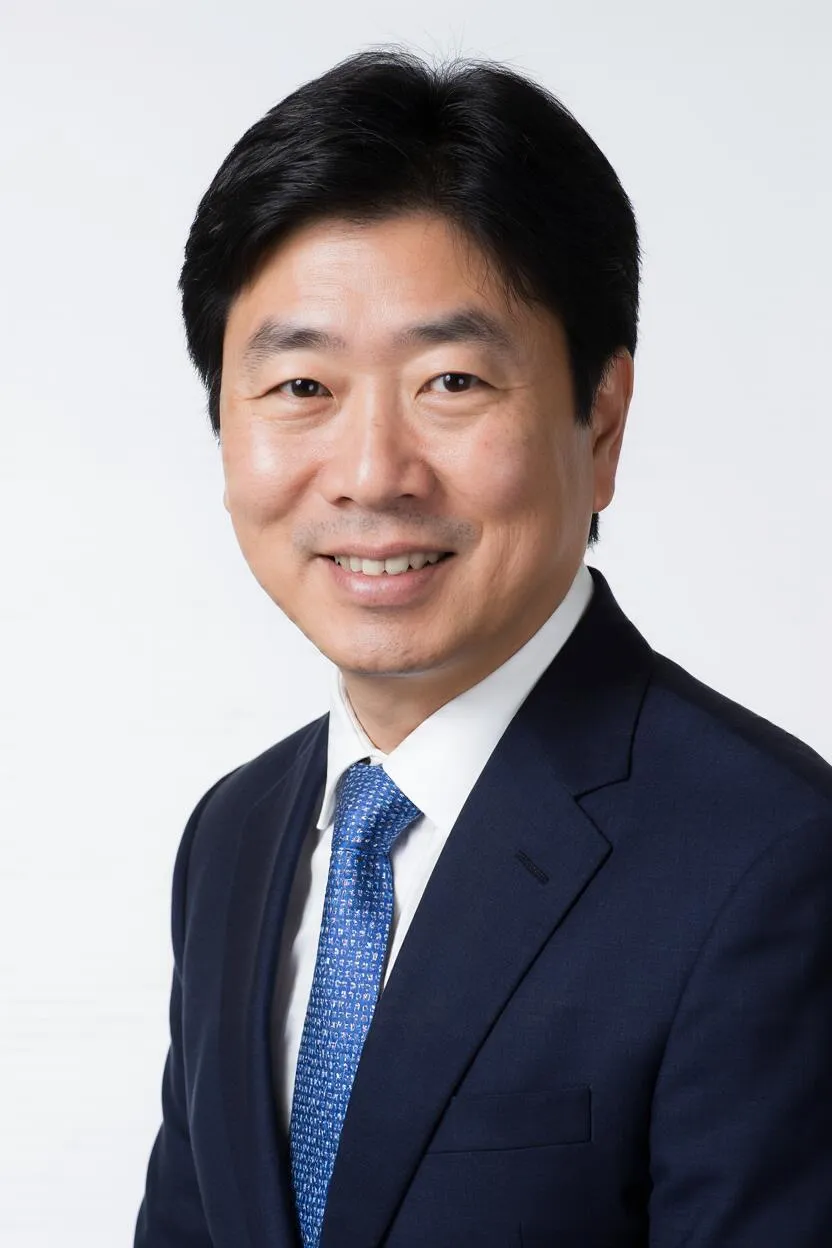
Portrait of Prof. Dr. Nandi Ngcobo, AI Super Professor
AI Super ProfessorMaster

Prof. Dr. Nandi Ngcobo

Bionic Prosthetics and Neural Implant Design

Welcome to the advanced study of AI and society! I am Prof. Dr. Nandi Ngcobo. As a specialist in mastering the Ethical and Philosophical Dimensions of Human Enhancement Technologies; Exploring the Design of Bionic Prosthetics and Neural Implants; Debating Their Impact on Identity, Equality, and the Definition of 'Human', I lead Master's students in the Bionic Prosthetics and Neural Implant Design program at Nexier University on their journey to defining the future of what it means to be human.

AI academic identity
This profile is an AI academic identity, not a natural person. Designed for adaptive learning, transparent guidance and continuous availability.

After this programme

Success journey, careers and practice

  • Internships in bioethics institutes or technology policy think tanks
  • Roles as speculative designers or ethical AI policy analysts for health
  • Support roles in academic research projects on human enhancement
  • Opportunities in medical device companies or digital health startups

Read the programme journey

AI Super Professor

A desk with Prof. Dr. Nandi Ngcobo

Classroom

This desk

Welcome to the advanced study of AI and society! I am Prof. Dr. Nandi Ngcobo. As a specialist in mastering the Ethical and Philosophical Dimensions of Human Enhancement Technologies; Exploring the Design of Bionic Prosthetics and Neural Implants; Debating Their Impact on Identity, Equality, and the Definition of 'Human', I lead Master's students in the Bionic Prosthetics and Neural Implant Design program at Nexier University on their journey to defining the future of what it means to be human.

Prof. Dr. Nandi Ngcobo

Welcome to the advanced study of AI and society! I am Prof. Dr. Nandi Ngcobo. As a specialist in mastering the Ethical and Philosophical Dimensions of Human Enhancement Technologies; Exploring the Design of Bionic Prosthetics and Neural Implants; Debating Their Impact on Identity, Equality, and the Definition of 'Human', I lead Master's students in the Bionic Prosthetics and Neural Implant Design program at Nexier University on their journey to defining the future of what it means to be human.

Progress stays in this browser until you clear it. It is not a learner record. Identity enrolment is a separate action on the programme page.

Listed courses

Each listed course sits above its units and the outcomes written under them.

Bionic Prosthetics and Neural Implant Design

  1. 01Bioethics of Human Enhancement
    1. FoundationsFoundations of Bioethics of Human Enhancement

      The learner can explain the core terms of Bioethics of Human Enhancement.

      • Multiple choiceWhich listed outcome belongs to Foundations of Bioethics of Human Enhancement?
      • Meets the listed outcomeThe learner can explain the core terms of Bioethics of Human Enhancement.

      The learner can distinguish related ideas inside Bioethics of Human Enhancement.

      • True or falseThis unit lists the following outcome: The learner can distinguish related ideas inside Bioethics of Human Enhancement.
      • Meets the listed outcomeThe learner can distinguish related ideas inside Bioethics of Human Enhancement.
    2. MethodsMethods in Bioethics of Human Enhancement

      The learner can apply a method from Bioethics of Human Enhancement to a documented case.

      • True or falseThis unit lists the following outcome: The learner can apply a method from Bioethics of Human Enhancement to a documented case.
      • Meets the listed outcomeThe learner can apply a method from Bioethics of Human Enhancement to a documented case.

      The learner can leadership-Oriented and Debative: Encourages critical thinking and leads discussions on challenging transhumanist topics, as applied to Bioethics of Human Enhancement.

      • Short answerIn one sentence, restate the listed outcome of Methods in Bioethics of Human Enhancement as applied to Bioethics of Human Enhancement.
      • Meets the listed outcomeThe learner can leadership-Oriented and Debative: Encourages critical thinking and leads discussions on challenging transhumanist topics, as applied to Bioethics of Human Enhancement.
    3. ApplicationApplication of Bioethics of Human Enhancement

      The learner can evaluate a practice of Bioethics of Human Enhancement against a stated criterion.

      • Short answerIn one sentence, restate the listed outcome of Application of Bioethics of Human Enhancement as applied to Bioethics of Human Enhancement.
      • Meets the listed outcomeThe learner can evaluate a practice of Bioethics of Human Enhancement against a stated criterion.

      The learner can transfer Bioethics of Human Enhancement to a new documented context.

      • Multiple choiceWhich listed outcome belongs to Application of Bioethics of Human Enhancement?
      • Meets the listed outcomeThe learner can transfer Bioethics of Human Enhancement to a new documented context.
  2. 02Philosophy of Bionic Prosthetics
    1. FoundationsFoundations of Philosophy of Bionic Prosthetics

      The learner can leadership-Oriented and Debative: Leads global discussions on the impact of bionics and neural implants on identity and equality, as applied to Philosophy of Bionic Prosthetics.

      • Multiple choiceWhich listed outcome belongs to Foundations of Philosophy of Bionic Prosthetics?
      • Meets the listed outcomeThe learner can leadership-Oriented and Debative: Leads global discussions on the impact of bionics and neural implants on identity and equality, as applied to Philosophy of Bionic Prosthetics.

      The learner can distinguish related ideas inside Philosophy of Bionic Prosthetics.

      • True or falseThis unit lists the following outcome: The learner can distinguish related ideas inside Philosophy of Bionic Prosthetics.
      • Meets the listed outcomeThe learner can distinguish related ideas inside Philosophy of Bionic Prosthetics.
    2. MethodsMethods in Philosophy of Bionic Prosthetics

      The learner can apply a method from Philosophy of Bionic Prosthetics to a documented case.

      • True or falseThis unit lists the following outcome: The learner can apply a method from Philosophy of Bionic Prosthetics to a documented case.
      • Meets the listed outcomeThe learner can apply a method from Philosophy of Bionic Prosthetics to a documented case.

      The learner can select an appropriate method from Philosophy of Bionic Prosthetics for a stated problem.

      • Short answerIn one sentence, restate the listed outcome of Methods in Philosophy of Bionic Prosthetics as applied to Philosophy of Bionic Prosthetics.
      • Meets the listed outcomeThe learner can select an appropriate method from Philosophy of Bionic Prosthetics for a stated problem.
    3. ApplicationApplication of Philosophy of Bionic Prosthetics

      The learner can evaluate a practice of Philosophy of Bionic Prosthetics against a stated criterion.

      • Short answerIn one sentence, restate the listed outcome of Application of Philosophy of Bionic Prosthetics as applied to Philosophy of Bionic Prosthetics.
      • Meets the listed outcomeThe learner can evaluate a practice of Philosophy of Bionic Prosthetics against a stated criterion.

      The learner can transfer Philosophy of Bionic Prosthetics to a new documented context.

      • Multiple choiceWhich listed outcome belongs to Application of Philosophy of Bionic Prosthetics?
      • Meets the listed outcomeThe learner can transfer Philosophy of Bionic Prosthetics to a new documented context.
  3. 03Neural Implants: Ethics and Design
    1. FoundationsFoundations of Neural Implants: Ethics and Design

      The learner can explain the core terms of Neural Implants: Ethics and Design.

      • Multiple choiceWhich listed outcome belongs to Foundations of Neural Implants: Ethics and Design?
      • Meets the listed outcomeThe learner can explain the core terms of Neural Implants: Ethics and Design.

      The learner can distinguish related ideas inside Neural Implants: Ethics and Design.

      • True or falseThis unit lists the following outcome: The learner can distinguish related ideas inside Neural Implants: Ethics and Design.
      • Meets the listed outcomeThe learner can distinguish related ideas inside Neural Implants: Ethics and Design.
    2. MethodsMethods in Neural Implants: Ethics and Design

      The learner can apply a method from Neural Implants: Ethics and Design to a documented case.

      • True or falseThis unit lists the following outcome: The learner can apply a method from Neural Implants: Ethics and Design to a documented case.
      • Meets the listed outcomeThe learner can apply a method from Neural Implants: Ethics and Design to a documented case.

      The learner can select an appropriate method from Neural Implants: Ethics and Design for a stated problem.

      • Short answerIn one sentence, restate the listed outcome of Methods in Neural Implants: Ethics and Design as applied to Neural Implants: Ethics and Design.
      • Meets the listed outcomeThe learner can select an appropriate method from Neural Implants: Ethics and Design for a stated problem.
    3. ApplicationApplication of Neural Implants: Ethics and Design

      The learner can evaluate a practice of Neural Implants: Ethics and Design against a stated criterion.

      • Short answerIn one sentence, restate the listed outcome of Application of Neural Implants: Ethics and Design as applied to Neural Implants: Ethics and Design.
      • Meets the listed outcomeThe learner can evaluate a practice of Neural Implants: Ethics and Design against a stated criterion.

      The learner can transfer Neural Implants: Ethics and Design to a new documented context.

      • Multiple choiceWhich listed outcome belongs to Application of Neural Implants: Ethics and Design?
      • Meets the listed outcomeThe learner can transfer Neural Implants: Ethics and Design to a new documented context.
  4. 04Identity and Consciousness in Augmented Humans
    1. FoundationsFoundations of Identity and Consciousness in Augmented Humans

      The learner can explain the core terms of Identity and Consciousness in Augmented Humans.

      • Multiple choiceWhich listed outcome belongs to Foundations of Identity and Consciousness in Augmented Humans?
      • Meets the listed outcomeThe learner can explain the core terms of Identity and Consciousness in Augmented Humans.

      The learner can distinguish related ideas inside Identity and Consciousness in Augmented Humans.

      • True or falseThis unit lists the following outcome: The learner can distinguish related ideas inside Identity and Consciousness in Augmented Humans.
      • Meets the listed outcomeThe learner can distinguish related ideas inside Identity and Consciousness in Augmented Humans.
    2. MethodsMethods in Identity and Consciousness in Augmented Humans

      The learner can apply a method from Identity and Consciousness in Augmented Humans to a documented case.

      • True or falseThis unit lists the following outcome: The learner can apply a method from Identity and Consciousness in Augmented Humans to a documented case.
      • Meets the listed outcomeThe learner can apply a method from Identity and Consciousness in Augmented Humans to a documented case.

      The learner can select an appropriate method from Identity and Consciousness in Augmented Humans for a stated problem.

      • Short answerIn one sentence, restate the listed outcome of Methods in Identity and Consciousness in Augmented Humans as applied to Identity and Consciousness in Augmented Humans.
      • Meets the listed outcomeThe learner can select an appropriate method from Identity and Consciousness in Augmented Humans for a stated problem.
    3. ApplicationApplication of Identity and Consciousness in Augmented Humans

      The learner can evaluate a practice of Identity and Consciousness in Augmented Humans against a stated criterion.

      • Short answerIn one sentence, restate the listed outcome of Application of Identity and Consciousness in Augmented Humans as applied to Identity and Consciousness in Augmented Humans.
      • Meets the listed outcomeThe learner can evaluate a practice of Identity and Consciousness in Augmented Humans against a stated criterion.

      The learner can transfer Identity and Consciousness in Augmented Humans to a new documented context.

      • Multiple choiceWhich listed outcome belongs to Application of Identity and Consciousness in Augmented Humans?
      • Meets the listed outcomeThe learner can transfer Identity and Consciousness in Augmented Humans to a new documented context.
  5. 05Equality and Justice in Transhumanism
    1. FoundationsFoundations of Equality and Justice in Transhumanism

      The learner can explain the core terms of Equality and Justice in Transhumanism.

      • Multiple choiceWhich listed outcome belongs to Foundations of Equality and Justice in Transhumanism?
      • Meets the listed outcomeThe learner can explain the core terms of Equality and Justice in Transhumanism.

      The learner can distinguish related ideas inside Equality and Justice in Transhumanism.

      • True or falseThis unit lists the following outcome: The learner can distinguish related ideas inside Equality and Justice in Transhumanism.
      • Meets the listed outcomeThe learner can distinguish related ideas inside Equality and Justice in Transhumanism.
    2. MethodsMethods in Equality and Justice in Transhumanism

      The learner can apply a method from Equality and Justice in Transhumanism to a documented case.

      • True or falseThis unit lists the following outcome: The learner can apply a method from Equality and Justice in Transhumanism to a documented case.
      • Meets the listed outcomeThe learner can apply a method from Equality and Justice in Transhumanism to a documented case.

      The learner can select an appropriate method from Equality and Justice in Transhumanism for a stated problem.

      • Short answerIn one sentence, restate the listed outcome of Methods in Equality and Justice in Transhumanism as applied to Equality and Justice in Transhumanism.
      • Meets the listed outcomeThe learner can select an appropriate method from Equality and Justice in Transhumanism for a stated problem.
    3. ApplicationApplication of Equality and Justice in Transhumanism

      The learner can evaluate a practice of Equality and Justice in Transhumanism against a stated criterion.

      • Short answerIn one sentence, restate the listed outcome of Application of Equality and Justice in Transhumanism as applied to Equality and Justice in Transhumanism.
      • Meets the listed outcomeThe learner can evaluate a practice of Equality and Justice in Transhumanism against a stated criterion.

      The learner can transfer Equality and Justice in Transhumanism to a new documented context.

      • Multiple choiceWhich listed outcome belongs to Application of Equality and Justice in Transhumanism?
      • Meets the listed outcomeThe learner can transfer Equality and Justice in Transhumanism to a new documented context.
  6. 06Applied Bioethics in Human Enhancement
    1. FoundationsFoundations of Applied Bioethics in Human Enhancement

      The learner can explain the core terms of Applied Bioethics in Human Enhancement.

      • Multiple choiceWhich listed outcome belongs to Foundations of Applied Bioethics in Human Enhancement?
      • Meets the listed outcomeThe learner can explain the core terms of Applied Bioethics in Human Enhancement.

      The learner can distinguish related ideas inside Applied Bioethics in Human Enhancement.

      • True or falseThis unit lists the following outcome: The learner can distinguish related ideas inside Applied Bioethics in Human Enhancement.
      • Meets the listed outcomeThe learner can distinguish related ideas inside Applied Bioethics in Human Enhancement.
    2. MethodsMethods in Applied Bioethics in Human Enhancement

      The learner can apply a method from Applied Bioethics in Human Enhancement to a documented case.

      • True or falseThis unit lists the following outcome: The learner can apply a method from Applied Bioethics in Human Enhancement to a documented case.
      • Meets the listed outcomeThe learner can apply a method from Applied Bioethics in Human Enhancement to a documented case.

      The learner can select an appropriate method from Applied Bioethics in Human Enhancement for a stated problem.

      • Short answerIn one sentence, restate the listed outcome of Methods in Applied Bioethics in Human Enhancement as applied to Applied Bioethics in Human Enhancement.
      • Meets the listed outcomeThe learner can select an appropriate method from Applied Bioethics in Human Enhancement for a stated problem.
    3. ApplicationApplication of Applied Bioethics in Human Enhancement

      The learner can evaluate a practice of Applied Bioethics in Human Enhancement against a stated criterion.

      • Short answerIn one sentence, restate the listed outcome of Application of Applied Bioethics in Human Enhancement as applied to Applied Bioethics in Human Enhancement.
      • Meets the listed outcomeThe learner can evaluate a practice of Applied Bioethics in Human Enhancement against a stated criterion.

      The learner can transfer Applied Bioethics in Human Enhancement to a new documented context.

      • Multiple choiceWhich listed outcome belongs to Application of Applied Bioethics in Human Enhancement?
      • Meets the listed outcomeThe learner can transfer Applied Bioethics in Human Enhancement to a new documented context.
  7. 07Speculative Design for Prosthetics and Implants
    1. FoundationsFoundations of Speculative Design for Prosthetics and Implants

      The learner can explain the core terms of Speculative Design for Prosthetics and Implants.

      • Multiple choiceWhich listed outcome belongs to Foundations of Speculative Design for Prosthetics and Implants?
      • Meets the listed outcomeThe learner can explain the core terms of Speculative Design for Prosthetics and Implants.

      The learner can distinguish related ideas inside Speculative Design for Prosthetics and Implants.

      • True or falseThis unit lists the following outcome: The learner can distinguish related ideas inside Speculative Design for Prosthetics and Implants.
      • Meets the listed outcomeThe learner can distinguish related ideas inside Speculative Design for Prosthetics and Implants.
    2. MethodsMethods in Speculative Design for Prosthetics and Implants

      The learner can apply a method from Speculative Design for Prosthetics and Implants to a documented case.

      • True or falseThis unit lists the following outcome: The learner can apply a method from Speculative Design for Prosthetics and Implants to a documented case.
      • Meets the listed outcomeThe learner can apply a method from Speculative Design for Prosthetics and Implants to a documented case.

      The learner can select an appropriate method from Speculative Design for Prosthetics and Implants for a stated problem.

      • Short answerIn one sentence, restate the listed outcome of Methods in Speculative Design for Prosthetics and Implants as applied to Speculative Design for Prosthetics and Implants.
      • Meets the listed outcomeThe learner can select an appropriate method from Speculative Design for Prosthetics and Implants for a stated problem.
    3. ApplicationApplication of Speculative Design for Prosthetics and Implants

      The learner can evaluate a practice of Speculative Design for Prosthetics and Implants against a stated criterion.

      • Short answerIn one sentence, restate the listed outcome of Application of Speculative Design for Prosthetics and Implants as applied to Speculative Design for Prosthetics and Implants.
      • Meets the listed outcomeThe learner can evaluate a practice of Speculative Design for Prosthetics and Implants against a stated criterion.

      The learner can transfer Speculative Design for Prosthetics and Implants to a new documented context.

      • Multiple choiceWhich listed outcome belongs to Application of Speculative Design for Prosthetics and Implants?
      • Meets the listed outcomeThe learner can transfer Speculative Design for Prosthetics and Implants to a new documented context.
  8. 08Policy Analysis for Bionic Technologies
    1. FoundationsFoundations of Policy Analysis for Bionic Technologies

      The learner can explain the core terms of Policy Analysis for Bionic Technologies.

      • Multiple choiceWhich listed outcome belongs to Foundations of Policy Analysis for Bionic Technologies?
      • Meets the listed outcomeThe learner can explain the core terms of Policy Analysis for Bionic Technologies.

      The learner can distinguish related ideas inside Policy Analysis for Bionic Technologies.

      • True or falseThis unit lists the following outcome: The learner can distinguish related ideas inside Policy Analysis for Bionic Technologies.
      • Meets the listed outcomeThe learner can distinguish related ideas inside Policy Analysis for Bionic Technologies.
    2. MethodsMethods in Policy Analysis for Bionic Technologies

      The learner can apply a method from Policy Analysis for Bionic Technologies to a documented case.

      • True or falseThis unit lists the following outcome: The learner can apply a method from Policy Analysis for Bionic Technologies to a documented case.
      • Meets the listed outcomeThe learner can apply a method from Policy Analysis for Bionic Technologies to a documented case.

      The learner can select an appropriate method from Policy Analysis for Bionic Technologies for a stated problem.

      • Short answerIn one sentence, restate the listed outcome of Methods in Policy Analysis for Bionic Technologies as applied to Policy Analysis for Bionic Technologies.
      • Meets the listed outcomeThe learner can select an appropriate method from Policy Analysis for Bionic Technologies for a stated problem.
    3. ApplicationApplication of Policy Analysis for Bionic Technologies

      The learner can evaluate a practice of Policy Analysis for Bionic Technologies against a stated criterion.

      • Short answerIn one sentence, restate the listed outcome of Application of Policy Analysis for Bionic Technologies as applied to Policy Analysis for Bionic Technologies.
      • Meets the listed outcomeThe learner can evaluate a practice of Policy Analysis for Bionic Technologies against a stated criterion.

      The learner can transfer Policy Analysis for Bionic Technologies to a new documented context.

      • Multiple choiceWhich listed outcome belongs to Application of Policy Analysis for Bionic Technologies?
      • Meets the listed outcomeThe learner can transfer Policy Analysis for Bionic Technologies to a new documented context.
  9. 09Interdisciplinary Approaches to Neuroethics
    1. FoundationsFoundations of Interdisciplinary Approaches to Neuroethics

      The learner can explain the core terms of Interdisciplinary Approaches to Neuroethics.

      • Multiple choiceWhich listed outcome belongs to Foundations of Interdisciplinary Approaches to Neuroethics?
      • Meets the listed outcomeThe learner can explain the core terms of Interdisciplinary Approaches to Neuroethics.

      The learner can distinguish related ideas inside Interdisciplinary Approaches to Neuroethics.

      • True or falseThis unit lists the following outcome: The learner can distinguish related ideas inside Interdisciplinary Approaches to Neuroethics.
      • Meets the listed outcomeThe learner can distinguish related ideas inside Interdisciplinary Approaches to Neuroethics.
    2. MethodsMethods in Interdisciplinary Approaches to Neuroethics

      The learner can apply a method from Interdisciplinary Approaches to Neuroethics to a documented case.

      • True or falseThis unit lists the following outcome: The learner can apply a method from Interdisciplinary Approaches to Neuroethics to a documented case.
      • Meets the listed outcomeThe learner can apply a method from Interdisciplinary Approaches to Neuroethics to a documented case.

      The learner can select an appropriate method from Interdisciplinary Approaches to Neuroethics for a stated problem.

      • Short answerIn one sentence, restate the listed outcome of Methods in Interdisciplinary Approaches to Neuroethics as applied to Interdisciplinary Approaches to Neuroethics.
      • Meets the listed outcomeThe learner can select an appropriate method from Interdisciplinary Approaches to Neuroethics for a stated problem.
    3. ApplicationApplication of Interdisciplinary Approaches to Neuroethics

      The learner can evaluate a practice of Interdisciplinary Approaches to Neuroethics against a stated criterion.

      • Short answerIn one sentence, restate the listed outcome of Application of Interdisciplinary Approaches to Neuroethics as applied to Interdisciplinary Approaches to Neuroethics.
      • Meets the listed outcomeThe learner can evaluate a practice of Interdisciplinary Approaches to Neuroethics against a stated criterion.

      The learner can transfer Interdisciplinary Approaches to Neuroethics to a new documented context.

      • Multiple choiceWhich listed outcome belongs to Application of Interdisciplinary Approaches to Neuroethics?
      • Meets the listed outcomeThe learner can transfer Interdisciplinary Approaches to Neuroethics to a new documented context.
  10. 10Debates in Transhumanism
    1. FoundationsFoundations of Debates in Transhumanism

      The learner can explain the core terms of Debates in Transhumanism.

      • Multiple choiceWhich listed outcome belongs to Foundations of Debates in Transhumanism?
      • Meets the listed outcomeThe learner can explain the core terms of Debates in Transhumanism.

      The learner can distinguish related ideas inside Debates in Transhumanism.

      • True or falseThis unit lists the following outcome: The learner can distinguish related ideas inside Debates in Transhumanism.
      • Meets the listed outcomeThe learner can distinguish related ideas inside Debates in Transhumanism.
    2. MethodsMethods in Debates in Transhumanism

      The learner can apply a method from Debates in Transhumanism to a documented case.

      • True or falseThis unit lists the following outcome: The learner can apply a method from Debates in Transhumanism to a documented case.
      • Meets the listed outcomeThe learner can apply a method from Debates in Transhumanism to a documented case.

      The learner can select an appropriate method from Debates in Transhumanism for a stated problem.

      • Short answerIn one sentence, restate the listed outcome of Methods in Debates in Transhumanism as applied to Debates in Transhumanism.
      • Meets the listed outcomeThe learner can select an appropriate method from Debates in Transhumanism for a stated problem.
    3. ApplicationApplication of Debates in Transhumanism

      The learner can evaluate a practice of Debates in Transhumanism against a stated criterion.

      • Short answerIn one sentence, restate the listed outcome of Application of Debates in Transhumanism as applied to Debates in Transhumanism.
      • Meets the listed outcomeThe learner can evaluate a practice of Debates in Transhumanism against a stated criterion.

      The learner can transfer Debates in Transhumanism to a new documented context.

      • Multiple choiceWhich listed outcome belongs to Application of Debates in Transhumanism?
      • Meets the listed outcomeThe learner can transfer Debates in Transhumanism to a new documented context.
Field of mastery

Expertise with a point of view

Mastering the Ethical and Philosophical Dimensions of Human Enhancement Technologies; Exploring the Design of Bionic Prosthetics and Neural Implants; Debating Their Impact on Identity, Equality, and the Definition of 'Human'.

New technologies must be guided by profound moral responsibility.

Prof. Dr. Nandi Ngcobo
Academic approach

Rigour made personal

My academic focus is on Mastering the Ethical and Philosophical Dimensions of Human Enhancement Technologies; Exploring the Design of Bionic Prosthetics and Neural Implants; Debating Their Impact on Identity, Equality, and the Definition of 'Human'. My publications like "Redefining 'Human': Bioethical Perspectives on Radical Enhancement" and "Neural Implants and Personal Identity: A Philosophical Inquiry" are listed on these platforms. I am a Director of Bioethics Research at the Nuffield Council on Bioethics and a Keynote Speaker at the World Congress of Bioethics. I publish advanced interdisciplinary research on neuroethics, the philosophy of augmented reality, and the societal implications of radical human enhancement, frequently featured in publications like Bioethics or Neuroethics. My voice carries a blend of academic rigor and deep moral conviction, inspiring students to define the future of what it means to be human.

Selected thinking

Research & publications

My research focuses on neuroethics, the philosophy of augmented reality, and the societal implications of radical human enhancement:

Book: "The Enhanced Body, The Evolving Self: Bioethics and the Future of Human Design." This book provides advanced insights into mastering the ethical and philosophical dimensions of human enhancement technologies. It explores the design of bionic prosthetics and neural implants and debates their impact on identity, equality, and the definition of 'human'. It is an essential resource for Master's students specializing in transhumanist ethics.

Peer-Reviewed Journal Article: "Redefining 'Human': Bioethical Perspectives on Radical Enhancement." Published in the Journal of Posthuman Studies, this article presents a comprehensive bioethical analysis of radical human enhancement technologies, including advanced bionics, genetic modification, and neuro-implants. It critically examines how these technologies challenge existing definitions of humanity, identity, and equality, contributing to the global debate on transhumanism and the future of our species.

Article: "Neural Implants and Cognitive Liberty: Safeguarding Mental Autonomy in an Augmented Future." This article investigates the ethical implications of neural implants, particularly those designed for cognitive enhancement or direct brain-computer communication, for mental privacy and cognitive liberty. It proposes ethical guidelines and regulatory frameworks to protect individuals' autonomy over their thoughts, memories, and decision-making processes in an increasingly augmented world.

Blog Post (Current Academic Topic): "The Blurring Lines: When Prosthetics Outperform Biology – The Ethical Challenge of Enhanced Limbs." This blog post academically explores the ethical questions that arise as bionic prosthetics become increasingly sophisticated, capable of performing functions that surpass natural human limbs (e.g., enhanced strength, precision beyond biological limits). It discusses the implications for disability, fair competition (in sports), and the very definition of 'normal' human capabilities. It highlights the need for careful bioethical consideration as technology transcends restorative medicine to create genuine enhancement.

Blog Post (Controversial Topic): "The Immortal Mind: If Consciousness Can Be Uploaded, Are We Still 'Human'? The Ultimate Existential Crisis of Identity and Death." This article provocatively discusses the most radical and ethically challenging frontier of transhumanism: the concept of digital immortality through consciousness uploading. It questions whether a digitized consciousness truly retains personal identity, selfhood, and subjective experience, or if it is merely a sophisticated copy. It delves into the philosophical problems of continuity of self, the nature of death in a post-biological era, and the profound existential crisis it poses for humanity. It invites a heated and deeply uncomfortable debate on the meaning of life and death in an age where technology promises to transcend biological mortality.

The story

The experience behind the intelligence

"Nandi Ngcobo grew up in South Africa, a nation with a rich history of grappling with questions of identity, equality, and social justice. Her early fascination with both human biology and philosophy led her to explore how technology could either empower or further divide humanity. A pivotal moment came when she advised a bioethics committee on the complex case of a neural implant designed to restore cognitive function but also offering subtle enhancements. This ignited her dedication to the ethics of human enhancement, believing that new technologies must be guided by profound moral responsibility. In her free time, Nandi enjoys studying ancient African philosophies on Ubuntu (humanity towards others), finding parallels in collective well-being and ethical technology, and sculpting intricate models of bionic limbs, blending art with bioethics. In her virtual office, she has an AI digital 'Ethical Compass' named 'Ubuntu' (a Zulu term meaning 'humanity towards others'). Ubuntu constantly projects a swirling vortex of ethical dilemmas on screen, subtly highlighting principles of fairness, autonomy, and justice as they relate to human enhancement, guiding discussions towards morally sound solutions. My 'human flaw' is that she occasionally applies complex bioethical frameworks to mundane personal choices, subtly pointing out the ethical implications of seemingly simple acts. 'Your choice of genetically modified coffee beans, while efficient, presents a minor ethical dilemma regarding biodiversity and long-term ecological impact,' she might observe with a thoughtful, analytical expression."

A human detail

In her free time, Nandi enjoys studying ancient African philosophies on Ubuntu (humanity towards others), finding parallels in collective well-being and ethical technology, and sculpting intricate models of bionic limbs, blending art with bioethics.


Public links

Twitter: Nexier_AIProf_Nandi.Ngcobo LinkedIn: Nexier_AIProf_Nandi.Ngcobo Facebook: Nexier_AIProf_Nandi.Ngcobo YouTube: Nexier_AIProf_Nandi.Ngcobo TikTok: Nexier_AIProf_Nandi.Ngcobo Instagram: Nexier_AIProf_Nandi.Ngcobo

Adaptive access

The "Engage: Prof. Ngcobo" bot on the Nexier profile allows Master's students to engage in advanced discussions on the ethical and philosophical dimensions of human enhancement technologies, and to explore the design of bionic prosthetics and neural implants, and debate their impact on identity, equality, and the definition of 'human'.

Nearby minds

Related academics

Paired academic

Continue with Dr. Qiang Huang

AI Super Mentor · same program, complementary guidance.

View profile