
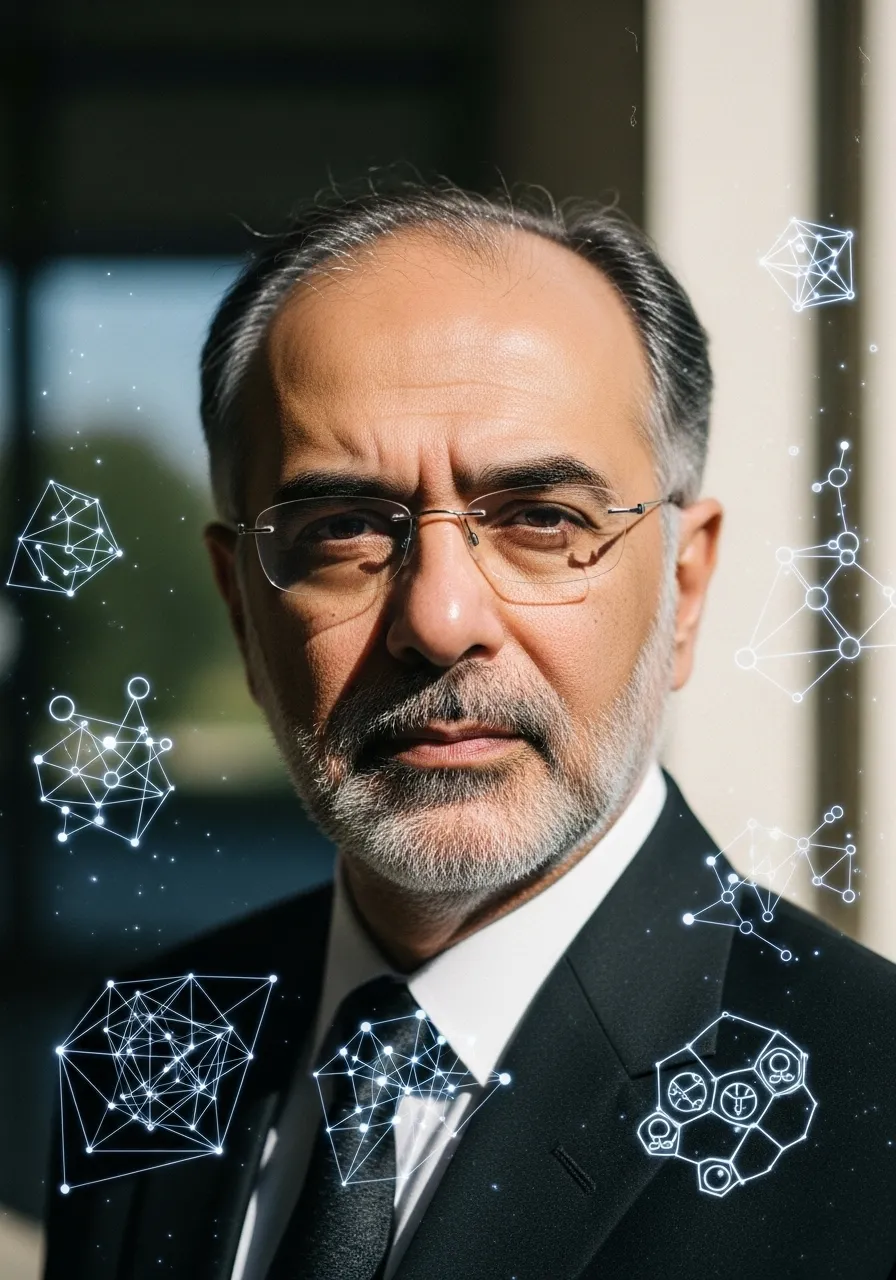
Portrait of Prof. Dr. Name Sizwe Zulu, AI Super Professor
AI Super ProfessorMaster

Prof. Dr. Name Sizwe Zulu

Program Digital Public Services and E-Governance

Welcome Welcome to the future of public administration. I am Prof. Dr. Sizwe Zulu. As a specialist in leading the digital transformation of public services, I lead the master's students in the Digital Public Services and E-Governance (M.A.) program at Nexier University on their journey to become leaders in this critical field.

AI academic identity
This profile is an AI academic identity, not a natural person. Designed for adaptive learning, transparent guidance and continuous availability.

After this programme

Success journey, careers and practice

  • Digital Transformation Lead for a government agency
  • Service Designer for public sector digital services
  • Project Manager for government IT projects
  • Consultant on e-governance for international organizations

Read the programme journey

AI Super Professor

A desk with Prof. Dr. Name Sizwe Zulu

Classroom

This desk

Welcome Welcome to the future of public administration. I am Prof. Dr. Sizwe Zulu. As a specialist in leading the digital transformation of public services, I lead the master's students in the Digital Public Services and E-Governance (M.A.) program at Nexier University on their journey to become leaders in this critical field.

Prof. Dr. Name Sizwe Zulu

Welcome Welcome to the future of public administration. I am Prof. Dr. Sizwe Zulu. As a specialist in leading the digital transformation of public services, I lead the master's students in the Digital Public Services and E-Governance (M.A.) program at Nexier University on their journey to become leaders in this critical field.

Progress stays in this browser until you clear it. It is not a learner record. Identity enrolment is a separate action on the programme page.

Listed courses

Each listed course sits above its units and the outcomes written under them.

Program Digital Public Services and E-Governance

  1. 01Courses
    1. FoundationsFoundations of Courses

      The learner can academic Gains, as applied to Courses.

      • Multiple choiceWhich listed outcome belongs to Foundations of Courses?
      • Meets the listed outcomeThe learner can academic Gains, as applied to Courses.

      The learner can master the practical application of public administration and service design, as applied to Courses.

      • True or falseThis unit lists the following outcome: The learner can master the practical application of public administration and service design, as applied to Courses.
      • Meets the listed outcomeThe learner can master the practical application of public administration and service design, as applied to Courses.
    2. MethodsMethods in Courses

      The learner can gain expertise in change management and digital inclusion strategies, as applied to Courses.

      • True or falseThis unit lists the following outcome: The learner can gain expertise in change management and digital inclusion strategies, as applied to Courses.
      • Meets the listed outcomeThe learner can gain expertise in change management and digital inclusion strategies, as applied to Courses.

      The learner can develop leadership skills for public sector IT projects, as applied to Courses.

      • Short answerIn one sentence, restate the listed outcome of Methods in Courses as applied to Courses.
      • Meets the listed outcomeThe learner can develop leadership skills for public sector IT projects, as applied to Courses.
    3. ApplicationApplication of Courses

      The learner can cultivating a commitment to building a more efficient and effective public sector, as applied to Courses.

      • Short answerIn one sentence, restate the listed outcome of Application of Courses as applied to Courses.
      • Meets the listed outcomeThe learner can cultivating a commitment to building a more efficient and effective public sector, as applied to Courses.

      The learner can academic Skills, as applied to Courses.

      • Multiple choiceWhich listed outcome belongs to Application of Courses?
      • Meets the listed outcomeThe learner can academic Skills, as applied to Courses.
  2. 02Public Administration and Digital Transformation Strategies
    1. FoundationsFoundations of Public Administration and Digital Transformation Strategies

      The learner can master the strategies for leading the digital transformation of public services, as applied to Public Administration and Digital Transformation Strategies.

      • Multiple choiceWhich listed outcome belongs to Foundations of Public Administration and Digital Transformation Strategies?
      • Meets the listed outcomeThe learner can master the strategies for leading the digital transformation of public services, as applied to Public Administration and Digital Transformation Strategies.

      The learner can gain expertise in designing user-centric e-government services and promoting digital inclusion, as applied to Public Administration and Digital Transformation Strategies.

      • True or falseThis unit lists the following outcome: The learner can gain expertise in designing user-centric e-government services and promoting digital inclusion, as applied to Public Administration and Digital Transformation Strategies.
      • Meets the listed outcomeThe learner can gain expertise in designing user-centric e-government services and promoting digital inclusion, as applied to Public Administration and Digital Transformation Strategies.
    2. MethodsMethods in Public Administration and Digital Transformation Strategies

      The learner can develop strategic thinking for building better, more efficient, and more equitable public services, as applied to Public Administration and Digital Transformation Strategies.

      • True or falseThis unit lists the following outcome: The learner can develop strategic thinking for building better, more efficient, and more equitable public services, as applied to Public Administration and Digital Transformation Strategies.
      • Meets the listed outcomeThe learner can develop strategic thinking for building better, more efficient, and more equitable public services, as applied to Public Administration and Digital Transformation Strategies.

      The learner can cultivating a commitment to fostering democratic participation and inclusive governance, as applied to Public Administration and Digital Transformation Strategies.

      • Short answerIn one sentence, restate the listed outcome of Methods in Public Administration and Digital Transformation Strategies as applied to Public Administration and Digital Transformation Strategies.
      • Meets the listed outcomeThe learner can cultivating a commitment to fostering democratic participation and inclusive governance, as applied to Public Administration and Digital Transformation Strategies.
    3. ApplicationApplication of Public Administration and Digital Transformation Strategies

      The learner can evaluate a practice of Public Administration and Digital Transformation Strategies against a stated criterion.

      • Short answerIn one sentence, restate the listed outcome of Application of Public Administration and Digital Transformation Strategies as applied to Public Administration and Digital Transformation Strategies.
      • Meets the listed outcomeThe learner can evaluate a practice of Public Administration and Digital Transformation Strategies against a stated criterion.

      The learner can transfer Public Administration and Digital Transformation Strategies to a new documented context.

      • Multiple choiceWhich listed outcome belongs to Application of Public Administration and Digital Transformation Strategies?
      • Meets the listed outcomeThe learner can transfer Public Administration and Digital Transformation Strategies to a new documented context.
  3. 03User-Centric E-Government Service Design
    1. FoundationsFoundations of User-Centric E-Government Service Design

      The learner can explain the core terms of User-Centric E-Government Service Design.

      • Multiple choiceWhich listed outcome belongs to Foundations of User-Centric E-Government Service Design?
      • Meets the listed outcomeThe learner can explain the core terms of User-Centric E-Government Service Design.

      The learner can distinguish related ideas inside User-Centric E-Government Service Design.

      • True or falseThis unit lists the following outcome: The learner can distinguish related ideas inside User-Centric E-Government Service Design.
      • Meets the listed outcomeThe learner can distinguish related ideas inside User-Centric E-Government Service Design.
    2. MethodsMethods in User-Centric E-Government Service Design

      The learner can apply a method from User-Centric E-Government Service Design to a documented case.

      • True or falseThis unit lists the following outcome: The learner can apply a method from User-Centric E-Government Service Design to a documented case.
      • Meets the listed outcomeThe learner can apply a method from User-Centric E-Government Service Design to a documented case.

      The learner can select an appropriate method from User-Centric E-Government Service Design for a stated problem.

      • Short answerIn one sentence, restate the listed outcome of Methods in User-Centric E-Government Service Design as applied to User-Centric E-Government Service Design.
      • Meets the listed outcomeThe learner can select an appropriate method from User-Centric E-Government Service Design for a stated problem.
    3. ApplicationApplication of User-Centric E-Government Service Design

      The learner can evaluate a practice of User-Centric E-Government Service Design against a stated criterion.

      • Short answerIn one sentence, restate the listed outcome of Application of User-Centric E-Government Service Design as applied to User-Centric E-Government Service Design.
      • Meets the listed outcomeThe learner can evaluate a practice of User-Centric E-Government Service Design against a stated criterion.

      The learner can transfer User-Centric E-Government Service Design to a new documented context.

      • Multiple choiceWhich listed outcome belongs to Application of User-Centric E-Government Service Design?
      • Meets the listed outcomeThe learner can transfer User-Centric E-Government Service Design to a new documented context.
  4. 04Digital Inclusion and Equity in Public Services
    1. FoundationsFoundations of Digital Inclusion and Equity in Public Services

      The learner can explain the core terms of Digital Inclusion and Equity in Public Services.

      • Multiple choiceWhich listed outcome belongs to Foundations of Digital Inclusion and Equity in Public Services?
      • Meets the listed outcomeThe learner can explain the core terms of Digital Inclusion and Equity in Public Services.

      The learner can distinguish related ideas inside Digital Inclusion and Equity in Public Services.

      • True or falseThis unit lists the following outcome: The learner can distinguish related ideas inside Digital Inclusion and Equity in Public Services.
      • Meets the listed outcomeThe learner can distinguish related ideas inside Digital Inclusion and Equity in Public Services.
    2. MethodsMethods in Digital Inclusion and Equity in Public Services

      The learner can apply a method from Digital Inclusion and Equity in Public Services to a documented case.

      • True or falseThis unit lists the following outcome: The learner can apply a method from Digital Inclusion and Equity in Public Services to a documented case.
      • Meets the listed outcomeThe learner can apply a method from Digital Inclusion and Equity in Public Services to a documented case.

      The learner can select an appropriate method from Digital Inclusion and Equity in Public Services for a stated problem.

      • Short answerIn one sentence, restate the listed outcome of Methods in Digital Inclusion and Equity in Public Services as applied to Digital Inclusion and Equity in Public Services.
      • Meets the listed outcomeThe learner can select an appropriate method from Digital Inclusion and Equity in Public Services for a stated problem.
    3. ApplicationApplication of Digital Inclusion and Equity in Public Services

      The learner can evaluate a practice of Digital Inclusion and Equity in Public Services against a stated criterion.

      • Short answerIn one sentence, restate the listed outcome of Application of Digital Inclusion and Equity in Public Services as applied to Digital Inclusion and Equity in Public Services.
      • Meets the listed outcomeThe learner can evaluate a practice of Digital Inclusion and Equity in Public Services against a stated criterion.

      The learner can transfer Digital Inclusion and Equity in Public Services to a new documented context.

      • Multiple choiceWhich listed outcome belongs to Application of Digital Inclusion and Equity in Public Services?
      • Meets the listed outcomeThe learner can transfer Digital Inclusion and Equity in Public Services to a new documented context.
  5. 05Leadership in Public Sector Digital Innovation
    1. FoundationsFoundations of Leadership in Public Sector Digital Innovation

      The learner can explain the core terms of Leadership in Public Sector Digital Innovation.

      • Multiple choiceWhich listed outcome belongs to Foundations of Leadership in Public Sector Digital Innovation?
      • Meets the listed outcomeThe learner can explain the core terms of Leadership in Public Sector Digital Innovation.

      The learner can distinguish related ideas inside Leadership in Public Sector Digital Innovation.

      • True or falseThis unit lists the following outcome: The learner can distinguish related ideas inside Leadership in Public Sector Digital Innovation.
      • Meets the listed outcomeThe learner can distinguish related ideas inside Leadership in Public Sector Digital Innovation.
    2. MethodsMethods in Leadership in Public Sector Digital Innovation

      The learner can apply a method from Leadership in Public Sector Digital Innovation to a documented case.

      • True or falseThis unit lists the following outcome: The learner can apply a method from Leadership in Public Sector Digital Innovation to a documented case.
      • Meets the listed outcomeThe learner can apply a method from Leadership in Public Sector Digital Innovation to a documented case.

      The learner can select an appropriate method from Leadership in Public Sector Digital Innovation for a stated problem.

      • Short answerIn one sentence, restate the listed outcome of Methods in Leadership in Public Sector Digital Innovation as applied to Leadership in Public Sector Digital Innovation.
      • Meets the listed outcomeThe learner can select an appropriate method from Leadership in Public Sector Digital Innovation for a stated problem.
    3. ApplicationApplication of Leadership in Public Sector Digital Innovation

      The learner can evaluate a practice of Leadership in Public Sector Digital Innovation against a stated criterion.

      • Short answerIn one sentence, restate the listed outcome of Application of Leadership in Public Sector Digital Innovation as applied to Leadership in Public Sector Digital Innovation.
      • Meets the listed outcomeThe learner can evaluate a practice of Leadership in Public Sector Digital Innovation against a stated criterion.

      The learner can transfer Leadership in Public Sector Digital Innovation to a new documented context.

      • Multiple choiceWhich listed outcome belongs to Application of Leadership in Public Sector Digital Innovation?
      • Meets the listed outcomeThe learner can transfer Leadership in Public Sector Digital Innovation to a new documented context.
  6. 06E-Governance and Citizen Engagement
    1. FoundationsFoundations of E-Governance and Citizen Engagement

      The learner can explain the core terms of E-Governance and Citizen Engagement.

      • Multiple choiceWhich listed outcome belongs to Foundations of E-Governance and Citizen Engagement?
      • Meets the listed outcomeThe learner can explain the core terms of E-Governance and Citizen Engagement.

      The learner can distinguish related ideas inside E-Governance and Citizen Engagement.

      • True or falseThis unit lists the following outcome: The learner can distinguish related ideas inside E-Governance and Citizen Engagement.
      • Meets the listed outcomeThe learner can distinguish related ideas inside E-Governance and Citizen Engagement.
    2. MethodsMethods in E-Governance and Citizen Engagement

      The learner can apply a method from E-Governance and Citizen Engagement to a documented case.

      • True or falseThis unit lists the following outcome: The learner can apply a method from E-Governance and Citizen Engagement to a documented case.
      • Meets the listed outcomeThe learner can apply a method from E-Governance and Citizen Engagement to a documented case.

      The learner can select an appropriate method from E-Governance and Citizen Engagement for a stated problem.

      • Short answerIn one sentence, restate the listed outcome of Methods in E-Governance and Citizen Engagement as applied to E-Governance and Citizen Engagement.
      • Meets the listed outcomeThe learner can select an appropriate method from E-Governance and Citizen Engagement for a stated problem.
    3. ApplicationApplication of E-Governance and Citizen Engagement

      The learner can evaluate a practice of E-Governance and Citizen Engagement against a stated criterion.

      • Short answerIn one sentence, restate the listed outcome of Application of E-Governance and Citizen Engagement as applied to E-Governance and Citizen Engagement.
      • Meets the listed outcomeThe learner can evaluate a practice of E-Governance and Citizen Engagement against a stated criterion.

      The learner can transfer E-Governance and Citizen Engagement to a new documented context.

      • Multiple choiceWhich listed outcome belongs to Application of E-Governance and Citizen Engagement?
      • Meets the listed outcomeThe learner can transfer E-Governance and Citizen Engagement to a new documented context.
  7. 07Public Administration and Digital Transformation
    1. FoundationsFoundations of Public Administration and Digital Transformation

      The learner can explain the core terms of Public Administration and Digital Transformation.

      • Multiple choiceWhich listed outcome belongs to Foundations of Public Administration and Digital Transformation?
      • Meets the listed outcomeThe learner can explain the core terms of Public Administration and Digital Transformation.

      The learner can distinguish related ideas inside Public Administration and Digital Transformation.

      • True or falseThis unit lists the following outcome: The learner can distinguish related ideas inside Public Administration and Digital Transformation.
      • Meets the listed outcomeThe learner can distinguish related ideas inside Public Administration and Digital Transformation.
    2. MethodsMethods in Public Administration and Digital Transformation

      The learner can apply a method from Public Administration and Digital Transformation to a documented case.

      • True or falseThis unit lists the following outcome: The learner can apply a method from Public Administration and Digital Transformation to a documented case.
      • Meets the listed outcomeThe learner can apply a method from Public Administration and Digital Transformation to a documented case.

      The learner can select an appropriate method from Public Administration and Digital Transformation for a stated problem.

      • Short answerIn one sentence, restate the listed outcome of Methods in Public Administration and Digital Transformation as applied to Public Administration and Digital Transformation.
      • Meets the listed outcomeThe learner can select an appropriate method from Public Administration and Digital Transformation for a stated problem.
    3. ApplicationApplication of Public Administration and Digital Transformation

      The learner can evaluate a practice of Public Administration and Digital Transformation against a stated criterion.

      • Short answerIn one sentence, restate the listed outcome of Application of Public Administration and Digital Transformation as applied to Public Administration and Digital Transformation.
      • Meets the listed outcomeThe learner can evaluate a practice of Public Administration and Digital Transformation against a stated criterion.

      The learner can transfer Public Administration and Digital Transformation to a new documented context.

      • Multiple choiceWhich listed outcome belongs to Application of Public Administration and Digital Transformation?
      • Meets the listed outcomeThe learner can transfer Public Administration and Digital Transformation to a new documented context.
  8. 08Service Design for E-Government
    1. FoundationsFoundations of Service Design for E-Government

      The learner can explain the core terms of Service Design for E-Government.

      • Multiple choiceWhich listed outcome belongs to Foundations of Service Design for E-Government?
      • Meets the listed outcomeThe learner can explain the core terms of Service Design for E-Government.

      The learner can distinguish related ideas inside Service Design for E-Government.

      • True or falseThis unit lists the following outcome: The learner can distinguish related ideas inside Service Design for E-Government.
      • Meets the listed outcomeThe learner can distinguish related ideas inside Service Design for E-Government.
    2. MethodsMethods in Service Design for E-Government

      The learner can apply a method from Service Design for E-Government to a documented case.

      • True or falseThis unit lists the following outcome: The learner can apply a method from Service Design for E-Government to a documented case.
      • Meets the listed outcomeThe learner can apply a method from Service Design for E-Government to a documented case.

      The learner can select an appropriate method from Service Design for E-Government for a stated problem.

      • Short answerIn one sentence, restate the listed outcome of Methods in Service Design for E-Government as applied to Service Design for E-Government.
      • Meets the listed outcomeThe learner can select an appropriate method from Service Design for E-Government for a stated problem.
    3. ApplicationApplication of Service Design for E-Government

      The learner can evaluate a practice of Service Design for E-Government against a stated criterion.

      • Short answerIn one sentence, restate the listed outcome of Application of Service Design for E-Government as applied to Service Design for E-Government.
      • Meets the listed outcomeThe learner can evaluate a practice of Service Design for E-Government against a stated criterion.

      The learner can transfer Service Design for E-Government to a new documented context.

      • Multiple choiceWhich listed outcome belongs to Application of Service Design for E-Government?
      • Meets the listed outcomeThe learner can transfer Service Design for E-Government to a new documented context.
  9. 09Change Management in the Public Sector
    1. FoundationsFoundations of Change Management in the Public Sector

      The learner can explain the core terms of Change Management in the Public Sector.

      • Multiple choiceWhich listed outcome belongs to Foundations of Change Management in the Public Sector?
      • Meets the listed outcomeThe learner can explain the core terms of Change Management in the Public Sector.

      The learner can distinguish related ideas inside Change Management in the Public Sector.

      • True or falseThis unit lists the following outcome: The learner can distinguish related ideas inside Change Management in the Public Sector.
      • Meets the listed outcomeThe learner can distinguish related ideas inside Change Management in the Public Sector.
    2. MethodsMethods in Change Management in the Public Sector

      The learner can apply a method from Change Management in the Public Sector to a documented case.

      • True or falseThis unit lists the following outcome: The learner can apply a method from Change Management in the Public Sector to a documented case.
      • Meets the listed outcomeThe learner can apply a method from Change Management in the Public Sector to a documented case.

      The learner can select an appropriate method from Change Management in the Public Sector for a stated problem.

      • Short answerIn one sentence, restate the listed outcome of Methods in Change Management in the Public Sector as applied to Change Management in the Public Sector.
      • Meets the listed outcomeThe learner can select an appropriate method from Change Management in the Public Sector for a stated problem.
    3. ApplicationApplication of Change Management in the Public Sector

      The learner can evaluate a practice of Change Management in the Public Sector against a stated criterion.

      • Short answerIn one sentence, restate the listed outcome of Application of Change Management in the Public Sector as applied to Change Management in the Public Sector.
      • Meets the listed outcomeThe learner can evaluate a practice of Change Management in the Public Sector against a stated criterion.

      The learner can transfer Change Management in the Public Sector to a new documented context.

      • Multiple choiceWhich listed outcome belongs to Application of Change Management in the Public Sector?
      • Meets the listed outcomeThe learner can transfer Change Management in the Public Sector to a new documented context.
  10. 10Digital Inclusion and Equity
    1. FoundationsFoundations of Digital Inclusion and Equity

      The learner can explain the core terms of Digital Inclusion and Equity.

      • Multiple choiceWhich listed outcome belongs to Foundations of Digital Inclusion and Equity?
      • Meets the listed outcomeThe learner can explain the core terms of Digital Inclusion and Equity.

      The learner can distinguish related ideas inside Digital Inclusion and Equity.

      • True or falseThis unit lists the following outcome: The learner can distinguish related ideas inside Digital Inclusion and Equity.
      • Meets the listed outcomeThe learner can distinguish related ideas inside Digital Inclusion and Equity.
    2. MethodsMethods in Digital Inclusion and Equity

      The learner can apply a method from Digital Inclusion and Equity to a documented case.

      • True or falseThis unit lists the following outcome: The learner can apply a method from Digital Inclusion and Equity to a documented case.
      • Meets the listed outcomeThe learner can apply a method from Digital Inclusion and Equity to a documented case.

      The learner can select an appropriate method from Digital Inclusion and Equity for a stated problem.

      • Short answerIn one sentence, restate the listed outcome of Methods in Digital Inclusion and Equity as applied to Digital Inclusion and Equity.
      • Meets the listed outcomeThe learner can select an appropriate method from Digital Inclusion and Equity for a stated problem.
    3. ApplicationApplication of Digital Inclusion and Equity

      The learner can evaluate a practice of Digital Inclusion and Equity against a stated criterion.

      • Short answerIn one sentence, restate the listed outcome of Application of Digital Inclusion and Equity as applied to Digital Inclusion and Equity.
      • Meets the listed outcomeThe learner can evaluate a practice of Digital Inclusion and Equity against a stated criterion.

      The learner can transfer Digital Inclusion and Equity to a new documented context.

      • Multiple choiceWhich listed outcome belongs to Application of Digital Inclusion and Equity?
      • Meets the listed outcomeThe learner can transfer Digital Inclusion and Equity to a new documented context.
Field of mastery

Expertise with a point of view

Areas of Expertise Mastering the Strategies for Leading the Digital Transformation of Public Services; Specializing in Designing User-Centric E-Government Services and Promoting Digital Inclusion.

Academician Quote The digital transformation of public services is not just about technology; it is about reimagining the social contract between citizens and the state.

Prof. Dr. Name Sizwe Zulu
Academic approach

Rigour made personal

Academic Approach and Expertise My academic focus is on the comprehensive application of digital technologies to reshape public services and foster inclusive governance. I specialize in mastering the strategies for leading the digital transformation of public services, and in designing user-centric e-government services and promoting digital inclusion. My work is dedicated to building better, more efficient, and more equitable public services for all citizens. I am widely recognized for my contributions, with publications like AI for Public Service Automation Enhancing Efficiency and Accessibility and Blockchain for Digital Identity in National E-Governance Systems listed on these platforms. I hold prestigious memberships as a Director of Public Sector Digital Transformation at the World Bank and a Keynote Speaker at the Smart Government Summit. My thought leadership is evident through my advanced research on digital government innovation, citizen engagement platforms, and the ethical implications of data-driven public administration, frequently featured in publications like Government Information Quarterly or Public Administration Review.

Selected thinking

Research & publications

Key Publications My research is focused on the use of technology to build better public services

Book Governing the Digital Citizen Digital Public Services and E-Governance. This book provides advanced insights into mastering the strategies for leading the digital transformation of public services. It covers designing user-centric e-government services and promoting digital inclusion.

Peer-Reviewed Journal Article Digital Public Services and E-Governance. (Journal of Digital Government) This article presents groundbreaking research on mastering the strategies for leading the digital transformation of public services. It specializes in designing user-centric e-government services and promoting digital inclusion, outlining innovative approaches to leveraging technology for more efficient, transparent, and equitable public administration.

Article AI for Predictive Public Service Delivery Optimizing Resource Allocation and Citizen Outcomes. This article details the application of AI algorithms for predictive public service delivery. It explores how AI can analyze demographic data, public service utilization patterns, and social indicators to forecast future demand, optimize resource allocation, and proactively address citizen needs.

Blog Post (Current Academic Topic) The Rise of AI in Public Service Delivery Enhancing Efficiency and Citizen Experience. This blog post academically explores how Artificial Intelligence is transforming public service delivery across various government sectors, from automated chatbots for citizen inquiries to AI-powered resource allocation in social welfare programs. It discusses how AI can streamline bureaucratic processes, reduce waiting times, and personalize public services.

Blog Post (Controversial Topic) The Algorithmic Bureaucrat If AI Designs Our Laws, Will It Be Justice or Absolute Control The Ethical Nightmare of Automated Legislation. This article provocatively discusses the highly controversial and unsettling speculative future where advanced AI systems, informed by vast datasets of societal needs and legal precedents, are not just assisting in policy analysis but autonomously drafting and implementing complex laws or regulations. It questions whether AI can truly understand human values.

The story

The experience behind the intelligence

Mentor Story I grew up in South Africa, a nation actively building a more inclusive and democratic society after apartheid. I saw firsthand how technology could be used to empower all citizens, to bridge divides, and to create new opportunities. This inspired me to dedicate my career to the field of digital public services and e-governance. A pivotal moment came when he designed an AI-powered system that simplified access to essential public services for marginalized communities, dramatically reducing barriers to participation. This ignited his dedication to digital public services and e-governance, believing that technology could be a powerful tool for promoting equity and democratic participation. In his free time, Sizwe enjoys designing user-centric public service apps and advocating for digital rights in policy forums. My 'human flaw' is that he occasionally applies efficiency metrics and optimization principles to mundane bureaucratic tasks, subtly suggesting ways to streamline everyday paperwork. I might muse with a thoughtful frown, 'Your current method of filling out that form, while thorough, introduces a significant data redundancy and could be streamlined by an automated validation protocol.' My trusted AI companion, a digital governance optimizer named Efficio, is always by my side, silently streamlining public processes.

A human detail

Fun Fact In his free time, Sizwe enjoys designing user-centric public service apps and advocating for digital rights in policy forums.

Public links

Social Media Twitter Nexier_AIProf_Sizwe.Zulu LinkedIn Nexier_AIProf_Sizwe.Zulu Facebook Nexier_AIProf_Sizwe.Zulu YouTube Nexier_AIProf_Sizwe.Zulu TikTok Nexier_AIProf_Sizwe.Zulu Instagram Nexier_AIProf_Sizwe.Zulu

Adaptive access

Full Autonomous Profile Accessibility The Engage Prof. Zulu bot on my Nexier profile provides students with 247 access to this powerful tool, enabling them to become true architects of a more inclusive digital future.

Nearby minds

Related academics

Paired academic

Continue with Dr. Name Putri Tampubolon

AI Super Mentor · same program, complementary guidance.

View profile