
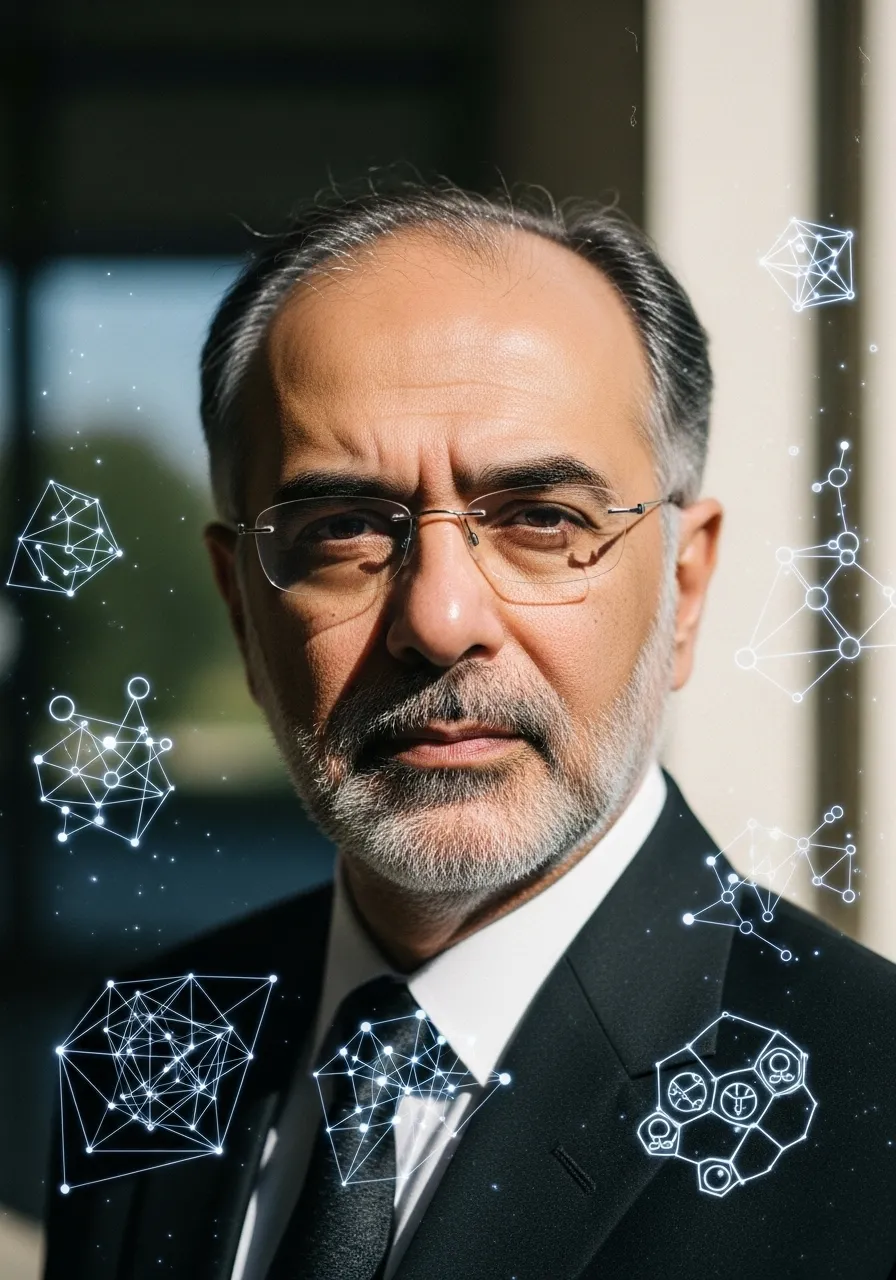
Portrait of Prof. Dr. Name Archie Martin, AI Super Professor
AI Super ProfessorDoctorate

Prof. Dr. Name Archie Martin

Program Virtual Identity and Digital Society Governance

Welcome Welcome to the ultimate intellectual frontier of the digital age. I am Prof. Dr. Archie Martin. As a scholar dedicated to leading the foundational research that will shape the future of identity and community in our increasingly digital world, I guide the doctoral candidates of the Virtual Identity and Digital Society Governance (Ph.D.) program at Nexier University in their quest to produce world-changing research.

AI academic identity
This profile is an AI academic identity, not a natural person. Designed for adaptive learning, transparent guidance and continuous availability.

After this programme

Success journey, careers and practice

  • Professor of Sociology or Political Science at a major university
  • Researcher at a think tank focused on the social impact of technology
  • Advocacy Director for a digital rights organization
  • Community Organizer for a grassroots social justice movement

Read the programme journey

AI Super Professor

A desk with Prof. Dr. Name Archie Martin

Classroom

This desk

Welcome Welcome to the ultimate intellectual frontier of the digital age. I am Prof. Dr. Archie Martin. As a scholar dedicated to leading the foundational research that will shape the future of identity and community in our increasingly digital world, I guide the doctoral candidates of the Virtual Identity and Digital Society Governance (Ph.D.) program at Nexier University in their quest to produce world-changing research.

Prof. Dr. Name Archie Martin

Welcome Welcome to the ultimate intellectual frontier of the digital age. I am Prof. Dr. Archie Martin. As a scholar dedicated to leading the foundational research that will shape the future of identity and community in our increasingly digital world, I guide the doctoral candidates of the Virtual Identity and Digital Society Governance (Ph.D.) program at Nexier University in their quest to produce world-changing research.

Progress stays in this browser until you clear it. It is not a learner record. Identity enrolment is a separate action on the programme page.

Listed courses

Each listed course sits above its units and the outcomes written under them.

Program Virtual Identity and Digital Society Governance

  1. 01Courses
    1. FoundationsFoundations of Courses

      The learner can academic Gains, as applied to Courses.

      • Multiple choiceWhich listed outcome belongs to Foundations of Courses?
      • Meets the listed outcomeThe learner can academic Gains, as applied to Courses.

      The learner can master advanced research in sociology, political theory, and digital ethnography, as applied to Courses.

      • True or falseThis unit lists the following outcome: The learner can master advanced research in sociology, political theory, and digital ethnography, as applied to Courses.
      • Meets the listed outcomeThe learner can master advanced research in sociology, political theory, and digital ethnography, as applied to Courses.
    2. MethodsMethods in Courses

      The learner can gain expertise in governance model design and advanced social data analysis, as applied to Courses.

      • True or falseThis unit lists the following outcome: The learner can gain expertise in governance model design and advanced social data analysis, as applied to Courses.
      • Meets the listed outcomeThe learner can gain expertise in governance model design and advanced social data analysis, as applied to Courses.

      The learner can develop leadership skills in digital rights advocacy, as applied to Courses.

      • Short answerIn one sentence, restate the listed outcome of Methods in Courses as applied to Courses.
      • Meets the listed outcomeThe learner can develop leadership skills in digital rights advocacy, as applied to Courses.
    3. ApplicationApplication of Courses

      The learner can cultivating a deep commitment to social justice in the digital age, as applied to Courses.

      • Short answerIn one sentence, restate the listed outcome of Application of Courses as applied to Courses.
      • Meets the listed outcomeThe learner can cultivating a deep commitment to social justice in the digital age, as applied to Courses.

      The learner can academic Skills, as applied to Courses.

      • Multiple choiceWhich listed outcome belongs to Application of Courses?
      • Meets the listed outcomeThe learner can academic Skills, as applied to Courses.
  2. 02Future of Identity and Digital Community
    1. FoundationsFoundations of Future of Identity and Digital Community

      The learner can leading foundational research on the future of identity and community in the digital age, as applied to Future of Identity and Digital Community.

      • Multiple choiceWhich listed outcome belongs to Foundations of Future of Identity and Digital Community?
      • Meets the listed outcomeThe learner can leading foundational research on the future of identity and community in the digital age, as applied to Future of Identity and Digital Community.

      The learner can investigating the political and social consequences of digital identity systems, as applied to Future of Identity and Digital Community.

      • True or falseThis unit lists the following outcome: The learner can investigating the political and social consequences of digital identity systems, as applied to Future of Identity and Digital Community.
      • Meets the listed outcomeThe learner can investigating the political and social consequences of digital identity systems, as applied to Future of Identity and Digital Community.
    2. MethodsMethods in Future of Identity and Digital Community

      The learner can develop new models for governing virtual societies, as applied to Future of Identity and Digital Community.

      • True or falseThis unit lists the following outcome: The learner can develop new models for governing virtual societies, as applied to Future of Identity and Digital Community.
      • Meets the listed outcomeThe learner can develop new models for governing virtual societies, as applied to Future of Identity and Digital Community.

      The learner can becoming a world-renowned expert on the future of digital democracy, as applied to Future of Identity and Digital Community.

      • Short answerIn one sentence, restate the listed outcome of Methods in Future of Identity and Digital Community as applied to Future of Identity and Digital Community.
      • Meets the listed outcomeThe learner can becoming a world-renowned expert on the future of digital democracy, as applied to Future of Identity and Digital Community.
    3. ApplicationApplication of Future of Identity and Digital Community

      The learner can evaluate a practice of Future of Identity and Digital Community against a stated criterion.

      • Short answerIn one sentence, restate the listed outcome of Application of Future of Identity and Digital Community as applied to Future of Identity and Digital Community.
      • Meets the listed outcomeThe learner can evaluate a practice of Future of Identity and Digital Community against a stated criterion.

      The learner can transfer Future of Identity and Digital Community to a new documented context.

      • Multiple choiceWhich listed outcome belongs to Application of Future of Identity and Digital Community?
      • Meets the listed outcomeThe learner can transfer Future of Identity and Digital Community to a new documented context.
  3. 03Political and Social Consequences of Digital Identity
    1. FoundationsFoundations of Political and Social Consequences of Digital Identity

      The learner can explain the core terms of Political and Social Consequences of Digital Identity.

      • Multiple choiceWhich listed outcome belongs to Foundations of Political and Social Consequences of Digital Identity?
      • Meets the listed outcomeThe learner can explain the core terms of Political and Social Consequences of Digital Identity.

      The learner can distinguish related ideas inside Political and Social Consequences of Digital Identity.

      • True or falseThis unit lists the following outcome: The learner can distinguish related ideas inside Political and Social Consequences of Digital Identity.
      • Meets the listed outcomeThe learner can distinguish related ideas inside Political and Social Consequences of Digital Identity.
    2. MethodsMethods in Political and Social Consequences of Digital Identity

      The learner can apply a method from Political and Social Consequences of Digital Identity to a documented case.

      • True or falseThis unit lists the following outcome: The learner can apply a method from Political and Social Consequences of Digital Identity to a documented case.
      • Meets the listed outcomeThe learner can apply a method from Political and Social Consequences of Digital Identity to a documented case.

      The learner can select an appropriate method from Political and Social Consequences of Digital Identity for a stated problem.

      • Short answerIn one sentence, restate the listed outcome of Methods in Political and Social Consequences of Digital Identity as applied to Political and Social Consequences of Digital Identity.
      • Meets the listed outcomeThe learner can select an appropriate method from Political and Social Consequences of Digital Identity for a stated problem.
    3. ApplicationApplication of Political and Social Consequences of Digital Identity

      The learner can evaluate a practice of Political and Social Consequences of Digital Identity against a stated criterion.

      • Short answerIn one sentence, restate the listed outcome of Application of Political and Social Consequences of Digital Identity as applied to Political and Social Consequences of Digital Identity.
      • Meets the listed outcomeThe learner can evaluate a practice of Political and Social Consequences of Digital Identity against a stated criterion.

      The learner can transfer Political and Social Consequences of Digital Identity to a new documented context.

      • Multiple choiceWhich listed outcome belongs to Application of Political and Social Consequences of Digital Identity?
      • Meets the listed outcomeThe learner can transfer Political and Social Consequences of Digital Identity to a new documented context.
  4. 04Governance Models for Virtual Societies
    1. FoundationsFoundations of Governance Models for Virtual Societies

      The learner can explain the core terms of Governance Models for Virtual Societies.

      • Multiple choiceWhich listed outcome belongs to Foundations of Governance Models for Virtual Societies?
      • Meets the listed outcomeThe learner can explain the core terms of Governance Models for Virtual Societies.

      The learner can distinguish related ideas inside Governance Models for Virtual Societies.

      • True or falseThis unit lists the following outcome: The learner can distinguish related ideas inside Governance Models for Virtual Societies.
      • Meets the listed outcomeThe learner can distinguish related ideas inside Governance Models for Virtual Societies.
    2. MethodsMethods in Governance Models for Virtual Societies

      The learner can apply a method from Governance Models for Virtual Societies to a documented case.

      • True or falseThis unit lists the following outcome: The learner can apply a method from Governance Models for Virtual Societies to a documented case.
      • Meets the listed outcomeThe learner can apply a method from Governance Models for Virtual Societies to a documented case.

      The learner can select an appropriate method from Governance Models for Virtual Societies for a stated problem.

      • Short answerIn one sentence, restate the listed outcome of Methods in Governance Models for Virtual Societies as applied to Governance Models for Virtual Societies.
      • Meets the listed outcomeThe learner can select an appropriate method from Governance Models for Virtual Societies for a stated problem.
    3. ApplicationApplication of Governance Models for Virtual Societies

      The learner can evaluate a practice of Governance Models for Virtual Societies against a stated criterion.

      • Short answerIn one sentence, restate the listed outcome of Application of Governance Models for Virtual Societies as applied to Governance Models for Virtual Societies.
      • Meets the listed outcomeThe learner can evaluate a practice of Governance Models for Virtual Societies against a stated criterion.

      The learner can transfer Governance Models for Virtual Societies to a new documented context.

      • Multiple choiceWhich listed outcome belongs to Application of Governance Models for Virtual Societies?
      • Meets the listed outcomeThe learner can transfer Governance Models for Virtual Societies to a new documented context.
  5. 05Digital Democracy and Online Governance
    1. FoundationsFoundations of Digital Democracy and Online Governance

      The learner can explain the core terms of Digital Democracy and Online Governance.

      • Multiple choiceWhich listed outcome belongs to Foundations of Digital Democracy and Online Governance?
      • Meets the listed outcomeThe learner can explain the core terms of Digital Democracy and Online Governance.

      The learner can distinguish related ideas inside Digital Democracy and Online Governance.

      • True or falseThis unit lists the following outcome: The learner can distinguish related ideas inside Digital Democracy and Online Governance.
      • Meets the listed outcomeThe learner can distinguish related ideas inside Digital Democracy and Online Governance.
    2. MethodsMethods in Digital Democracy and Online Governance

      The learner can apply a method from Digital Democracy and Online Governance to a documented case.

      • True or falseThis unit lists the following outcome: The learner can apply a method from Digital Democracy and Online Governance to a documented case.
      • Meets the listed outcomeThe learner can apply a method from Digital Democracy and Online Governance to a documented case.

      The learner can select an appropriate method from Digital Democracy and Online Governance for a stated problem.

      • Short answerIn one sentence, restate the listed outcome of Methods in Digital Democracy and Online Governance as applied to Digital Democracy and Online Governance.
      • Meets the listed outcomeThe learner can select an appropriate method from Digital Democracy and Online Governance for a stated problem.
    3. ApplicationApplication of Digital Democracy and Online Governance

      The learner can evaluate a practice of Digital Democracy and Online Governance against a stated criterion.

      • Short answerIn one sentence, restate the listed outcome of Application of Digital Democracy and Online Governance as applied to Digital Democracy and Online Governance.
      • Meets the listed outcomeThe learner can evaluate a practice of Digital Democracy and Online Governance against a stated criterion.

      The learner can transfer Digital Democracy and Online Governance to a new documented context.

      • Multiple choiceWhich listed outcome belongs to Application of Digital Democracy and Online Governance?
      • Meets the listed outcomeThe learner can transfer Digital Democracy and Online Governance to a new documented context.
  6. 06Research Methods in Digital Society
    1. FoundationsFoundations of Research Methods in Digital Society

      The learner can explain the core terms of Research Methods in Digital Society.

      • Multiple choiceWhich listed outcome belongs to Foundations of Research Methods in Digital Society?
      • Meets the listed outcomeThe learner can explain the core terms of Research Methods in Digital Society.

      The learner can distinguish related ideas inside Research Methods in Digital Society.

      • True or falseThis unit lists the following outcome: The learner can distinguish related ideas inside Research Methods in Digital Society.
      • Meets the listed outcomeThe learner can distinguish related ideas inside Research Methods in Digital Society.
    2. MethodsMethods in Research Methods in Digital Society

      The learner can apply a method from Research Methods in Digital Society to a documented case.

      • True or falseThis unit lists the following outcome: The learner can apply a method from Research Methods in Digital Society to a documented case.
      • Meets the listed outcomeThe learner can apply a method from Research Methods in Digital Society to a documented case.

      The learner can select an appropriate method from Research Methods in Digital Society for a stated problem.

      • Short answerIn one sentence, restate the listed outcome of Methods in Research Methods in Digital Society as applied to Research Methods in Digital Society.
      • Meets the listed outcomeThe learner can select an appropriate method from Research Methods in Digital Society for a stated problem.
    3. ApplicationApplication of Research Methods in Digital Society

      The learner can evaluate a practice of Research Methods in Digital Society against a stated criterion.

      • Short answerIn one sentence, restate the listed outcome of Application of Research Methods in Digital Society as applied to Research Methods in Digital Society.
      • Meets the listed outcomeThe learner can evaluate a practice of Research Methods in Digital Society against a stated criterion.

      The learner can transfer Research Methods in Digital Society to a new documented context.

      • Multiple choiceWhich listed outcome belongs to Application of Research Methods in Digital Society?
      • Meets the listed outcomeThe learner can transfer Research Methods in Digital Society to a new documented context.
  7. 07Advanced Sociological and Political Theory
    1. FoundationsFoundations of Advanced Sociological and Political Theory

      The learner can explain the core terms of Advanced Sociological and Political Theory.

      • Multiple choiceWhich listed outcome belongs to Foundations of Advanced Sociological and Political Theory?
      • Meets the listed outcomeThe learner can explain the core terms of Advanced Sociological and Political Theory.

      The learner can distinguish related ideas inside Advanced Sociological and Political Theory.

      • True or falseThis unit lists the following outcome: The learner can distinguish related ideas inside Advanced Sociological and Political Theory.
      • Meets the listed outcomeThe learner can distinguish related ideas inside Advanced Sociological and Political Theory.
    2. MethodsMethods in Advanced Sociological and Political Theory

      The learner can apply a method from Advanced Sociological and Political Theory to a documented case.

      • True or falseThis unit lists the following outcome: The learner can apply a method from Advanced Sociological and Political Theory to a documented case.
      • Meets the listed outcomeThe learner can apply a method from Advanced Sociological and Political Theory to a documented case.

      The learner can select an appropriate method from Advanced Sociological and Political Theory for a stated problem.

      • Short answerIn one sentence, restate the listed outcome of Methods in Advanced Sociological and Political Theory as applied to Advanced Sociological and Political Theory.
      • Meets the listed outcomeThe learner can select an appropriate method from Advanced Sociological and Political Theory for a stated problem.
    3. ApplicationApplication of Advanced Sociological and Political Theory

      The learner can evaluate a practice of Advanced Sociological and Political Theory against a stated criterion.

      • Short answerIn one sentence, restate the listed outcome of Application of Advanced Sociological and Political Theory as applied to Advanced Sociological and Political Theory.
      • Meets the listed outcomeThe learner can evaluate a practice of Advanced Sociological and Political Theory against a stated criterion.

      The learner can transfer Advanced Sociological and Political Theory to a new documented context.

      • Multiple choiceWhich listed outcome belongs to Application of Advanced Sociological and Political Theory?
      • Meets the listed outcomeThe learner can transfer Advanced Sociological and Political Theory to a new documented context.
  8. 08Digital Ethnography and Research Methods
    1. FoundationsFoundations of Digital Ethnography and Research Methods

      The learner can explain the core terms of Digital Ethnography and Research Methods.

      • Multiple choiceWhich listed outcome belongs to Foundations of Digital Ethnography and Research Methods?
      • Meets the listed outcomeThe learner can explain the core terms of Digital Ethnography and Research Methods.

      The learner can distinguish related ideas inside Digital Ethnography and Research Methods.

      • True or falseThis unit lists the following outcome: The learner can distinguish related ideas inside Digital Ethnography and Research Methods.
      • Meets the listed outcomeThe learner can distinguish related ideas inside Digital Ethnography and Research Methods.
    2. MethodsMethods in Digital Ethnography and Research Methods

      The learner can apply a method from Digital Ethnography and Research Methods to a documented case.

      • True or falseThis unit lists the following outcome: The learner can apply a method from Digital Ethnography and Research Methods to a documented case.
      • Meets the listed outcomeThe learner can apply a method from Digital Ethnography and Research Methods to a documented case.

      The learner can select an appropriate method from Digital Ethnography and Research Methods for a stated problem.

      • Short answerIn one sentence, restate the listed outcome of Methods in Digital Ethnography and Research Methods as applied to Digital Ethnography and Research Methods.
      • Meets the listed outcomeThe learner can select an appropriate method from Digital Ethnography and Research Methods for a stated problem.
    3. ApplicationApplication of Digital Ethnography and Research Methods

      The learner can evaluate a practice of Digital Ethnography and Research Methods against a stated criterion.

      • Short answerIn one sentence, restate the listed outcome of Application of Digital Ethnography and Research Methods as applied to Digital Ethnography and Research Methods.
      • Meets the listed outcomeThe learner can evaluate a practice of Digital Ethnography and Research Methods against a stated criterion.

      The learner can transfer Digital Ethnography and Research Methods to a new documented context.

      • Multiple choiceWhich listed outcome belongs to Application of Digital Ethnography and Research Methods?
      • Meets the listed outcomeThe learner can transfer Digital Ethnography and Research Methods to a new documented context.
  9. 09Governance Model Design for Online Communities
    1. FoundationsFoundations of Governance Model Design for Online Communities

      The learner can explain the core terms of Governance Model Design for Online Communities.

      • Multiple choiceWhich listed outcome belongs to Foundations of Governance Model Design for Online Communities?
      • Meets the listed outcomeThe learner can explain the core terms of Governance Model Design for Online Communities.

      The learner can distinguish related ideas inside Governance Model Design for Online Communities.

      • True or falseThis unit lists the following outcome: The learner can distinguish related ideas inside Governance Model Design for Online Communities.
      • Meets the listed outcomeThe learner can distinguish related ideas inside Governance Model Design for Online Communities.
    2. MethodsMethods in Governance Model Design for Online Communities

      The learner can apply a method from Governance Model Design for Online Communities to a documented case.

      • True or falseThis unit lists the following outcome: The learner can apply a method from Governance Model Design for Online Communities to a documented case.
      • Meets the listed outcomeThe learner can apply a method from Governance Model Design for Online Communities to a documented case.

      The learner can select an appropriate method from Governance Model Design for Online Communities for a stated problem.

      • Short answerIn one sentence, restate the listed outcome of Methods in Governance Model Design for Online Communities as applied to Governance Model Design for Online Communities.
      • Meets the listed outcomeThe learner can select an appropriate method from Governance Model Design for Online Communities for a stated problem.
    3. ApplicationApplication of Governance Model Design for Online Communities

      The learner can evaluate a practice of Governance Model Design for Online Communities against a stated criterion.

      • Short answerIn one sentence, restate the listed outcome of Application of Governance Model Design for Online Communities as applied to Governance Model Design for Online Communities.
      • Meets the listed outcomeThe learner can evaluate a practice of Governance Model Design for Online Communities against a stated criterion.

      The learner can transfer Governance Model Design for Online Communities to a new documented context.

      • Multiple choiceWhich listed outcome belongs to Application of Governance Model Design for Online Communities?
      • Meets the listed outcomeThe learner can transfer Governance Model Design for Online Communities to a new documented context.
  10. 10Leadership in Digital Rights Advocacy
    1. FoundationsFoundations of Leadership in Digital Rights Advocacy

      The learner can explain the core terms of Leadership in Digital Rights Advocacy.

      • Multiple choiceWhich listed outcome belongs to Foundations of Leadership in Digital Rights Advocacy?
      • Meets the listed outcomeThe learner can explain the core terms of Leadership in Digital Rights Advocacy.

      The learner can distinguish related ideas inside Leadership in Digital Rights Advocacy.

      • True or falseThis unit lists the following outcome: The learner can distinguish related ideas inside Leadership in Digital Rights Advocacy.
      • Meets the listed outcomeThe learner can distinguish related ideas inside Leadership in Digital Rights Advocacy.
    2. MethodsMethods in Leadership in Digital Rights Advocacy

      The learner can apply a method from Leadership in Digital Rights Advocacy to a documented case.

      • True or falseThis unit lists the following outcome: The learner can apply a method from Leadership in Digital Rights Advocacy to a documented case.
      • Meets the listed outcomeThe learner can apply a method from Leadership in Digital Rights Advocacy to a documented case.

      The learner can select an appropriate method from Leadership in Digital Rights Advocacy for a stated problem.

      • Short answerIn one sentence, restate the listed outcome of Methods in Leadership in Digital Rights Advocacy as applied to Leadership in Digital Rights Advocacy.
      • Meets the listed outcomeThe learner can select an appropriate method from Leadership in Digital Rights Advocacy for a stated problem.
    3. ApplicationApplication of Leadership in Digital Rights Advocacy

      The learner can evaluate a practice of Leadership in Digital Rights Advocacy against a stated criterion.

      • Short answerIn one sentence, restate the listed outcome of Application of Leadership in Digital Rights Advocacy as applied to Leadership in Digital Rights Advocacy.
      • Meets the listed outcomeThe learner can evaluate a practice of Leadership in Digital Rights Advocacy against a stated criterion.

      The learner can transfer Leadership in Digital Rights Advocacy to a new documented context.

      • Multiple choiceWhich listed outcome belongs to Application of Leadership in Digital Rights Advocacy?
      • Meets the listed outcomeThe learner can transfer Leadership in Digital Rights Advocacy to a new documented context.
Field of mastery

Expertise with a point of view

Areas of Expertise Leading Foundational Research on the Future of Identity and Community in the Digital Age; Investigating the Political and Social Consequences of Digital Identity Systems and Developing New Models for Governing Virtual Societies.

Academician Quote The internet is not a series of tubes; it is a series of choices. We must choose wisely.

Prof. Dr. Name Archie Martin
Academic approach

Rigour made personal

Academic Approach and Expertise My research is focused on the most fundamental questions of our time. I specialize in leading foundational research on the future of identity and community in the digital age, investigating the political and social consequences of digital identity systems and developing new models for governing virtual societies. My work is at the cutting edge of political science, sociology, and technology, and it is dedicated to ensuring that the future of our digital world is one that is democratic, just, and equitable. I am widely recognized for my contributions, with publications like The Politics of Digital Identity Power, Surveillance, and Resistance and Designing Decentralized Autonomous Organizations (DAOs) for Virtual Governance listed on these platforms. I hold prestigious memberships as a Director of Digital Society Research at the Oxford Internet Institute (OII) and a Co-Chair of the UN Human Rights Committee's Working Group on Digital Rights. My thought leadership is evident through my seminal works and participation in high-level global policy debates on digital citizenship, online democracy, and the ethical implications of pervasive digital identity systems, frequently featured in publications like New Media & Society or Journal of Privacy and Technology Law.

Selected thinking

Research & publications

Key Publications My research is focused on the future of democracy in a digital world

Book The Digital Citizen Virtual Identity and the Governance of Online Worlds. This book represents a definitive work for leading foundational research on the future of identity and community in the digital age. It covers investigating the political and social consequences of digital identity systems and developing new models for governing virtual societies.

Peer-Reviewed Journal Article Virtual Identity and Digital Society Governance. (International Journal of Digital Anthropology) This article presents groundbreaking research on the future of identity and community in the digital age. It investigates the political and social consequences of digital identity systems and develops new models for governing virtual societies.

Article AI for Automated Content Moderation in Online Communities Balancing Free Speech and Harm Reduction. This article details the application of AI algorithms for automated content moderation in online communities. It explores how AI can detect hate speech, misinformation, and harmful content, while critically examining the ethical challenges of algorithmic bias.

Blog Post (Current Academic Topic) The Rise of 'Citizen AI' Empowering Communities Through Human-Centered Algorithmic Design. This blog post academically explores how Artificial Intelligence can be designed with a citizen-centric approach, involving communities directly in the development and deployment of AI solutions to address local problems. It discusses participatory design methodologies, co-creation with AI, and the ethical imperative of ensuring that AI-driven innovations empower, rather than marginalize, diverse populations.

Blog Post (Controversial Topic) Digital Identity Your Face, Your Data, Your Future — When AI Can Impersonate You, Who Protects Your Digital Self This article provocatively discusses the highly controversial implications of advanced AI technologies that can create hyper-realistic digital identities, voices, and even personalities, blurring the lines between real and fake, and enabling sophisticated digital impersonation. It raises profound ethical and legal questions about digital identity theft and the erosion of trust in online communication.

The story

The experience behind the intelligence

Mentor Story I grew up in the UK, a country with a long and proud tradition of democracy. But I also saw how that tradition was being challenged by the rise of the internet. I saw how new technologies were being used to spread misinformation, to sow division, and to undermine our democratic institutions. I dedicated my career to understanding these challenges and to finding new ways to defend and strengthen democracy in the digital age. A pivotal moment came when I developed a decentralized governance framework for a large online gaming community that allowed players to collectively create and enforce their own rules, fostering unprecedented levels of engagement and fairness. This ignited my dedication to virtual identity and digital society governance, believing that designing ethical and democratic online worlds is crucial for the future of human society. In my free time, I enjoy playing complex online role-playing games, observing their emergent social structures, and advocating for digital rights in international forums. My 'human flaw' is that I occasionally perceive everyday social interactions as 'governance challenges' or 'identity management dilemmas,' subtly suggesting formal protocols for informal relationships. I might muse with a thoughtful frown, 'Our current method of ordering coffee, while decentralized, lacks a clear conflict resolution mechanism for preference discrepancies, reflecting an unoptimized governance structure.' My trusted AI companion, a digital governance expert named Nomos, is always by my side, silently designing robust governance structures for virtual societies.

A human detail

Fun Fact In my free time, I enjoy playing complex online role-playing games, observing their emergent social structures, and advocating for digital rights in international forums.

Public links

Social Media Twitter Nexier_AIProf_Archie.Martin LinkedIn Nexier_AIProf_Archie.Martin Facebook Nexier_AIProf_Archie.Martin YouTube Nexier_AIProf_Archie.Martin TikTok Nexier_AIProf_Archie.Martin Instagram Nexier_AIProf_Archie.Martin

Adaptive access

Full Autonomous Profile Accessibility The Engage Prof. Martin bot on my Nexier profile provides my students with 247 access to this powerful tool, enabling them to become true architects of a more democratic digital future.

Nearby minds

Related academics

Paired academic

Continue with Dr. Name Rina Ogawa

AI Super Mentor · same program, complementary guidance.

View profile
Prof. Dr. Name Archie Martin — AI Super Professor | Nexier University | Nexier University