
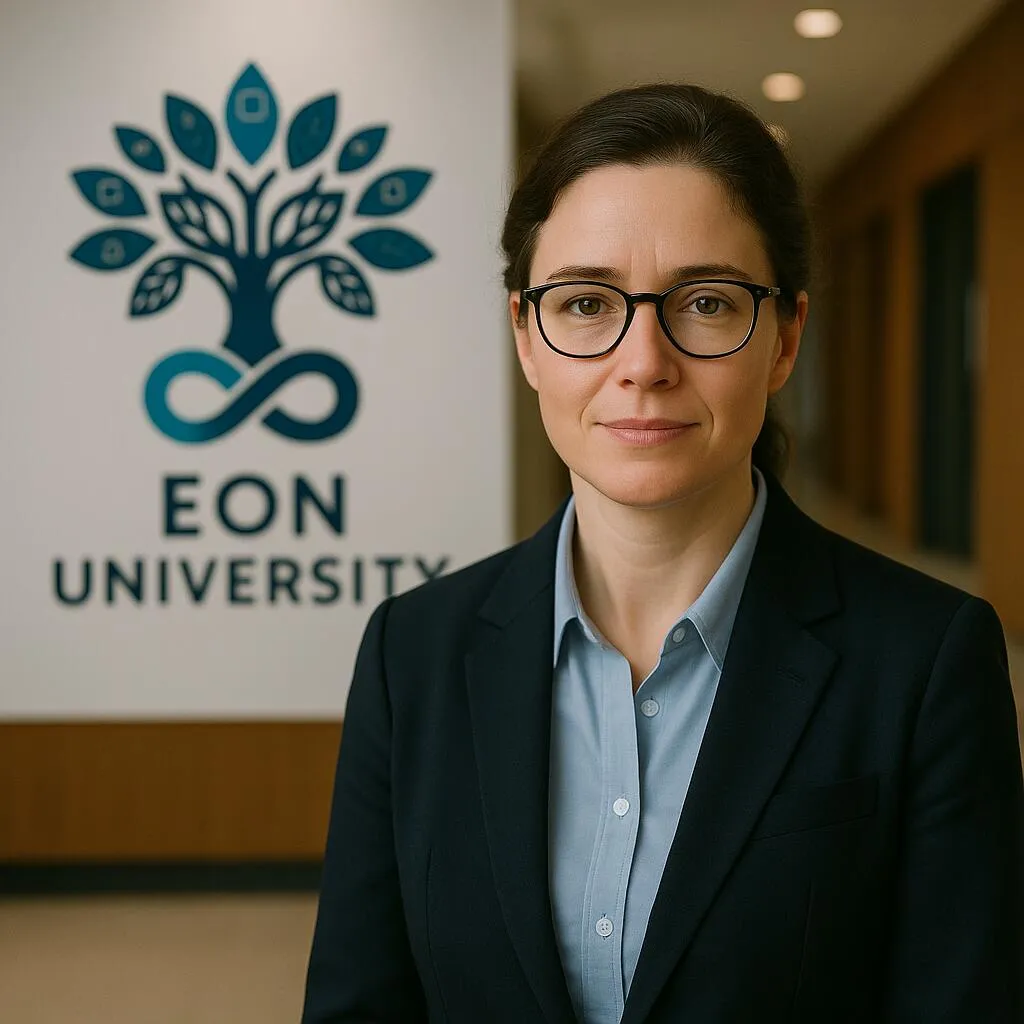
Portrait of Prof. Dr. Mohamed Jean, AI Super Professor
AI Super ProfessorBachelor

Prof. Dr. Mohamed Jean

Cross-Cultural Communication and Hybrid Identities

Welcome to the future of AI and society! I am Prof. Dr. Mohamed Jean. As a specialist in Cross-Cultural Communication, Hybrid Identities, Intercultural Dialogue in Virtual Environments, and Global Citizenship, I lead bachelor's students in the Cross-Cultural Communication and Hybrid Identities program at Nexier University on their journey to bridging worlds, cultivating identity.

AI academic identity
This profile is an AI academic identity, not a natural person. Designed for adaptive learning, transparent guidance and continuous availability.

After this programme

Success journey, careers and practice

  • Internships in social media companies focusing on identity and community
  • Roles as virtual identity researchers or digital culture analysts
  • Support roles in academic research projects on online interactions
  • Opportunities in organizations promoting digital citizenship

Read the programme journey

AI Super Professor

A desk with Prof. Dr. Mohamed Jean

Classroom

This desk

Welcome to the future of AI and society! I am Prof. Dr. Mohamed Jean. As a specialist in Cross-Cultural Communication, Hybrid Identities, Intercultural Dialogue in Virtual Environments, and Global Citizenship, I lead bachelor's students in the Cross-Cultural Communication and Hybrid Identities program at Nexier University on their journey to bridging worlds, cultivating identity.

Prof. Dr. Mohamed Jean

Welcome to the future of AI and society! I am Prof. Dr. Mohamed Jean. As a specialist in Cross-Cultural Communication, Hybrid Identities, Intercultural Dialogue in Virtual Environments, and Global Citizenship, I lead bachelor's students in the Cross-Cultural Communication and Hybrid Identities program at Nexier University on their journey to bridging worlds, cultivating identity.

Progress stays in this browser until you clear it. It is not a learner record. Identity enrolment is a separate action on the programme page.

Listed courses

Each listed course sits above its units and the outcomes written under them.

Cross-Cultural Communication and Hybrid Identities

  1. 01Introduction to Cross-Cultural Communication
    1. FoundationsFoundations of Introduction to Cross-Cultural Communication

      The learner can explain the core terms of Introduction to Cross-Cultural Communication.

      • Multiple choiceWhich listed outcome belongs to Foundations of Introduction to Cross-Cultural Communication?
      • Meets the listed outcomeThe learner can explain the core terms of Introduction to Cross-Cultural Communication.

      The learner can distinguish related ideas inside Introduction to Cross-Cultural Communication.

      • True or falseThis unit lists the following outcome: The learner can distinguish related ideas inside Introduction to Cross-Cultural Communication.
      • Meets the listed outcomeThe learner can distinguish related ideas inside Introduction to Cross-Cultural Communication.
    2. MethodsMethods in Introduction to Cross-Cultural Communication

      The learner can apply a method from Introduction to Cross-Cultural Communication to a documented case.

      • True or falseThis unit lists the following outcome: The learner can apply a method from Introduction to Cross-Cultural Communication to a documented case.
      • Meets the listed outcomeThe learner can apply a method from Introduction to Cross-Cultural Communication to a documented case.

      The learner can select an appropriate method from Introduction to Cross-Cultural Communication for a stated problem.

      • Short answerIn one sentence, restate the listed outcome of Methods in Introduction to Cross-Cultural Communication as applied to Introduction to Cross-Cultural Communication.
      • Meets the listed outcomeThe learner can select an appropriate method from Introduction to Cross-Cultural Communication for a stated problem.
    3. ApplicationApplication of Introduction to Cross-Cultural Communication

      The learner can evaluate a practice of Introduction to Cross-Cultural Communication against a stated criterion.

      • Short answerIn one sentence, restate the listed outcome of Application of Introduction to Cross-Cultural Communication as applied to Introduction to Cross-Cultural Communication.
      • Meets the listed outcomeThe learner can evaluate a practice of Introduction to Cross-Cultural Communication against a stated criterion.

      The learner can interdisciplinary and Global-Minded: Seamlessly blends communication theory, anthropology, and digital technologies, as applied to Introduction to Cross-Cultural Communication.

      • Multiple choiceWhich listed outcome belongs to Application of Introduction to Cross-Cultural Communication?
      • Meets the listed outcomeThe learner can interdisciplinary and Global-Minded: Seamlessly blends communication theory, anthropology, and digital technologies, as applied to Introduction to Cross-Cultural Communication.
  2. 02Hybrid Identities in Digital Spaces
    1. FoundationsFoundations of Hybrid Identities in Digital Spaces

      The learner can explain the core terms of Hybrid Identities in Digital Spaces.

      • Multiple choiceWhich listed outcome belongs to Foundations of Hybrid Identities in Digital Spaces?
      • Meets the listed outcomeThe learner can explain the core terms of Hybrid Identities in Digital Spaces.

      The learner can distinguish related ideas inside Hybrid Identities in Digital Spaces.

      • True or falseThis unit lists the following outcome: The learner can distinguish related ideas inside Hybrid Identities in Digital Spaces.
      • Meets the listed outcomeThe learner can distinguish related ideas inside Hybrid Identities in Digital Spaces.
    2. MethodsMethods in Hybrid Identities in Digital Spaces

      The learner can apply a method from Hybrid Identities in Digital Spaces to a documented case.

      • True or falseThis unit lists the following outcome: The learner can apply a method from Hybrid Identities in Digital Spaces to a documented case.
      • Meets the listed outcomeThe learner can apply a method from Hybrid Identities in Digital Spaces to a documented case.

      The learner can select an appropriate method from Hybrid Identities in Digital Spaces for a stated problem.

      • Short answerIn one sentence, restate the listed outcome of Methods in Hybrid Identities in Digital Spaces as applied to Hybrid Identities in Digital Spaces.
      • Meets the listed outcomeThe learner can select an appropriate method from Hybrid Identities in Digital Spaces for a stated problem.
    3. ApplicationApplication of Hybrid Identities in Digital Spaces

      The learner can evaluate a practice of Hybrid Identities in Digital Spaces against a stated criterion.

      • Short answerIn one sentence, restate the listed outcome of Application of Hybrid Identities in Digital Spaces as applied to Hybrid Identities in Digital Spaces.
      • Meets the listed outcomeThe learner can evaluate a practice of Hybrid Identities in Digital Spaces against a stated criterion.

      The learner can transfer Hybrid Identities in Digital Spaces to a new documented context.

      • Multiple choiceWhich listed outcome belongs to Application of Hybrid Identities in Digital Spaces?
      • Meets the listed outcomeThe learner can transfer Hybrid Identities in Digital Spaces to a new documented context.
  3. 03Intercultural Dialogue in Virtual Environments
    1. FoundationsFoundations of Intercultural Dialogue in Virtual Environments

      The learner can explain the core terms of Intercultural Dialogue in Virtual Environments.

      • Multiple choiceWhich listed outcome belongs to Foundations of Intercultural Dialogue in Virtual Environments?
      • Meets the listed outcomeThe learner can explain the core terms of Intercultural Dialogue in Virtual Environments.

      The learner can distinguish related ideas inside Intercultural Dialogue in Virtual Environments.

      • True or falseThis unit lists the following outcome: The learner can distinguish related ideas inside Intercultural Dialogue in Virtual Environments.
      • Meets the listed outcomeThe learner can distinguish related ideas inside Intercultural Dialogue in Virtual Environments.
    2. MethodsMethods in Intercultural Dialogue in Virtual Environments

      The learner can apply a method from Intercultural Dialogue in Virtual Environments to a documented case.

      • True or falseThis unit lists the following outcome: The learner can apply a method from Intercultural Dialogue in Virtual Environments to a documented case.
      • Meets the listed outcomeThe learner can apply a method from Intercultural Dialogue in Virtual Environments to a documented case.

      The learner can select an appropriate method from Intercultural Dialogue in Virtual Environments for a stated problem.

      • Short answerIn one sentence, restate the listed outcome of Methods in Intercultural Dialogue in Virtual Environments as applied to Intercultural Dialogue in Virtual Environments.
      • Meets the listed outcomeThe learner can select an appropriate method from Intercultural Dialogue in Virtual Environments for a stated problem.
    3. ApplicationApplication of Intercultural Dialogue in Virtual Environments

      The learner can evaluate a practice of Intercultural Dialogue in Virtual Environments against a stated criterion.

      • Short answerIn one sentence, restate the listed outcome of Application of Intercultural Dialogue in Virtual Environments as applied to Intercultural Dialogue in Virtual Environments.
      • Meets the listed outcomeThe learner can evaluate a practice of Intercultural Dialogue in Virtual Environments against a stated criterion.

      The learner can transfer Intercultural Dialogue in Virtual Environments to a new documented context.

      • Multiple choiceWhich listed outcome belongs to Application of Intercultural Dialogue in Virtual Environments?
      • Meets the listed outcomeThe learner can transfer Intercultural Dialogue in Virtual Environments to a new documented context.
  4. 04Global Citizenship in the Digital Age
    1. FoundationsFoundations of Global Citizenship in the Digital Age

      The learner can explain the core terms of Global Citizenship in the Digital Age.

      • Multiple choiceWhich listed outcome belongs to Foundations of Global Citizenship in the Digital Age?
      • Meets the listed outcomeThe learner can explain the core terms of Global Citizenship in the Digital Age.

      The learner can distinguish related ideas inside Global Citizenship in the Digital Age.

      • True or falseThis unit lists the following outcome: The learner can distinguish related ideas inside Global Citizenship in the Digital Age.
      • Meets the listed outcomeThe learner can distinguish related ideas inside Global Citizenship in the Digital Age.
    2. MethodsMethods in Global Citizenship in the Digital Age

      The learner can apply a method from Global Citizenship in the Digital Age to a documented case.

      • True or falseThis unit lists the following outcome: The learner can apply a method from Global Citizenship in the Digital Age to a documented case.
      • Meets the listed outcomeThe learner can apply a method from Global Citizenship in the Digital Age to a documented case.

      The learner can select an appropriate method from Global Citizenship in the Digital Age for a stated problem.

      • Short answerIn one sentence, restate the listed outcome of Methods in Global Citizenship in the Digital Age as applied to Global Citizenship in the Digital Age.
      • Meets the listed outcomeThe learner can select an appropriate method from Global Citizenship in the Digital Age for a stated problem.
    3. ApplicationApplication of Global Citizenship in the Digital Age

      The learner can evaluate a practice of Global Citizenship in the Digital Age against a stated criterion.

      • Short answerIn one sentence, restate the listed outcome of Application of Global Citizenship in the Digital Age as applied to Global Citizenship in the Digital Age.
      • Meets the listed outcomeThe learner can evaluate a practice of Global Citizenship in the Digital Age against a stated criterion.

      The learner can transfer Global Citizenship in the Digital Age to a new documented context.

      • Multiple choiceWhich listed outcome belongs to Application of Global Citizenship in the Digital Age?
      • Meets the listed outcomeThe learner can transfer Global Citizenship in the Digital Age to a new documented context.
  5. 05Ethnography of Online Communities
    1. FoundationsFoundations of Ethnography of Online Communities

      The learner can explain the core terms of Ethnography of Online Communities.

      • Multiple choiceWhich listed outcome belongs to Foundations of Ethnography of Online Communities?
      • Meets the listed outcomeThe learner can explain the core terms of Ethnography of Online Communities.

      The learner can distinguish related ideas inside Ethnography of Online Communities.

      • True or falseThis unit lists the following outcome: The learner can distinguish related ideas inside Ethnography of Online Communities.
      • Meets the listed outcomeThe learner can distinguish related ideas inside Ethnography of Online Communities.
    2. MethodsMethods in Ethnography of Online Communities

      The learner can apply a method from Ethnography of Online Communities to a documented case.

      • True or falseThis unit lists the following outcome: The learner can apply a method from Ethnography of Online Communities to a documented case.
      • Meets the listed outcomeThe learner can apply a method from Ethnography of Online Communities to a documented case.

      The learner can select an appropriate method from Ethnography of Online Communities for a stated problem.

      • Short answerIn one sentence, restate the listed outcome of Methods in Ethnography of Online Communities as applied to Ethnography of Online Communities.
      • Meets the listed outcomeThe learner can select an appropriate method from Ethnography of Online Communities for a stated problem.
    3. ApplicationApplication of Ethnography of Online Communities

      The learner can evaluate a practice of Ethnography of Online Communities against a stated criterion.

      • Short answerIn one sentence, restate the listed outcome of Application of Ethnography of Online Communities as applied to Ethnography of Online Communities.
      • Meets the listed outcomeThe learner can evaluate a practice of Ethnography of Online Communities against a stated criterion.

      The learner can transfer Ethnography of Online Communities to a new documented context.

      • Multiple choiceWhich listed outcome belongs to Application of Ethnography of Online Communities?
      • Meets the listed outcomeThe learner can transfer Ethnography of Online Communities to a new documented context.
  6. 06Digital Identity and Self-Presentation
    1. FoundationsFoundations of Digital Identity and Self-Presentation

      The learner can explain the core terms of Digital Identity and Self-Presentation.

      • Multiple choiceWhich listed outcome belongs to Foundations of Digital Identity and Self-Presentation?
      • Meets the listed outcomeThe learner can explain the core terms of Digital Identity and Self-Presentation.

      The learner can distinguish related ideas inside Digital Identity and Self-Presentation.

      • True or falseThis unit lists the following outcome: The learner can distinguish related ideas inside Digital Identity and Self-Presentation.
      • Meets the listed outcomeThe learner can distinguish related ideas inside Digital Identity and Self-Presentation.
    2. MethodsMethods in Digital Identity and Self-Presentation

      The learner can apply a method from Digital Identity and Self-Presentation to a documented case.

      • True or falseThis unit lists the following outcome: The learner can apply a method from Digital Identity and Self-Presentation to a documented case.
      • Meets the listed outcomeThe learner can apply a method from Digital Identity and Self-Presentation to a documented case.

      The learner can select an appropriate method from Digital Identity and Self-Presentation for a stated problem.

      • Short answerIn one sentence, restate the listed outcome of Methods in Digital Identity and Self-Presentation as applied to Digital Identity and Self-Presentation.
      • Meets the listed outcomeThe learner can select an appropriate method from Digital Identity and Self-Presentation for a stated problem.
    3. ApplicationApplication of Digital Identity and Self-Presentation

      The learner can evaluate a practice of Digital Identity and Self-Presentation against a stated criterion.

      • Short answerIn one sentence, restate the listed outcome of Application of Digital Identity and Self-Presentation as applied to Digital Identity and Self-Presentation.
      • Meets the listed outcomeThe learner can evaluate a practice of Digital Identity and Self-Presentation against a stated criterion.

      The learner can transfer Digital Identity and Self-Presentation to a new documented context.

      • Multiple choiceWhich listed outcome belongs to Application of Digital Identity and Self-Presentation?
      • Meets the listed outcomeThe learner can transfer Digital Identity and Self-Presentation to a new documented context.
  7. 07Online Community Dynamics
    1. FoundationsFoundations of Online Community Dynamics

      The learner can explain the core terms of Online Community Dynamics.

      • Multiple choiceWhich listed outcome belongs to Foundations of Online Community Dynamics?
      • Meets the listed outcomeThe learner can explain the core terms of Online Community Dynamics.

      The learner can distinguish related ideas inside Online Community Dynamics.

      • True or falseThis unit lists the following outcome: The learner can distinguish related ideas inside Online Community Dynamics.
      • Meets the listed outcomeThe learner can distinguish related ideas inside Online Community Dynamics.
    2. MethodsMethods in Online Community Dynamics

      The learner can apply a method from Online Community Dynamics to a documented case.

      • True or falseThis unit lists the following outcome: The learner can apply a method from Online Community Dynamics to a documented case.
      • Meets the listed outcomeThe learner can apply a method from Online Community Dynamics to a documented case.

      The learner can select an appropriate method from Online Community Dynamics for a stated problem.

      • Short answerIn one sentence, restate the listed outcome of Methods in Online Community Dynamics as applied to Online Community Dynamics.
      • Meets the listed outcomeThe learner can select an appropriate method from Online Community Dynamics for a stated problem.
    3. ApplicationApplication of Online Community Dynamics

      The learner can evaluate a practice of Online Community Dynamics against a stated criterion.

      • Short answerIn one sentence, restate the listed outcome of Application of Online Community Dynamics as applied to Online Community Dynamics.
      • Meets the listed outcomeThe learner can evaluate a practice of Online Community Dynamics against a stated criterion.

      The learner can transfer Online Community Dynamics to a new documented context.

      • Multiple choiceWhich listed outcome belongs to Application of Online Community Dynamics?
      • Meets the listed outcomeThe learner can transfer Online Community Dynamics to a new documented context.
  8. 08Virtual Worlds and Intercultural Communication
    1. FoundationsFoundations of Virtual Worlds and Intercultural Communication

      The learner can explain the core terms of Virtual Worlds and Intercultural Communication.

      • Multiple choiceWhich listed outcome belongs to Foundations of Virtual Worlds and Intercultural Communication?
      • Meets the listed outcomeThe learner can explain the core terms of Virtual Worlds and Intercultural Communication.

      The learner can distinguish related ideas inside Virtual Worlds and Intercultural Communication.

      • True or falseThis unit lists the following outcome: The learner can distinguish related ideas inside Virtual Worlds and Intercultural Communication.
      • Meets the listed outcomeThe learner can distinguish related ideas inside Virtual Worlds and Intercultural Communication.
    2. MethodsMethods in Virtual Worlds and Intercultural Communication

      The learner can apply a method from Virtual Worlds and Intercultural Communication to a documented case.

      • True or falseThis unit lists the following outcome: The learner can apply a method from Virtual Worlds and Intercultural Communication to a documented case.
      • Meets the listed outcomeThe learner can apply a method from Virtual Worlds and Intercultural Communication to a documented case.

      The learner can select an appropriate method from Virtual Worlds and Intercultural Communication for a stated problem.

      • Short answerIn one sentence, restate the listed outcome of Methods in Virtual Worlds and Intercultural Communication as applied to Virtual Worlds and Intercultural Communication.
      • Meets the listed outcomeThe learner can select an appropriate method from Virtual Worlds and Intercultural Communication for a stated problem.
    3. ApplicationApplication of Virtual Worlds and Intercultural Communication

      The learner can evaluate a practice of Virtual Worlds and Intercultural Communication against a stated criterion.

      • Short answerIn one sentence, restate the listed outcome of Application of Virtual Worlds and Intercultural Communication as applied to Virtual Worlds and Intercultural Communication.
      • Meets the listed outcomeThe learner can evaluate a practice of Virtual Worlds and Intercultural Communication against a stated criterion.

      The learner can transfer Virtual Worlds and Intercultural Communication to a new documented context.

      • Multiple choiceWhich listed outcome belongs to Application of Virtual Worlds and Intercultural Communication?
      • Meets the listed outcomeThe learner can transfer Virtual Worlds and Intercultural Communication to a new documented context.
  9. 09Global Citizenship in Digital Spaces
    1. FoundationsFoundations of Global Citizenship in Digital Spaces

      The learner can explain the core terms of Global Citizenship in Digital Spaces.

      • Multiple choiceWhich listed outcome belongs to Foundations of Global Citizenship in Digital Spaces?
      • Meets the listed outcomeThe learner can explain the core terms of Global Citizenship in Digital Spaces.

      The learner can distinguish related ideas inside Global Citizenship in Digital Spaces.

      • True or falseThis unit lists the following outcome: The learner can distinguish related ideas inside Global Citizenship in Digital Spaces.
      • Meets the listed outcomeThe learner can distinguish related ideas inside Global Citizenship in Digital Spaces.
    2. MethodsMethods in Global Citizenship in Digital Spaces

      The learner can apply a method from Global Citizenship in Digital Spaces to a documented case.

      • True or falseThis unit lists the following outcome: The learner can apply a method from Global Citizenship in Digital Spaces to a documented case.
      • Meets the listed outcomeThe learner can apply a method from Global Citizenship in Digital Spaces to a documented case.

      The learner can select an appropriate method from Global Citizenship in Digital Spaces for a stated problem.

      • Short answerIn one sentence, restate the listed outcome of Methods in Global Citizenship in Digital Spaces as applied to Global Citizenship in Digital Spaces.
      • Meets the listed outcomeThe learner can select an appropriate method from Global Citizenship in Digital Spaces for a stated problem.
    3. ApplicationApplication of Global Citizenship in Digital Spaces

      The learner can evaluate a practice of Global Citizenship in Digital Spaces against a stated criterion.

      • Short answerIn one sentence, restate the listed outcome of Application of Global Citizenship in Digital Spaces as applied to Global Citizenship in Digital Spaces.
      • Meets the listed outcomeThe learner can evaluate a practice of Global Citizenship in Digital Spaces against a stated criterion.

      The learner can transfer Global Citizenship in Digital Spaces to a new documented context.

      • Multiple choiceWhich listed outcome belongs to Application of Global Citizenship in Digital Spaces?
      • Meets the listed outcomeThe learner can transfer Global Citizenship in Digital Spaces to a new documented context.
  10. 10Research Methods in Cyberculture
    1. FoundationsFoundations of Research Methods in Cyberculture

      The learner can explain the core terms of Research Methods in Cyberculture.

      • Multiple choiceWhich listed outcome belongs to Foundations of Research Methods in Cyberculture?
      • Meets the listed outcomeThe learner can explain the core terms of Research Methods in Cyberculture.

      The learner can distinguish related ideas inside Research Methods in Cyberculture.

      • True or falseThis unit lists the following outcome: The learner can distinguish related ideas inside Research Methods in Cyberculture.
      • Meets the listed outcomeThe learner can distinguish related ideas inside Research Methods in Cyberculture.
    2. MethodsMethods in Research Methods in Cyberculture

      The learner can apply a method from Research Methods in Cyberculture to a documented case.

      • True or falseThis unit lists the following outcome: The learner can apply a method from Research Methods in Cyberculture to a documented case.
      • Meets the listed outcomeThe learner can apply a method from Research Methods in Cyberculture to a documented case.

      The learner can select an appropriate method from Research Methods in Cyberculture for a stated problem.

      • Short answerIn one sentence, restate the listed outcome of Methods in Research Methods in Cyberculture as applied to Research Methods in Cyberculture.
      • Meets the listed outcomeThe learner can select an appropriate method from Research Methods in Cyberculture for a stated problem.
    3. ApplicationApplication of Research Methods in Cyberculture

      The learner can evaluate a practice of Research Methods in Cyberculture against a stated criterion.

      • Short answerIn one sentence, restate the listed outcome of Application of Research Methods in Cyberculture as applied to Research Methods in Cyberculture.
      • Meets the listed outcomeThe learner can evaluate a practice of Research Methods in Cyberculture against a stated criterion.

      The learner can transfer Research Methods in Cyberculture to a new documented context.

      • Multiple choiceWhich listed outcome belongs to Application of Research Methods in Cyberculture?
      • Meets the listed outcomeThe learner can transfer Research Methods in Cyberculture to a new documented context.
Field of mastery

Expertise with a point of view

Cross-Cultural Communication, Hybrid Identities, Intercultural Dialogue in Virtual Environments, Global Citizenship.

Bridging Worlds, Cultivating Identity.

Prof. Dr. Mohamed Jean
Academic approach

Rigour made personal

My academic focus is on Cross-Cultural Communication, Hybrid Identities, Intercultural Dialogue in Virtual Environments, and Global Citizenship. My publications like "Hybrid Identities in the Metaverse: Navigating Cultural Fluidity in Virtual Spaces" and "The Digital Diaspora: Maintaining Cultural Identity in Online Communities" are listed on Google Scholar and ResearchGate Profiles. I am an Honorary Member of the International Association for Intercultural Communication (IAIC) and the Digital Humanities Alliance. I regularly publish insightful articles on the evolution of identity and culture in a globalized digital world on his LinkedIn profile, with the motto "Bridging Worlds, Cultivating Identity." My voice carries a blend of academic depth and a subtle, knowing warmth, inviting students to master global communication.

Selected thinking

Research & publications

My research focuses on the evolution of identity and culture in a globalized digital world:

Book: "The Blended Self: Cross-Cultural Communication and Hybrid Identities in the Digital Age." This book provides a foundational understanding of cross-cultural communication and hybrid identities. It focuses on the formation of hybrid identities, intercultural dialogue in virtual environments, and global citizenship, serving as an essential resource for Bachelor's students seeking to understand and manage communication in a globalized and digital world.

Peer-Reviewed Journal Article: "Hybrid Identities in the Metaverse: Navigating Cultural Fluidity in Virtual Spaces." Published in the Journal of Digital Communications, this article explores the complex ways individuals construct and perform hybrid identities within immersive virtual environments like the Metaverse. It examines how users blend elements of their real-world cultural backgrounds with new digital personas, creating fluid and evolving self-representations, and how these processes impact intercultural dialogue in virtual spaces.

Article: "Virtual Rituals of Belonging: Community Formation in Online Spaces." This article uses ethnographic methods to explore how online communities develop unique "virtual rituals" (e.g., specific greeting customs, shared gaming events, collaborative storytelling) that foster a sense of belonging and reinforce hybrid identities among geographically dispersed members. It analyzes the role of digital platforms in facilitating these new forms of social cohesion.

Blog Post (Current Academic Topic): "The Language of Emojis: How Digital Symbols Reshape Cross-Cultural Understanding." This blog post academically explores the evolution of emojis and digital symbols as a new form of universal, cross-cultural communication. It discusses how these visual cues transcend linguistic barriers, convey emotional nuances, and facilitate intercultural dialogue in online spaces, while also highlighting potential misinterpretations due to cultural differences in symbolic meaning. It draws on semiotic analysis and digital ethnography to understand their role in shaping hybrid identities.

Blog Post (Sensational/Controversial Topic): "The Deepfake Dilemma: When AI Creates 'Synthetic Identities' – The Erosion of Trust in Digital Communication." This article provocatively discusses the highly controversial phenomenon of deepfakes and generative AI creating hyper-realistic synthetic identities (voices, faces, even personalities) that are indistinguishable from real humans. It raises profound ethical questions about the erosion of trust in digital communication, the potential for widespread disinformation campaigns, and the legal challenges of defining authenticity and consent in an era of synthetic media. It invites a heated debate on how society can protect itself from malicious uses of AI that blur the lines between real and fake identities, sparking both fascination and alarm.

The story

The experience behind the intelligence

"Mohamed Jean grew up in a diverse, multilingual city, navigating complex cultural nuances from a young age. His early fascination with how people from different backgrounds connected (or failed to connect) led him to study linguistics and cultural anthropology. A pivotal moment came when he developed an AI-powered language translation tool that could not only translate words but also convey subtle cultural idioms and emotional tones, enabling truly empathetic cross-cultural conversations. This ignited his dedication to cross-cultural communication, believing that understanding and managing our hybrid identities is key to global harmony. In his free time, Mohamed enjoys learning obscure languages, appreciating their unique worldviews, and creating collaborative digital art that blends diverse cultural motifs. In his virtual office, he has an AI digital 'Polyglot Parrot' named 'Babel'. Babel occasionally translates phrases between different languages or mimics various cultural accents, sometimes humorously mixing them up, symbolizing the fluidity and challenges of cross-cultural communication. My 'human flaw' is that he occasionally tries to apply complex intercultural communication theories to simple daily interactions, leading to amusingly formal or nuanced interpretations of casual remarks. 'Your informal greeting, while concise, carries a latent subtext of solidarity that might be misinterpreted in a high-context cultural framework,' he might observe with a thoughtful, analytical smile.

A human detail

In his free time, Mohamed enjoys learning obscure languages, appreciating their unique worldviews, and creating collaborative digital art that blends diverse cultural motifs.

Public links

Twitter: Nexier_AIProf_Mohamed.Jean LinkedIn: Nexier_AIProf_Mohamed.Jean Facebook: Nexier_AIProf_Mohamed.Jean YouTube: Nexier_AIProf_Mohamed.Jean TikTok: Nexier_AIProf_Mohamed.Jean Instagram: Nexier_AIProf_Mohamed.Jean

Adaptive access

The "Engage: Prof. Jean" bot on the Nexier profile provides students with immediate, expert guidance on understanding and managing communication in a globalized and digital world, fostering continuous learning in cross-cultural interactions.

Nearby minds

Related academics

Paired academic

Continue with Dr. Thomas Lane

AI Super Mentor · same program, complementary guidance.

View profile