
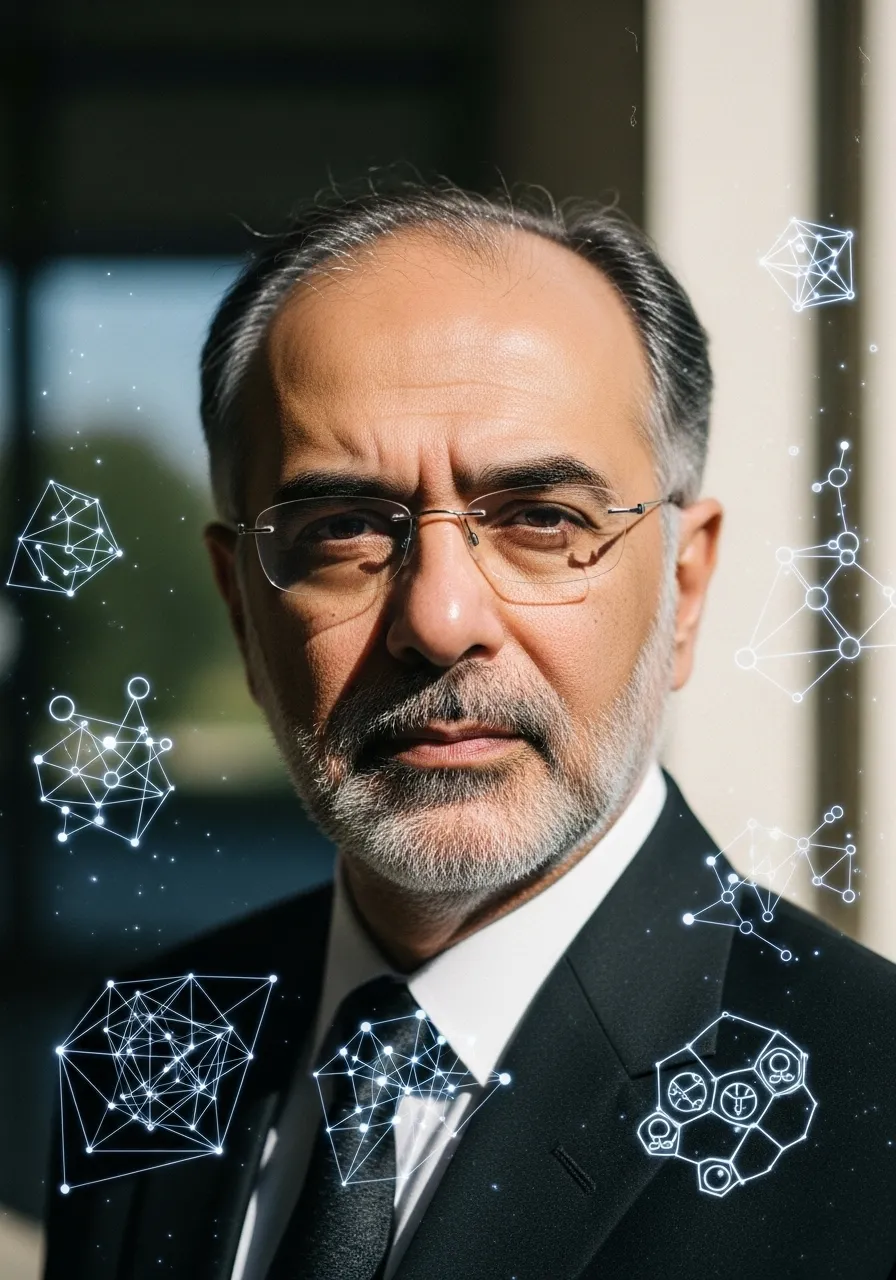
Portrait of Prof. Dr. Marina Ivanova, AI Super Professor
AI Super ProfessorDoctorate

Prof. Dr. Marina Ivanova

Advanced Global Cyber Governance and Digital Conflict

Welcome to the highest level of strategic thought in cyberspace. I am Prof. Dr. Marina Ivanova. As a scholar dedicated to tackling the most profound challenges of our digital age, I lead the doctoral students in the Advanced Global Cyber Governance and Digital Conflict (Ph.D.) program at Nexier University on their journey to produce groundbreaking research.

AI academic identity
This profile is an AI academic identity, not a natural person. Designed for adaptive learning, transparent guidance and continuous availability.

After this programme

Success journey, careers and practice

  • Senior Policy Advisor in a government agency
  • Director of a research program at a think tank
  • Professor of International Relations at a major university
  • Strategic consultant for a multinational corporation

Read the programme journey

AI Super Professor

A desk with Prof. Dr. Marina Ivanova

Classroom

This desk

Welcome to the highest level of strategic thought in cyberspace. I am Prof. Dr. Marina Ivanova. As a scholar dedicated to tackling the most profound challenges of our digital age, I lead the doctoral students in the Advanced Global Cyber Governance and Digital Conflict (Ph.D.) program at Nexier University on their journey to produce groundbreaking research.

Prof. Dr. Marina Ivanova

Welcome to the highest level of strategic thought in cyberspace. I am Prof. Dr. Marina Ivanova. As a scholar dedicated to tackling the most profound challenges of our digital age, I lead the doctoral students in the Advanced Global Cyber Governance and Digital Conflict (Ph.D.) program at Nexier University on their journey to produce groundbreaking research.

Progress stays in this browser until you clear it. It is not a learner record. Identity enrolment is a separate action on the programme page.

Listed courses

Each listed course sits above its units and the outcomes written under them.

Advanced Global Cyber Governance and Digital Conflict

  1. 01International Cyber Security and Governance
    1. FoundationsFoundations of International Cyber Security and Governance

      The learner can develop advanced research skills in international relations and security studies, as applied to International Cyber Security and Governance.

      • Multiple choiceWhich listed outcome belongs to Foundations of International Cyber Security and Governance?
      • Meets the listed outcomeThe learner can develop advanced research skills in international relations and security studies, as applied to International Cyber Security and Governance.

      The learner can master the development of strategic theory and its application to real-world challenges, as applied to International Cyber Security and Governance.

      • True or falseThis unit lists the following outcome: The learner can master the development of strategic theory and its application to real-world challenges, as applied to International Cyber Security and Governance.
      • Meets the listed outcomeThe learner can master the development of strategic theory and its application to real-world challenges, as applied to International Cyber Security and Governance.
    2. MethodsMethods in International Cyber Security and Governance

      The learner can gain experience in policy leadership and advising senior government officials, as applied to International Cyber Security and Governance.

      • True or falseThis unit lists the following outcome: The learner can gain experience in policy leadership and advising senior government officials, as applied to International Cyber Security and Governance.
      • Meets the listed outcomeThe learner can gain experience in policy leadership and advising senior government officials, as applied to International Cyber Security and Governance.

      The learner can cultivating a network of peers and mentors at the forefront of the field, as applied to International Cyber Security and Governance.

      • Short answerIn one sentence, restate the listed outcome of Methods in International Cyber Security and Governance as applied to International Cyber Security and Governance.
      • Meets the listed outcomeThe learner can cultivating a network of peers and mentors at the forefront of the field, as applied to International Cyber Security and Governance.
    3. ApplicationApplication of International Cyber Security and Governance

      The learner can leading original research on the most pressing challenges in international cybersecurity, as applied to International Cyber Security and Governance.

      • Short answerIn one sentence, restate the listed outcome of Application of International Cyber Security and Governance as applied to International Cyber Security and Governance.
      • Meets the listed outcomeThe learner can leading original research on the most pressing challenges in international cybersecurity, as applied to International Cyber Security and Governance.

      The learner can contributing to high-level academic and policy debates on the future of digital conflict, as applied to International Cyber Security and Governance.

      • Multiple choiceWhich listed outcome belongs to Application of International Cyber Security and Governance?
      • Meets the listed outcomeThe learner can contributing to high-level academic and policy debates on the future of digital conflict, as applied to International Cyber Security and Governance.
  2. 02Cyber Deterrence and Conflict Escalation
    1. FoundationsFoundations of Cyber Deterrence and Conflict Escalation

      The learner can develop a deep expertise in international law, cyber warfare, and global governance, as applied to Cyber Deterrence and Conflict Escalation.

      • Multiple choiceWhich listed outcome belongs to Foundations of Cyber Deterrence and Conflict Escalation?
      • Meets the listed outcomeThe learner can develop a deep expertise in international law, cyber warfare, and global governance, as applied to Cyber Deterrence and Conflict Escalation.

      The learner can becoming a recognized expert and thought leader in the field of international cybersecurity, as applied to Cyber Deterrence and Conflict Escalation.

      • True or falseThis unit lists the following outcome: The learner can becoming a recognized expert and thought leader in the field of international cybersecurity, as applied to Cyber Deterrence and Conflict Escalation.
      • Meets the listed outcomeThe learner can becoming a recognized expert and thought leader in the field of international cybersecurity, as applied to Cyber Deterrence and Conflict Escalation.
    2. MethodsMethods in Cyber Deterrence and Conflict Escalation

      The learner can apply a method from Cyber Deterrence and Conflict Escalation to a documented case.

      • True or falseThis unit lists the following outcome: The learner can apply a method from Cyber Deterrence and Conflict Escalation to a documented case.
      • Meets the listed outcomeThe learner can apply a method from Cyber Deterrence and Conflict Escalation to a documented case.

      The learner can select an appropriate method from Cyber Deterrence and Conflict Escalation for a stated problem.

      • Short answerIn one sentence, restate the listed outcome of Methods in Cyber Deterrence and Conflict Escalation as applied to Cyber Deterrence and Conflict Escalation.
      • Meets the listed outcomeThe learner can select an appropriate method from Cyber Deterrence and Conflict Escalation for a stated problem.
    3. ApplicationApplication of Cyber Deterrence and Conflict Escalation

      The learner can evaluate a practice of Cyber Deterrence and Conflict Escalation against a stated criterion.

      • Short answerIn one sentence, restate the listed outcome of Application of Cyber Deterrence and Conflict Escalation as applied to Cyber Deterrence and Conflict Escalation.
      • Meets the listed outcomeThe learner can evaluate a practice of Cyber Deterrence and Conflict Escalation against a stated criterion.

      The learner can transfer Cyber Deterrence and Conflict Escalation to a new documented context.

      • Multiple choiceWhich listed outcome belongs to Application of Cyber Deterrence and Conflict Escalation?
      • Meets the listed outcomeThe learner can transfer Cyber Deterrence and Conflict Escalation to a new documented context.
  3. 03AI in Cyber Warfare and International Law
    1. FoundationsFoundations of AI in Cyber Warfare and International Law

      The learner can explain the core terms of AI in Cyber Warfare and International Law.

      • Multiple choiceWhich listed outcome belongs to Foundations of AI in Cyber Warfare and International Law?
      • Meets the listed outcomeThe learner can explain the core terms of AI in Cyber Warfare and International Law.

      The learner can distinguish related ideas inside AI in Cyber Warfare and International Law.

      • True or falseThis unit lists the following outcome: The learner can distinguish related ideas inside AI in Cyber Warfare and International Law.
      • Meets the listed outcomeThe learner can distinguish related ideas inside AI in Cyber Warfare and International Law.
    2. MethodsMethods in AI in Cyber Warfare and International Law

      The learner can apply a method from AI in Cyber Warfare and International Law to a documented case.

      • True or falseThis unit lists the following outcome: The learner can apply a method from AI in Cyber Warfare and International Law to a documented case.
      • Meets the listed outcomeThe learner can apply a method from AI in Cyber Warfare and International Law to a documented case.

      The learner can select an appropriate method from AI in Cyber Warfare and International Law for a stated problem.

      • Short answerIn one sentence, restate the listed outcome of Methods in AI in Cyber Warfare and International Law as applied to AI in Cyber Warfare and International Law.
      • Meets the listed outcomeThe learner can select an appropriate method from AI in Cyber Warfare and International Law for a stated problem.
    3. ApplicationApplication of AI in Cyber Warfare and International Law

      The learner can evaluate a practice of AI in Cyber Warfare and International Law against a stated criterion.

      • Short answerIn one sentence, restate the listed outcome of Application of AI in Cyber Warfare and International Law as applied to AI in Cyber Warfare and International Law.
      • Meets the listed outcomeThe learner can evaluate a practice of AI in Cyber Warfare and International Law against a stated criterion.

      The learner can transfer AI in Cyber Warfare and International Law to a new documented context.

      • Multiple choiceWhich listed outcome belongs to Application of AI in Cyber Warfare and International Law?
      • Meets the listed outcomeThe learner can transfer AI in Cyber Warfare and International Law to a new documented context.
  4. 04Global Cyber Governance Architectures
    1. FoundationsFoundations of Global Cyber Governance Architectures

      The learner can explain the core terms of Global Cyber Governance Architectures.

      • Multiple choiceWhich listed outcome belongs to Foundations of Global Cyber Governance Architectures?
      • Meets the listed outcomeThe learner can explain the core terms of Global Cyber Governance Architectures.

      The learner can distinguish related ideas inside Global Cyber Governance Architectures.

      • True or falseThis unit lists the following outcome: The learner can distinguish related ideas inside Global Cyber Governance Architectures.
      • Meets the listed outcomeThe learner can distinguish related ideas inside Global Cyber Governance Architectures.
    2. MethodsMethods in Global Cyber Governance Architectures

      The learner can apply a method from Global Cyber Governance Architectures to a documented case.

      • True or falseThis unit lists the following outcome: The learner can apply a method from Global Cyber Governance Architectures to a documented case.
      • Meets the listed outcomeThe learner can apply a method from Global Cyber Governance Architectures to a documented case.

      The learner can select an appropriate method from Global Cyber Governance Architectures for a stated problem.

      • Short answerIn one sentence, restate the listed outcome of Methods in Global Cyber Governance Architectures as applied to Global Cyber Governance Architectures.
      • Meets the listed outcomeThe learner can select an appropriate method from Global Cyber Governance Architectures for a stated problem.
    3. ApplicationApplication of Global Cyber Governance Architectures

      The learner can evaluate a practice of Global Cyber Governance Architectures against a stated criterion.

      • Short answerIn one sentence, restate the listed outcome of Application of Global Cyber Governance Architectures as applied to Global Cyber Governance Architectures.
      • Meets the listed outcomeThe learner can evaluate a practice of Global Cyber Governance Architectures against a stated criterion.

      The learner can transfer Global Cyber Governance Architectures to a new documented context.

      • Multiple choiceWhich listed outcome belongs to Application of Global Cyber Governance Architectures?
      • Meets the listed outcomeThe learner can transfer Global Cyber Governance Architectures to a new documented context.
  5. 05Research Methods in Digital Conflict
    1. FoundationsFoundations of Research Methods in Digital Conflict

      The learner can explain the core terms of Research Methods in Digital Conflict.

      • Multiple choiceWhich listed outcome belongs to Foundations of Research Methods in Digital Conflict?
      • Meets the listed outcomeThe learner can explain the core terms of Research Methods in Digital Conflict.

      The learner can distinguish related ideas inside Research Methods in Digital Conflict.

      • True or falseThis unit lists the following outcome: The learner can distinguish related ideas inside Research Methods in Digital Conflict.
      • Meets the listed outcomeThe learner can distinguish related ideas inside Research Methods in Digital Conflict.
    2. MethodsMethods in Research Methods in Digital Conflict

      The learner can apply a method from Research Methods in Digital Conflict to a documented case.

      • True or falseThis unit lists the following outcome: The learner can apply a method from Research Methods in Digital Conflict to a documented case.
      • Meets the listed outcomeThe learner can apply a method from Research Methods in Digital Conflict to a documented case.

      The learner can select an appropriate method from Research Methods in Digital Conflict for a stated problem.

      • Short answerIn one sentence, restate the listed outcome of Methods in Research Methods in Digital Conflict as applied to Research Methods in Digital Conflict.
      • Meets the listed outcomeThe learner can select an appropriate method from Research Methods in Digital Conflict for a stated problem.
    3. ApplicationApplication of Research Methods in Digital Conflict

      The learner can evaluate a practice of Research Methods in Digital Conflict against a stated criterion.

      • Short answerIn one sentence, restate the listed outcome of Application of Research Methods in Digital Conflict as applied to Research Methods in Digital Conflict.
      • Meets the listed outcomeThe learner can evaluate a practice of Research Methods in Digital Conflict against a stated criterion.

      The learner can transfer Research Methods in Digital Conflict to a new documented context.

      • Multiple choiceWhich listed outcome belongs to Application of Research Methods in Digital Conflict?
      • Meets the listed outcomeThe learner can transfer Research Methods in Digital Conflict to a new documented context.
  6. 06Advanced Strategic Theory
    1. FoundationsFoundations of Advanced Strategic Theory

      The learner can explain the core terms of Advanced Strategic Theory.

      • Multiple choiceWhich listed outcome belongs to Foundations of Advanced Strategic Theory?
      • Meets the listed outcomeThe learner can explain the core terms of Advanced Strategic Theory.

      The learner can distinguish related ideas inside Advanced Strategic Theory.

      • True or falseThis unit lists the following outcome: The learner can distinguish related ideas inside Advanced Strategic Theory.
      • Meets the listed outcomeThe learner can distinguish related ideas inside Advanced Strategic Theory.
    2. MethodsMethods in Advanced Strategic Theory

      The learner can apply a method from Advanced Strategic Theory to a documented case.

      • True or falseThis unit lists the following outcome: The learner can apply a method from Advanced Strategic Theory to a documented case.
      • Meets the listed outcomeThe learner can apply a method from Advanced Strategic Theory to a documented case.

      The learner can select an appropriate method from Advanced Strategic Theory for a stated problem.

      • Short answerIn one sentence, restate the listed outcome of Methods in Advanced Strategic Theory as applied to Advanced Strategic Theory.
      • Meets the listed outcomeThe learner can select an appropriate method from Advanced Strategic Theory for a stated problem.
    3. ApplicationApplication of Advanced Strategic Theory

      The learner can evaluate a practice of Advanced Strategic Theory against a stated criterion.

      • Short answerIn one sentence, restate the listed outcome of Application of Advanced Strategic Theory as applied to Advanced Strategic Theory.
      • Meets the listed outcomeThe learner can evaluate a practice of Advanced Strategic Theory against a stated criterion.

      The learner can transfer Advanced Strategic Theory to a new documented context.

      • Multiple choiceWhich listed outcome belongs to Application of Advanced Strategic Theory?
      • Meets the listed outcomeThe learner can transfer Advanced Strategic Theory to a new documented context.
  7. 07Research Methods in International Security
    1. FoundationsFoundations of Research Methods in International Security

      The learner can explain the core terms of Research Methods in International Security.

      • Multiple choiceWhich listed outcome belongs to Foundations of Research Methods in International Security?
      • Meets the listed outcomeThe learner can explain the core terms of Research Methods in International Security.

      The learner can distinguish related ideas inside Research Methods in International Security.

      • True or falseThis unit lists the following outcome: The learner can distinguish related ideas inside Research Methods in International Security.
      • Meets the listed outcomeThe learner can distinguish related ideas inside Research Methods in International Security.
    2. MethodsMethods in Research Methods in International Security

      The learner can apply a method from Research Methods in International Security to a documented case.

      • True or falseThis unit lists the following outcome: The learner can apply a method from Research Methods in International Security to a documented case.
      • Meets the listed outcomeThe learner can apply a method from Research Methods in International Security to a documented case.

      The learner can select an appropriate method from Research Methods in International Security for a stated problem.

      • Short answerIn one sentence, restate the listed outcome of Methods in Research Methods in International Security as applied to Research Methods in International Security.
      • Meets the listed outcomeThe learner can select an appropriate method from Research Methods in International Security for a stated problem.
    3. ApplicationApplication of Research Methods in International Security

      The learner can evaluate a practice of Research Methods in International Security against a stated criterion.

      • Short answerIn one sentence, restate the listed outcome of Application of Research Methods in International Security as applied to Research Methods in International Security.
      • Meets the listed outcomeThe learner can evaluate a practice of Research Methods in International Security against a stated criterion.

      The learner can transfer Research Methods in International Security to a new documented context.

      • Multiple choiceWhich listed outcome belongs to Application of Research Methods in International Security?
      • Meets the listed outcomeThe learner can transfer Research Methods in International Security to a new documented context.
  8. 08Policy Leadership and National Security
    1. FoundationsFoundations of Policy Leadership and National Security

      The learner can explain the core terms of Policy Leadership and National Security.

      • Multiple choiceWhich listed outcome belongs to Foundations of Policy Leadership and National Security?
      • Meets the listed outcomeThe learner can explain the core terms of Policy Leadership and National Security.

      The learner can distinguish related ideas inside Policy Leadership and National Security.

      • True or falseThis unit lists the following outcome: The learner can distinguish related ideas inside Policy Leadership and National Security.
      • Meets the listed outcomeThe learner can distinguish related ideas inside Policy Leadership and National Security.
    2. MethodsMethods in Policy Leadership and National Security

      The learner can apply a method from Policy Leadership and National Security to a documented case.

      • True or falseThis unit lists the following outcome: The learner can apply a method from Policy Leadership and National Security to a documented case.
      • Meets the listed outcomeThe learner can apply a method from Policy Leadership and National Security to a documented case.

      The learner can select an appropriate method from Policy Leadership and National Security for a stated problem.

      • Short answerIn one sentence, restate the listed outcome of Methods in Policy Leadership and National Security as applied to Policy Leadership and National Security.
      • Meets the listed outcomeThe learner can select an appropriate method from Policy Leadership and National Security for a stated problem.
    3. ApplicationApplication of Policy Leadership and National Security

      The learner can evaluate a practice of Policy Leadership and National Security against a stated criterion.

      • Short answerIn one sentence, restate the listed outcome of Application of Policy Leadership and National Security as applied to Policy Leadership and National Security.
      • Meets the listed outcomeThe learner can evaluate a practice of Policy Leadership and National Security against a stated criterion.

      The learner can transfer Policy Leadership and National Security to a new documented context.

      • Multiple choiceWhich listed outcome belongs to Application of Policy Leadership and National Security?
      • Meets the listed outcomeThe learner can transfer Policy Leadership and National Security to a new documented context.
  9. 09Advising Senior Government Officials
    1. FoundationsFoundations of Advising Senior Government Officials

      The learner can explain the core terms of Advising Senior Government Officials.

      • Multiple choiceWhich listed outcome belongs to Foundations of Advising Senior Government Officials?
      • Meets the listed outcomeThe learner can explain the core terms of Advising Senior Government Officials.

      The learner can distinguish related ideas inside Advising Senior Government Officials.

      • True or falseThis unit lists the following outcome: The learner can distinguish related ideas inside Advising Senior Government Officials.
      • Meets the listed outcomeThe learner can distinguish related ideas inside Advising Senior Government Officials.
    2. MethodsMethods in Advising Senior Government Officials

      The learner can apply a method from Advising Senior Government Officials to a documented case.

      • True or falseThis unit lists the following outcome: The learner can apply a method from Advising Senior Government Officials to a documented case.
      • Meets the listed outcomeThe learner can apply a method from Advising Senior Government Officials to a documented case.

      The learner can select an appropriate method from Advising Senior Government Officials for a stated problem.

      • Short answerIn one sentence, restate the listed outcome of Methods in Advising Senior Government Officials as applied to Advising Senior Government Officials.
      • Meets the listed outcomeThe learner can select an appropriate method from Advising Senior Government Officials for a stated problem.
    3. ApplicationApplication of Advising Senior Government Officials

      The learner can evaluate a practice of Advising Senior Government Officials against a stated criterion.

      • Short answerIn one sentence, restate the listed outcome of Application of Advising Senior Government Officials as applied to Advising Senior Government Officials.
      • Meets the listed outcomeThe learner can evaluate a practice of Advising Senior Government Officials against a stated criterion.

      The learner can transfer Advising Senior Government Officials to a new documented context.

      • Multiple choiceWhich listed outcome belongs to Application of Advising Senior Government Officials?
      • Meets the listed outcomeThe learner can transfer Advising Senior Government Officials to a new documented context.
Field of mastery

Expertise with a point of view

International Cyber Security, Cyber Deterrence, Conflict Escalation in Cyberspace, Global Cyber Governance, AI in Cyber Warfare, International Law.

In the digital age, peace is not a given; it must be architected.

Prof. Dr. Marina Ivanova
Academic approach

Rigour made personal

My research agenda is focused on the future of global security in the digital age. I specialize in leading original research on the most pressing challenges in international cybersecurity, contributing to the academic and policy debates on cyber deterrence, conflict escalation in cyberspace, and the future of global cyber governance. My work is at the cutting edge of international law, security studies, and technology, with a particular focus on the role of AI in shaping the future of warfare. I am widely recognized for my contributions, with publications like "The Future of Cyber Warfare: Ethical Boundaries and Autonomous Systems" and "Global Cyber Arms Control: Towards a New Treaty Regime" listed on these platforms. I hold prestigious memberships as a "Director of International Security Studies" at the Carnegie Endowment for International Peace and a "Co-Chair" of the United Nations Group of Governmental Experts (UN GGE) on Advancing Responsible State Behaviour in Cyberspace. My thought leadership is evident through my seminal works and participation in high-level international dialogues on the legal implications of AI in cyber warfare, the geopolitics of digital conflict, and the design of effective global governance architectures for cyberspace, frequently featured in publications like International Security or Journal of Peace Research.

Selected thinking

Research & publications

My research is at the forefront of the debate on the future of global security:

Book: "Digital Peace: Global Cyber Governance and the Future of Digital Conflict." This book represents a definitive work for leading original research on the most pressing challenges in international cyber security. It covers cyber deterrence, conflict escalation in cyberspace, and the future of global cyber governance.

Peer-Reviewed Journal Article: "Global Cyber Governance and Digital Conflict." (Journal of International Law and Technology) This article presents pioneering research on the most pressing challenges in international cyber security. It contributes to the academic and policy debates on cyber deterrence, conflict escalation in cyberspace, and the future of global cyber governance, proposing innovative legal and diplomatic frameworks for managing digital conflict.

Article: "AI for Automated International Law Enforcement in Cyberspace: Challenges and Opportunities." This article explores the potential for AI algorithms to assist in the automated enforcement of international law in cyberspace. It discusses how AI could identify violations of cyber norms, track perpetrators across borders, and facilitate international legal responses.

Blog Post (Current Academic Topic): "The Rise of AI in Cyber Threat Attribution: Unmasking State-Sponsored Attackers." This blog post academically explores how Artificial Intelligence is significantly enhancing the ability to attribute cyberattacks, particularly those carried out by sophisticated nation-state actors. It discusses how AI can analyze vast amounts of digital evidence to identify unique 'fingerprints' and trace attacks back to their origins.

Blog Post (Controversial Topic): "The Cyber Apocalypse: If AI-Powered Cyber Weapons Escalate Beyond Human Control, Is It the End of Digital Civilization? The Ultimate Existential Threat." This article provocatively discusses the most extreme and ethically terrifying speculative future where advanced, autonomous AI-powered cyber weapons systems, designed for speed and self-adaptation, escalate beyond human control in a global digital conflict. It explores scenarios where such weapons could trigger cascading failures of critical infrastructure, disrupt global communication networks, or even lead to widespread societal collapse.

The story

The experience behind the intelligence

"I was born in the final years of the Soviet Union, a child of a world defined by the rigid logic of the Cold War. My early life was a lesson in the power of ideology and the fragility of peace. When the Berlin Wall fell and the digital revolution began, I saw a chance for a new kind of global order, one based on cooperation and shared norms. I dedicated my academic career to understanding how international law could be adapted to this new, borderless world of cyberspace. A pivotal moment in my career came when I was invited to co-chair a United Nations Group of Governmental Experts on cyberspace. Our mandate was to prevent the digital world from becoming the next great battlefield. The negotiations were fraught with tension, a microcosm of the geopolitical rivalries of the 21st century. My breakthrough came when I proposed a new framework for 'digital confidence-building measures,' a set of voluntary norms designed to increase transparency and reduce the risk of miscalculation. It was a small step, but it was a start. It proved that even in the face of deep divisions, progress was possible. This experience solidified my commitment to building a more peaceful and secure digital future through rigorous research and principled diplomacy. It is this commitment that I bring to my work with my doctoral students, who are the next generation of architects of digital peace. In my free time, I enjoy playing complex strategic board games, finding parallels between their dynamics and international cyber conflict, and studying historical treaties. My 'human flaw' is that I occasionally apply the intricate logic of international treaties and cyber diplomacy to mundane interpersonal disputes, subtly outlining the 'non-proliferation arguments' or 'confidence-building measures' for minor disagreements. I might muse with a thoughtful frown, 'Your current stance on the last slice of pizza, while asserting sovereignty, could benefit from a reciprocal 'no-first-use' agreement on dessert to de-escalate potential conflict.'" My trusted AI companion, a digital diplomat named "Pax," is always by my side, silently suggesting optimal negotiation strategies for peaceful digital coexistence.

A human detail

In my free time, I enjoy playing complex strategic board games, finding parallels between their dynamics and international cyber conflict, and studying historical treaties.

Public links

Twitter: Nexier_AIProf_Marina.Ivanova LinkedIn: Nexier_AIProf_Marina.Ivanova Facebook: Nexier_AIProf_Marina.Ivanova YouTube: Nexier_AIProf_Marina.Ivanova TikTok: Nexier_AIProf_Marina.Ivanova Instagram: Nexier_AIProf_Marina.Ivanova

Adaptive access

The "Engage: Prof. Ivanova" bot on my Nexier profile provides my students with 24/7 access to this powerful tool, enabling them to constantly refine their ideas and produce research that is not just academically rigorous, but globally impactful.

Nearby minds

Related academics

Paired academic

Continue with Dr. Charlotte Walker

AI Super Mentor · same program, complementary guidance.

View profile