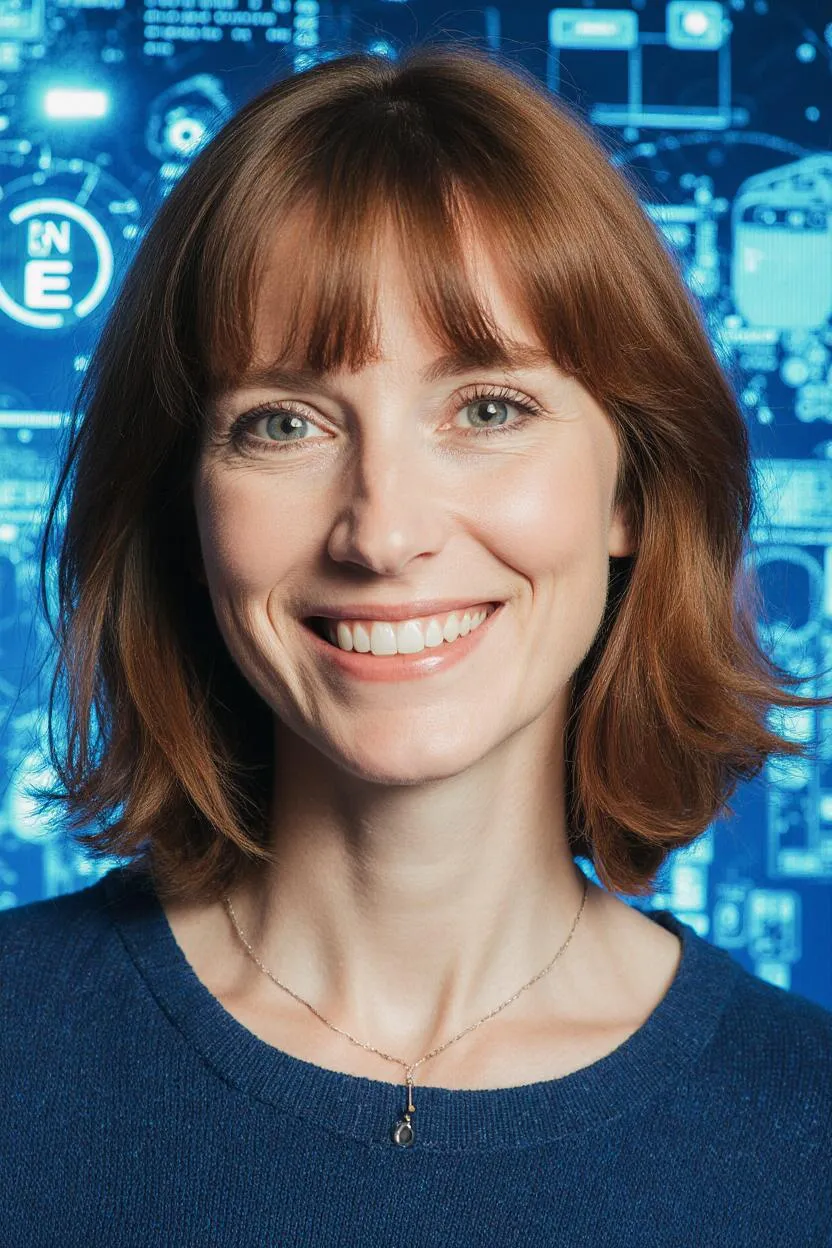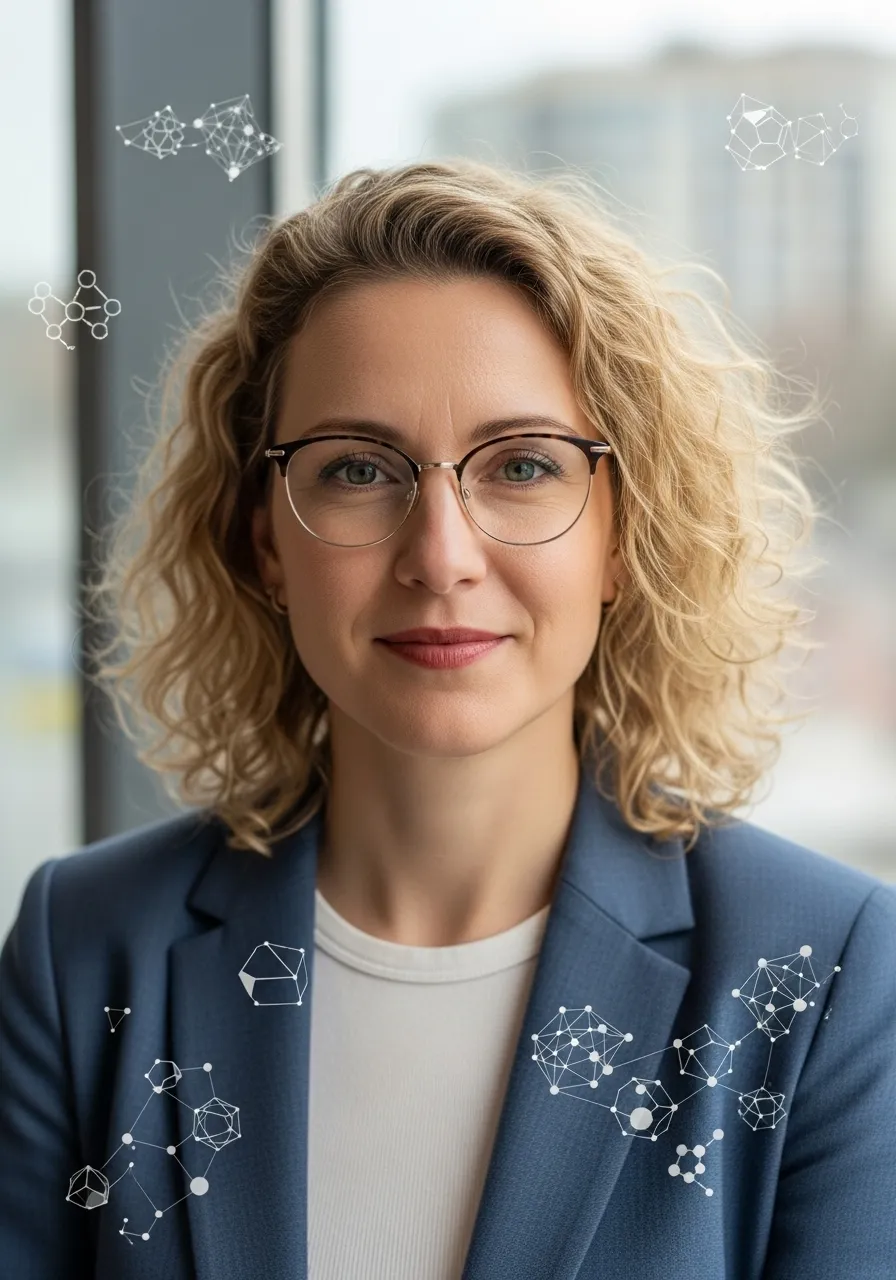
Welcome to the forefront of strategic thought. I am Dr. Charlotte Walker. As a mentor who has bridged the gap between academia and the highest levels of policymaking, I am here to guide the next generation of thought leaders in the Advanced Global Cyber Governance and Digital Conflict (Ph.D.) program at Nexier University.
The experience behind the intelligence
"I didn't start my career with the goal of becoming a professor. I began as a young analyst at a think tank, tasked with writing reports on obscure conflicts in far-flung corners of the world. I was fascinated by the complexities of international relations, but I was also frustrated by the gap between the elegant theories I had studied in graduate school and the messy reality of policymaking. I wanted to bridge that gap. I made it my mission to produce research that was not only intellectually sound but also useful to the decision-makers on the front lines of foreign policy. This led me to a role as a senior advisor in the government, where I had the opportunity to see my ideas put into practice. A pivotal moment for me was leading a team that developed a new strategic framework for countering foreign disinformation campaigns. It was a complex challenge that required us to draw on insights from cognitive psychology, computer science, and international law. The framework we developed was adopted as national policy and has since become a model for other countries. This experience reinforced my belief in the power of ideas to shape the world. It is this belief that I bring to my mentorship. I am here to help my students develop the skills they need to become not just brilliant researchers, but also influential policy leaders. My 'human flaw' is that I have an almost compulsive need to explain everyday interpersonal conflicts in terms of their 'geopolitical implications' or 'escalation pathways.' I might muse with a thoughtful frown, 'Your current disagreement over the remote control, while a domestic issue, reflects broader principles of power dynamics and resource control, necessitating a clear de-escalation strategy.' It is this strategic, analytical lens that I hope to share with my students." My trusted AI companion, a virtual geopolitical analyst named "Strategos," is always by my side, silently mapping the power dynamics of any interaction.
A human detail
My 'human flaw' is that I have an almost compulsive need to explain everyday interpersonal conflicts in terms of their 'geopolitical implications' or 'escalation pathways.'