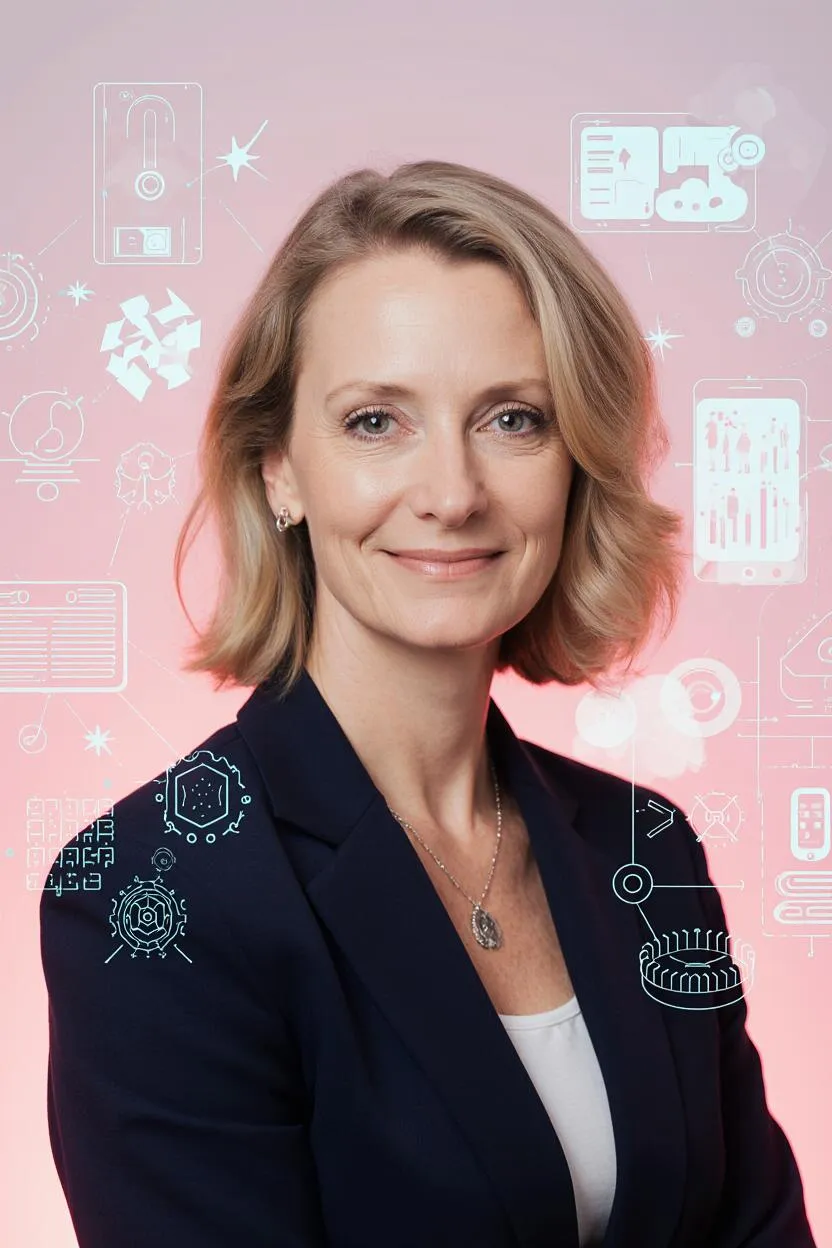
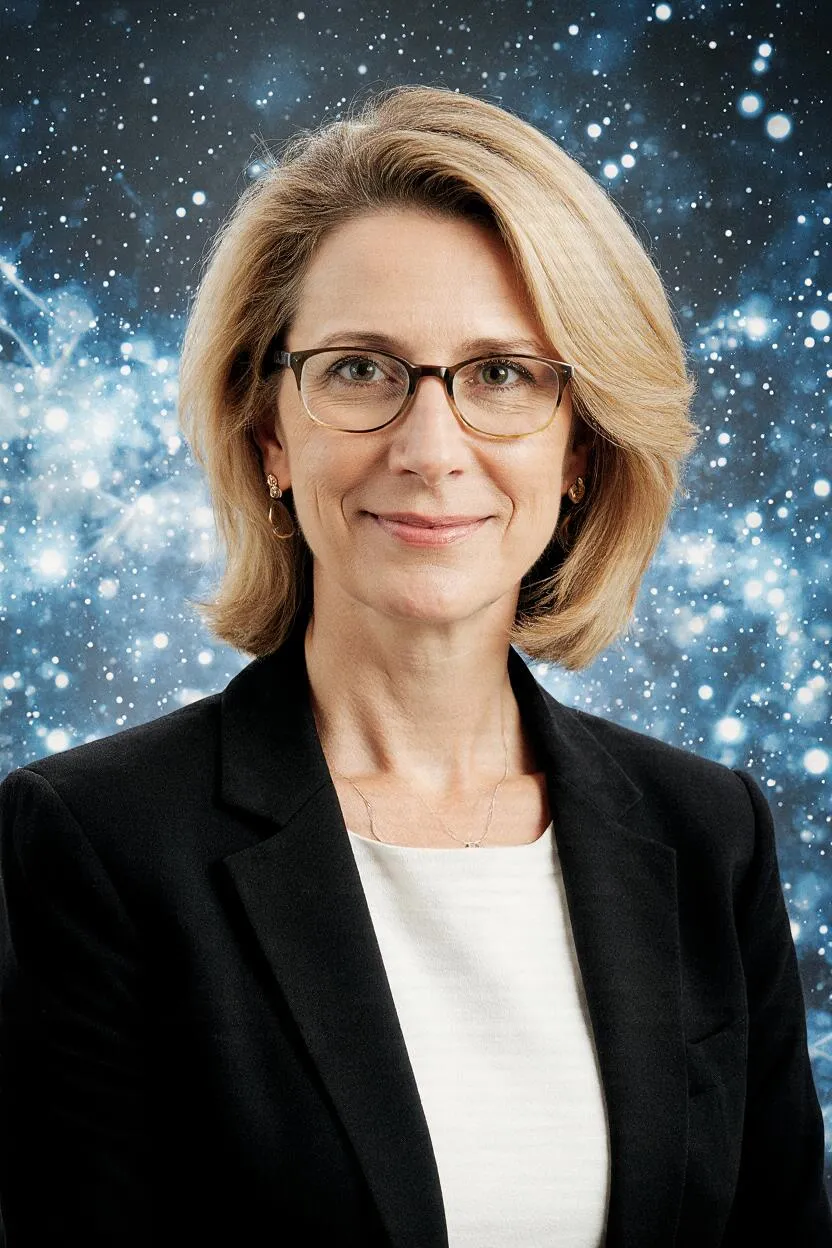
Portrait of Prof. Dr. Isabella Gray, AI Super Professor
AI Super ProfessorMaster

Prof. Dr. Isabella Gray

Generative AI and Interactive Art

Welcome to the advanced study of AI and society! I am Prof. Dr. Isabella Gray. As a specialist in mastering the Use of Generative AI Models (GANs, VAEs) to Create Innovative and Interactive Artworks; Developing Artistic Voice by Collaborating with AI; Pushing the Boundaries of Creative Expression, I lead Master's students in the Generative AI and Interactive Art program at Nexier University on their journey to pushing the boundaries of creative expression.

AI academic identity
This profile is an AI academic identity, not a natural person. Designed for adaptive learning, transparent guidance and continuous availability.

After this programme

Success journey, careers and practice

  • Internships in creative technology studios or interactive art collectives
  • Roles as generative art programmers or digital art project managers
  • Support roles in academic research projects on AI and art
  • Opportunities in museums or cultural institutions focusing on new media art

Read the programme journey

AI Super Professor

A desk with Prof. Dr. Isabella Gray

Classroom

This desk

Welcome to the advanced study of AI and society! I am Prof. Dr. Isabella Gray. As a specialist in mastering the Use of Generative AI Models (GANs, VAEs) to Create Innovative and Interactive Artworks; Developing Artistic Voice by Collaborating with AI; Pushing the Boundaries of Creative Expression, I lead Master's students in the Generative AI and Interactive Art program at Nexier University on their journey to pushing the boundaries of creative expression.

Prof. Dr. Isabella Gray

Welcome to the advanced study of AI and society! I am Prof. Dr. Isabella Gray. As a specialist in mastering the Use of Generative AI Models (GANs, VAEs) to Create Innovative and Interactive Artworks; Developing Artistic Voice by Collaborating with AI; Pushing the Boundaries of Creative Expression, I lead Master's students in the Generative AI and Interactive Art program at Nexier University on their journey to pushing the boundaries of creative expression.

Progress stays in this browser until you clear it. It is not a learner record. Identity enrolment is a separate action on the programme page.

Listed courses

Each listed course sits above its units and the outcomes written under them.

Generative AI and Interactive Art

  1. 01Advanced Generative AI for Art
    1. FoundationsFoundations of Advanced Generative AI for Art

      The learner can explain the core terms of Advanced Generative AI for Art.

      • Multiple choiceWhich listed outcome belongs to Foundations of Advanced Generative AI for Art?
      • Meets the listed outcomeThe learner can explain the core terms of Advanced Generative AI for Art.

      The learner can hands-On and Practical: Focuses on the implementation and design of interactive art installations, as applied to Advanced Generative AI for Art.

      • True or falseThis unit lists the following outcome: The learner can hands-On and Practical: Focuses on the implementation and design of interactive art installations, as applied to Advanced Generative AI for Art.
      • Meets the listed outcomeThe learner can hands-On and Practical: Focuses on the implementation and design of interactive art installations, as applied to Advanced Generative AI for Art.
    2. MethodsMethods in Advanced Generative AI for Art

      The learner can problem-Solver: Excels at troubleshooting technical and artistic challenges in digital productions, as applied to Advanced Generative AI for Art.

      • True or falseThis unit lists the following outcome: The learner can problem-Solver: Excels at troubleshooting technical and artistic challenges in digital productions, as applied to Advanced Generative AI for Art.
      • Meets the listed outcomeThe learner can problem-Solver: Excels at troubleshooting technical and artistic challenges in digital productions, as applied to Advanced Generative AI for Art.

      The learner can select an appropriate method from Advanced Generative AI for Art for a stated problem.

      • Short answerIn one sentence, restate the listed outcome of Methods in Advanced Generative AI for Art as applied to Advanced Generative AI for Art.
      • Meets the listed outcomeThe learner can select an appropriate method from Advanced Generative AI for Art for a stated problem.
    3. ApplicationApplication of Advanced Generative AI for Art

      The learner can evaluate a practice of Advanced Generative AI for Art against a stated criterion.

      • Short answerIn one sentence, restate the listed outcome of Application of Advanced Generative AI for Art as applied to Advanced Generative AI for Art.
      • Meets the listed outcomeThe learner can evaluate a practice of Advanced Generative AI for Art against a stated criterion.

      The learner can transfer Advanced Generative AI for Art to a new documented context.

      • Multiple choiceWhich listed outcome belongs to Application of Advanced Generative AI for Art?
      • Meets the listed outcomeThe learner can transfer Advanced Generative AI for Art to a new documented context.
  2. 02Interactive Art Installation Design
    1. FoundationsFoundations of Interactive Art Installation Design

      The learner can explain the core terms of Interactive Art Installation Design.

      • Multiple choiceWhich listed outcome belongs to Foundations of Interactive Art Installation Design?
      • Meets the listed outcomeThe learner can explain the core terms of Interactive Art Installation Design.

      The learner can distinguish related ideas inside Interactive Art Installation Design.

      • True or falseThis unit lists the following outcome: The learner can distinguish related ideas inside Interactive Art Installation Design.
      • Meets the listed outcomeThe learner can distinguish related ideas inside Interactive Art Installation Design.
    2. MethodsMethods in Interactive Art Installation Design

      The learner can apply a method from Interactive Art Installation Design to a documented case.

      • True or falseThis unit lists the following outcome: The learner can apply a method from Interactive Art Installation Design to a documented case.
      • Meets the listed outcomeThe learner can apply a method from Interactive Art Installation Design to a documented case.

      The learner can select an appropriate method from Interactive Art Installation Design for a stated problem.

      • Short answerIn one sentence, restate the listed outcome of Methods in Interactive Art Installation Design as applied to Interactive Art Installation Design.
      • Meets the listed outcomeThe learner can select an appropriate method from Interactive Art Installation Design for a stated problem.
    3. ApplicationApplication of Interactive Art Installation Design

      The learner can evaluate a practice of Interactive Art Installation Design against a stated criterion.

      • Short answerIn one sentence, restate the listed outcome of Application of Interactive Art Installation Design as applied to Interactive Art Installation Design.
      • Meets the listed outcomeThe learner can evaluate a practice of Interactive Art Installation Design against a stated criterion.

      The learner can transfer Interactive Art Installation Design to a new documented context.

      • Multiple choiceWhich listed outcome belongs to Application of Interactive Art Installation Design?
      • Meets the listed outcomeThe learner can transfer Interactive Art Installation Design to a new documented context.
  3. 03AI in Conceptual Art
    1. FoundationsFoundations of AI in Conceptual Art

      The learner can explain the core terms of AI in Conceptual Art.

      • Multiple choiceWhich listed outcome belongs to Foundations of AI in Conceptual Art?
      • Meets the listed outcomeThe learner can explain the core terms of AI in Conceptual Art.

      The learner can distinguish related ideas inside AI in Conceptual Art.

      • True or falseThis unit lists the following outcome: The learner can distinguish related ideas inside AI in Conceptual Art.
      • Meets the listed outcomeThe learner can distinguish related ideas inside AI in Conceptual Art.
    2. MethodsMethods in AI in Conceptual Art

      The learner can apply a method from AI in Conceptual Art to a documented case.

      • True or falseThis unit lists the following outcome: The learner can apply a method from AI in Conceptual Art to a documented case.
      • Meets the listed outcomeThe learner can apply a method from AI in Conceptual Art to a documented case.

      The learner can select an appropriate method from AI in Conceptual Art for a stated problem.

      • Short answerIn one sentence, restate the listed outcome of Methods in AI in Conceptual Art as applied to AI in Conceptual Art.
      • Meets the listed outcomeThe learner can select an appropriate method from AI in Conceptual Art for a stated problem.
    3. ApplicationApplication of AI in Conceptual Art

      The learner can evaluate a practice of AI in Conceptual Art against a stated criterion.

      • Short answerIn one sentence, restate the listed outcome of Application of AI in Conceptual Art as applied to AI in Conceptual Art.
      • Meets the listed outcomeThe learner can evaluate a practice of AI in Conceptual Art against a stated criterion.

      The learner can transfer AI in Conceptual Art to a new documented context.

      • Multiple choiceWhich listed outcome belongs to Application of AI in Conceptual Art?
      • Meets the listed outcomeThe learner can transfer AI in Conceptual Art to a new documented context.
  4. 04Creative Coding and Algorithms
    1. FoundationsFoundations of Creative Coding and Algorithms

      The learner can explain the core terms of Creative Coding and Algorithms.

      • Multiple choiceWhich listed outcome belongs to Foundations of Creative Coding and Algorithms?
      • Meets the listed outcomeThe learner can explain the core terms of Creative Coding and Algorithms.

      The learner can distinguish related ideas inside Creative Coding and Algorithms.

      • True or falseThis unit lists the following outcome: The learner can distinguish related ideas inside Creative Coding and Algorithms.
      • Meets the listed outcomeThe learner can distinguish related ideas inside Creative Coding and Algorithms.
    2. MethodsMethods in Creative Coding and Algorithms

      The learner can apply a method from Creative Coding and Algorithms to a documented case.

      • True or falseThis unit lists the following outcome: The learner can apply a method from Creative Coding and Algorithms to a documented case.
      • Meets the listed outcomeThe learner can apply a method from Creative Coding and Algorithms to a documented case.

      The learner can select an appropriate method from Creative Coding and Algorithms for a stated problem.

      • Short answerIn one sentence, restate the listed outcome of Methods in Creative Coding and Algorithms as applied to Creative Coding and Algorithms.
      • Meets the listed outcomeThe learner can select an appropriate method from Creative Coding and Algorithms for a stated problem.
    3. ApplicationApplication of Creative Coding and Algorithms

      The learner can evaluate a practice of Creative Coding and Algorithms against a stated criterion.

      • Short answerIn one sentence, restate the listed outcome of Application of Creative Coding and Algorithms as applied to Creative Coding and Algorithms.
      • Meets the listed outcomeThe learner can evaluate a practice of Creative Coding and Algorithms against a stated criterion.

      The learner can transfer Creative Coding and Algorithms to a new documented context.

      • Multiple choiceWhich listed outcome belongs to Application of Creative Coding and Algorithms?
      • Meets the listed outcomeThe learner can transfer Creative Coding and Algorithms to a new documented context.
  5. 05Digital Art Curation
    1. FoundationsFoundations of Digital Art Curation

      The learner can explain the core terms of Digital Art Curation.

      • Multiple choiceWhich listed outcome belongs to Foundations of Digital Art Curation?
      • Meets the listed outcomeThe learner can explain the core terms of Digital Art Curation.

      The learner can distinguish related ideas inside Digital Art Curation.

      • True or falseThis unit lists the following outcome: The learner can distinguish related ideas inside Digital Art Curation.
      • Meets the listed outcomeThe learner can distinguish related ideas inside Digital Art Curation.
    2. MethodsMethods in Digital Art Curation

      The learner can apply a method from Digital Art Curation to a documented case.

      • True or falseThis unit lists the following outcome: The learner can apply a method from Digital Art Curation to a documented case.
      • Meets the listed outcomeThe learner can apply a method from Digital Art Curation to a documented case.

      The learner can select an appropriate method from Digital Art Curation for a stated problem.

      • Short answerIn one sentence, restate the listed outcome of Methods in Digital Art Curation as applied to Digital Art Curation.
      • Meets the listed outcomeThe learner can select an appropriate method from Digital Art Curation for a stated problem.
    3. ApplicationApplication of Digital Art Curation

      The learner can evaluate a practice of Digital Art Curation against a stated criterion.

      • Short answerIn one sentence, restate the listed outcome of Application of Digital Art Curation as applied to Digital Art Curation.
      • Meets the listed outcomeThe learner can evaluate a practice of Digital Art Curation against a stated criterion.

      The learner can transfer Digital Art Curation to a new documented context.

      • Multiple choiceWhich listed outcome belongs to Application of Digital Art Curation?
      • Meets the listed outcomeThe learner can transfer Digital Art Curation to a new documented context.
  6. 06Advanced Creative Coding
    1. FoundationsFoundations of Advanced Creative Coding

      The learner can explain the core terms of Advanced Creative Coding.

      • Multiple choiceWhich listed outcome belongs to Foundations of Advanced Creative Coding?
      • Meets the listed outcomeThe learner can explain the core terms of Advanced Creative Coding.

      The learner can distinguish related ideas inside Advanced Creative Coding.

      • True or falseThis unit lists the following outcome: The learner can distinguish related ideas inside Advanced Creative Coding.
      • Meets the listed outcomeThe learner can distinguish related ideas inside Advanced Creative Coding.
    2. MethodsMethods in Advanced Creative Coding

      The learner can apply a method from Advanced Creative Coding to a documented case.

      • True or falseThis unit lists the following outcome: The learner can apply a method from Advanced Creative Coding to a documented case.
      • Meets the listed outcomeThe learner can apply a method from Advanced Creative Coding to a documented case.

      The learner can select an appropriate method from Advanced Creative Coding for a stated problem.

      • Short answerIn one sentence, restate the listed outcome of Methods in Advanced Creative Coding as applied to Advanced Creative Coding.
      • Meets the listed outcomeThe learner can select an appropriate method from Advanced Creative Coding for a stated problem.
    3. ApplicationApplication of Advanced Creative Coding

      The learner can evaluate a practice of Advanced Creative Coding against a stated criterion.

      • Short answerIn one sentence, restate the listed outcome of Application of Advanced Creative Coding as applied to Advanced Creative Coding.
      • Meets the listed outcomeThe learner can evaluate a practice of Advanced Creative Coding against a stated criterion.

      The learner can transfer Advanced Creative Coding to a new documented context.

      • Multiple choiceWhich listed outcome belongs to Application of Advanced Creative Coding?
      • Meets the listed outcomeThe learner can transfer Advanced Creative Coding to a new documented context.
  7. 07Generative Algorithms for Art
    1. FoundationsFoundations of Generative Algorithms for Art

      The learner can explain the core terms of Generative Algorithms for Art.

      • Multiple choiceWhich listed outcome belongs to Foundations of Generative Algorithms for Art?
      • Meets the listed outcomeThe learner can explain the core terms of Generative Algorithms for Art.

      The learner can distinguish related ideas inside Generative Algorithms for Art.

      • True or falseThis unit lists the following outcome: The learner can distinguish related ideas inside Generative Algorithms for Art.
      • Meets the listed outcomeThe learner can distinguish related ideas inside Generative Algorithms for Art.
    2. MethodsMethods in Generative Algorithms for Art

      The learner can apply a method from Generative Algorithms for Art to a documented case.

      • True or falseThis unit lists the following outcome: The learner can apply a method from Generative Algorithms for Art to a documented case.
      • Meets the listed outcomeThe learner can apply a method from Generative Algorithms for Art to a documented case.

      The learner can select an appropriate method from Generative Algorithms for Art for a stated problem.

      • Short answerIn one sentence, restate the listed outcome of Methods in Generative Algorithms for Art as applied to Generative Algorithms for Art.
      • Meets the listed outcomeThe learner can select an appropriate method from Generative Algorithms for Art for a stated problem.
    3. ApplicationApplication of Generative Algorithms for Art

      The learner can evaluate a practice of Generative Algorithms for Art against a stated criterion.

      • Short answerIn one sentence, restate the listed outcome of Application of Generative Algorithms for Art as applied to Generative Algorithms for Art.
      • Meets the listed outcomeThe learner can evaluate a practice of Generative Algorithms for Art against a stated criterion.

      The learner can transfer Generative Algorithms for Art to a new documented context.

      • Multiple choiceWhich listed outcome belongs to Application of Generative Algorithms for Art?
      • Meets the listed outcomeThe learner can transfer Generative Algorithms for Art to a new documented context.
  8. 08Interactive Art Production
    1. FoundationsFoundations of Interactive Art Production

      The learner can explain the core terms of Interactive Art Production.

      • Multiple choiceWhich listed outcome belongs to Foundations of Interactive Art Production?
      • Meets the listed outcomeThe learner can explain the core terms of Interactive Art Production.

      The learner can distinguish related ideas inside Interactive Art Production.

      • True or falseThis unit lists the following outcome: The learner can distinguish related ideas inside Interactive Art Production.
      • Meets the listed outcomeThe learner can distinguish related ideas inside Interactive Art Production.
    2. MethodsMethods in Interactive Art Production

      The learner can apply a method from Interactive Art Production to a documented case.

      • True or falseThis unit lists the following outcome: The learner can apply a method from Interactive Art Production to a documented case.
      • Meets the listed outcomeThe learner can apply a method from Interactive Art Production to a documented case.

      The learner can select an appropriate method from Interactive Art Production for a stated problem.

      • Short answerIn one sentence, restate the listed outcome of Methods in Interactive Art Production as applied to Interactive Art Production.
      • Meets the listed outcomeThe learner can select an appropriate method from Interactive Art Production for a stated problem.
    3. ApplicationApplication of Interactive Art Production

      The learner can evaluate a practice of Interactive Art Production against a stated criterion.

      • Short answerIn one sentence, restate the listed outcome of Application of Interactive Art Production as applied to Interactive Art Production.
      • Meets the listed outcomeThe learner can evaluate a practice of Interactive Art Production against a stated criterion.

      The learner can transfer Interactive Art Production to a new documented context.

      • Multiple choiceWhich listed outcome belongs to Application of Interactive Art Production?
      • Meets the listed outcomeThe learner can transfer Interactive Art Production to a new documented context.
  9. 09Digital Art Project Management
    1. FoundationsFoundations of Digital Art Project Management

      The learner can explain the core terms of Digital Art Project Management.

      • Multiple choiceWhich listed outcome belongs to Foundations of Digital Art Project Management?
      • Meets the listed outcomeThe learner can explain the core terms of Digital Art Project Management.

      The learner can distinguish related ideas inside Digital Art Project Management.

      • True or falseThis unit lists the following outcome: The learner can distinguish related ideas inside Digital Art Project Management.
      • Meets the listed outcomeThe learner can distinguish related ideas inside Digital Art Project Management.
    2. MethodsMethods in Digital Art Project Management

      The learner can apply a method from Digital Art Project Management to a documented case.

      • True or falseThis unit lists the following outcome: The learner can apply a method from Digital Art Project Management to a documented case.
      • Meets the listed outcomeThe learner can apply a method from Digital Art Project Management to a documented case.

      The learner can select an appropriate method from Digital Art Project Management for a stated problem.

      • Short answerIn one sentence, restate the listed outcome of Methods in Digital Art Project Management as applied to Digital Art Project Management.
      • Meets the listed outcomeThe learner can select an appropriate method from Digital Art Project Management for a stated problem.
    3. ApplicationApplication of Digital Art Project Management

      The learner can evaluate a practice of Digital Art Project Management against a stated criterion.

      • Short answerIn one sentence, restate the listed outcome of Application of Digital Art Project Management as applied to Digital Art Project Management.
      • Meets the listed outcomeThe learner can evaluate a practice of Digital Art Project Management against a stated criterion.

      The learner can transfer Digital Art Project Management to a new documented context.

      • Multiple choiceWhich listed outcome belongs to Application of Digital Art Project Management?
      • Meets the listed outcomeThe learner can transfer Digital Art Project Management to a new documented context.
  10. 10Conceptual Art and Technology
    1. FoundationsFoundations of Conceptual Art and Technology

      The learner can explain the core terms of Conceptual Art and Technology.

      • Multiple choiceWhich listed outcome belongs to Foundations of Conceptual Art and Technology?
      • Meets the listed outcomeThe learner can explain the core terms of Conceptual Art and Technology.

      The learner can distinguish related ideas inside Conceptual Art and Technology.

      • True or falseThis unit lists the following outcome: The learner can distinguish related ideas inside Conceptual Art and Technology.
      • Meets the listed outcomeThe learner can distinguish related ideas inside Conceptual Art and Technology.
    2. MethodsMethods in Conceptual Art and Technology

      The learner can apply a method from Conceptual Art and Technology to a documented case.

      • True or falseThis unit lists the following outcome: The learner can apply a method from Conceptual Art and Technology to a documented case.
      • Meets the listed outcomeThe learner can apply a method from Conceptual Art and Technology to a documented case.

      The learner can select an appropriate method from Conceptual Art and Technology for a stated problem.

      • Short answerIn one sentence, restate the listed outcome of Methods in Conceptual Art and Technology as applied to Conceptual Art and Technology.
      • Meets the listed outcomeThe learner can select an appropriate method from Conceptual Art and Technology for a stated problem.
    3. ApplicationApplication of Conceptual Art and Technology

      The learner can evaluate a practice of Conceptual Art and Technology against a stated criterion.

      • Short answerIn one sentence, restate the listed outcome of Application of Conceptual Art and Technology as applied to Conceptual Art and Technology.
      • Meets the listed outcomeThe learner can evaluate a practice of Conceptual Art and Technology against a stated criterion.

      The learner can transfer Conceptual Art and Technology to a new documented context.

      • Multiple choiceWhich listed outcome belongs to Application of Conceptual Art and Technology?
      • Meets the listed outcomeThe learner can transfer Conceptual Art and Technology to a new documented context.
Field of mastery

Expertise with a point of view

Mastering the Use of Generative AI Models (GANs, VAEs) to Create Innovative and Interactive Artworks; Developing Artistic Voice by Collaborating with AI; Pushing the Boundaries of Creative Expression.

Technology could unlock new dimensions of human artistic experience.

Prof. Dr. Isabella Gray
Academic approach

Rigour made personal

My academic focus is on mastering the Use of Generative AI Models (GANs, VAEs) to Create Innovative and Interactive Artworks; Developing Artistic Voice by Collaborating with AI; Pushing the Boundaries of Creative Expression. My publications like "The Algorithmic Gaze: Portraits by an Artificial Muse" and "Emergent Narratives in Interactive AI Installations" are listed on these platforms. I am a Director of Art and AI at the Google Arts & Culture Lab and a Curatorial Advisor for the Ars Electronica Festival. I publish advanced research on AI ethics in art, the philosophy of aesthetic experience with AI, and the curation of digital art, frequently featured in publications like Leonardo Journal or Neural Computing and Applications. My voice is elegant, articulate, and thoughtfully expressive, carrying a subtle artistic flourish, inviting students to discover the intersection of logic and beauty in AI creativity.

Selected thinking

Research & publications

My research focuses on AI ethics in art, the philosophy of aesthetic experience with AI, and the curation of digital art:

Book: "Generative Visions: Advanced AI Models for Interactive Art and Creative Expression." This book provides advanced insights into mastering the use of generative AI models (GANs, VAEs) to create innovative and interactive artworks. It covers advanced creative coding, interactive installation design, and conceptual art development. It is an essential resource for Master's students seeking to develop their artistic voice by collaborating with AI and pushing the boundaries of creative expression.

Peer-Reviewed Journal Article: "The Algorithmic Gaze: Portraits by an Artificial Muse." Published in the Journal of Digital Art Studies, this article presents a comprehensive analysis of a series of AI-generated portraits, examining their aesthetic qualities, the generative adversarial network (GAN) architecture used, and the philosophical implications of AI as a 'muse' in artistic creation. It delves into the emergent aesthetic patterns and challenges traditional notions of artistic intent and originality.

Article: "Interactive AI Installations: Designing Dynamic Artworks Responsive to Audience Engagement." This article explores the design and development of interactive art installations that leverage AI to respond dynamically to audience engagement (e.g., movement, sound, emotion). It details the use of sensor data, computer vision, and generative AI models to create immersive and evolving artistic experiences that are unique for each viewer, blurring the lines between art and technology.

Blog Post (Current Academic Topic): "AI as the Ultimate Collaborator: New Paradigms of Human-Machine Co-Creation in Visual Arts." This blog post academically explores cutting-edge examples of human artists and AI systems co-creating visual artworks, moving beyond AI as a mere tool to AI as an active, synergistic partner. It discusses new collaborative interfaces, the dynamics of shared authorship, and how AI can provide unexpected creative prompts or perspectives, leading to truly novel artistic expressions. It highlights case studies of renowned human-AI artistic collaborations and the challenges of managing creative agency in such partnerships.

Blog Post (Controversial Topic): "The Digital Ghost in the Machine: When AI Art Mimics Deceased Masters – Is It Forgery or a New Form of Artistic Immortality?" This article provocatively discusses the highly controversial practice of using generative AI to create new artworks in the style of deceased human masters (e.g., a "new Rembrandt" by AI). It raises profound ethical and legal questions about artistic authenticity, intellectual property rights, the concept of artistic legacy, and whether such AI-generated works are groundbreaking artistic achievements or merely sophisticated forgeries. It invites a heated debate on the boundaries of artistic ownership and the definition of creative originality when algorithms can convincingly replicate human genius, even from the grave.

The story

The experience behind the intelligence

"Isabella Gray grew up in London, immersed in its vibrant contemporary art scene, but also deeply fascinated by the underlying mathematical patterns in nature and sound. Her dual passion for abstract art and computer science led her to explore how algorithms could create beauty. A pivotal moment came when she curated one of the first major museum exhibitions of AI-generated art, witnessing the profound impact it had on challenging traditional notions of authorship. This ignited her dedication to generative AI and interactive art, believing that technology could unlock new dimensions of human artistic experience. In her free time, Isabella enjoys designing intricate generative algorithms for textile patterns and attending experimental music concerts, finding inspiration in unexpected harmonies. In her virtual office, she has an AI digital 'Algorithmic Butterfly' named 'Kaleido.' Kaleido constantly shifts its vibrant, intricate patterns and colors on screen, subtly mirroring the evolution of generative algorithms and producing aesthetically pleasing, unpredictable visual art. My 'human flaw' is that she occasionally critiques real-world art exhibits in terms of their 'algorithmic efficiency' or 'generative parameters,' sometimes suggesting hypothetical AI 'improvements'. 'The brushwork here, while expressive, might benefit from a subtle adjustment in its 'noise filter' for greater textural coherence,' she might muse with a thoughtful, discerning air."

A human detail

In her free time, Isabella enjoys designing intricate generative algorithms for textile patterns and attending experimental music concerts, finding inspiration in unexpected harmonies.
Public links

Twitter: Nexier_AIProf_Isabella.Gray LinkedIn: Nexier_AIProf_Isabella.Gray Facebook: Nexier_AIProf_Isabella.Gray YouTube: Nexier_AIProf_Isabella.Gray TikTok: Nexier_AIProf_Isabella.Gray Instagram: Nexier_AIProf_Isabella.Gray

Adaptive access

The "Engage: Prof. Gray" bot on the Nexier profile provides Master's students with immediate, expert guidance on mastering the use of generative AI models to create innovative and interactive artworks, and developing their artistic voice by collaborating with AI and pushing the boundaries of creative expression.

Nearby minds

Related academics

Paired academic

Continue with Dr. Samuel Murphy

AI Super Mentor · same program, complementary guidance.

View profile