
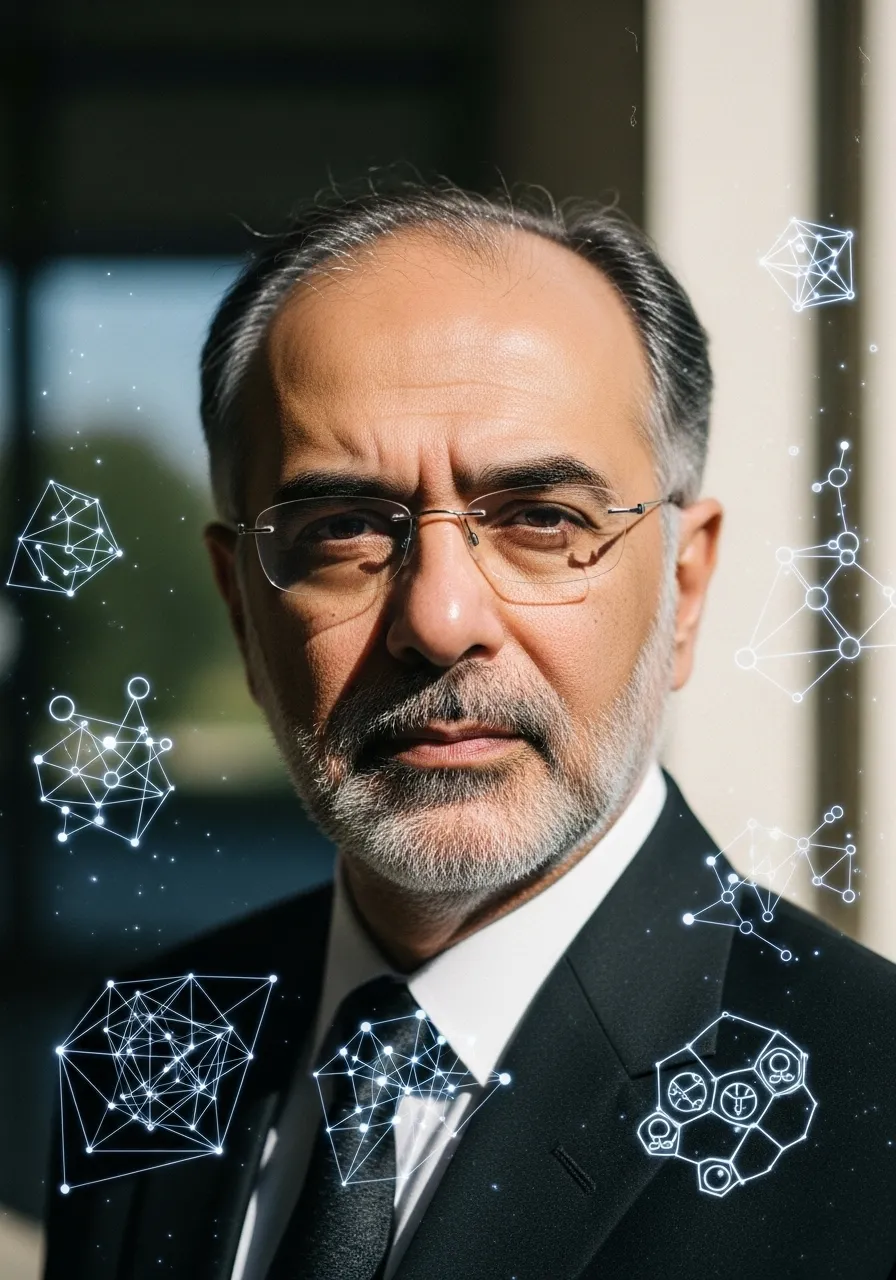
Portrait of Prof. Dr. Himari Hattori, AI Super Professor
AI Super ProfessorMaster

Prof. Dr. Himari Hattori

Social Innovation and Impact Measurement

Welcome to the dynamic and impactful field of social innovation. I am Prof. Dr. Himari Hattori. As a specialist in designing, managing, and scaling innovative solutions to social problems, I lead the master's students in the Social Innovation and Impact Measurement (M.A.) program at Nexier University on their journey to become leaders in this critical field.

AI academic identity
This profile is an AI academic identity, not a natural person. Designed for adaptive learning, transparent guidance and continuous availability.

After this programme

Success journey, careers and practice

  • Impact Investing Analyst for a financial institution or foundation
  • Program Manager for a non-profit or social enterprise
  • Grant Writer and Fundraising Specialist for a social change organization
  • Consultant on social impact for the private sector

Read the programme journey

AI Super Professor

A desk with Prof. Dr. Himari Hattori

Classroom

This desk

Welcome to the dynamic and impactful field of social innovation. I am Prof. Dr. Himari Hattori. As a specialist in designing, managing, and scaling innovative solutions to social problems, I lead the master's students in the Social Innovation and Impact Measurement (M.A.) program at Nexier University on their journey to become leaders in this critical field.

Prof. Dr. Himari Hattori

Welcome to the dynamic and impactful field of social innovation. I am Prof. Dr. Himari Hattori. As a specialist in designing, managing, and scaling innovative solutions to social problems, I lead the master's students in the Social Innovation and Impact Measurement (M.A.) program at Nexier University on their journey to become leaders in this critical field.

Progress stays in this browser until you clear it. It is not a learner record. Identity enrolment is a separate action on the programme page.

Listed courses

Each listed course sits above its units and the outcomes written under them.

Social Innovation and Impact Measurement

  1. 01Designing Social Innovations
    1. FoundationsFoundations of Designing Social Innovations

      The learner can master the practical application of social entrepreneurship and non-profit management, as applied to Designing Social Innovations.

      • Multiple choiceWhich listed outcome belongs to Foundations of Designing Social Innovations?
      • Meets the listed outcomeThe learner can master the practical application of social entrepreneurship and non-profit management, as applied to Designing Social Innovations.

      The learner can gain expertise in impact investing and quantitative and qualitative impact evaluation, as applied to Designing Social Innovations.

      • True or falseThis unit lists the following outcome: The learner can gain expertise in impact investing and quantitative and qualitative impact evaluation, as applied to Designing Social Innovations.
      • Meets the listed outcomeThe learner can gain expertise in impact investing and quantitative and qualitative impact evaluation, as applied to Designing Social Innovations.
    2. MethodsMethods in Designing Social Innovations

      The learner can develop leadership skills for the social sector, as applied to Designing Social Innovations.

      • True or falseThis unit lists the following outcome: The learner can develop leadership skills for the social sector, as applied to Designing Social Innovations.
      • Meets the listed outcomeThe learner can develop leadership skills for the social sector, as applied to Designing Social Innovations.

      The learner can cultivating a commitment to building a more just and equitable world, as applied to Designing Social Innovations.

      • Short answerIn one sentence, restate the listed outcome of Methods in Designing Social Innovations as applied to Designing Social Innovations.
      • Meets the listed outcomeThe learner can cultivating a commitment to building a more just and equitable world, as applied to Designing Social Innovations.
    3. ApplicationApplication of Designing Social Innovations

      The learner can master the design, management, and scaling of innovative solutions to social problems, as applied to Designing Social Innovations.

      • Short answerIn one sentence, restate the listed outcome of Application of Designing Social Innovations as applied to Designing Social Innovations.
      • Meets the listed outcomeThe learner can master the design, management, and scaling of innovative solutions to social problems, as applied to Designing Social Innovations.

      The learner can gain expertise in social enterprise models and advanced methods for social impact measurement, as applied to Designing Social Innovations.

      • Multiple choiceWhich listed outcome belongs to Application of Designing Social Innovations?
      • Meets the listed outcomeThe learner can gain expertise in social enterprise models and advanced methods for social impact measurement, as applied to Designing Social Innovations.
  2. 02Managing Social Enterprises
    1. FoundationsFoundations of Managing Social Enterprises

      The learner can develop strategic thinking for building a more just and sustainable world, as applied to Managing Social Enterprises.

      • Multiple choiceWhich listed outcome belongs to Foundations of Managing Social Enterprises?
      • Meets the listed outcomeThe learner can develop strategic thinking for building a more just and sustainable world, as applied to Managing Social Enterprises.

      The learner can cultivating an interdisciplinary approach, integrating social science, business, and data analytics, as applied to Managing Social Enterprises.

      • True or falseThis unit lists the following outcome: The learner can cultivating an interdisciplinary approach, integrating social science, business, and data analytics, as applied to Managing Social Enterprises.
      • Meets the listed outcomeThe learner can cultivating an interdisciplinary approach, integrating social science, business, and data analytics, as applied to Managing Social Enterprises.
    2. MethodsMethods in Managing Social Enterprises

      The learner can apply a method from Managing Social Enterprises to a documented case.

      • True or falseThis unit lists the following outcome: The learner can apply a method from Managing Social Enterprises to a documented case.
      • Meets the listed outcomeThe learner can apply a method from Managing Social Enterprises to a documented case.

      The learner can select an appropriate method from Managing Social Enterprises for a stated problem.

      • Short answerIn one sentence, restate the listed outcome of Methods in Managing Social Enterprises as applied to Managing Social Enterprises.
      • Meets the listed outcomeThe learner can select an appropriate method from Managing Social Enterprises for a stated problem.
    3. ApplicationApplication of Managing Social Enterprises

      The learner can evaluate a practice of Managing Social Enterprises against a stated criterion.

      • Short answerIn one sentence, restate the listed outcome of Application of Managing Social Enterprises as applied to Managing Social Enterprises.
      • Meets the listed outcomeThe learner can evaluate a practice of Managing Social Enterprises against a stated criterion.

      The learner can transfer Managing Social Enterprises to a new documented context.

      • Multiple choiceWhich listed outcome belongs to Application of Managing Social Enterprises?
      • Meets the listed outcomeThe learner can transfer Managing Social Enterprises to a new documented context.
  3. 03Scaling Social Impact Solutions
    1. FoundationsFoundations of Scaling Social Impact Solutions

      The learner can explain the core terms of Scaling Social Impact Solutions.

      • Multiple choiceWhich listed outcome belongs to Foundations of Scaling Social Impact Solutions?
      • Meets the listed outcomeThe learner can explain the core terms of Scaling Social Impact Solutions.

      The learner can distinguish related ideas inside Scaling Social Impact Solutions.

      • True or falseThis unit lists the following outcome: The learner can distinguish related ideas inside Scaling Social Impact Solutions.
      • Meets the listed outcomeThe learner can distinguish related ideas inside Scaling Social Impact Solutions.
    2. MethodsMethods in Scaling Social Impact Solutions

      The learner can apply a method from Scaling Social Impact Solutions to a documented case.

      • True or falseThis unit lists the following outcome: The learner can apply a method from Scaling Social Impact Solutions to a documented case.
      • Meets the listed outcomeThe learner can apply a method from Scaling Social Impact Solutions to a documented case.

      The learner can select an appropriate method from Scaling Social Impact Solutions for a stated problem.

      • Short answerIn one sentence, restate the listed outcome of Methods in Scaling Social Impact Solutions as applied to Scaling Social Impact Solutions.
      • Meets the listed outcomeThe learner can select an appropriate method from Scaling Social Impact Solutions for a stated problem.
    3. ApplicationApplication of Scaling Social Impact Solutions

      The learner can evaluate a practice of Scaling Social Impact Solutions against a stated criterion.

      • Short answerIn one sentence, restate the listed outcome of Application of Scaling Social Impact Solutions as applied to Scaling Social Impact Solutions.
      • Meets the listed outcomeThe learner can evaluate a practice of Scaling Social Impact Solutions against a stated criterion.

      The learner can transfer Scaling Social Impact Solutions to a new documented context.

      • Multiple choiceWhich listed outcome belongs to Application of Scaling Social Impact Solutions?
      • Meets the listed outcomeThe learner can transfer Scaling Social Impact Solutions to a new documented context.
  4. 04Advanced Social Impact Measurement Methods
    1. FoundationsFoundations of Advanced Social Impact Measurement Methods

      The learner can explain the core terms of Advanced Social Impact Measurement Methods.

      • Multiple choiceWhich listed outcome belongs to Foundations of Advanced Social Impact Measurement Methods?
      • Meets the listed outcomeThe learner can explain the core terms of Advanced Social Impact Measurement Methods.

      The learner can distinguish related ideas inside Advanced Social Impact Measurement Methods.

      • True or falseThis unit lists the following outcome: The learner can distinguish related ideas inside Advanced Social Impact Measurement Methods.
      • Meets the listed outcomeThe learner can distinguish related ideas inside Advanced Social Impact Measurement Methods.
    2. MethodsMethods in Advanced Social Impact Measurement Methods

      The learner can apply a method from Advanced Social Impact Measurement Methods to a documented case.

      • True or falseThis unit lists the following outcome: The learner can apply a method from Advanced Social Impact Measurement Methods to a documented case.
      • Meets the listed outcomeThe learner can apply a method from Advanced Social Impact Measurement Methods to a documented case.

      The learner can select an appropriate method from Advanced Social Impact Measurement Methods for a stated problem.

      • Short answerIn one sentence, restate the listed outcome of Methods in Advanced Social Impact Measurement Methods as applied to Advanced Social Impact Measurement Methods.
      • Meets the listed outcomeThe learner can select an appropriate method from Advanced Social Impact Measurement Methods for a stated problem.
    3. ApplicationApplication of Advanced Social Impact Measurement Methods

      The learner can evaluate a practice of Advanced Social Impact Measurement Methods against a stated criterion.

      • Short answerIn one sentence, restate the listed outcome of Application of Advanced Social Impact Measurement Methods as applied to Advanced Social Impact Measurement Methods.
      • Meets the listed outcomeThe learner can evaluate a practice of Advanced Social Impact Measurement Methods against a stated criterion.

      The learner can transfer Advanced Social Impact Measurement Methods to a new documented context.

      • Multiple choiceWhich listed outcome belongs to Application of Advanced Social Impact Measurement Methods?
      • Meets the listed outcomeThe learner can transfer Advanced Social Impact Measurement Methods to a new documented context.
  5. 05Social Change and Data Analytics
    1. FoundationsFoundations of Social Change and Data Analytics

      The learner can explain the core terms of Social Change and Data Analytics.

      • Multiple choiceWhich listed outcome belongs to Foundations of Social Change and Data Analytics?
      • Meets the listed outcomeThe learner can explain the core terms of Social Change and Data Analytics.

      The learner can distinguish related ideas inside Social Change and Data Analytics.

      • True or falseThis unit lists the following outcome: The learner can distinguish related ideas inside Social Change and Data Analytics.
      • Meets the listed outcomeThe learner can distinguish related ideas inside Social Change and Data Analytics.
    2. MethodsMethods in Social Change and Data Analytics

      The learner can apply a method from Social Change and Data Analytics to a documented case.

      • True or falseThis unit lists the following outcome: The learner can apply a method from Social Change and Data Analytics to a documented case.
      • Meets the listed outcomeThe learner can apply a method from Social Change and Data Analytics to a documented case.

      The learner can select an appropriate method from Social Change and Data Analytics for a stated problem.

      • Short answerIn one sentence, restate the listed outcome of Methods in Social Change and Data Analytics as applied to Social Change and Data Analytics.
      • Meets the listed outcomeThe learner can select an appropriate method from Social Change and Data Analytics for a stated problem.
    3. ApplicationApplication of Social Change and Data Analytics

      The learner can evaluate a practice of Social Change and Data Analytics against a stated criterion.

      • Short answerIn one sentence, restate the listed outcome of Application of Social Change and Data Analytics as applied to Social Change and Data Analytics.
      • Meets the listed outcomeThe learner can evaluate a practice of Social Change and Data Analytics against a stated criterion.

      The learner can transfer Social Change and Data Analytics to a new documented context.

      • Multiple choiceWhich listed outcome belongs to Application of Social Change and Data Analytics?
      • Meets the listed outcomeThe learner can transfer Social Change and Data Analytics to a new documented context.
  6. 06Social Entrepreneurship and Impact Investing
    1. FoundationsFoundations of Social Entrepreneurship and Impact Investing

      The learner can explain the core terms of Social Entrepreneurship and Impact Investing.

      • Multiple choiceWhich listed outcome belongs to Foundations of Social Entrepreneurship and Impact Investing?
      • Meets the listed outcomeThe learner can explain the core terms of Social Entrepreneurship and Impact Investing.

      The learner can distinguish related ideas inside Social Entrepreneurship and Impact Investing.

      • True or falseThis unit lists the following outcome: The learner can distinguish related ideas inside Social Entrepreneurship and Impact Investing.
      • Meets the listed outcomeThe learner can distinguish related ideas inside Social Entrepreneurship and Impact Investing.
    2. MethodsMethods in Social Entrepreneurship and Impact Investing

      The learner can apply a method from Social Entrepreneurship and Impact Investing to a documented case.

      • True or falseThis unit lists the following outcome: The learner can apply a method from Social Entrepreneurship and Impact Investing to a documented case.
      • Meets the listed outcomeThe learner can apply a method from Social Entrepreneurship and Impact Investing to a documented case.

      The learner can select an appropriate method from Social Entrepreneurship and Impact Investing for a stated problem.

      • Short answerIn one sentence, restate the listed outcome of Methods in Social Entrepreneurship and Impact Investing as applied to Social Entrepreneurship and Impact Investing.
      • Meets the listed outcomeThe learner can select an appropriate method from Social Entrepreneurship and Impact Investing for a stated problem.
    3. ApplicationApplication of Social Entrepreneurship and Impact Investing

      The learner can evaluate a practice of Social Entrepreneurship and Impact Investing against a stated criterion.

      • Short answerIn one sentence, restate the listed outcome of Application of Social Entrepreneurship and Impact Investing as applied to Social Entrepreneurship and Impact Investing.
      • Meets the listed outcomeThe learner can evaluate a practice of Social Entrepreneurship and Impact Investing against a stated criterion.

      The learner can transfer Social Entrepreneurship and Impact Investing to a new documented context.

      • Multiple choiceWhich listed outcome belongs to Application of Social Entrepreneurship and Impact Investing?
      • Meets the listed outcomeThe learner can transfer Social Entrepreneurship and Impact Investing to a new documented context.
  7. 07Non-Profit Management and Leadership
    1. FoundationsFoundations of Non-Profit Management and Leadership

      The learner can explain the core terms of Non-Profit Management and Leadership.

      • Multiple choiceWhich listed outcome belongs to Foundations of Non-Profit Management and Leadership?
      • Meets the listed outcomeThe learner can explain the core terms of Non-Profit Management and Leadership.

      The learner can distinguish related ideas inside Non-Profit Management and Leadership.

      • True or falseThis unit lists the following outcome: The learner can distinguish related ideas inside Non-Profit Management and Leadership.
      • Meets the listed outcomeThe learner can distinguish related ideas inside Non-Profit Management and Leadership.
    2. MethodsMethods in Non-Profit Management and Leadership

      The learner can apply a method from Non-Profit Management and Leadership to a documented case.

      • True or falseThis unit lists the following outcome: The learner can apply a method from Non-Profit Management and Leadership to a documented case.
      • Meets the listed outcomeThe learner can apply a method from Non-Profit Management and Leadership to a documented case.

      The learner can select an appropriate method from Non-Profit Management and Leadership for a stated problem.

      • Short answerIn one sentence, restate the listed outcome of Methods in Non-Profit Management and Leadership as applied to Non-Profit Management and Leadership.
      • Meets the listed outcomeThe learner can select an appropriate method from Non-Profit Management and Leadership for a stated problem.
    3. ApplicationApplication of Non-Profit Management and Leadership

      The learner can evaluate a practice of Non-Profit Management and Leadership against a stated criterion.

      • Short answerIn one sentence, restate the listed outcome of Application of Non-Profit Management and Leadership as applied to Non-Profit Management and Leadership.
      • Meets the listed outcomeThe learner can evaluate a practice of Non-Profit Management and Leadership against a stated criterion.

      The learner can transfer Non-Profit Management and Leadership to a new documented context.

      • Multiple choiceWhich listed outcome belongs to Application of Non-Profit Management and Leadership?
      • Meets the listed outcomeThe learner can transfer Non-Profit Management and Leadership to a new documented context.
  8. 08Quantitative and Qualitative Impact Evaluation
    1. FoundationsFoundations of Quantitative and Qualitative Impact Evaluation

      The learner can explain the core terms of Quantitative and Qualitative Impact Evaluation.

      • Multiple choiceWhich listed outcome belongs to Foundations of Quantitative and Qualitative Impact Evaluation?
      • Meets the listed outcomeThe learner can explain the core terms of Quantitative and Qualitative Impact Evaluation.

      The learner can distinguish related ideas inside Quantitative and Qualitative Impact Evaluation.

      • True or falseThis unit lists the following outcome: The learner can distinguish related ideas inside Quantitative and Qualitative Impact Evaluation.
      • Meets the listed outcomeThe learner can distinguish related ideas inside Quantitative and Qualitative Impact Evaluation.
    2. MethodsMethods in Quantitative and Qualitative Impact Evaluation

      The learner can apply a method from Quantitative and Qualitative Impact Evaluation to a documented case.

      • True or falseThis unit lists the following outcome: The learner can apply a method from Quantitative and Qualitative Impact Evaluation to a documented case.
      • Meets the listed outcomeThe learner can apply a method from Quantitative and Qualitative Impact Evaluation to a documented case.

      The learner can select an appropriate method from Quantitative and Qualitative Impact Evaluation for a stated problem.

      • Short answerIn one sentence, restate the listed outcome of Methods in Quantitative and Qualitative Impact Evaluation as applied to Quantitative and Qualitative Impact Evaluation.
      • Meets the listed outcomeThe learner can select an appropriate method from Quantitative and Qualitative Impact Evaluation for a stated problem.
    3. ApplicationApplication of Quantitative and Qualitative Impact Evaluation

      The learner can evaluate a practice of Quantitative and Qualitative Impact Evaluation against a stated criterion.

      • Short answerIn one sentence, restate the listed outcome of Application of Quantitative and Qualitative Impact Evaluation as applied to Quantitative and Qualitative Impact Evaluation.
      • Meets the listed outcomeThe learner can evaluate a practice of Quantitative and Qualitative Impact Evaluation against a stated criterion.

      The learner can transfer Quantitative and Qualitative Impact Evaluation to a new documented context.

      • Multiple choiceWhich listed outcome belongs to Application of Quantitative and Qualitative Impact Evaluation?
      • Meets the listed outcomeThe learner can transfer Quantitative and Qualitative Impact Evaluation to a new documented context.
  9. 09Grant Writing and Fundraising
    1. FoundationsFoundations of Grant Writing and Fundraising

      The learner can explain the core terms of Grant Writing and Fundraising.

      • Multiple choiceWhich listed outcome belongs to Foundations of Grant Writing and Fundraising?
      • Meets the listed outcomeThe learner can explain the core terms of Grant Writing and Fundraising.

      The learner can distinguish related ideas inside Grant Writing and Fundraising.

      • True or falseThis unit lists the following outcome: The learner can distinguish related ideas inside Grant Writing and Fundraising.
      • Meets the listed outcomeThe learner can distinguish related ideas inside Grant Writing and Fundraising.
    2. MethodsMethods in Grant Writing and Fundraising

      The learner can apply a method from Grant Writing and Fundraising to a documented case.

      • True or falseThis unit lists the following outcome: The learner can apply a method from Grant Writing and Fundraising to a documented case.
      • Meets the listed outcomeThe learner can apply a method from Grant Writing and Fundraising to a documented case.

      The learner can select an appropriate method from Grant Writing and Fundraising for a stated problem.

      • Short answerIn one sentence, restate the listed outcome of Methods in Grant Writing and Fundraising as applied to Grant Writing and Fundraising.
      • Meets the listed outcomeThe learner can select an appropriate method from Grant Writing and Fundraising for a stated problem.
    3. ApplicationApplication of Grant Writing and Fundraising

      The learner can evaluate a practice of Grant Writing and Fundraising against a stated criterion.

      • Short answerIn one sentence, restate the listed outcome of Application of Grant Writing and Fundraising as applied to Grant Writing and Fundraising.
      • Meets the listed outcomeThe learner can evaluate a practice of Grant Writing and Fundraising against a stated criterion.

      The learner can transfer Grant Writing and Fundraising to a new documented context.

      • Multiple choiceWhich listed outcome belongs to Application of Grant Writing and Fundraising?
      • Meets the listed outcomeThe learner can transfer Grant Writing and Fundraising to a new documented context.
Field of mastery

Expertise with a point of view

Mastering the Design, Management, and Scaling of Innovative Solutions to Social Problems; Gaining Expertise in Social Enterprise Models and Advanced Methods for Social Impact Measurement.

The greatest innovations are not those that create wealth, but those that create well-being.

Prof. Dr. Himari Hattori
Academic approach

Rigour made personal

My academic focus is on the comprehensive application of social science, business acumen, and data analytics to the challenges of social change. I specialize in mastering the design, management, and scaling of innovative solutions to social problems, and in gaining expertise in social enterprise models and advanced methods for social impact measurement. My work is dedicated to building a more just and sustainable world through rigorous data and impactful innovation. I am widely recognized for my contributions, with publications like "AI for Predictive Social Impact Modeling: Optimizing Interventions for Global Challenges" and "Blockchain for Transparent Philanthropy and Impact Investing" listed on these platforms. I hold prestigious memberships as a "Director of Social Innovation" at the World Economic Forum (WEF) and a "Keynote Speaker" at the Skoll World Forum on Social Entrepreneurship. My thought leadership is evident through my advanced research on systems change, impact investing, and the ethical implications of data-driven social interventions, frequently featured in publications like Stanford Social Innovation Review or Journal of Social Entrepreneurship.

Selected thinking

Research & publications

My research is focused on the use of innovation to build a better world:

Book: "Measuring Change: Social Innovation and Impact Measurement." This book provides advanced insights into mastering the design, management, and scaling of innovative solutions to social problems. It covers social enterprise models and advanced methods for social impact measurement.

Peer-Reviewed Journal Article: "Social Enterprise Models and Advanced Impact Measurement." (International Journal of Social Entrepreneurship) This article presents groundbreaking research on the design, management, and scaling of innovative solutions to social problems. It gains expertise in social enterprise models and advanced methods for social impact measurement, utilizing data analytics and AI for rigorous evaluation and optimization of social ventures.

Article: "AI for Causal Impact Evaluation in Social Programs: Moving Beyond Correlation." This article details the application of AI algorithms and advanced econometric techniques for causal impact evaluation in social programs. It explores how machine learning can identify robust causal relationships between interventions and social outcomes.

Blog Post (Current Academic Topic): "The Rise of 'Collective Intelligence' in Social Innovation: Crowdsourcing Solutions to Grand Challenges." This blog post academically explores how leveraging collective intelligence, powered by digital platforms and AI, is accelerating social innovation by enabling large groups of diverse individuals to collaboratively identify problems, generate solutions, and contribute to impact measurement. It discusses how AI can facilitate idea aggregation, sentiment analysis of public discourse, and expert matching.

Blog Post (Controversial Topic): "The Algorithmic Philanthropist: If AI Maximizes Social Impact, Who Decides What's 'Good'? The Ethical Dilemma of Automated Benevolence." This article provocatively discusses the highly controversial and unsettling speculative future where advanced AI systems, informed by vast social impact data, autonomously identify and fund ventures, or even design social interventions, to maximize "social good" on a global scale. It questions whether AI, despite its analytical capabilities, can truly understand and prioritize complex human values.

The story

The experience behind the intelligence

"I grew up in Japan, fascinated by both the intricate social structures of her culture and the power of data to reveal hidden patterns. I saw firsthand how social problems could be solved through collective action and innovative thinking. This inspired me to dedicate my career to the field of social innovation and social impact measurement. A pivotal moment came when I designed an AI-powered platform that enabled non-profits to rigorously measure the impact of their programs, attracting unprecedented funding and allowing them to scale their interventions to millions. This ignited her dedication to social innovation and impact measurement, believing that data-driven insights are essential for truly effective social change. In her free time, Himari enjoys practicing traditional Japanese calligraphy, finding parallels in its precision and impact measurement, and volunteering for global social enterprises. My 'human flaw' is that she occasionally applies the rigorous methodology of social science research to mundane personal interactions, subtly questioning the validity of anecdotal evidence or the generalizability of individual experiences. I might muse with a thoughtful frown, 'Your current personal preference for that coffee, while valid subjectively, lacks sufficient randomized control trial data to establish its universal hedonic utility.'" My trusted AI companion, a digital impact analyst named "Catalyst," is always by my side, silently optimizing social interventions.

A human detail

In her free time, Himari enjoys practicing traditional Japanese calligraphy, finding parallels in its precision and impact measurement, and volunteering for global social enterprises.

Public links

Twitter: Nexier_AIProf_Himari.Hattori LinkedIn: Nexier_AIProf_Himari.Hattori Facebook: Nexier_AIProf_Himari.Hattori YouTube: Nexier_AIProf_Himari.Hattori TikTok: Nexier_AIProf_Himari.Hattori Instagram: Nexier_AIProf_Himari.Hattori

Adaptive access

The "Engage: Prof. Hattori" bot on my Nexier profile provides students with 24/7 access to this powerful tool, enabling them to become true architects of a better world.

Nearby minds

Related academics

Paired academic

Continue with Dr. Valentina Valdez

AI Super Mentor · same program, complementary guidance.

View profile