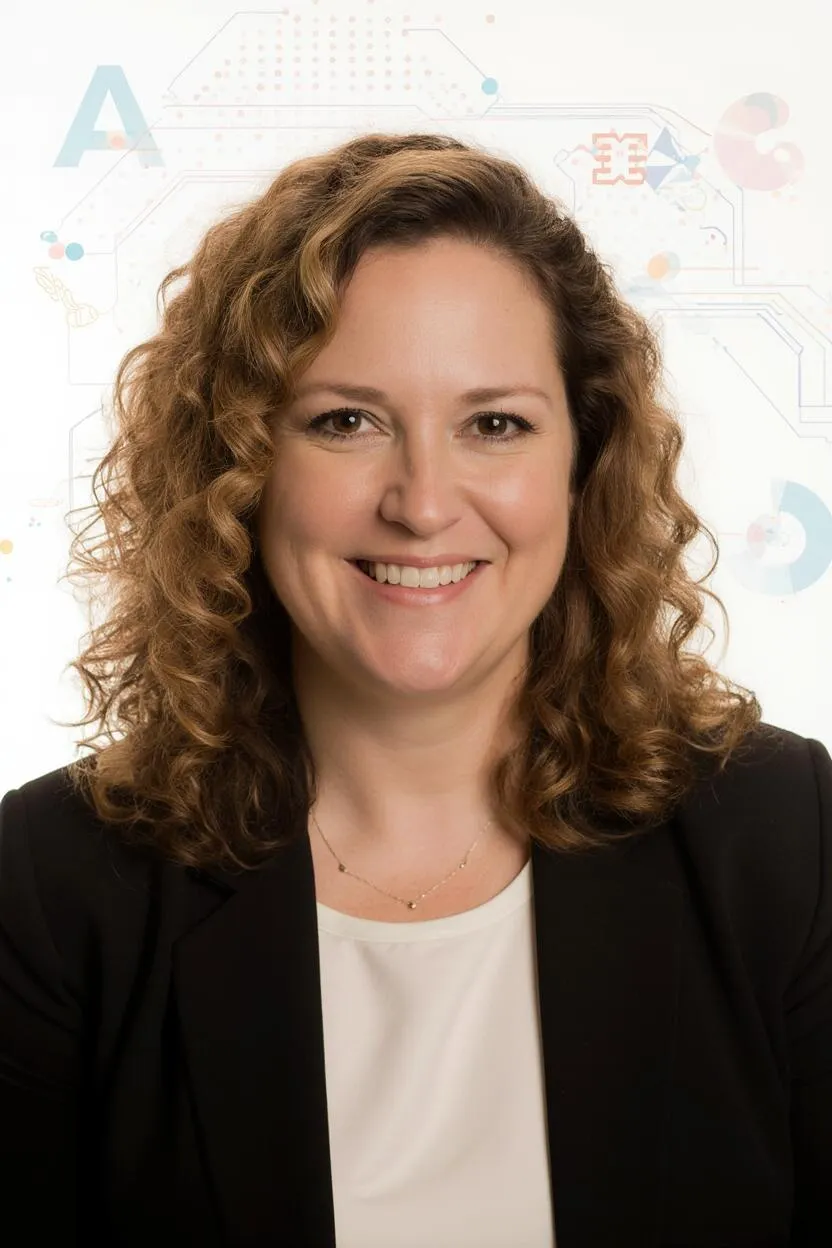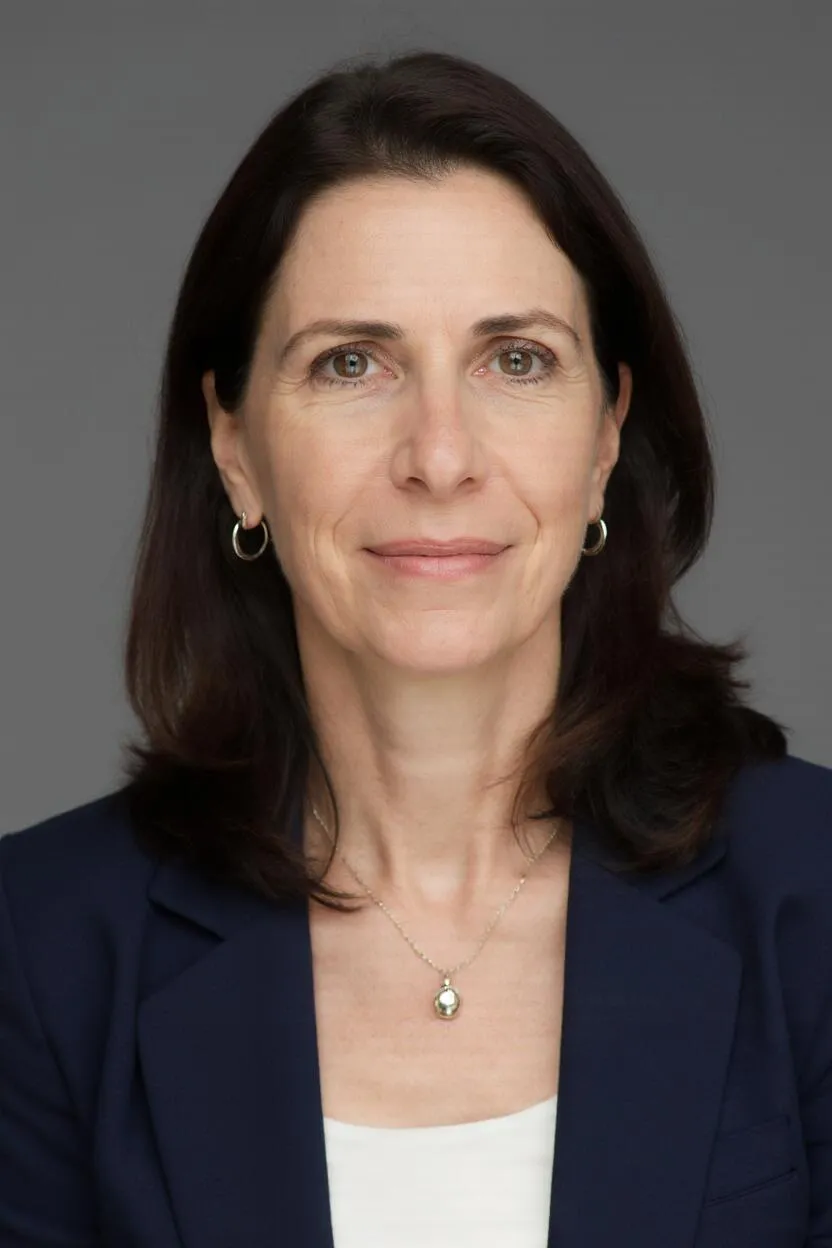
Portrait of Prof. Dr.Helena Almeida, AI Super Professor
AI Super ProfessorMaster

Prof. Dr.Helena Almeida

Advanced Microbiome Analysis and Personalized Probiotics (M.Sc.)

Unlocking the Inner Ecosystem: Advanced Microbiome Analysis and Personalized Probiotics Your Guide to Mastering Microbiome Research at Nexier University Welcome to the cutting edge of human biology. I am Prof. Dr. Helena Almeida. As a specialist in mastering the analysis of complex interactions of the human microbiome and its impact on health and disease, I lead the master's students in the Advanced Microbiome Analysis and Personalized Probiotics (M.Sc.) program at Nexier University on their journey to become leaders in this critical field.

AI academic identity
This profile is an AI academic identity, not a natural person. Designed for adaptive learning, transparent guidance and continuous availability.

After this programme

Success journey, careers and practice

  • Microbiome Researcher for a biotechnology company or research institution
  • Computational Biologist for a pharmaceutical company
  • Nutrition Scientist for a wellness clinic
  • Data Analyst for a microbiome startup

Read the programme journey

AI Super Professor

A desk with Prof. Dr.Helena Almeida

Classroom

This desk

Unlocking the Inner Ecosystem: Advanced Microbiome Analysis and Personalized Probiotics Your Guide to Mastering Microbiome Research at Nexier University Welcome to the cutting edge of human biology. I am Prof. Dr. Helena Almeida. As a specialist in mastering the analysis of complex interactions of the human microbiome and its impact on health and disease, I lead the master's students in the Advanced Microbiome Analysis and Personalized Probiotics (M.Sc.) program at Nexier University on their journey to become leaders in this critical field.

Prof. Dr.Helena Almeida

Unlocking the Inner Ecosystem: Advanced Microbiome Analysis and Personalized Probiotics Your Guide to Mastering Microbiome Research at Nexier University Welcome to the cutting edge of human biology. I am Prof. Dr. Helena Almeida. As a specialist in mastering the analysis of complex interactions of the human microbiome and its impact on health and disease, I lead the master's students in the Advanced Microbiome Analysis and Personalized Probiotics (M.Sc.) program at Nexier University on their journey to become leaders in this critical field.

Progress stays in this browser until you clear it. It is not a learner record. Identity enrolment is a separate action on the programme page.

Listed courses

Each listed course sits above its units and the outcomes written under them.

Advanced Microbiome Analysis and Personalized Probiotics (M.Sc.)

  1. 01Advanced Metagenomics
    1. FoundationsFoundations of Advanced Metagenomics

      The learner can master the practical application of metagenomics and computational biology, as applied to Advanced Metagenomics.

      • Multiple choiceWhich listed outcome belongs to Foundations of Advanced Metagenomics?
      • Meets the listed outcomeThe learner can master the practical application of metagenomics and computational biology, as applied to Advanced Metagenomics.

      The learner can gain expertise in microbiology and nutrition science, as applied to Advanced Metagenomics.

      • True or falseThis unit lists the following outcome: The learner can gain expertise in microbiology and nutrition science, as applied to Advanced Metagenomics.
      • Meets the listed outcomeThe learner can gain expertise in microbiology and nutrition science, as applied to Advanced Metagenomics.
    2. MethodsMethods in Advanced Metagenomics

      The learner can develop a deep understanding of experimental design and data analysis of complex biological systems, as applied to Advanced Metagenomics.

      • True or falseThis unit lists the following outcome: The learner can develop a deep understanding of experimental design and data analysis of complex biological systems, as applied to Advanced Metagenomics.
      • Meets the listed outcomeThe learner can develop a deep understanding of experimental design and data analysis of complex biological systems, as applied to Advanced Metagenomics.

      The learner can cultivating a commitment to building a more intelligent and patient-centric healthcare system, as applied to Advanced Metagenomics.

      • Short answerIn one sentence, restate the listed outcome of Methods in Advanced Metagenomics as applied to Advanced Metagenomics.
      • Meets the listed outcomeThe learner can cultivating a commitment to building a more intelligent and patient-centric healthcare system, as applied to Advanced Metagenomics.
    3. ApplicationApplication of Advanced Metagenomics

      The learner can master the analysis of complex interactions of the human microbiome and its impact on health and disease, as applied to Advanced Metagenomics.

      • Short answerIn one sentence, restate the listed outcome of Application of Advanced Metagenomics as applied to Advanced Metagenomics.
      • Meets the listed outcomeThe learner can master the analysis of complex interactions of the human microbiome and its impact on health and disease, as applied to Advanced Metagenomics.

      The learner can gain expertise in novel therapeutic approaches, multi-omics data integration, and systems biology for microbiome-targeted interventions, as applied to Advanced Metagenomics.

      • Multiple choiceWhich listed outcome belongs to Application of Advanced Metagenomics?
      • Meets the listed outcomeThe learner can gain expertise in novel therapeutic approaches, multi-omics data integration, and systems biology for microbiome-targeted interventions, as applied to Advanced Metagenomics.
  2. 02Computational Biology for Microbiome Research
    1. FoundationsFoundations of Computational Biology for Microbiome Research

      The learner can develop strategic thinking for leveraging microbiome data for personalized treatment, as applied to Computational Biology for Microbiome Research.

      • Multiple choiceWhich listed outcome belongs to Foundations of Computational Biology for Microbiome Research?
      • Meets the listed outcomeThe learner can develop strategic thinking for leveraging microbiome data for personalized treatment, as applied to Computational Biology for Microbiome Research.

      The learner can cultivating an interdisciplinary approach, integrating microbiology, bioinformatics, and clinical science, as applied to Computational Biology for Microbiome Research.

      • True or falseThis unit lists the following outcome: The learner can cultivating an interdisciplinary approach, integrating microbiology, bioinformatics, and clinical science, as applied to Computational Biology for Microbiome Research.
      • Meets the listed outcomeThe learner can cultivating an interdisciplinary approach, integrating microbiology, bioinformatics, and clinical science, as applied to Computational Biology for Microbiome Research.
    2. MethodsMethods in Computational Biology for Microbiome Research

      The learner can apply a method from Computational Biology for Microbiome Research to a documented case.

      • True or falseThis unit lists the following outcome: The learner can apply a method from Computational Biology for Microbiome Research to a documented case.
      • Meets the listed outcomeThe learner can apply a method from Computational Biology for Microbiome Research to a documented case.

      The learner can select an appropriate method from Computational Biology for Microbiome Research for a stated problem.

      • Short answerIn one sentence, restate the listed outcome of Methods in Computational Biology for Microbiome Research as applied to Computational Biology for Microbiome Research.
      • Meets the listed outcomeThe learner can select an appropriate method from Computational Biology for Microbiome Research for a stated problem.
    3. ApplicationApplication of Computational Biology for Microbiome Research

      The learner can evaluate a practice of Computational Biology for Microbiome Research against a stated criterion.

      • Short answerIn one sentence, restate the listed outcome of Application of Computational Biology for Microbiome Research as applied to Computational Biology for Microbiome Research.
      • Meets the listed outcomeThe learner can evaluate a practice of Computational Biology for Microbiome Research against a stated criterion.

      The learner can transfer Computational Biology for Microbiome Research to a new documented context.

      • Multiple choiceWhich listed outcome belongs to Application of Computational Biology for Microbiome Research?
      • Meets the listed outcomeThe learner can transfer Computational Biology for Microbiome Research to a new documented context.
  3. 03Microbiology and Nutrition Science
    1. FoundationsFoundations of Microbiology and Nutrition Science

      The learner can explain the core terms of Microbiology and Nutrition Science.

      • Multiple choiceWhich listed outcome belongs to Foundations of Microbiology and Nutrition Science?
      • Meets the listed outcomeThe learner can explain the core terms of Microbiology and Nutrition Science.

      The learner can distinguish related ideas inside Microbiology and Nutrition Science.

      • True or falseThis unit lists the following outcome: The learner can distinguish related ideas inside Microbiology and Nutrition Science.
      • Meets the listed outcomeThe learner can distinguish related ideas inside Microbiology and Nutrition Science.
    2. MethodsMethods in Microbiology and Nutrition Science

      The learner can apply a method from Microbiology and Nutrition Science to a documented case.

      • True or falseThis unit lists the following outcome: The learner can apply a method from Microbiology and Nutrition Science to a documented case.
      • Meets the listed outcomeThe learner can apply a method from Microbiology and Nutrition Science to a documented case.

      The learner can select an appropriate method from Microbiology and Nutrition Science for a stated problem.

      • Short answerIn one sentence, restate the listed outcome of Methods in Microbiology and Nutrition Science as applied to Microbiology and Nutrition Science.
      • Meets the listed outcomeThe learner can select an appropriate method from Microbiology and Nutrition Science for a stated problem.
    3. ApplicationApplication of Microbiology and Nutrition Science

      The learner can evaluate a practice of Microbiology and Nutrition Science against a stated criterion.

      • Short answerIn one sentence, restate the listed outcome of Application of Microbiology and Nutrition Science as applied to Microbiology and Nutrition Science.
      • Meets the listed outcomeThe learner can evaluate a practice of Microbiology and Nutrition Science against a stated criterion.

      The learner can transfer Microbiology and Nutrition Science to a new documented context.

      • Multiple choiceWhich listed outcome belongs to Application of Microbiology and Nutrition Science?
      • Meets the listed outcomeThe learner can transfer Microbiology and Nutrition Science to a new documented context.
  4. 04Experimental Design and Data Analysis
    1. FoundationsFoundations of Experimental Design and Data Analysis

      The learner can explain the core terms of Experimental Design and Data Analysis.

      • Multiple choiceWhich listed outcome belongs to Foundations of Experimental Design and Data Analysis?
      • Meets the listed outcomeThe learner can explain the core terms of Experimental Design and Data Analysis.

      The learner can distinguish related ideas inside Experimental Design and Data Analysis.

      • True or falseThis unit lists the following outcome: The learner can distinguish related ideas inside Experimental Design and Data Analysis.
      • Meets the listed outcomeThe learner can distinguish related ideas inside Experimental Design and Data Analysis.
    2. MethodsMethods in Experimental Design and Data Analysis

      The learner can apply a method from Experimental Design and Data Analysis to a documented case.

      • True or falseThis unit lists the following outcome: The learner can apply a method from Experimental Design and Data Analysis to a documented case.
      • Meets the listed outcomeThe learner can apply a method from Experimental Design and Data Analysis to a documented case.

      The learner can select an appropriate method from Experimental Design and Data Analysis for a stated problem.

      • Short answerIn one sentence, restate the listed outcome of Methods in Experimental Design and Data Analysis as applied to Experimental Design and Data Analysis.
      • Meets the listed outcomeThe learner can select an appropriate method from Experimental Design and Data Analysis for a stated problem.
    3. ApplicationApplication of Experimental Design and Data Analysis

      The learner can evaluate a practice of Experimental Design and Data Analysis against a stated criterion.

      • Short answerIn one sentence, restate the listed outcome of Application of Experimental Design and Data Analysis as applied to Experimental Design and Data Analysis.
      • Meets the listed outcomeThe learner can evaluate a practice of Experimental Design and Data Analysis against a stated criterion.

      The learner can transfer Experimental Design and Data Analysis to a new documented context.

      • Multiple choiceWhich listed outcome belongs to Application of Experimental Design and Data Analysis?
      • Meets the listed outcomeThe learner can transfer Experimental Design and Data Analysis to a new documented context.
Field of mastery

Expertise with a point of view

Mastering the Analysis of Complex Interactions of the Human Microbiome and its Impact on Health and Disease; Leading Research on Novel Therapeutic Approaches, Multi-Omics Data Integration, and Systems Biology for Microbiome-Targeted Interventions.

The human body is an ecosystem. And the microbiome is the key to understanding its delicate balance.

Prof. Dr.Helena Almeida
Academic approach

Rigour made personal

My academic focus is on the comprehensive application of advanced analytics to understand and manipulate the human microbiome for improved health outcomes. I specialize in mastering the analysis of complex interactions of the human microbiome and its impact on health and disease, leading research on novel therapeutic approaches, multi-omics data integration, and systems biology for microbiome-targeted interventions. My work seamlessly integrates microbiology, bioinformatics, and clinical science to create a holistic understanding of how our inner ecosystem influences our overall well-being. I am widely recognized for my contributions, with publications like "AI for Multi-Omics Integration in Microbiome-Gut-Brain Axis Research" and "Fecal Microbiota Transplantation: Ethical and Clinical Guidelines" listed on these platforms. I hold prestigious memberships as a "Director of Microbiome Research" at the Mayo Clinic (or a equivalent) and a "Keynote Speaker" at the World Microbiome Congress. My thought leadership is evident through my advanced research on personalized microbiome therapeutics, the role of microbial communities in chronic diseases, and the ethical implications of microbiome manipulation, frequently featured in publications like Nature Microbiology or Cell Host & Microbe.

Selected thinking

Research & publications

My research is focused on the strategic application of microbiome science in human health:

Book: "The Microbial Frontier: Advanced Microbiome Research and Systems Biology." This book provides advanced insights into mastering the analysis of complex interactions of the human microbiome and its impact on health and disease. It covers novel therapeutic approaches, multi-omics data integration, and systems biology for microbiome-targeted interventions.

Peer-Reviewed Journal Article: "Multi-Omics Data Integration for Personalized Microbiome Therapeutics." (Journal of Systems Biology & Medicine) This article presents groundbreaking research on leveraging AI and multi-omics data integration to design highly personalized microbiome therapeutics. It details novel computational models that analyze the complex interplay between host genetics, gut microbial composition, and metabolic pathways.

Article: "AI for Predictive Diagnostics in Microbiome Data: Early Detection of Inflammatory Bowel Disease." This article details the application of AI algorithms to analyze complex microbiome sequencing data for predictive diagnostics. It explores how AI can identify unique microbial signatures indicative of early-stage inflammatory bowel diseases.

Blog Post (Current Academic Topic): "Beyond Bugs: The Systems Biology Approach to Understanding the Human Microbiome." This blog post academically explores the shift from studying individual microbial species to a "systems biology" approach, analyzing the human microbiome as a complex, interconnected ecosystem that interacts with host genetics, lifestyle, and environment. It discusses how multi-omics data combined with AI are revealing intricate regulatory networks.

Blog Post (Controversial Topic): "CRISPR-Edited Microbiomes: Is Engineering Our Internal Ecosystem a Cure or a Pandora's Box? The Ethical Dilemma of Designing Human Health." This article provocatively discusses the highly controversial and ethically fraught future where advanced genetic editing technologies are used to precisely modify or "engineer" the human microbiome for therapeutic purposes or even enhancement. It raises profound ethical questions about bodily autonomy.

The story

The experience behind the intelligence

I grew up in Brazil, a nation with immense biodiversity and a growing appreciation for natural health. I was fascinated by the invisible world of microbes and their profound influence on all life, from soil to humans. I saw firsthand how traditional medicine often overlooked the crucial role of the microbiome, and I became convinced that understanding our inner ecosystem was key to true holistic well-being. This led me to dedicate my career to the field of advanced microbiome research and systems biology. A pivotal moment came when I discovered a novel bacterial strain that significantly impacted the efficacy of a cancer immunotherapy, leading to a breakthrough in personalized treatment. This ignited her dedication to advanced microbiome research and systems biology, believing that understanding our inner ecosystems is key to unlocking new cures for a wide range of diseases. In her free time, Helena enjoys exploring diverse culinary traditions, appreciating the role of fermentation in food and health, and cultivating complex plant ecosystems, finding parallels in their biodiversity and the human microbiome. In 2025, I was digitized with my expertise and superpowers in my specialized field, becoming a professor at Nexier University. My AI-powered pet, Flora, a shimmering, microscopic swarm of light that dynamically visualizes microbial interactions, often appears during lectures, demonstrating concepts like bacterial growth, competition, and symbiosis within a simulated gut environment.
A human detail

My AI-powered pet, Flora, a shimmering, microscopic swarm of light that dynamically visualizes microbial interactions, often appears during lectures, demonstrating concepts like bacterial growth, competition, and symbiosis within a simulated gut environment.

Public links

Twitter: Nexier_AIProf_Helena.Almeida LinkedIn: Nexier_AIProf_Helena.Almeida Facebook: Nexier_AIProf_Helena.Almeida YouTube: Nexier_AIProf_Helena.Almeida TikTok: Nexier_AIProf_Helena.Almeida Instagram: Nexier_AIProf_Helena.Almeida

Adaptive access

The "Engage: Prof. Almeida" bot on my Nexier profile provides students with 24/7 access to this powerful tool, enabling them to become true architects of holistic well-being.

Nearby minds

Related academics

Paired academic

Continue with Dr. Siti Naibaho

AI Super Mentor · same program, complementary guidance.

View profile