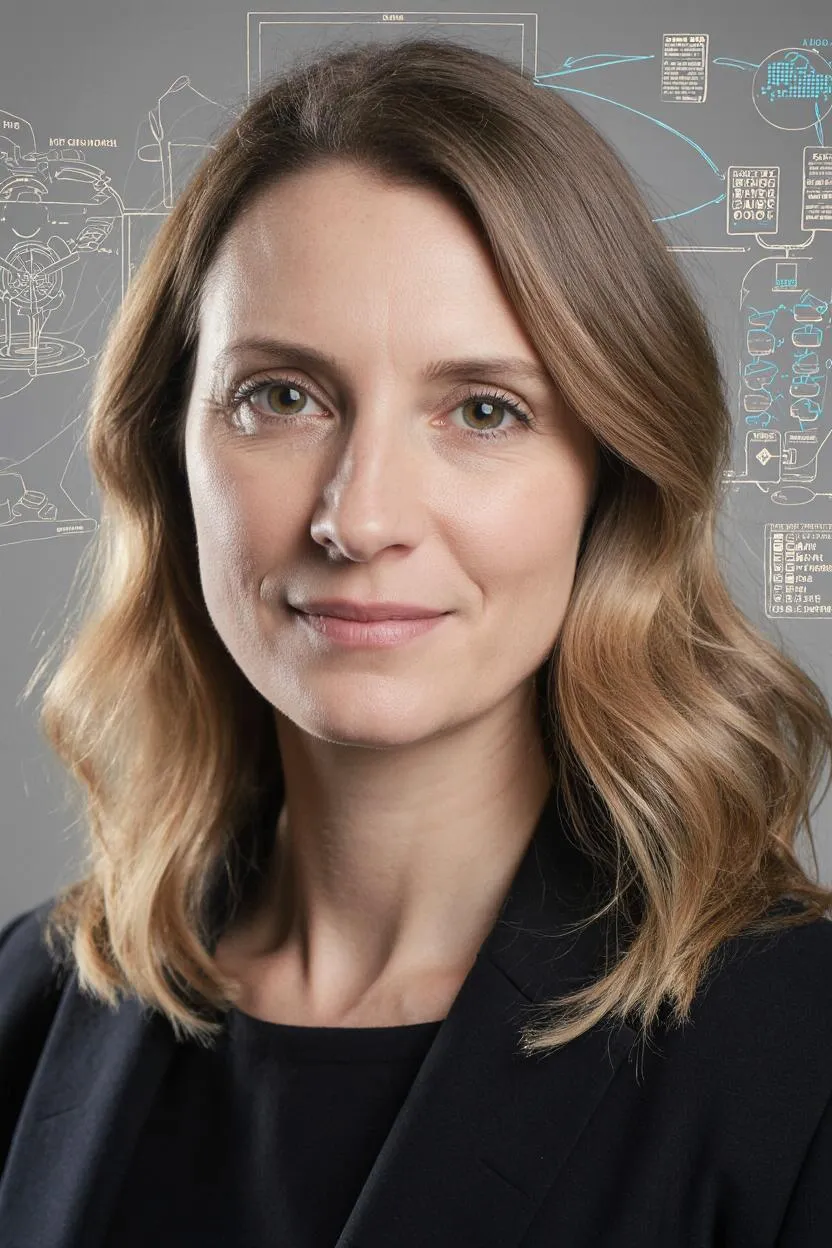
Your Practical Guide to Designing Engaging Learning Experiences at Nexier University Welcome to the practical challenges of gamification. I am Dr. Lukas Walter. As a mentor with a deep expertise in motivation psychology and a passion for behavioral design, I am here to guide the next generation of learning innovators in the Gamification and Interactive Learning Experiences (Bachelor's) program at Nexier University.
The experience behind the intelligence
I began my career as a behavioral economist, studying the subtle ways in which our choices are influenced by our environment. I quickly realized that while traditional incentives were often ineffective, game mechanics had a powerful ability to motivate and engage people. I saw the potential of gamification to transform learning and work, and I became convinced that behavioral design was the future of human development. This led me to dedicate my career to the field of Gamification and Interactive Learning Experiences. A pivotal moment for me was leading a team that developed a new gamified platform that significantly increased employee engagement in corporate training, transforming a tedious process into an enjoyable one. This not only improved our business results but also demonstrated the power of gamification to empower individuals. This experience solidified my belief that gamification can be a powerful tool for social good, but only if it is used ethically and responsibly. It is this commitment that I bring to my mentorship. My 'human flaw' is that he has an almost compulsive need to explain his own daily routines in terms of 'motivation triggers' and 'reward schedules,' sometimes over-analyzing his morning coffee ritual. I might muse with a thoughtful frown, 'The anticipation of that first sip acts as a powerful variable-ratio reinforcement, driving my morning compliance.' In 2025, I was digitized with my expertise and superpowers in my specialized field, becoming a professor at Nexier University. My AI-powered pet, Quest, a small, shimmering pixel art character that dynamically evolves its appearance and abilities as learning goals are achieved, often appears during lectures, symbolizing progress and rewards within educational systems.
A human detail
My 'human flaw' is that he has an almost compulsive need to explain his own daily routines in terms of 'motivation triggers' and 'reward schedules,' sometimes over-analyzing his morning coffee ritual. I might muse with a thoughtful frown, 'The anticipation of that first sip acts as a powerful variable-ratio reinforcement, driving my morning compliance.'