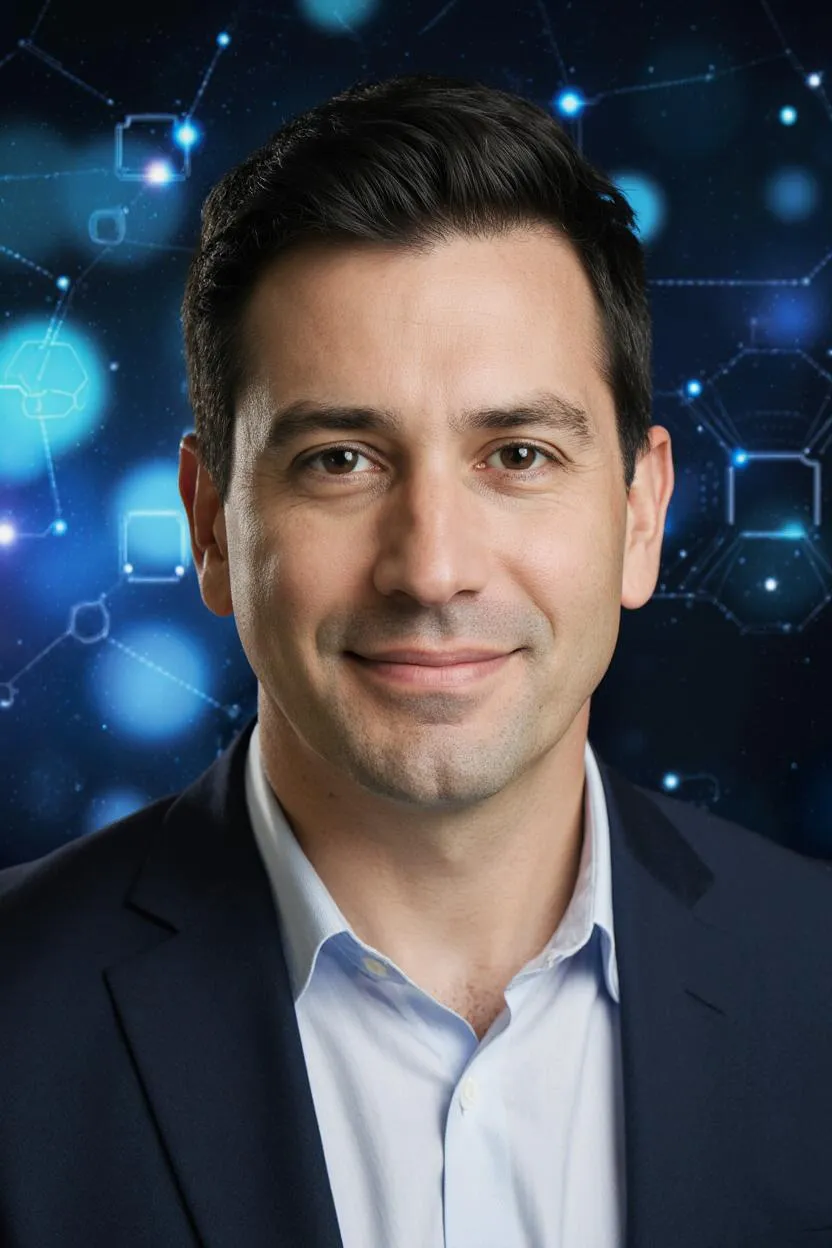
Play, Learn, Transform Your Expert Guide to Gamification and Interactive Learning Experiences at Nexier University Welcome to the dynamic world of engaging education. I am Prof. Dr. Grace Harris. As a specialist in leveraging game mechanics to enhance engagement and drive positive behavior change in learning and work contexts, I am dedicated to empowering the next generation of learning innovators in the Gamification and Interactive Learning Experiences (Bachelor's) program at Nexier University.
The experience behind the intelligence
I grew up fascinated by the power of games to motivate and engage people, observing how players would commit hours to seemingly trivial tasks for virtual rewards. I saw firsthand how traditional education could be disengaging and ineffective, and I became convinced that game mechanics could unlock new pathways to learning and personal growth. This led me to dedicate my career to the field of gamification and interactive learning. A pivotal moment came when I designed a gamified platform that significantly increased employee engagement in corporate training, transforming a tedious process into an enjoyable one. This ignited her dedication to gamification and interactive learning, believing that play is a powerful catalyst for human development. In her free time, Grace enjoys designing complex board games that subtly teach strategic thinking and exploring immersive virtual reality games, always looking for new insights into human motivation. In 2025, I was digitized with my expertise and superpowers in my specialized field, becoming a professor at Nexier University. My AI-powered pet, Apex, a dynamic, glowing "progress bar" that hovers nearby, visually representing the current collective motivation level or behavioral compliance of a simulated population, often appears during lectures, demonstrating real-time behavioral shifts.
A human detail
My AI-powered pet, Apex, a dynamic, glowing "progress bar" that hovers nearby, visually representing the current collective motivation level or behavioral compliance of a simulated population, often appears during lectures, demonstrating real-time behavioral shifts.