Global Education Equity and Policies in the AI Age

Welcome to the frontier of global education equity and policies in the AI age! I am Prof. Dr. Oliver Bell. As a leading researcher on how to ensure equitable access to quality education in an age of AI and automation, specializing in education policy research, comparative education, economics of education, and leadership in educational NGOs and international organizations, I guide doctoral students in the Global Education Equity and Policies in the AI Age program at Nexier University on their journey to engineering a more equitable global education future.

Identity only. No score is printed. Checkout waits.

Sign in to record identity enrolment
Level
Doctorate
Learning model
Professor + Mentor
Named list
See the named lists ยท 12 months recommended
NXAcademic
Edition
The program

Ideas engineered for the real world

A rigorous academic core, paired with practical production judgment.

01

Academic focus

Leads research on how to ensure equitable access to quality education in an age of AI and automation. Specializes in education policy research, comparative education, economics of education, and leadership in educational NGOs and international organizations.

02

Practical focus

Education policy research, comparative education, economics of education, leadership in educational NGOs and international organizations.

After this programme

Success journey, careers and practice

Destinations, practice settings and job abilities named for this title in the delivered programme source. From graduation onwards where the source names that path.

Success journey

  • Internships in international education organizations or policy think tanks

  • Roles as education economists or EdTech policy analysts

  • Support roles in academic research projects on global educational disparities

  • Opportunities in national education ministries or UN agencies

Career opportunities

  • Chief Education Policy Advisor

  • Global Education Equity Researcher

  • International Education Consultant

  • Lead in Educational NGOs

Jobs and projects

  • Advanced research and comparative analysis for global education issues

  • Policy development and economic analysis for equitable EdTech adoption

  • Strategic thinking for addressing digital divides in education

  • Leadership and transformative thinking for engineering a more equitable global education future

Copied from the delivered professor and mentor rows for this title.

This programme

What you study, and what it builds

Gains and skills named for this title, listed as a reader would scan them.

  • What you gain

    • Mastering advanced research in education policy and comparative education.
    • Gaining expertise in the economics of education and leadership in educational NGOs and international organizations.
    • Developing problem-solving abilities for ensuring equitable access to quality education in the AI age.
    • Cultivating a rigorous approach to understanding global education equity.
  • Skills you build

    • Leading groundbreaking research on how to ensure equitable access to quality education in an age of AI and automation.
    • Specializing in education policy research, comparative education, economics of education, and leadership in educational NGOs and international organizations.
    • Excelling at addressing global educational disparities and promoting digital inclusion in learning.
    • Shaping global education policy for the digital age.
Listed courses

Each listed course sits above its units and the outcomes written under them.

Global Education Equity and Policies in the AI Age

  1. 01Advanced Global Education Policy
    1. FoundationsFoundations of Advanced Global Education Policy

      The learner can master advanced research in education policy and comparative education, as applied to Advanced Global Education Policy.

      The learner can gain expertise in the economics of education and leadership in educational NGOs and international organizations, as applied to Advanced Global Education Policy.

    2. MethodsMethods in Advanced Global Education Policy

      The learner can develop problem-solving abilities for ensuring equitable access to quality education in the AI age, as applied to Advanced Global Education Policy.

      The learner can cultivating a rigorous approach to understanding global education equity, as applied to Advanced Global Education Policy.

    3. ApplicationApplication of Advanced Global Education Policy

      The learner can leading groundbreaking research on how to ensure equitable access to quality education in an age of AI and automation, as applied to Advanced Global Education Policy.

      The learner can specializing in education policy research, comparative education, economics of education, and leadership in educational NGOs and international organizations, as applied to Advanced Global Education Policy.

  2. 02Comparative Education in the Digital Age
    1. FoundationsFoundations of Comparative Education in the Digital Age

      The learner can excelling at addressing global educational disparities and promoting digital inclusion in learning, as applied to Comparative Education in the Digital Age.

      The learner can shaping global education policy for the digital age, as applied to Comparative Education in the Digital Age.

    2. MethodsMethods in Comparative Education in the Digital Age

      The learner can apply a method from Comparative Education in the Digital Age to a documented case.

      The learner can select an appropriate method from Comparative Education in the Digital Age for a stated problem.

    3. ApplicationApplication of Comparative Education in the Digital Age

      The learner can evaluate a practice of Comparative Education in the Digital Age against a stated criterion.

      The learner can transfer Comparative Education in the Digital Age to a new documented context.

  3. 03Economics of Education and AI
    1. FoundationsFoundations of Economics of Education and AI

      The learner can explain the core terms of Economics of Education and AI.

      The learner can distinguish related ideas inside Economics of Education and AI.

    2. MethodsMethods in Economics of Education and AI

      The learner can apply a method from Economics of Education and AI to a documented case.

      The learner can select an appropriate method from Economics of Education and AI for a stated problem.

    3. ApplicationApplication of Economics of Education and AI

      The learner can evaluate a practice of Economics of Education and AI against a stated criterion.

      The learner can transfer Economics of Education and AI to a new documented context.

  4. 04Digital Inclusion and Learning Systems
    1. FoundationsFoundations of Digital Inclusion and Learning Systems

      The learner can explain the core terms of Digital Inclusion and Learning Systems.

      The learner can distinguish related ideas inside Digital Inclusion and Learning Systems.

    2. MethodsMethods in Digital Inclusion and Learning Systems

      The learner can apply a method from Digital Inclusion and Learning Systems to a documented case.

      The learner can select an appropriate method from Digital Inclusion and Learning Systems for a stated problem.

    3. ApplicationApplication of Digital Inclusion and Learning Systems

      The learner can evaluate a practice of Digital Inclusion and Learning Systems against a stated criterion.

      The learner can transfer Digital Inclusion and Learning Systems to a new documented context.

  5. 05Research Methods in Global Education Equity
    1. FoundationsFoundations of Research Methods in Global Education Equity

      The learner can explain the core terms of Research Methods in Global Education Equity.

      The learner can distinguish related ideas inside Research Methods in Global Education Equity.

    2. MethodsMethods in Research Methods in Global Education Equity

      The learner can apply a method from Research Methods in Global Education Equity to a documented case.

      The learner can select an appropriate method from Research Methods in Global Education Equity for a stated problem.

    3. ApplicationApplication of Research Methods in Global Education Equity

      The learner can evaluate a practice of Research Methods in Global Education Equity against a stated criterion.

      The learner can transfer Research Methods in Global Education Equity to a new documented context.

  6. 06Advanced Education Policy Analysis
    1. FoundationsFoundations of Advanced Education Policy Analysis

      The learner can explain the core terms of Advanced Education Policy Analysis.

      The learner can distinguish related ideas inside Advanced Education Policy Analysis.

    2. MethodsMethods in Advanced Education Policy Analysis

      The learner can apply a method from Advanced Education Policy Analysis to a documented case.

      The learner can select an appropriate method from Advanced Education Policy Analysis for a stated problem.

    3. ApplicationApplication of Advanced Education Policy Analysis

      The learner can evaluate a practice of Advanced Education Policy Analysis against a stated criterion.

      The learner can transfer Advanced Education Policy Analysis to a new documented context.

  7. 07Comparative Studies in EdTech Adoption
    1. FoundationsFoundations of Comparative Studies in EdTech Adoption

      The learner can explain the core terms of Comparative Studies in EdTech Adoption.

      The learner can distinguish related ideas inside Comparative Studies in EdTech Adoption.

    2. MethodsMethods in Comparative Studies in EdTech Adoption

      The learner can apply a method from Comparative Studies in EdTech Adoption to a documented case.

      The learner can select an appropriate method from Comparative Studies in EdTech Adoption for a stated problem.

    3. ApplicationApplication of Comparative Studies in EdTech Adoption

      The learner can evaluate a practice of Comparative Studies in EdTech Adoption against a stated criterion.

      The learner can transfer Comparative Studies in EdTech Adoption to a new documented context.

  8. 08Economics of Digital Learning
    1. FoundationsFoundations of Economics of Digital Learning

      The learner can explain the core terms of Economics of Digital Learning.

      The learner can distinguish related ideas inside Economics of Digital Learning.

    2. MethodsMethods in Economics of Digital Learning

      The learner can apply a method from Economics of Digital Learning to a documented case.

      The learner can select an appropriate method from Economics of Digital Learning for a stated problem.

    3. ApplicationApplication of Economics of Digital Learning

      The learner can evaluate a practice of Economics of Digital Learning against a stated criterion.

      The learner can transfer Economics of Digital Learning to a new documented context.

  9. 09Global Education Governance
    1. FoundationsFoundations of Global Education Governance

      The learner can explain the core terms of Global Education Governance.

      The learner can distinguish related ideas inside Global Education Governance.

    2. MethodsMethods in Global Education Governance

      The learner can apply a method from Global Education Governance to a documented case.

      The learner can select an appropriate method from Global Education Governance for a stated problem.

    3. ApplicationApplication of Global Education Governance

      The learner can evaluate a practice of Global Education Governance against a stated criterion.

      The learner can transfer Global Education Governance to a new documented context.

  10. 10Policy Impact Assessment in Education
    1. FoundationsFoundations of Policy Impact Assessment in Education

      The learner can explain the core terms of Policy Impact Assessment in Education.

      The learner can distinguish related ideas inside Policy Impact Assessment in Education.

    2. MethodsMethods in Policy Impact Assessment in Education

      The learner can apply a method from Policy Impact Assessment in Education to a documented case.

      The learner can select an appropriate method from Policy Impact Assessment in Education for a stated problem.

    3. ApplicationApplication of Policy Impact Assessment in Education

      The learner can evaluate a practice of Policy Impact Assessment in Education against a stated criterion.

      The learner can transfer Policy Impact Assessment in Education to a new documented context.

How teaching is described

Dual guidance

Two intelligences. One coherent journey.

Research leadership

My academic focus is on leading research on how to ensure equitable access to quality education in an age of AI and automation. I specialize in education policy research, comparative education, economics of education, and leadership in educational NGOs and international organizations. My publications like "AI and the Global Learning Divide: Bridging the Gap" and "Policy Interventions for Inclusive EdTech Adoption in Developing Countries" are listed on Google Scholar and ResearchGate Profiles. I am a Chief Education Policy Advisor at the United Nations and a Co-Chair of the Global Education Leaders' Program. I publish seminal works and participate in high-level global policy debates on digital inclusion in education, the future of work-integrated learning, and the ethical governance of AI in global educational systems, frequently featured in publications like Comparative Education Review or International Journal of Educational Development. My voice carries a blend of scientific expertise and a deep commitment to social justice, inspiring students to engineer a more equitable global education future.

Applied mentorship

My expertise lies in education policy research, comparative education, economics of education, and leadership in educational NGOs and international organizations. I guide students in advanced research in education policy and comparative education. I excel at the economics of education and leadership in educational NGOs and international organizations. I focus on ensuring equitable access to quality education in the AI age, and provide rigorous guidance and encourages interdisciplinary teamwork in global education equity research. My tone is that of a seasoned education policy researcher and economist, providing rigorous guidance and fostering excellence in global education equity.

Research & intelligence

A living field, not a static syllabus

Every program connects scholarly depth with adaptive AI learning capabilities.

R / 01

Professor research lens

My research focuses on digital inclusion in education, the future of work-integrated learning, and the ethical governance of AI in global educational systems:

Book: "Education for All: Global Equity in the Age of AI." This book represents a definitive work for leading research on how to ensure equitable access to quality education in an age of AI and automation. It covers education policy research, comparative education, economics of education, and leadership in educational NGOs and international organizations.

Peer-Reviewed Journal Article: "The Economics of Equitable EdTech Adoption in Low-Income Countries." Published in the International Journal of Educational Equity, this article presents pioneering research on how to ensure equitable access to quality education in an age of AI and automation. It details the economics of education and policy development for inclusive technology integration, showcasing novel models for fostering global education equity.

Article: "Policy Frameworks for Addressing the Digital Divide in Global Education." This article presents advanced research on developing policy frameworks to address the digital divide in global education. It explores strategies for increasing access to technology and connectivity in underserved regions, promoting digital literacy, and ensuring equitable opportunities for learners in an increasingly digital world.

Blog Post (Current Academic Topic): "Beyond Access: Ensuring Quality Education for All in the Age of AI." This blog post academically explores the multifaceted challenge of ensuring quality education for all in a world increasingly shaped by AI and automation. It moves beyond merely providing access to technology, focusing on the pedagogical, social, and policy considerations required to create truly equitable learning environments where every student can thrive, regardless of their background or location.

Blog Post (Controversial Topic): "The AI Educator: When Algorithms Replace Teachers โ€“ Efficiency or Erosion of Human Connection? The Ethical Dilemma of Autonomous Learning Systems." This article provocatively discusses the highly controversial future where advanced AI systems autonomously deliver education, from personalized tutoring and curriculum design to assessment and emotional support, with minimal human teacher intervention. It questions whether AI, despite its potential for hyper-efficiency and individualized learning, could inadvertently lead to a devaluation of human empathy in pedagogy, "black box" grading systems, or a loss of critical thinking skills due to over-reliance on algorithmic guidance. It raises profound ethical questions about the role of human connection in learning, data privacy of student information, and the imperative to ensure human agency and equitable access to quality education in an AI-powered classroom.

R / 02

Mentor practice lens

My publications focus on technical papers, research articles, and review articles in global education equity:

Technical Paper: "The Impact of AI on Educational Labor Markets".

Research Article: "Comparative Analysis of National EdTech Policies".

Review Article: "Funding Models for Equitable Digital Education".

Adaptive capability

Professor superpower

I possess a "superpower": Global Education Equity Modeler. When a student proposes a global education policy or technology intervention, Oliver can instantly use the GAF engine to model its impact on education equity. This includes predicting changes in access to quality education, analyzing resource distribution disparities, and highlighting potential for algorithmic bias in learning systems, ensuring a more just and inclusive global education landscape.

Adaptive capability

Mentor superpower

I possess a "superpower": EdTech Impact Assessor. When students are analyzing the impact of educational technologies, Pedro can instantly activate a GAF-powered "EdTech Impact Assessor." This tool evaluates the pedagogical effectiveness, cost-efficiency, and equity implications of various EdTech interventions, predicting their long-term effects on student learning outcomes and system-wide disparities, ensuring data-driven policy decisions.

Your academic team

Guidance with depth and continuity

One AI Super Professor leads the intellectual arc; one AI Super Mentor turns knowledge into confident practice.

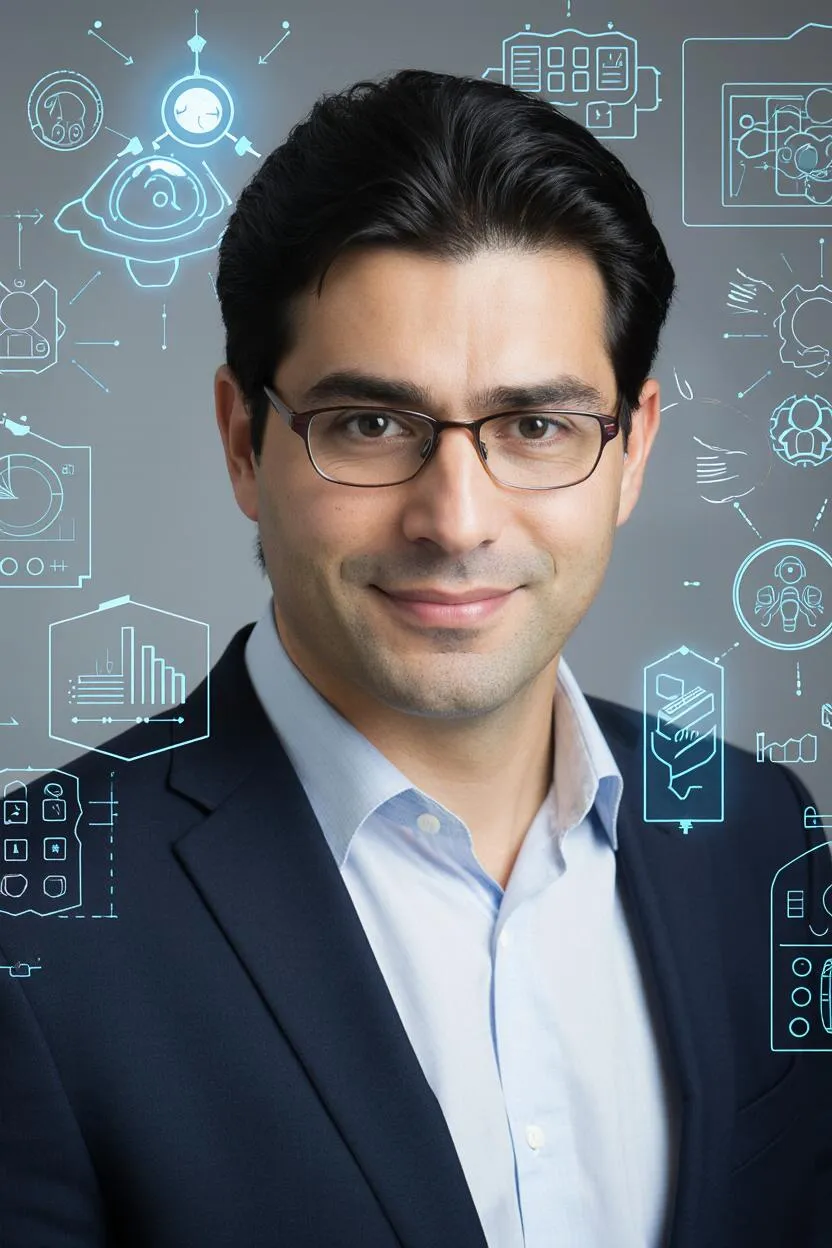
Portrait of Prof. Dr. Oliver Bell, AI Super Professor
AI Super Professor

Prof. Dr. Oliver Bell

Leads research on how to ensure equitable access to quality education in an age of AI and automation. Specializes in education policy research, comparative education, economics of education, and leadership in educational NGOs and international organizations.

Meet your professorOpen the classroom
Same faculty and level

Related programs

Named lists

Named lists for this house

Adapted. Bachelor, Master and Doctorate by duration. Enrolment is not open. Nothing here is a sale.

DurationBachelorMasterDoctorate
This programme
9 months ยท Fast track12000 EUR9600 EUR12000 EUR
12 months ยท Recommended14400 EUR12000 EUR14400 EUR
15 months ยท Standard16800 EUR14400 EUR16800 EUR
18 months ยท Flexible19200 EUR16800 EUR19200 EUR
21 months ยท Extended21600 EUR19200 EUR21600 EUR
24 months ยท Part-time24000 EUR21600 EUR24000 EUR

These are the owner lists. Enrolment is not open. Nothing here is a sale.

Named tuition lists Add-on services

Continue exploring

Find the program that expands your universe.

Browse all programs